Autonomous Ride-Hailing at Scale
Geography: Americas · North America · United States
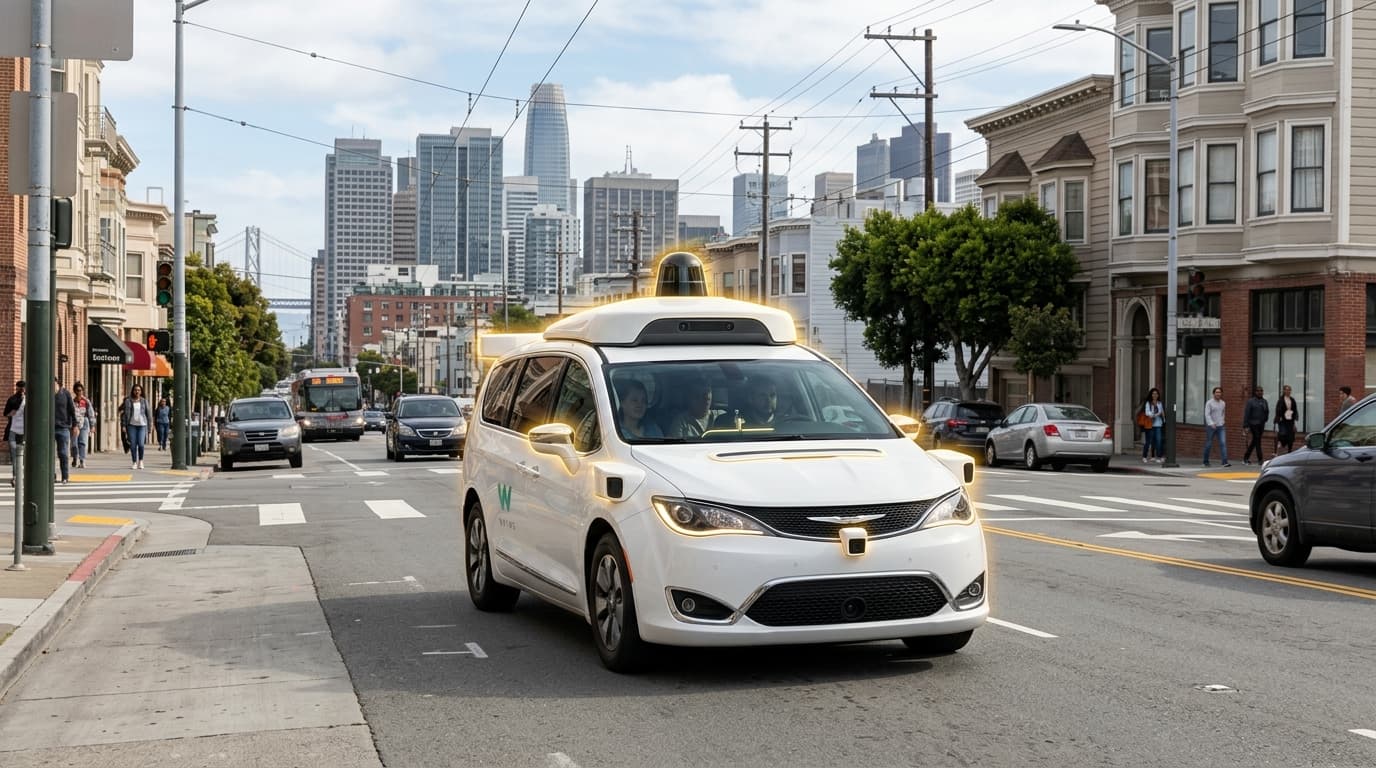
Waymo's autonomous ride-hailing service operates fully driverless vehicles (no safety driver) in multiple US cities, completing over 150,000 paid trips per week as of late 2025. The company uses a sensor suite of lidar, radar, and cameras combined with machine learning models trained on billions of miles of driving data. Cruise (GM) resumed limited operations after a 2023 suspension, and Amazon's Zoox is testing in Las Vegas and San Francisco.
Waymo's achievement matters because it demonstrates that Level 4 autonomous driving — fully driverless operation within defined areas — is commercially viable. Safety data shows Waymo vehicles are significantly less likely to be involved in injury-causing crashes than human drivers. This validates decades of autonomous vehicle research and billions in investment.
The US leads in autonomous ride-hailing due to Waymo's first-mover advantage and the regulatory flexibility of individual US cities and states. China's Baidu Apollo operates similar services in Chinese cities, creating a parallel competitive dynamic. The technology's expansion depends on regulatory approval in new cities, public acceptance, and the economics of scaling a fleet of sensor-laden vehicles.
Research this in Signals
Signals turns a topic into a sourced research record you can inspect and rerun. Your first scan is free, and this one starts with Autonomous Ride-Hailing at Scale already loaded, so edit it or scan as is.