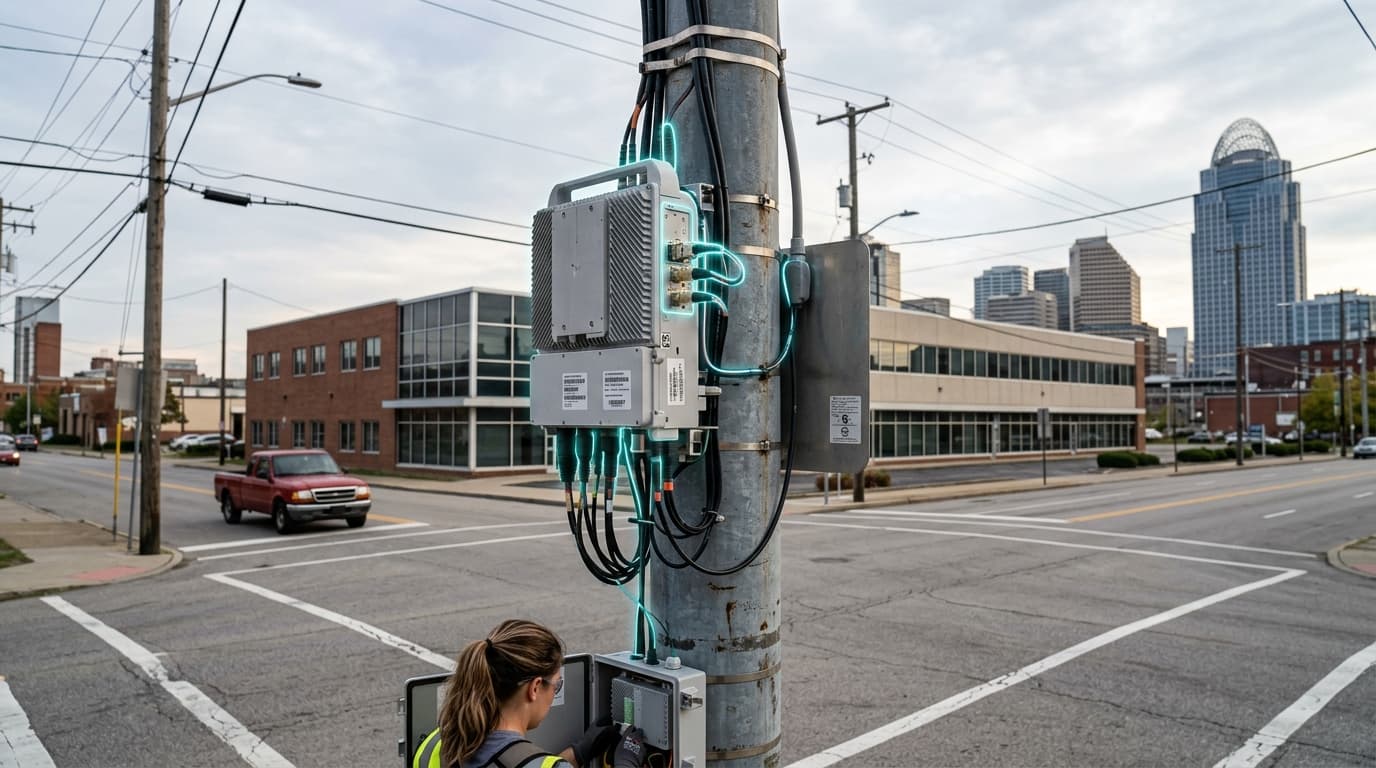
Open RAN Telecommunications
Geography: Americas · North America · United States
Open RAN (Radio Access Network) disaggregates the traditionally monolithic cell tower equipment into interoperable hardware and software components from multiple vendors. This breaks the lock-in that concentrated mobile network infrastructure among a handful of vendors — particularly Huawei, which the US considers a national security threat. US-allied companies like Mavenir, Parallel Wireless, and Japan's Rakuten Symphony provide Open RAN solutions.
Open RAN matters strategically because 5G infrastructure is critical national infrastructure, and the US seeks to ensure that allied networks don't depend on Chinese equipment. By enabling multi-vendor networks, Open RAN creates a competitive market for telecom infrastructure that includes US, European, Japanese, and Korean suppliers.
The technology faces challenges in performance and integration complexity — multi-vendor systems require more testing and optimization than single-vendor deployments. But the strategic imperative is clear: the US is investing billions through the NTIA and DOD to accelerate Open RAN deployment domestically and among allies.
Research this in Signals
Signals turns a topic into a sourced research record you can inspect and rerun. Your first scan is free, and this one starts with Open RAN Telecommunications already loaded, so edit it or scan as is.