Chip Onshoring
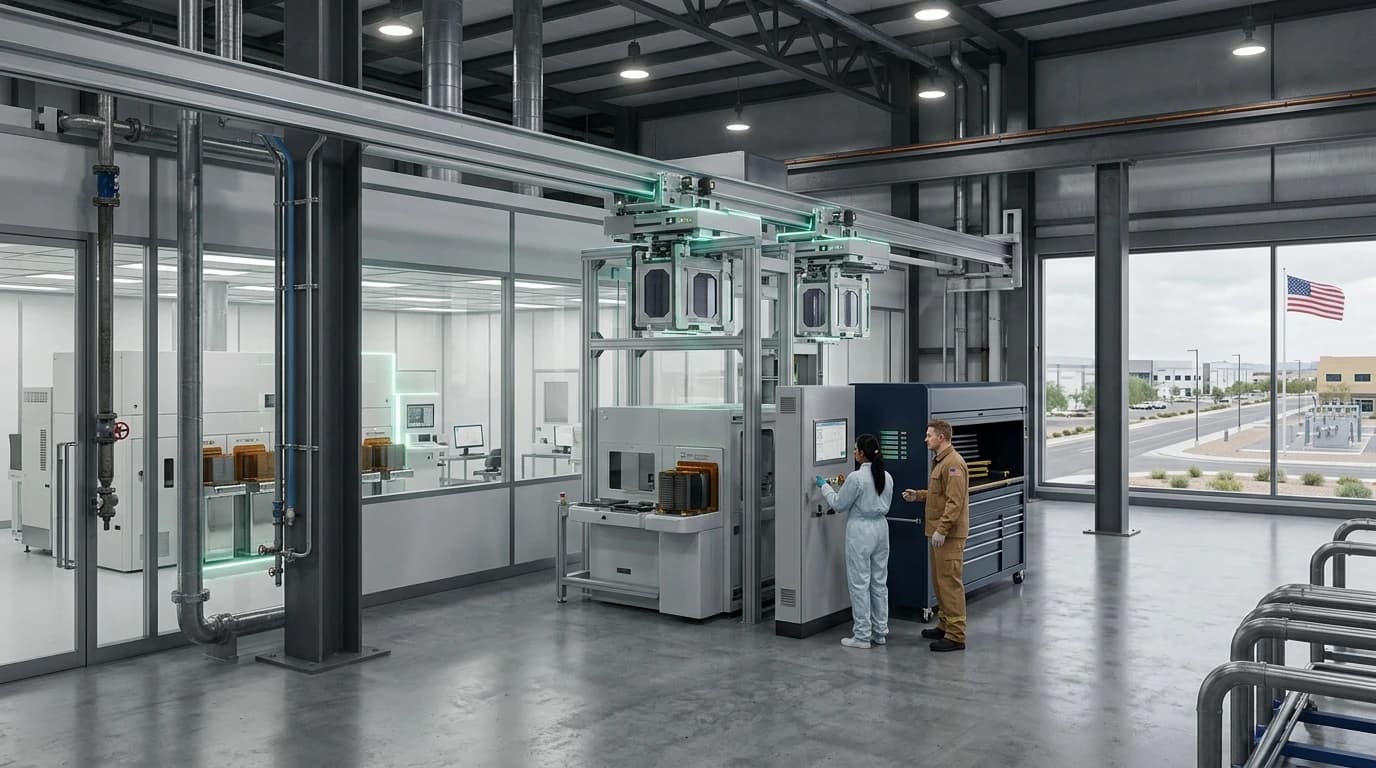
Domestic Semiconductor Fabrication (CHIPS Act)
The $280B CHIPS and Science Act is funding new leading-edge fabs from TSMC (Arizona), Intel, Samsung, and Micron on US soil, reshoring advanced chip production for the first time in decades.
Geography: Americas · North America · United States
The CHIPS and Science Act represents the largest US industrial policy investment in semiconductor manufacturing since the creation of SEMATECH. TSMC is building three fabs in Arizona with $6.6 billion in CHIPS Act subsidies, targeting 2nm production by 2028. Intel received $8.5 billion for fabs in Arizona, Ohio, Oregon, and New Mexico. Samsung is building a $17 billion fab in Texas. Micron is investing $100 billion over 20 years in New York.
The strategic imperative is clear: the US designs 47% of the world's chips but manufactures only 12%. Leading-edge production is overwhelmingly concentrated in Taiwan (TSMC) and South Korea (Samsung). A disruption to Taiwanese production — whether from natural disaster, Chinese military action, or trade conflict — would cripple global technology supply chains.
Domestic fab capacity also enables classified chip production for defense and intelligence applications. However, the CHIPS Act faces challenges: construction delays, workforce shortages, and the massive capital requirements of maintaining cutting-edge fabrication. The program's success will be measured not just in fabs built but in whether the US can sustain the manufacturing ecosystem needed to stay at the leading edge.
TRL
7/9Operational
Impact
5/5
Investment
4/5
Category
Hardware
What was expected
Published forecasts about this technology, graded against what happened in Hindsight.
Research this in Signals
Scan Domestic Semiconductor Fabrication (CHIPS Act) for yourself.
Signals turns a topic into a sourced research record you can inspect and rerun. Your first scan is free, and this one starts with Domestic Semiconductor Fabrication (CHIPS Act) already loaded, so edit it or scan as is.