Medium-Lift Reusable Launch Vehicles
Geography: Americas · North America · United States
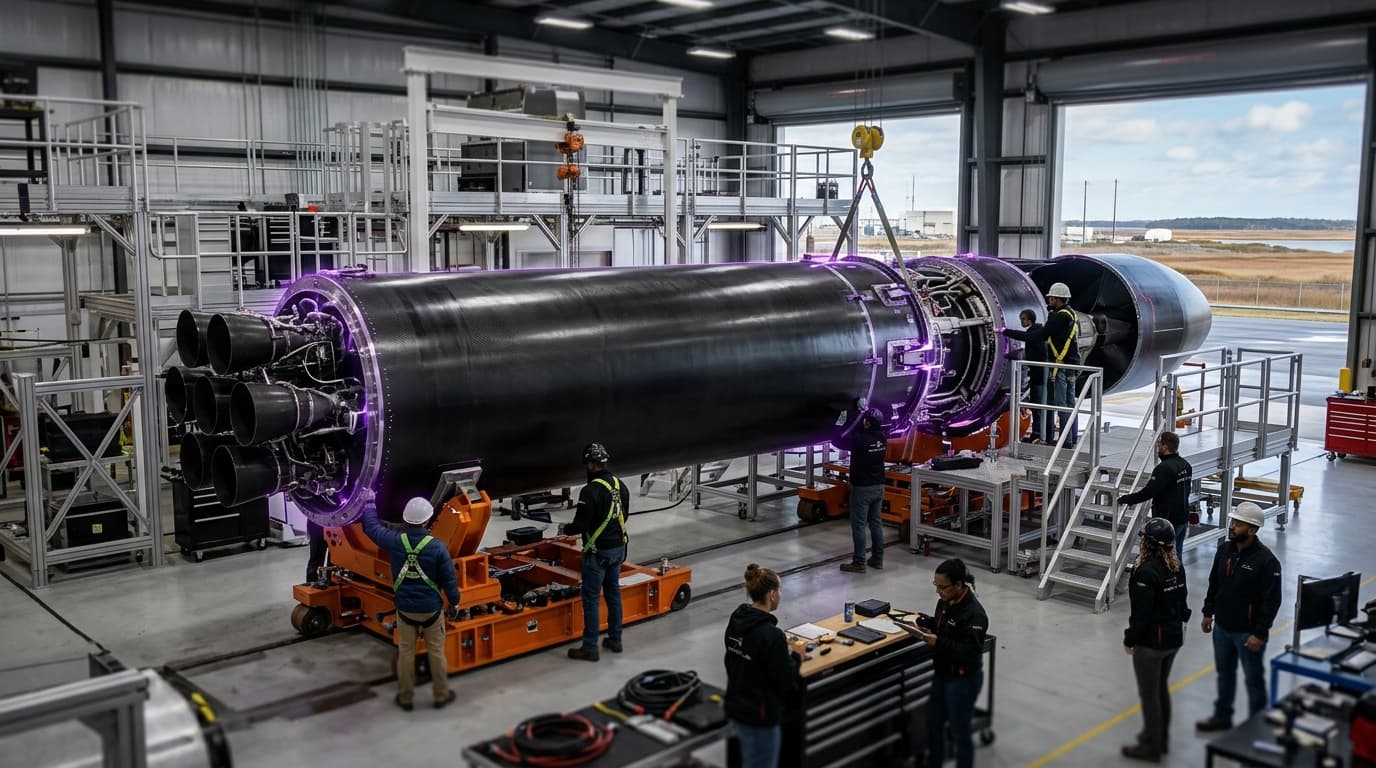
Beyond SpaceX, a second generation of US launch companies is developing reusable medium-lift rockets. Rocket Lab's Neutron targets 13-tonne payload to LEO with first-stage reusability. Relativity Space's Terran R uses the world's largest 3D metal printers to manufacture rocket structures. Stoke Space is developing a fully reusable two-stage rocket. Blue Origin's New Glenn finally reached orbit, providing heavy-lift competition.
A diversified launch market matters for national security (no single-provider dependency), commercial competition (driving costs down further), and mission flexibility (different orbits and payload sizes need different vehicles). Rocket Lab has already demonstrated commercial viability as the second most frequent US launch provider.
The medium-lift segment is particularly competitive because it serves the fastest-growing market: constellation deployment, space station resupply, and responsive launch for military payloads. Multiple viable US launch providers create resilience against the risk of a single company experiencing technical failures or capacity constraints.
Research this in Signals
Signals turns a topic into a sourced research record you can inspect and rerun. Your first scan is free, and this one starts with Medium-Lift Reusable Launch Vehicles already loaded, so edit it or scan as is.