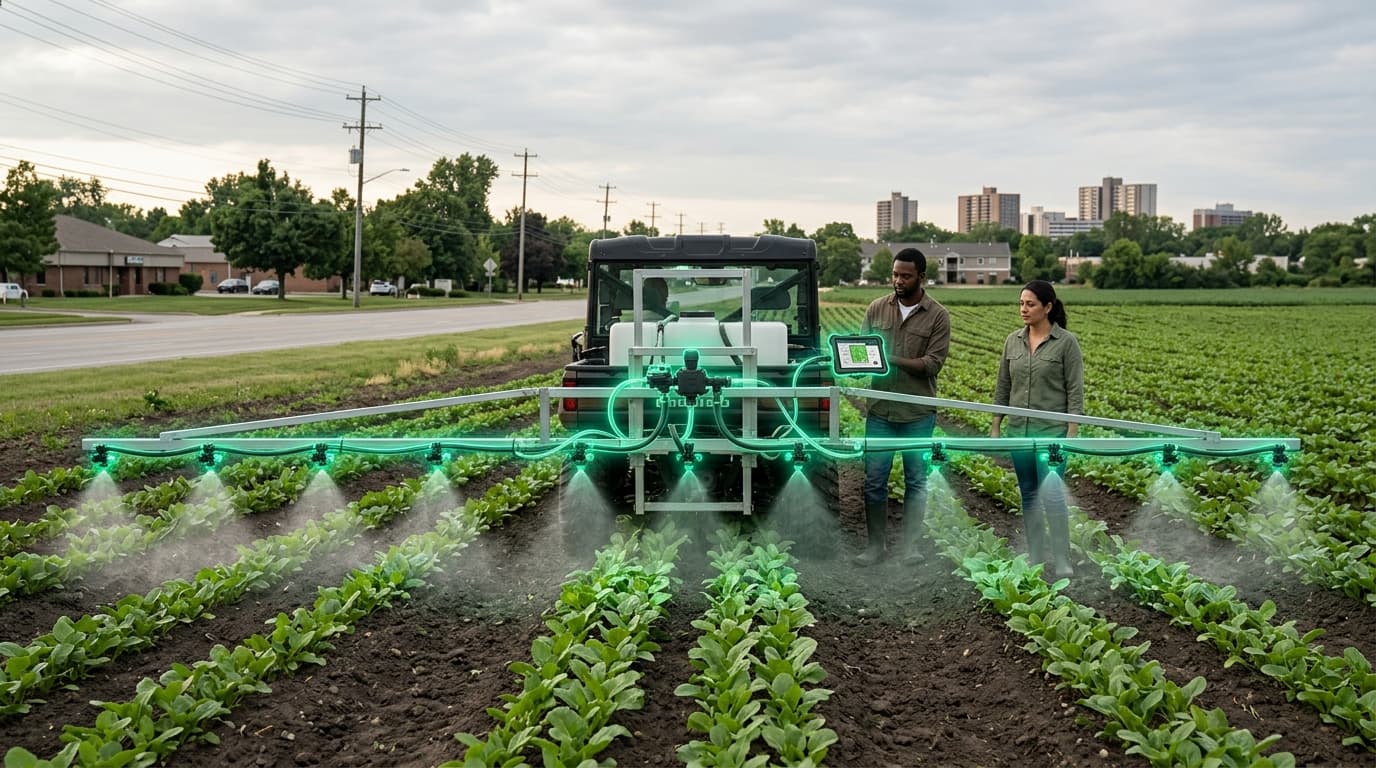
RNA Interference Biopesticides
Geography: Americas · North America · United States
RNA interference biopesticides use short double-stranded RNA molecules that, when sprayed on crops or soil, are ingested by target pests and silence essential genes through the natural RNAi pathway, killing the pest. Unlike broad-spectrum chemical pesticides, RNAi pesticides can be designed to target a single species — killing the Colorado potato beetle while leaving beneficial insects like bees unharmed. GreenLight Biosciences (acquired by BASF subsidiary), Renaissance BioScience, and academic labs across US land-grant universities are advancing the technology.
The appeal is precision without permanent genetic modification. Unlike GMO crops that express insecticidal proteins, RNAi biopesticides are applied externally and degrade within days in the environment. This sidesteps the regulatory and consumer resistance issues that have limited GMO adoption in many markets. The EPA has begun establishing regulatory frameworks for dsRNA-based biopesticides, with Bayer's SmartStax Pro corn (which produces insecticidal dsRNA internally) already approved and demonstrating the biological viability of the approach.
The technology faces challenges in RNA stability (dsRNA degrades quickly in sunlight and moisture), delivery to the target pest (ensuring the RNA is ingested at sufficient doses), and manufacturing cost (producing RNA at agricultural scale requires new biomanufacturing approaches). US agricultural biotech companies are developing nanoparticle formulations and cell-free RNA production systems to address these barriers. If costs drop to competitive levels, RNAi biopesticides could replace billions of dollars in chemical pesticide applications while dramatically reducing environmental and health impacts of agriculture.
Research this in Signals
Signals turns a topic into a sourced research record you can inspect and rerun. Your first scan is free, and this one starts with RNA Interference Biopesticides already loaded, so edit it or scan as is.