Synthetic Biology & Cell Programming
Geography: Americas · North America · United States
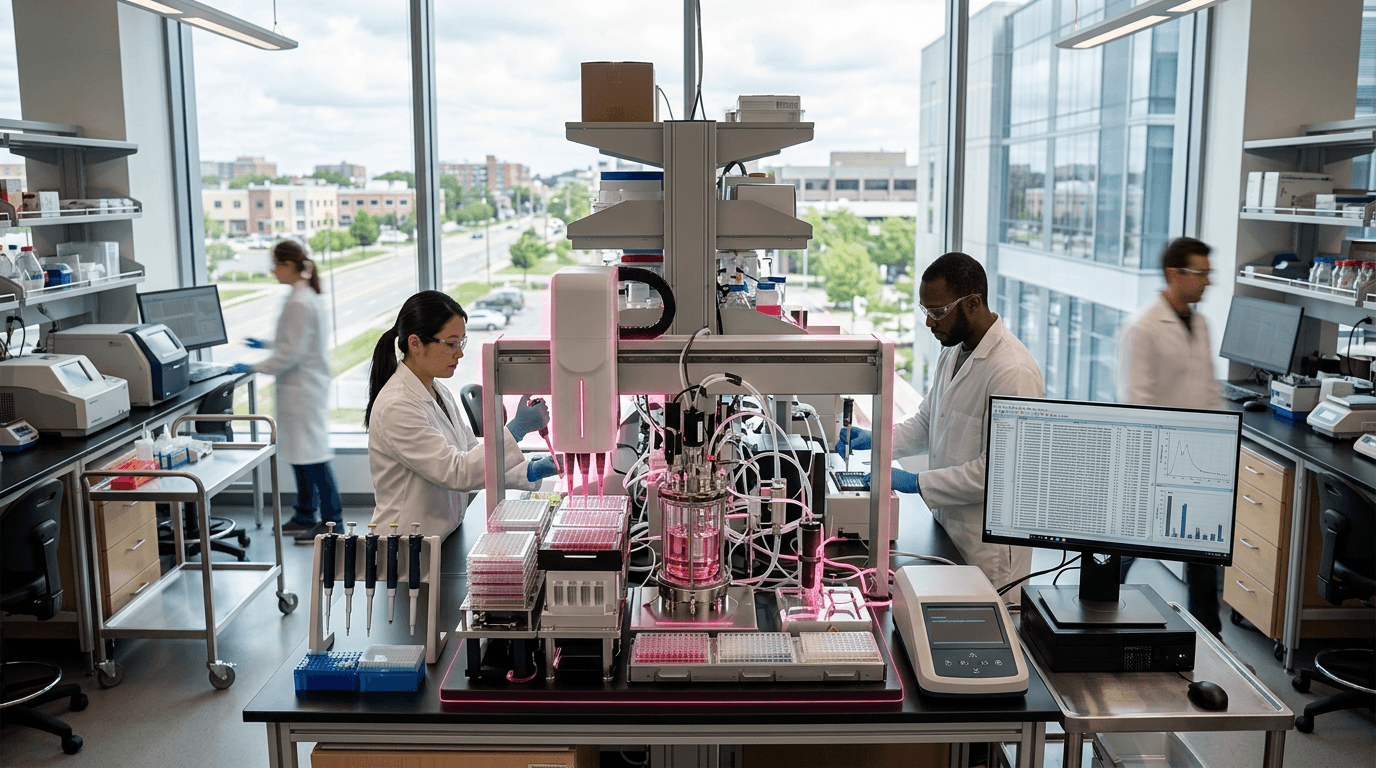
Synthetic biology treats cells as programmable systems, engineering organisms to produce specific molecules, materials, or behaviors. Ginkgo Bioworks operates the world's largest automated foundry for cell programming, processing tens of thousands of organism designs per year. The company exposes capabilities through public APIs, enabling customers to design and order engineered organisms like software developers use cloud services. AI integration has accelerated design-build-test cycles dramatically.
Applications span pharmaceuticals (engineered microbes producing drug precursors), agriculture (nitrogen-fixing bacteria reducing fertilizer dependence), materials (spider silk proteins, bioplastics), food (precision fermentation for dairy and meat proteins), and industrial chemicals (bio-based alternatives to petroleum-derived products).
The US leads in synthetic biology through companies like Ginkgo, Zymergen (acquired by Ginkgo), Amyris, and dozens of startups, plus a robust academic ecosystem at MIT, Stanford, Berkeley, and the Broad Institute. The field represents the biologization of manufacturing — producing with biology what was previously made with chemistry and petroleum. Strategic risks include biosecurity concerns as organism engineering becomes more accessible.
Research this in Signals
Signals turns a topic into a sourced research record you can inspect and rerun. Your first scan is free, and this one starts with Synthetic Biology & Cell Programming already loaded, so edit it or scan as is.