Light-Directed In Vivo Genetic Synthesis (DARPA GO)
Geography: Americas · North America · United States
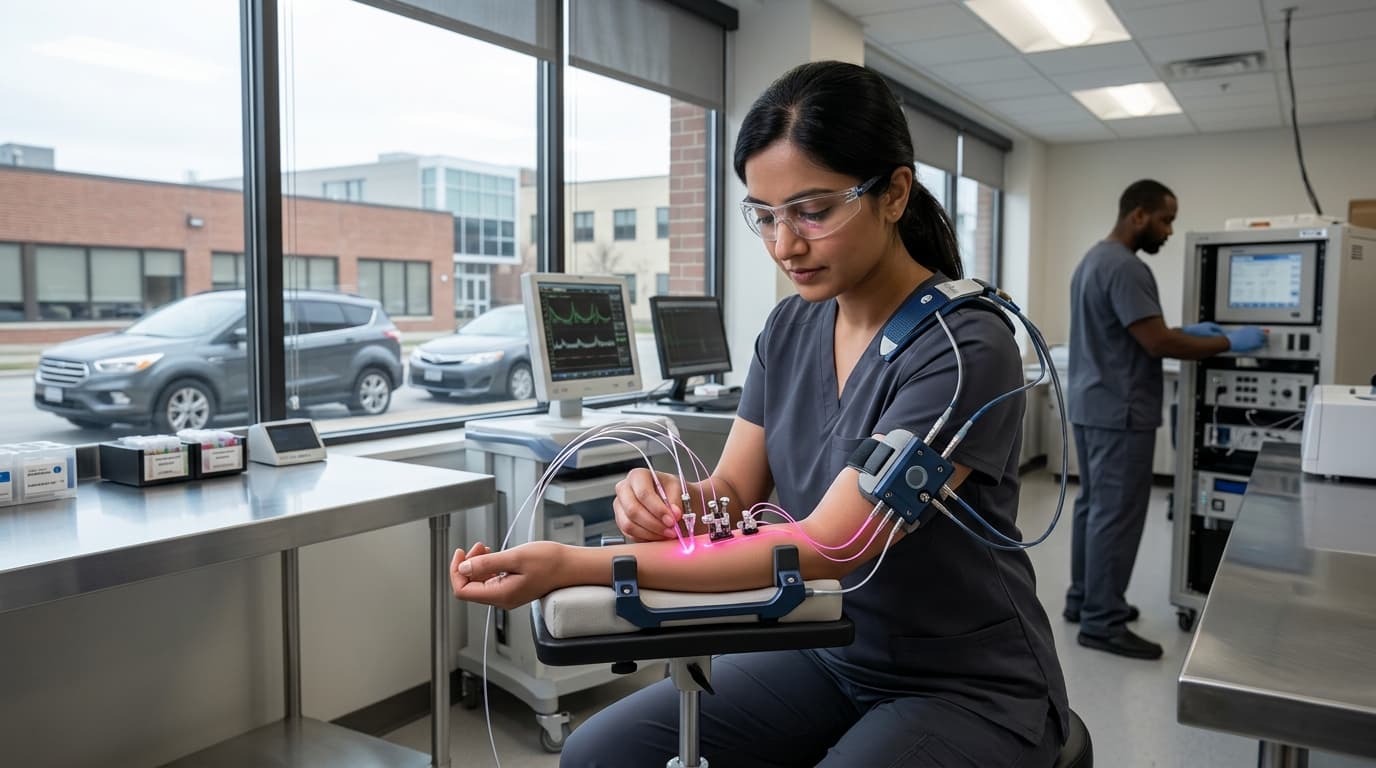
DARPA's Generative Optogenetics (GO) program, launched in early 2025 with a proposers workshop in January, seeks to pioneer a fundamentally new approach to genetic medicine: using light to direct the synthesis of specific DNA and RNA sequences directly inside living cells. Instead of manufacturing genetic material externally in factories and then delivering it via lipid nanoparticles or viral vectors, GO envisions intricately controlled light-burst signals that trigger cells to build precise nucleotide sequences on demand.
If successful, GO would eliminate the entire manufacturing-to-delivery supply chain for genetic therapies. Current gene therapies require complex, expensive manufacturing of viral vectors or mRNA in specialized facilities, cold-chain logistics, and delivery systems that often limit which tissues can be reached. Light-directed synthesis could theoretically treat any tissue that light can reach — and with advances in fiber optics and implantable light sources, that could eventually include deep organs.
This is extremely early-stage technology — no team has yet demonstrated light-directed nucleic acid synthesis in living cells. The program sits at TRL 1-2, in the realm of basic science. But DARPA's track record of funding seemingly impossible ideas that eventually reshape technology (the internet, GPS, mRNA vaccines via prior biosecurity programs) means GO deserves attention. If the fundamental biology works, it would represent the most radical advance in genetic medicine since CRISPR itself — moving from editing existing genes to writing new genetic programs in real-time.
Research this in Signals
Signals turns a topic into a sourced research record you can inspect and rerun. Your first scan is free, and this one starts with Light-Directed In Vivo Genetic Synthesis (DARPA GO) already loaded, so edit it or scan as is.