Solid-State Batteries
Geography: Americas · North America · United States
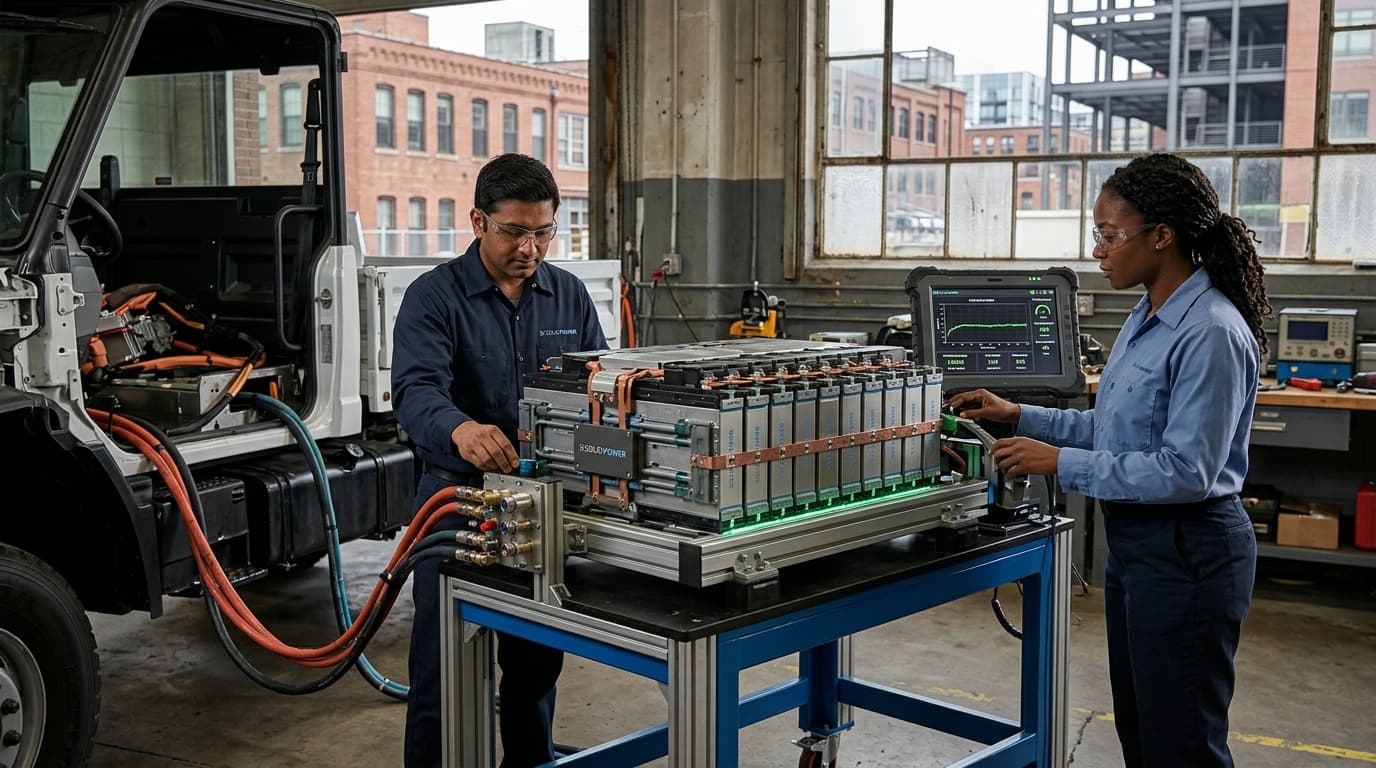
Solid-state batteries replace the liquid electrolyte in conventional lithium-ion batteries with a solid material, enabling lithium-metal anodes that dramatically increase energy density (50-100% improvement). QuantumScape (San Jose) demonstrated production-intent multi-layer cells retaining over 95% capacity after 1,000 charge cycles. Solid Power (Louisville, CO) shipped cells to BMW and Ford for vehicle testing.
Higher energy density means longer range for EVs (500+ miles), lighter battery packs, and faster charging. Solid electrolytes also eliminate the flammable liquid that causes battery fires, making solid-state batteries inherently safer. These combined advantages could accelerate EV adoption and enable new applications like electric aircraft.
The US faces intense competition from Japan (Toyota) and China (CATL, BYD) in solid-state battery development. Toyota claims it will commercialize solid-state batteries by 2027-2028. The technology could reshape the EV supply chain: if solid-state batteries use different materials and manufacturing processes than conventional lithium-ion, current Chinese dominance in battery manufacturing may not automatically transfer.
Research this in Signals
Signals turns a topic into a sourced research record you can inspect and rerun. Your first scan is free, and this one starts with Solid-State Batteries already loaded, so edit it or scan as is.