Autonomous Underwater Vehicles (AUVs)
Geography: Americas · North America · United States
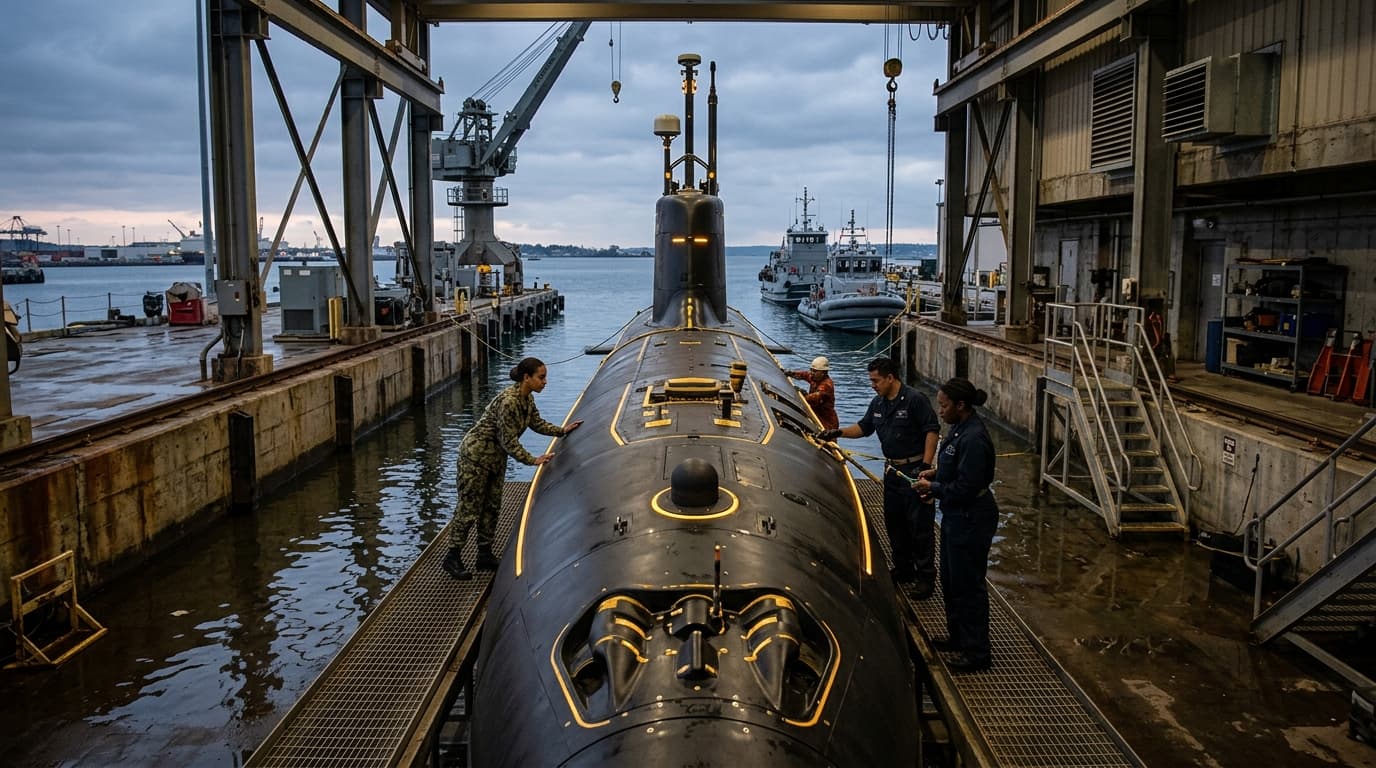
Large autonomous underwater vehicles (AUVs) can operate independently for weeks to months, conducting anti-submarine warfare, mine countermeasures, environmental monitoring, and intelligence gathering. Anduril's Dive-LD is a modular UUV platform deployable from ships or shore. Boeing's Orca Extra Large Unmanned Undersea Vehicle (XLUUV) is being developed for the US Navy to carry out missions traditionally requiring crewed submarines.
AUVs extend naval reach into contested waters without risking sailors or expensive submarines. They can establish persistent undersea surveillance networks, map ocean floor terrain, and hunt enemy submarines in areas too dangerous for manned platforms. Their expendability makes them suitable for mine clearance — a mission that currently risks lives.
The US Navy's undersea advantage is a critical strategic asset, and AUVs extend this advantage by enabling presence in more places simultaneously. The technology also has civilian applications in oceanographic research, offshore oil and gas inspection, and cable/pipeline monitoring.
Research this in Signals
Signals turns a topic into a sourced research record you can inspect and rerun. Your first scan is free, and this one starts with Autonomous Underwater Vehicles (AUVs) already loaded, so edit it or scan as is.