Satellite-To-Smartphone Connectivity
Satellite Direct-to-Cell Connectivity
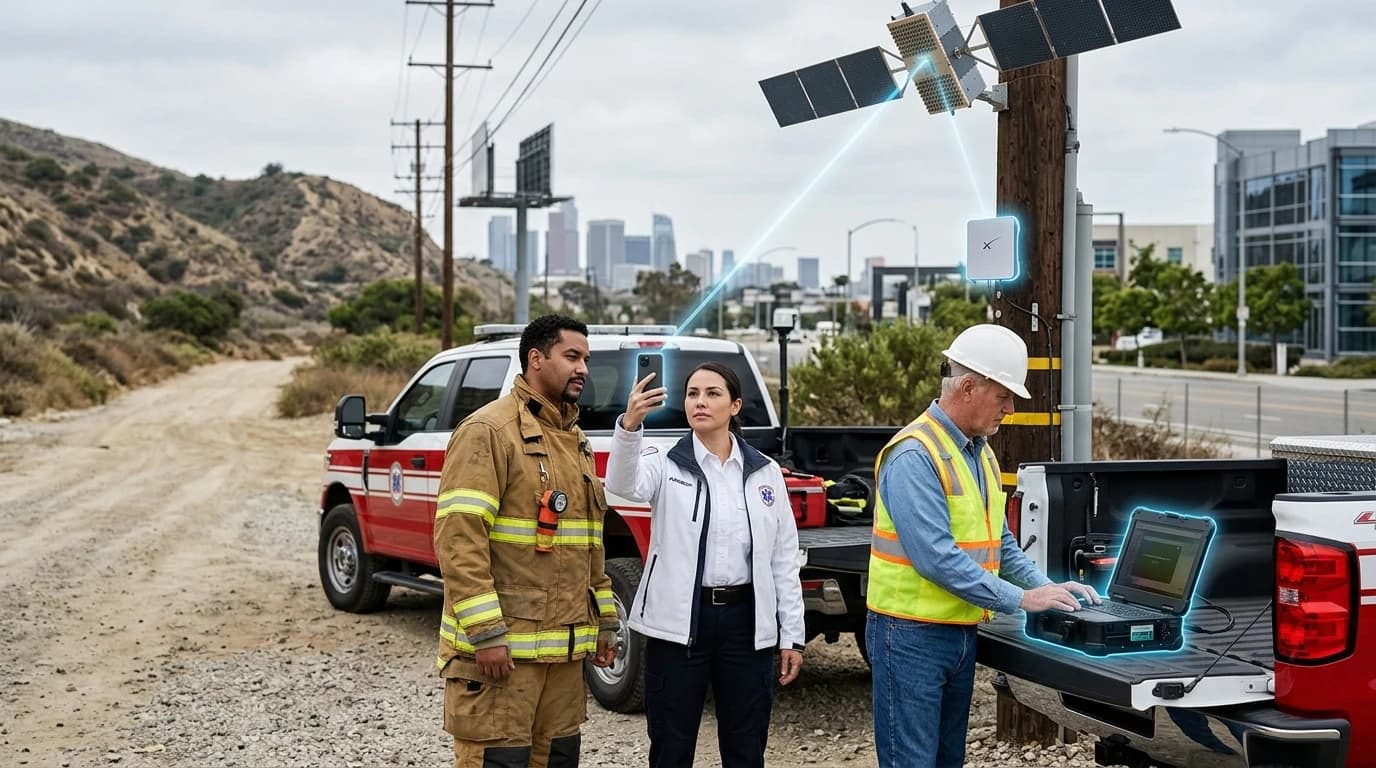
SpaceX's Starlink Direct to Cell, in partnership with T-Mobile, enables standard smartphones to connect to satellites for texting and eventually voice/data, covering 100% of US land area including remote wilderness and disaster zones.
Geography: Americas · North America · United States
Satellite direct-to-cell technology allows standard, unmodified smartphones to communicate with low-Earth orbit satellites when outside terrestrial cell tower range. SpaceX's Starlink Direct to Cell, launched in partnership with T-Mobile, uses modified Starlink satellites with large phased-array antennas to establish cellular links. AST SpaceMobile is taking a similar approach with its BlueWalker constellation.
This eliminates cellular dead zones for the first time in mobile phone history. Hikers, boaters, and rural residents can send texts and (eventually) make voice calls and access data from anywhere on Earth using their existing phones. The technology is also critical for disaster response — when terrestrial cell towers are destroyed by hurricanes, earthquakes, or wildfires, satellite connectivity provides backup communications.
The strategic implications extend to military communications and emergency services. A phone that can always reach a satellite is inherently more resilient than one dependent on fixed infrastructure. The US leads through SpaceX's Starlink constellation advantage (thousands of satellites already in orbit) and the T-Mobile partnership that provides immediate access to a major carrier's subscriber base.
TRL
7/9Operational
Impact
4/5
Investment
5/5
Category
Hardware
What was expected
Published forecasts about this technology, graded against what happened in Hindsight.
Direct-to-device satellite connectivity
This page is a narrower case of it.
Research this in Signals
Scan Satellite Direct-to-Cell Connectivity for yourself.
Signals turns a topic into a sourced research record you can inspect and rerun. Your first scan is free, and this one starts with Satellite Direct-to-Cell Connectivity already loaded, so edit it or scan as is.