Xenotransplantation (Gene-Edited Pig Organs)
Geography: Americas · North America · United States
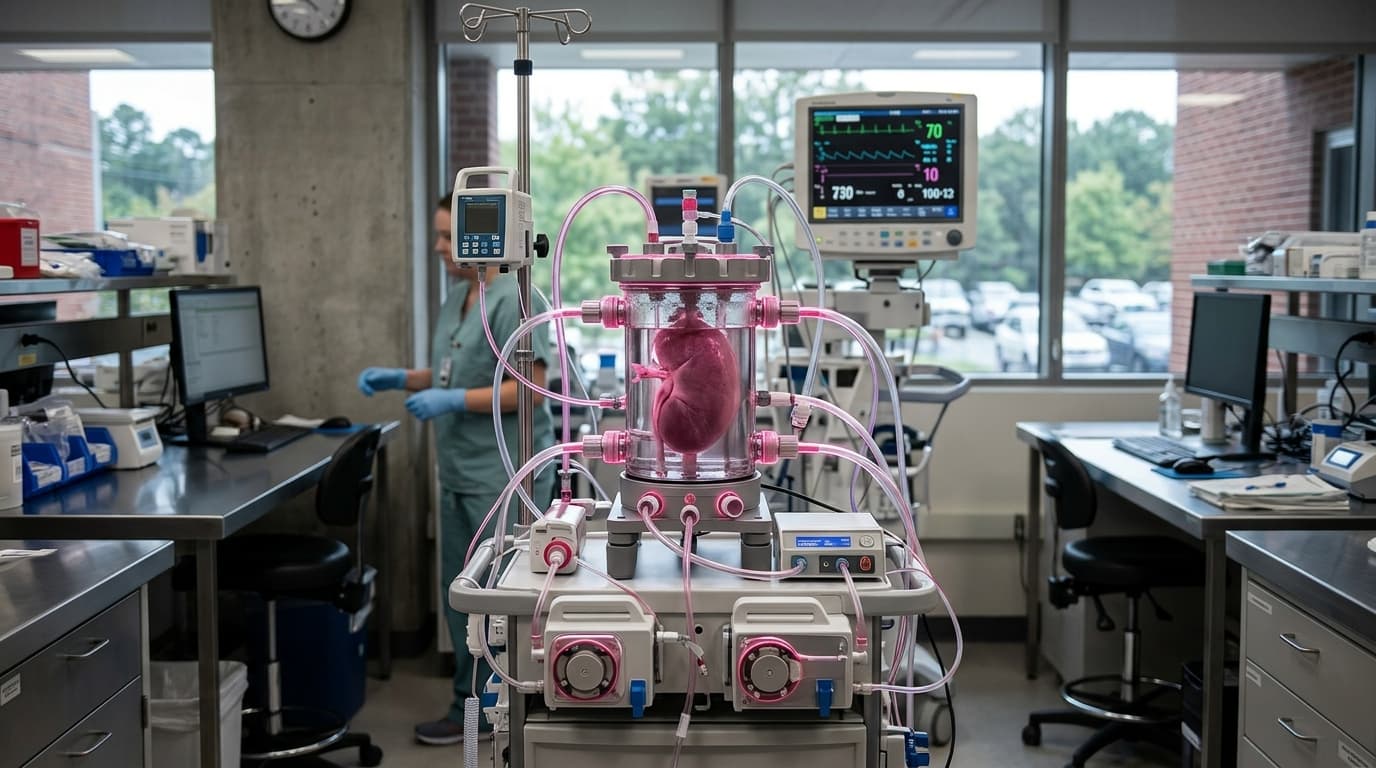
Xenotransplantation uses CRISPR-edited pig organs for human transplantation. eGenesis and United Therapeutics/Revivicor have engineered pigs with up to 10 genetic modifications that remove pig-specific sugars that trigger human immune rejection and add human genes that improve compatibility. Multiple pig kidney transplants in human patients have functioned for months, and pig heart transplants have shown extended survival.
Over 100,000 Americans are on organ transplant waiting lists, and roughly 17 people die each day waiting. Pig organs could provide an essentially unlimited supply of transplantable organs on demand. The recent clinical results — functioning pig kidneys in human patients for extended periods — suggest that the biological barriers to cross-species transplantation may be surmountable.
The US leads in xenotransplantation due to its CRISPR expertise, large animal research infrastructure, and FDA regulatory pathway. Success would create an enormous new medical industry and relieve one of healthcare's most tragic bottlenecks. However, long-term risks including delayed immune rejection, zoonotic virus transmission (despite screening), and ethical considerations around industrial-scale pig organ farming remain open questions.
Research this in Signals
Signals turns a topic into a sourced research record you can inspect and rerun. Your first scan is free, and this one starts with Xenotransplantation (Gene-Edited Pig Organs) already loaded, so edit it or scan as is.