Where technologies cluster around the world
Regions
93 technologies in India
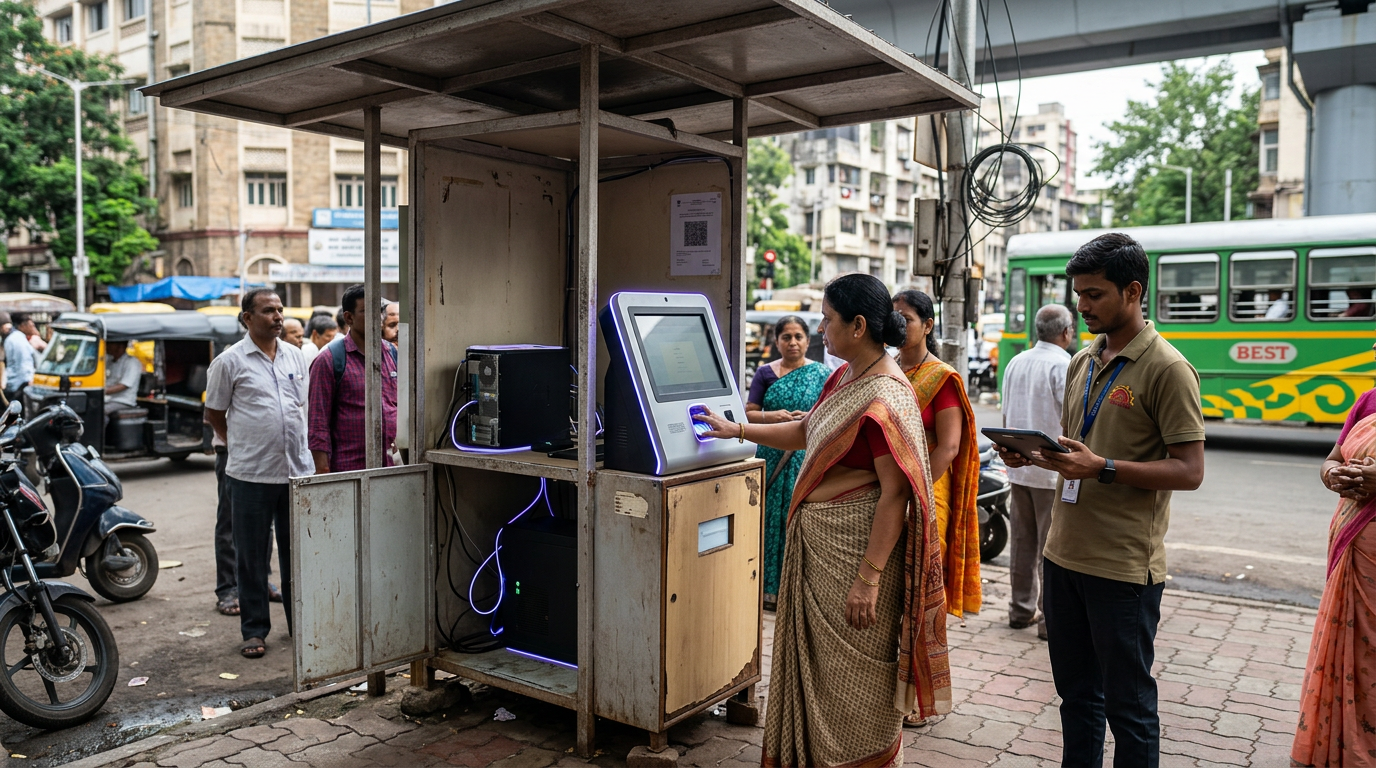
The world's largest biometric database — 1.4 billion enrolled Indians with a 12-digit unique identity linked to fingerprints and iris scans.
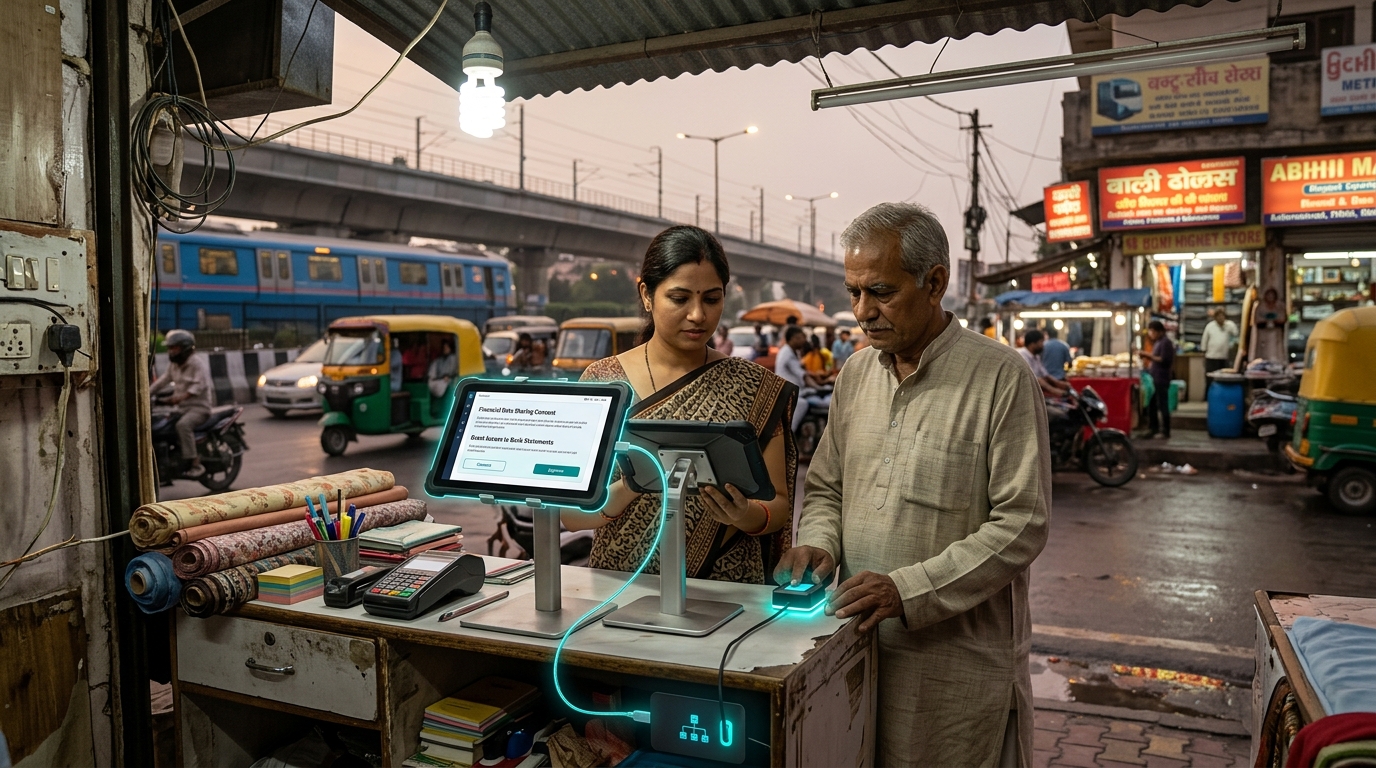
India's consent-based open financial data sharing protocol — allowing users to share financial data between institutions with granular consent, enabling instant credit decisions.
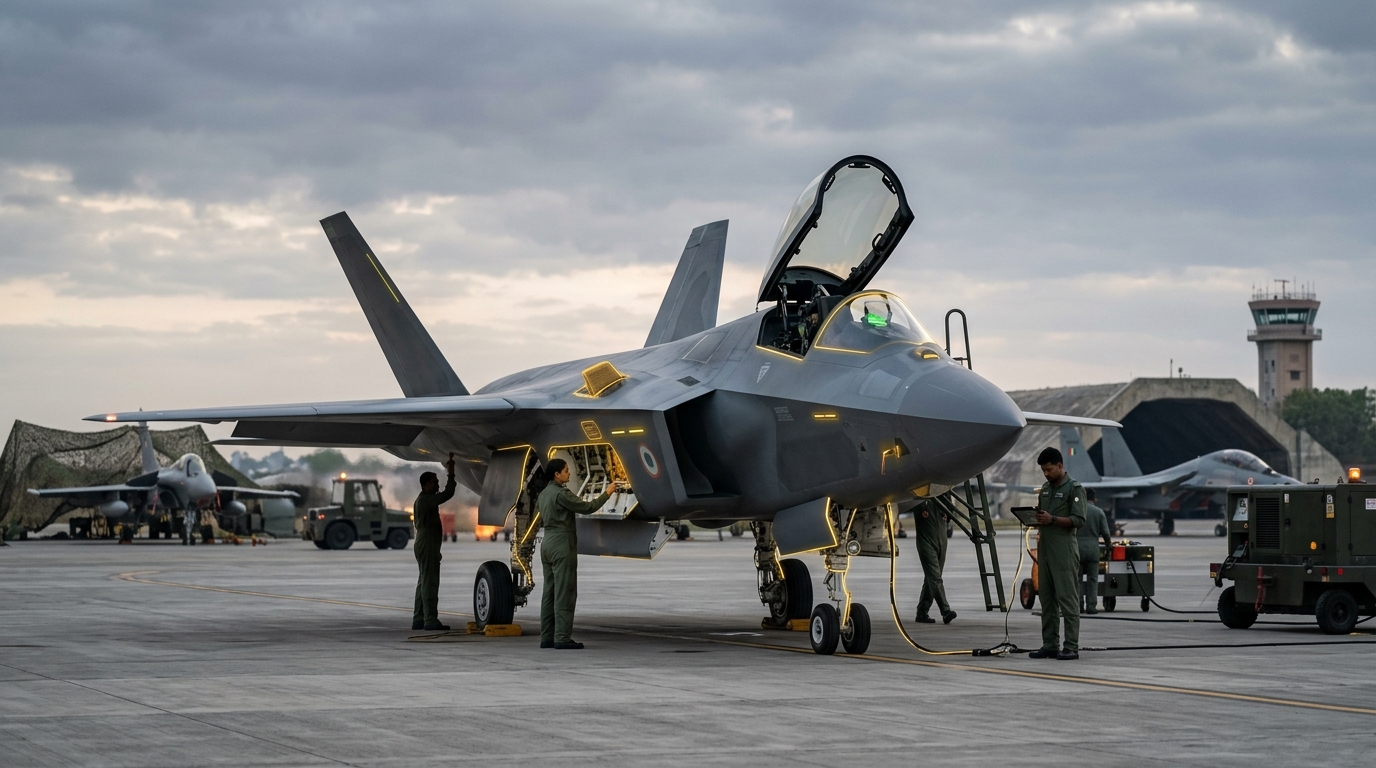
India's planned fifth-generation stealth fighter — a twin-engine, multirole combat aircraft being developed indigenously with stealth features, internal weapons bays, and supercruise capability.
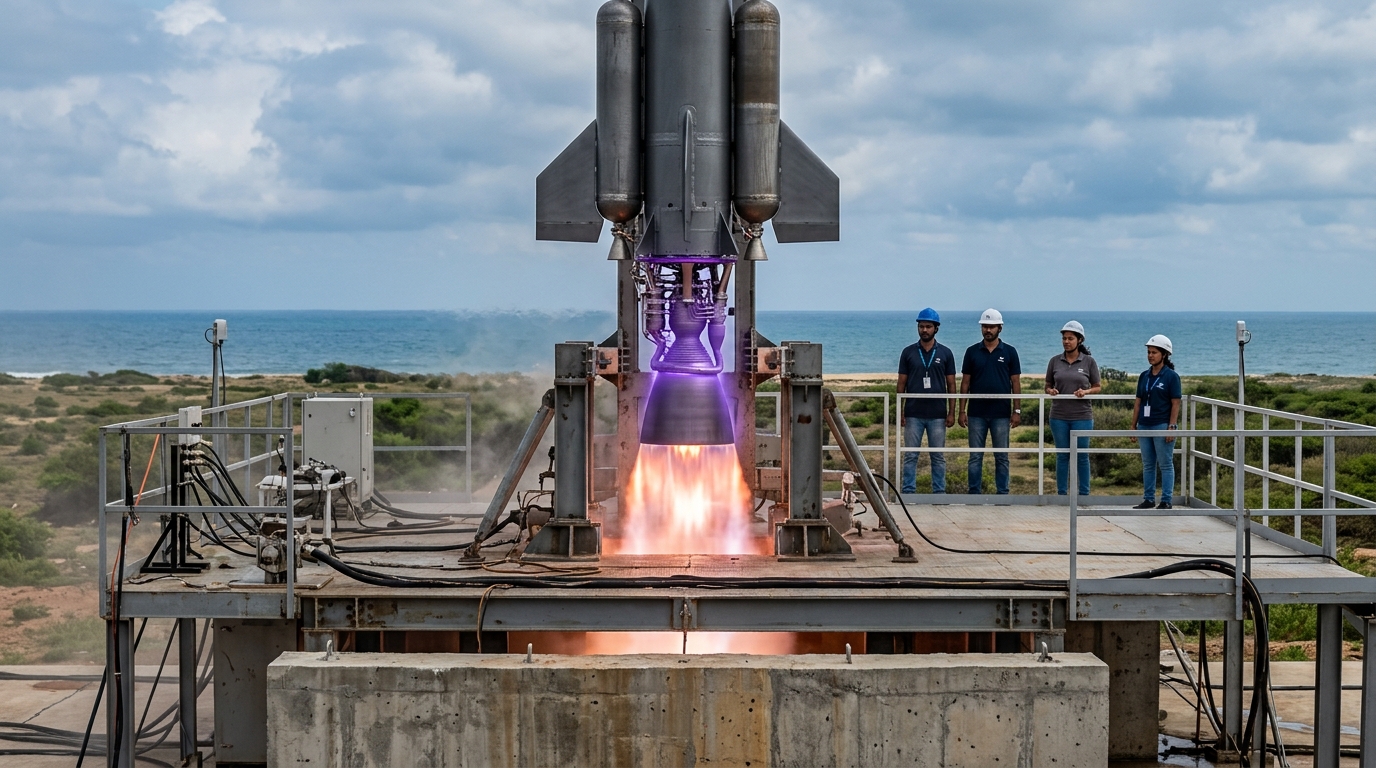
Chennai-based startup developing the world's first single-piece 3D-printed semi-cryogenic rocket engine — Agnibaan SOrTeD launched from India's first private launchpad in 2024.
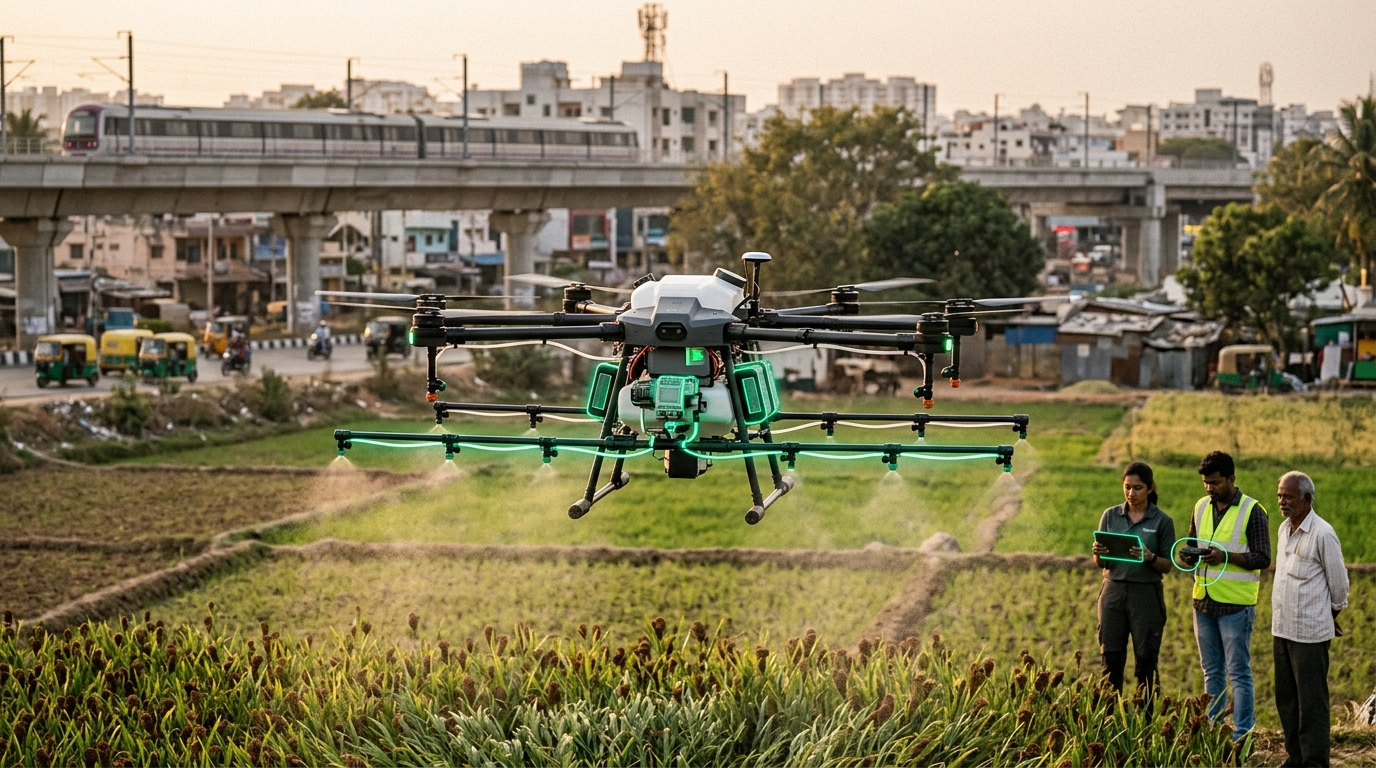
Government-backed mass deployment of drones for crop spraying, monitoring, and mapping across India's 150 million smallholder farms — integrating AI pest detection serving 66 crops and 432 pests.
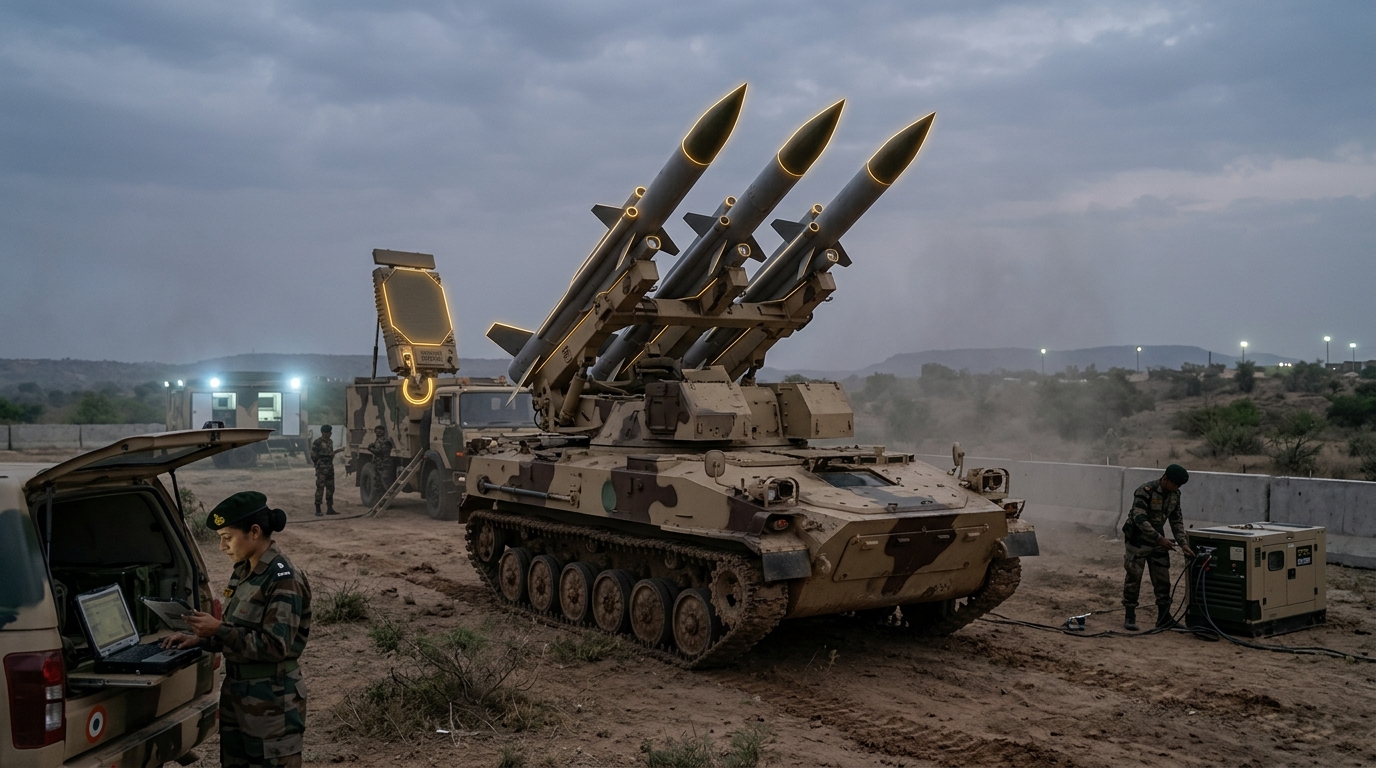
India's indigenous medium-range surface-to-air missile system deployed across Army and Air Force — combat-proven in Operation Sindoor 2025 and attracting export interest from multiple nations.
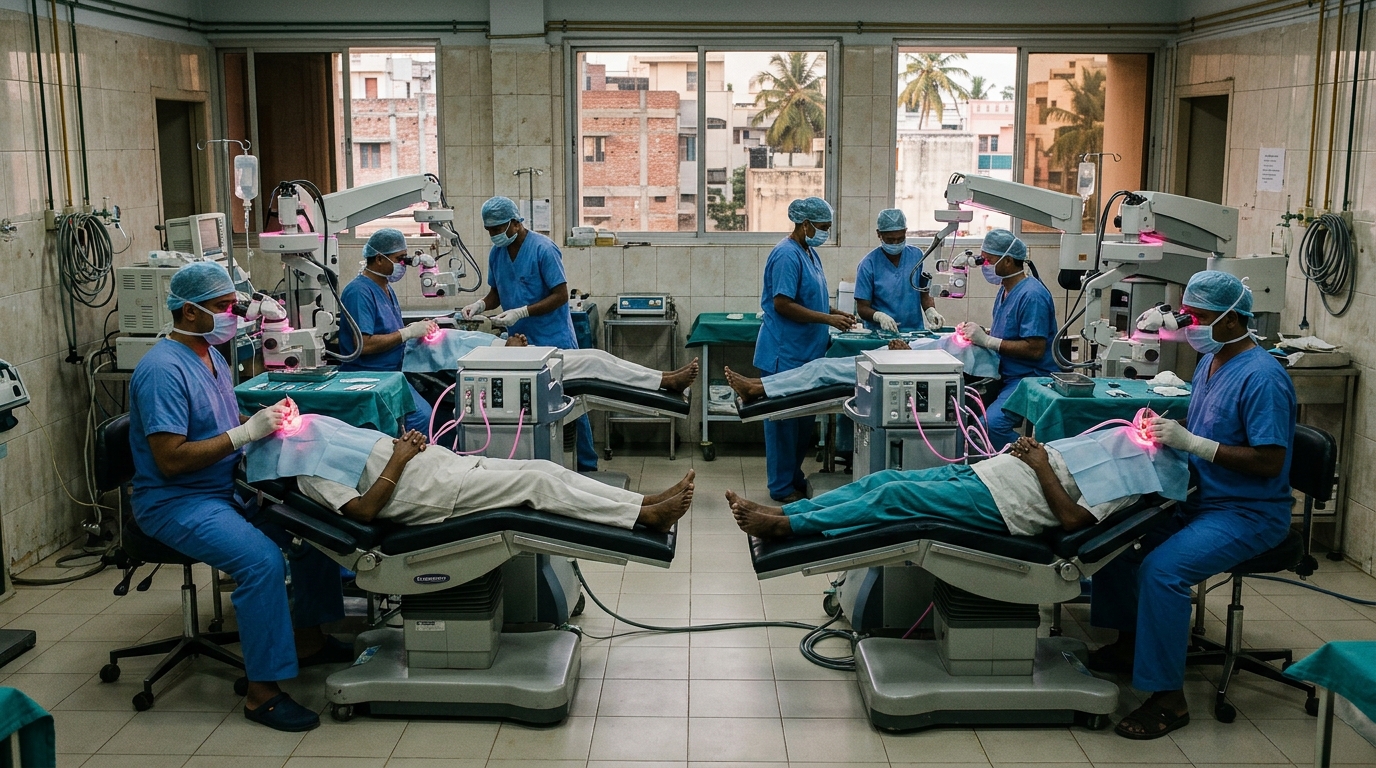
Aravind Eye Hospital performs 500,000+ eye surgeries annually at costs from $12-$100 — using a McDonald's-inspired assembly-line model that achieves clinical outcomes matching the best Western hospitals at 1/100th the cost.
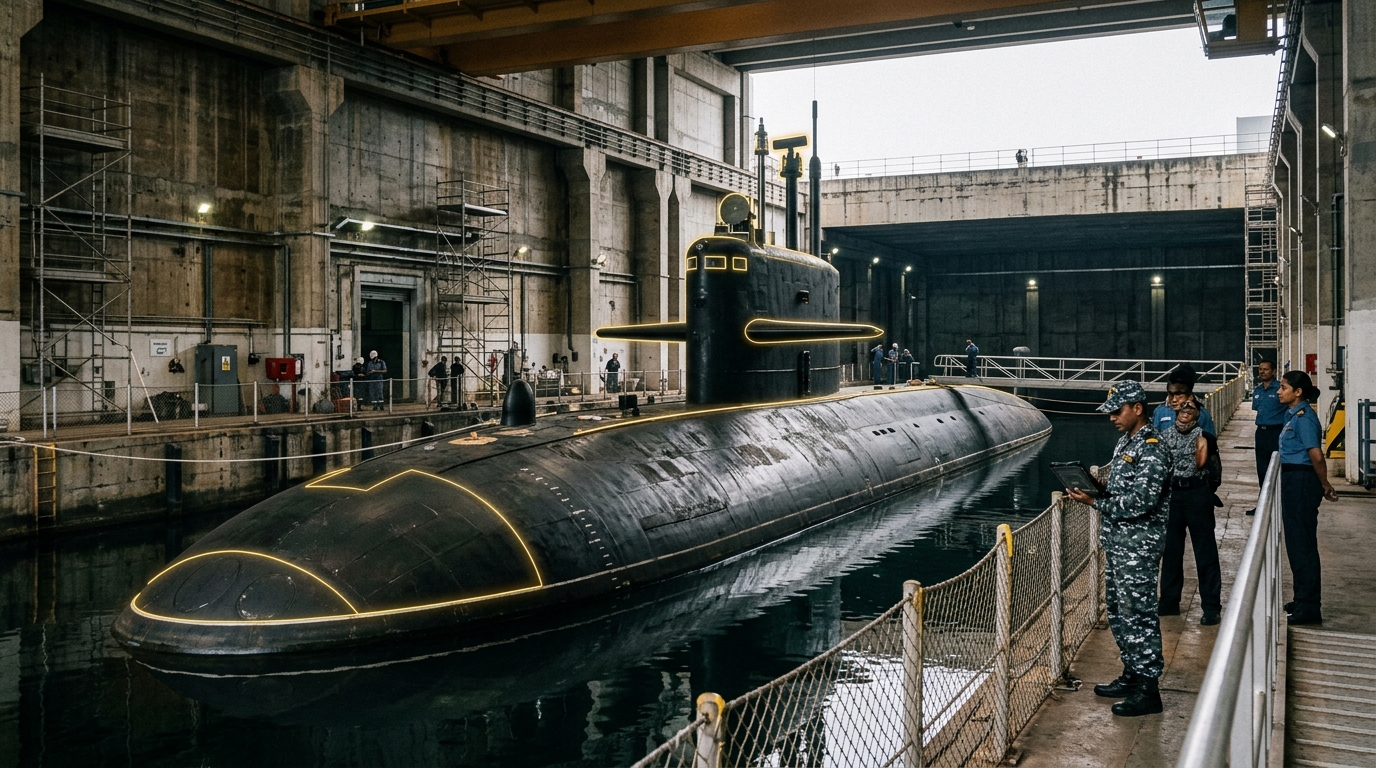
India's indigenous nuclear-powered ballistic missile submarines — completing the nuclear triad and making India one of only six nations operating nuclear submarines.
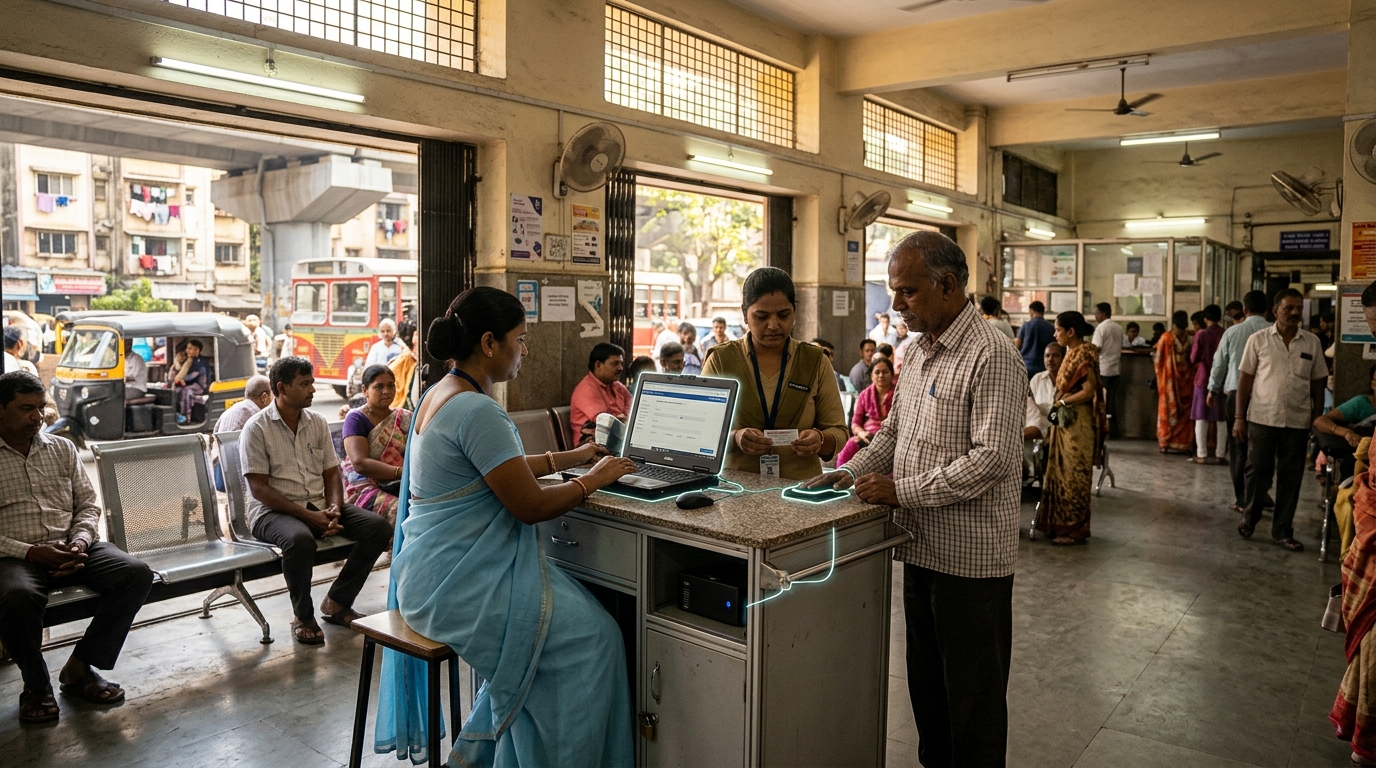
India's initiative to create interoperable digital health IDs and records for 1.4 billion people — the health layer of India Stack.
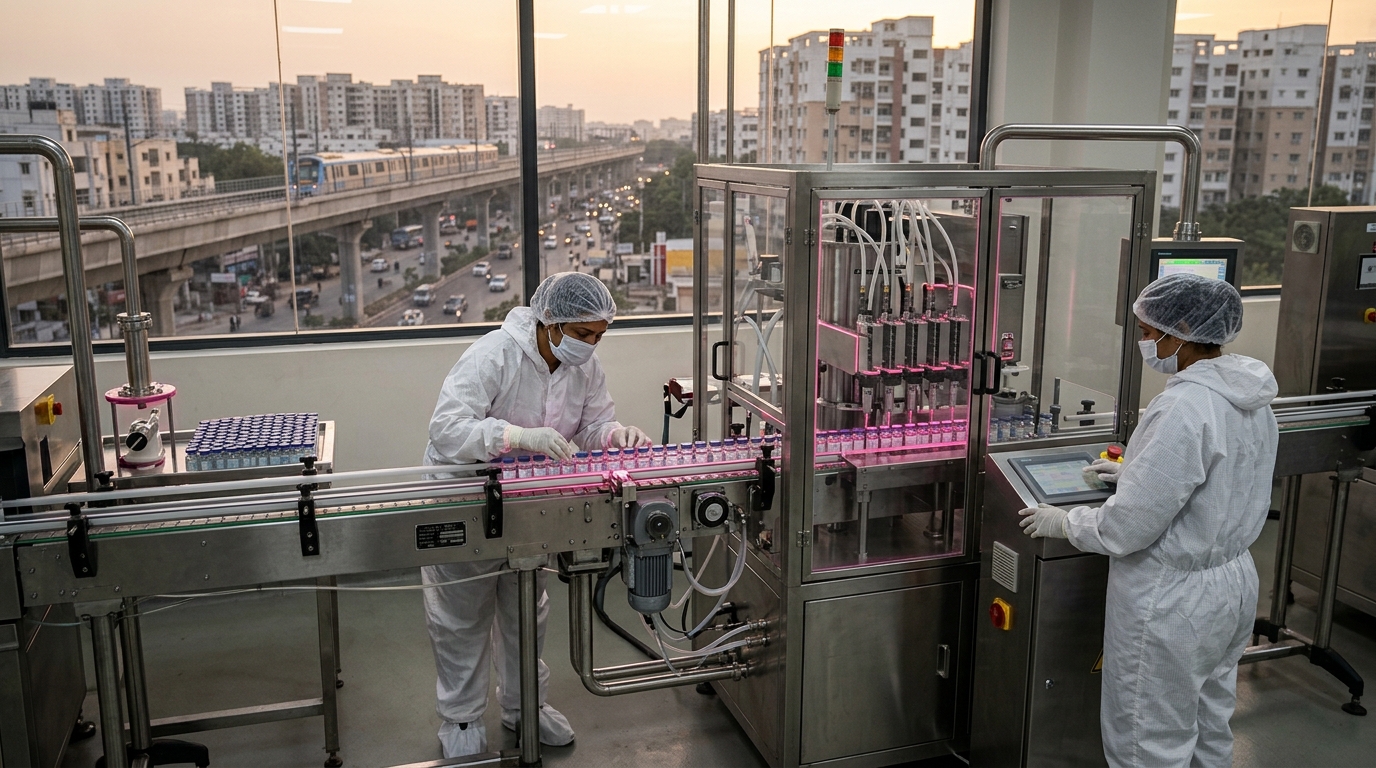
Developer of Covaxin — the world's first whole-virion inactivated COVID vaccine — and over 16 other vaccines, demonstrating India's ability to develop vaccines from scratch, not just manufacture licensed ones.
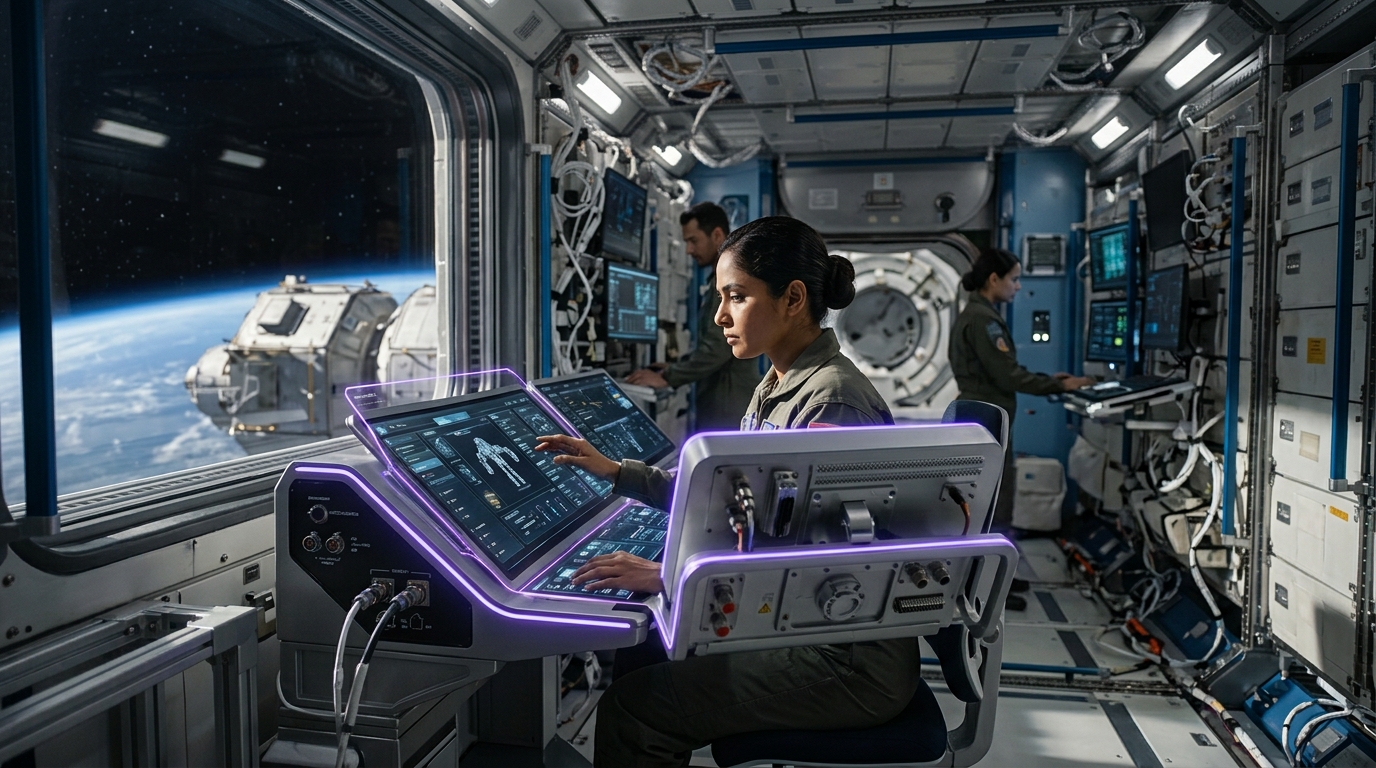
India's planned indigenous space station — a modular orbital laboratory building on Gaganyaan technologies, targeting initial module launch by the early 2030s.
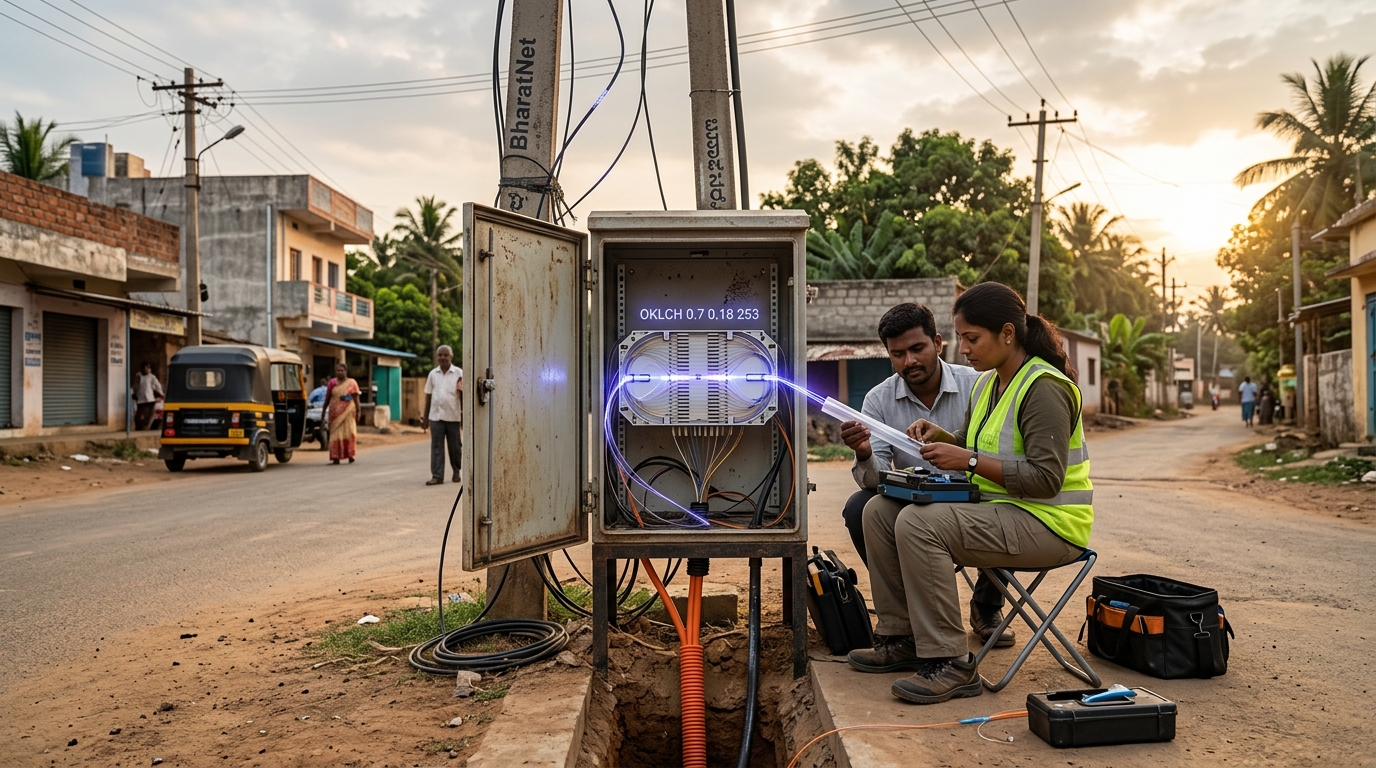
India's sovereign rural broadband project aims to connect 640,000+ villages via fiber optic and satellite, building government-owned last-mile digital infrastructure.
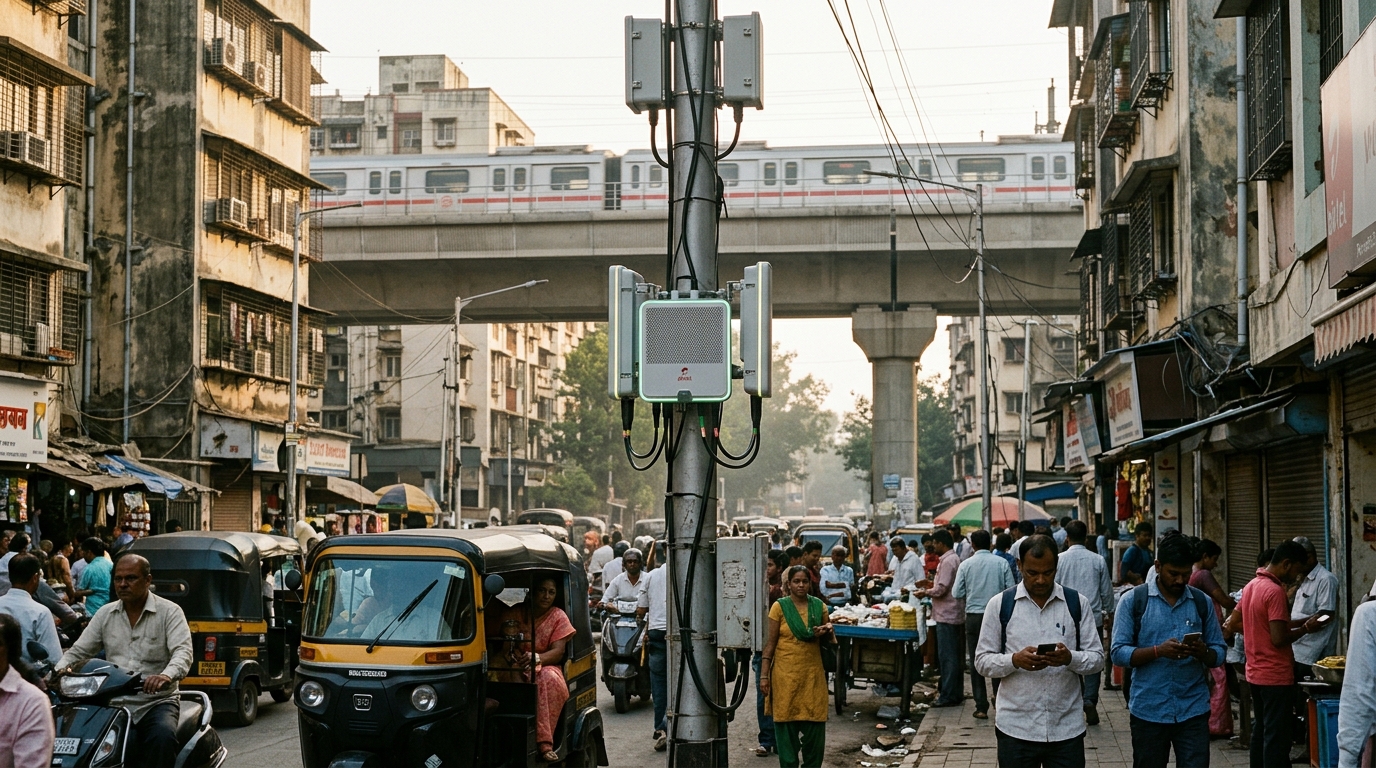
India's second 5G operator with 289 million subscribers by late 2025, leading in 5G experience quality for video and gaming despite a smaller subscriber base than Jio.
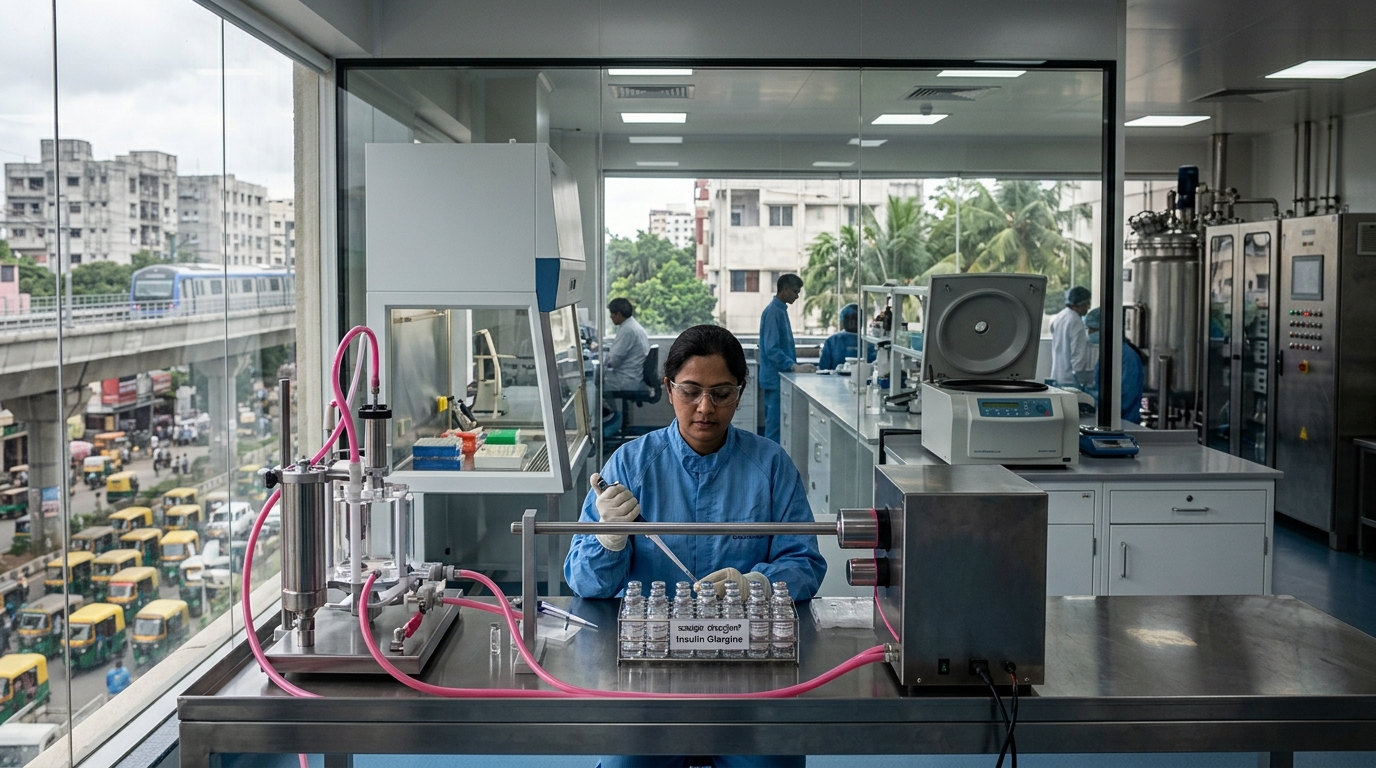
India's largest biopharmaceutical company and global biosimilar leader — Biocon Biologics supplies affordable versions of insulin, cancer drugs, and immunology treatments in 120+ countries.
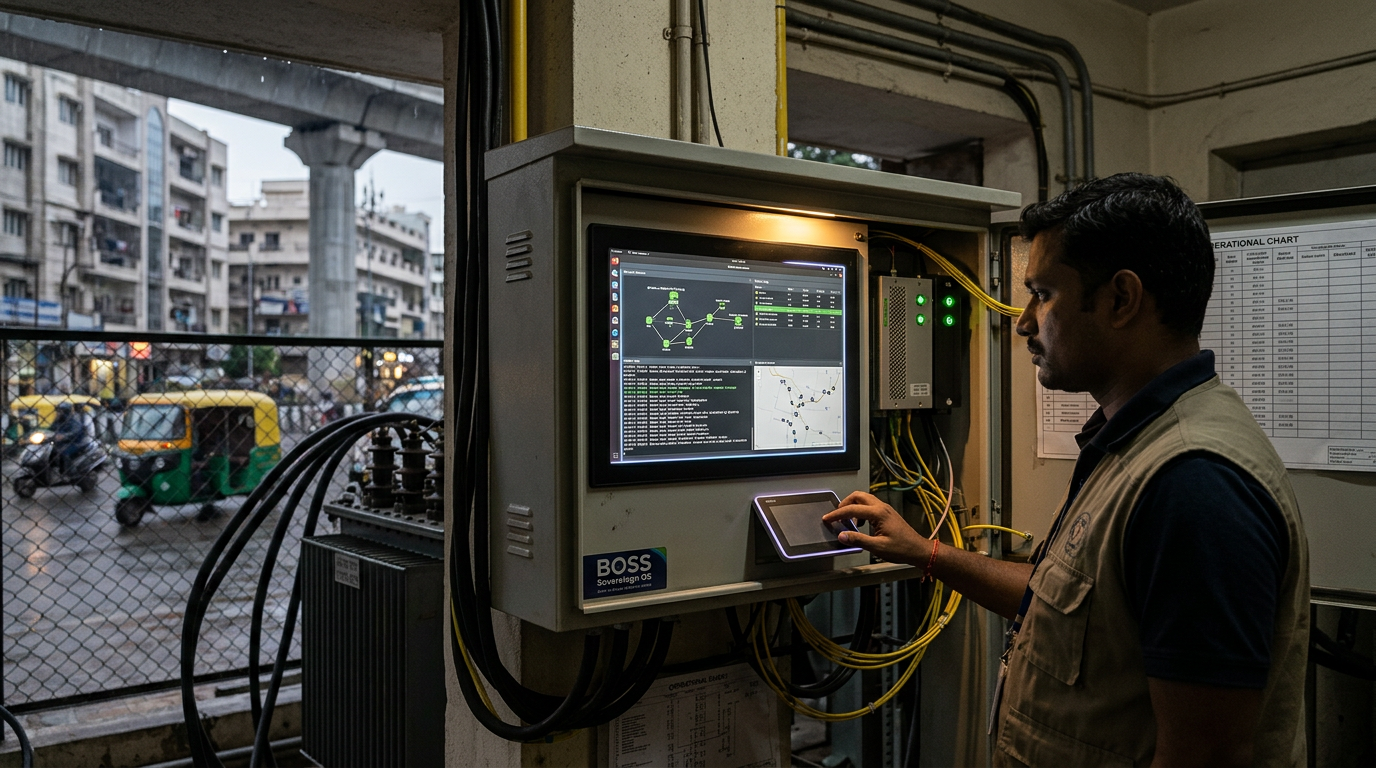
Bharat Operating System Solutions is India's indigenous Debian-based Linux distribution mandated for government use, with full support for 22 official Indian languages.
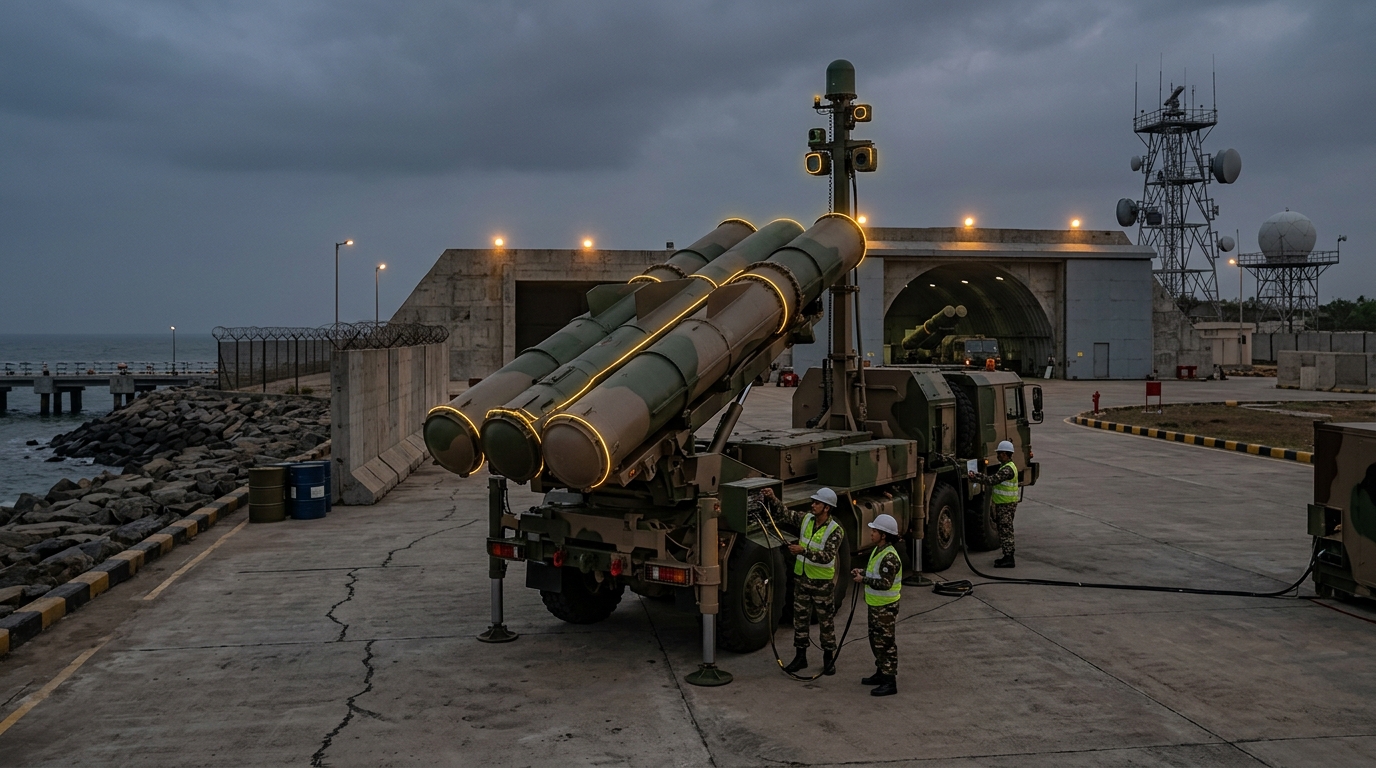
The world's fastest operational supersonic cruise missile (Mach 2.8), jointly developed with Russia and now exported to the Philippines, with a hypersonic BrahMos-II in development.
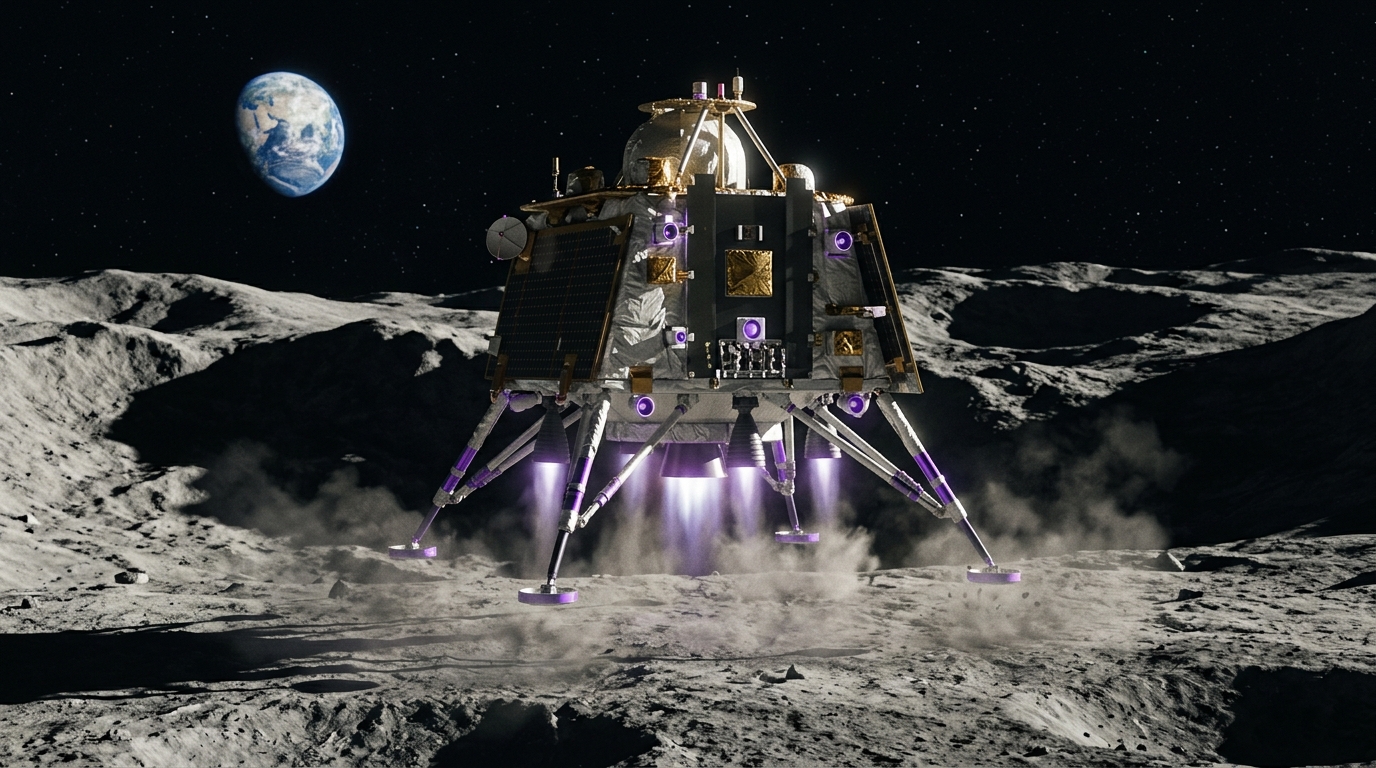
India became the first nation to land near the Moon's south pole in August 2023, at a mission cost of $75 million — a fraction of comparable international missions.
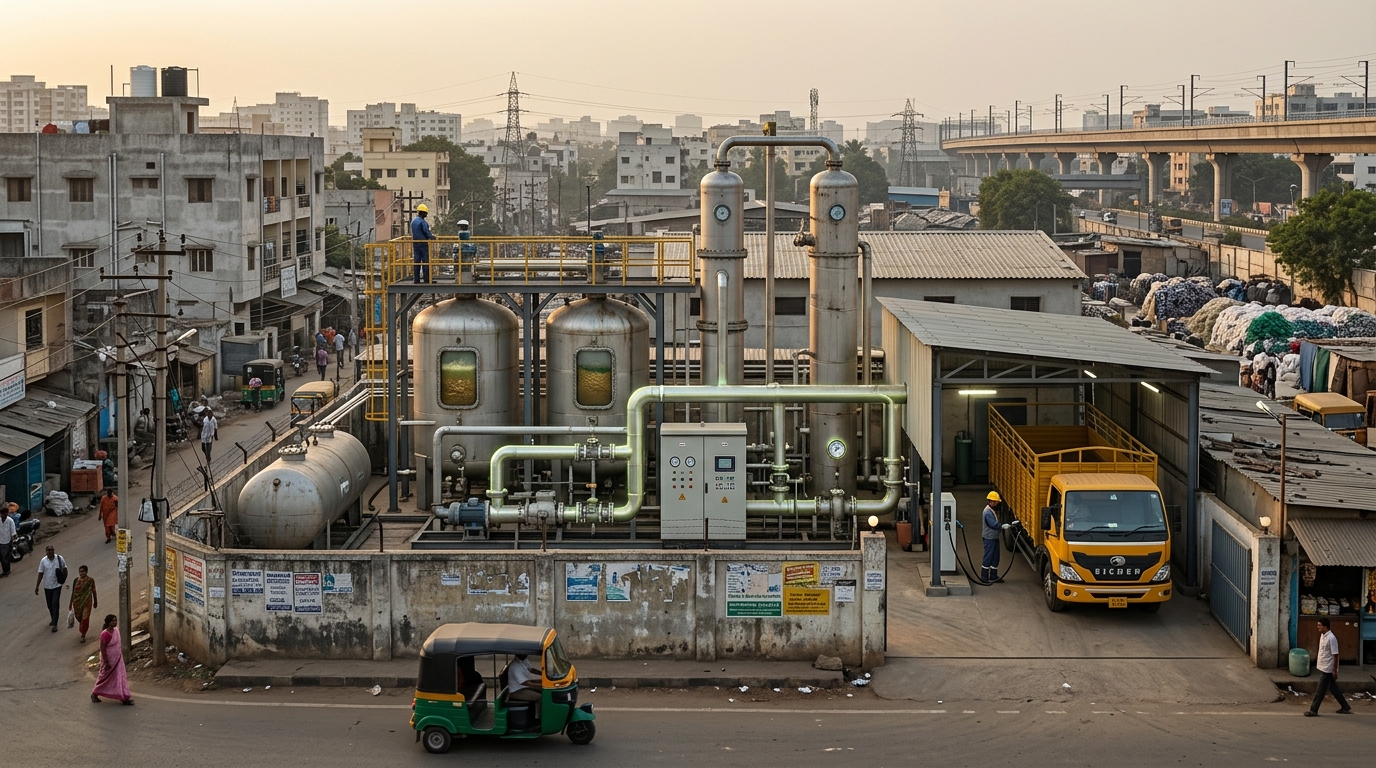
SATAT and GOBARdhan programs are scaling compressed biogas from cattle dung and crop residues, with mandatory blending starting 2025-26 and a 5% target by 2028-29.
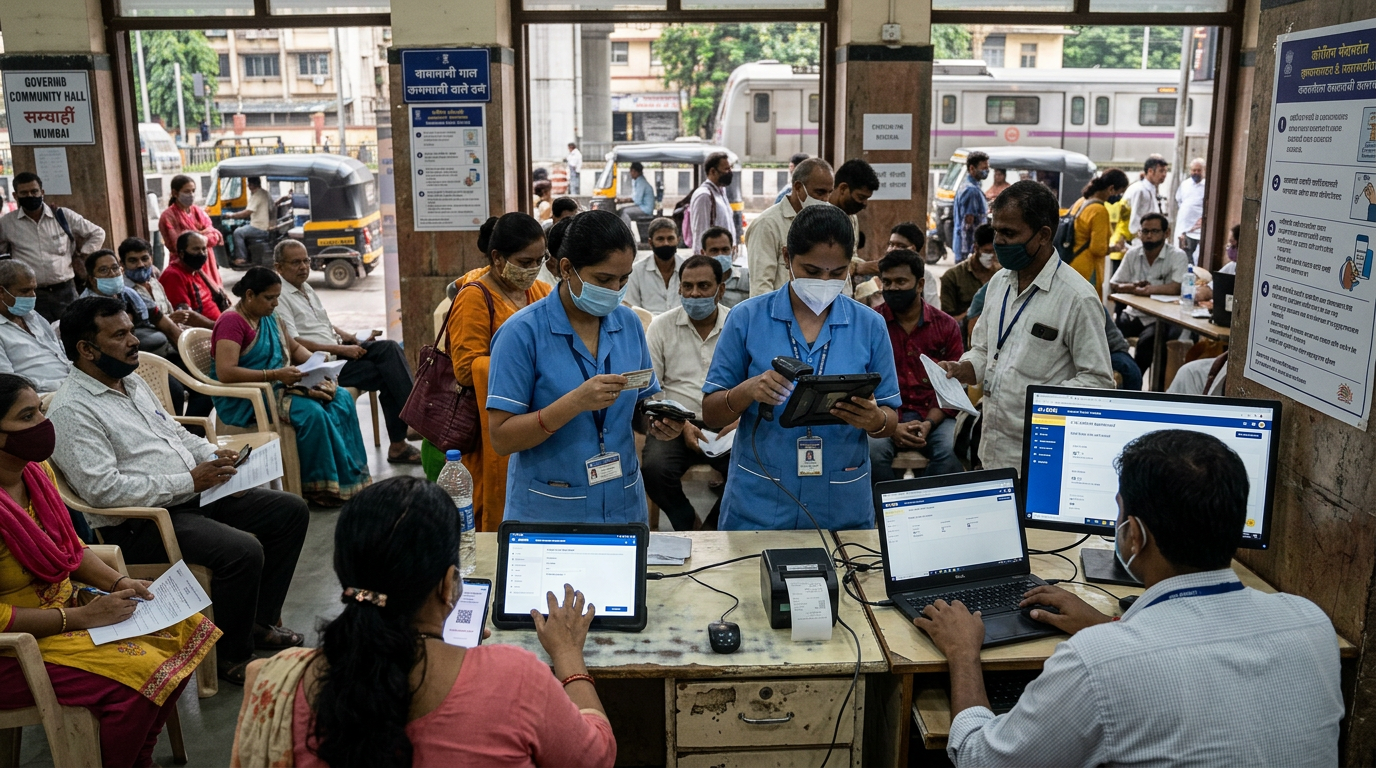
Digital platform that managed 2.2 billion COVID vaccine doses for 1.4 billion people — scheduling, tracking, and certificate generation at unprecedented scale.
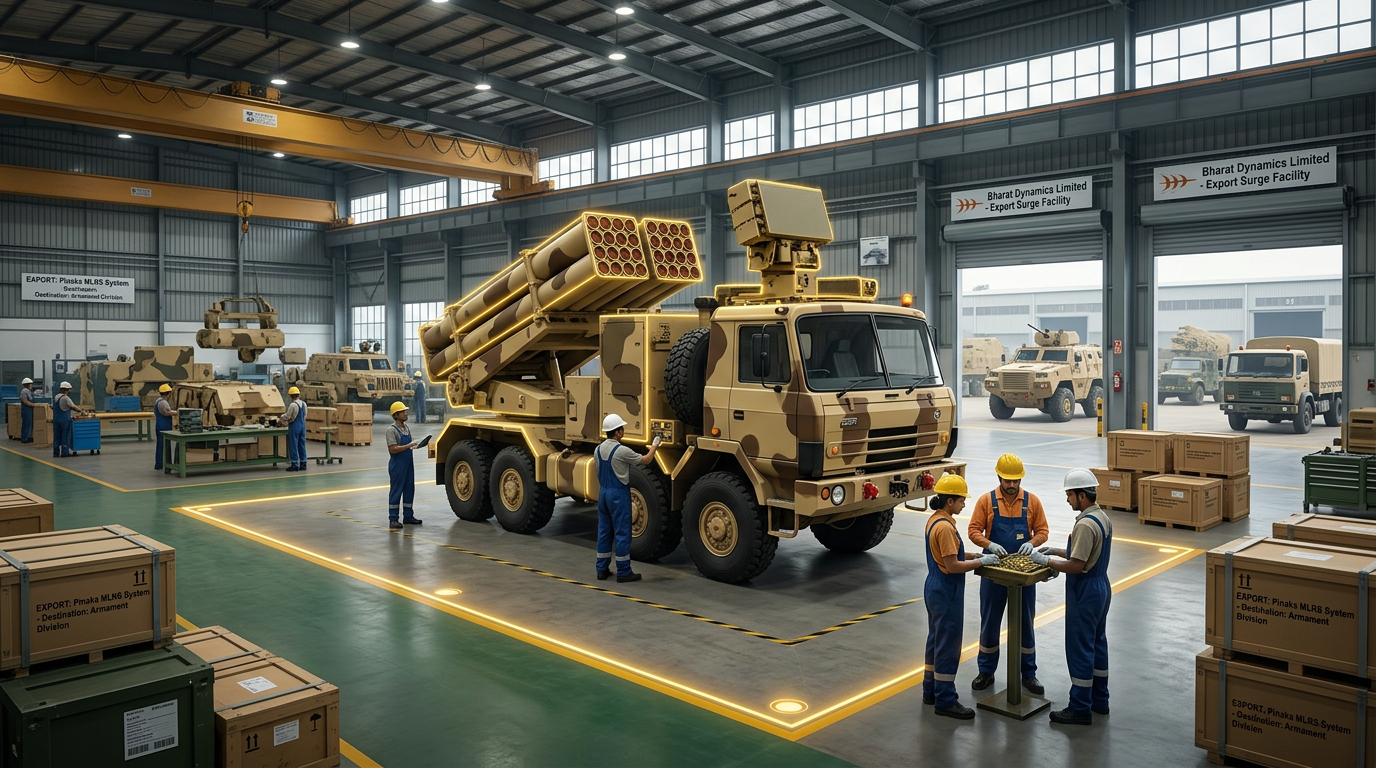
India's defense exports reached Rs 23,600 crore ($2.8B) and now supply equipment to 100+ countries — a dramatic shift from being the world's largest arms importer to a growing exporter.
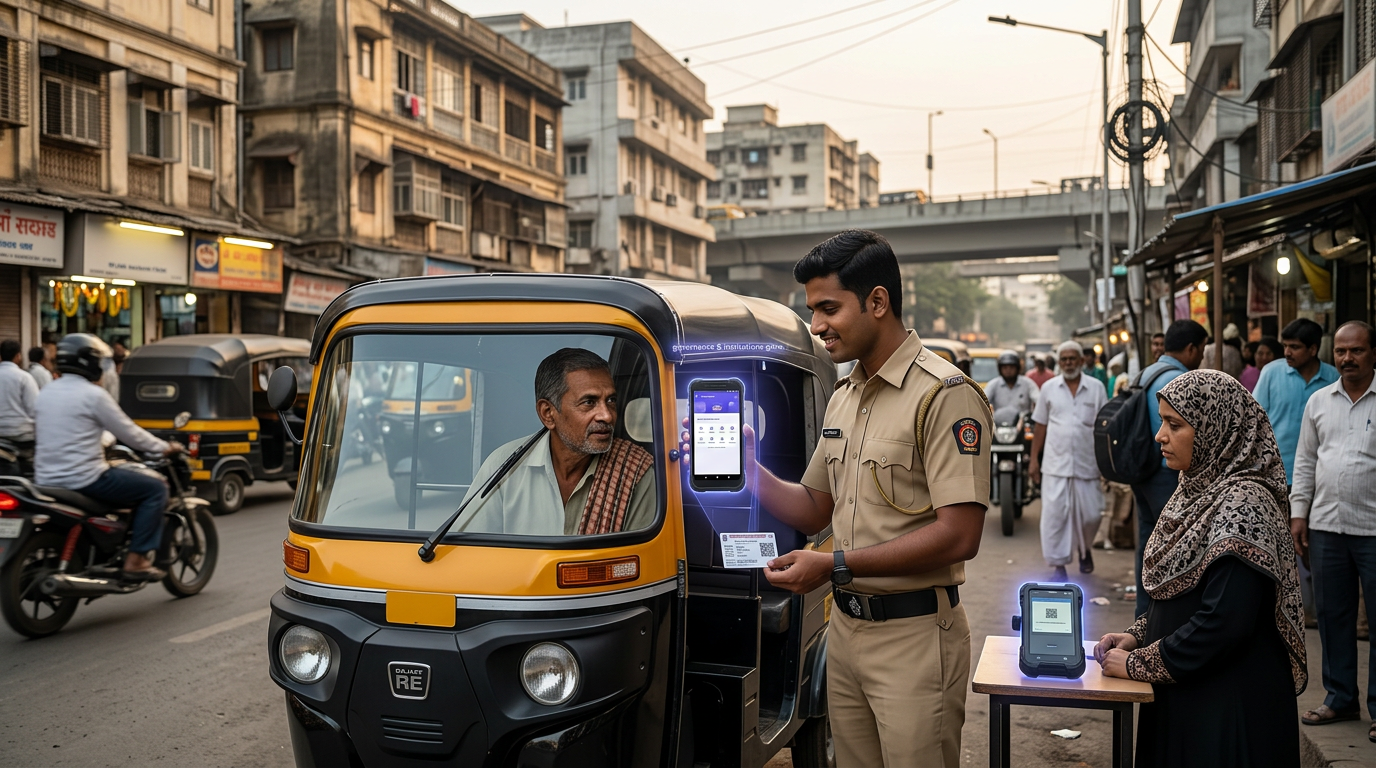
India's cloud-based platform for issuing, storing, and verifying government documents — over 300 million users accessing digital versions of driving licenses, diplomas, and tax records.
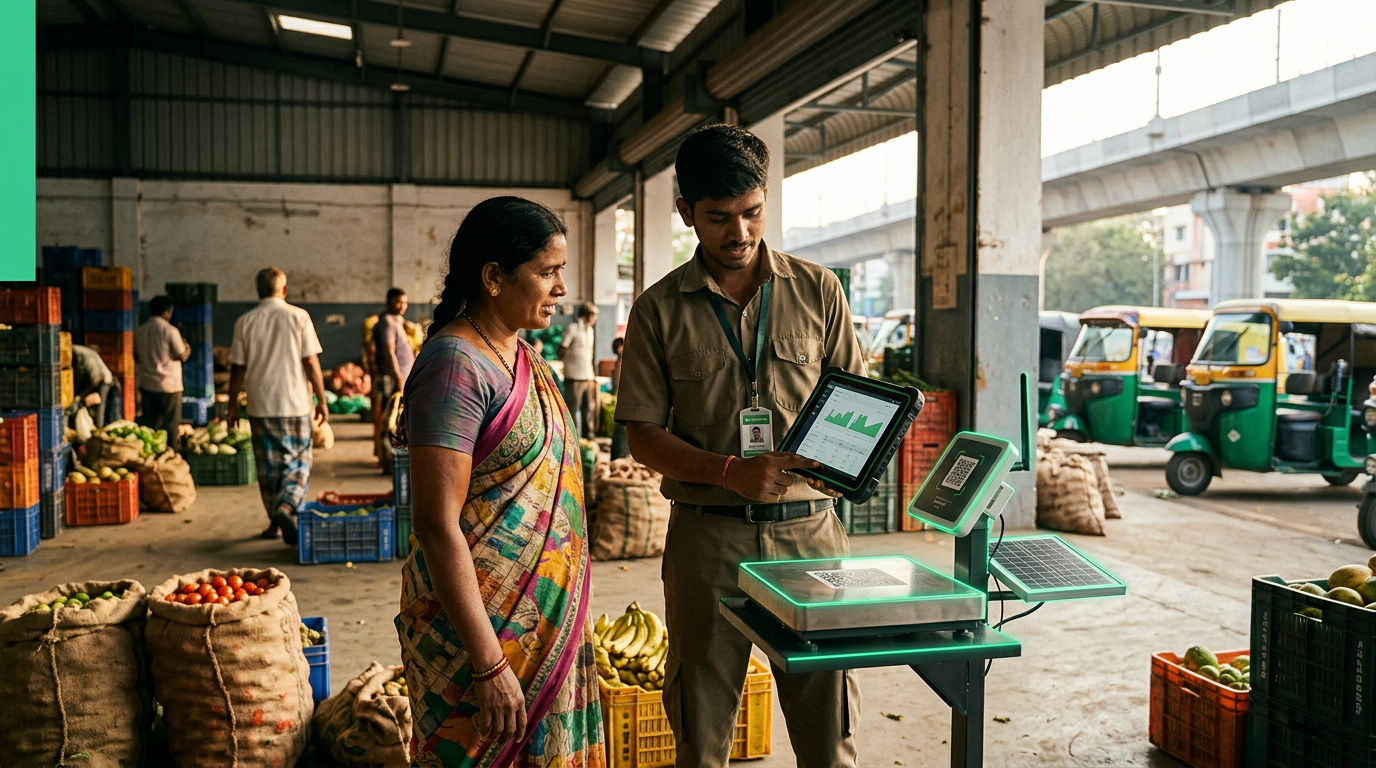
Platforms like DeHaat, Ninjacart, and CropIn are digitizing India's agriculture supply chain — connecting 150 million farmers to markets, credit, and advisory services via mobile phones.
India's digital-first insurance companies — Digit (backed by Fairfax, IPO'd 2024), Acko, and PolicyBazaar — are bringing insurance to 1.4 billion people in a massively underinsured market.
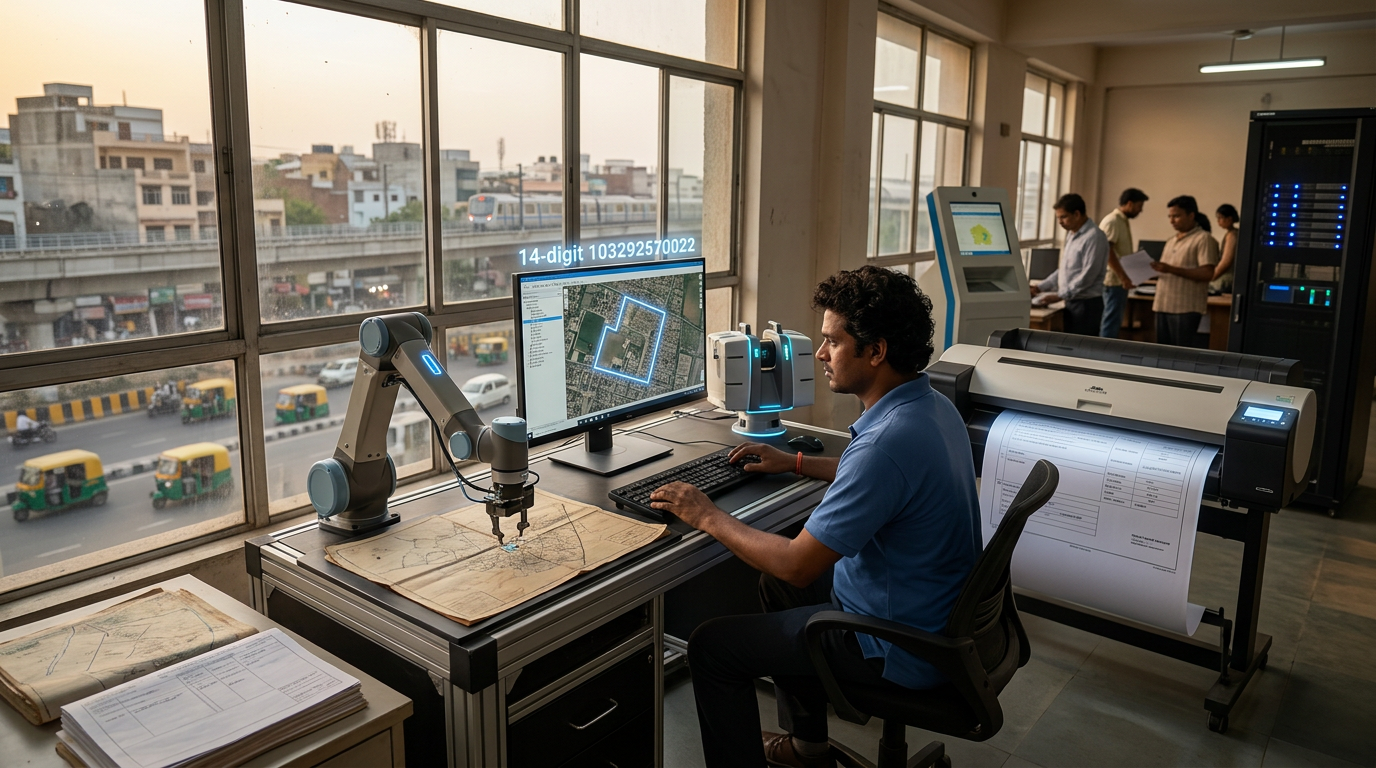
India has digitized 98.5% of rural land records and is assigning a 14-digit 'Bhu-Aadhaar' (ULPIN) to every land parcel — modernizing centuries of disputed, hand-written ownership records across 657,000 villages.
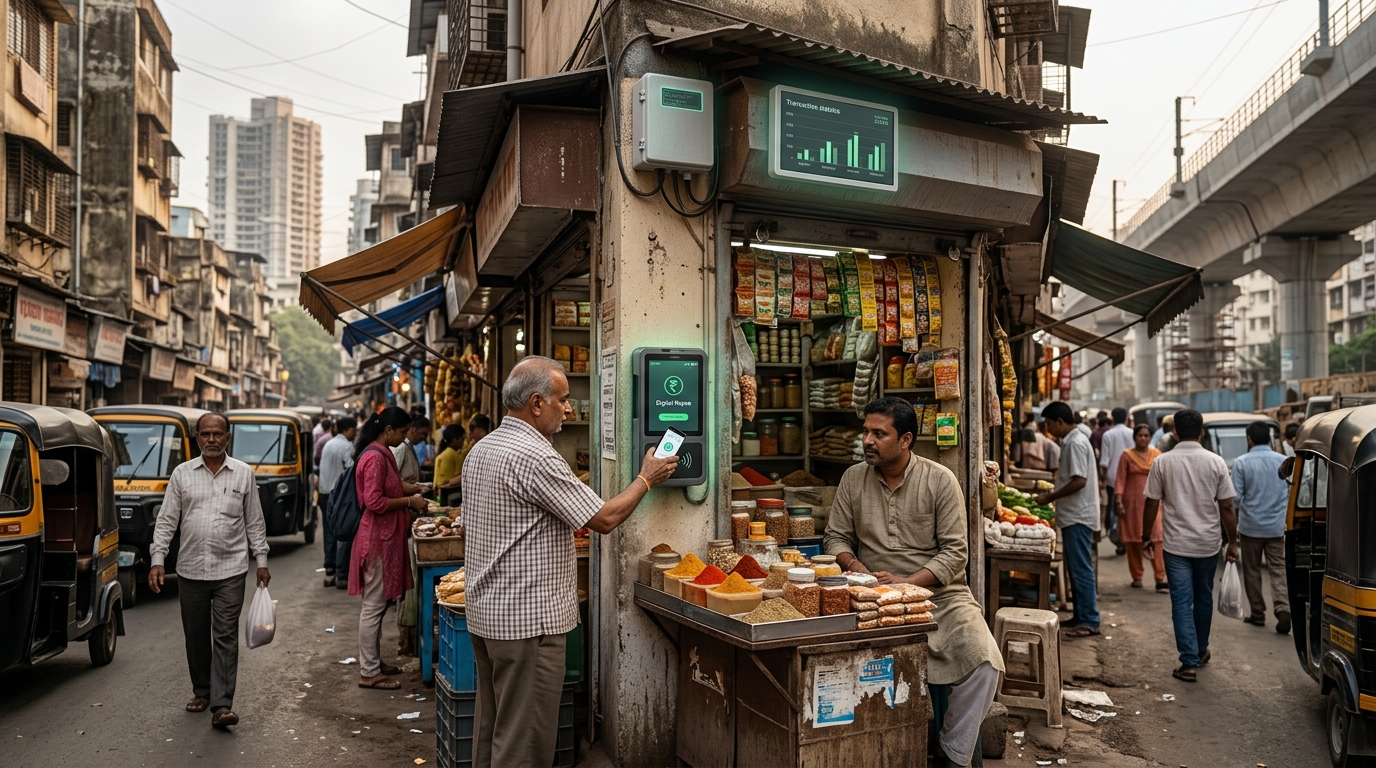
The Reserve Bank of India's central bank digital currency in pilot phase — testing wholesale and retail variants with select banks to complement UPI's payment infrastructure.
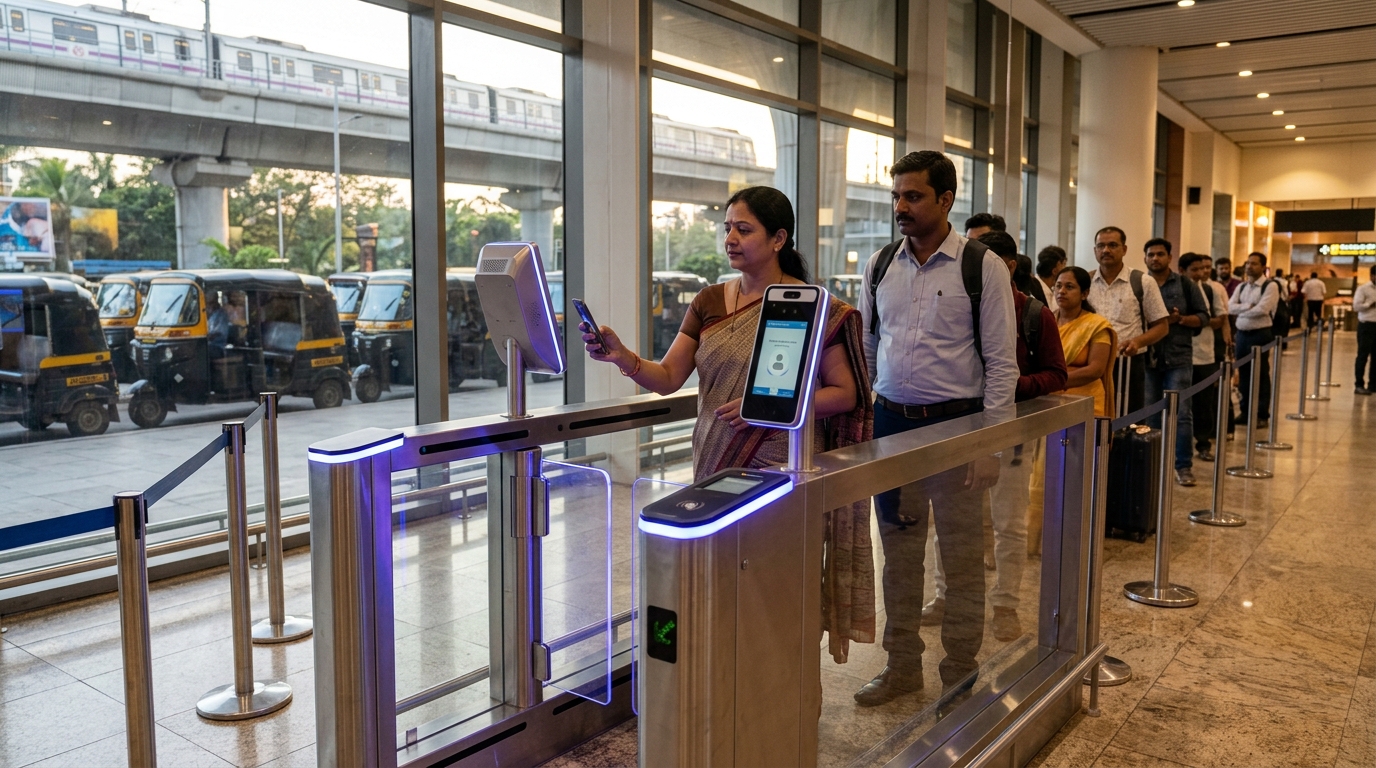
India's sovereign facial-recognition air travel system enables paperless airport processing at 25+ airports, using decentralized identity stored on passengers' devices.
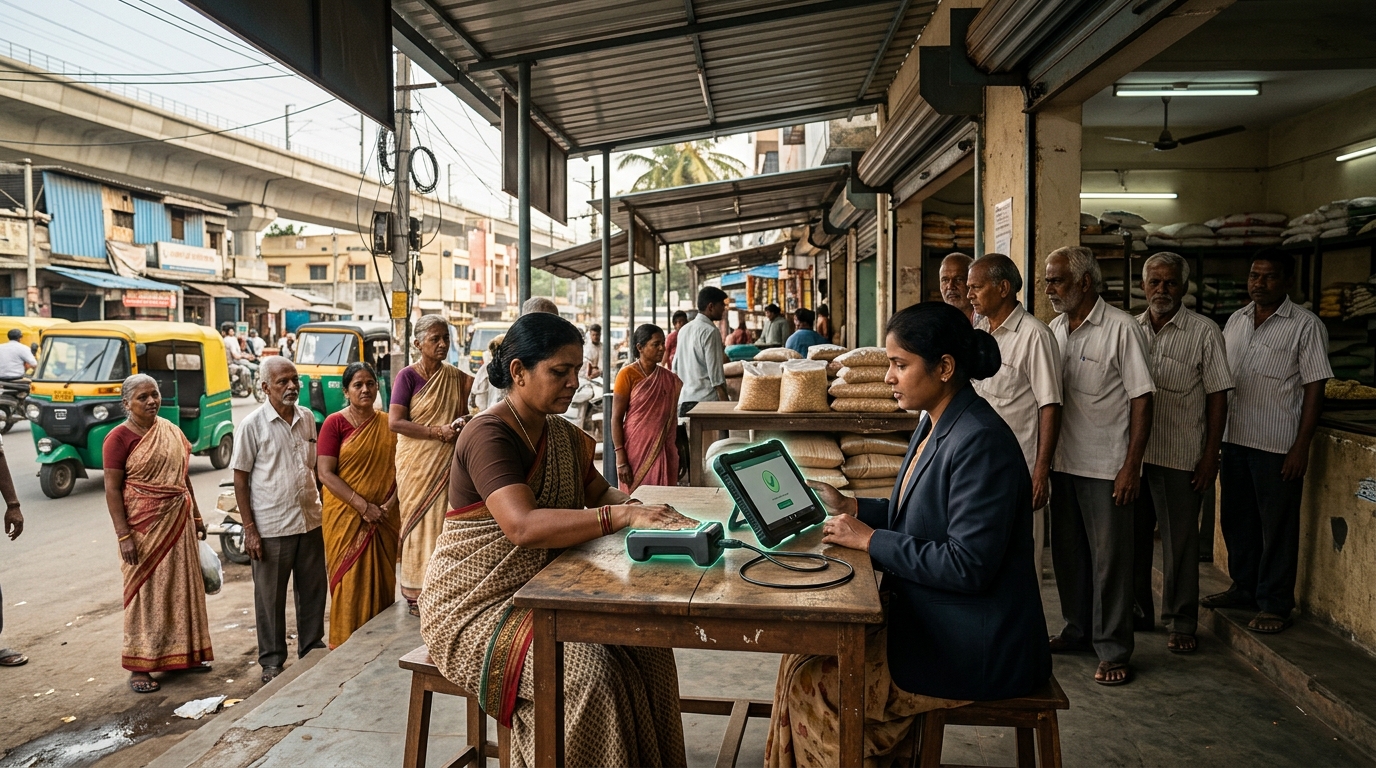
Aadhaar-linked welfare delivery system that eliminated middlemen from 300+ government schemes, saving over $33 billion in fraud and leakage since 2013.
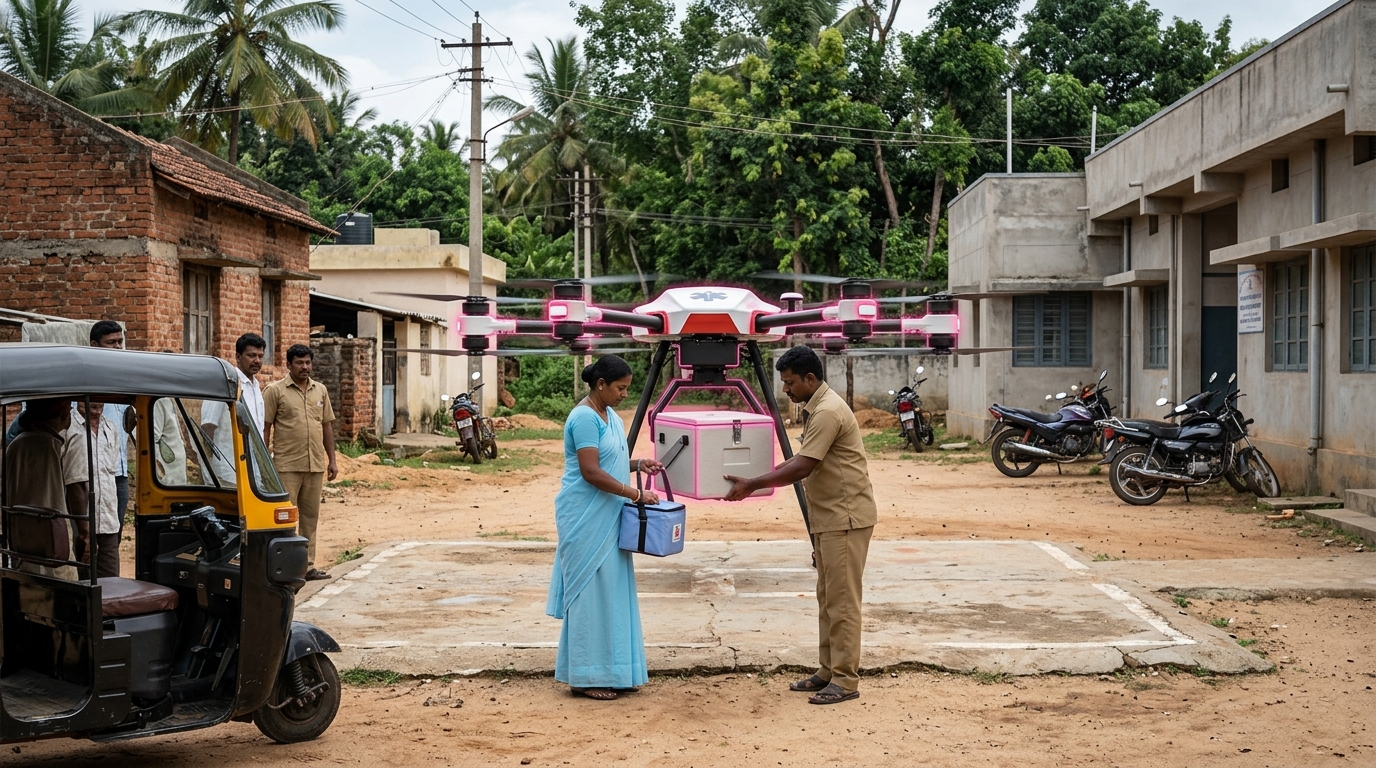
India's 'Medicine from the Sky' program and state initiatives are deploying drones to deliver vaccines, blood units, and emergency medicines to tribal and mountainous areas where roads take hours but drones take minutes.
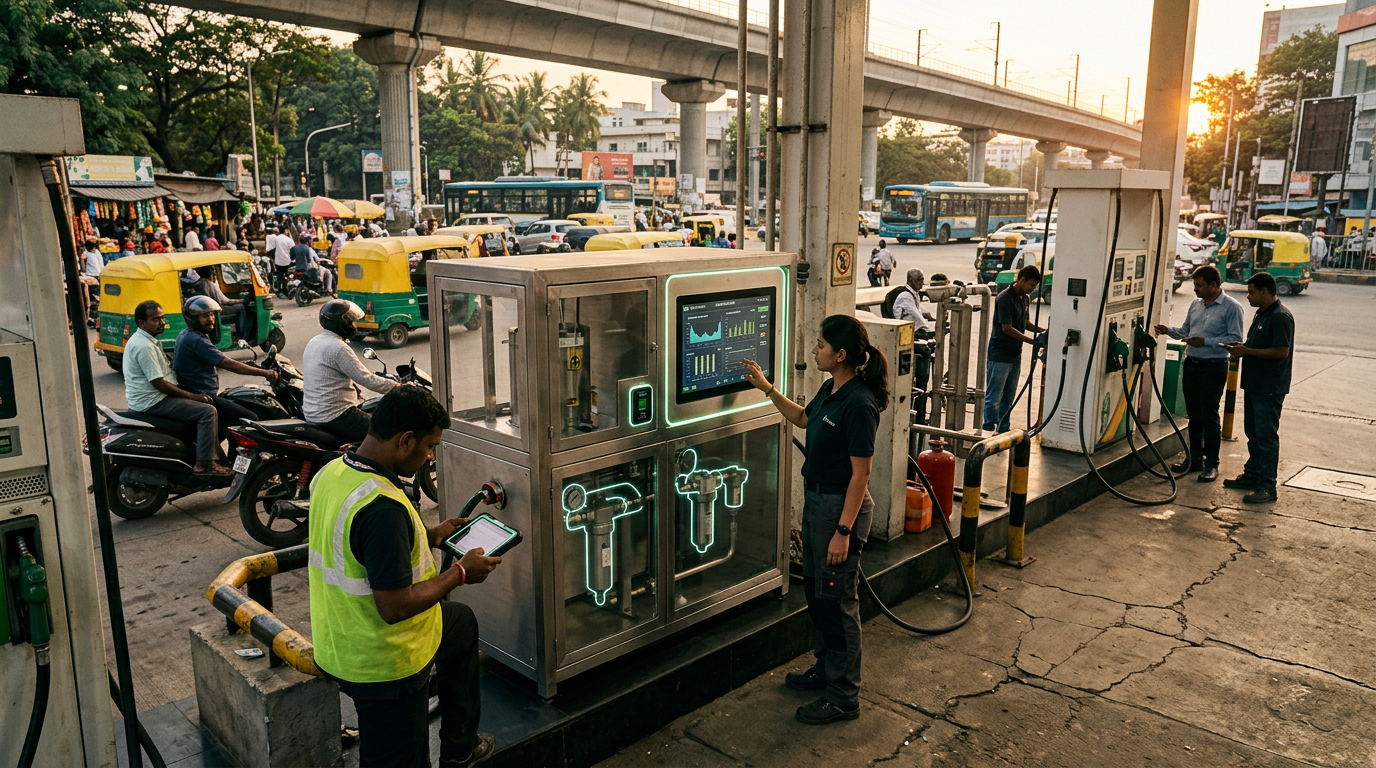
India achieved its E20 target (20% ethanol blending in petrol) by March 2025 — five years ahead of schedule — and is now pursuing E30 and cellulosic 2G ethanol from agricultural waste.
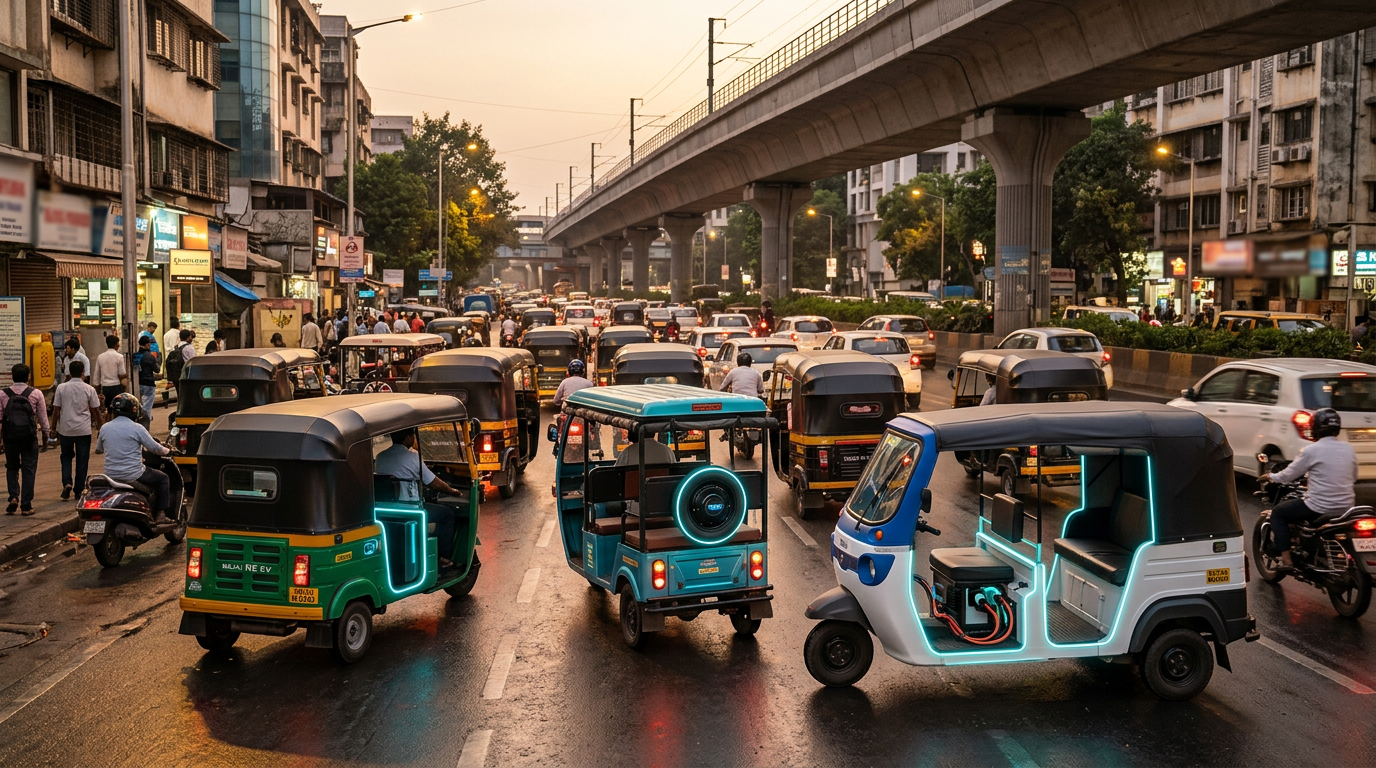
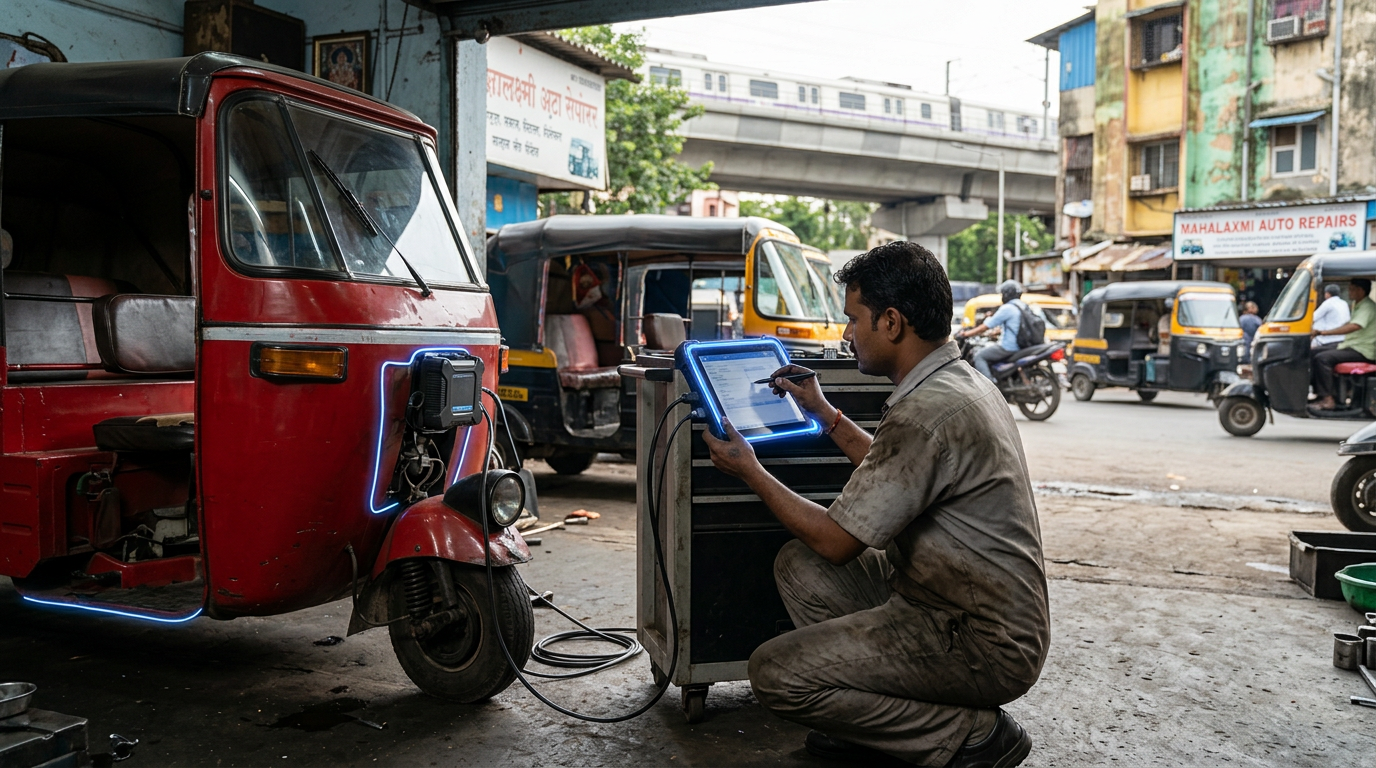
India's three-wheeler segment achieved the highest EV adoption rate of any vehicle category globally — 1.73 million e-rickshaws sold, from Bajaj and Mahindra to $1,500 grassroots builds.
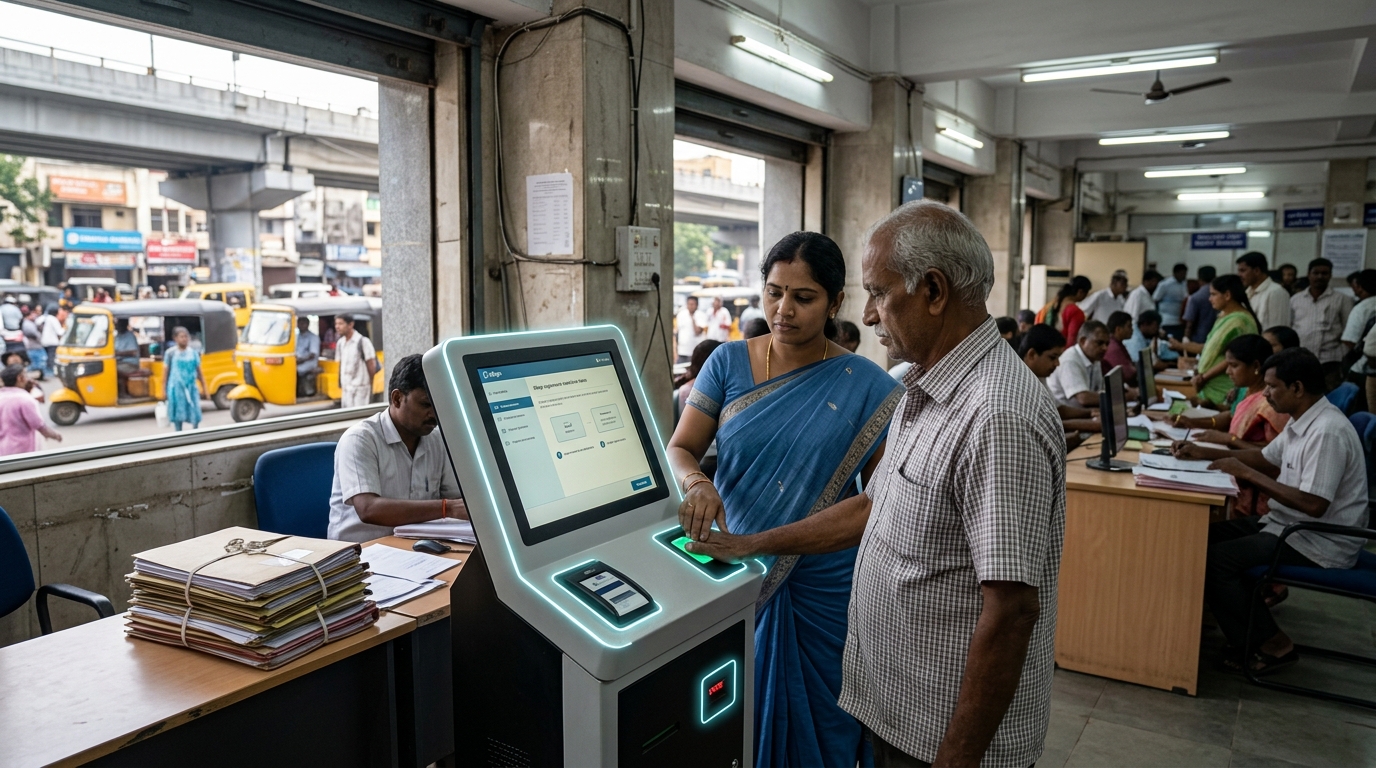
Aadhaar-based electronic signature service enabling legally valid digital signatures for 1.4 billion Indians — completing the paperless transaction layer of India Stack.
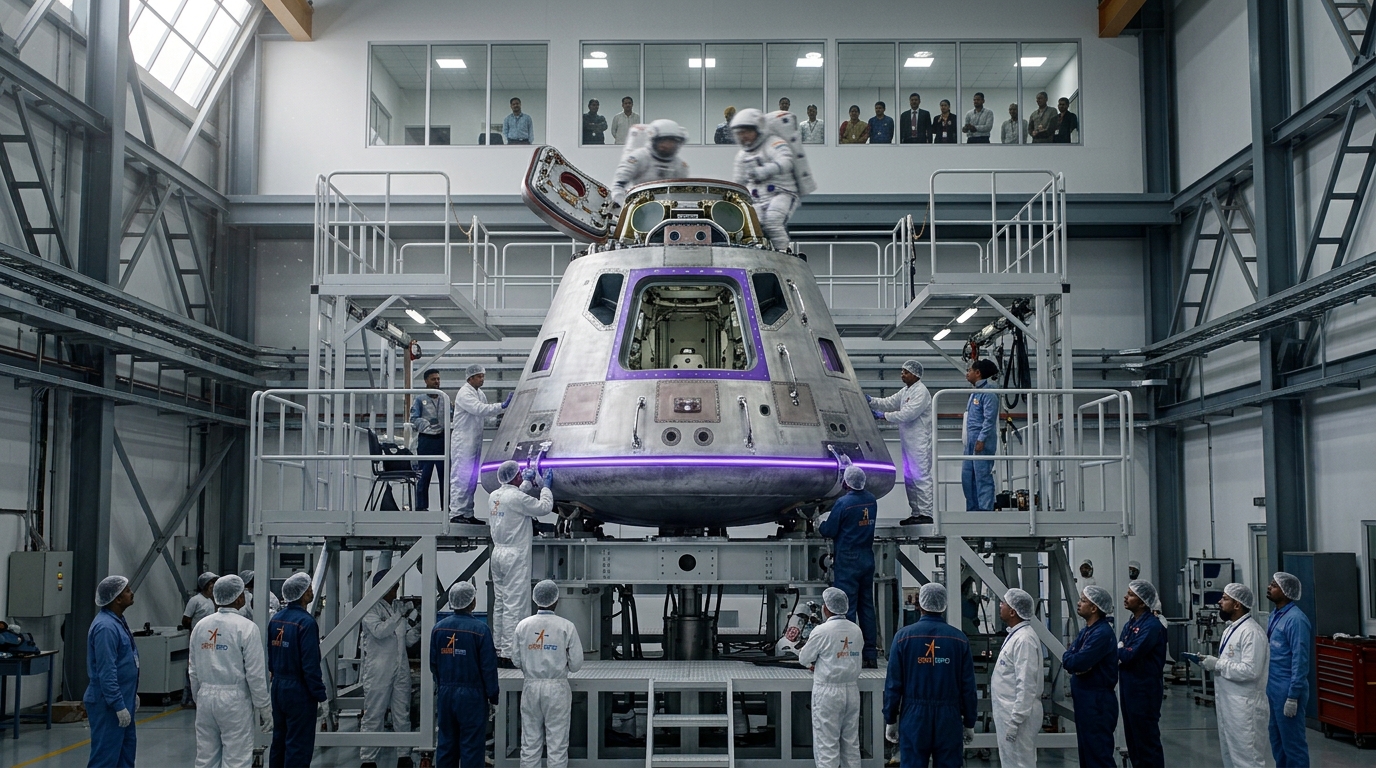
India's indigenous human spaceflight program aiming to send three astronauts to low Earth orbit — the first unmanned orbital flight targeted for late 2025.
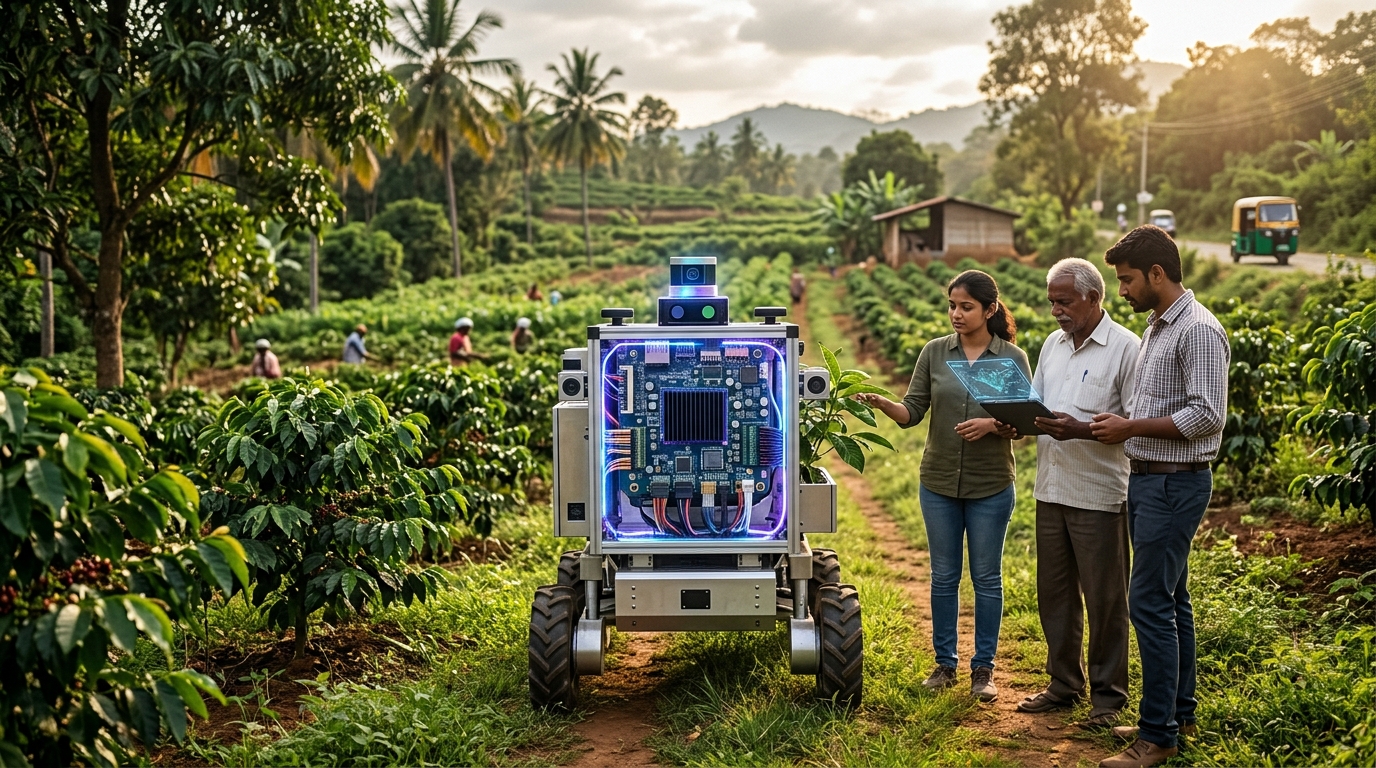
India's 1,600+ Global Capability Centers have quietly evolved from outsourcing shops into genuine innovation centers — Google's largest office outside the US, Walmart's biggest tech hub, and Goldman Sachs' primary engineering center are all in India.
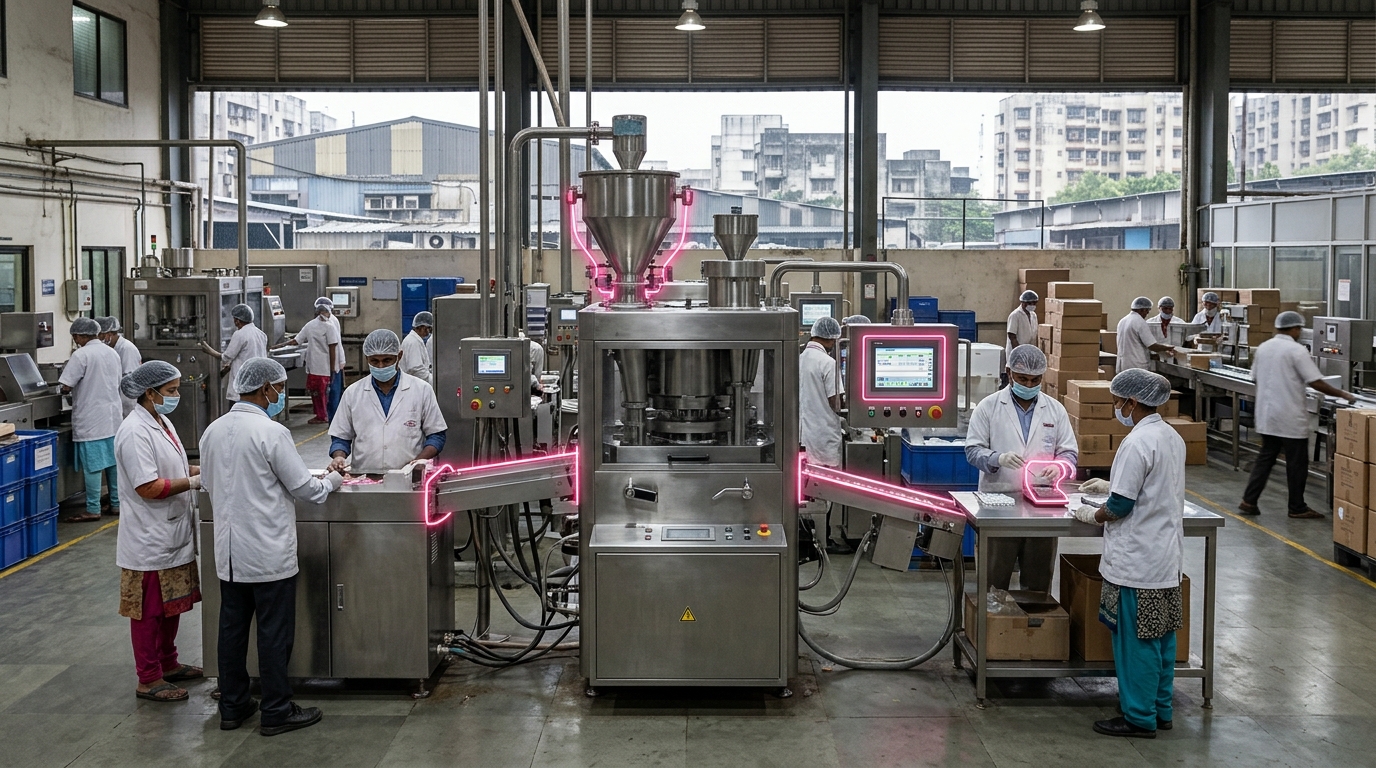
India is the 'Pharmacy of the World' — supplying 20% of global generic medicines and 60% of the world's vaccines, with the largest number of FDA-approved facilities outside the US.
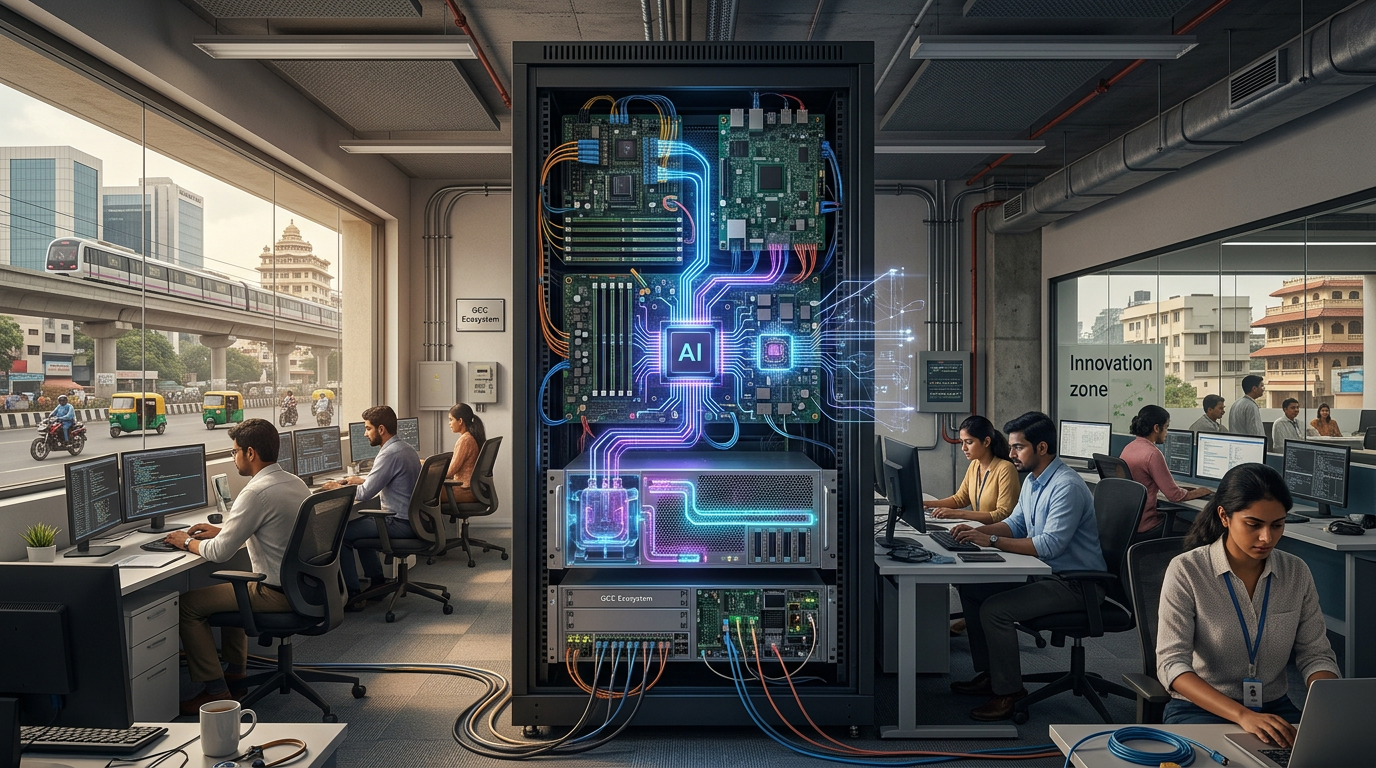
Over 1,600 multinational R&D centers in India employing 1.9 million people — evolving from cost arbitrage hubs into global innovation leaders driving AI adoption and digital transformation.
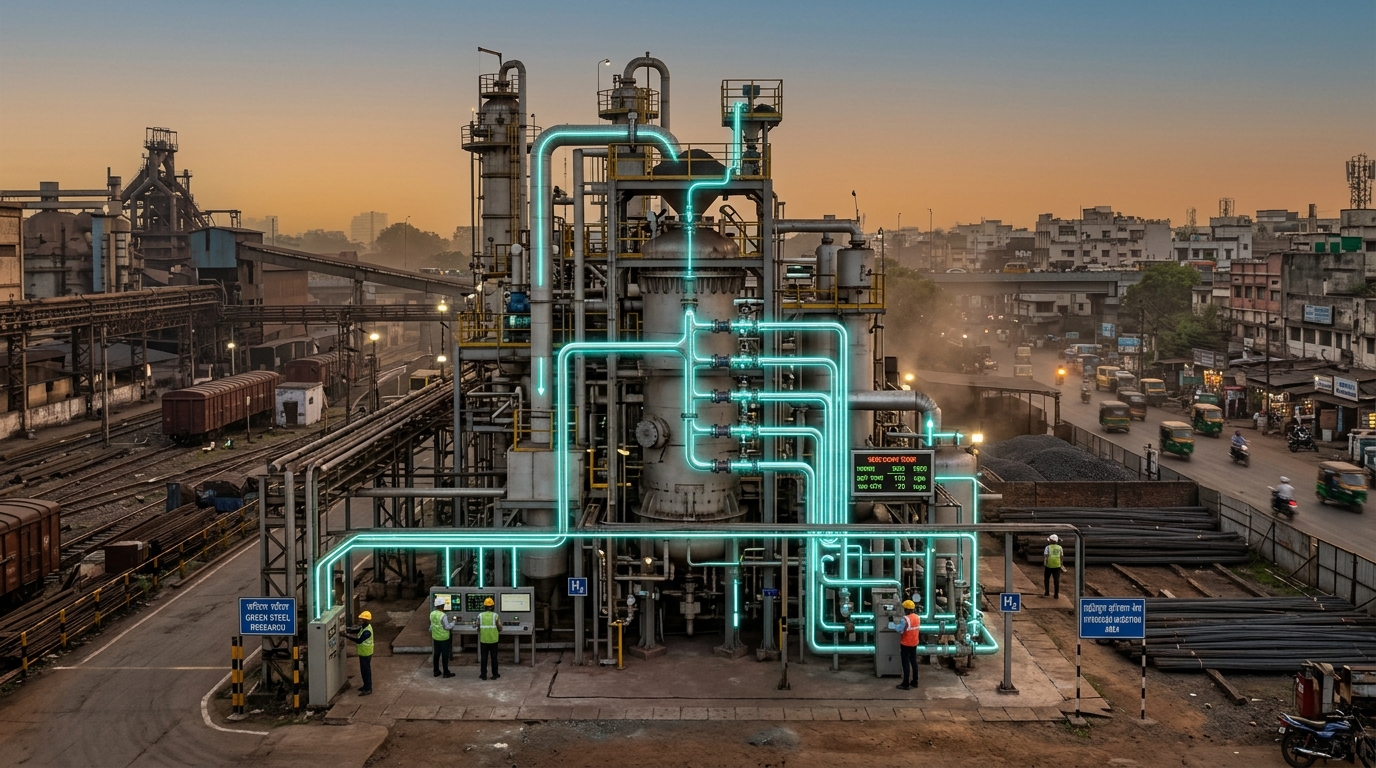
Tata Steel's HIsarna process can cut steelmaking CO2 emissions by 20-80% — and India, as the world's 2nd largest steel producer at 140+ million tonnes/year, is developing hydrogen-based steelmaking and the first hydrogen transport pipes.
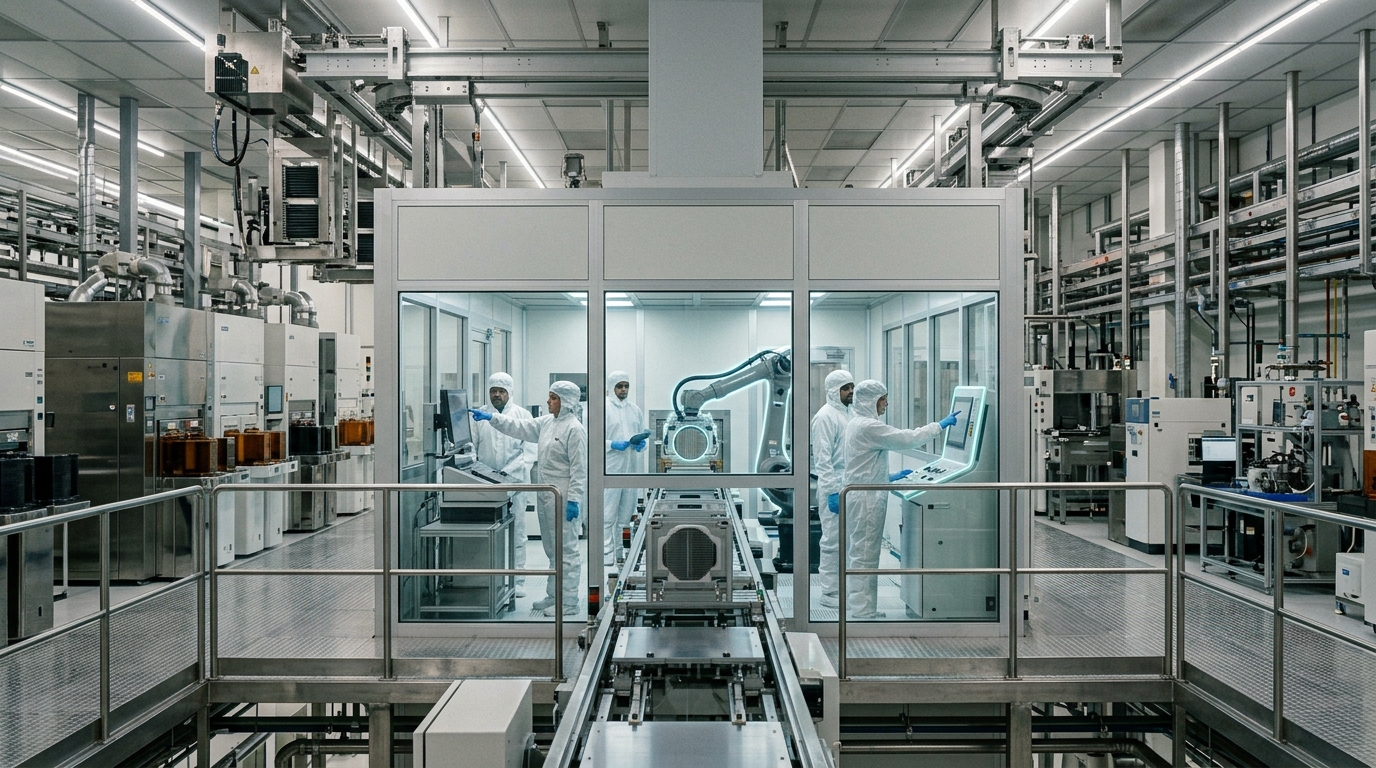
A $10 billion+ government program to establish domestic chip fabrication, with Tata Electronics and Micron building fabs in Gujarat and new projects cleared in Odisha and Andhra Pradesh.
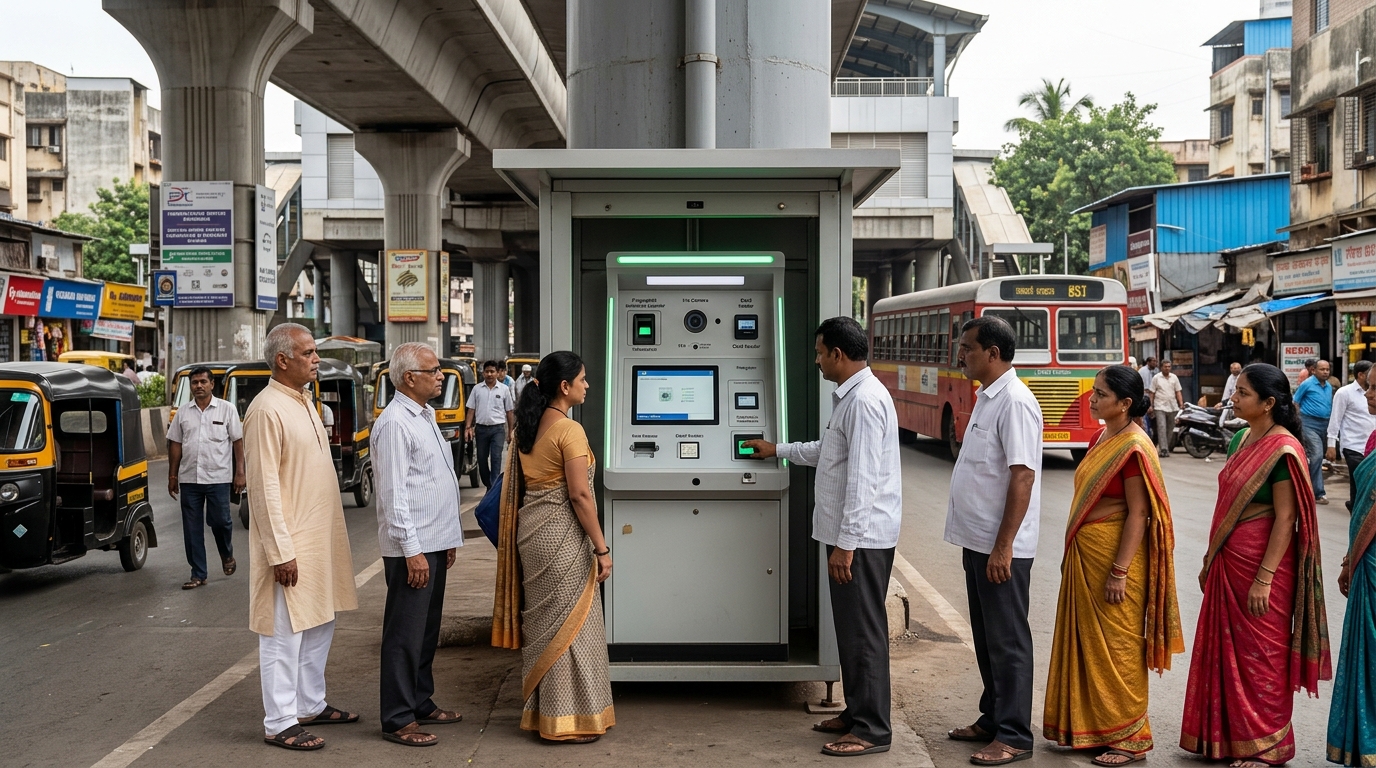
The world's most ambitious open API architecture — a layered stack of Aadhaar, UPI, DigiLocker, eSign, and consent frameworks that other nations are now replicating.
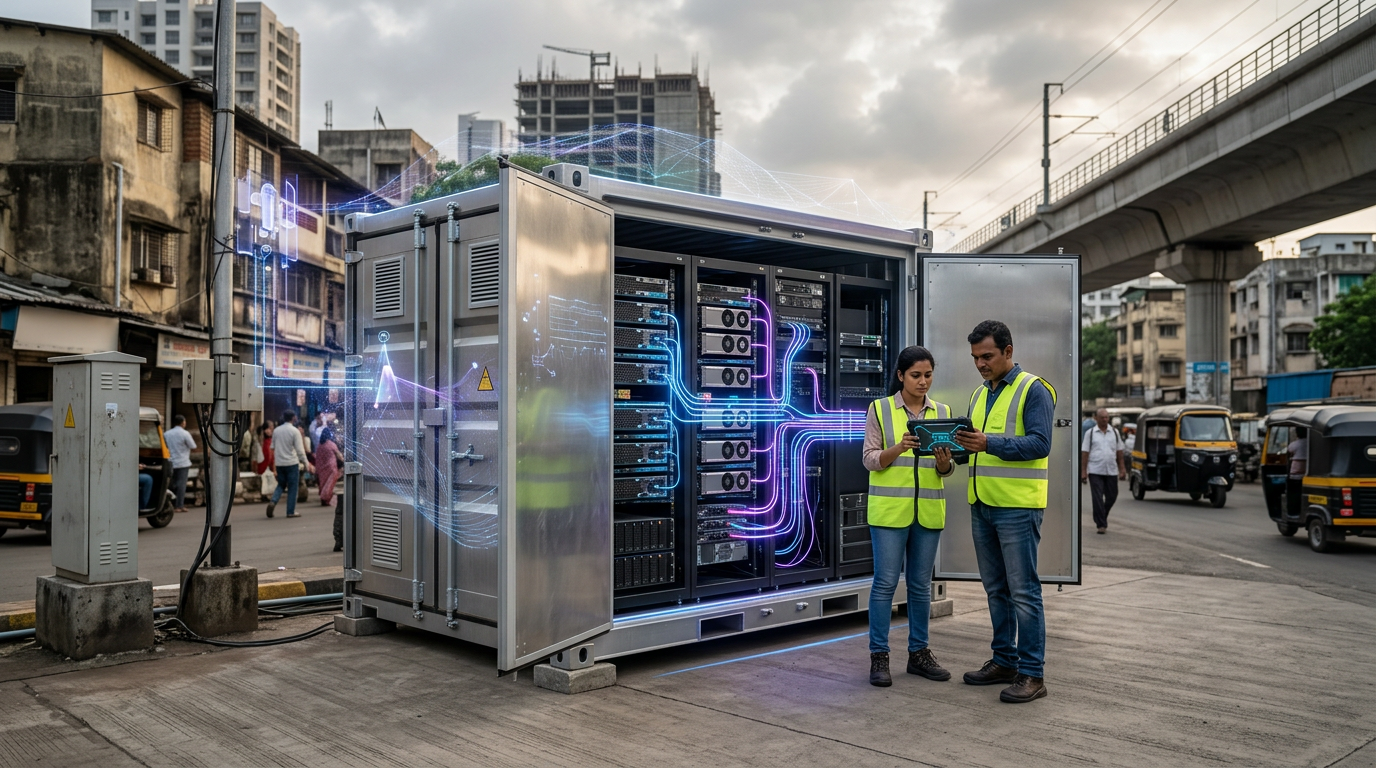
A government program to build sovereign AI capability — funding compute infrastructure (10,000+ GPU cluster), domestic foundation models, and AI applications across government services.
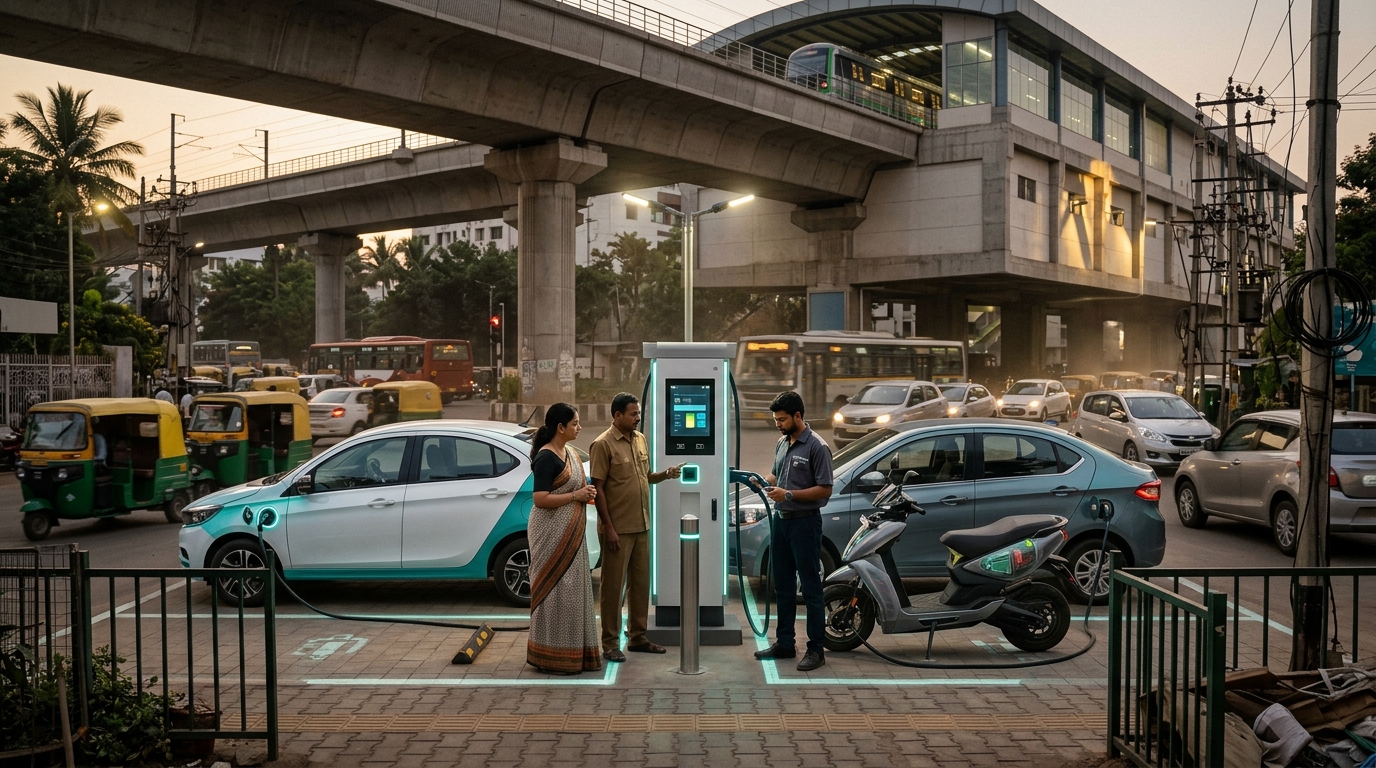
A rapidly growing domestic EV market led by Tata Motors (electric cars), Ather Energy (premium e-scooters), and Mahindra — targeting the world's third-largest automotive market.
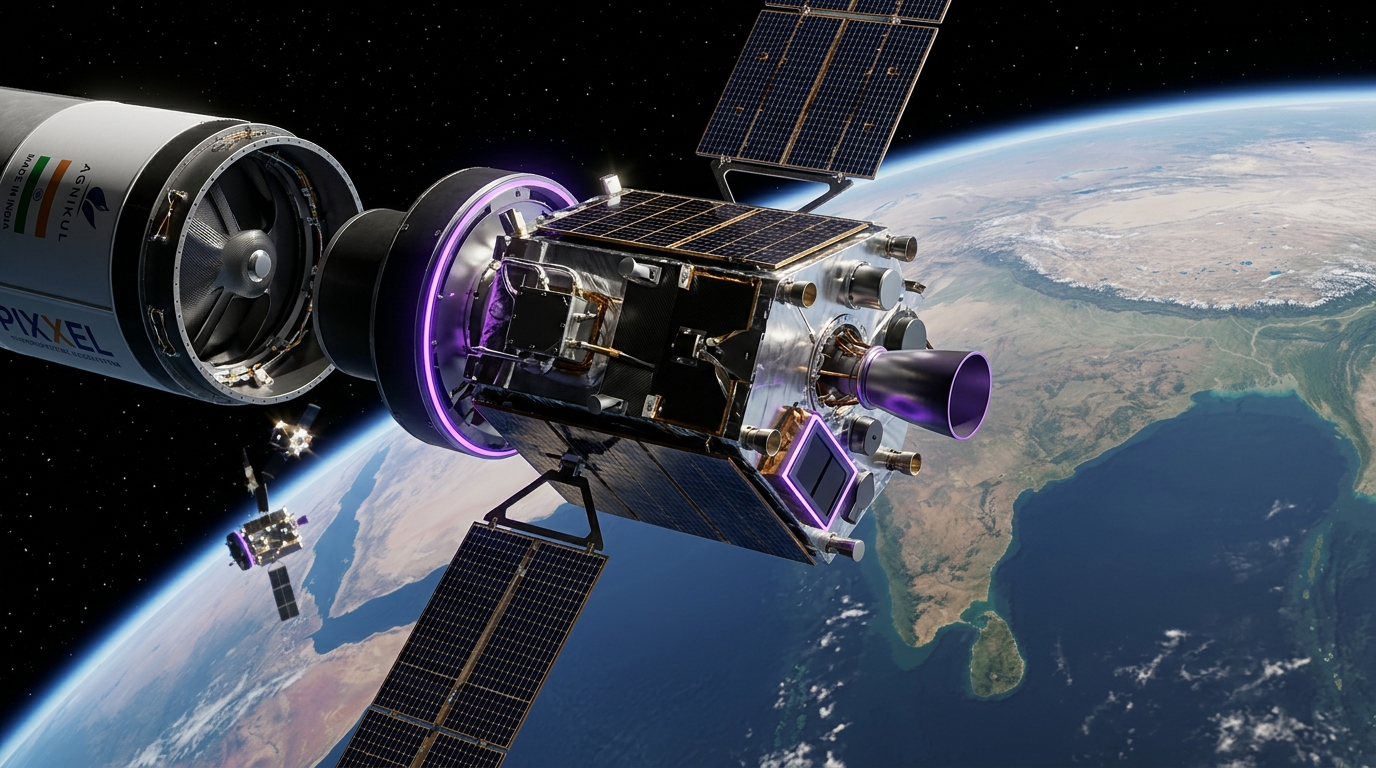
Over 1,200 registered space companies including Skyroot (first private Indian rocket), Agnikul (3D-printed engines), and Pixxel (hyperspectral satellite constellation).
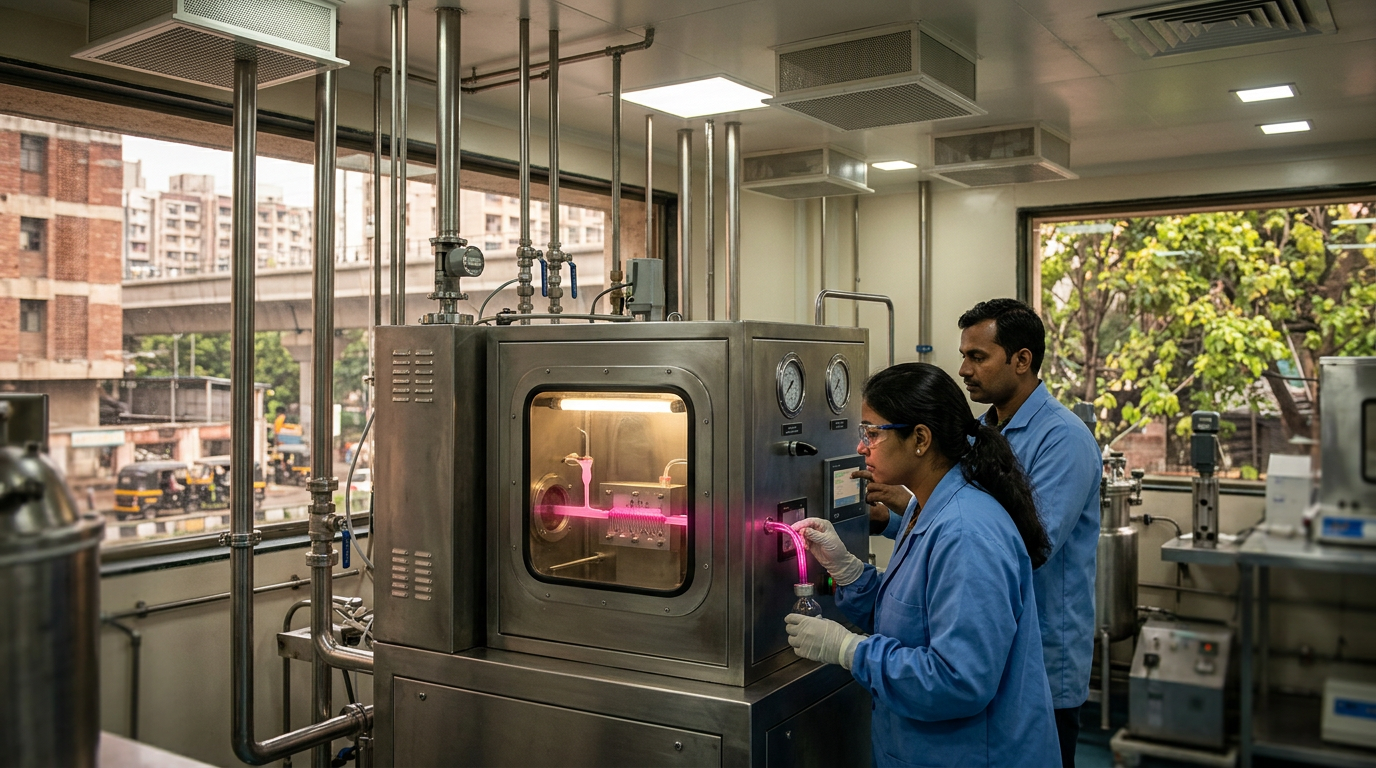
India's push to develop domestic mRNA vaccine capability through Gennova Biopharmaceuticals and other firms, reducing dependence on Western mRNA technology platforms.
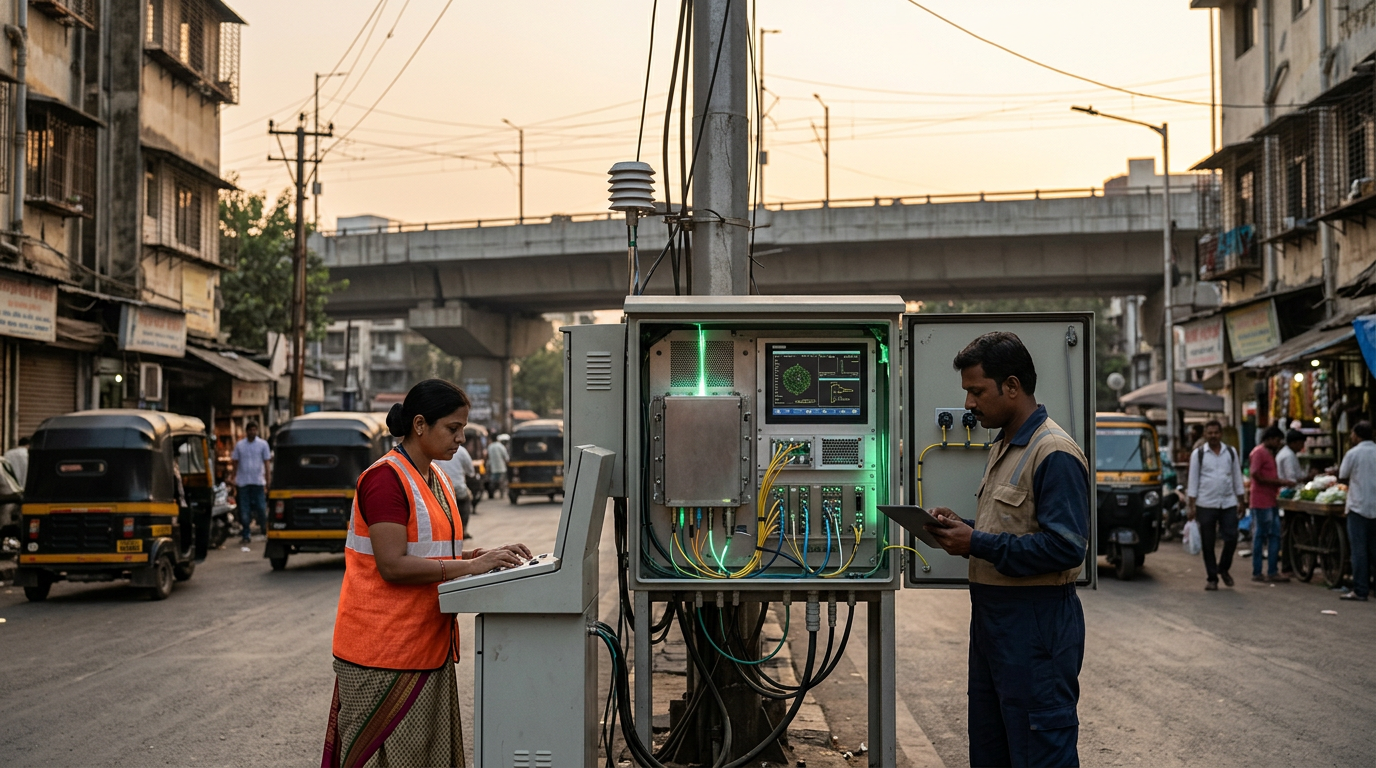
C-DAC and DIAT developed QSim, India's quantum simulator toolkit, while the Rs 6,003 crore National Quantum Mission targets 50-1000 qubits by 2031.
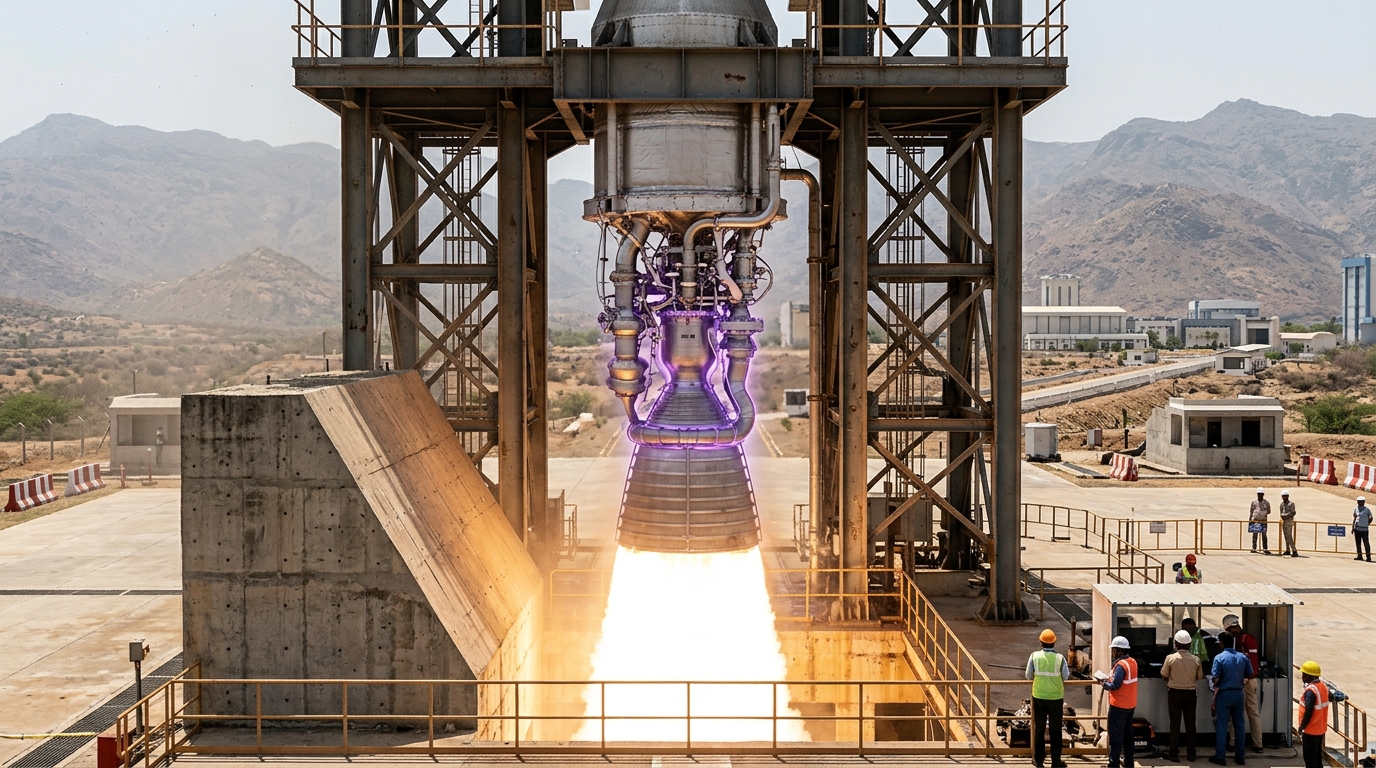
ISRO's 2,000 kN semicryogenic LOX/kerosene engine completed its first successful hot test in March 2025 — a high-thrust engine that will dramatically increase India's heavy-lift launch capacity.

India's first indigenously designed and built aircraft carrier — a 45,000-ton vessel making India only the sixth country capable of building an aircraft carrier.
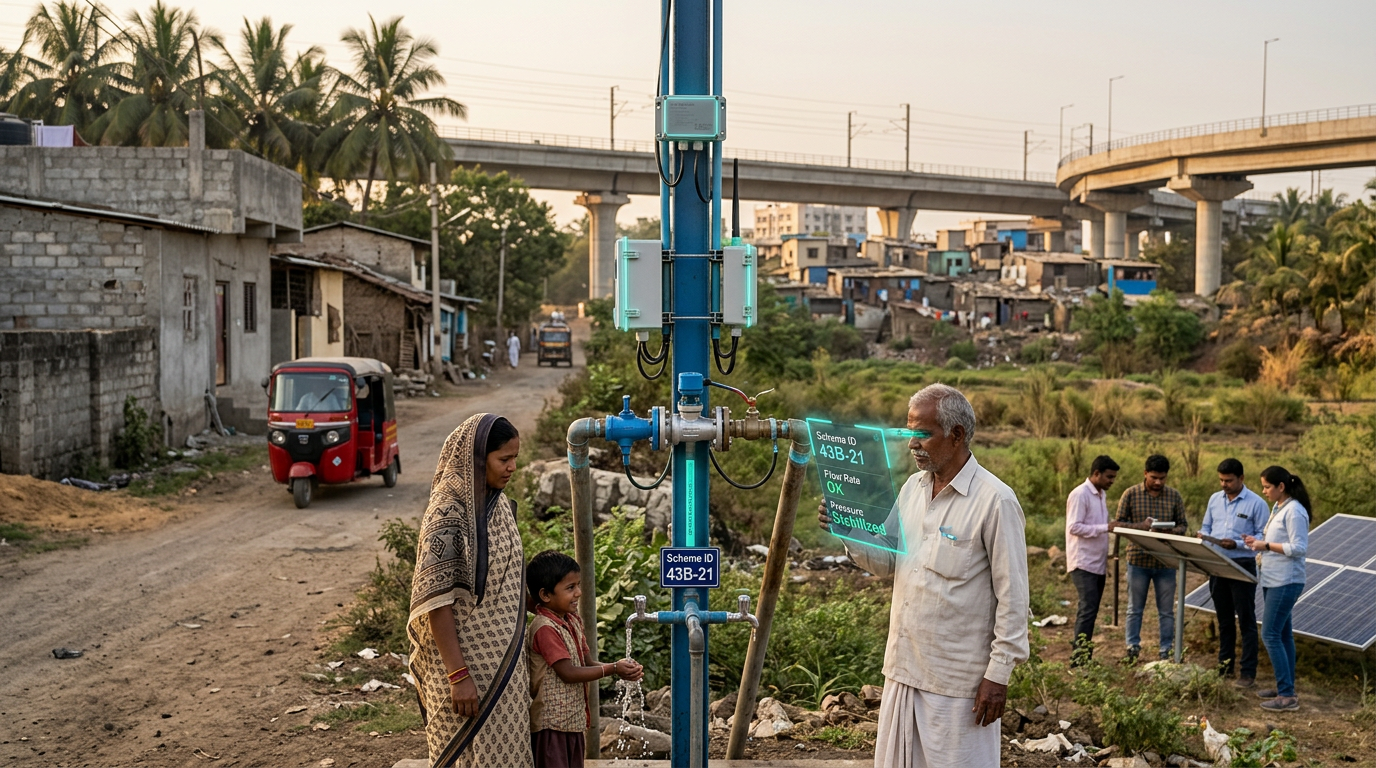
Jal Jeevan Mission connected 158 million rural households with piped tap water — now deploying IoT sensors, unique scheme IDs, and predictive analytics across 657,000 villages.
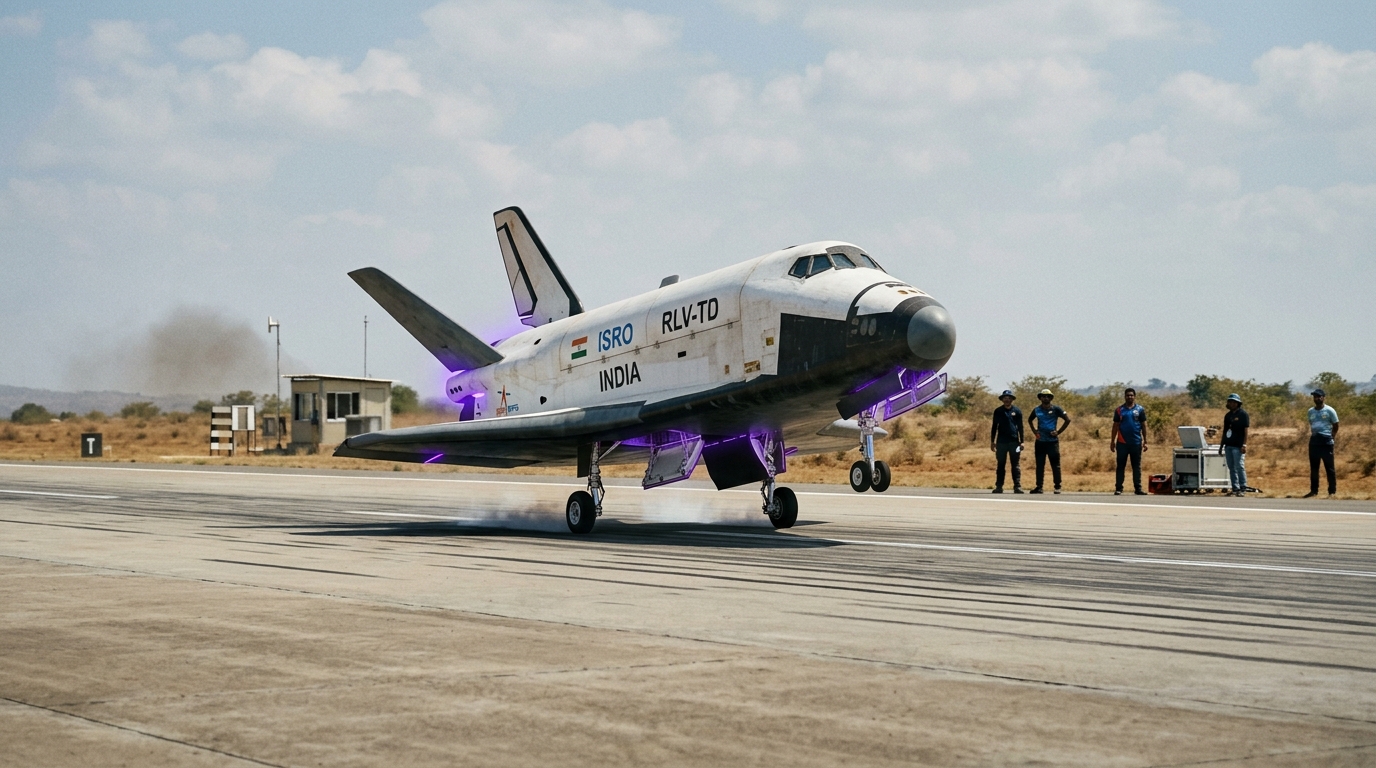
ISRO's autonomous runway landing experiment for a winged reusable launch vehicle — successfully demonstrated in 2023, targeting dramatic reduction in launch costs.
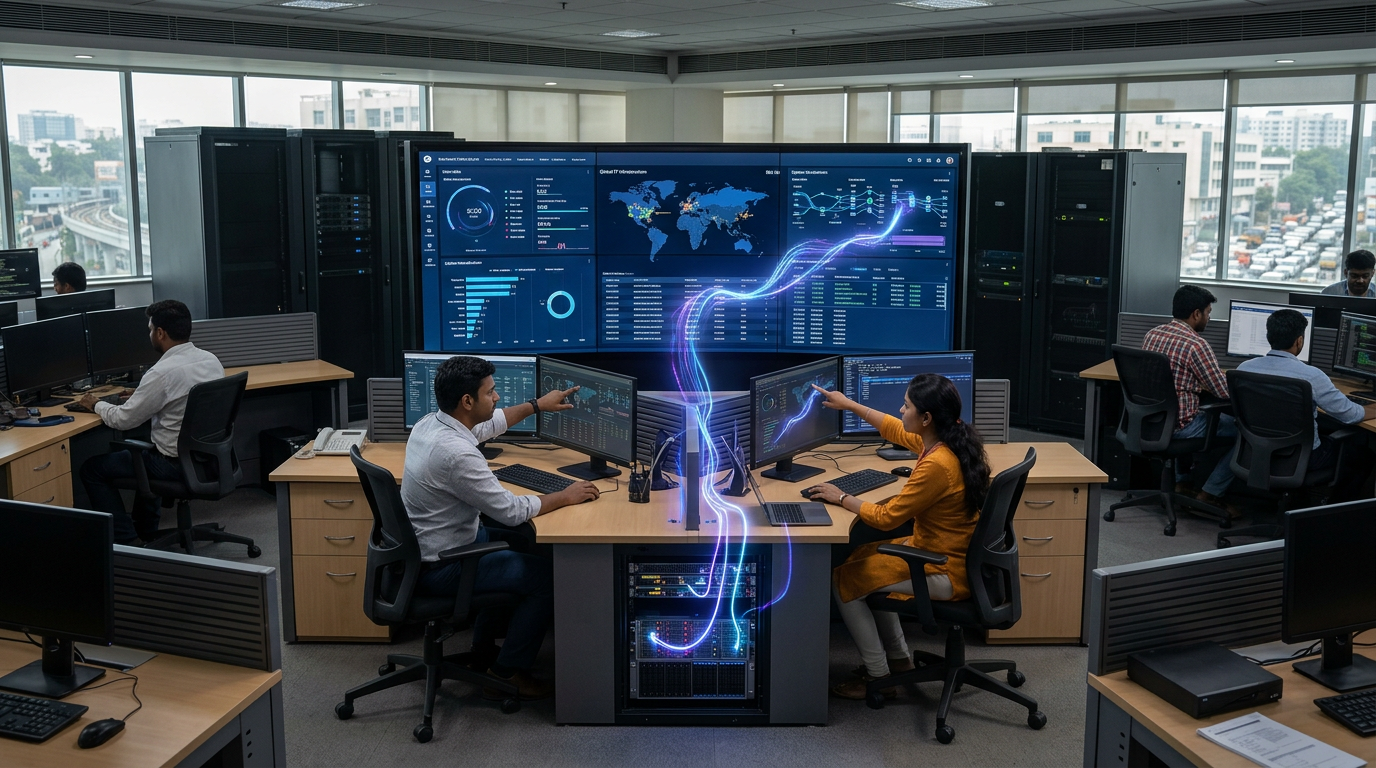
India's $250B+ IT services industry — led by TCS, Infosys, and Wipro — is pivoting from traditional outsourcing to AI-driven services, managing operations for half the Fortune 500.
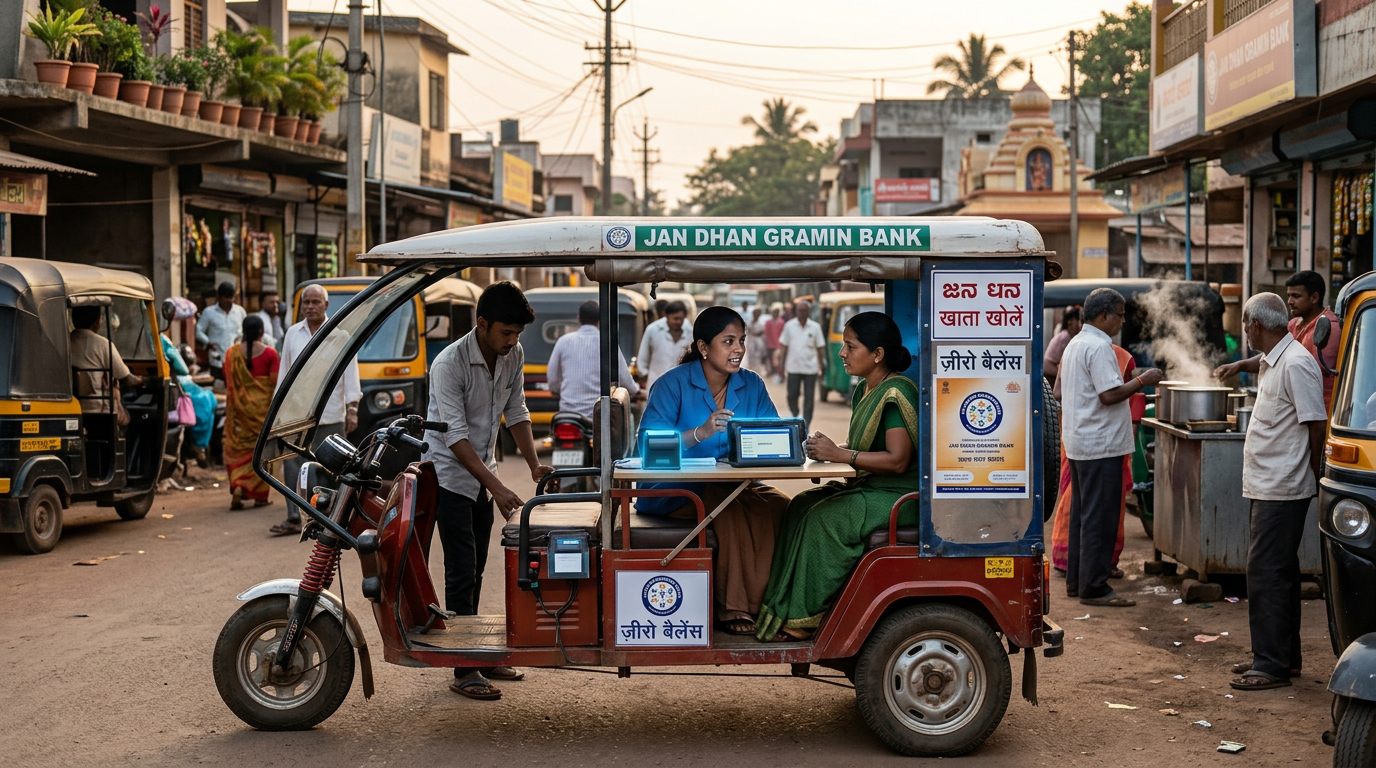
The world's largest financial inclusion program — 530+ million bank accounts opened for previously unbanked Indians since 2014, forming the 'J' in India's JAM trinity (Jan Dhan-Aadhaar-Mobile).
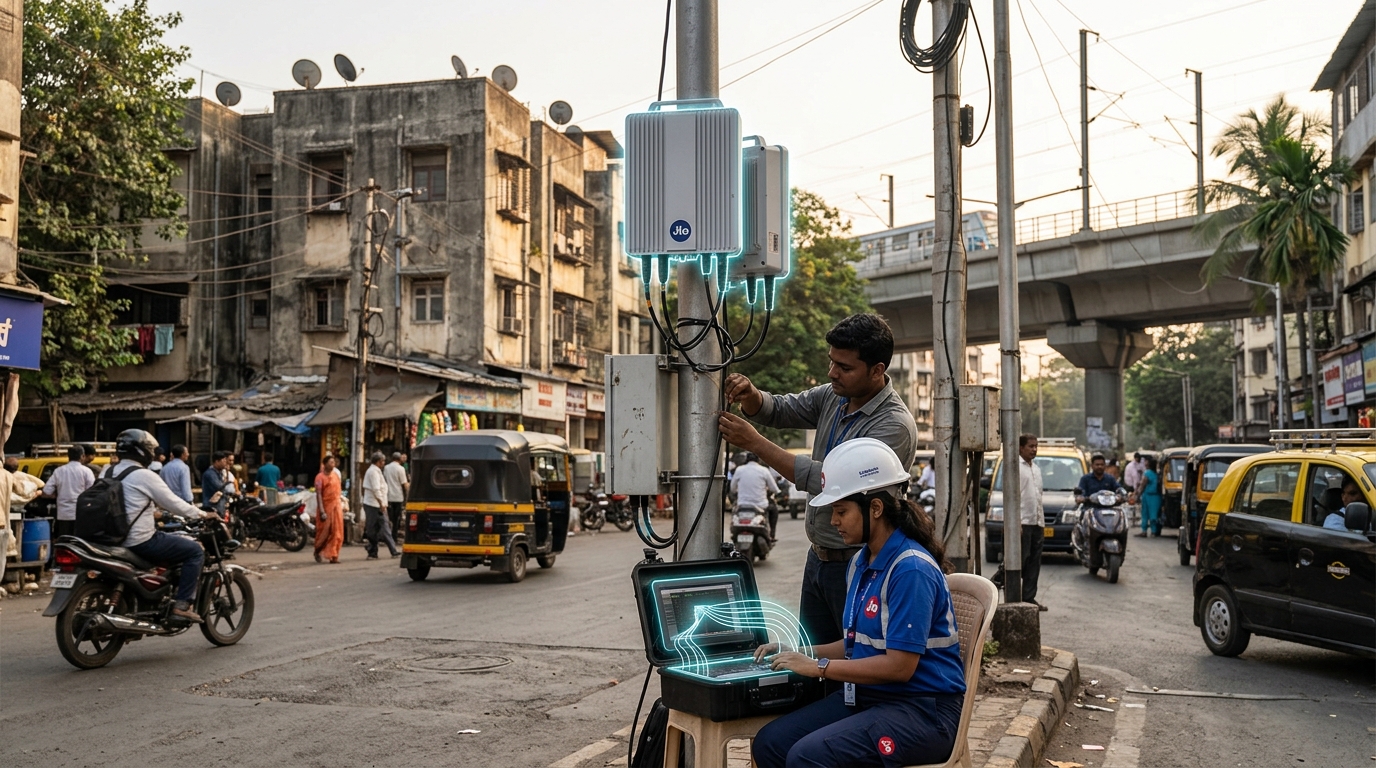
The world's largest and fastest 5G rollout — Reliance Jio reached 210 million 5G subscribers by mid-2025, covering 70%+ availability, just three years after launch.
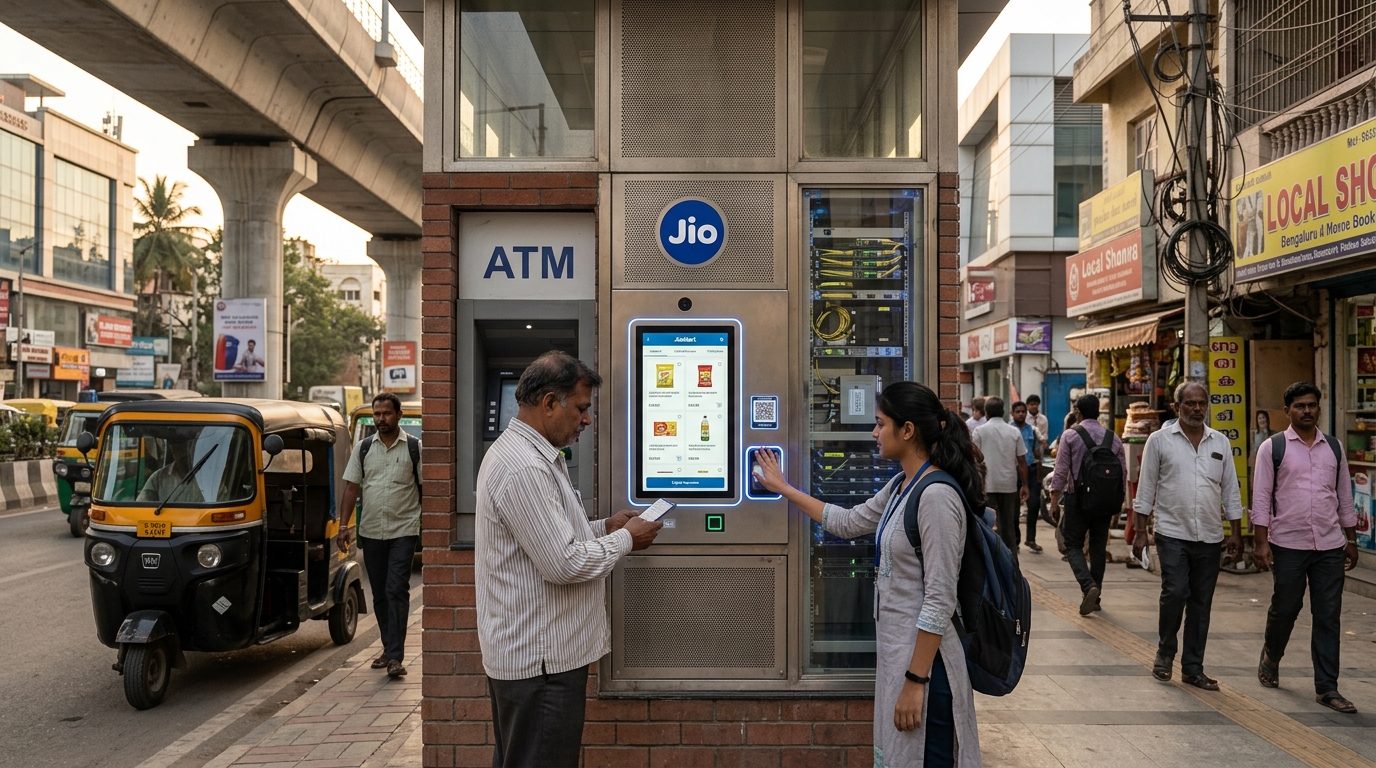
Not a telecom company but a vertically integrated digital stack — Jio's $35B+ investment in connectivity, payments (JioPay), commerce (JioMart), content (JioCinema), and cloud transformed 600M Indians' digital lives in under five years.
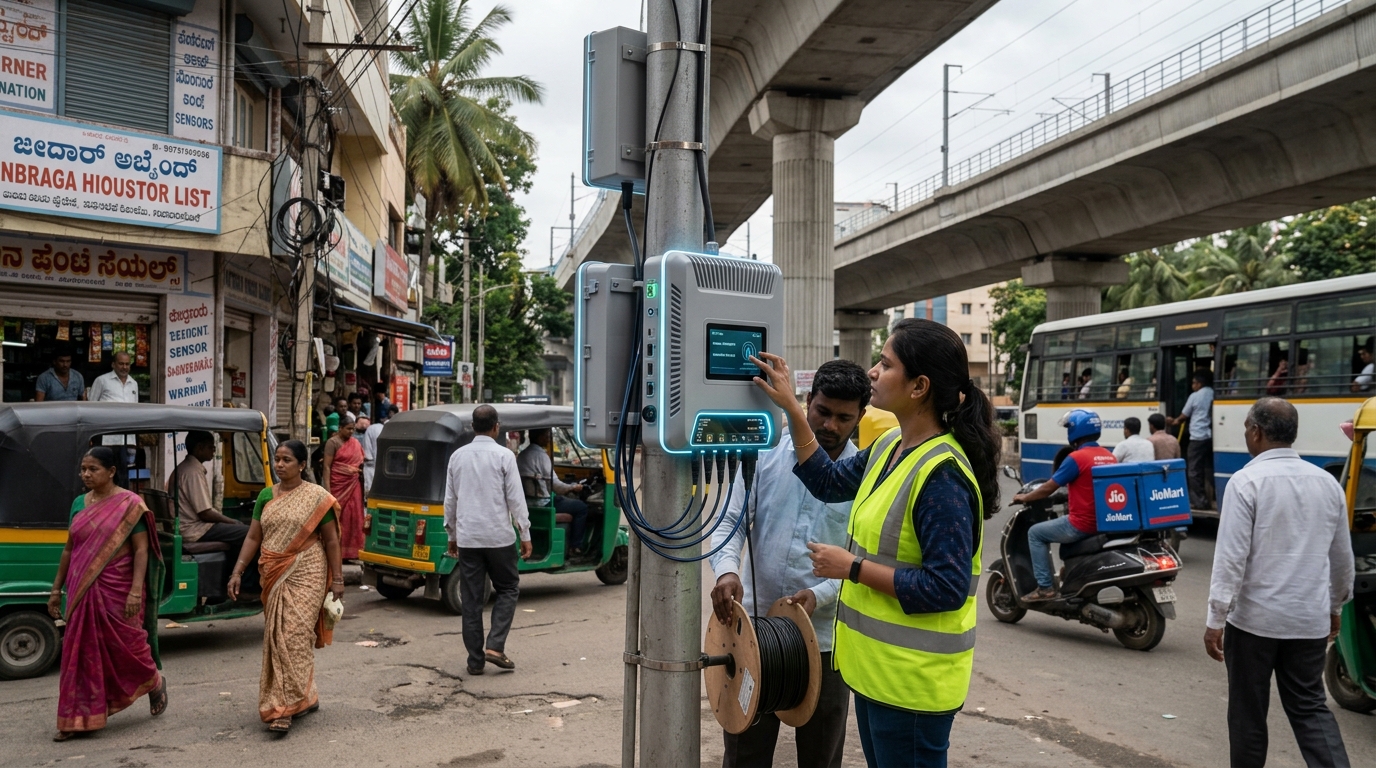
Reliance's integrated digital services platform combining telecom, cloud, fiber broadband, streaming, and e-commerce — backed by $20B+ in investments from Google, Meta, Intel, and others.
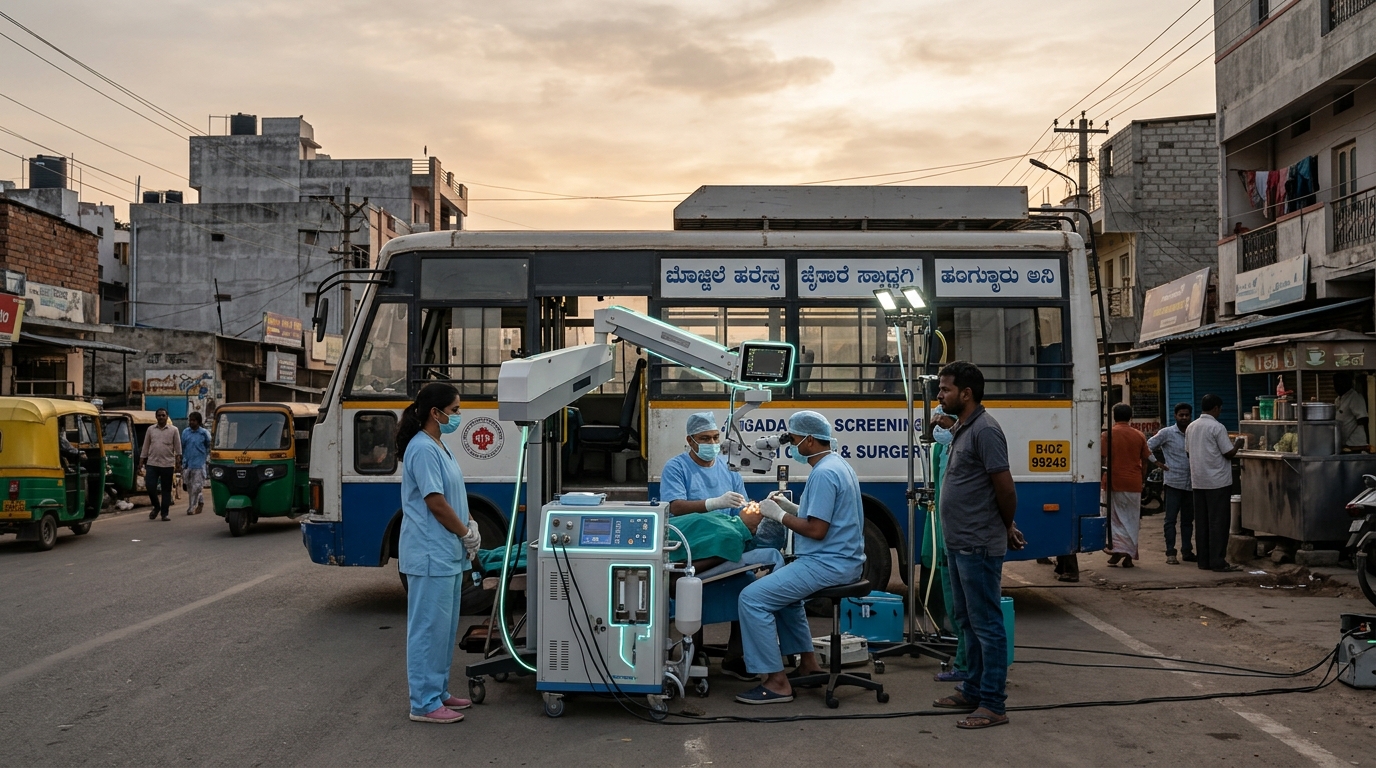
India has turned frugal improvisation into a replicable engineering discipline — producing a $74M Mars mission, $12 cataract surgeries, $2,000 cars, and $45 prosthetic feet that outperform $12,000 Western equivalents.
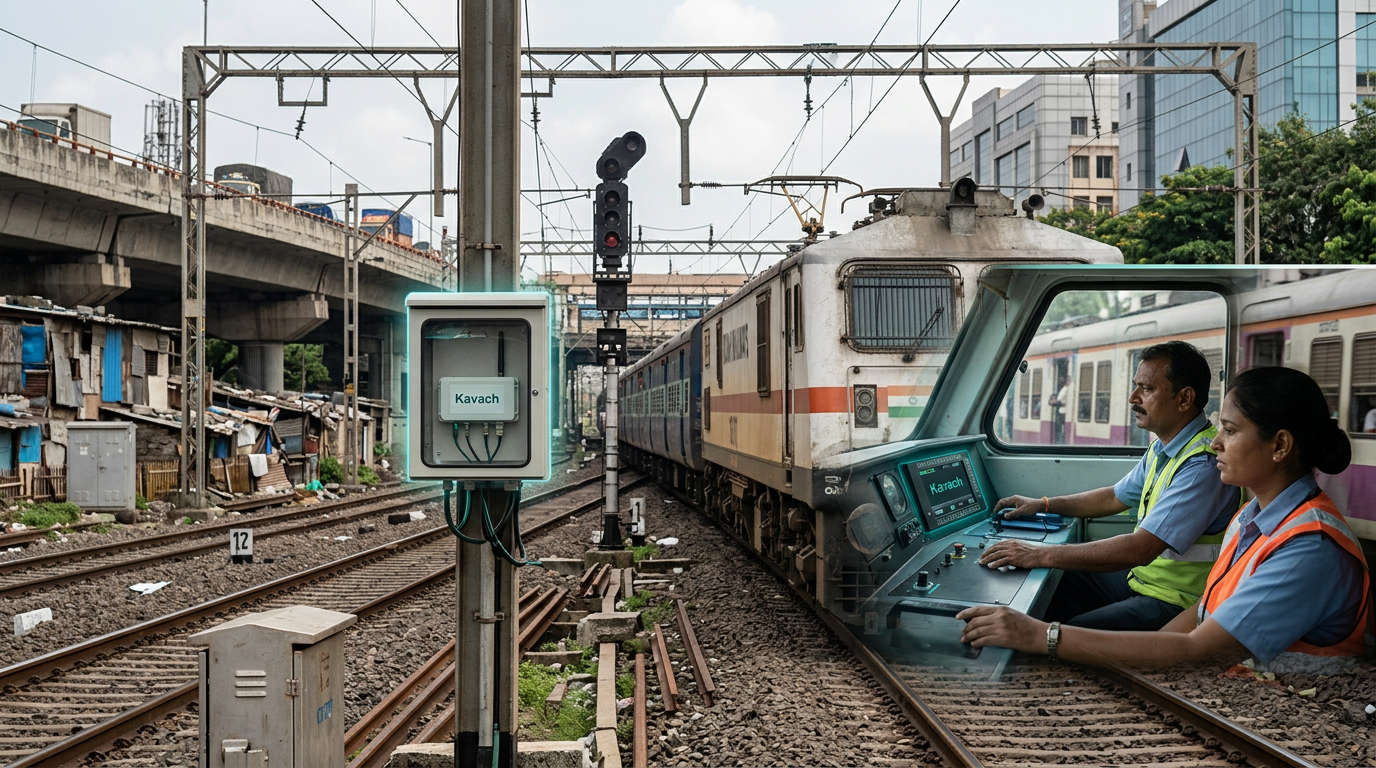
India's indigenous automatic train collision avoidance system uses RFID and radio to prevent accidents, designed to protect the world's 4th-largest rail network at a fraction of European system costs.
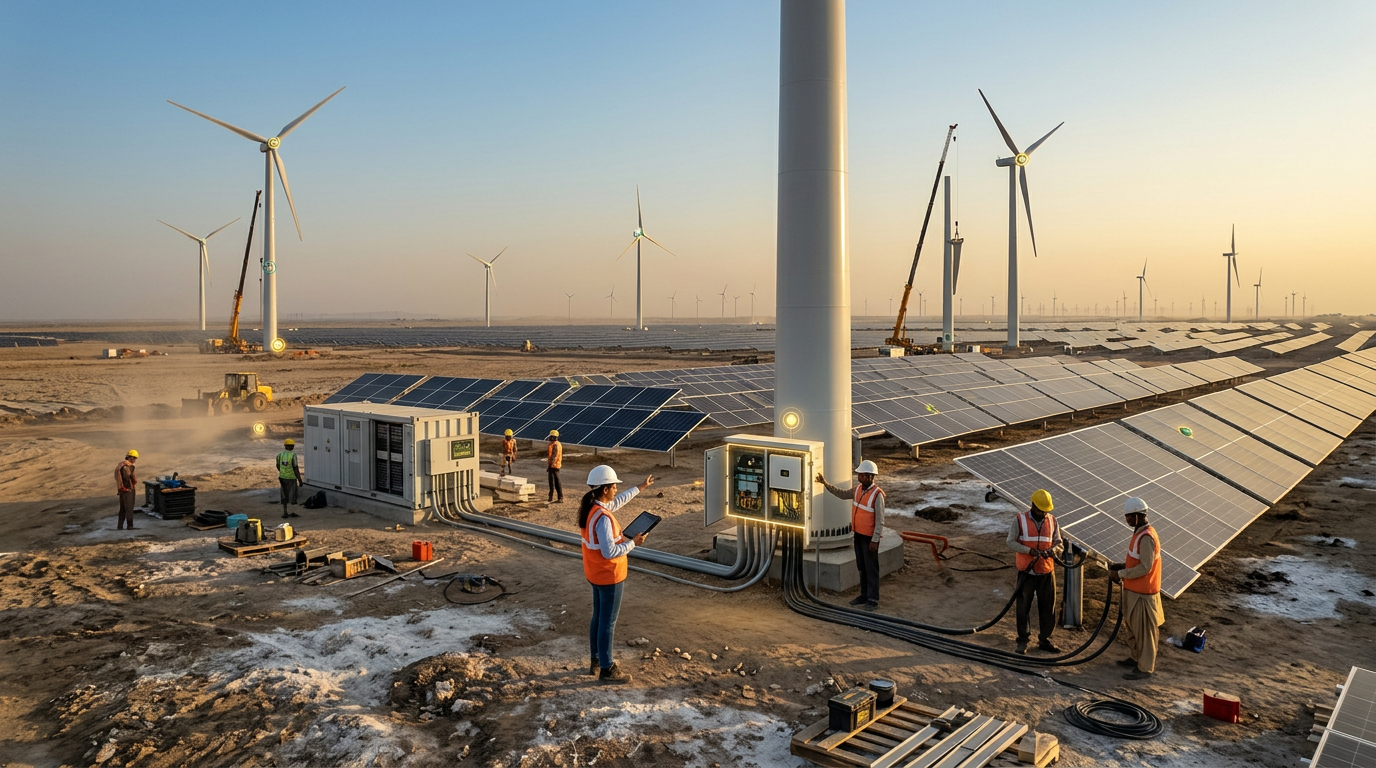
The world's largest renewable energy park under construction in Gujarat's Rann of Kutch — Adani Green Energy is building a 30 GW solar-wind hybrid facility across 72,600 hectares.
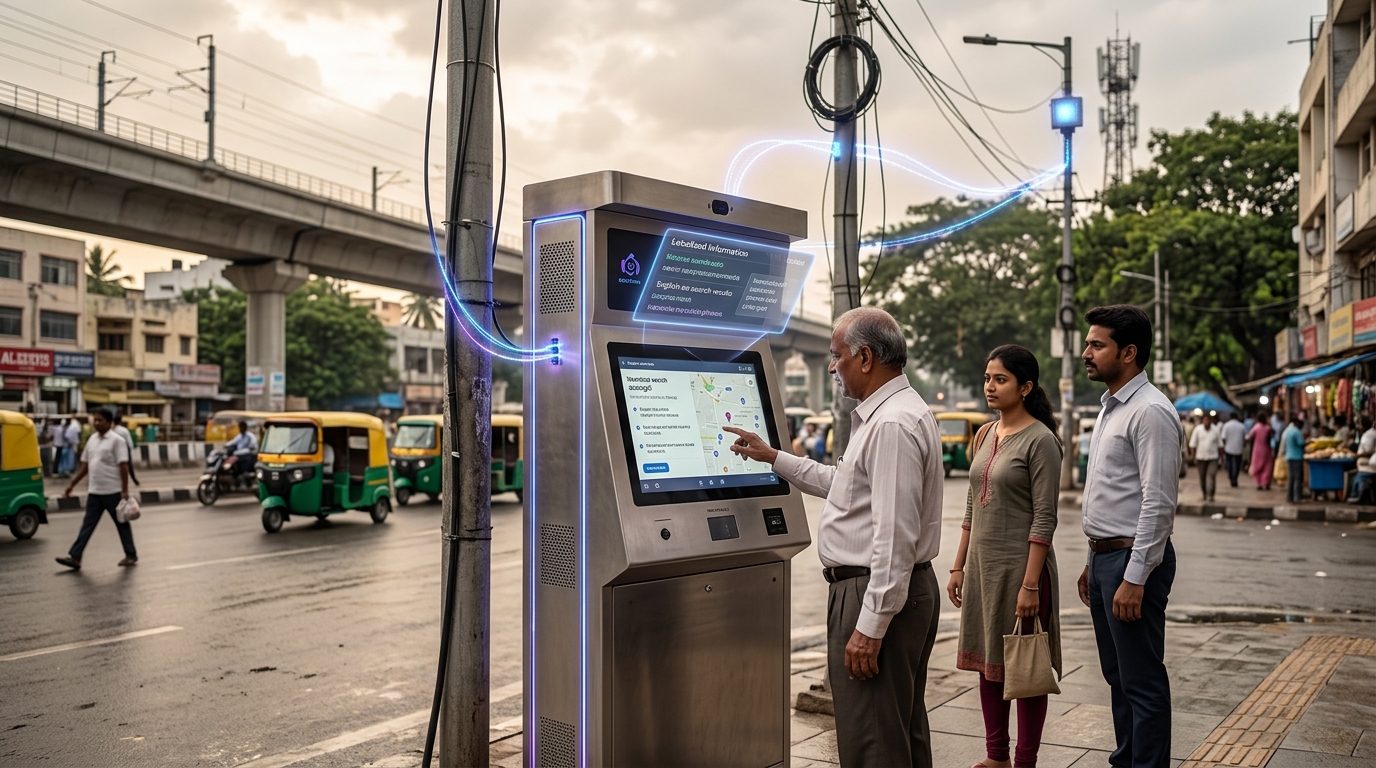
India's first AI unicorn, founded by Ola's Bhavish Aggarwal — building India-centric large language models and AI infrastructure supporting 13+ Indian languages.
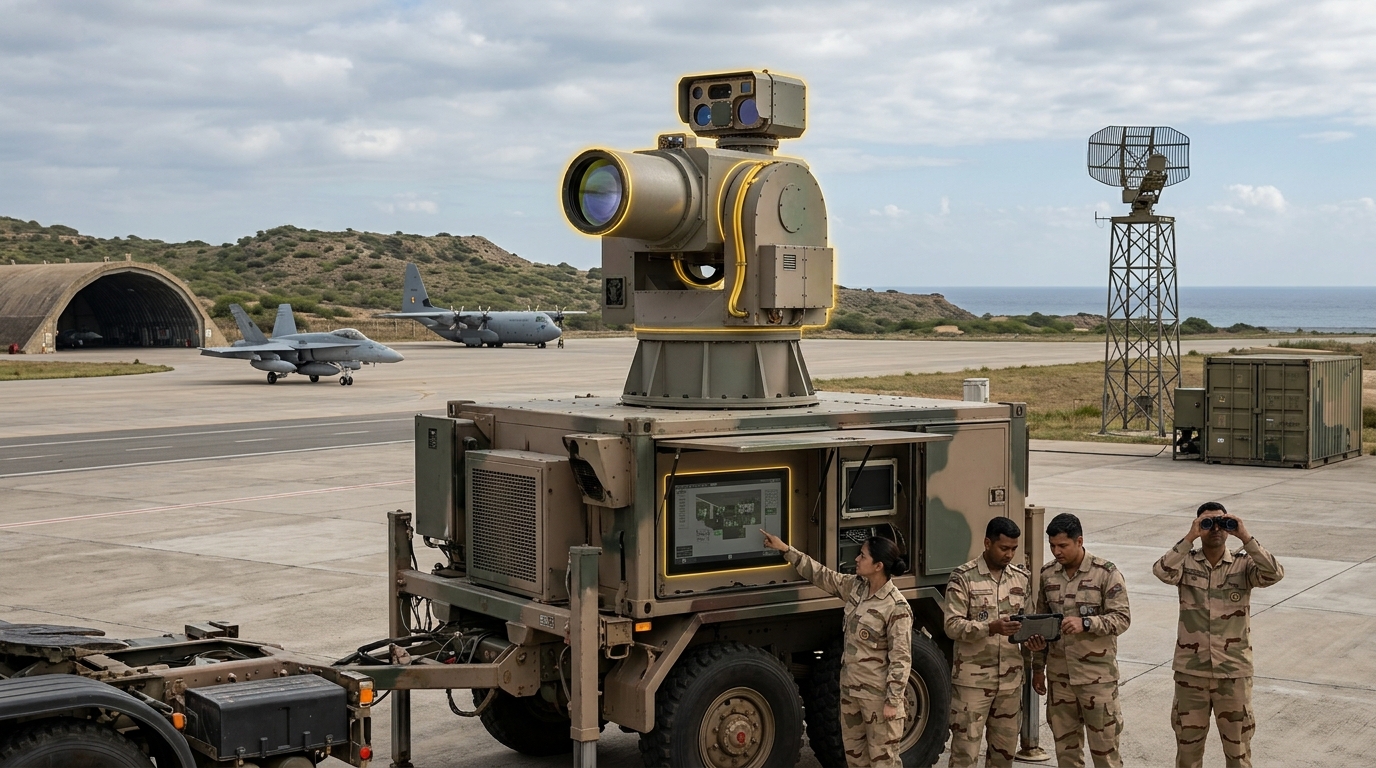
DRDO successfully tested the Mk-II(A) laser directed energy weapon in April 2025, capable of disabling drones and missiles at a fraction of conventional interceptor costs.
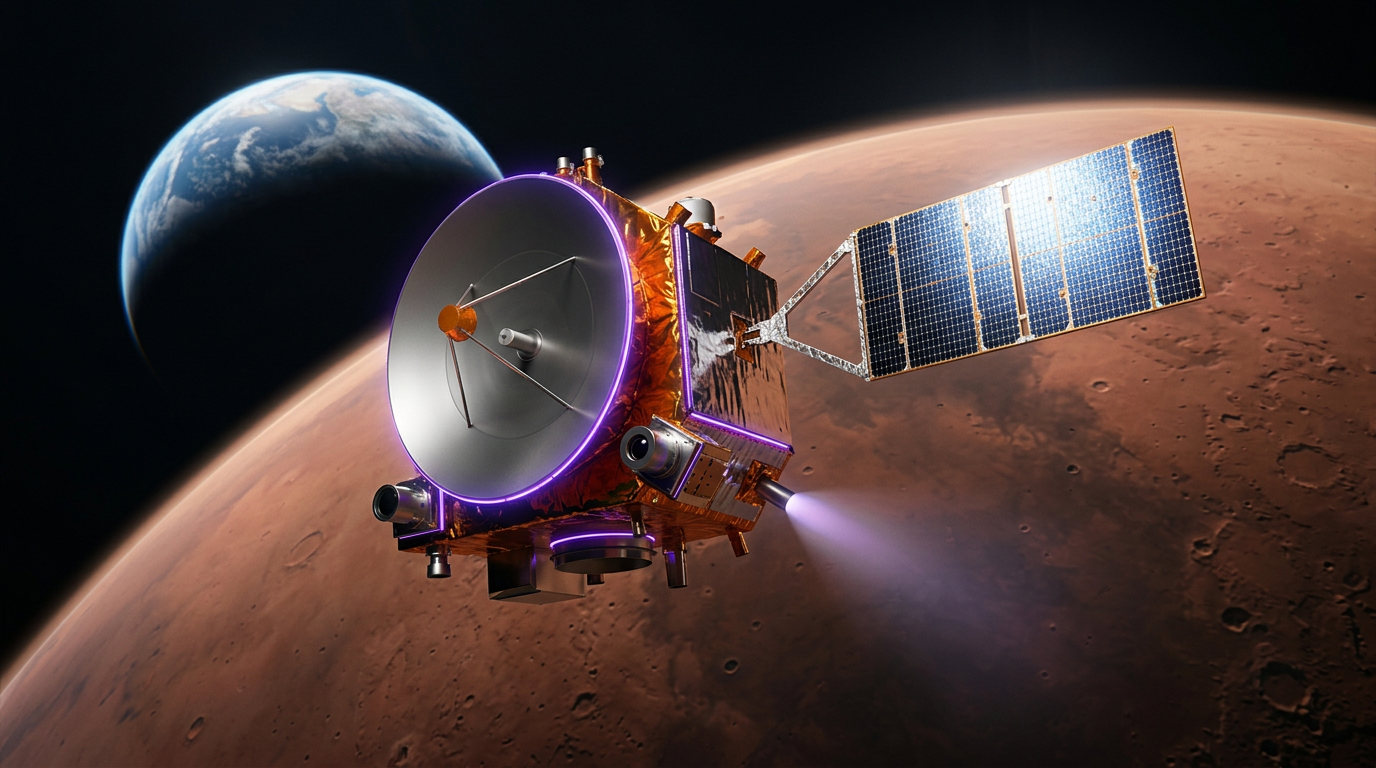
India reached Mars orbit on its first attempt in 2014 for $74 million — the cheapest interplanetary mission in history, costing less than the movie Gravity.
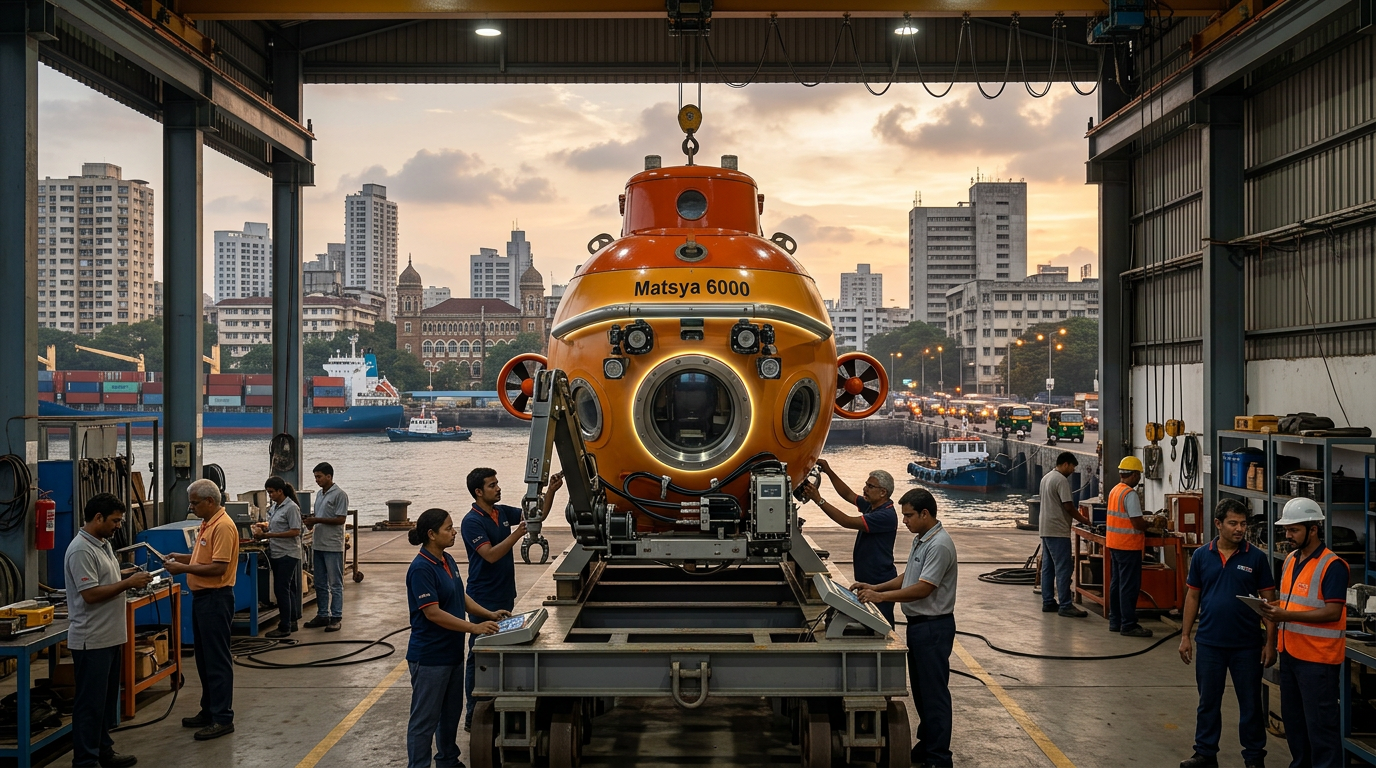
India's indigenous manned submersible designed to carry three people to 6,000 meters depth — part of the Deep Ocean Mission targeting polymetallic nodule exploration in the Central Indian Ocean Basin.
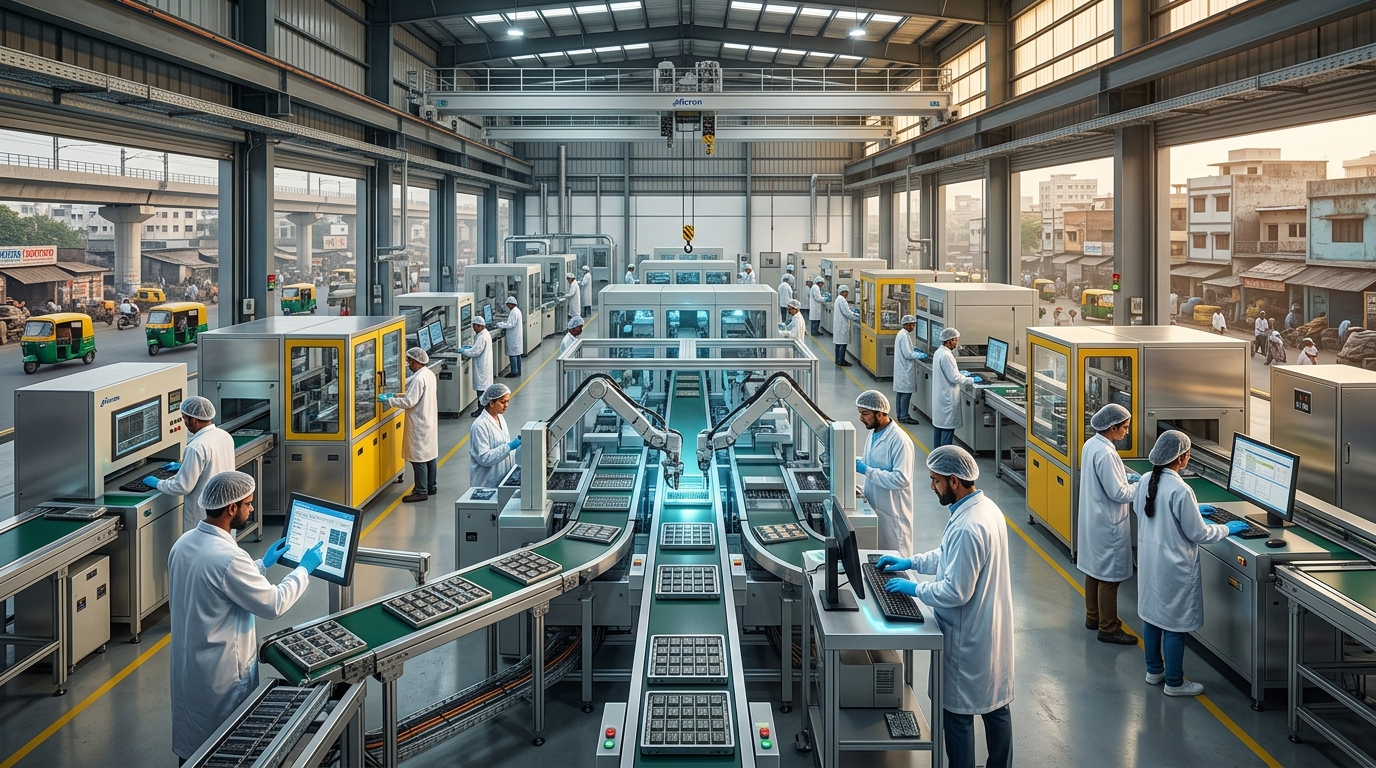
US memory giant Micron's $2.75 billion assembly and test plant in Gujarat — India's first facility from a global semiconductor leader, with test chips already in production.
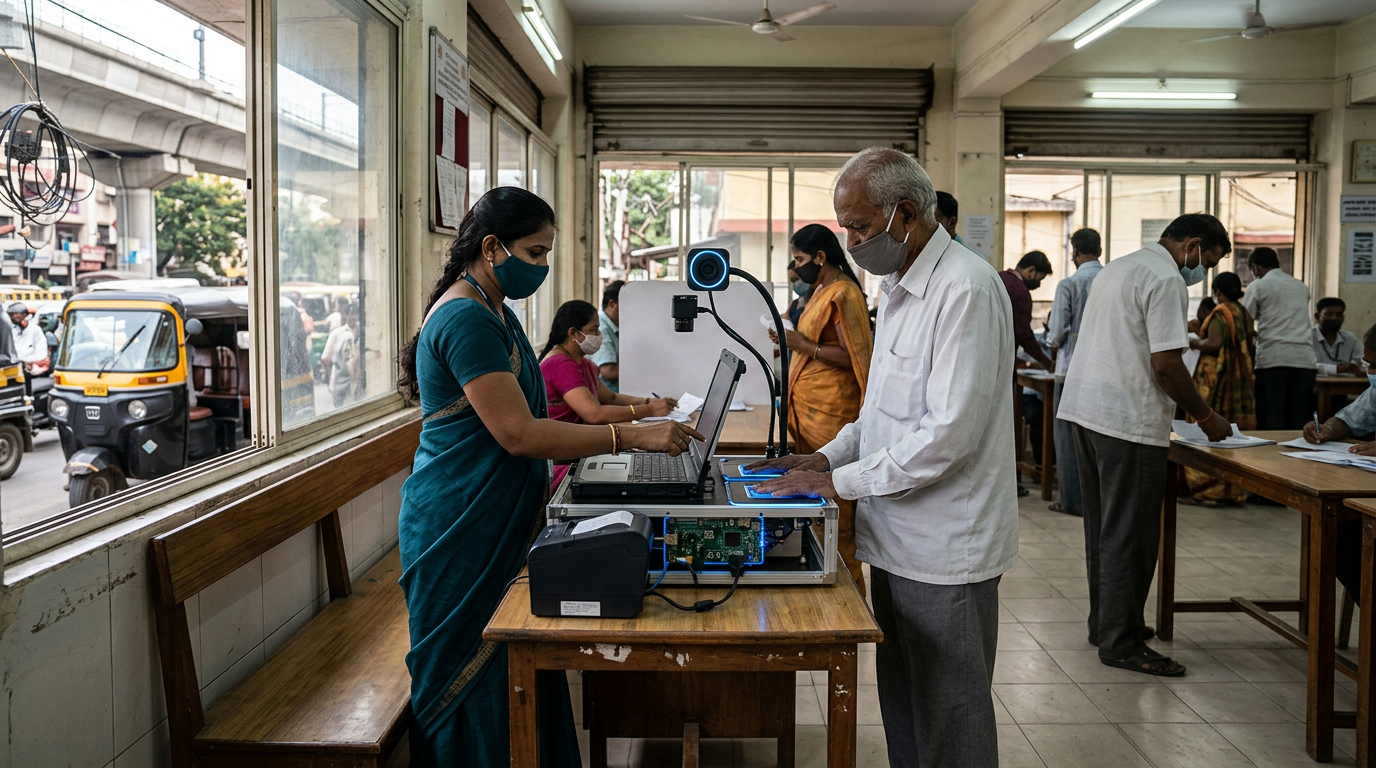
India is exporting its digital public infrastructure as open-source protocols — MOSIP powers national ID systems in 16+ countries including the Philippines (76M citizens), and Beckn enables open commerce networks globally.
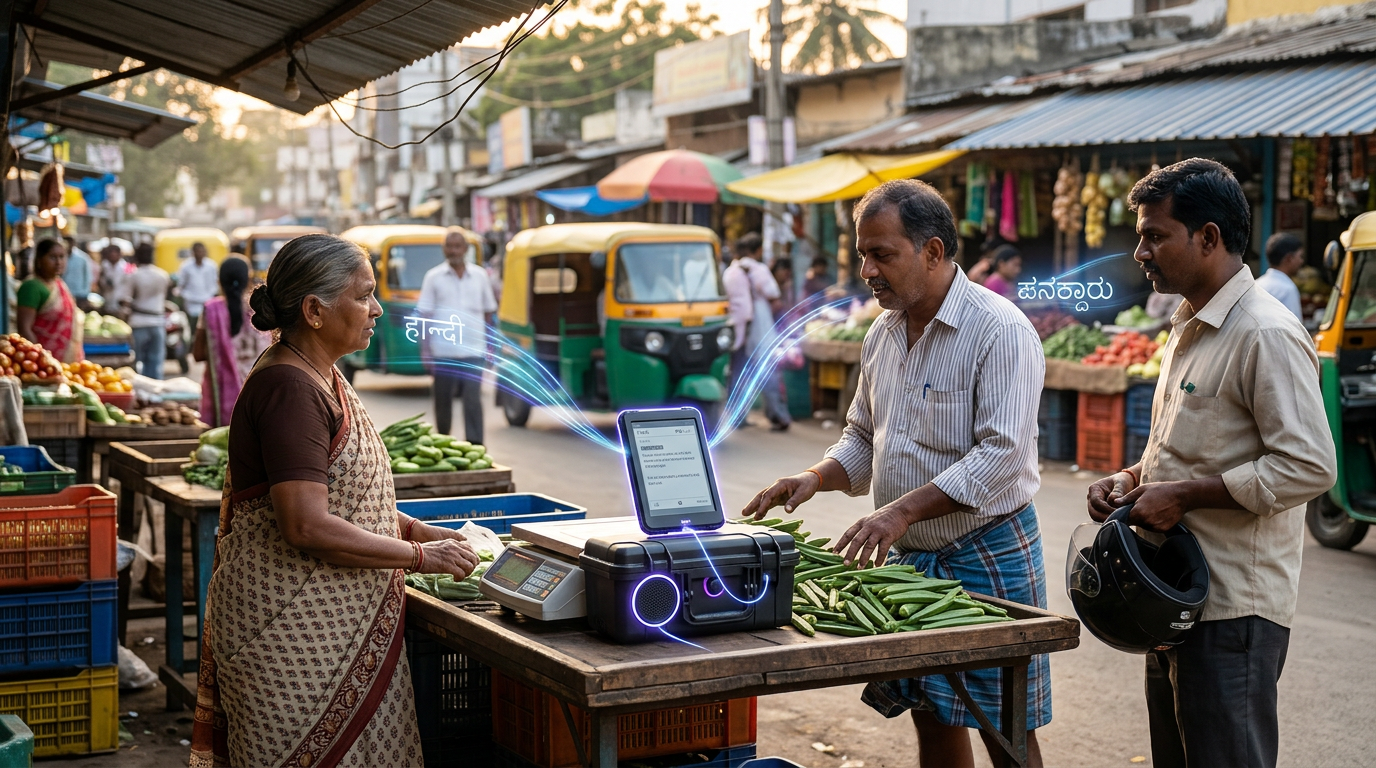
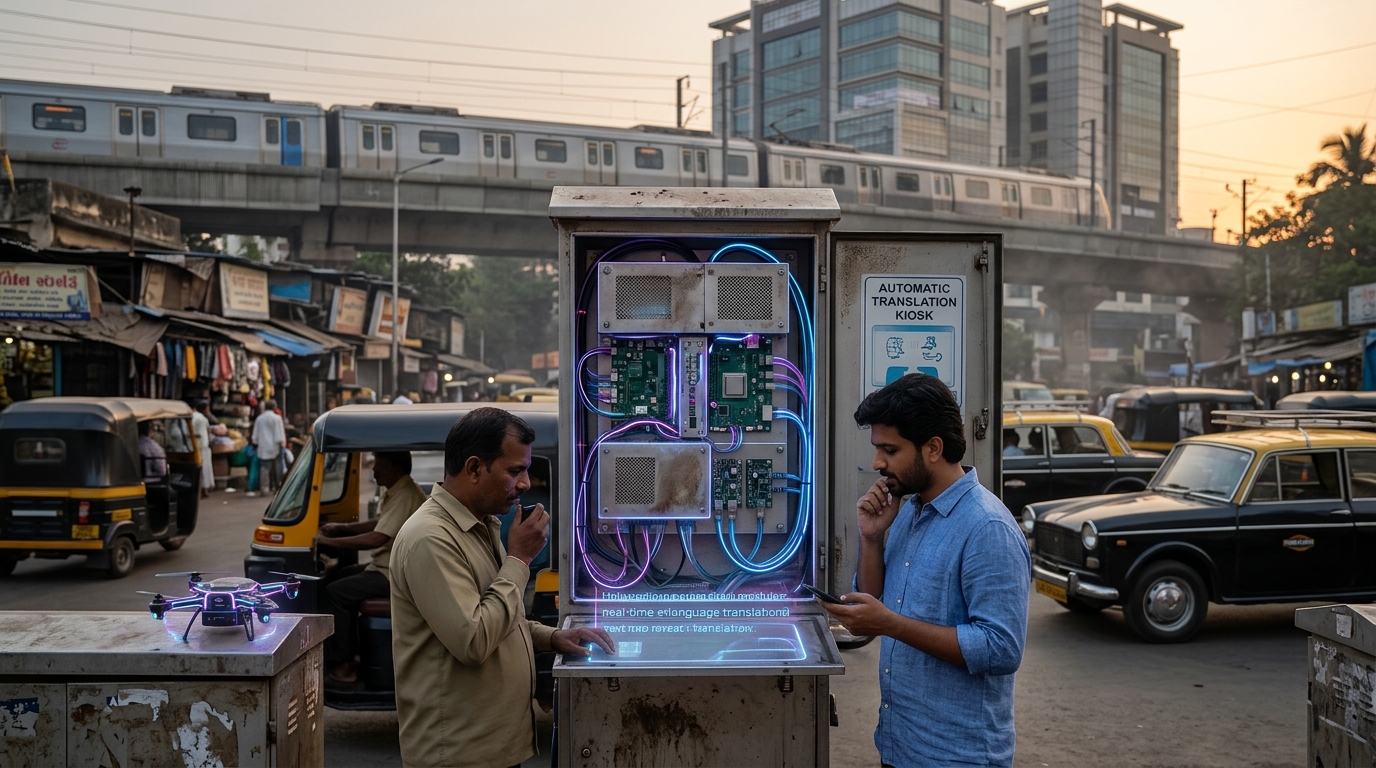
AI4Bharat's IndicTrans3 is the world's first open-source translation model covering all 22 scheduled Indian languages — India is building AI infrastructure for a billion people who don't speak English.
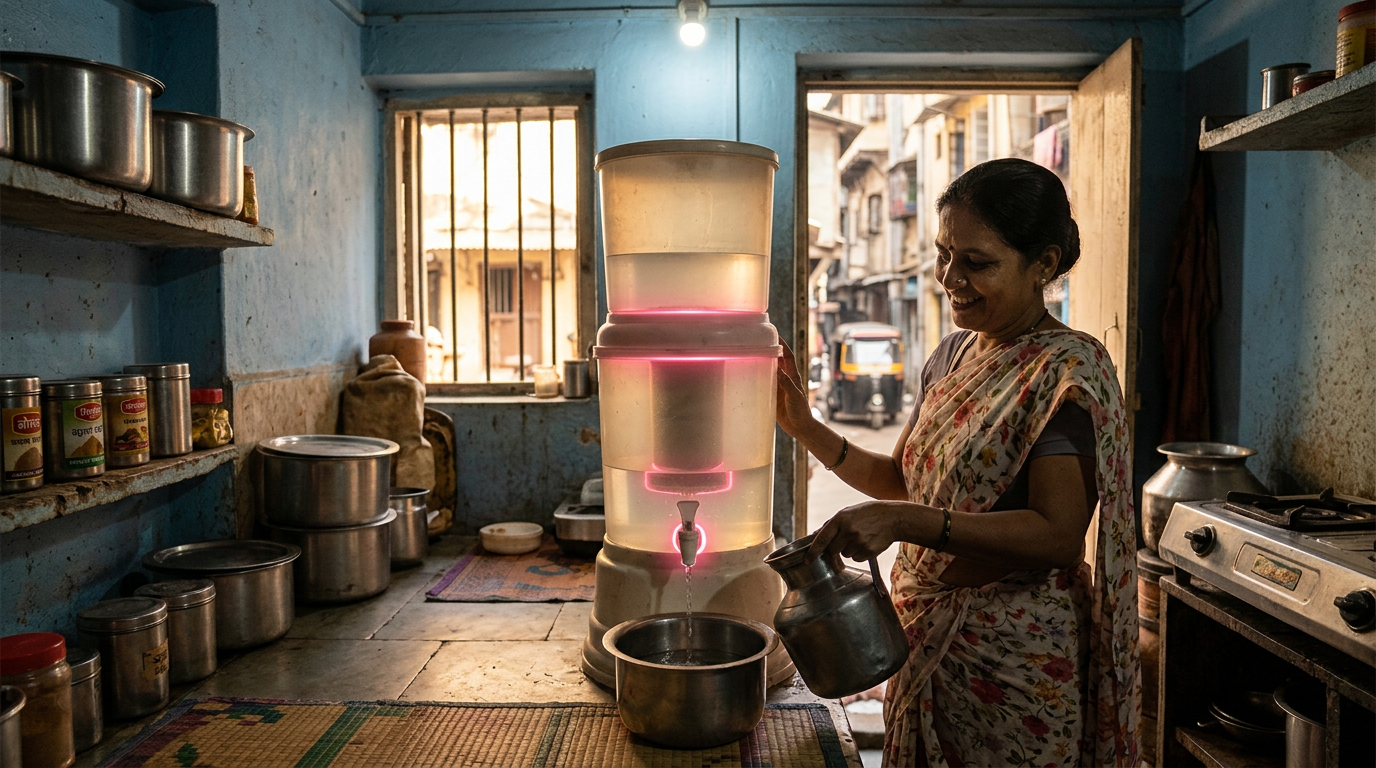
Nano-silver and ferrihydrite-based water purifiers remove arsenic and fluoride at $0.002/litre — deployed as $20 gravity-fed filters for 126 million affected rural Indians.
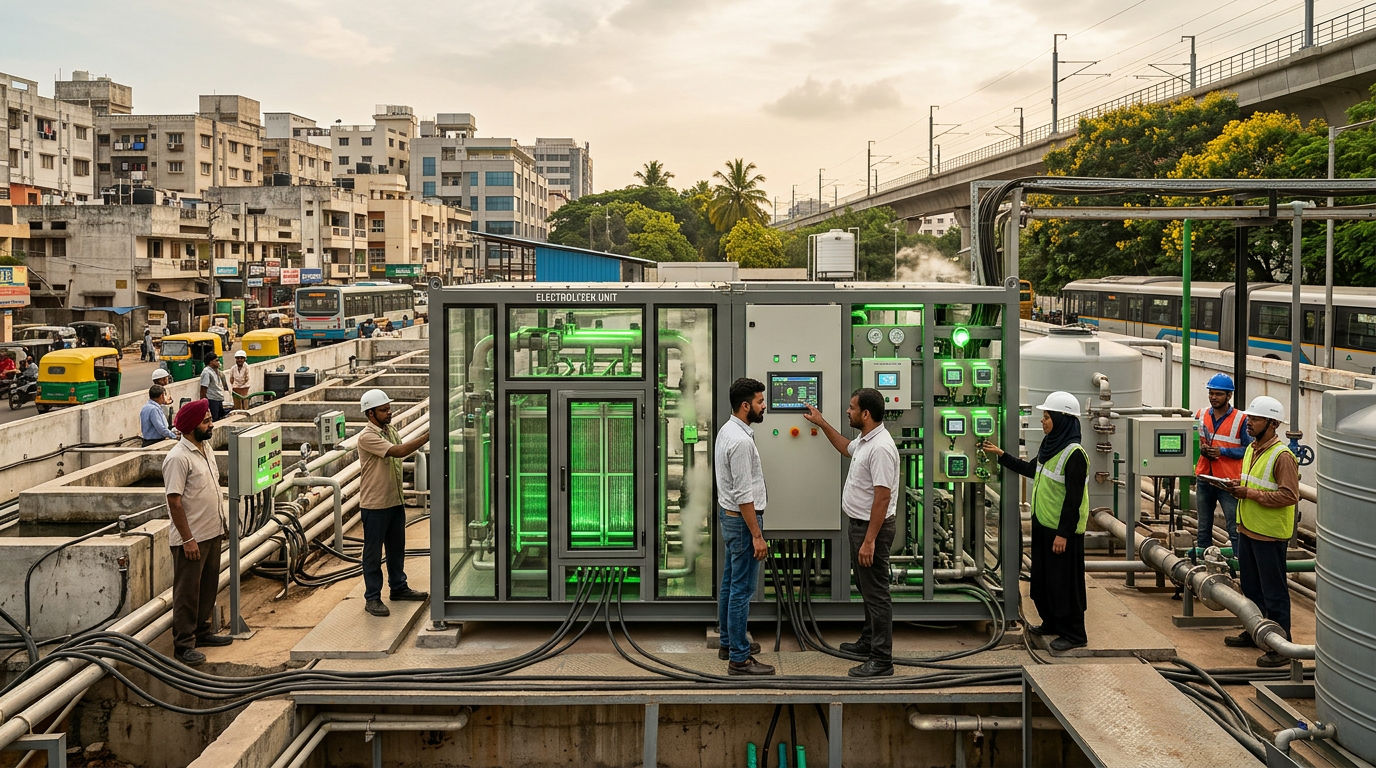
A $2 billion+ government initiative targeting 5 million tonnes of green hydrogen production by 2030, with 19 companies allocated 862,000 tonnes of annual capacity by mid-2025.
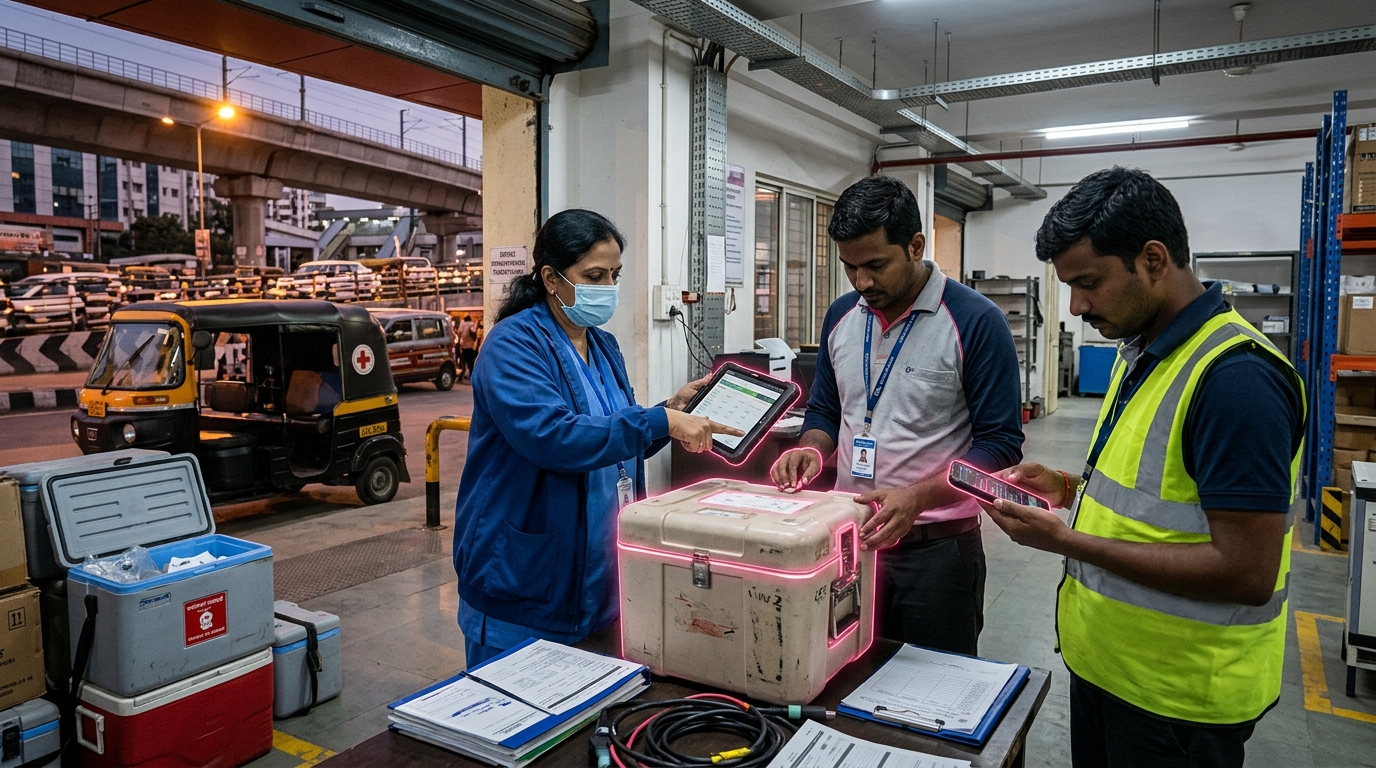
India's organ transplants rose fourfold to nearly 20,000 in 2025, driven by NOTTO's real-time digital matching and allocation system coordinating across states — a technological triumph across extreme distances and time pressures.
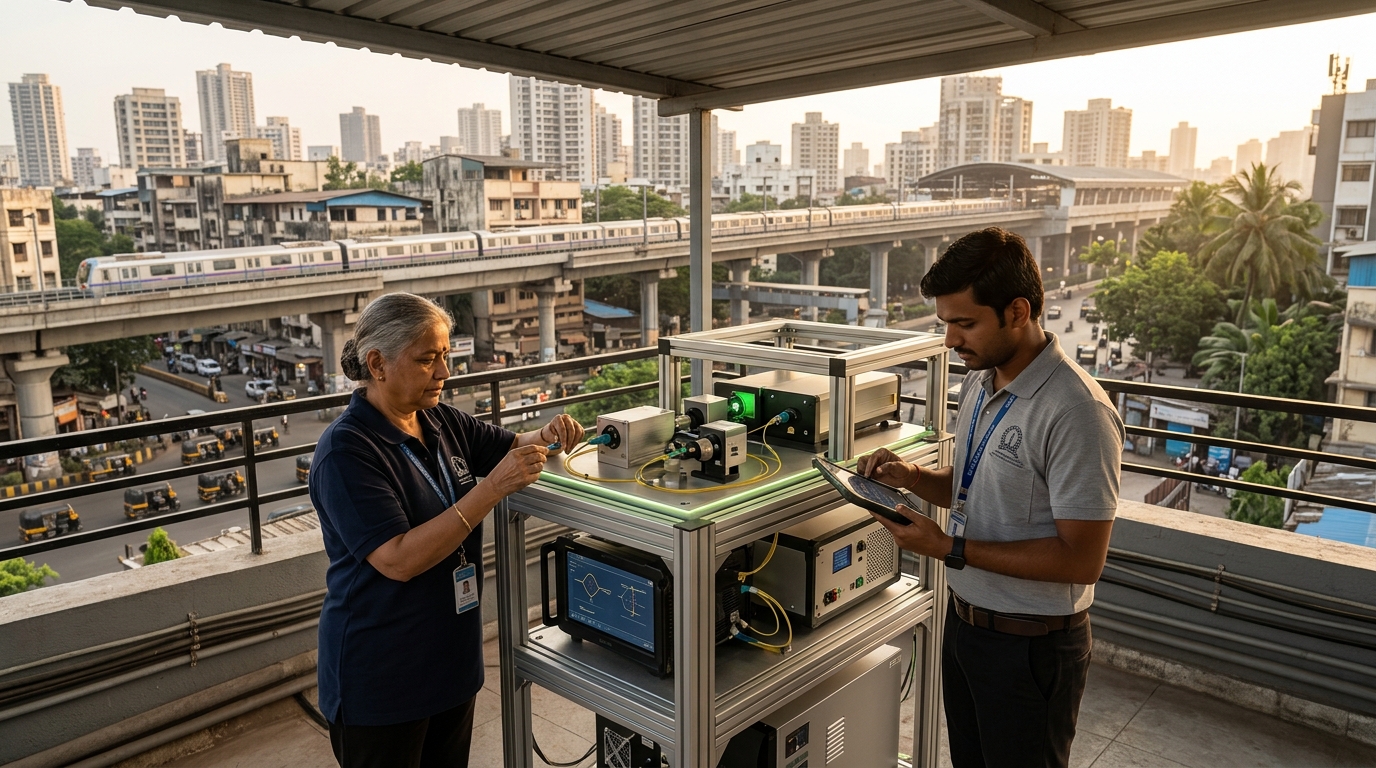
A Rs 6,003 crore ($730M) national program to build quantum computers, quantum communication networks, and quantum sensors — with five IITs, IISc, and TIFR as hub institutions and an indigenous 50-qubit target by 2030.
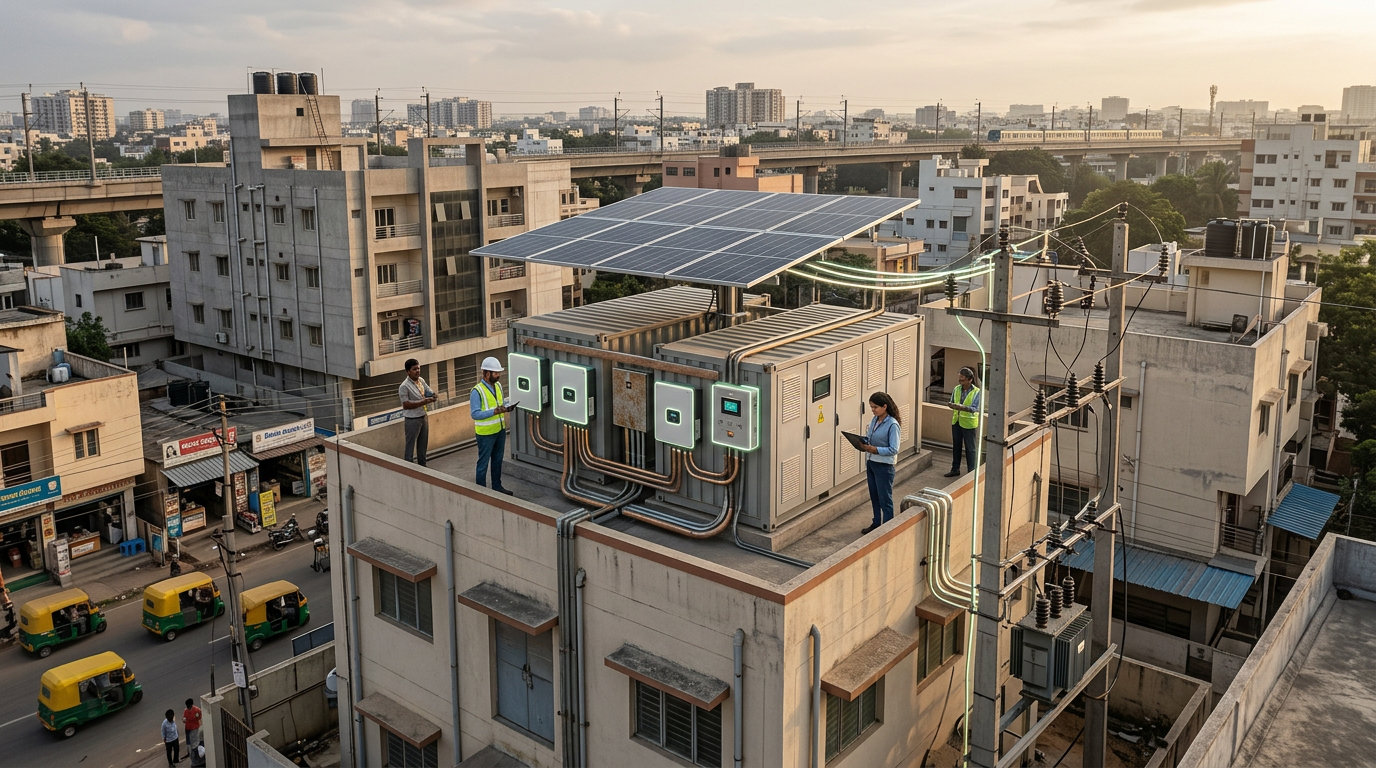
India is the world's 4th largest renewable energy market, with 2025 marking its highest-ever annual RE expansion and a 500 GW non-fossil fuel target by 2030.
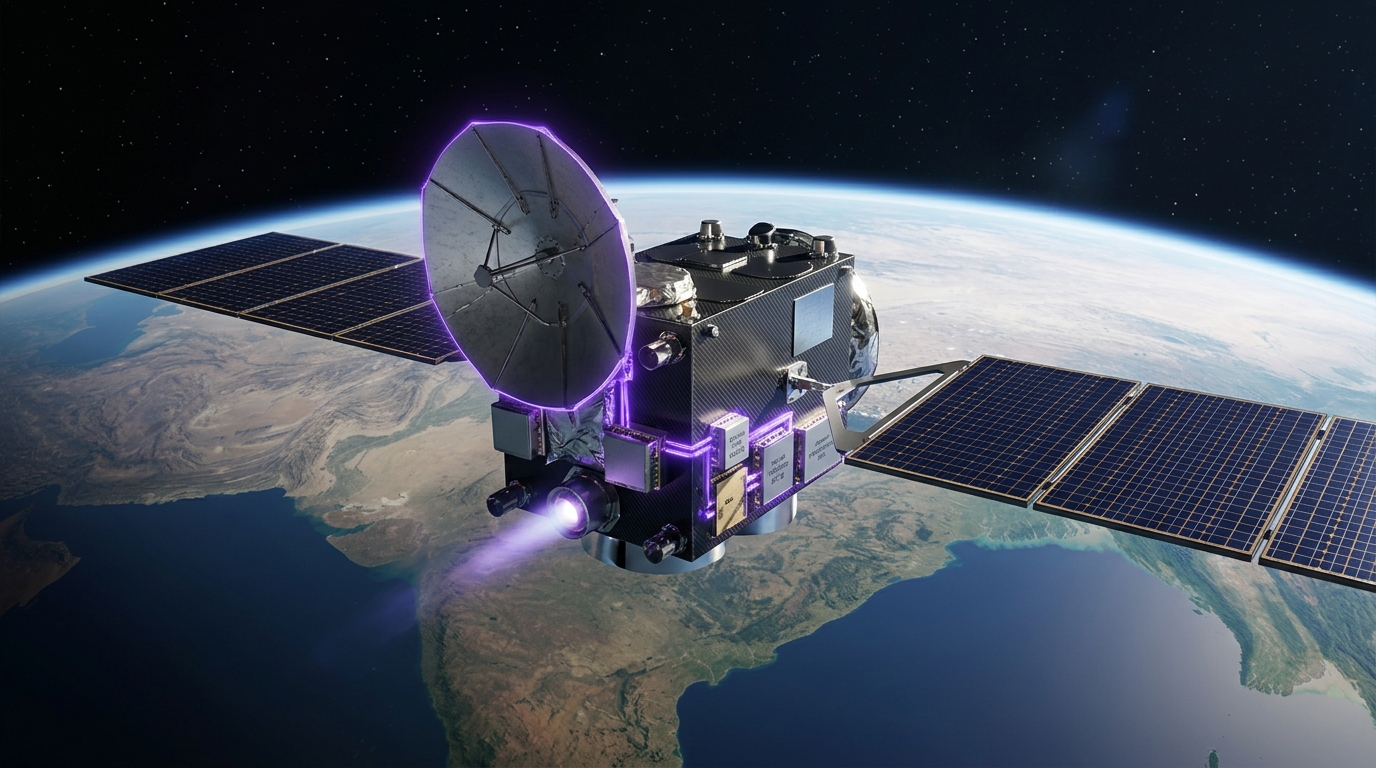
India's indigenous satellite navigation system provides position accuracy within 5 meters across the Indian subcontinent, reducing dependence on GPS.
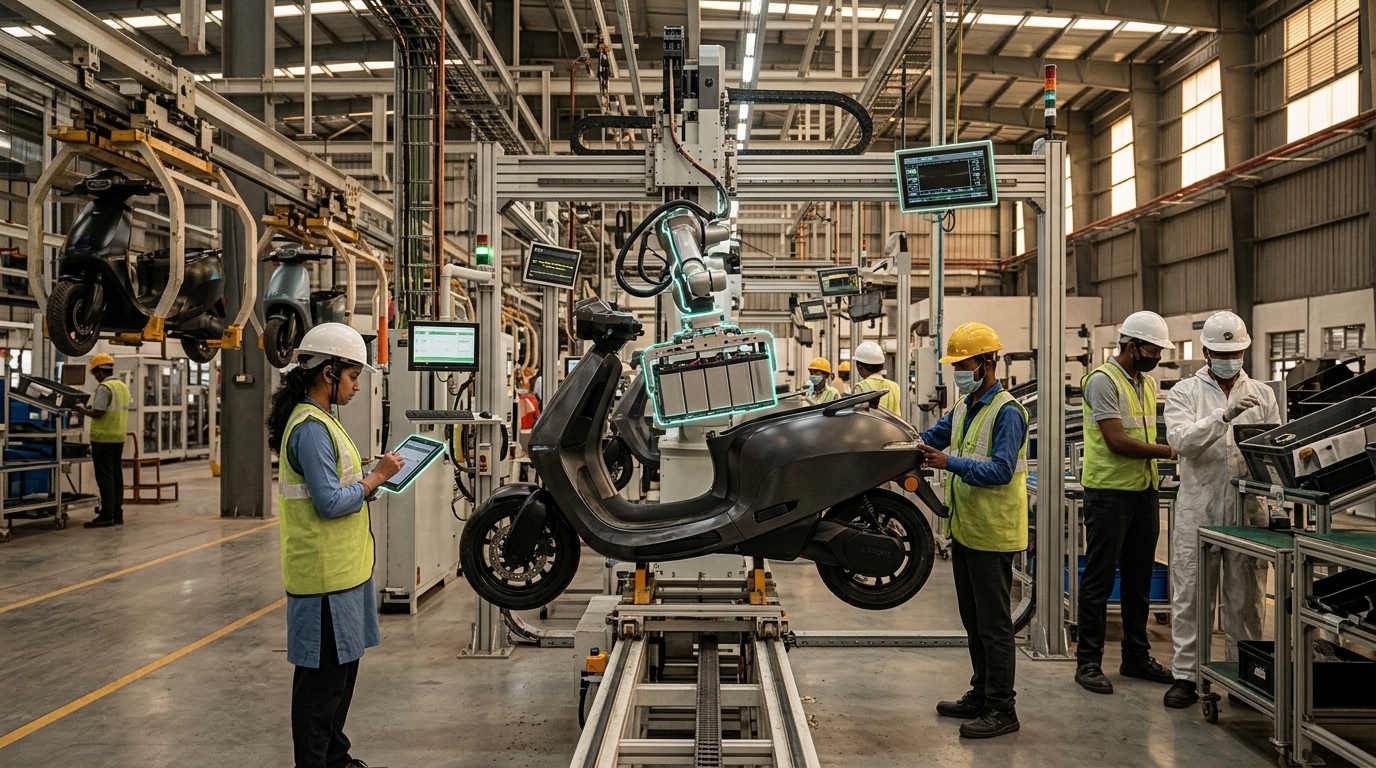
The world's largest electric scooter manufacturer — Ola Electric's FutureFactory produces millions of units annually and went public in 2024 at a $4B+ valuation.
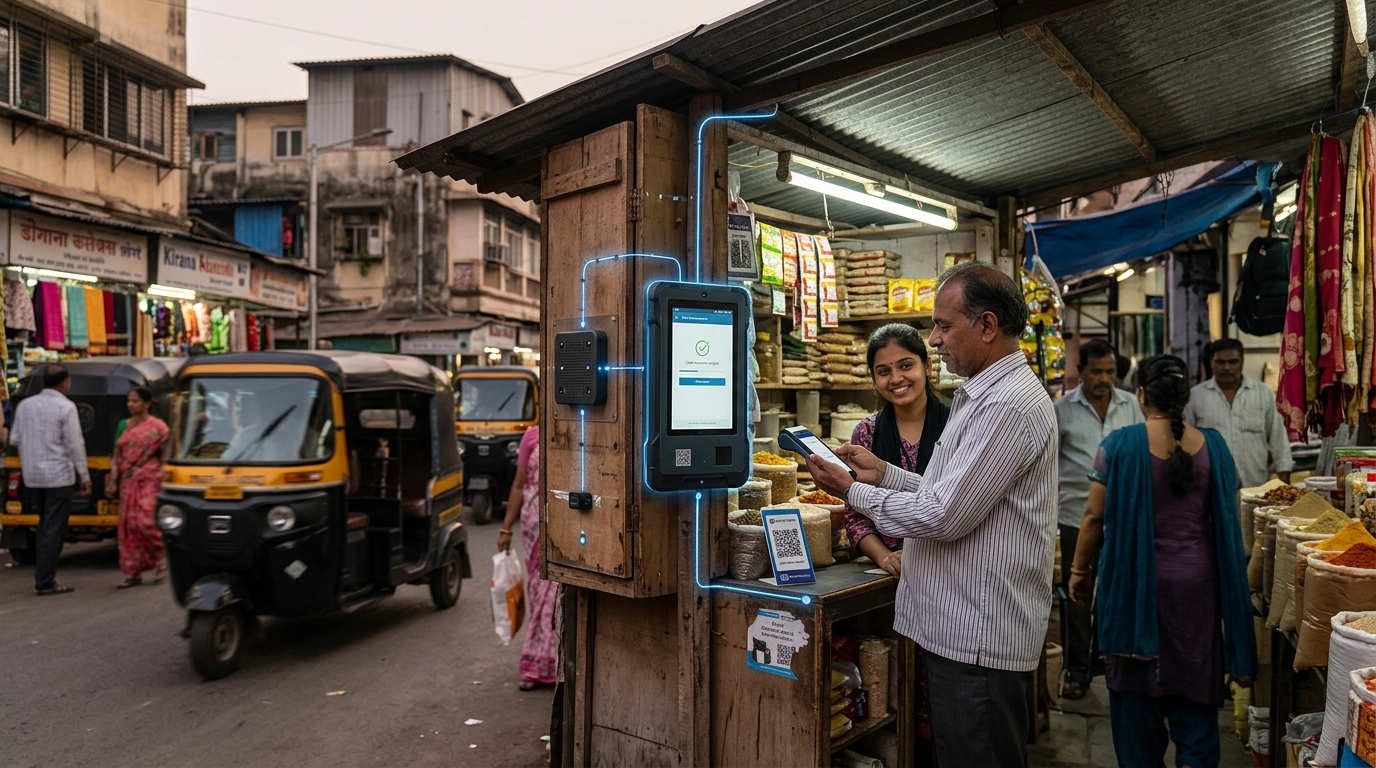
An open protocol to democratize lending — connecting lenders with borrowers through any digital platform, potentially bringing formal credit to India's 63 million MSMEs.
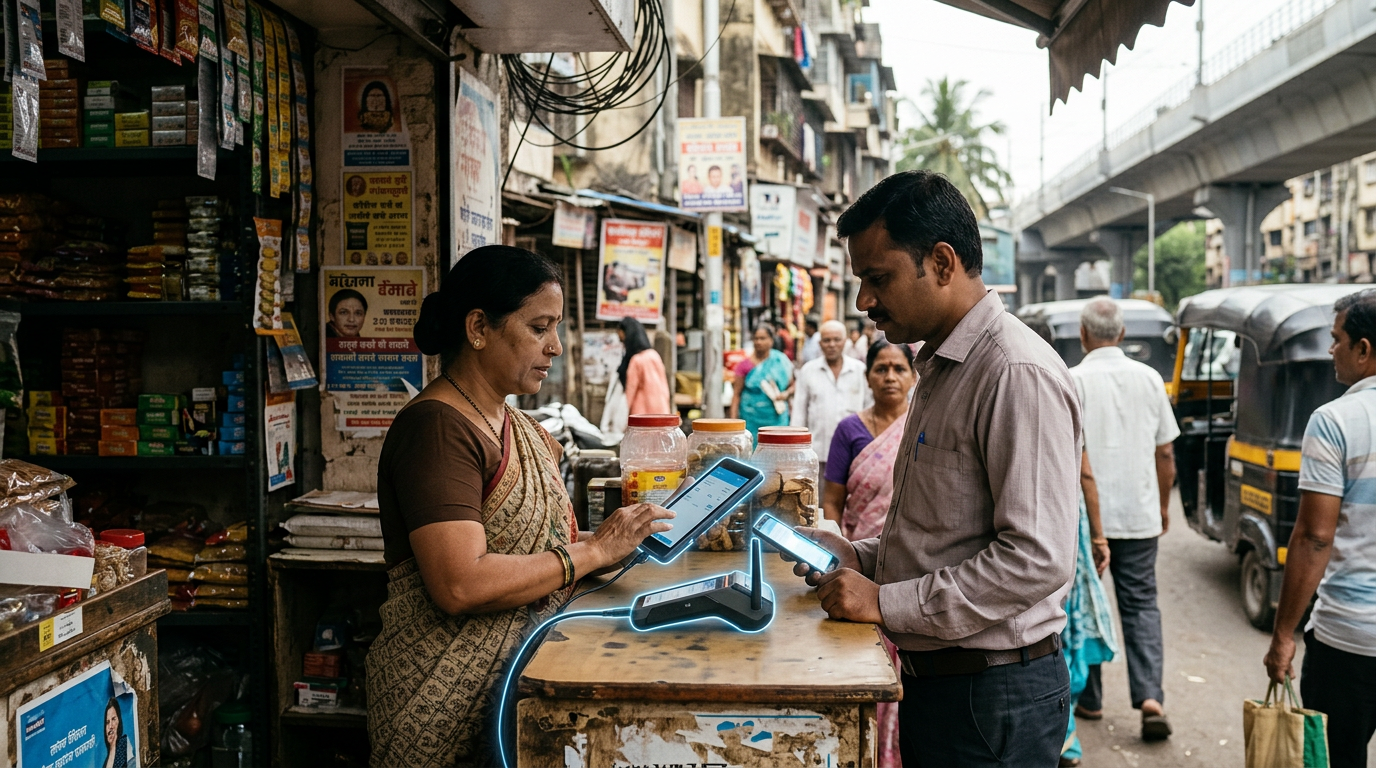
Government-backed open protocol for e-commerce that unbundles Amazon/Flipkart's marketplace model — any seller can connect to any buyer app without platform lock-in.
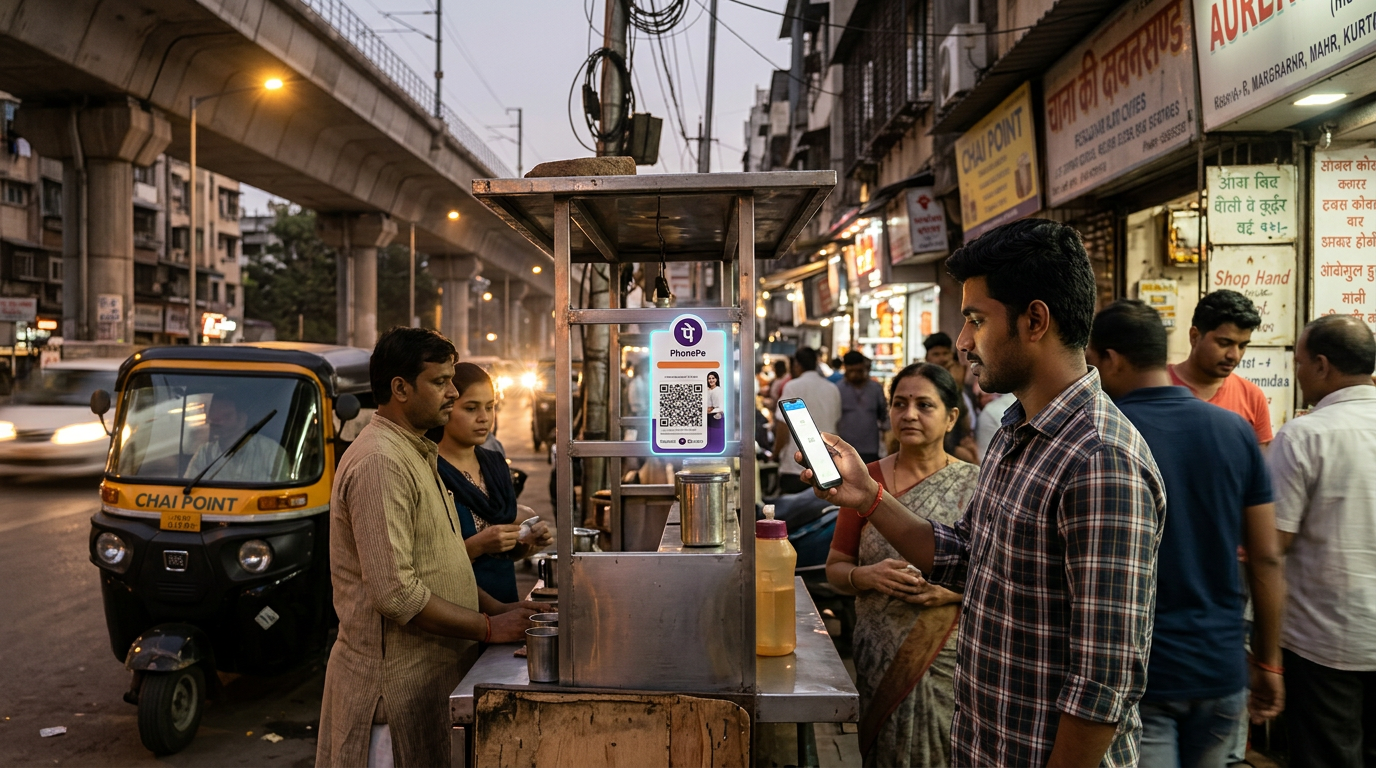
India's largest mobile payments company with 600+ million users, processing nearly half of all UPI transactions — a $12B valued fintech built on top of India Stack's open APIs.
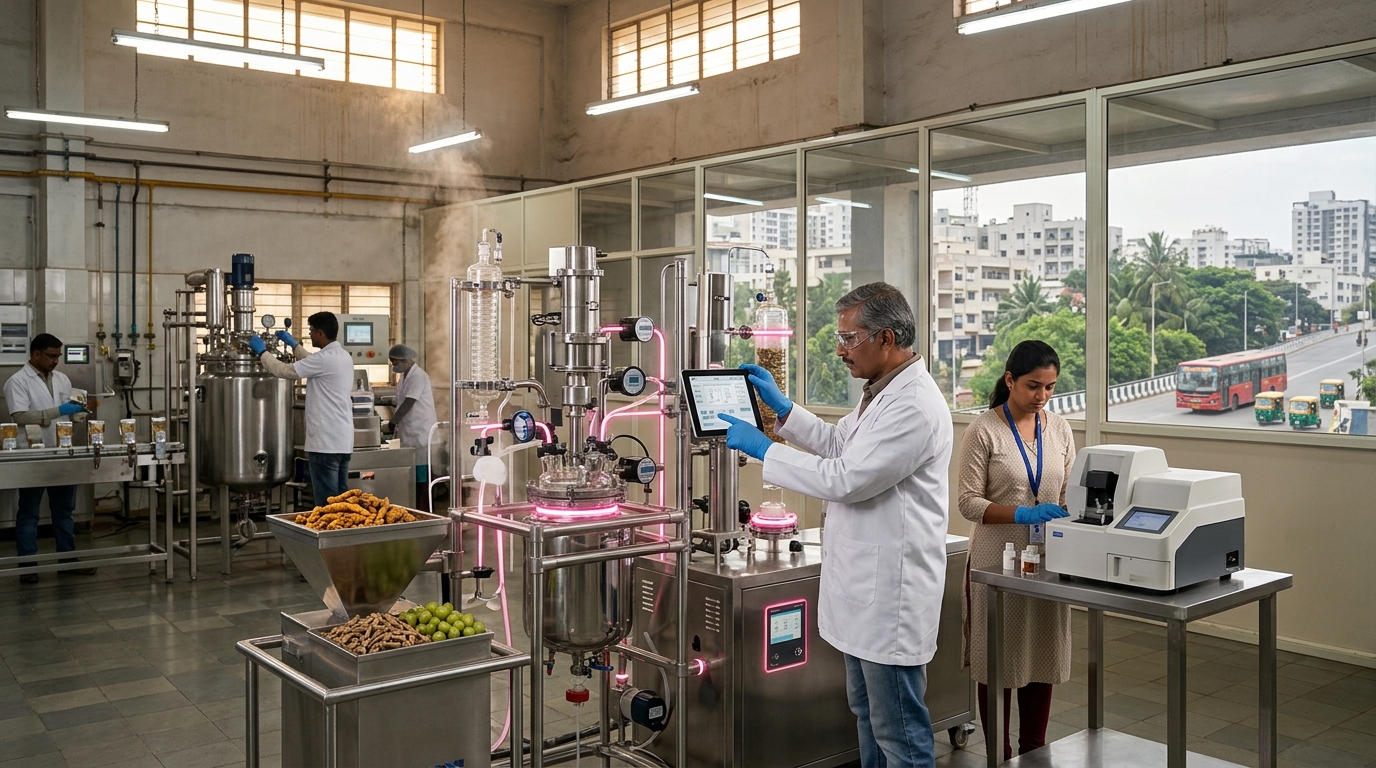
India created a unique regulatory class for standardized plant-based drugs validated through modern clinical trials — bridging 3,000 years of Ayurvedic knowledge with evidence-based pharmacology.
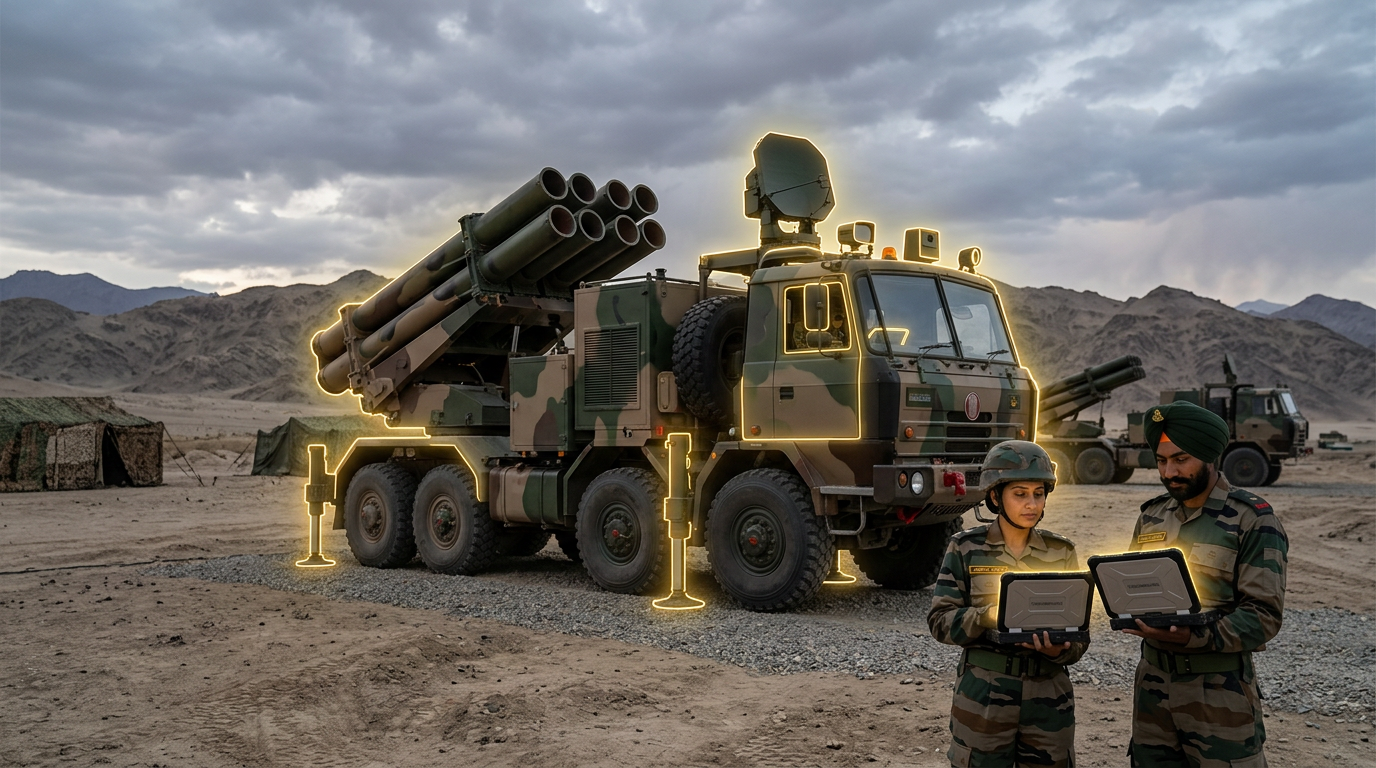
India's indigenous multi-barrel rocket system with range up to 90 km — operationally proven, mass-produced, and exported to Armenia and other nations.
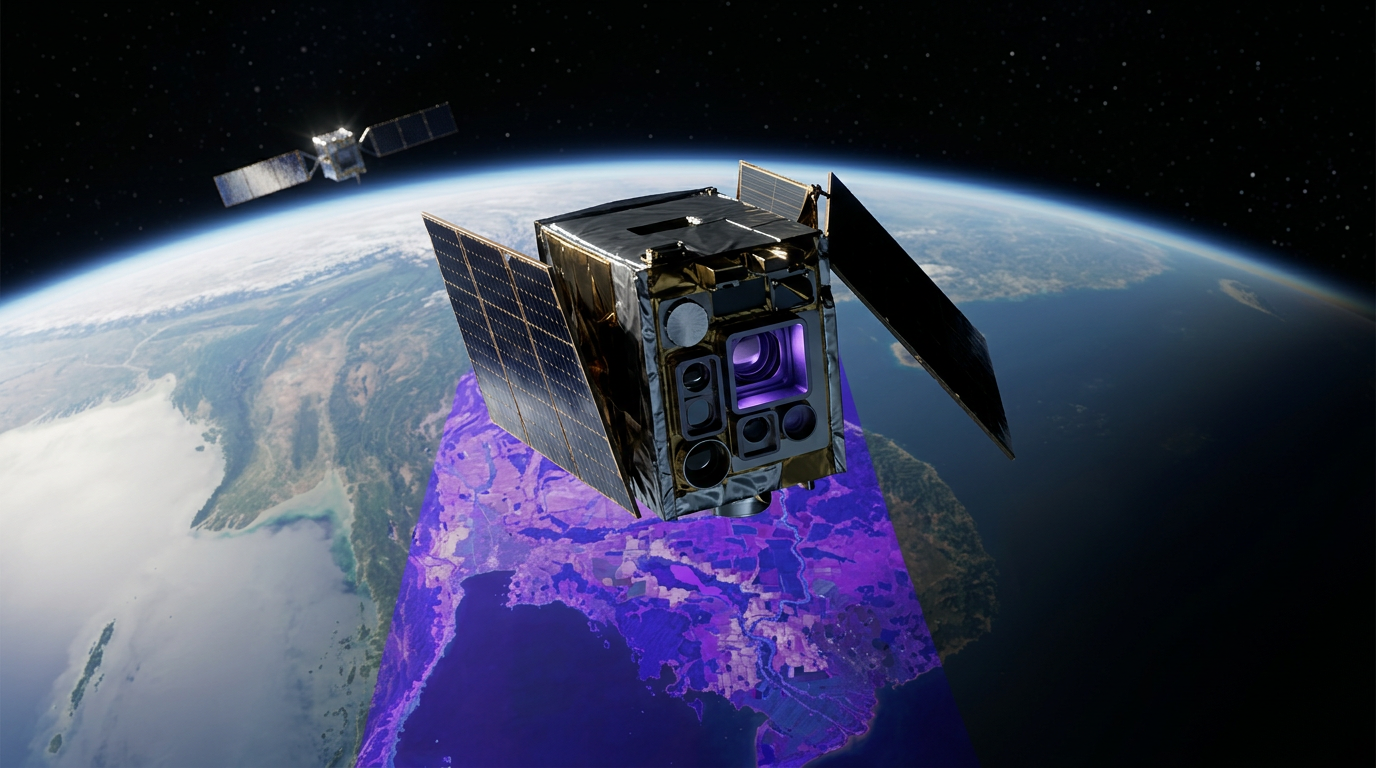
India's first private satellite constellation — six Firefly hyperspectral imaging satellites launched in 2025, capturing data across hundreds of spectral bands for agriculture, mining, and environmental monitoring.
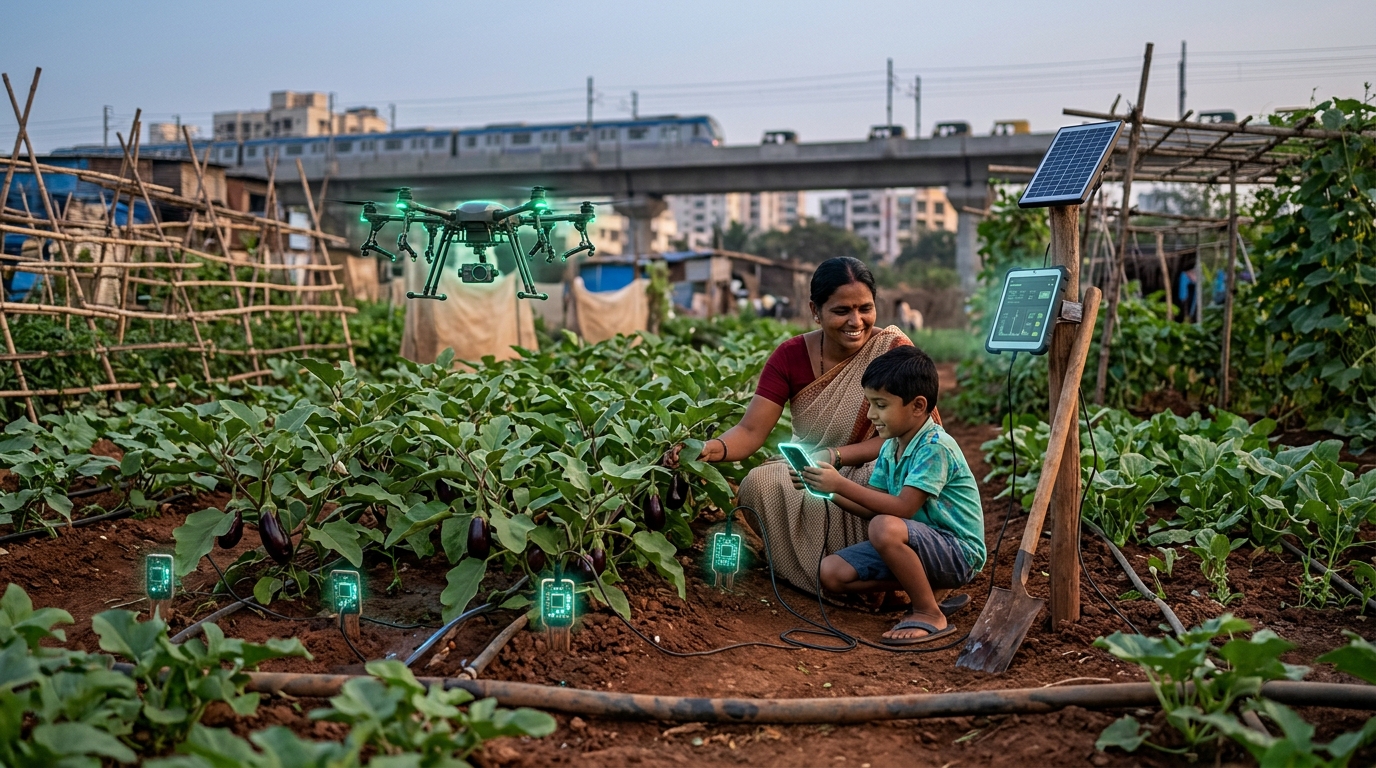
AI and satellite-powered precision farming adapted for India's 150 million smallholdings — using smartphone-based soil testing, satellite crop monitoring, and AI advisory to optimize yields on sub-2-hectare plots.
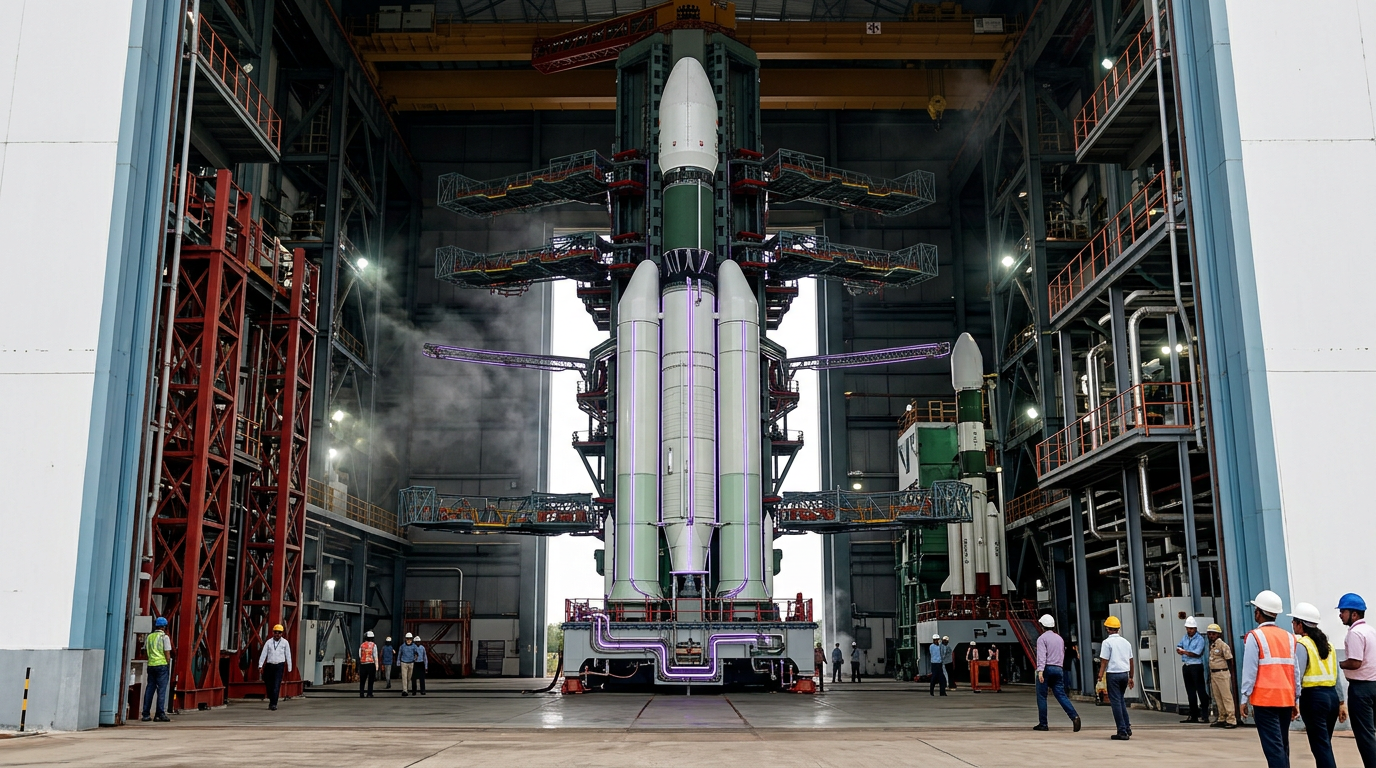
ISRO's Polar Satellite Launch Vehicle has completed 60+ missions with 90%+ success rate, launching 400+ foreign satellites and earning India a reputation as the world's most cost-effective launch provider.
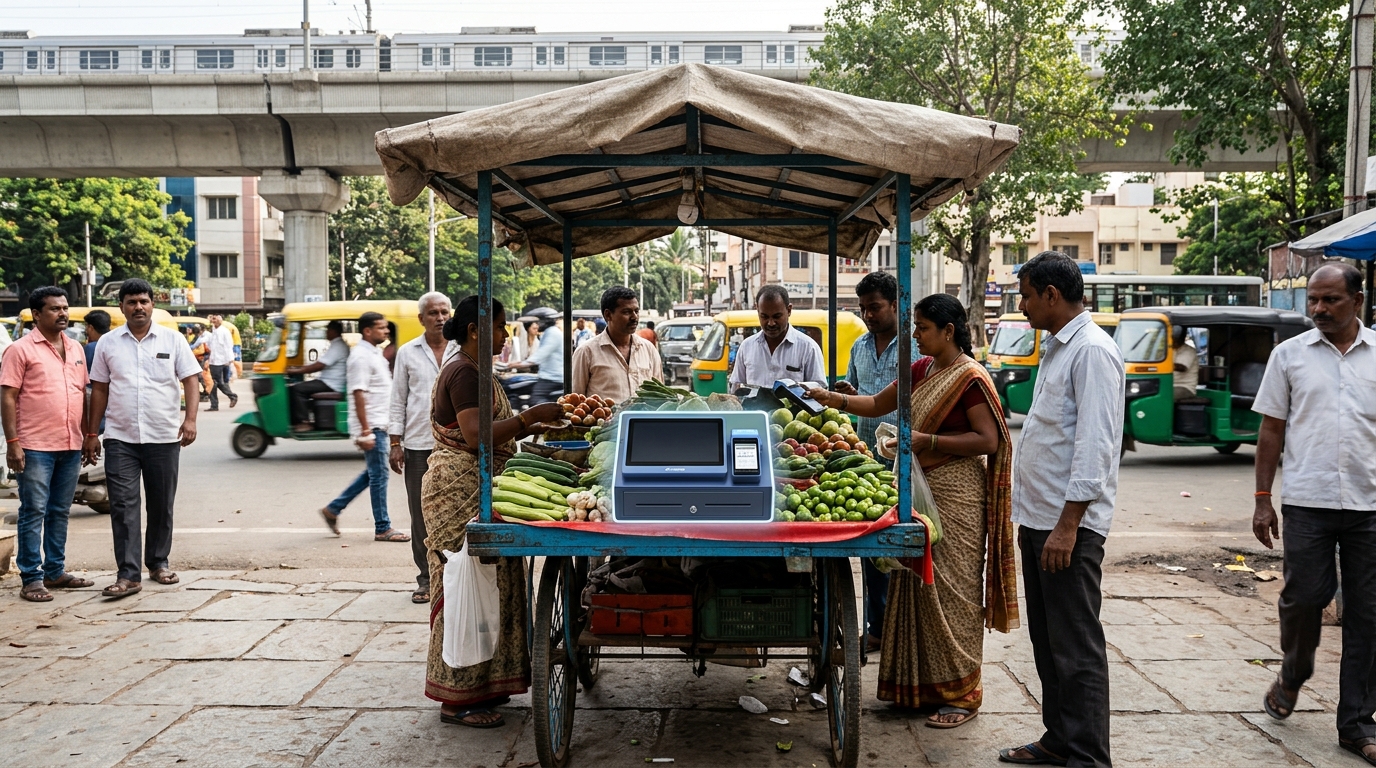
India's leading B2B payment gateway — holding all three key RBI licenses and serving 10M+ businesses with payment processing, banking, and lending services.
Selected by the Indian government to build the country's first sovereign LLM under the IndiaAI Mission — developing full-stack AI infrastructure for 10+ Indian languages.
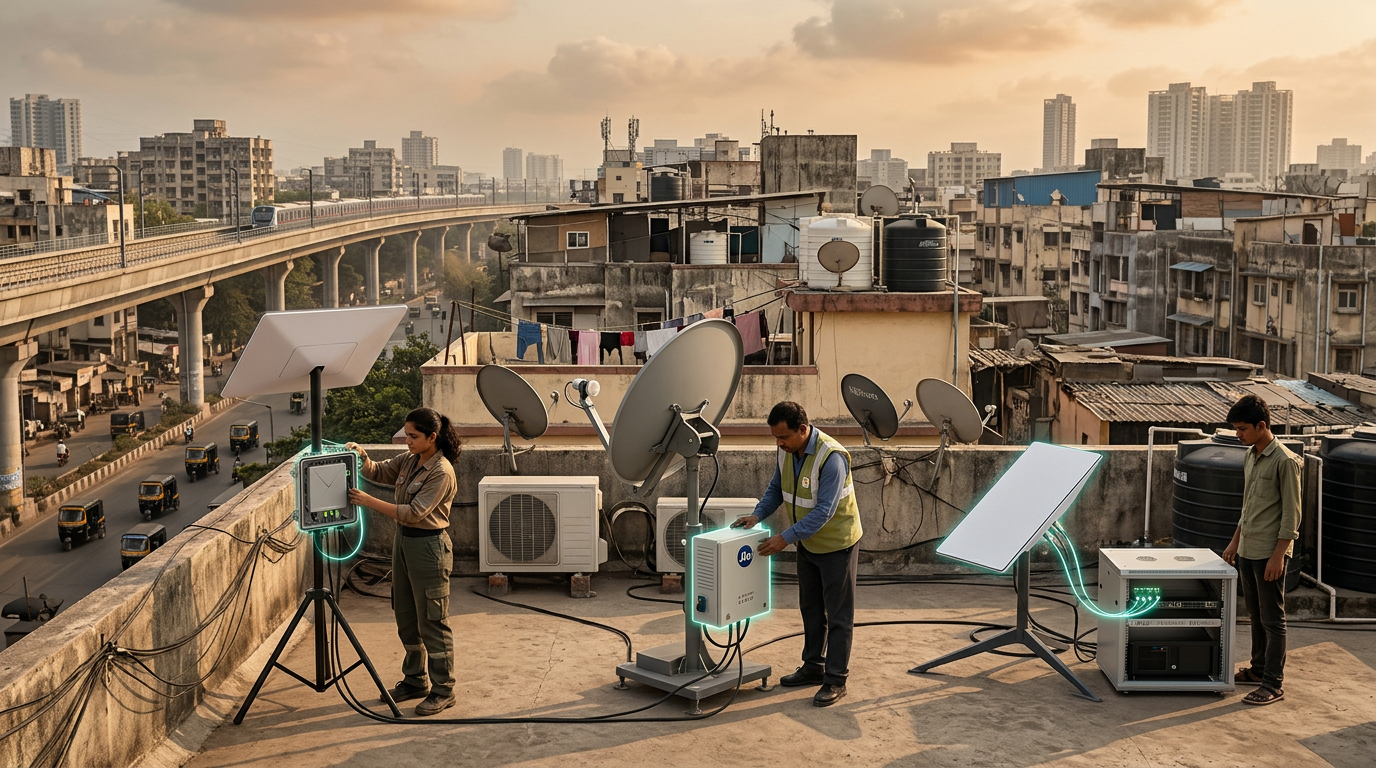
India granted satellite communication licenses to Starlink, Jio, and OneWeb in 2025 — setting up a three-way battle to connect 300+ million unconnected Indians while navigating spectrum pricing and data localization regulations.
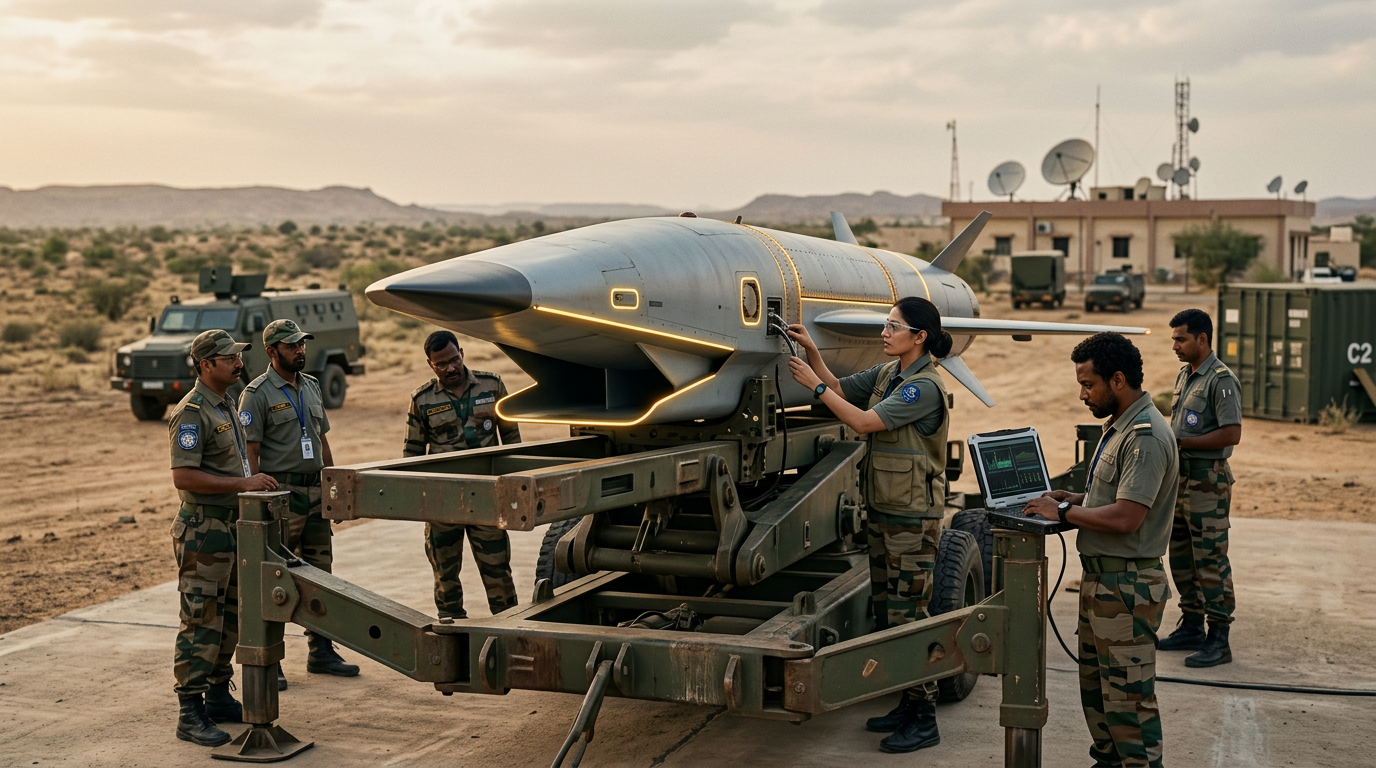
DRDO's Hypersonic Technology Demonstrator Vehicle achieved Mach 6 scramjet flight in 2020, with Phase-2 sustained cruise tests and active-cooled combustor ground tests completed in January 2025.
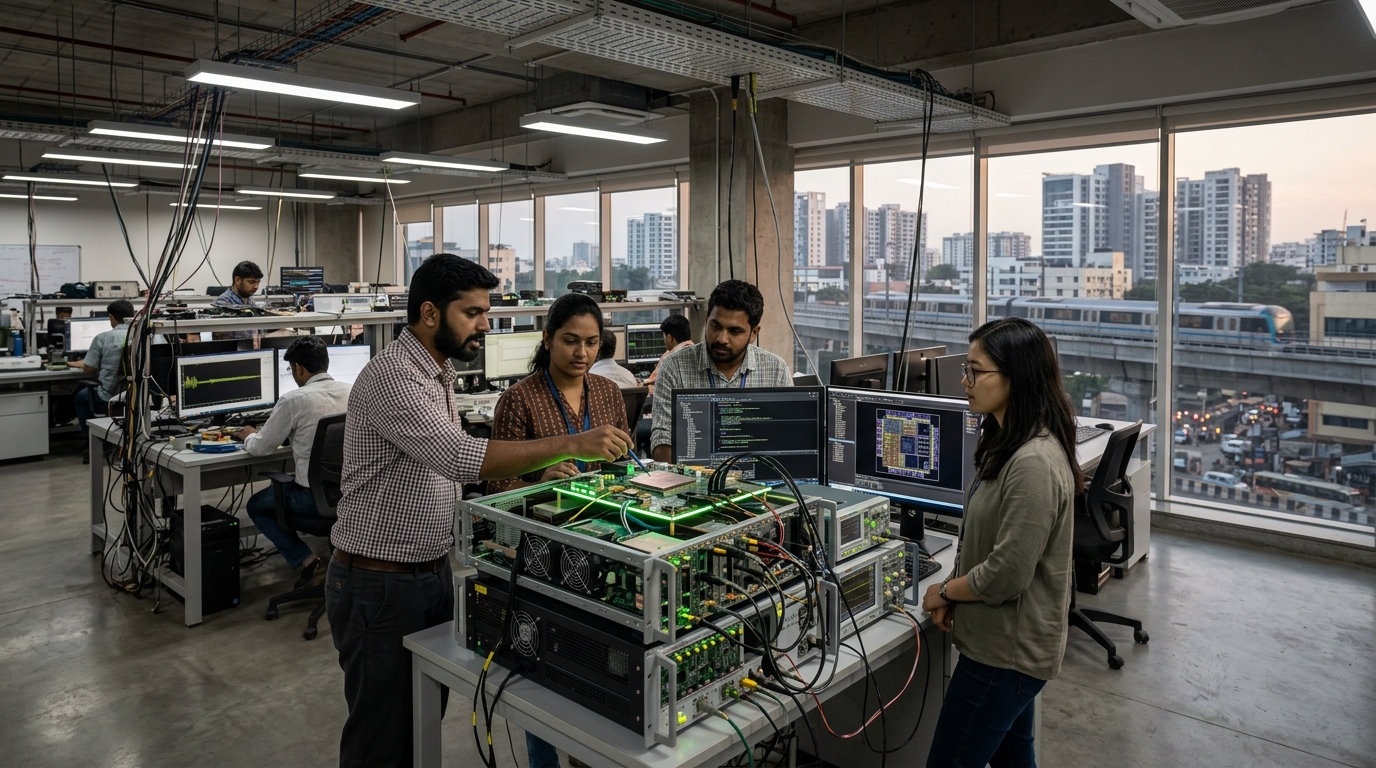
India designs 20%+ of the world's chips — ARM, Qualcomm, Intel, AMD, NVIDIA, and Broadcom all operate major design centers in Bengaluru and Hyderabad.
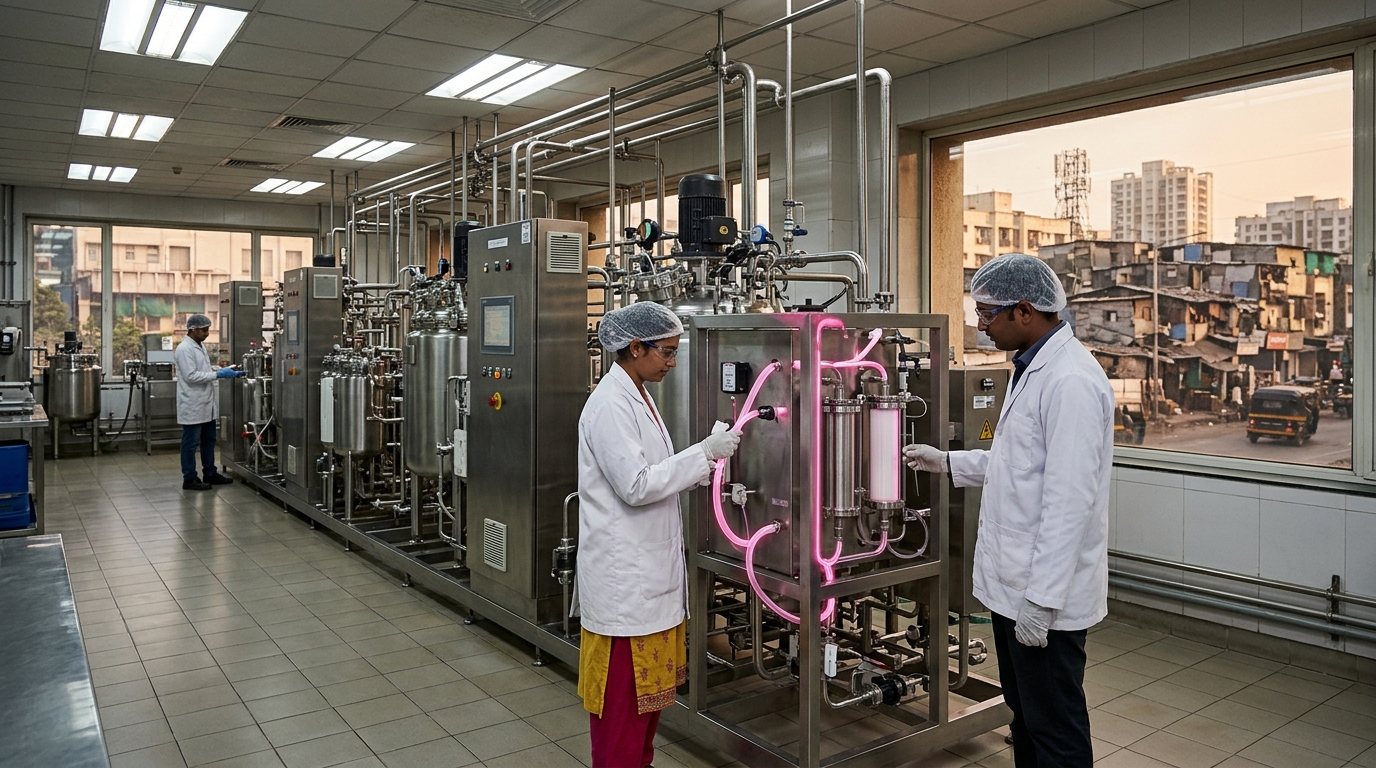
The world's largest vaccine manufacturer by volume — producing 1.5+ billion doses annually, including the majority of the world's measles and COVID vaccines for developing nations.
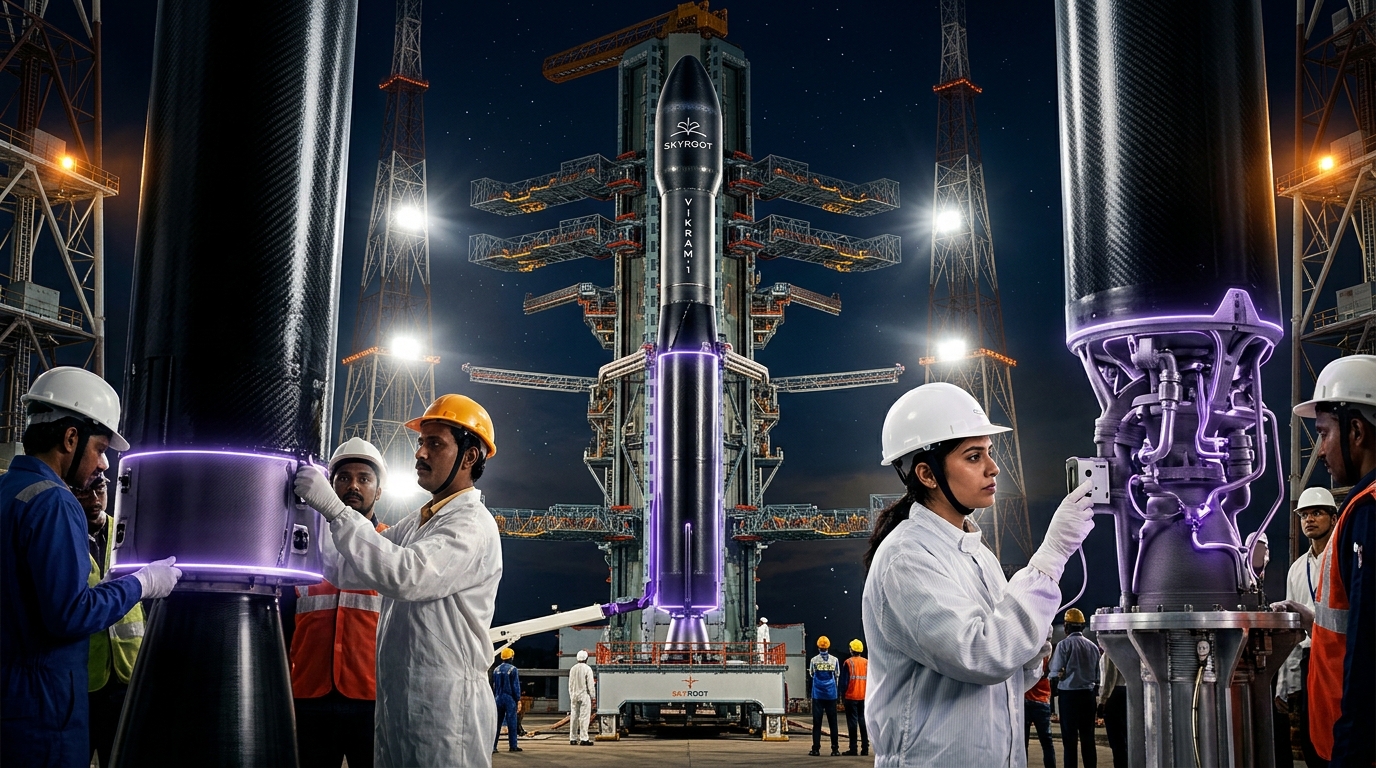
India's first private rocket company — launched Vikram-S in 2022, with the orbital Vikram-1 targeting commercial small satellite launches using carbon composite structures and 3D-printed engines.
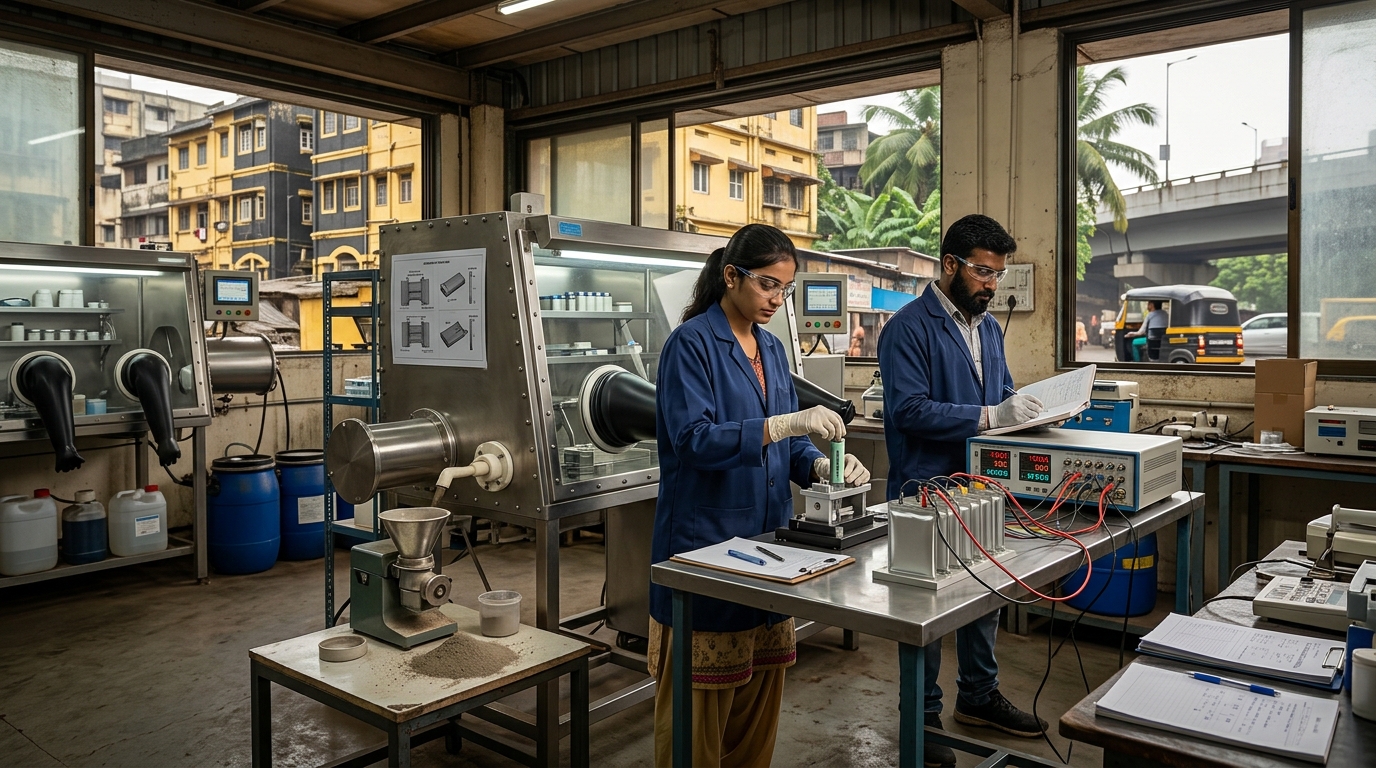
Startups Naxion, Rechargion, and Indi Energy are developing sodium-ion batteries using hard carbon from crop waste — a lithium-free chemistry suited to India's mineral constraints.
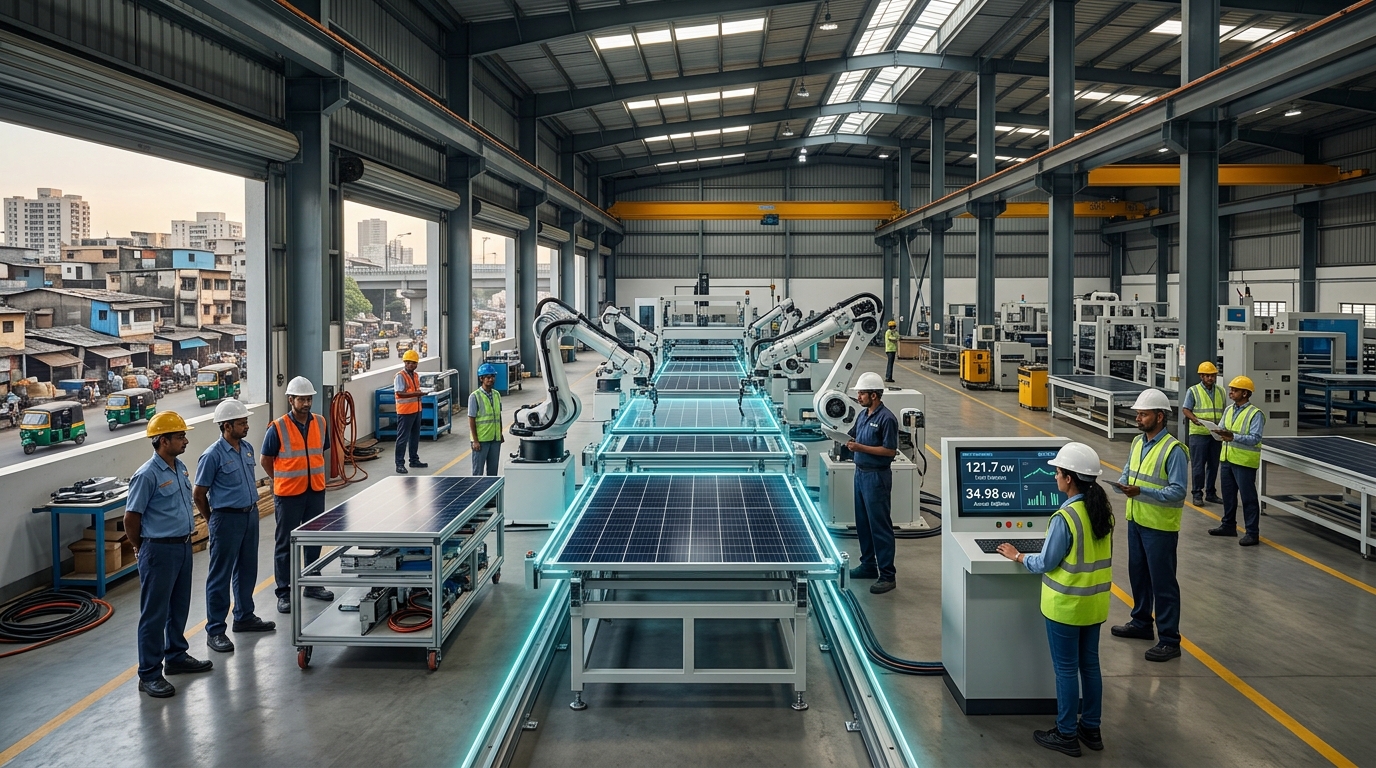
India's domestic solar module manufacturing capacity reached 121.7 GW by November 2025, with 34.98 GW of solar capacity added in a single year — the highest ever.
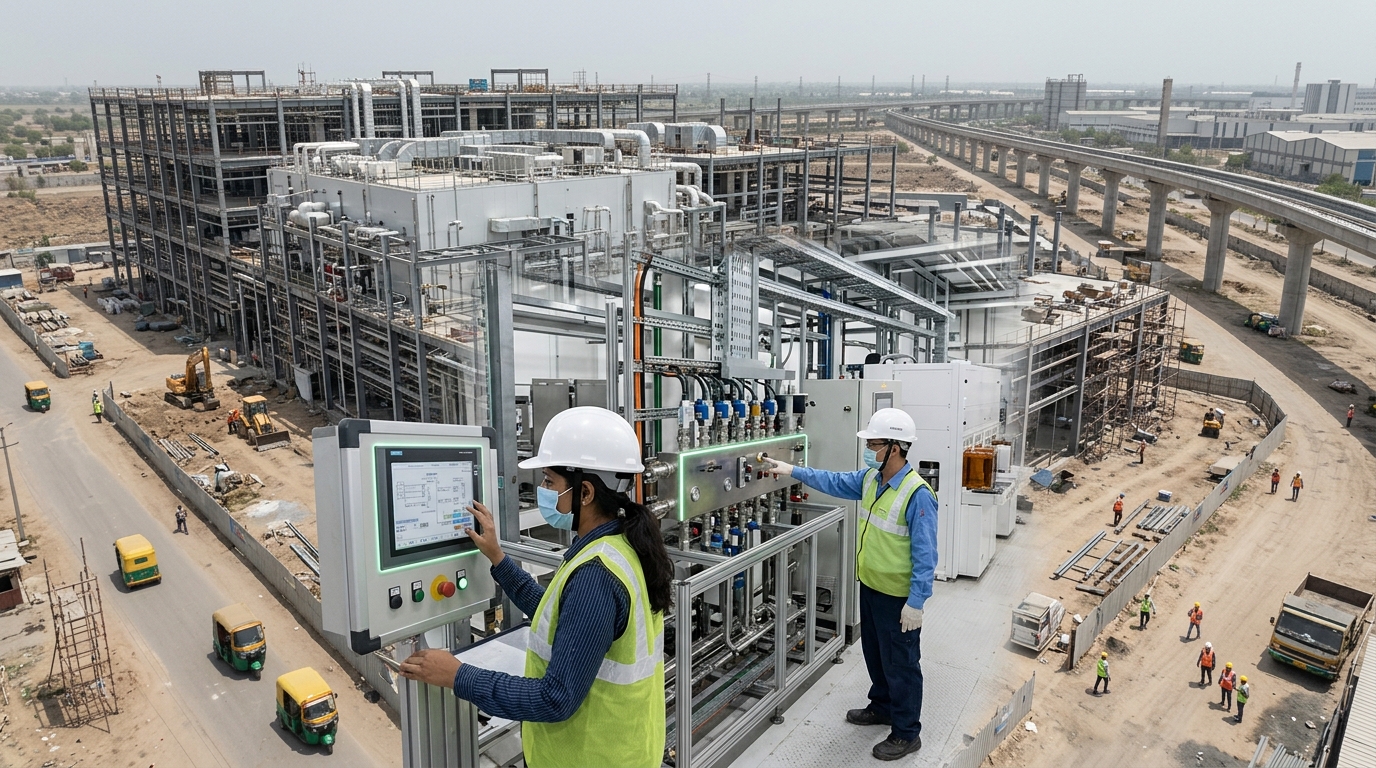
India's first modern semiconductor fabrication plant under construction in Dholera, Gujarat — Tata Electronics partnering with technology from PSMC (Taiwan) for 28nm node production.
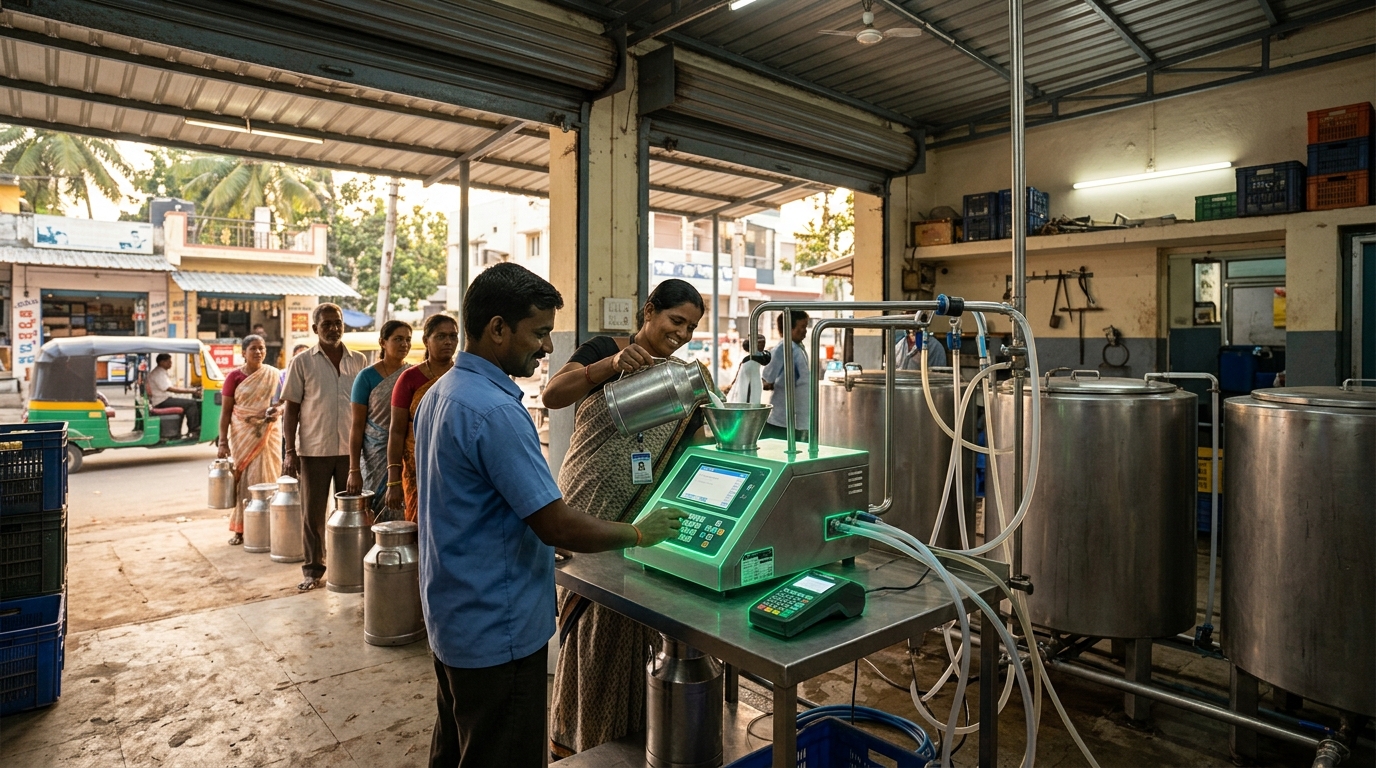
The Amul cooperative model — involving 16 million farmers, 185,000 village dairy cooperatives, and digital milk testing/payment systems — made India the world's largest milk producer at 230+ million tonnes annually, surpassing the US and EU combined.
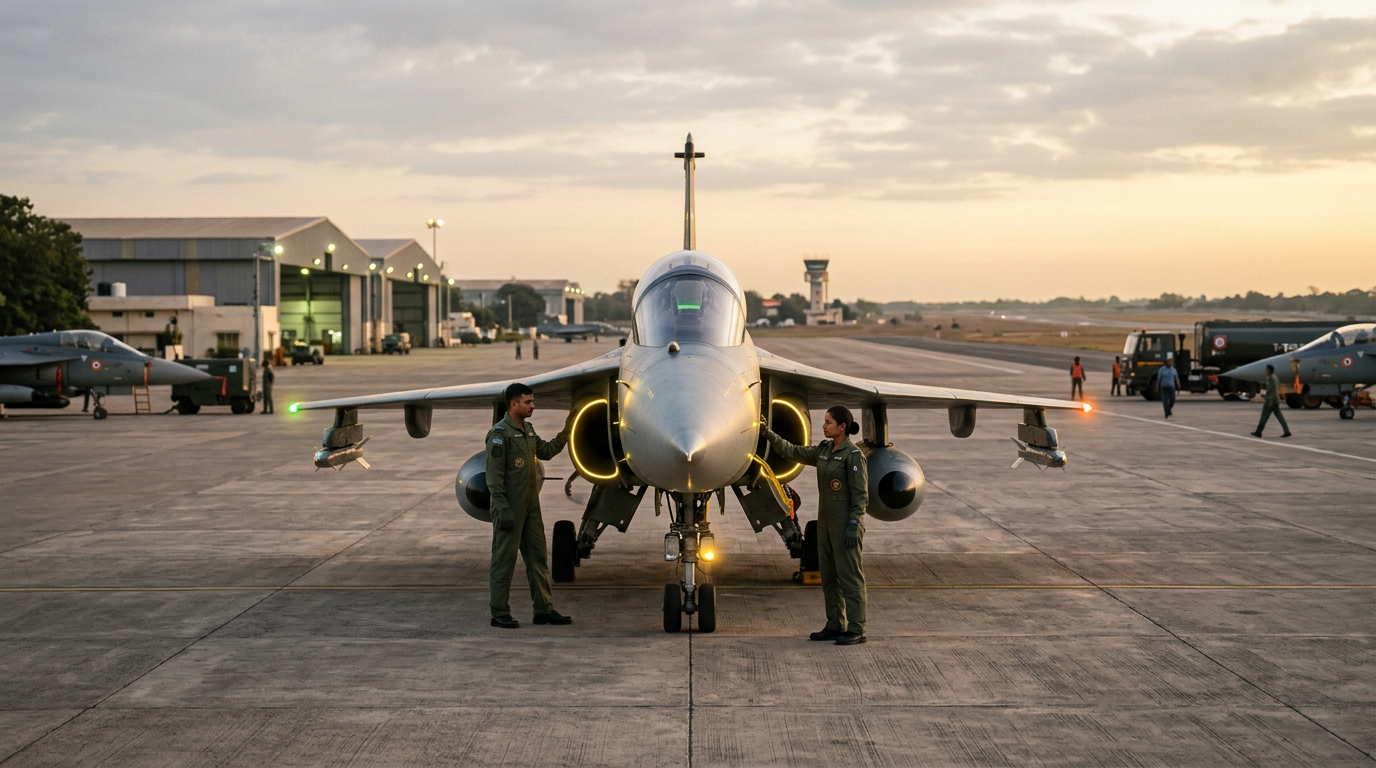
India's indigenous single-engine multirole fighter jet, now operational with the Indian Air Force and attracting export interest from multiple countries.
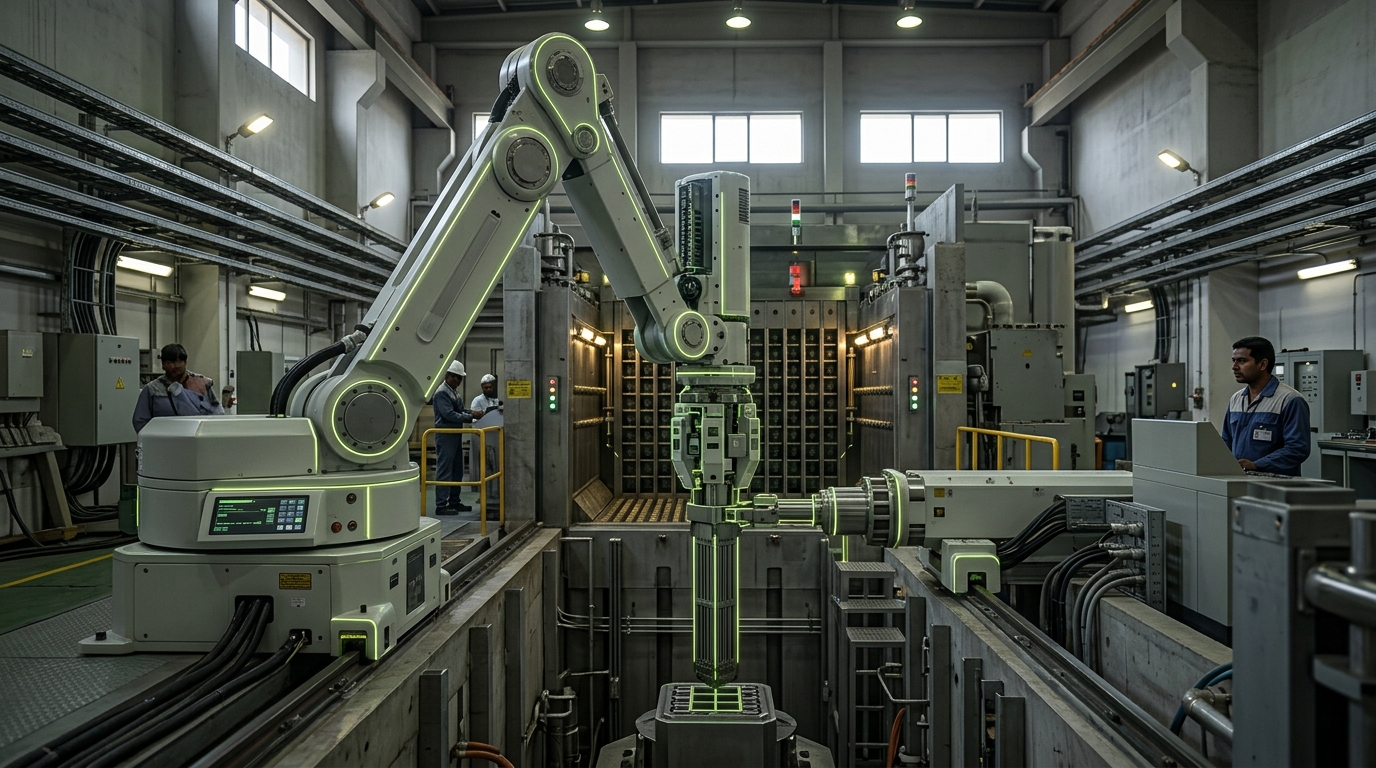
India's unique three-stage nuclear program — the only country systematically developing thorium-based nuclear energy, leveraging the world's largest thorium reserves (25% of global supply).
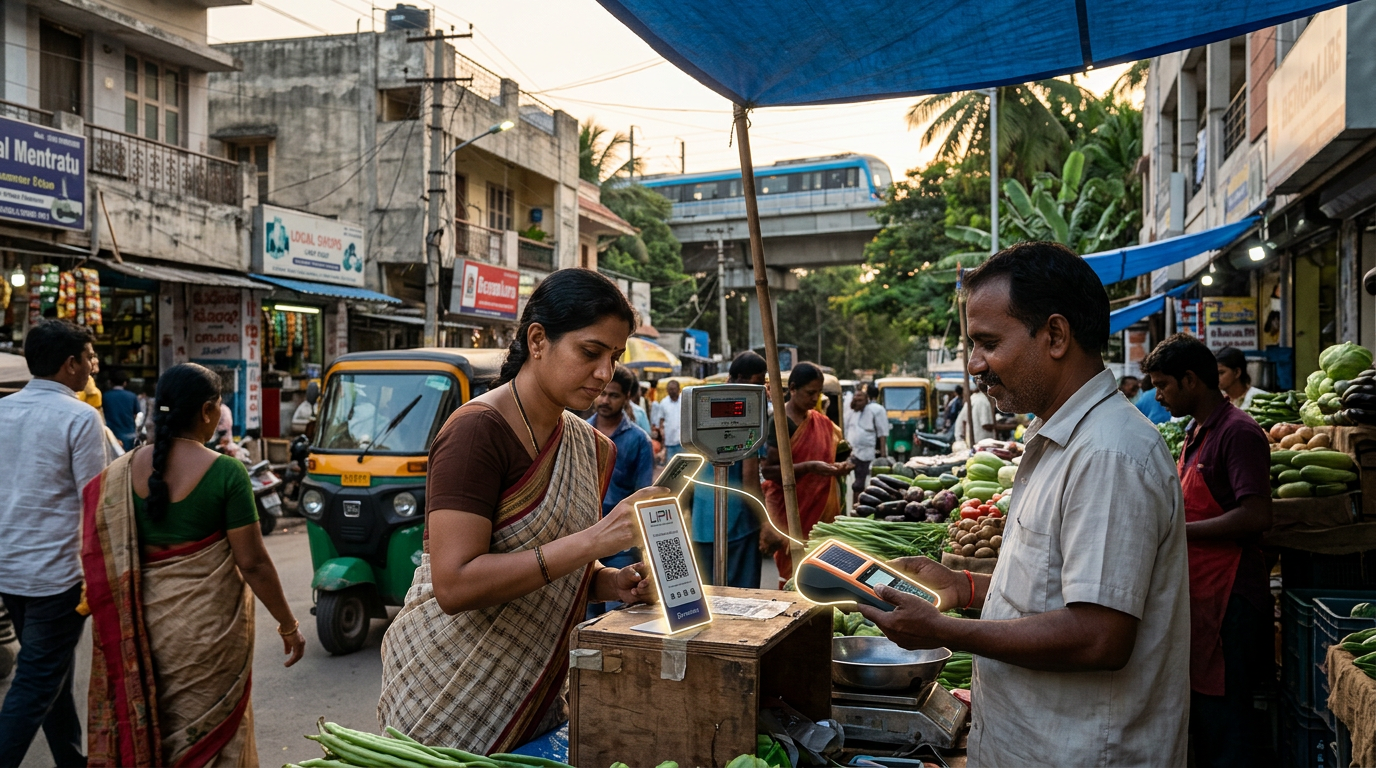
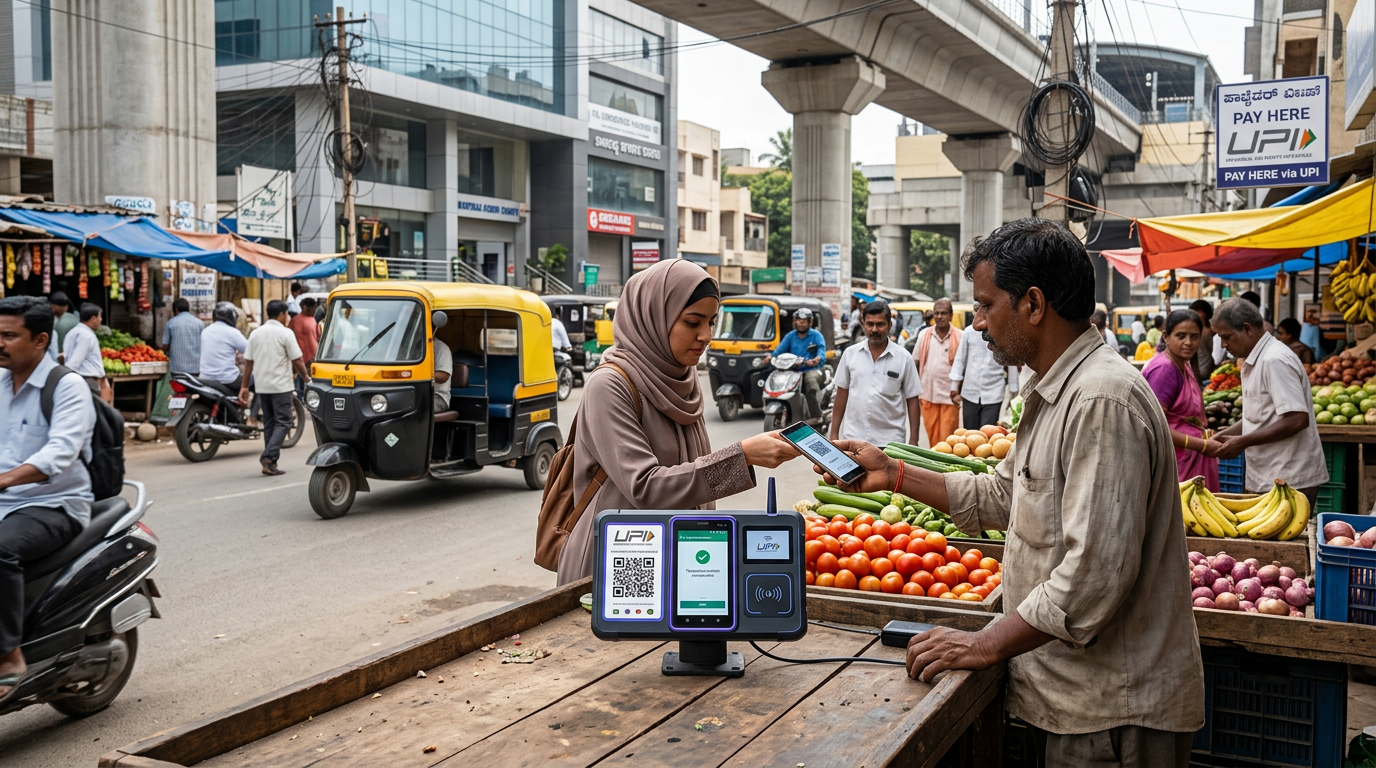
India's real-time payment protocol processed 228 billion transactions worth $3.4 trillion in 2025 — 50% of all global digital transactions by volume.