Generic Pharmaceutical Manufacturing
Geography: Asia Pacific · South Asia · India
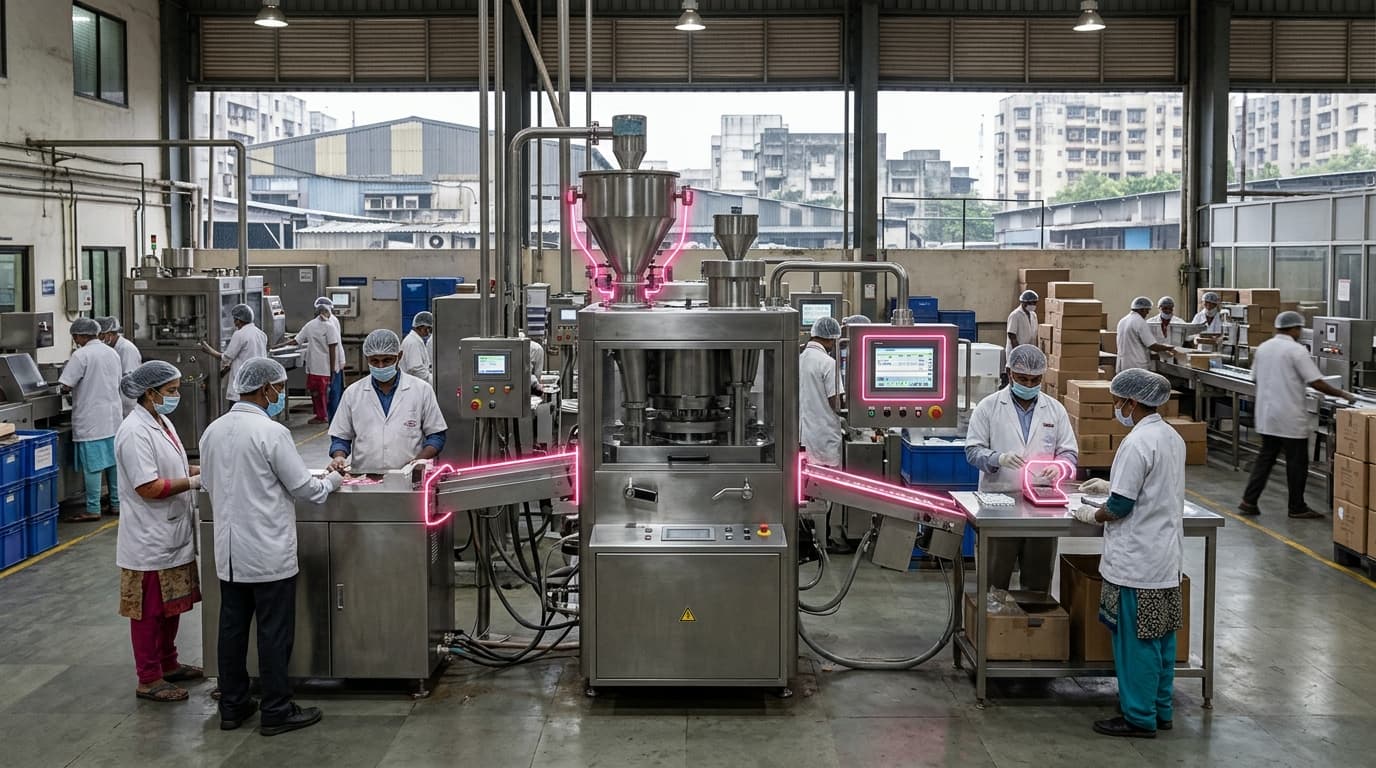
India's generic pharmaceutical industry is one of its most consequential technology achievements. The country supplies approximately 20% of the world's generic medicines by volume, 60% of global vaccine production, and has the largest number of US FDA-approved pharmaceutical facilities outside the United States. Major companies include Sun Pharma, Dr. Reddy's, Cipla, Lupin, and Aurobindo — collectively serving patients in over 200 countries.
The industry's origins trace to India's 1970 Patent Act, which recognized process patents but not product patents for pharmaceuticals. This allowed Indian companies to reverse-engineer patented drugs and manufacture them using different chemical processes. The resulting decades of experience in cost-optimized pharmaceutical manufacturing created capabilities that persist even after India adopted product patents in 2005 under WTO rules.
India's generic pharma dominance has enormous humanitarian implications. During the HIV/AIDS crisis, Indian generics brought the cost of antiretroviral therapy from $10,000/year to under $100/year, saving millions of lives in Africa and Asia. During COVID-19, India was the world's primary supplier of paracetamol and hydroxychloroquine. The industry's combination of regulatory expertise, manufacturing scale, and cost engineering makes India indispensable to global public health.
Research this in Signals
Signals turns a topic into a sourced research record you can inspect and rerun. Your first scan is free, and this one starts with Generic Pharmaceutical Manufacturing already loaded, so edit it or scan as is.