Ayushman Bharat Digital Health Mission
Geography: Asia Pacific · South Asia · India
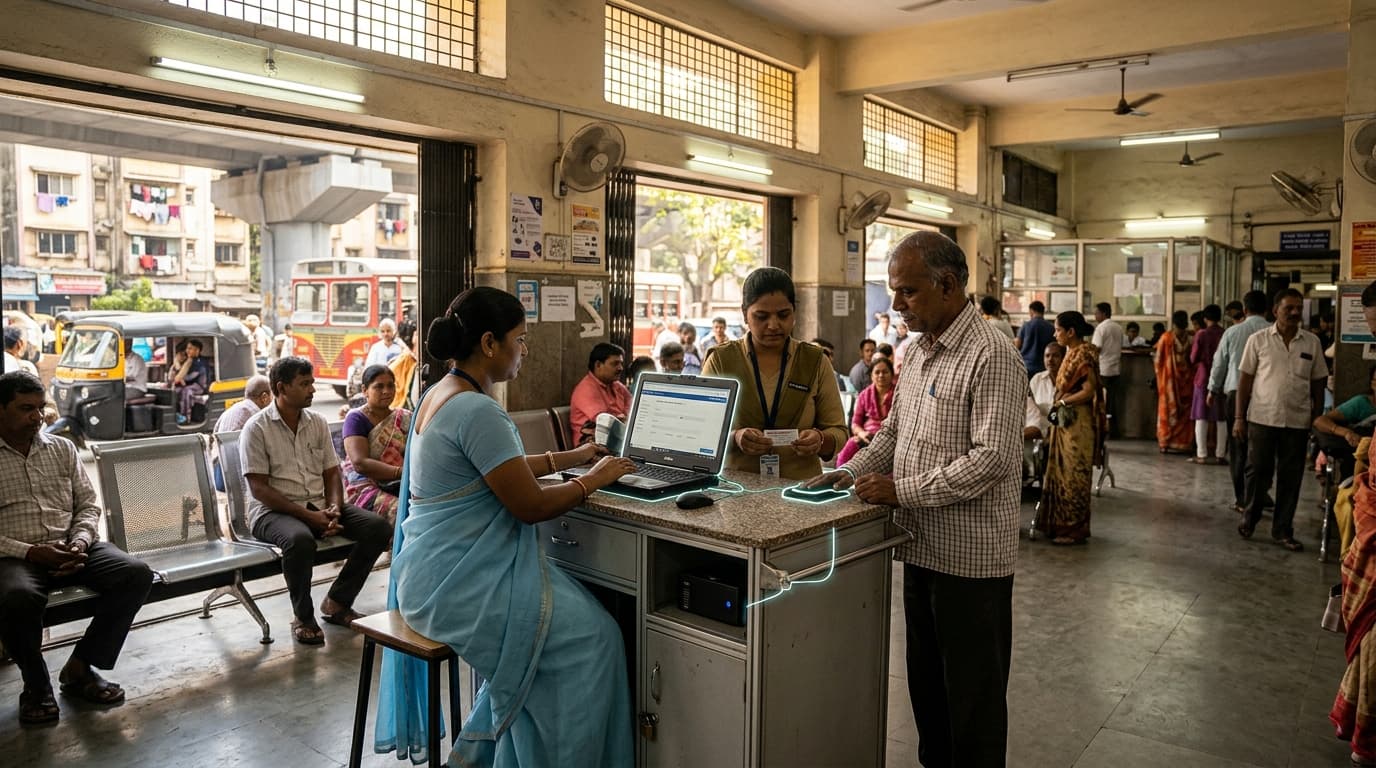
The Ayushman Bharat Digital Mission (ABDM) is building a national digital health infrastructure that assigns every Indian a unique health ID linked to their Aadhaar. The system creates interoperable electronic health records, enabling any hospital or clinic to access a patient's medical history with consent. It's essentially applying the India Stack philosophy — open protocols, consent-based data sharing — to healthcare.
The scale of the challenge is staggering. India has 1.4 billion people, millions of healthcare providers ranging from major hospitals to rural clinics, and a healthcare system that was almost entirely paper-based. ABDM is digitizing this entire ecosystem: patient records, doctor registries, facility databases, lab results, and prescription data, all linked through a consent architecture.
If successful, ABDM would create the world's largest interoperable health data system. The implications for public health surveillance, clinical research, and healthcare delivery are enormous. India's previous experience building Aadhaar and UPI at population scale gives it credibility that this ambitious project could actually work, though adoption among private healthcare providers remains an ongoing challenge.
Research this in Signals
Signals turns a topic into a sourced research record you can inspect and rerun. Your first scan is free, and this one starts with Ayushman Bharat Digital Health Mission already loaded, so edit it or scan as is.