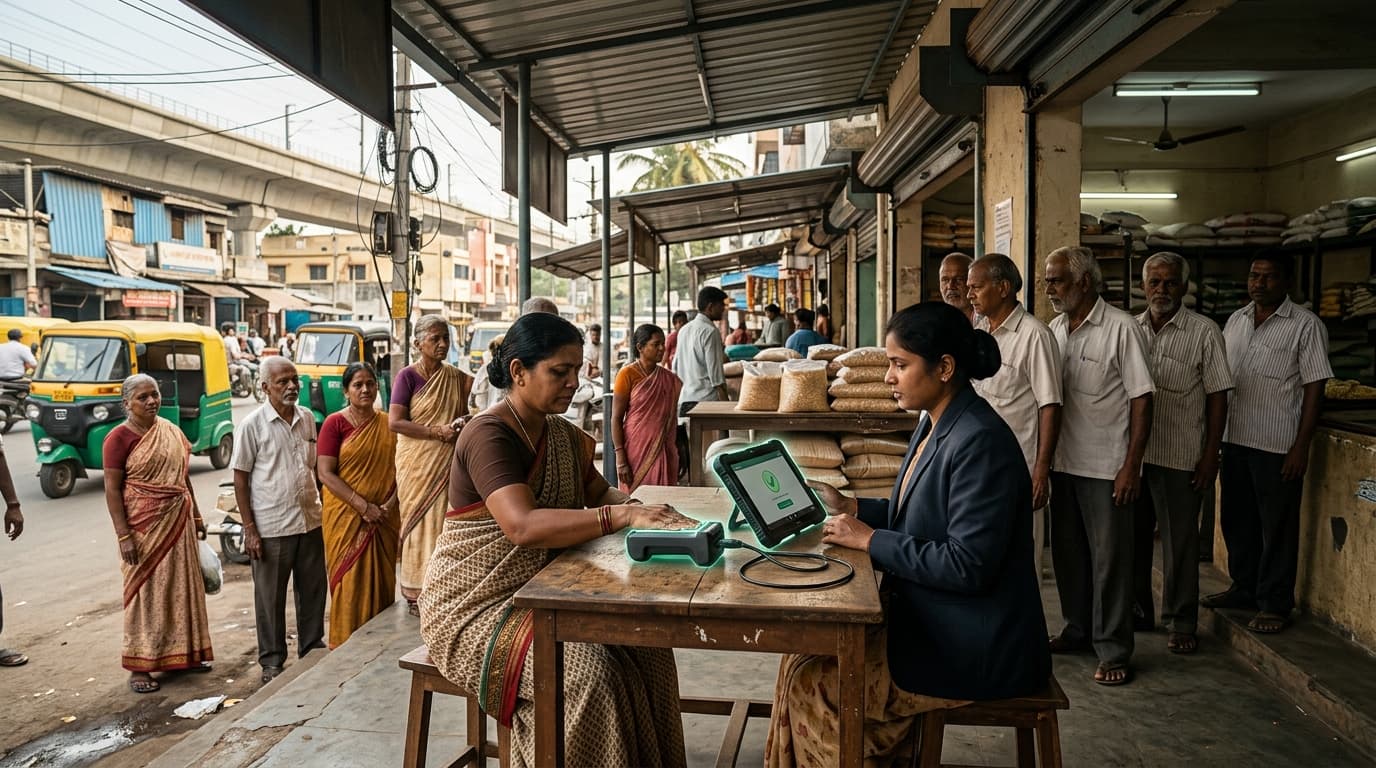
Direct Benefit Transfer (DBT)
Geography: Asia Pacific · South Asia · India
Direct Benefit Transfer uses the JAM trinity — Jan Dhan (bank accounts), Aadhaar (identity), Mobile (phones) — to transfer government subsidies and welfare payments directly into beneficiaries' bank accounts. Before DBT, welfare distribution in India was notoriously leaky: studies estimated 40-50% of subsidies were siphoned off by intermediaries. DBT bypasses the entire chain of middlemen.
The system now covers over 300 government welfare schemes and has delivered benefits to more than 900 million people. The government claims cumulative savings of over ₹2.7 trillion ($33 billion+) from eliminating ghost beneficiaries, duplicate payments, and intermediary corruption. During COVID-19, DBT enabled rapid cash transfers to 400+ million people within days of lockdown announcements.
DBT represents the most tangible proof that digital public infrastructure can deliver real economic value at population scale. It's not about technology for technology's sake — it's about ensuring that when the government sends ₹1 of welfare, ₹1 actually reaches the intended recipient. The World Bank has cited India's DBT as a model for developing nations seeking to improve welfare delivery efficiency.
Research this in Signals
Signals turns a topic into a sourced research record you can inspect and rerun. Your first scan is free, and this one starts with Direct Benefit Transfer (DBT) already loaded, so edit it or scan as is.