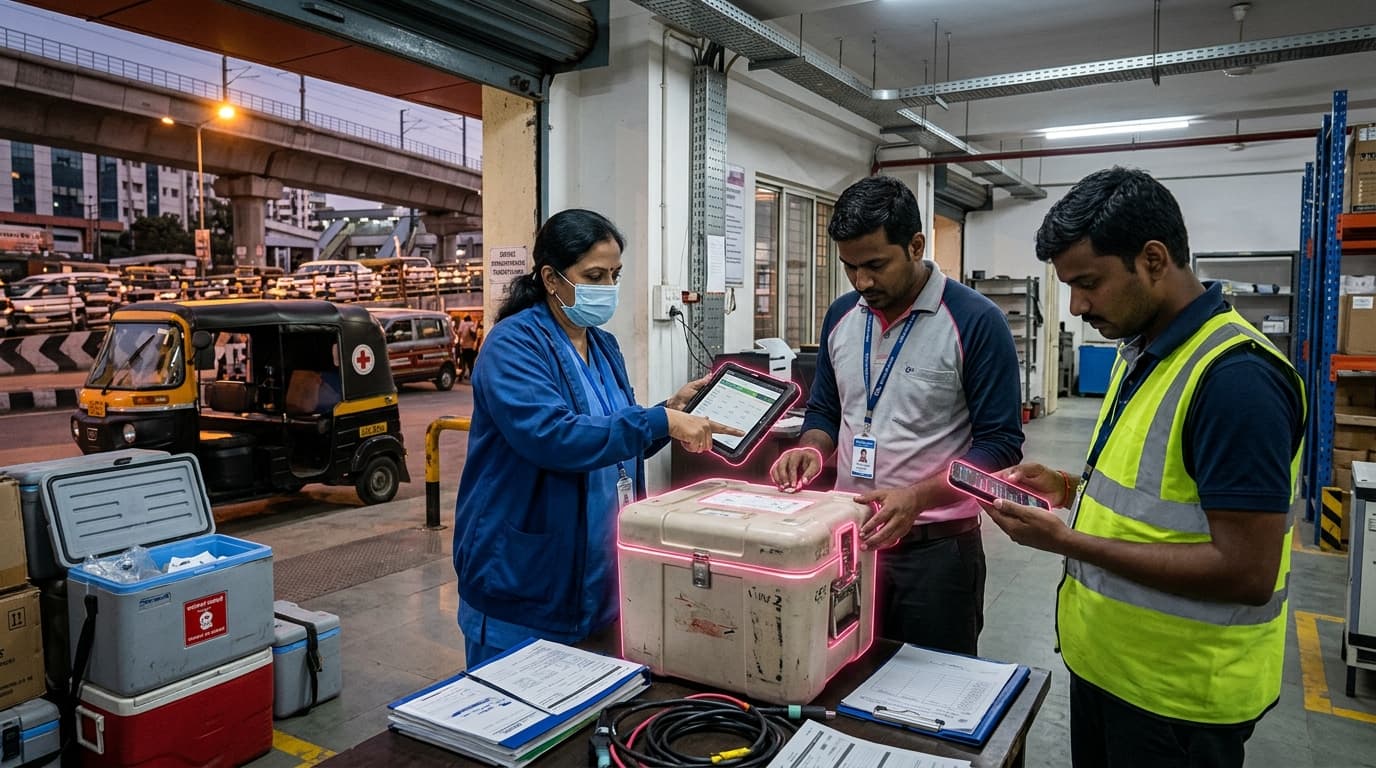
National Organ Transplant Digital Coordination System
Geography: Asia Pacific · South Asia · India
India's organ transplant system has undergone a quiet technological revolution. Organ transplants rose fourfold to nearly 20,000 in 2025, driven in significant part by the modernization of NOTTO (National Organ and Tissue Transplant Organisation) as a real-time digital coordination authority. The system enables organ matching, allocation, and inter-state coordination in a country where a donor kidney in Chennai might need to reach a recipient in Delhi — 2,200 km away — within hours. NOTTO's platform provides real-time organ allocation algorithms, waitlist management across state boundaries, and coordination with 'green corridor' transport (traffic-cleared routes from hospital to airport to hospital).
The logistics challenge is extraordinary. Unlike the US or EU, where organ transport infrastructure is mature, India must coordinate across massive distances, chaotic urban traffic, inconsistent road networks, and multiple state jurisdictions with different health regulations. Indian hospitals and nonprofits have pioneered innovative solutions: GPS-tracked organ transport containers with real-time temperature monitoring, police-coordinated green corridors that clear traffic across cities in real-time, and increasingly, drone and air ambulance transport for time-critical organs. Researchers at Indian institutions have published frameworks combining IPFS, IoT sensors, and smart contracts for traceable organ transportation.
The 2025 statistics — nearly 20,000 transplants, up from ~5,000 a few years ago — demonstrate that institutional and technological innovation can dramatically improve health outcomes. India's organ donation rate remains low by global standards (less than 1 per million vs. 40+ per million in Spain), meaning the technology platform is in place to handle massive scale-up as donation rates improve. The NOTTO digital system is being expanded with AI-powered matching algorithms and blockchain-based consent verification, potentially positioning India's transplant coordination technology as exportable to other large, geographically complex developing nations.
Research this in Signals
Signals turns a topic into a sourced research record you can inspect and rerun. Your first scan is free, and this one starts with National Organ Transplant Digital Coordination System already loaded, so edit it or scan as is.