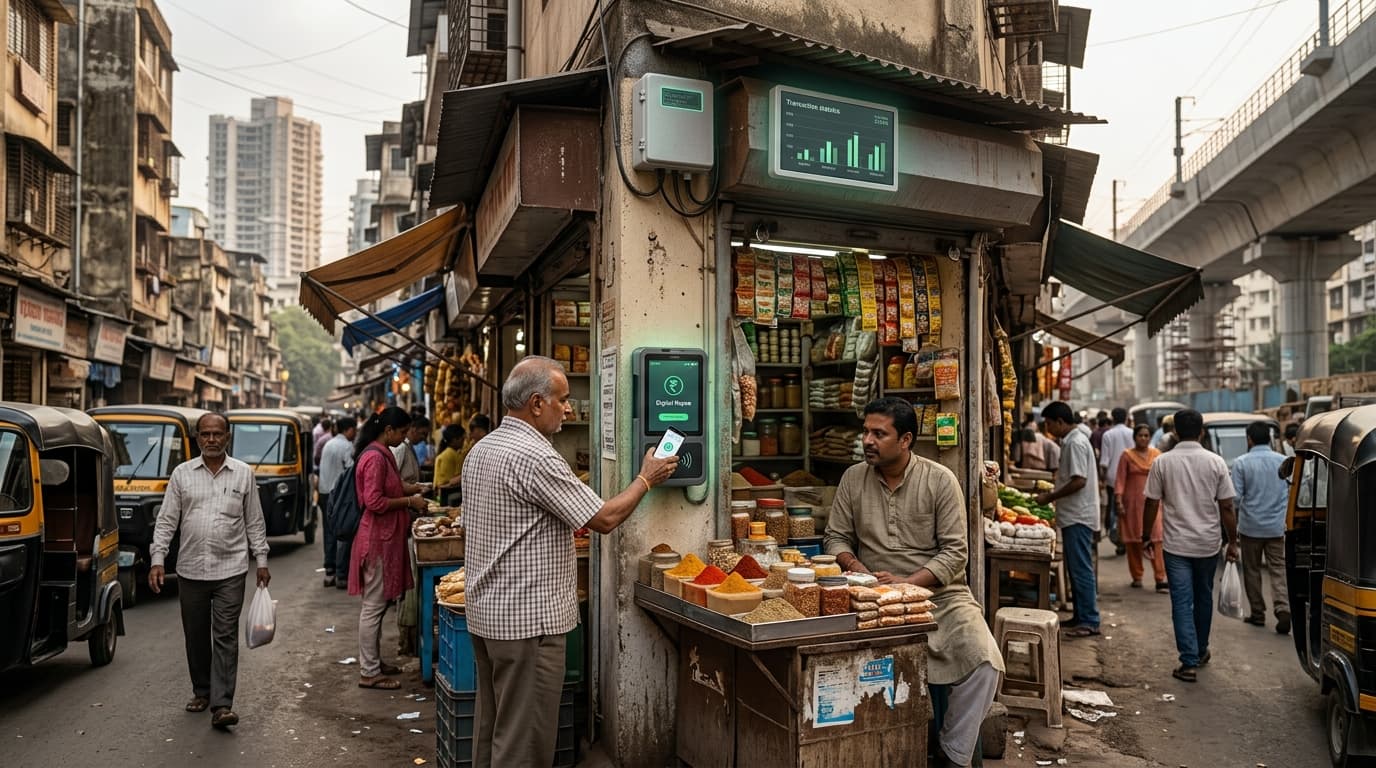
Digital Rupee (e₹) CBDC
Geography: Asia Pacific · South Asia · India
The Reserve Bank of India (RBI) launched pilot programs for the Digital Rupee (e₹) in both wholesale (e₹-W, November 2022) and retail (e₹-R, December 2022) variants. The wholesale CBDC is being tested for interbank settlement, while the retail version enables person-to-person and person-to-merchant transactions through digital wallets provided by participating banks including SBI, ICICI, and HDFC.
The Digital Rupee raises interesting questions in the Indian context: why does India need a CBDC when UPI already provides near-instant digital payments? The RBI's rationale includes programmable money (conditional transfers, expiring subsidies), offline capability (transactions without internet connectivity — critical for rural India), and reducing settlement risk in wholesale markets. The e₹ could enable use cases that UPI can't, such as smart contracts for agricultural commodity payments.
India's CBDC development is cautious compared to China's aggressive Digital Yuan rollout. The RBI is piloting, learning, and iterating rather than mandating adoption. The key challenge is coexistence with UPI — any retail CBDC must offer clear advantages over UPI's already excellent user experience to gain traction. The wholesale variant has a clearer value proposition in streamlining interbank settlement and cross-border transactions.
Research this in Signals
Signals turns a topic into a sourced research record you can inspect and rerun. Your first scan is free, and this one starts with Digital Rupee (e₹) CBDC already loaded, so edit it or scan as is.