India Semiconductor Mission
Geography: Asia Pacific · South Asia · India
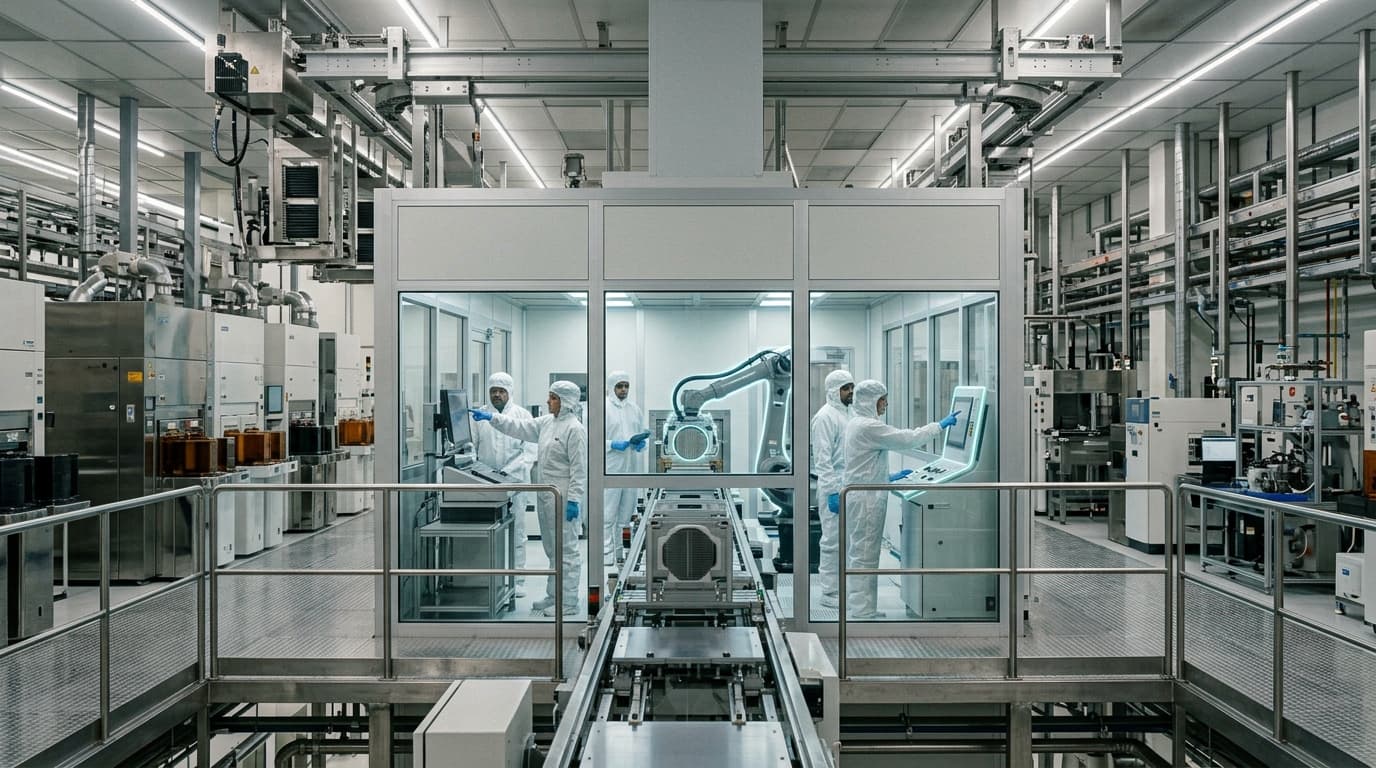
The India Semiconductor Mission (ISM), launched in 2021 with a $10 billion+ outlay, aims to establish end-to-end semiconductor manufacturing in India. The program has approved multiple projects: Tata Electronics is building a semiconductor fab in Dholera, Gujarat (initially targeting April 2026 operations); Micron Technology is constructing an assembly and test facility in Sanand, Gujarat; and in August 2025, four new projects were cleared including packaging plants in Odisha and manufacturing units in Andhra Pradesh and Punjab.
India's semiconductor ambitions are grounded in existing strengths. Indian engineers already design an estimated 20%+ of the world's chips — ARM, Qualcomm, Intel, AMD, NVIDIA, and Broadcom all have major design centers in Bengaluru and Hyderabad. India's chip design talent is world-class; what's missing is fabrication capability. ISM aims to close this gap, moving India from chip design to chip manufacturing.
The geopolitical context is critical. Post-COVID supply chain disruptions and US-China tech decoupling have made semiconductor self-sufficiency a strategic priority globally. India is positioning itself as an alternative manufacturing hub to China and Taiwan. The challenge is enormous — building competitive fabs requires not just capital but an entire ecosystem of chemicals, gases, materials suppliers, and ultra-specialized workforce training that takes decades to develop.
Research this in Signals
Signals turns a topic into a sourced research record you can inspect and rerun. Your first scan is free, and this one starts with India Semiconductor Mission already loaded, so edit it or scan as is.