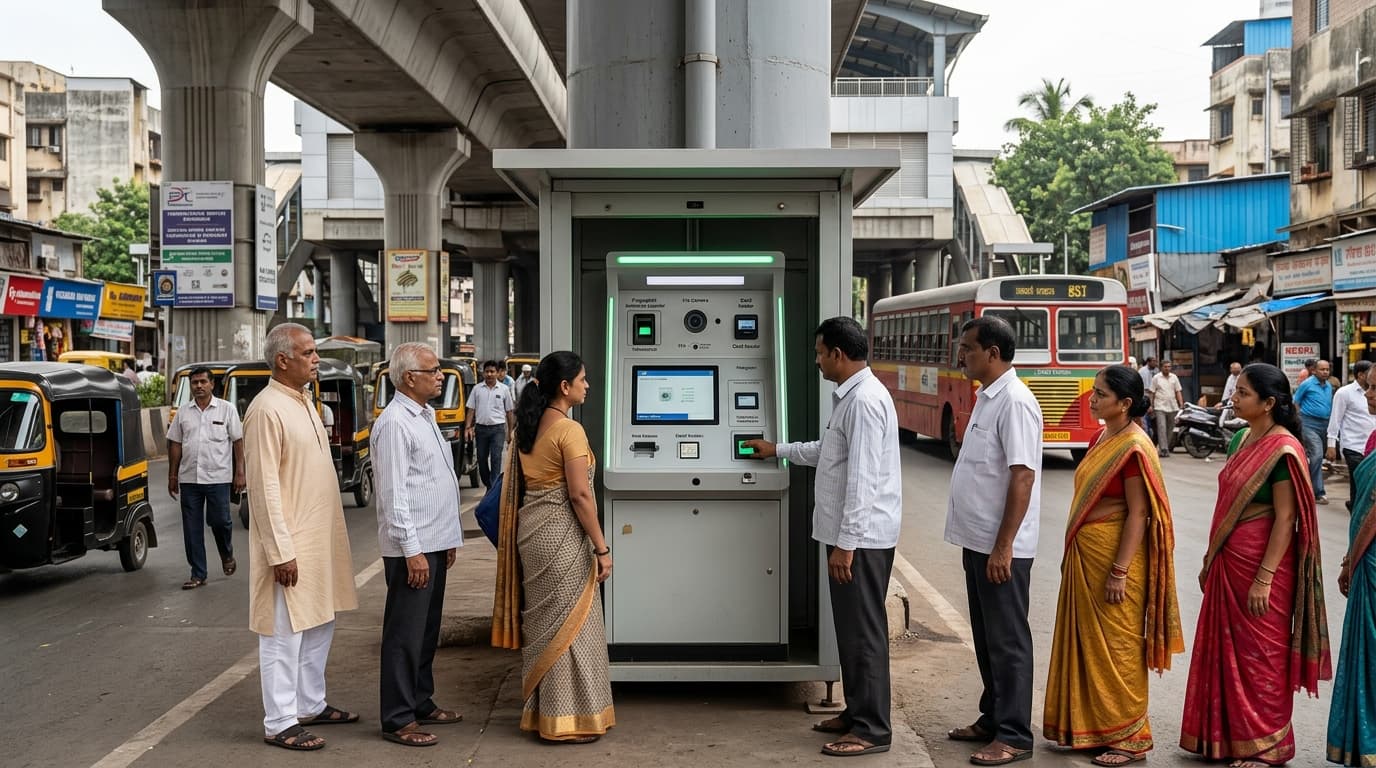
India Stack (Digital Public Infrastructure)
Geography: Asia Pacific · South Asia · India
India Stack is an open API architecture that combines identity (Aadhaar), payments (UPI), document storage (DigiLocker), digital signatures (eSign), and consent-based data sharing (Account Aggregator) into an interoperable digital public goods platform. Any private company can build on these APIs, creating a level playing field between startups and incumbents.
The genius of India Stack is that it separates infrastructure from application. The government builds the rails — identity verification, payment processing, data consent — and the private sector builds the trains. This is why India has thousands of fintech startups: they don't need to build identity verification or payment processing from scratch. They plug into India Stack's APIs and focus on their specific value proposition.
India Stack is arguably the most consequential technology governance innovation of the 21st century. During India's G20 presidency, it was formally proposed as a model for global digital public infrastructure. Countries including Brazil, Singapore, and several African nations are studying or adapting elements of the stack. The DPI approach — government-built, open-protocol, private-sector-leveraged — represents a third way between Silicon Valley's private platform model and China's state-controlled digital infrastructure.
Research this in Signals
Signals turns a topic into a sourced research record you can inspect and rerun. Your first scan is free, and this one starts with India Stack (Digital Public Infrastructure) already loaded, so edit it or scan as is.