Tracking signals shaping the future of the fourth industrial revolution — cyber-physical systems, automation intelligence, integrated robotics, and self-optimizing processes.
Technologies
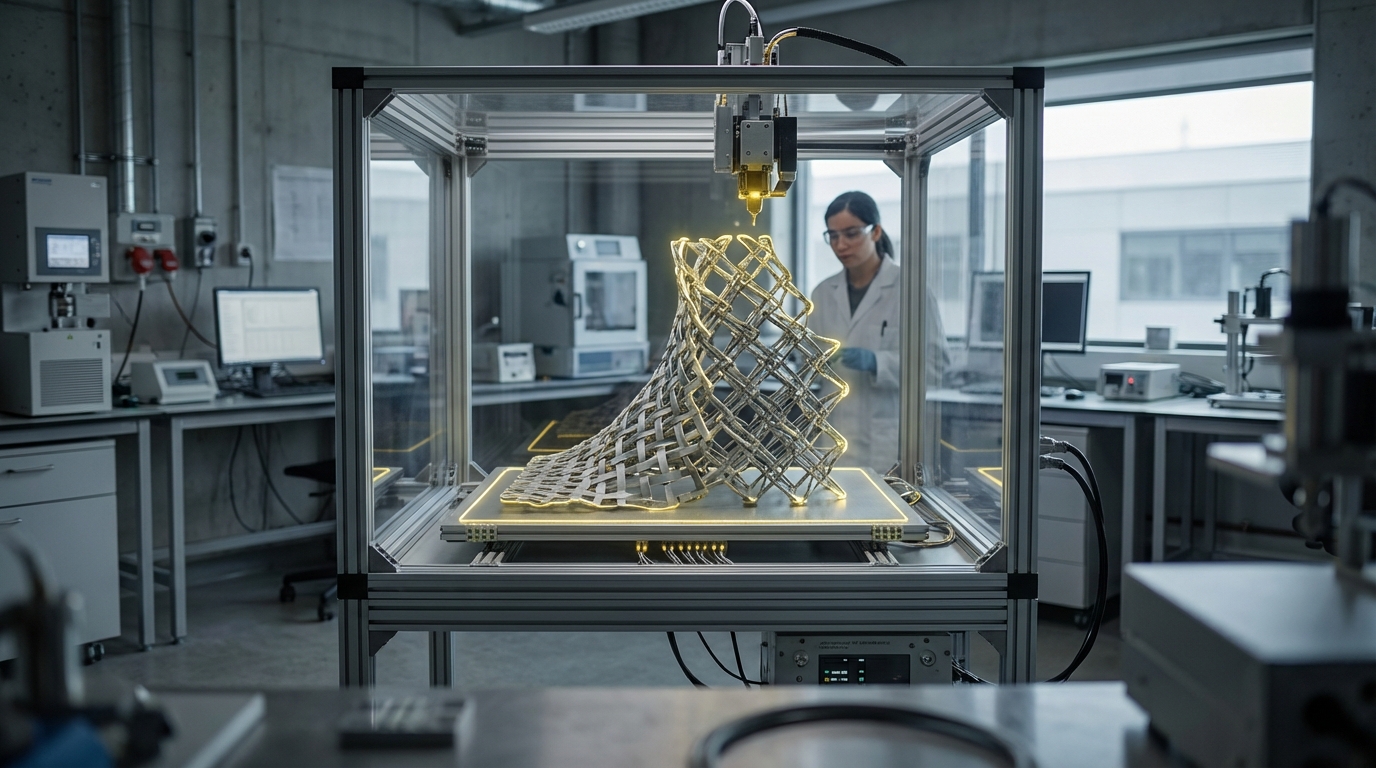
3D-printed objects that transform shape or properties when triggered by heat, light, or moisture
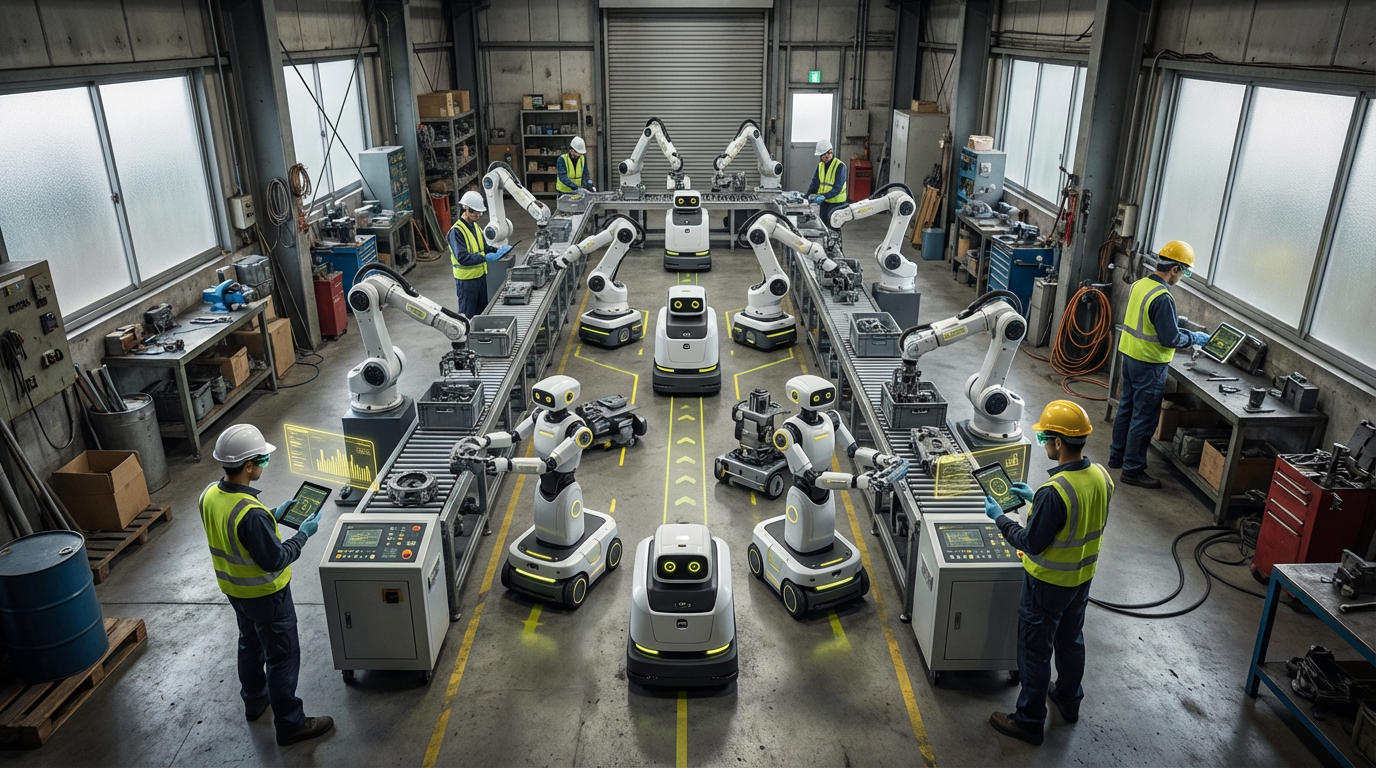
AI agents that interpret instructions, plan workflows, and adapt manufacturing processes autonomously
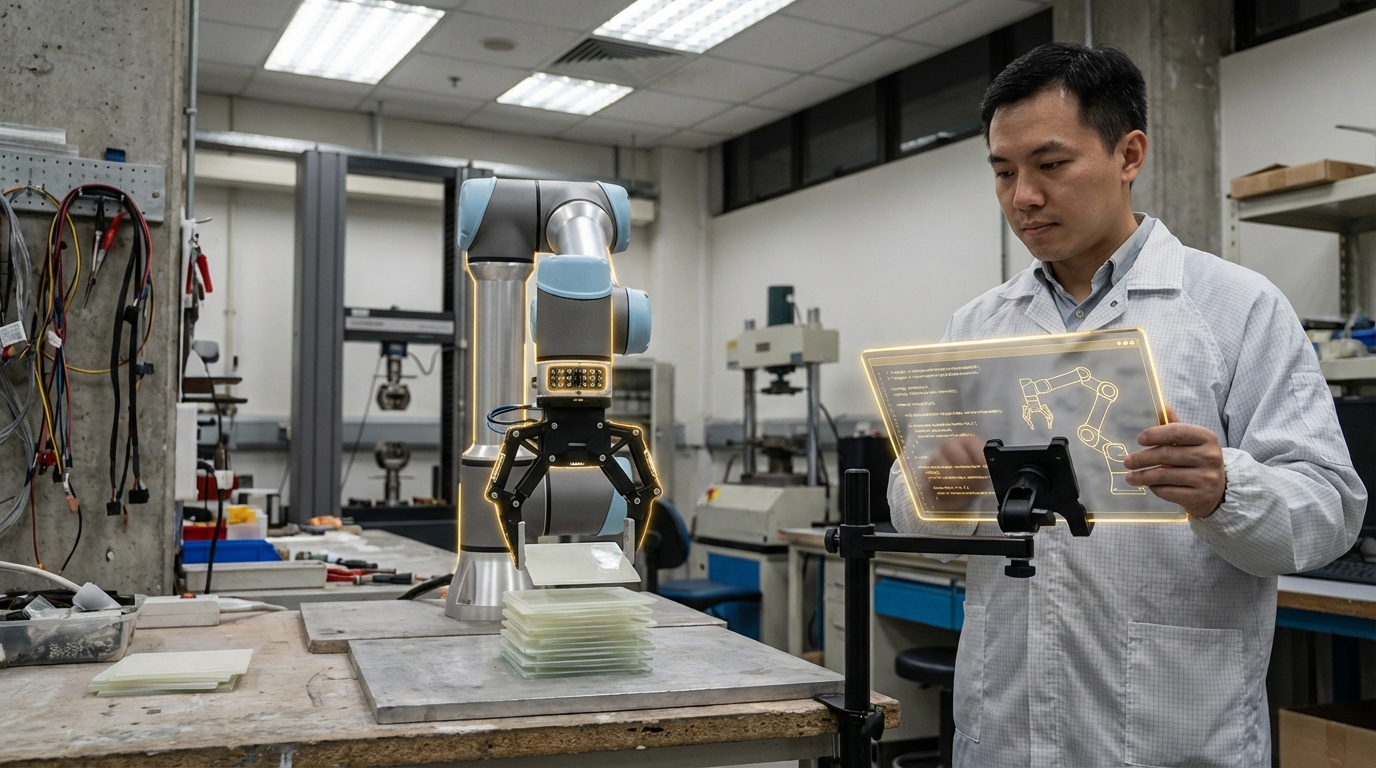
Safety frameworks ensuring autonomous industrial systems operate according to human values and intent
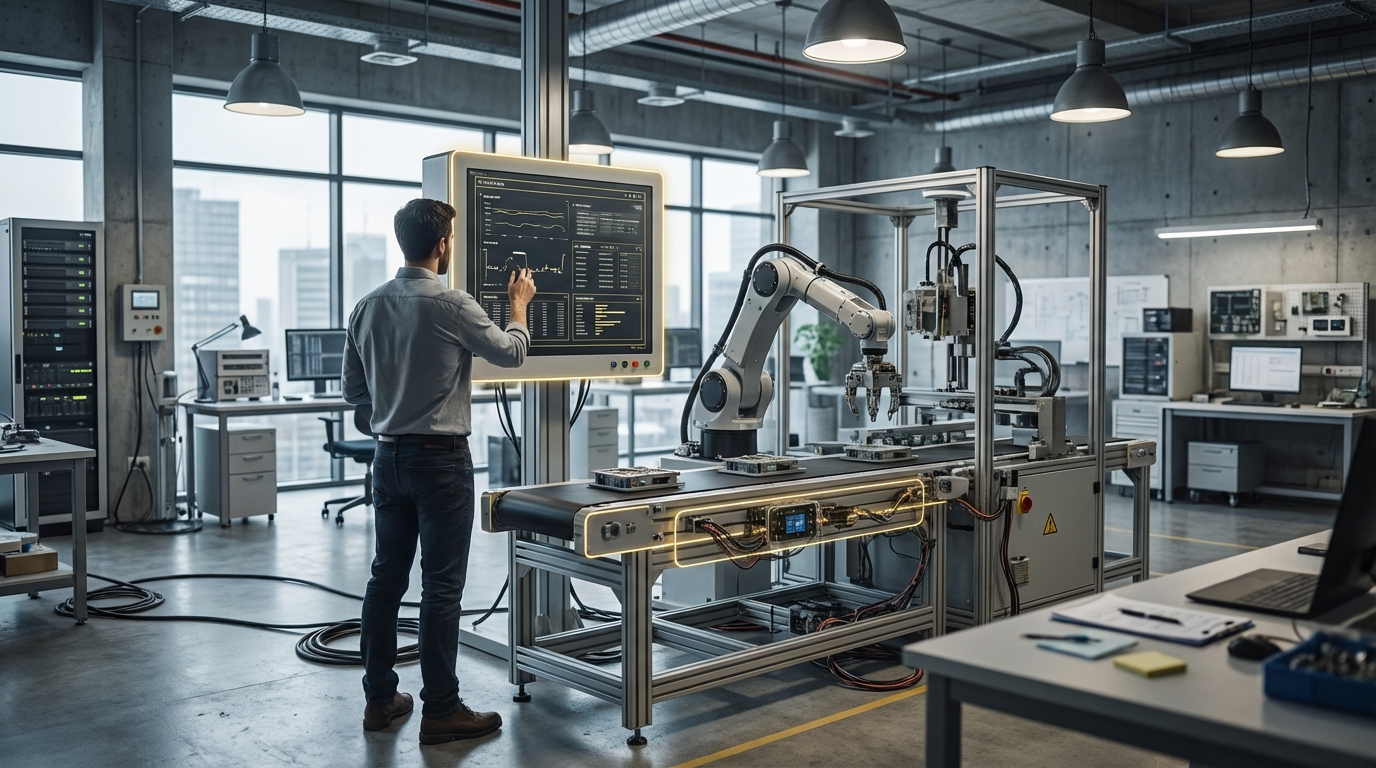
Frameworks that identify and correct discriminatory patterns in industrial machine learning models
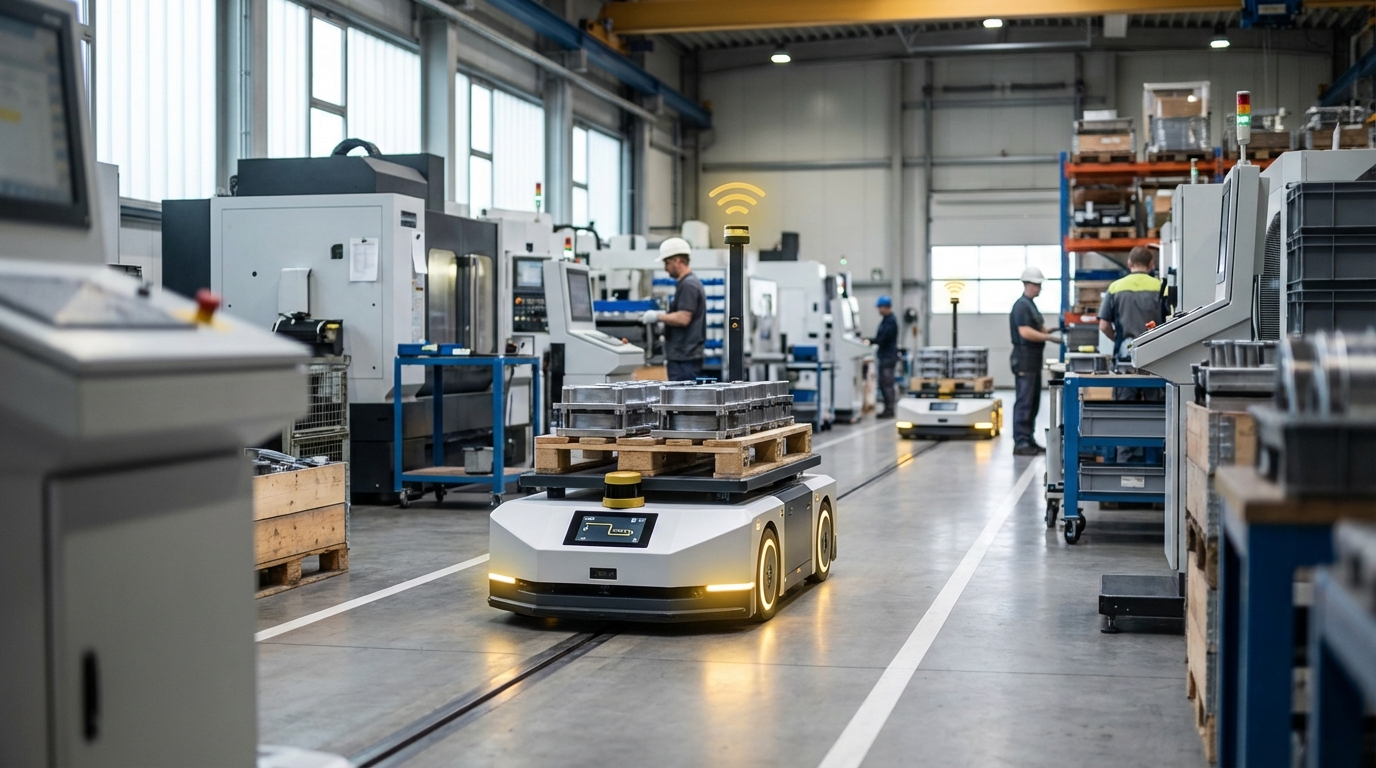
Self-navigating robots that move materials through factories without fixed tracks or guides
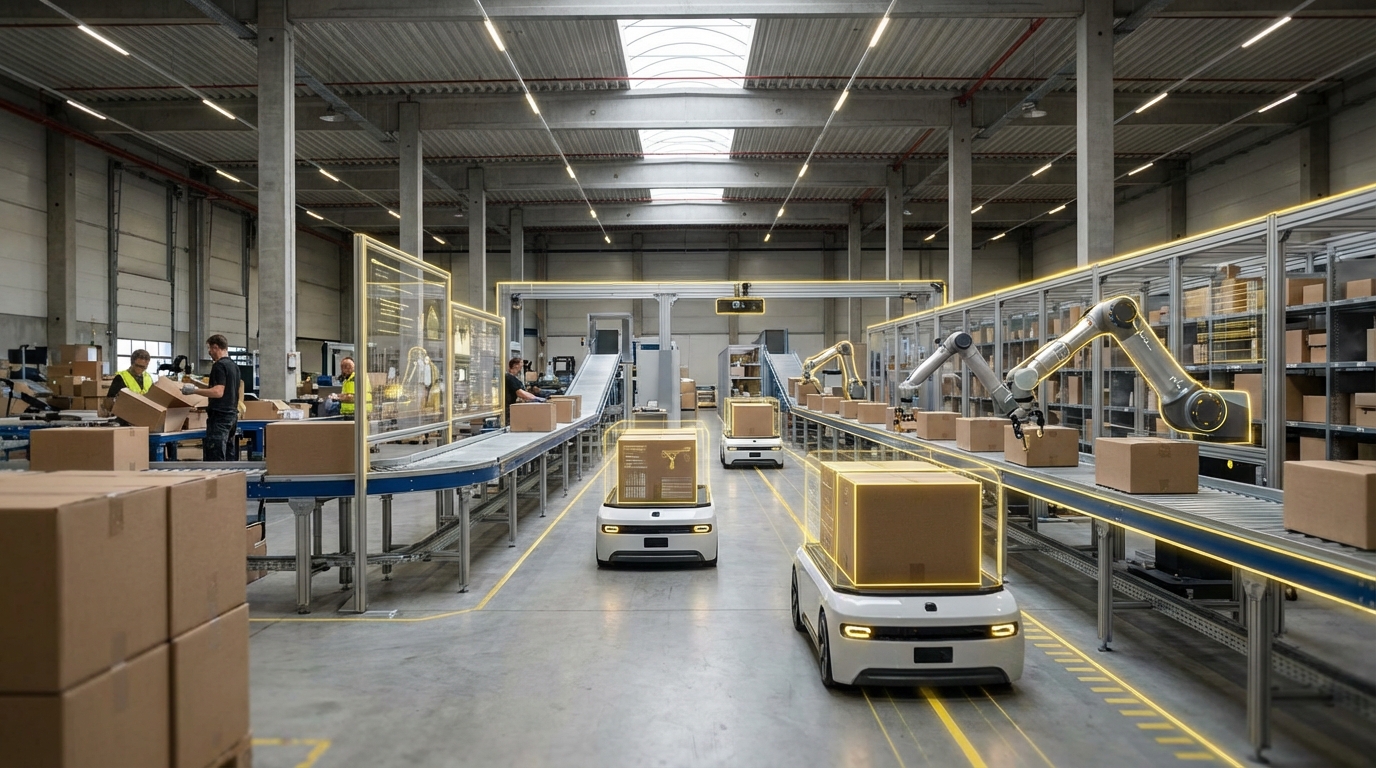
Self-managing logistics networks using AI and IoT to coordinate production to delivery in real-time
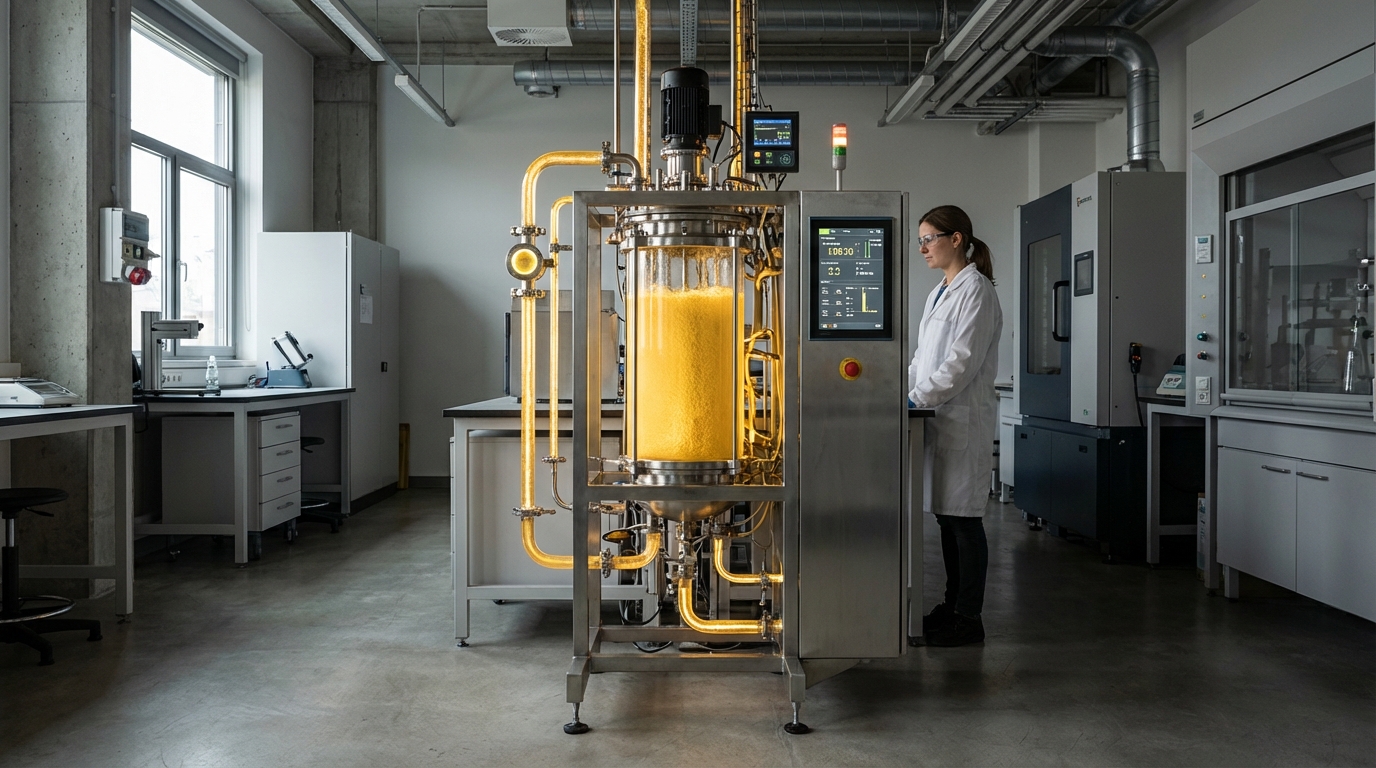
Genetically engineered microorganisms producing materials through programmed metabolic pathways
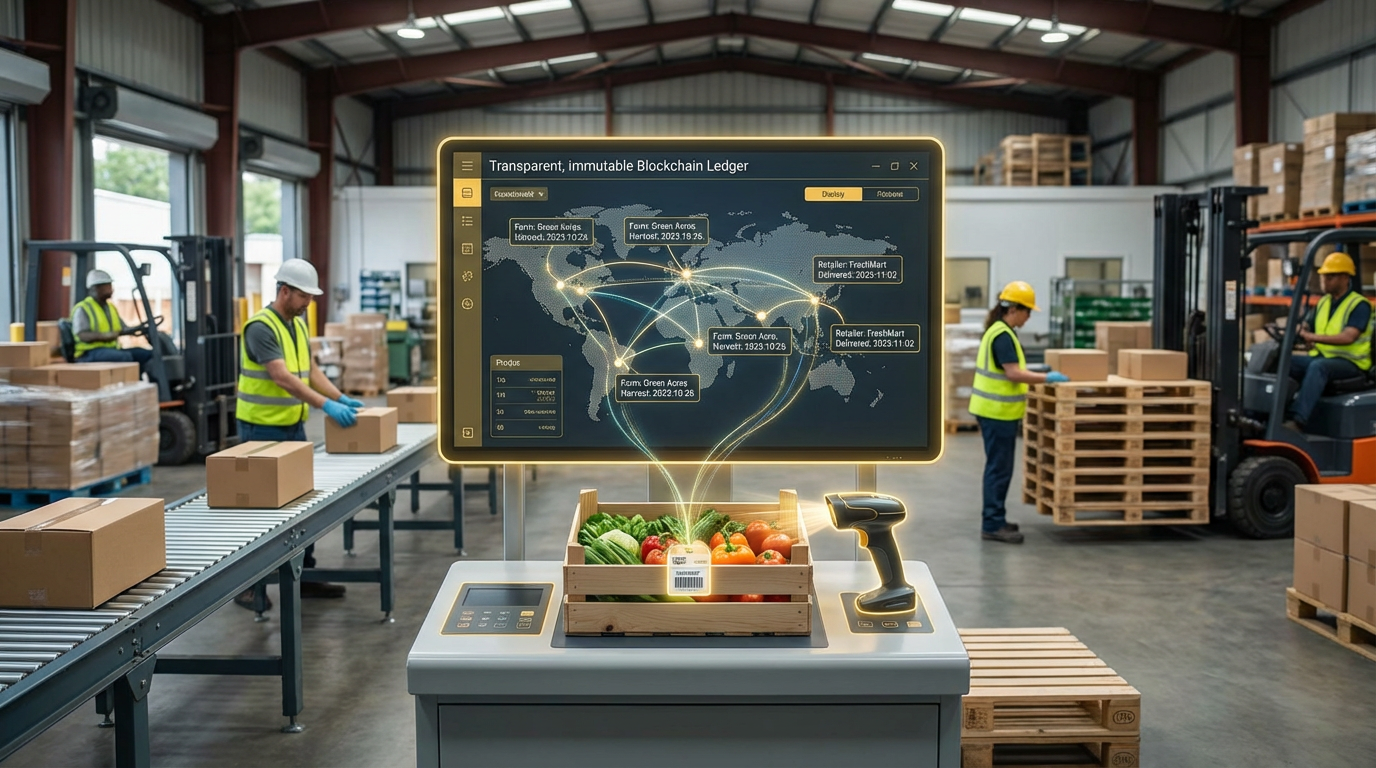
Distributed ledgers tracking product journeys from origin to consumer across supply chains
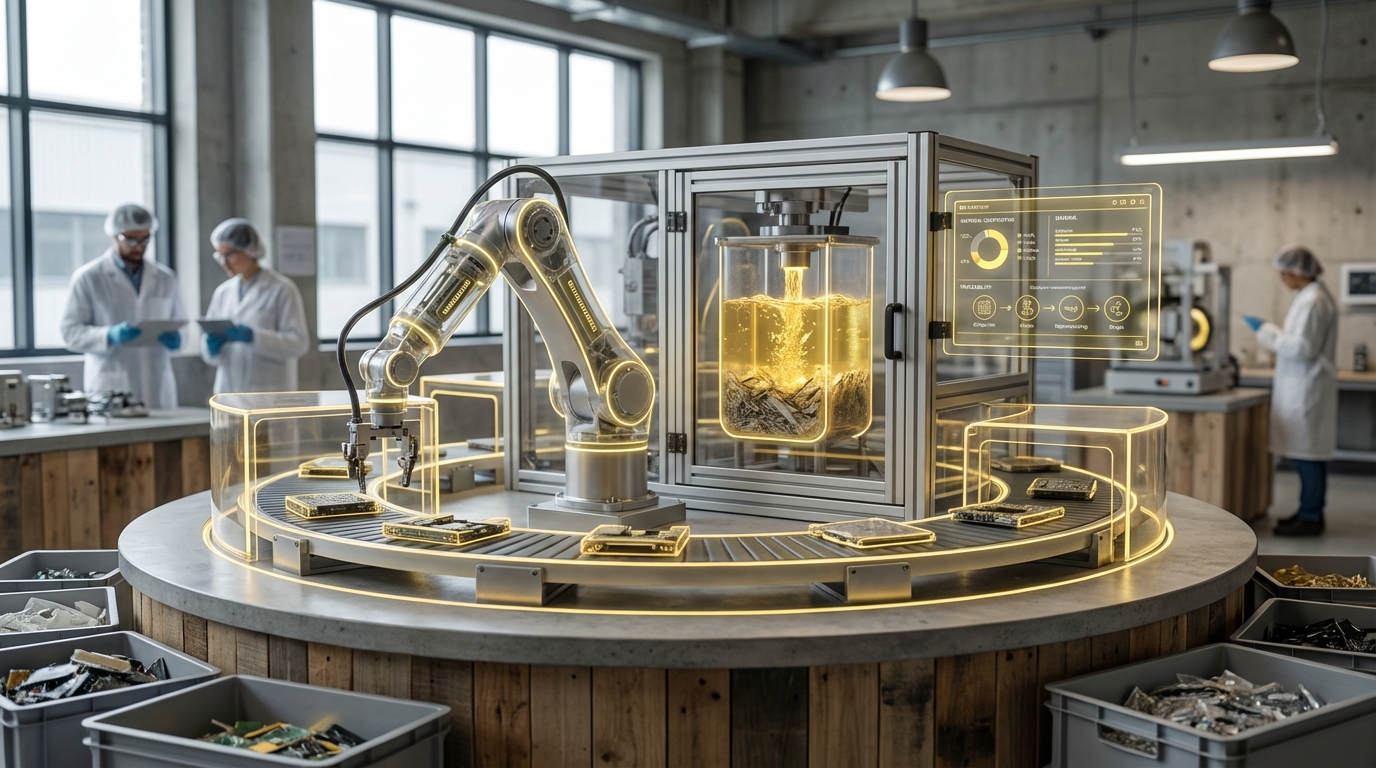
Closed-loop production systems that track and recycle materials through their entire lifecycle
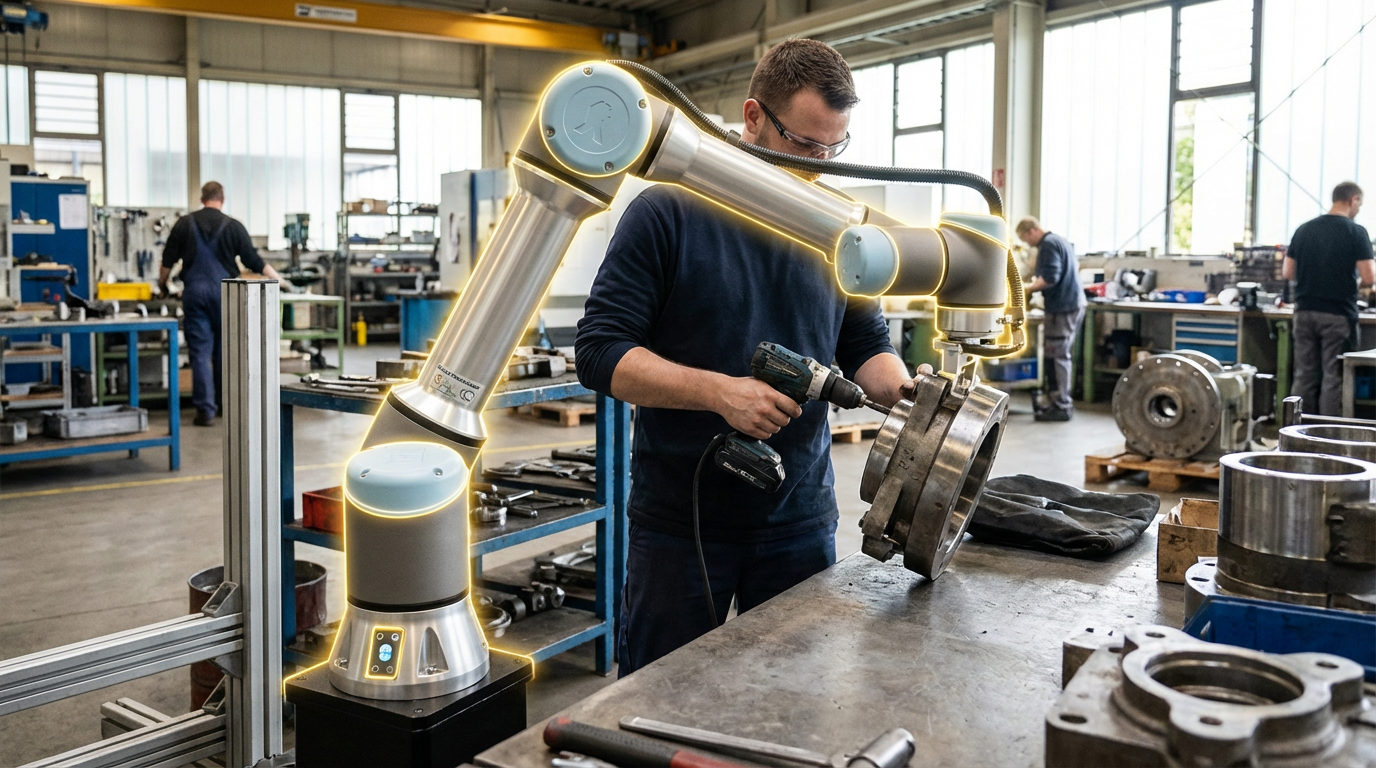
Force-sensing robots that work safely alongside human operators without safety cages
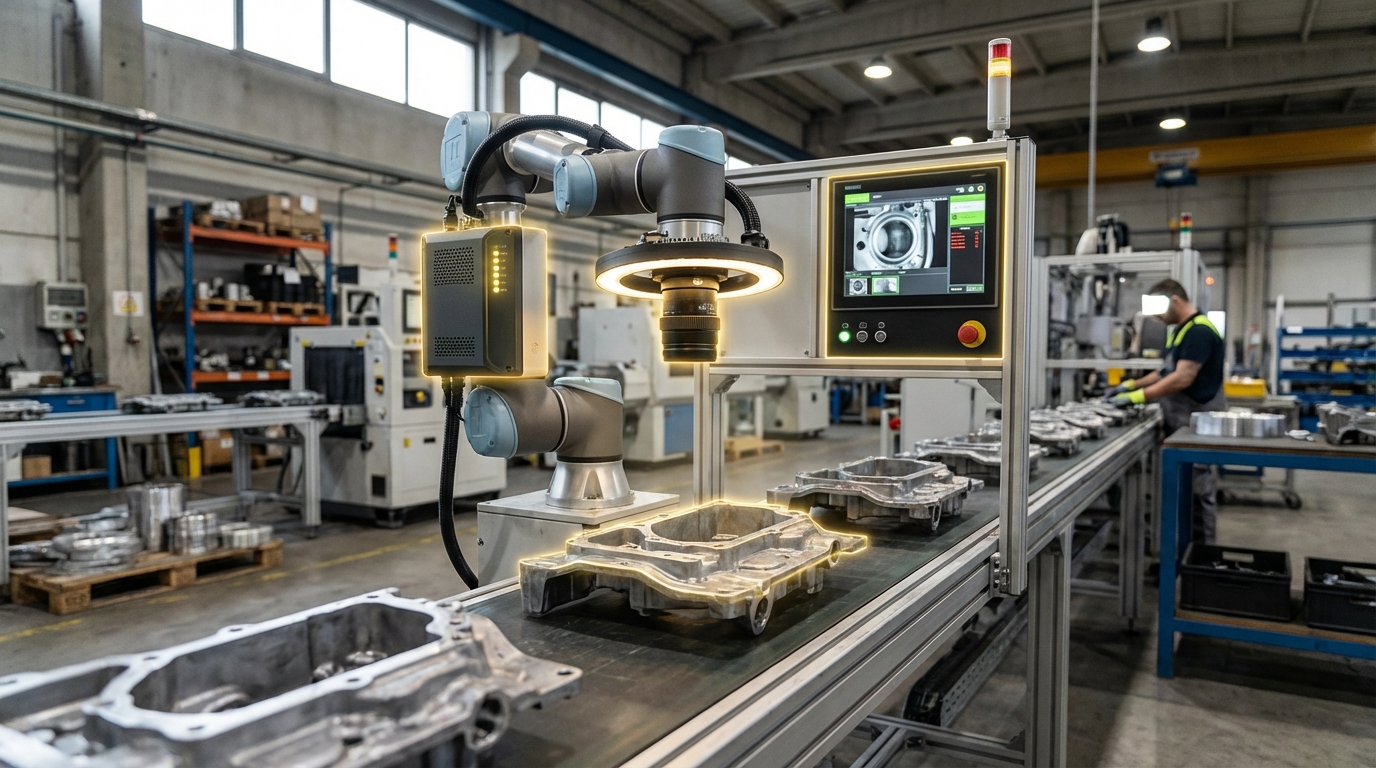
Automated visual defect detection using deep learning to replace manual quality control

Robotic systems and autonomous machinery for precise, safer building tasks with minimal human intervention
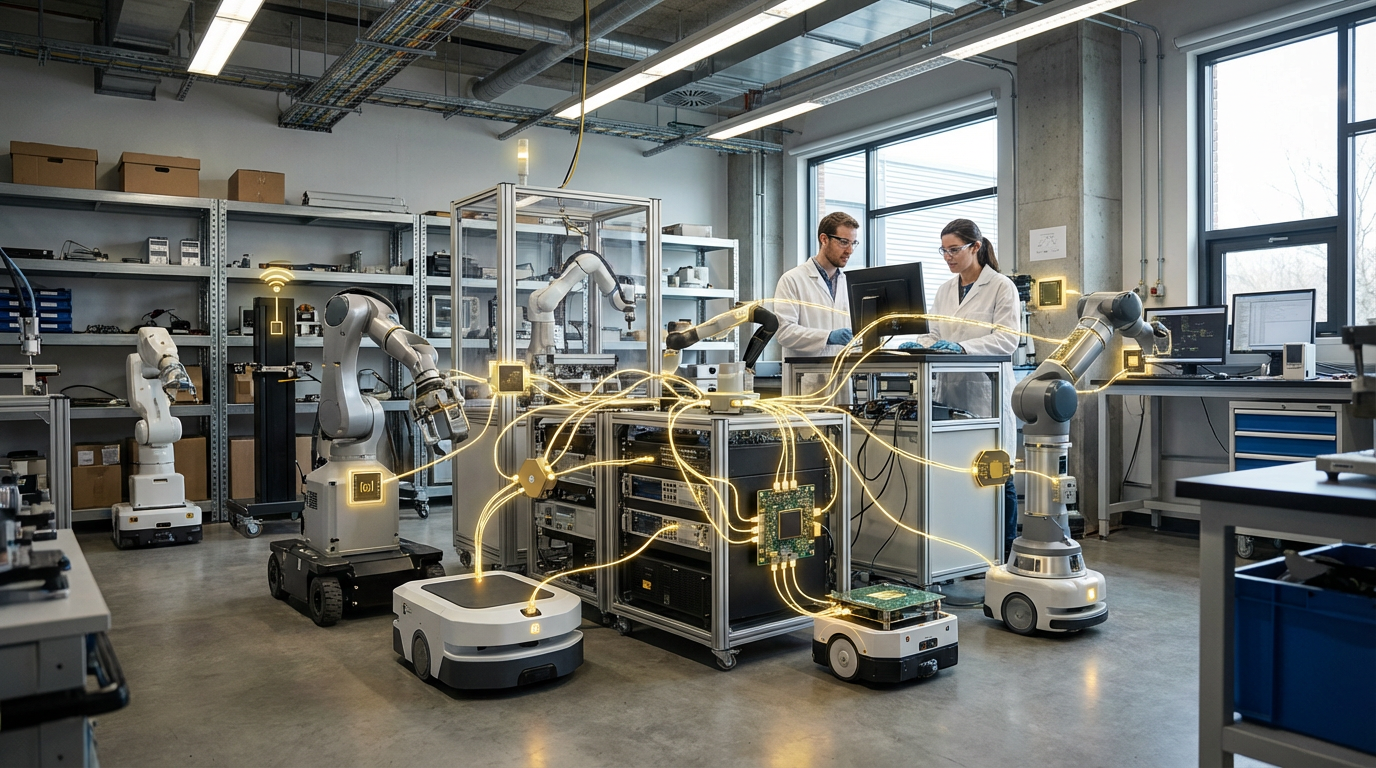
Distributed security model that protects each connected device as an independent entity
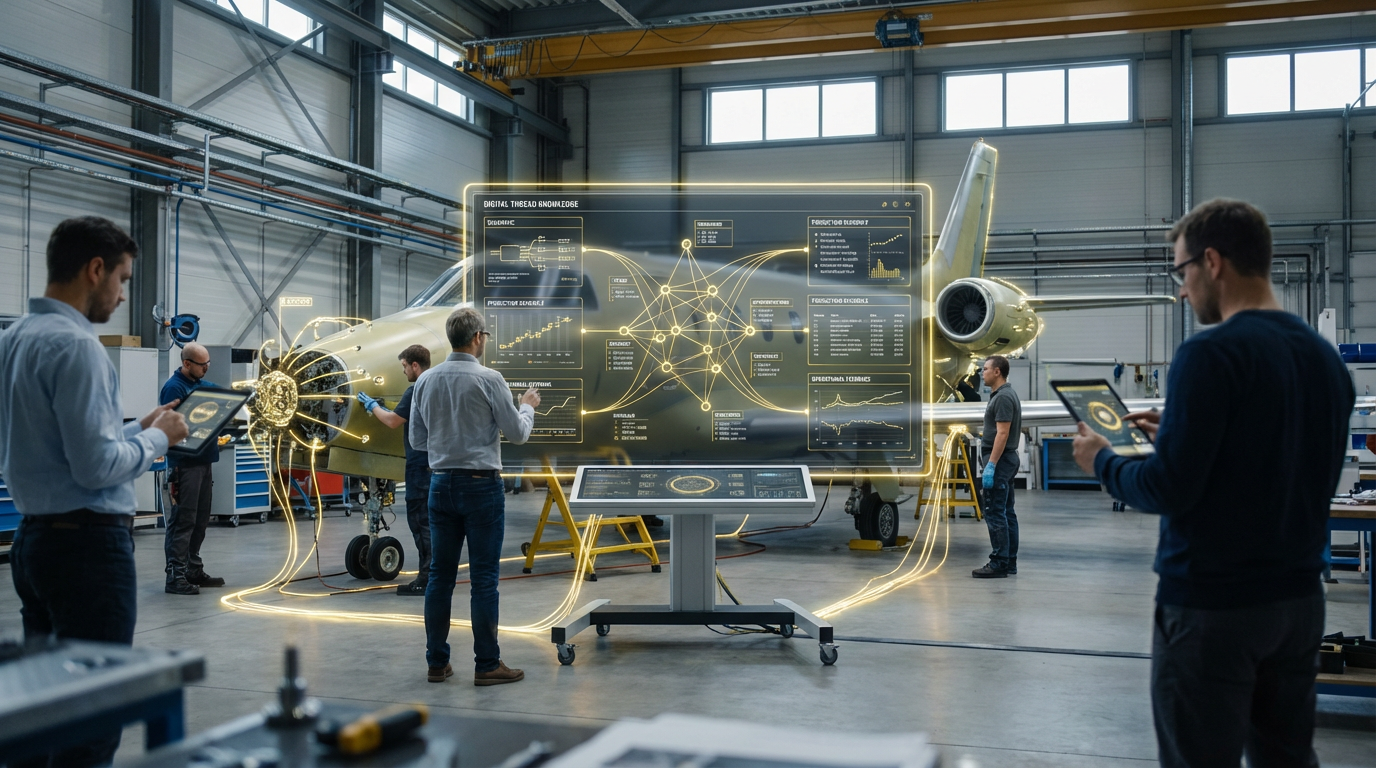
Semantically linked data across design, manufacturing, and operations for full product lifecycle traceability
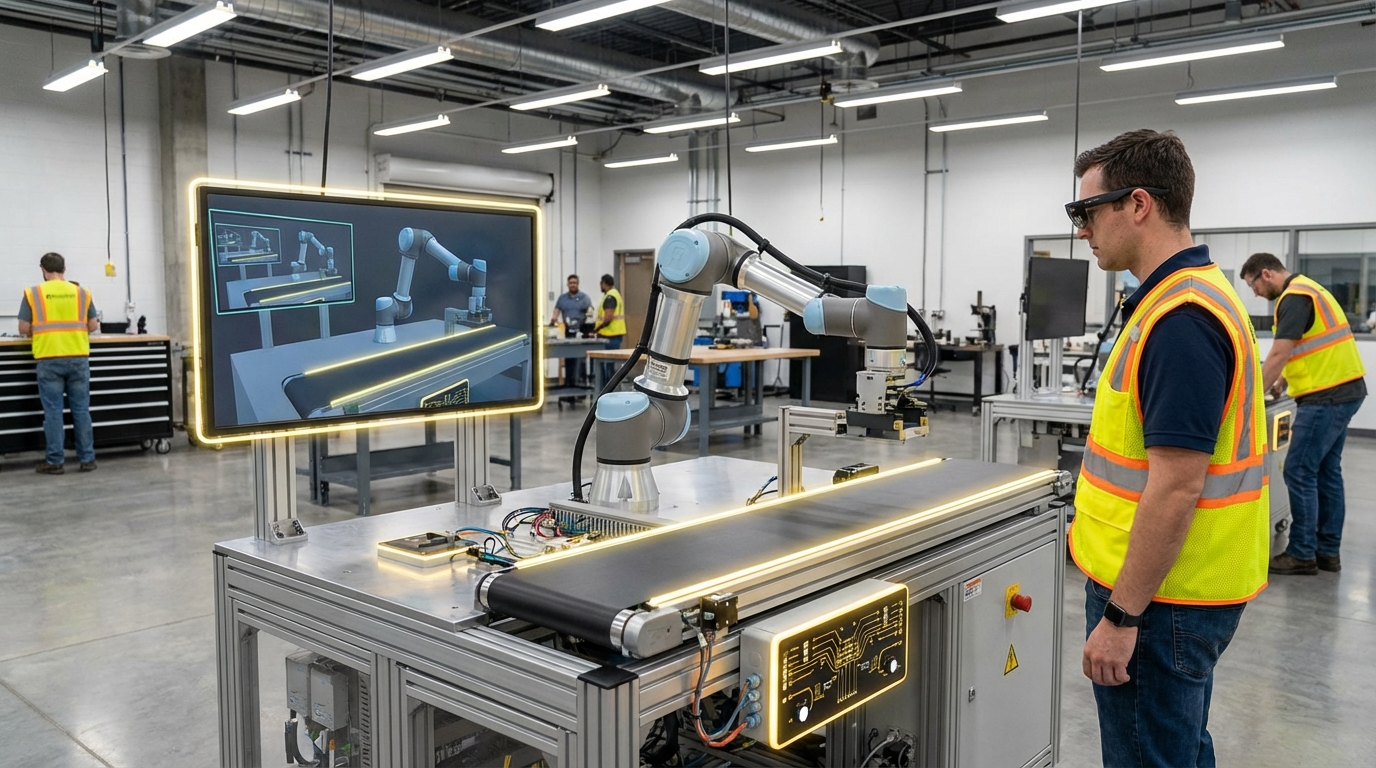
AI-driven reskilling systems that prepare factory workers for automated production roles
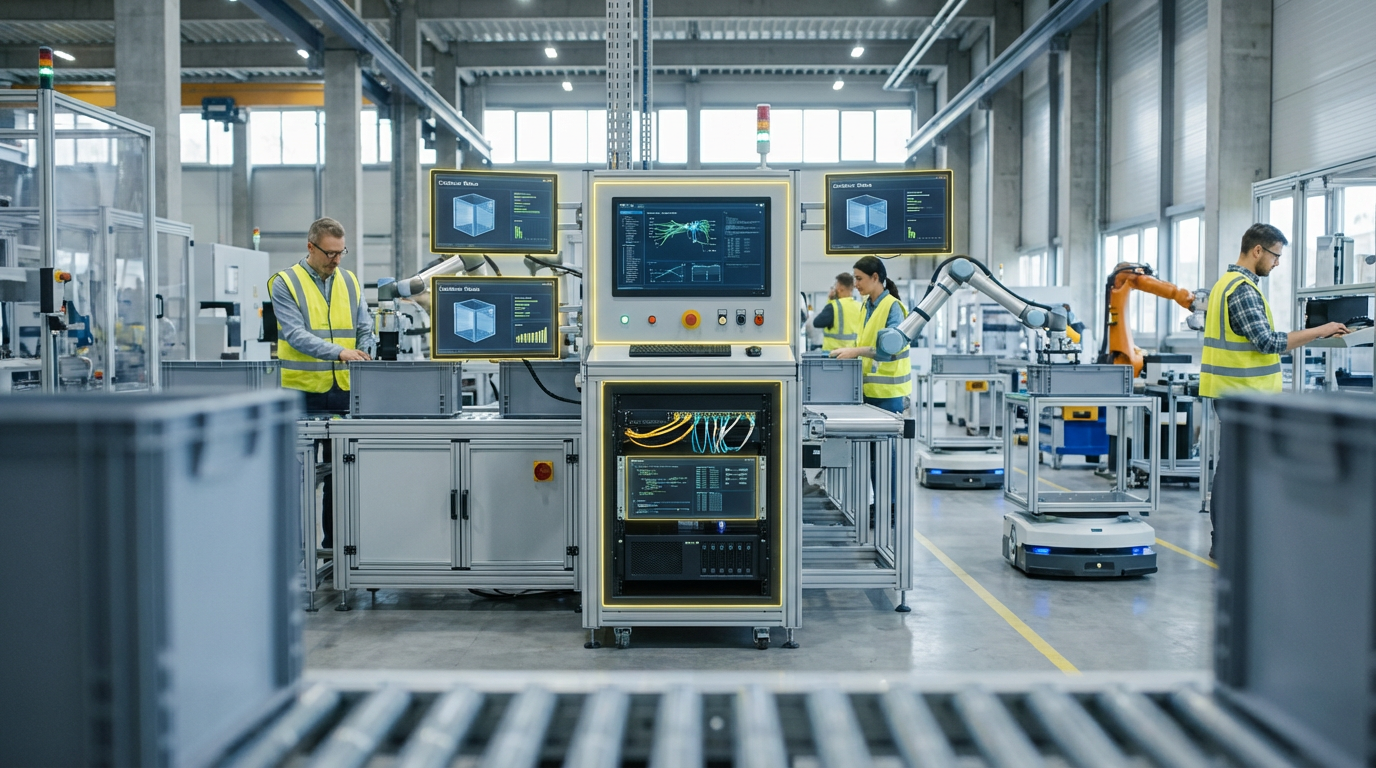
Distributed management of AI models, containers, and workloads across edge computing networks
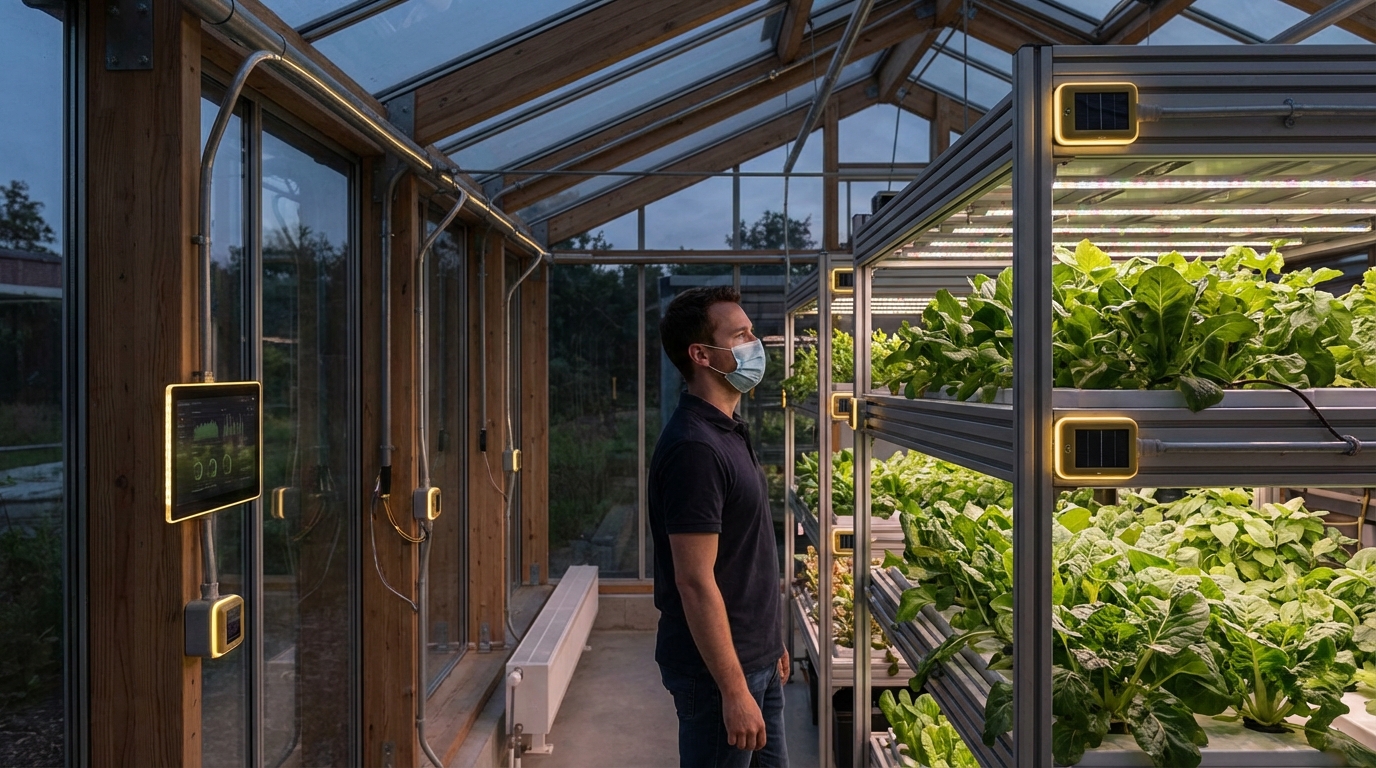
Self-powered sensors that convert ambient energy into electricity for industrial monitoring
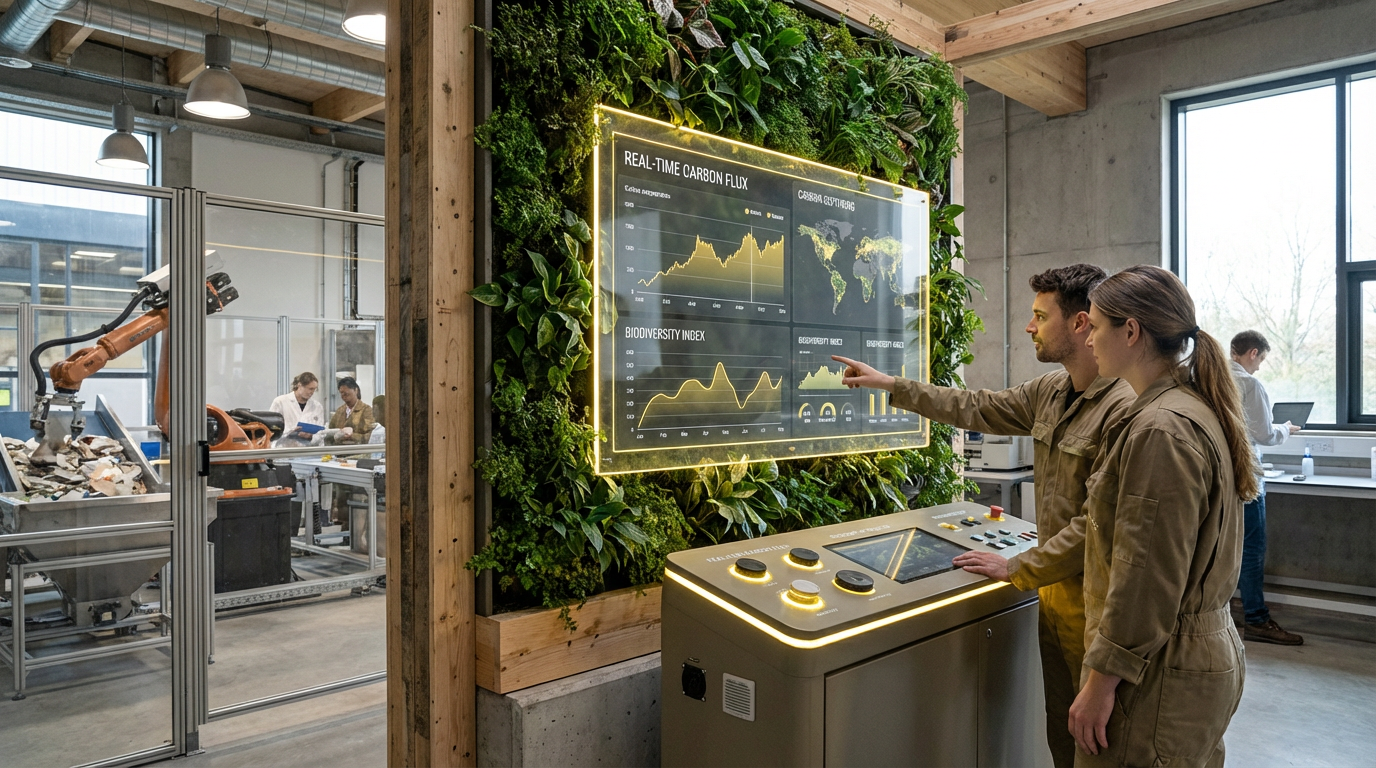
Real-time monitoring systems that track emissions, resource use, and environmental footprint across operations
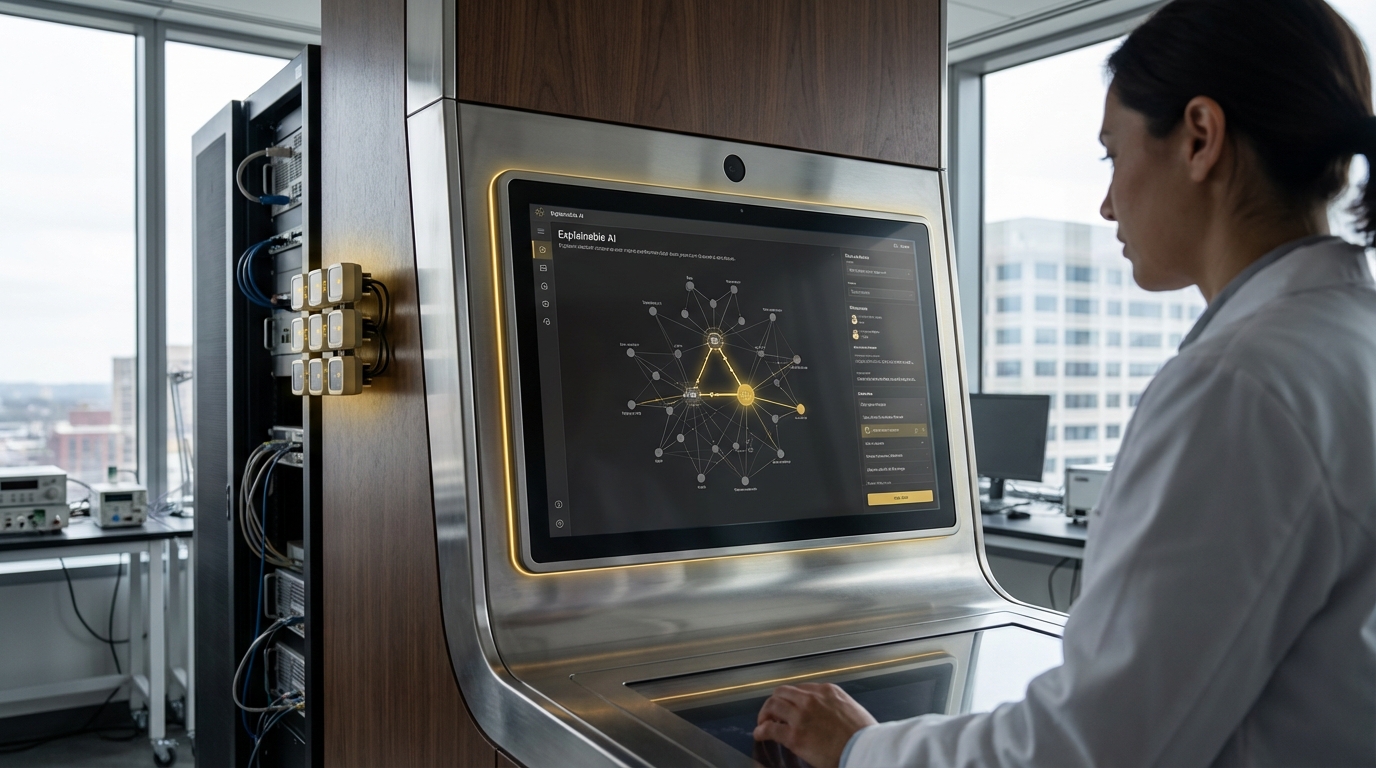
Tools that reveal how AI models make decisions and enable human oversight of automated systems
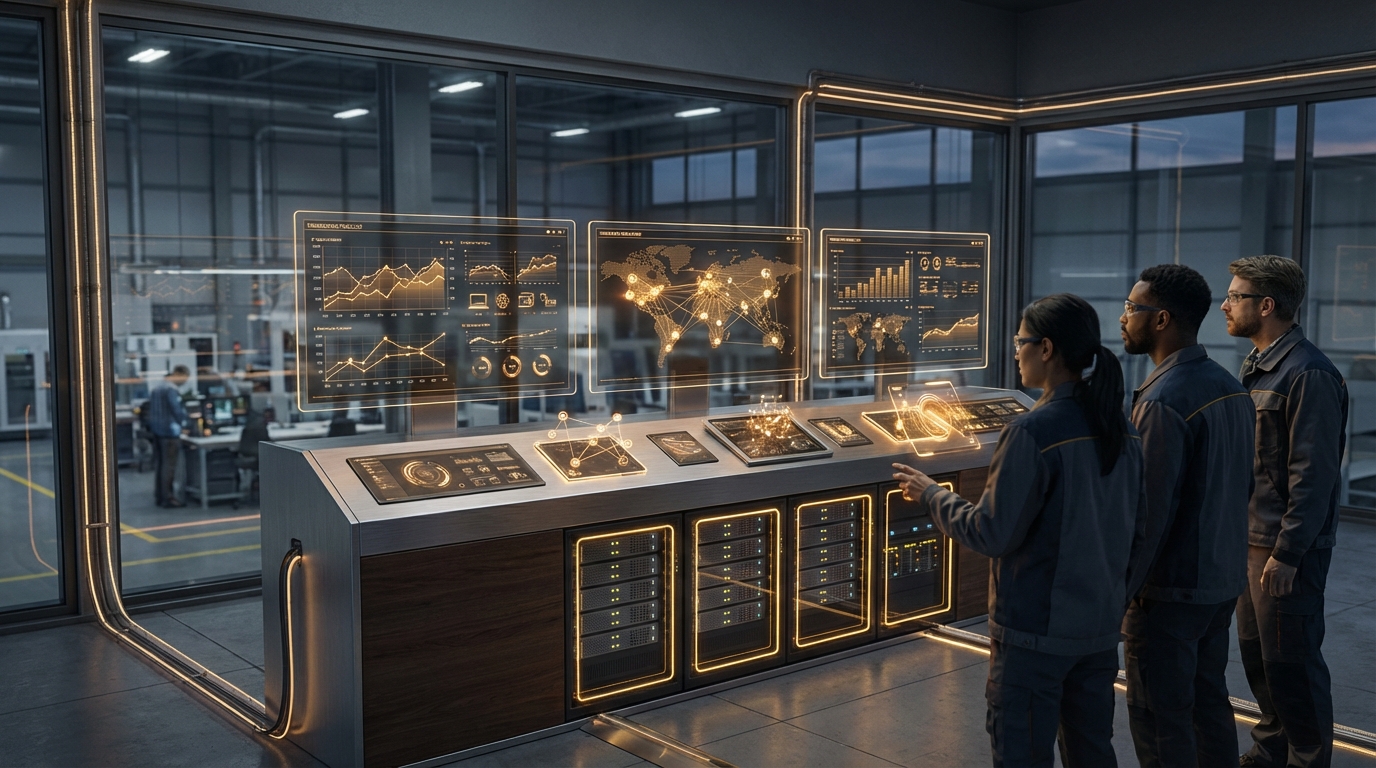
Machine learning systems that train models across distributed sites without centralizing sensitive data
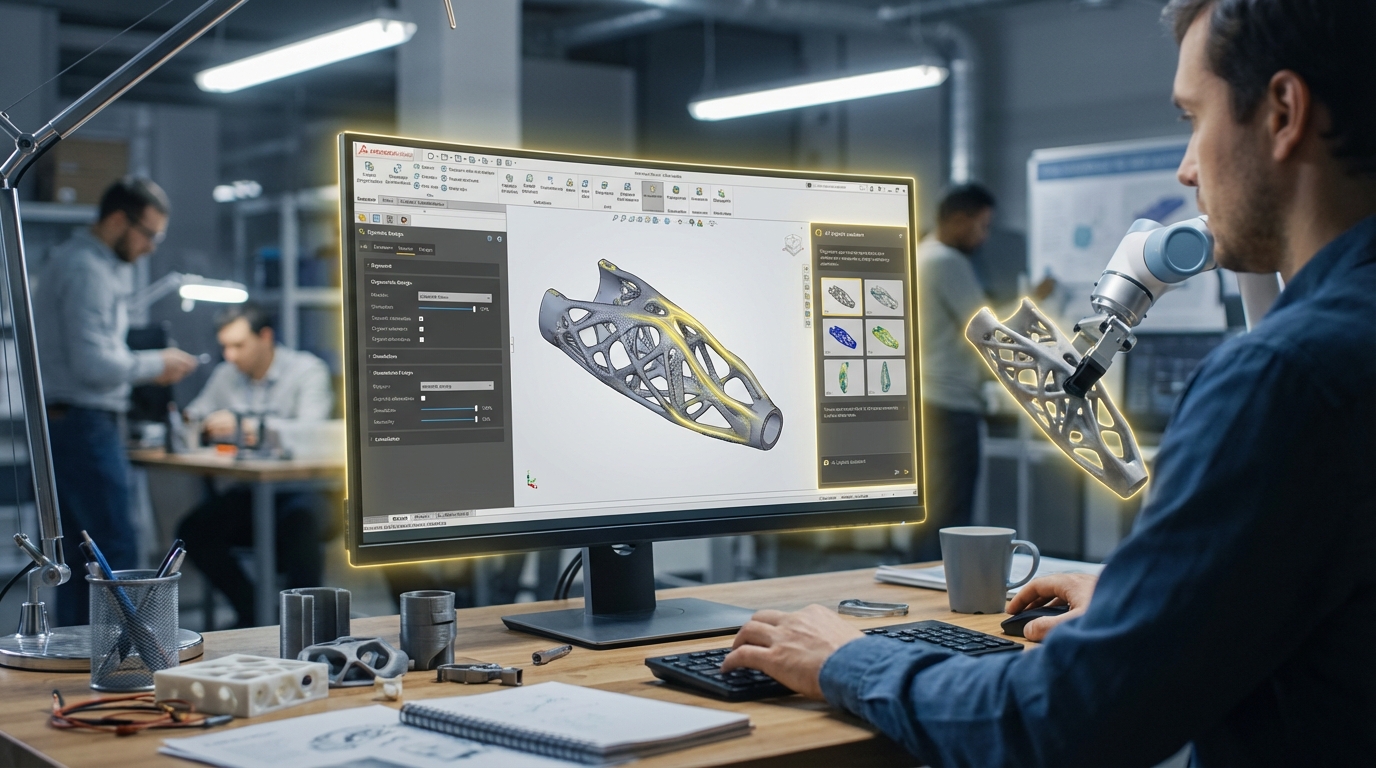
AI-driven CAD tools that generate and validate design alternatives based on engineering constraints
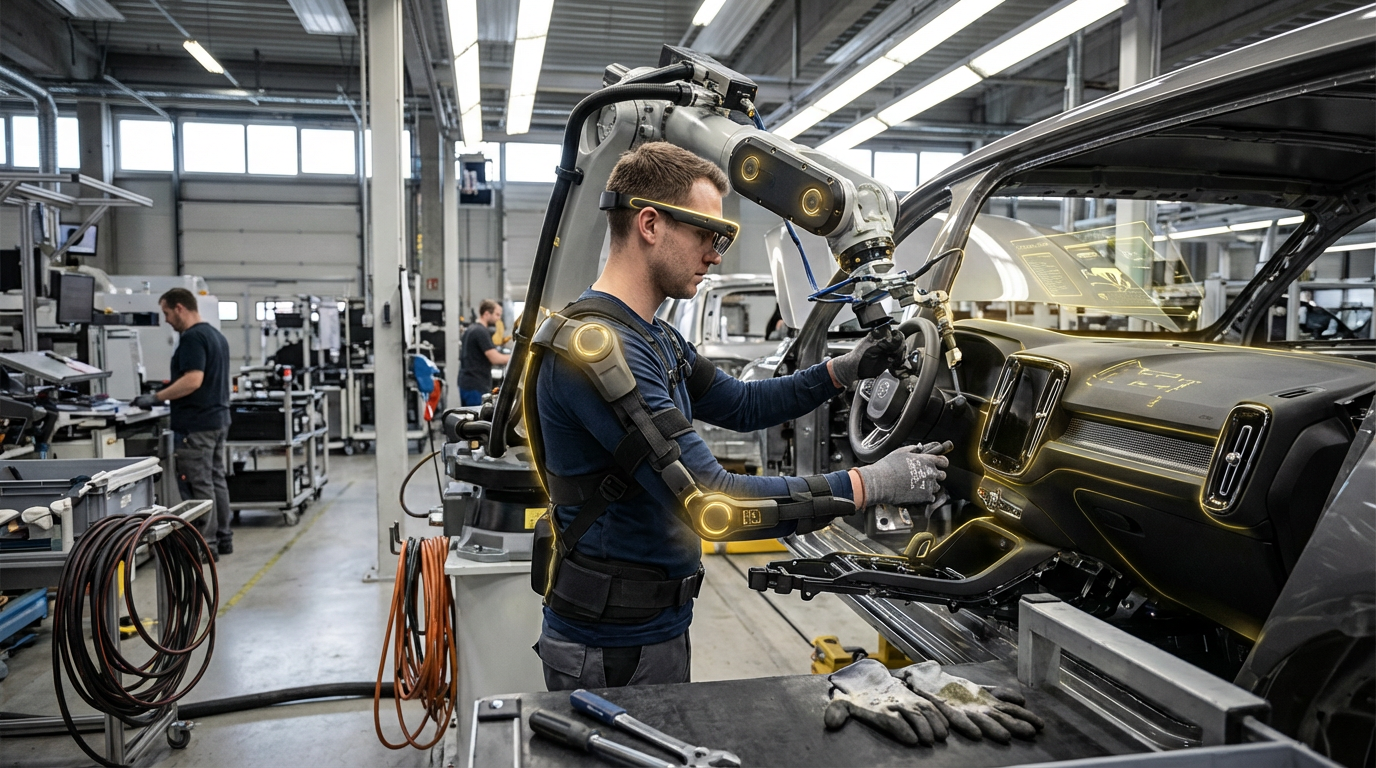
Workstations combining collaborative robots, AR interfaces, and exoskeletons to enhance worker capabilities
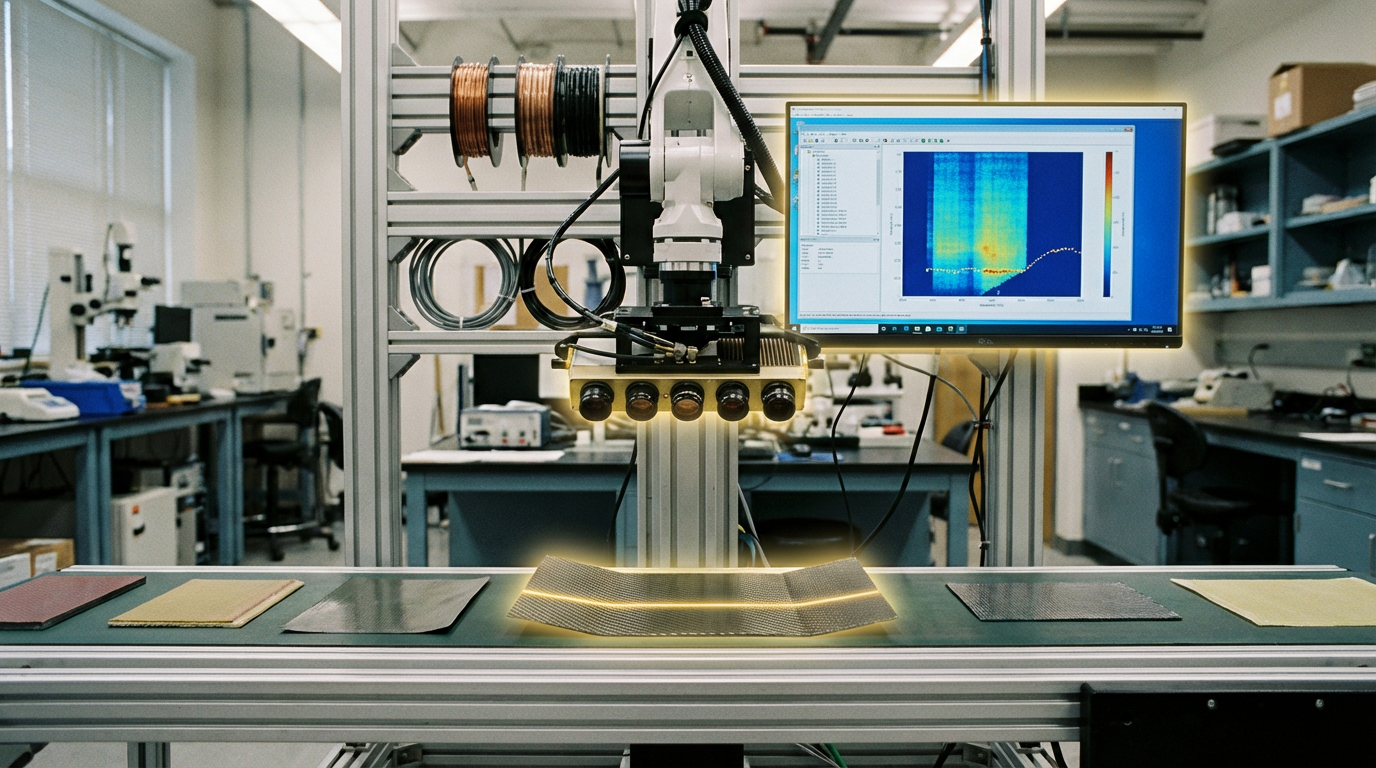
Multi-wavelength imaging that identifies materials and detects defects invisible to standard cameras

Manufacturing materials and structures in space using microgravity conditions
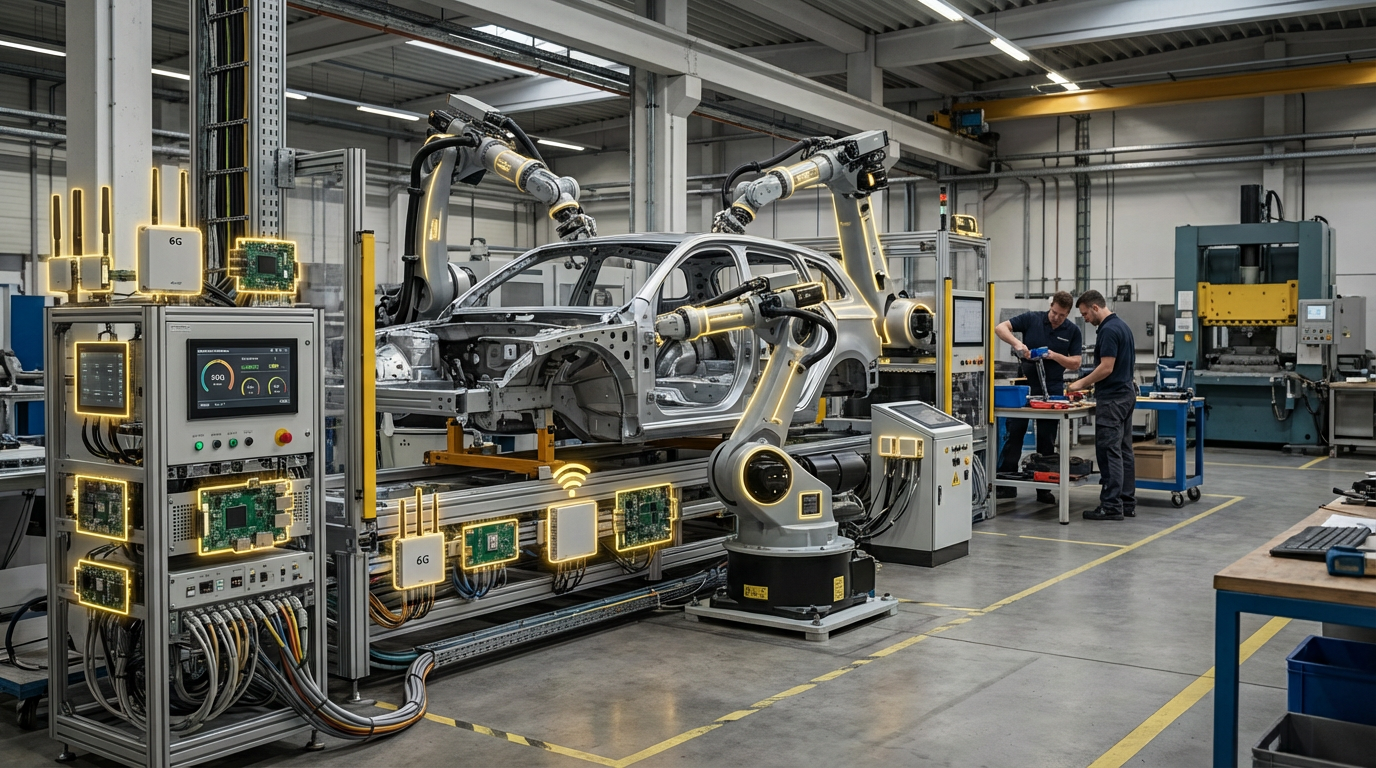
Next-gen wireless with guaranteed latency for factory automation and robotics
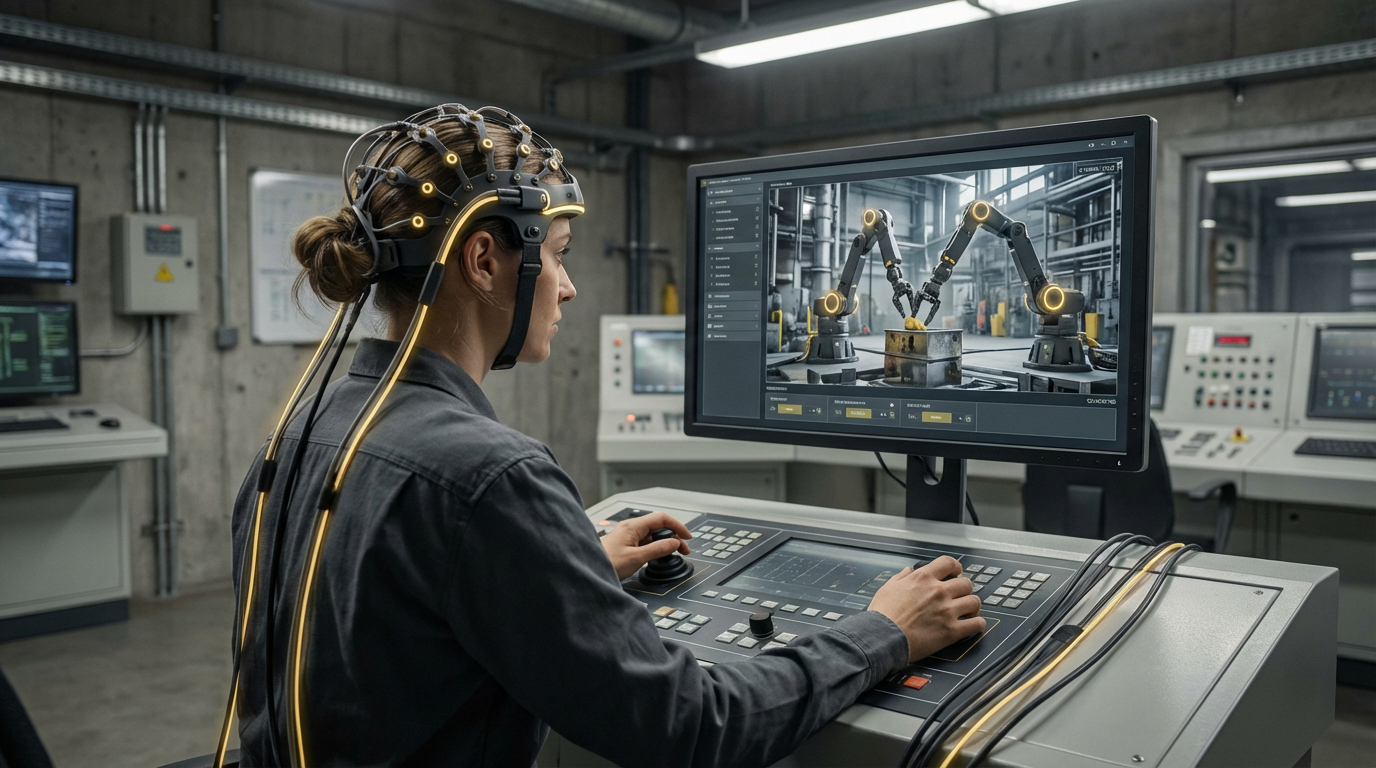
Neural signal control of industrial machinery and robotic systems through EEG and EMG interfaces
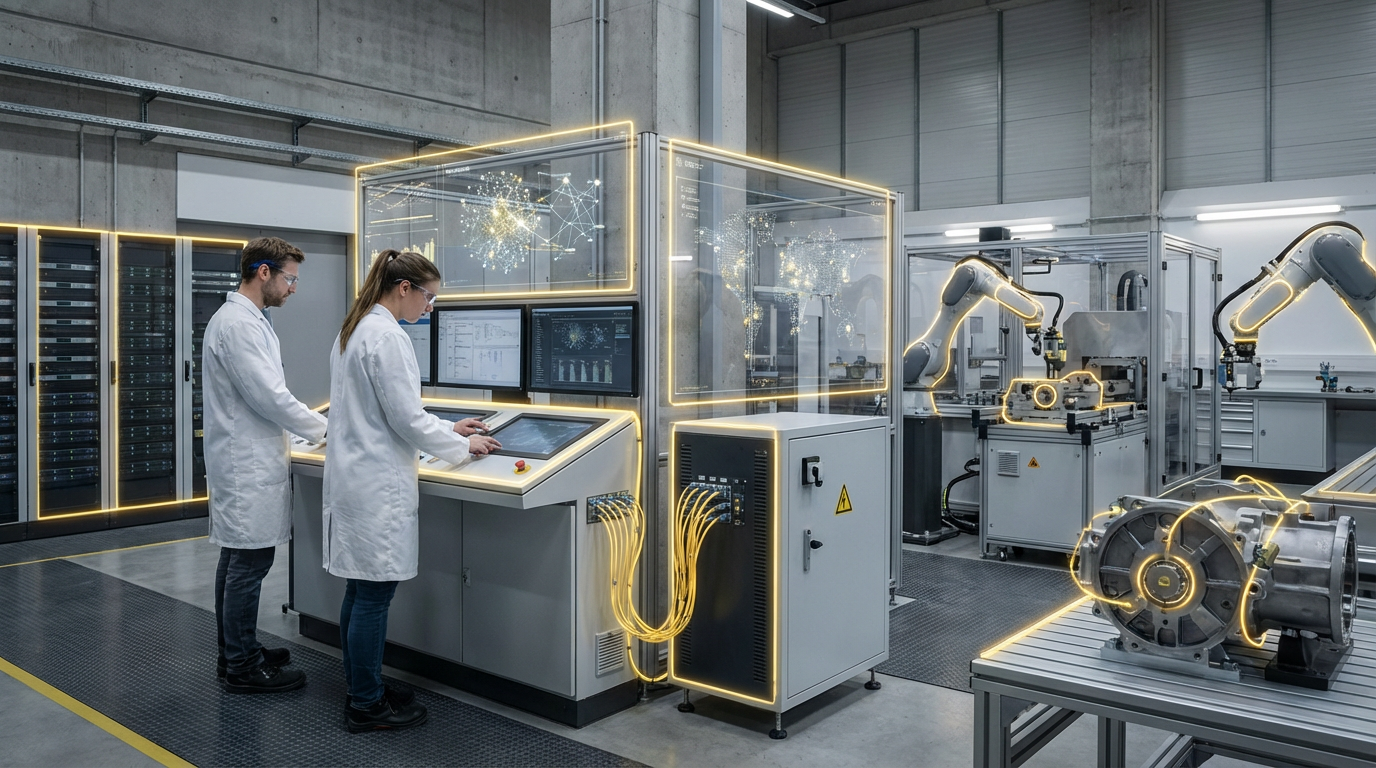
Federated architectures enabling secure, sovereign data exchange between industrial partners
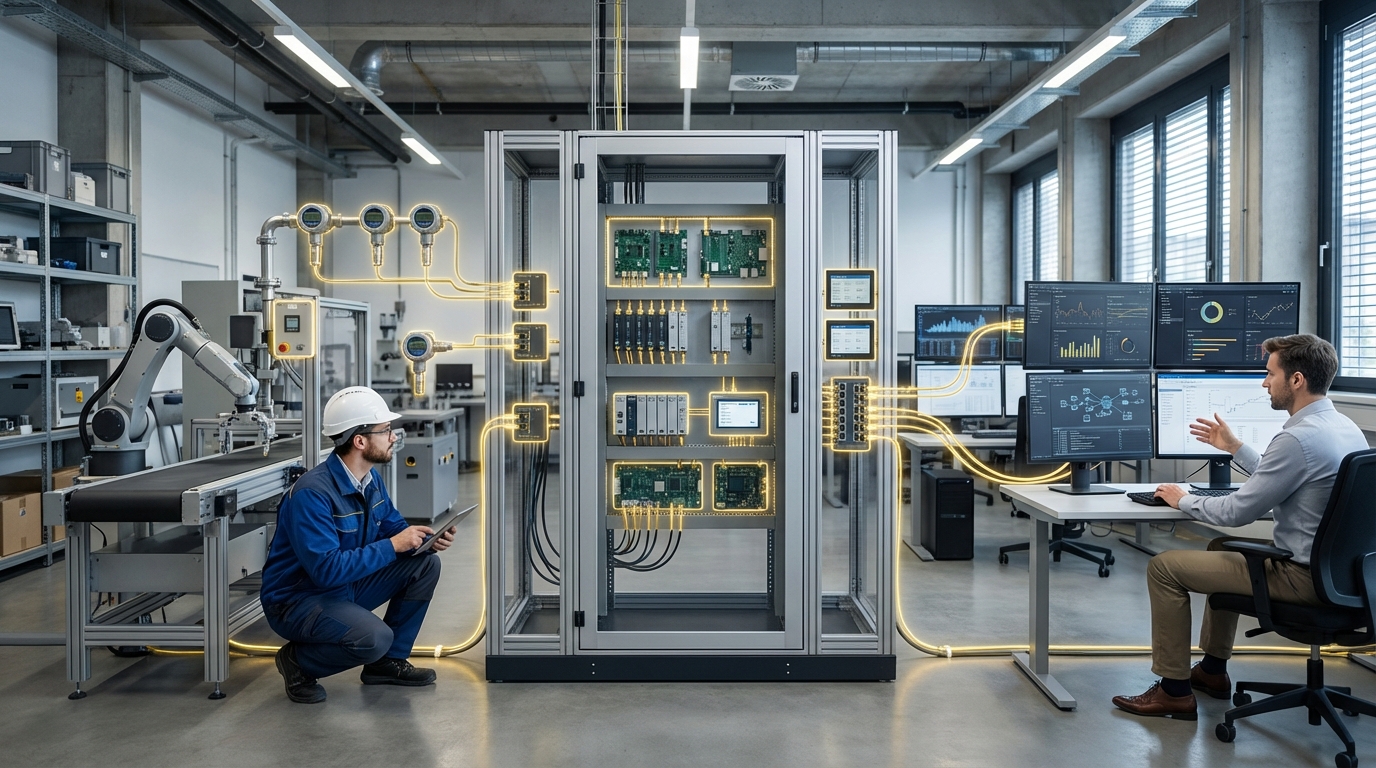
Software layer connecting factory floor equipment with enterprise IT systems
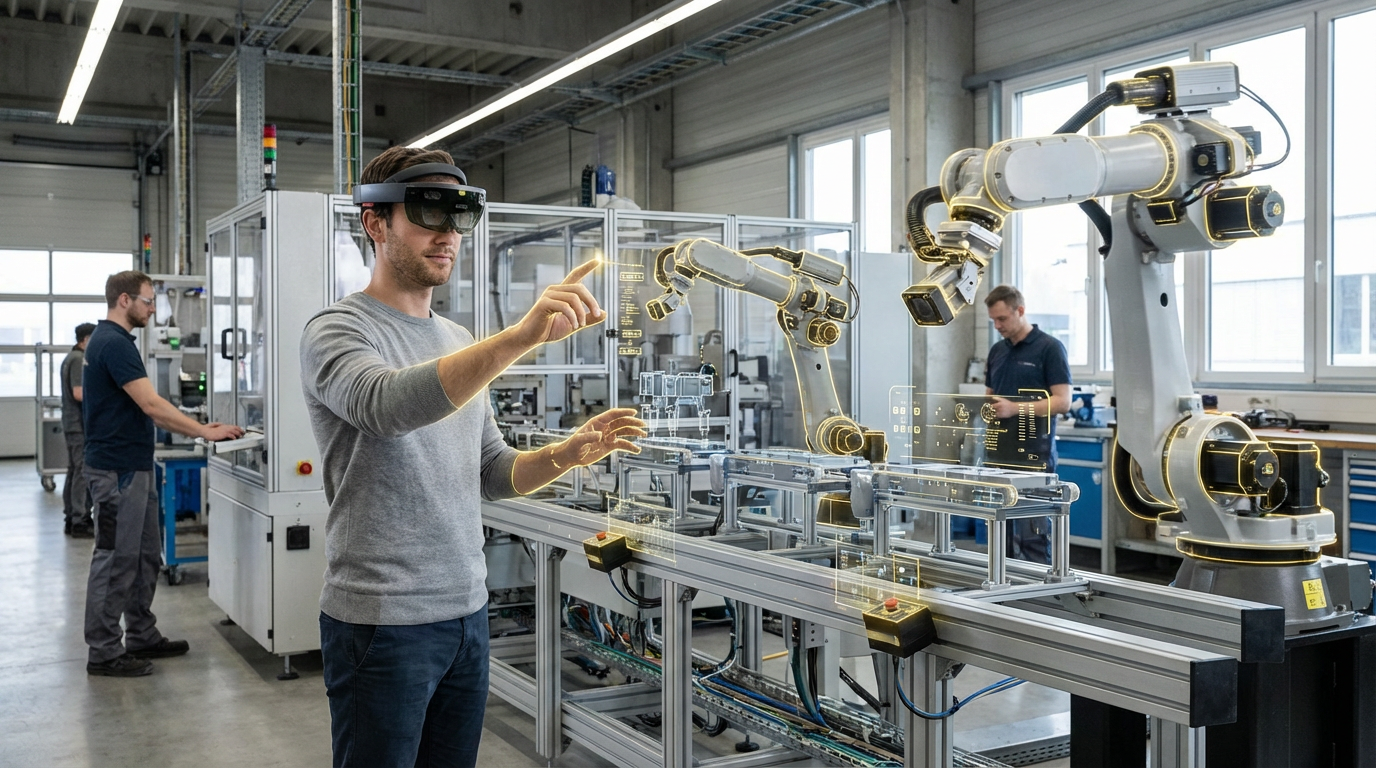
Interactive virtual replicas of factories and industrial systems for collaborative planning and optimization
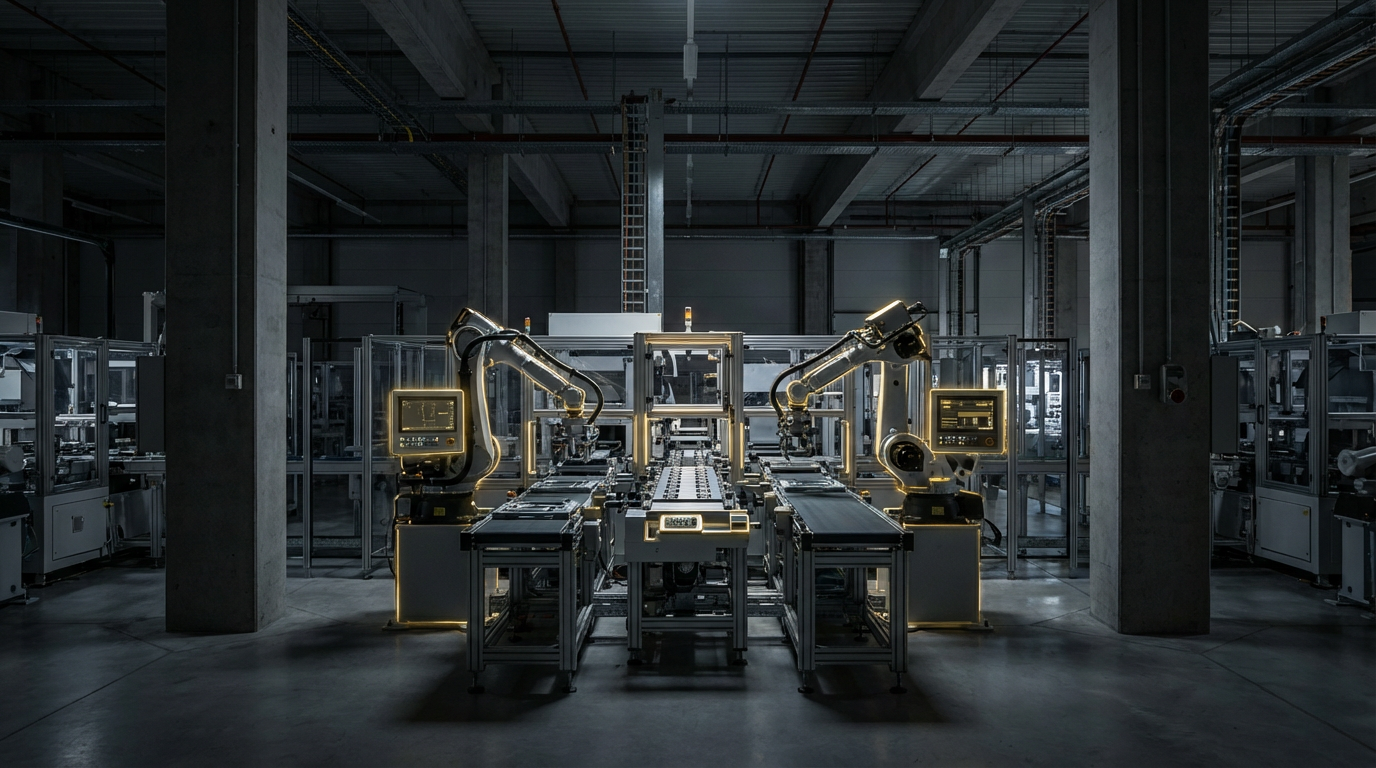
Fully automated factories running continuously with zero human supervision on-site
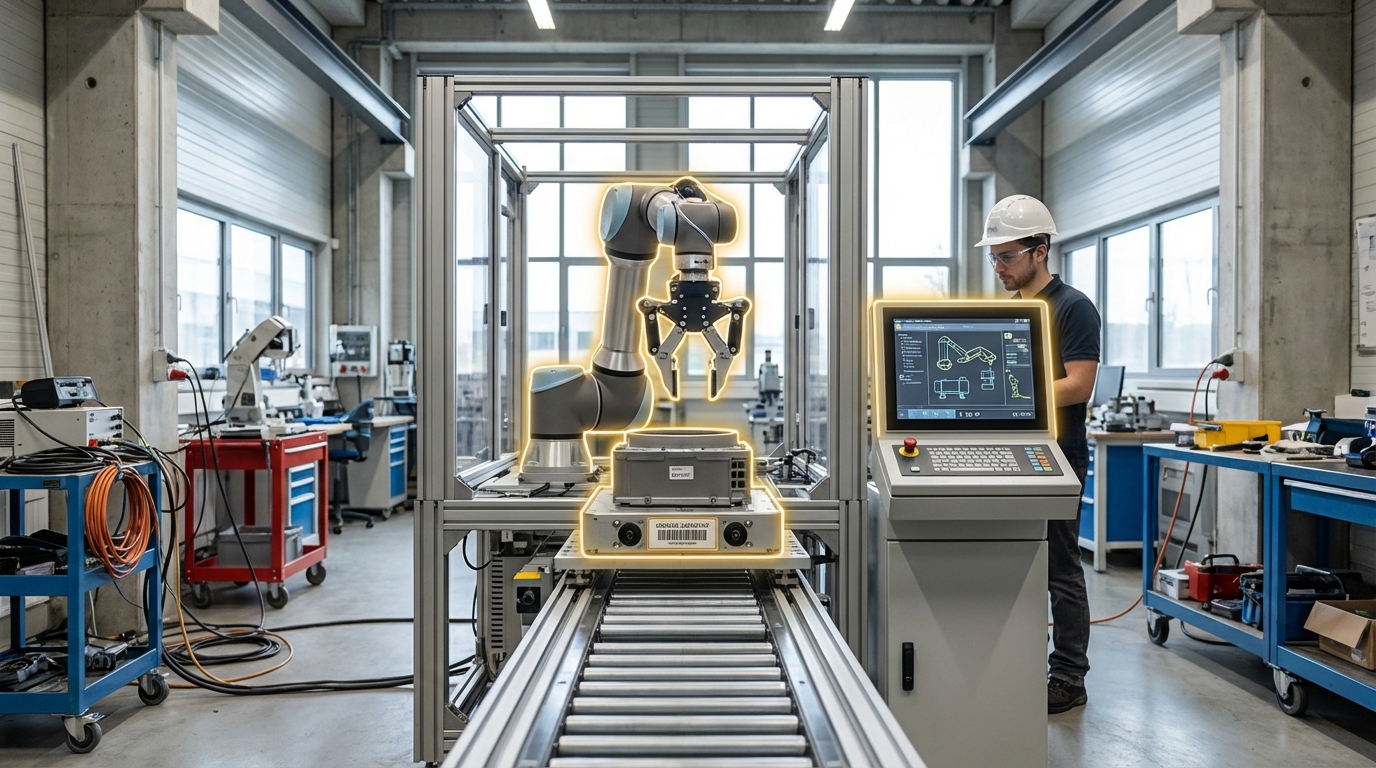
Manufacturing systems that produce unique products economically without retooling between units
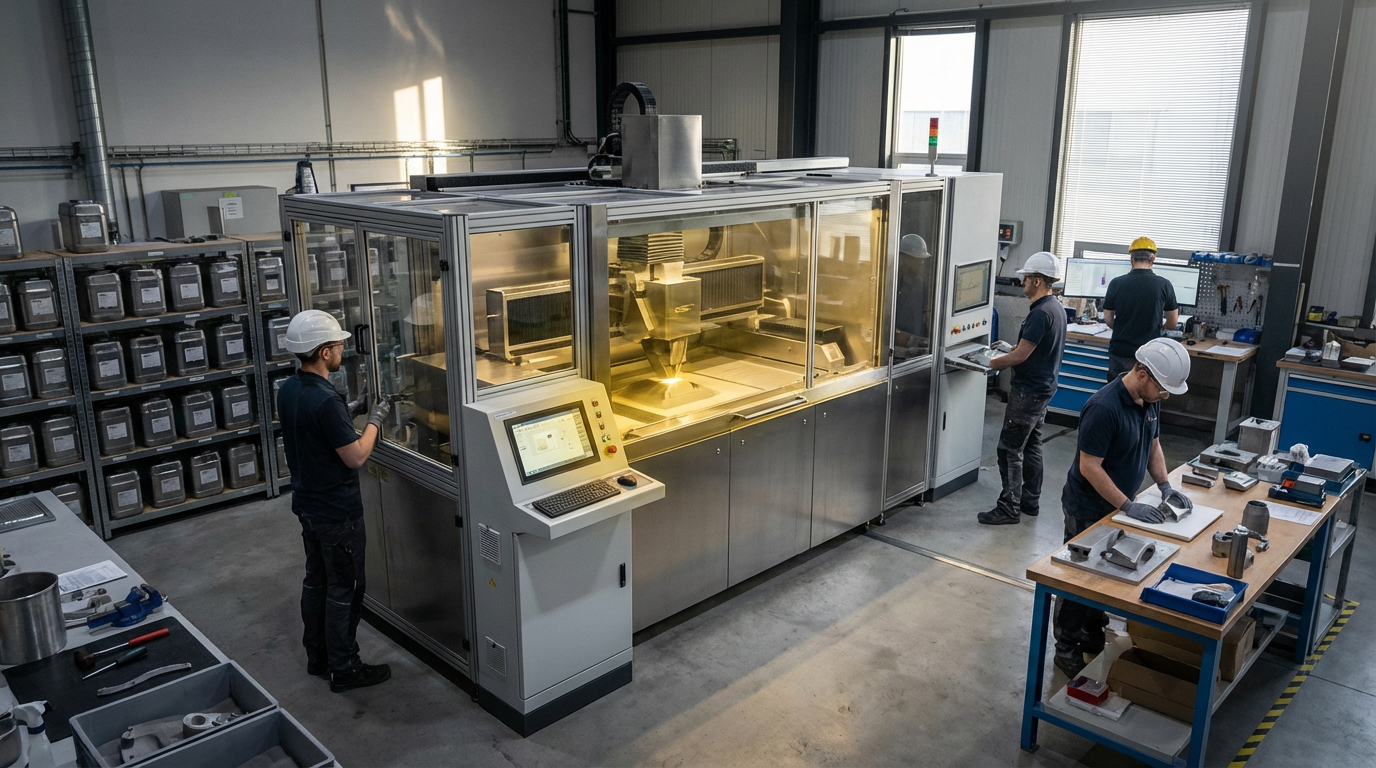
Layer-by-layer metal fabrication for geometries impossible with traditional machining
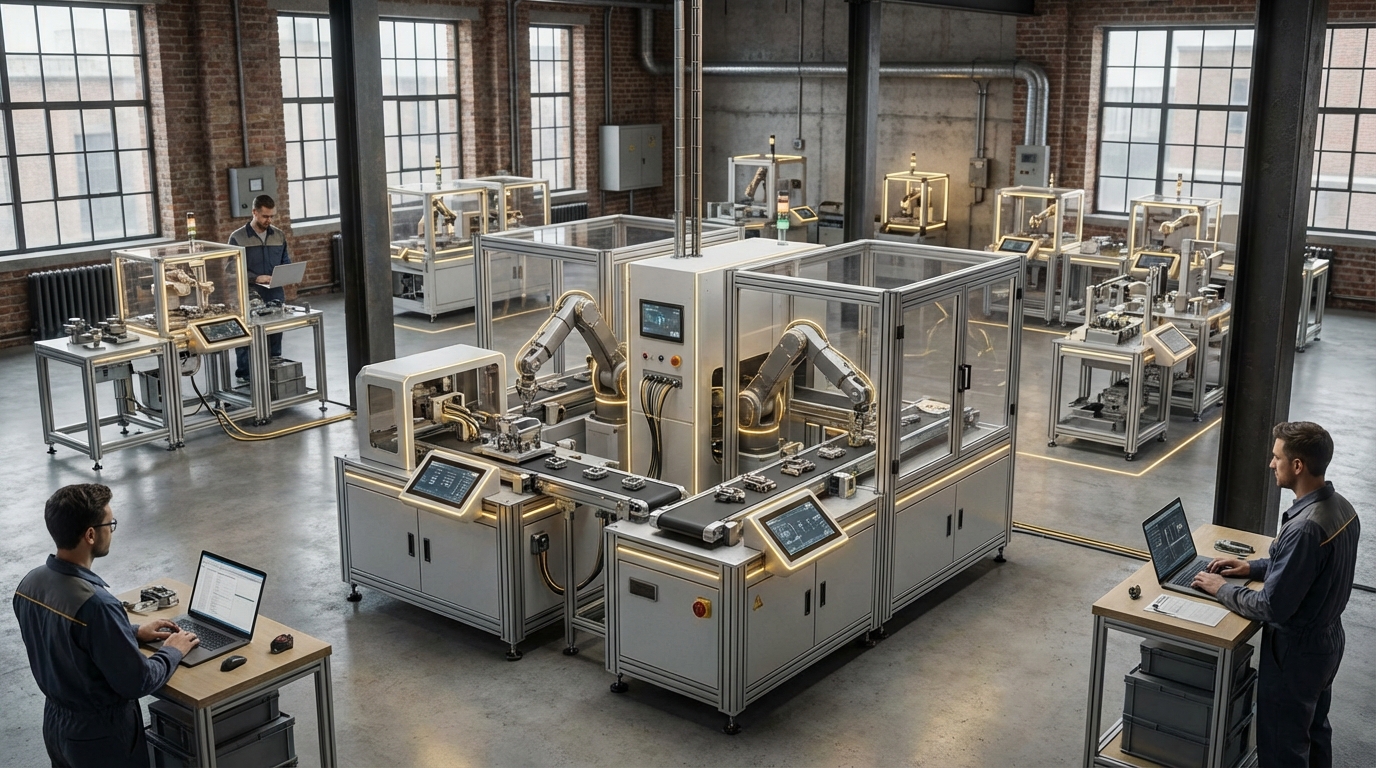
Compact, automated manufacturing cells that produce goods locally from digital designs
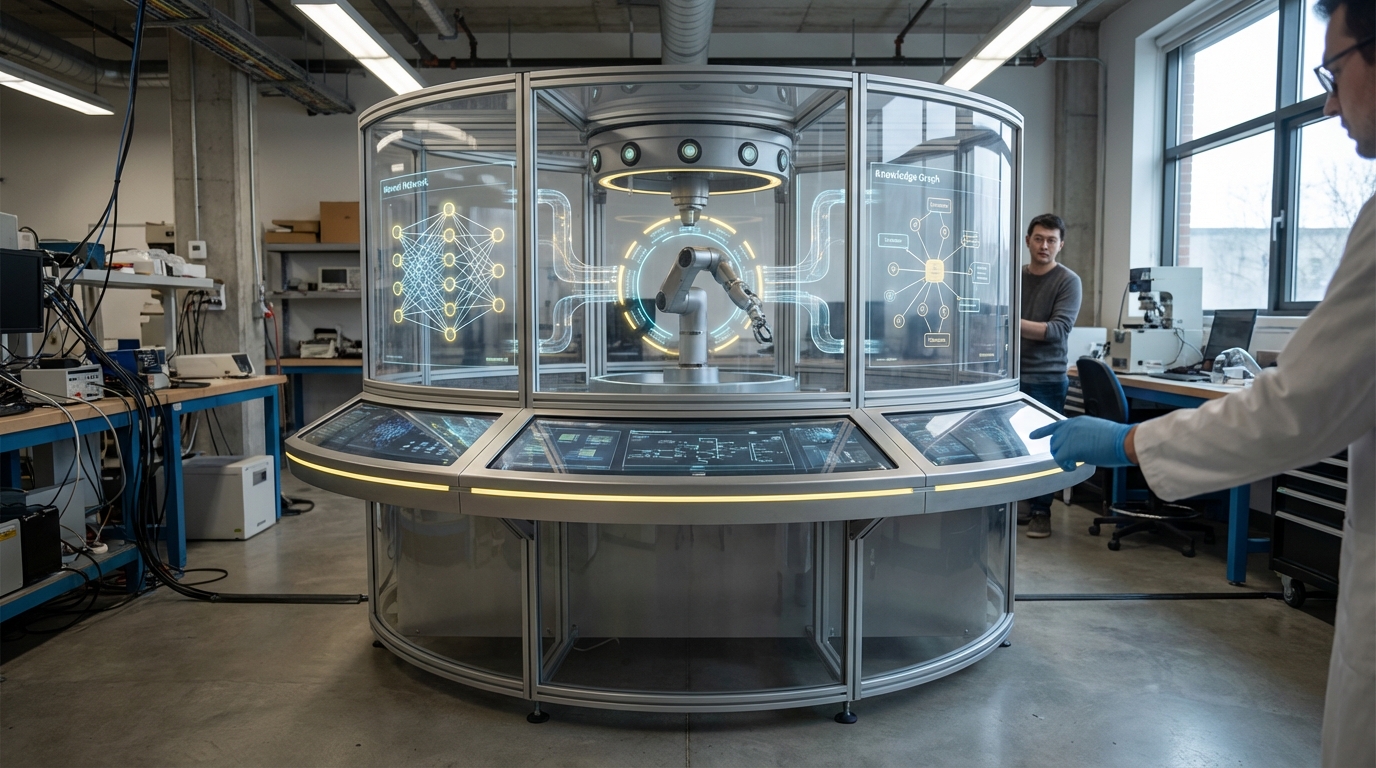
AI systems that combine neural network pattern recognition with rule-based logical reasoning
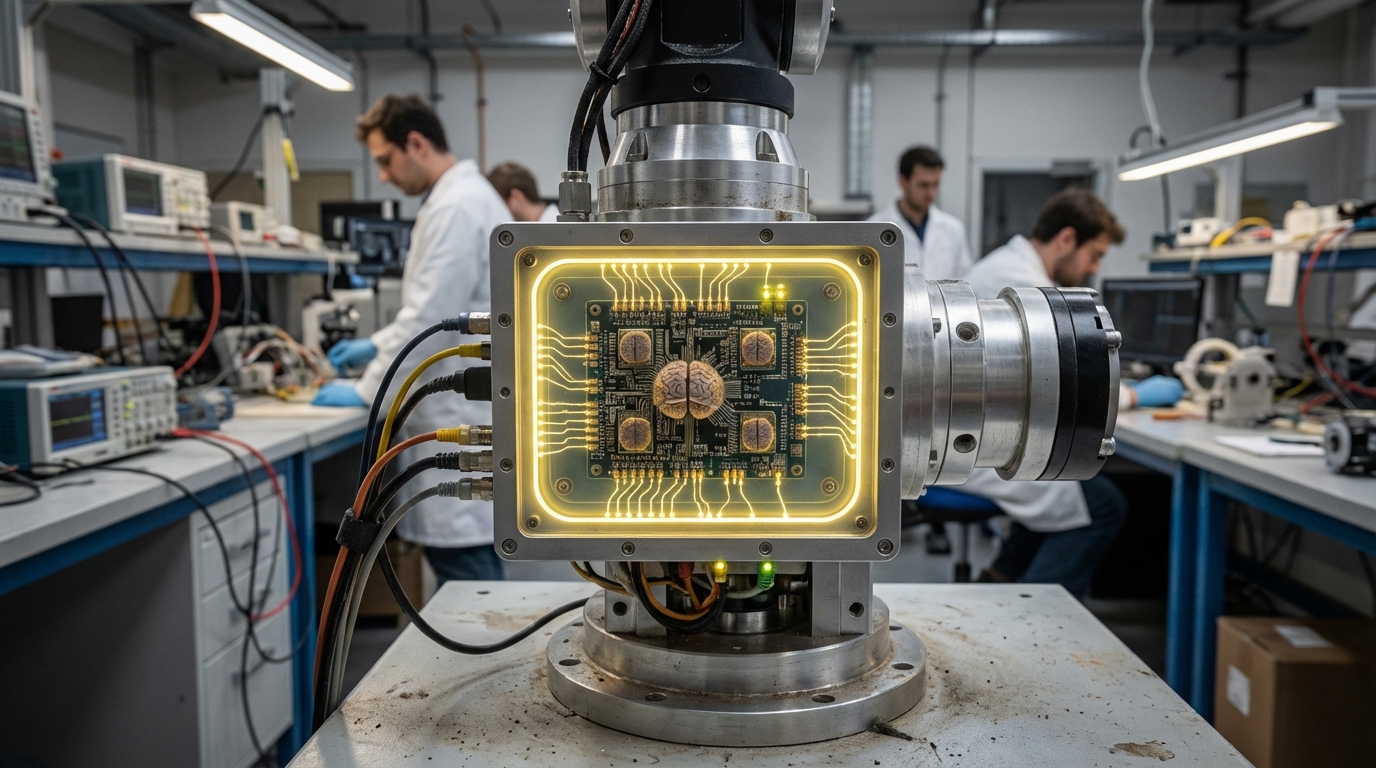
Brain-inspired chips that process AI locally using spiking neural networks for minimal power consumption
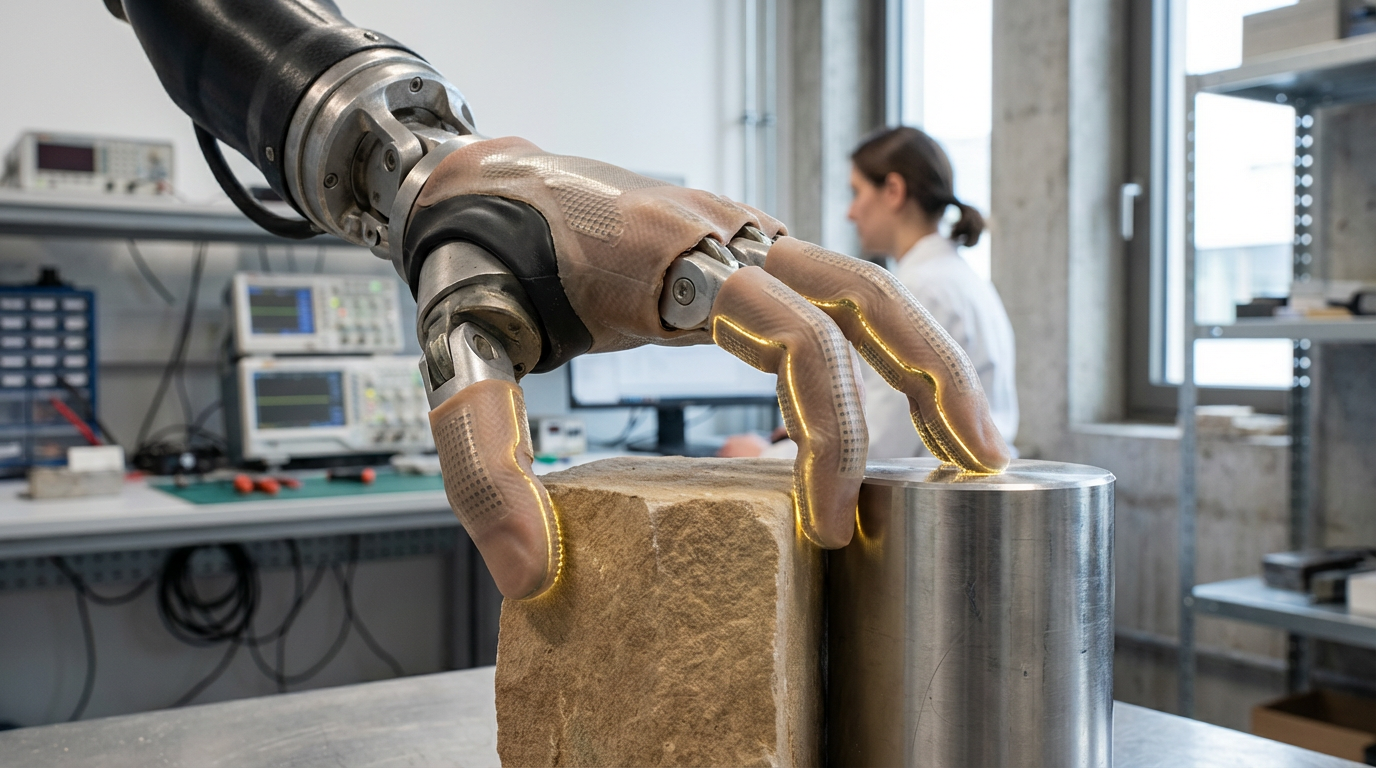
Event-driven touch sensors that detect texture and slip like biological skin
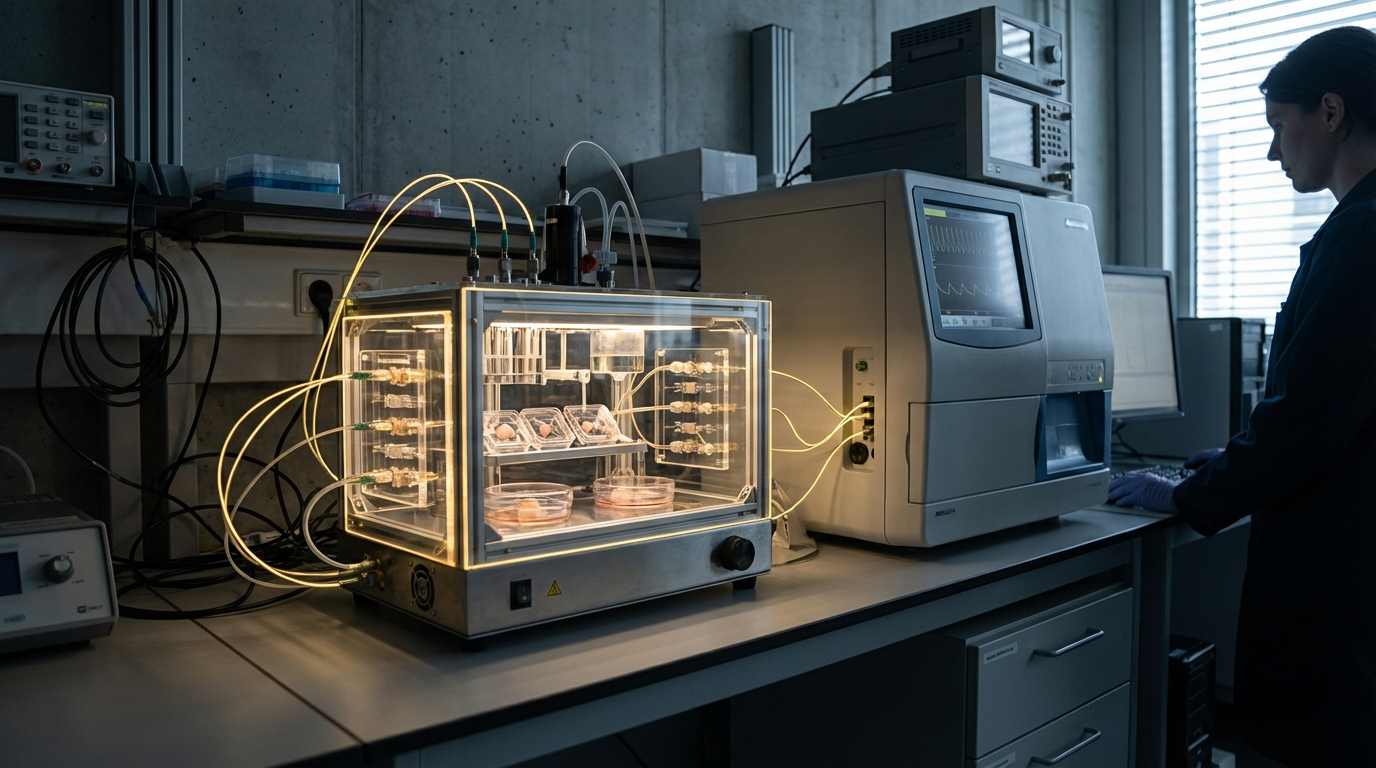
Computing systems using lab-grown neural tissue to process information through biological networks
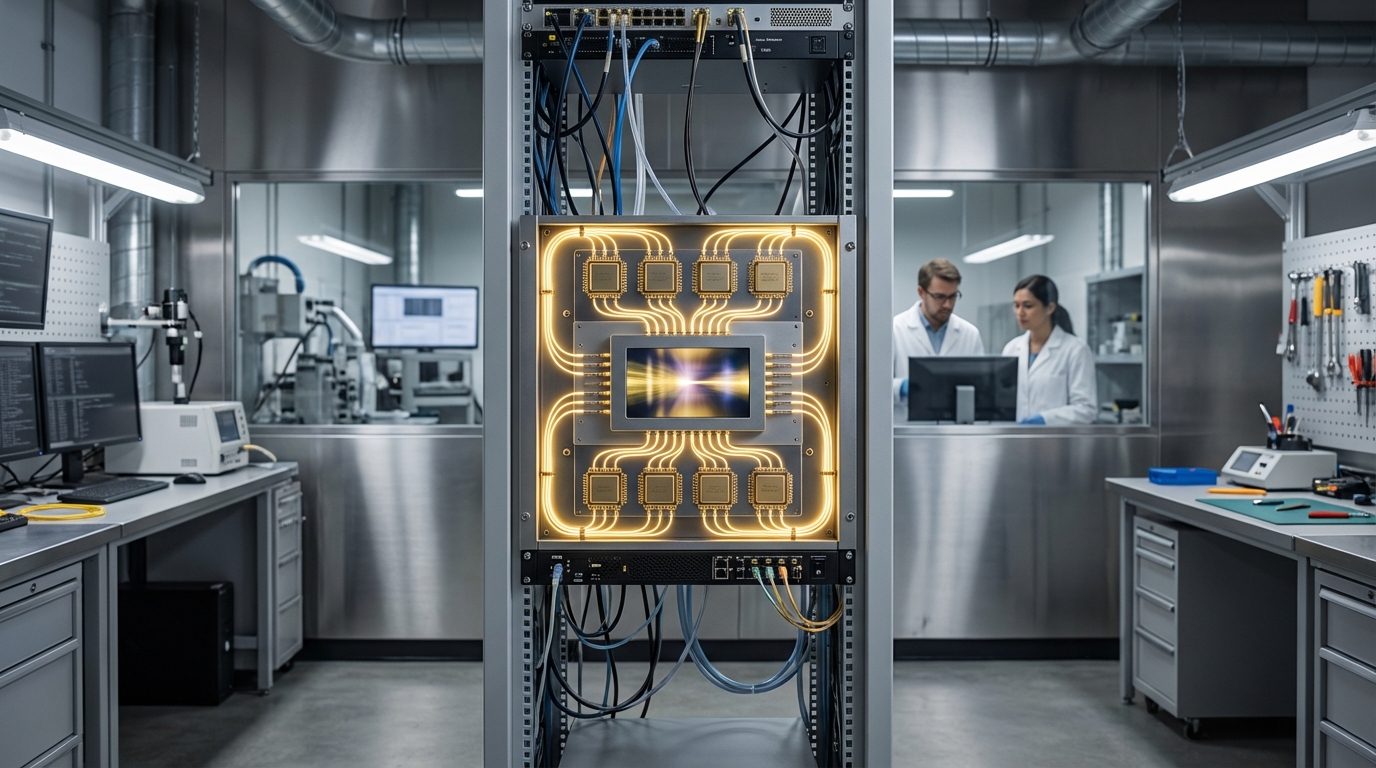
Processors using light instead of electrons for faster, more efficient AI computation
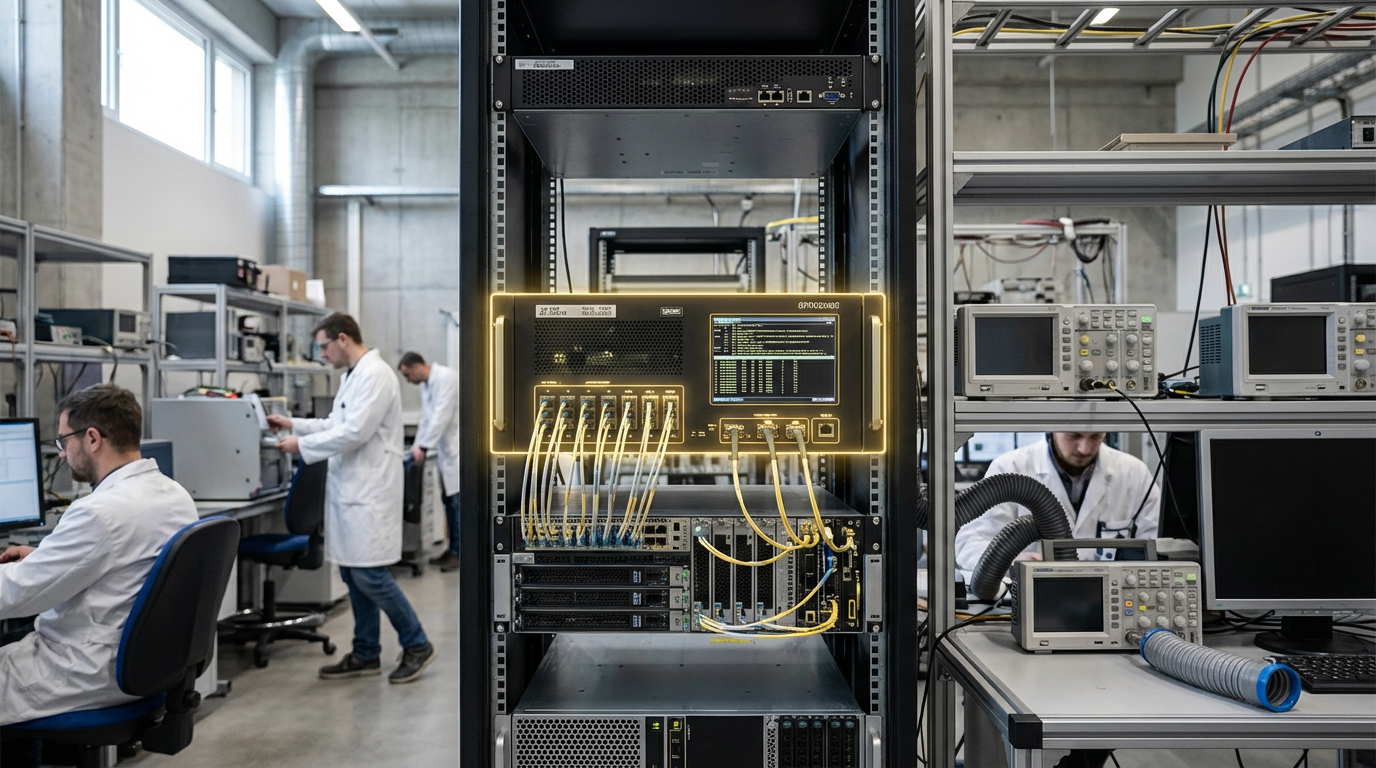
Encryption methods designed to withstand attacks from quantum computers
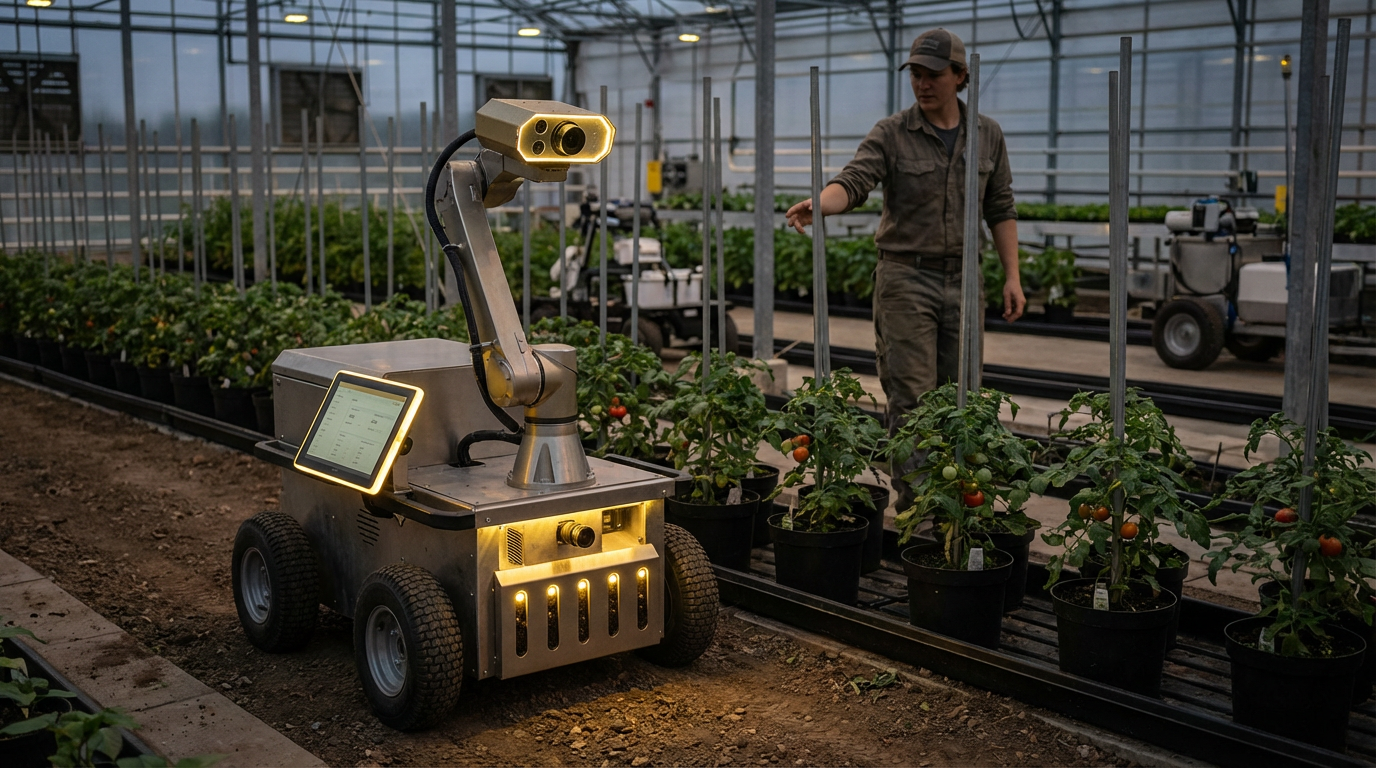
AI-driven robots and sensors that monitor crops and automate field operations in real time
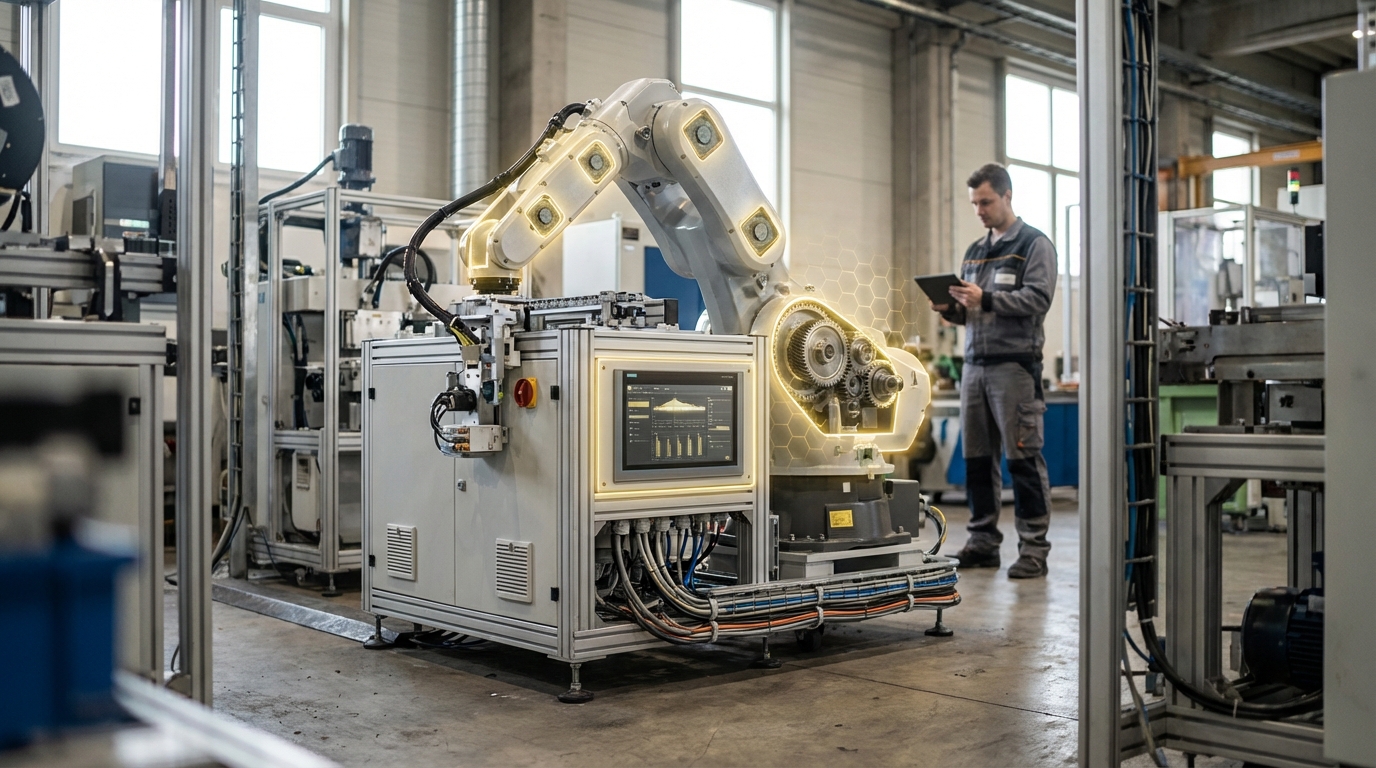
AI-driven systems that forecast equipment failures using real-time sensor data and machine learning
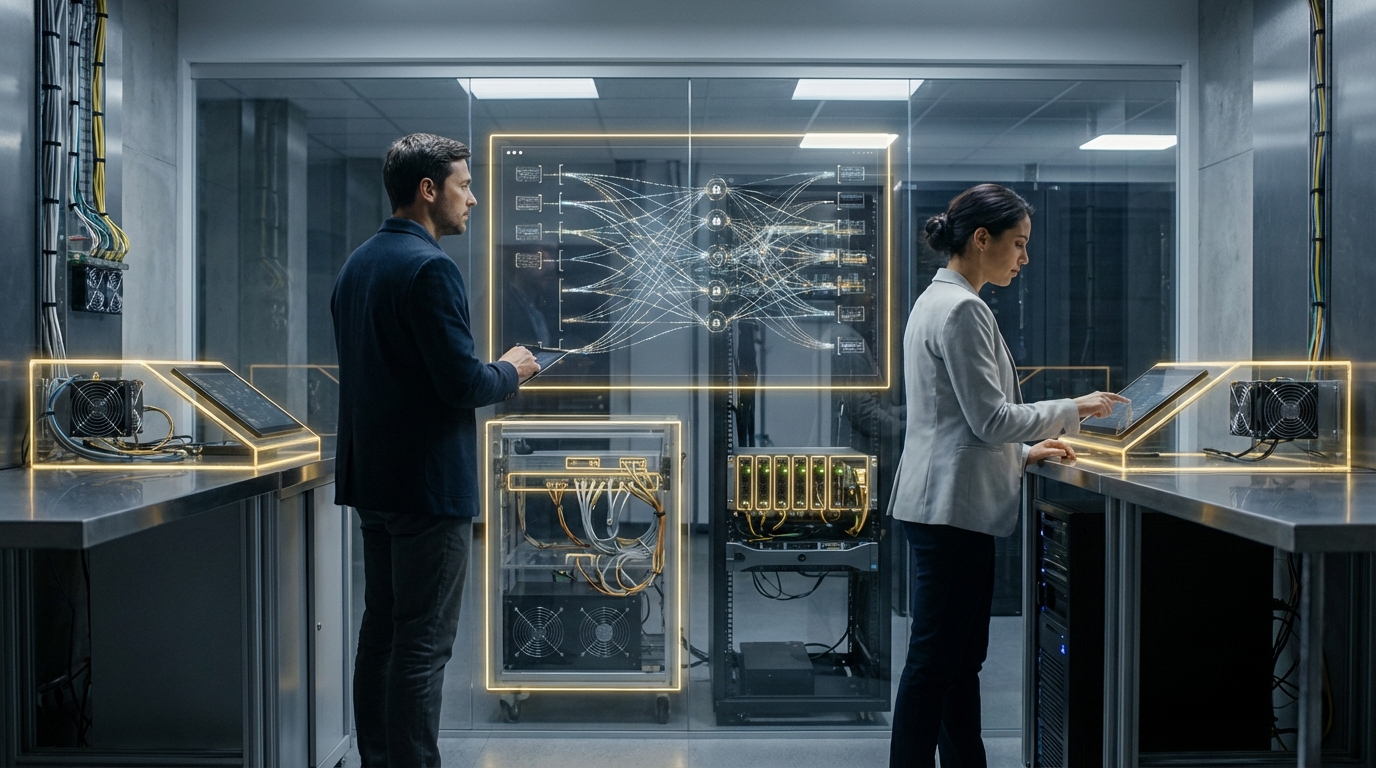
Cryptographic methods enabling secure computation on encrypted data without exposing sensitive information
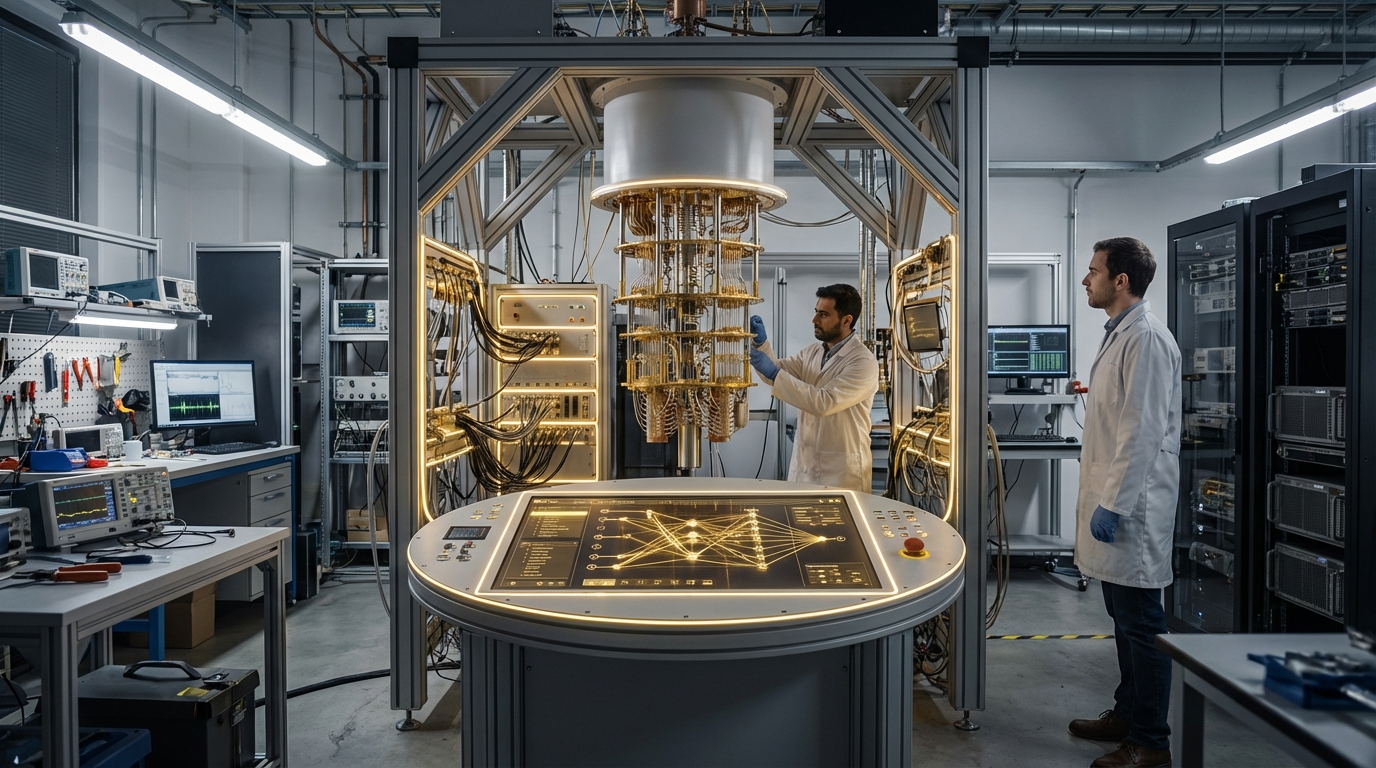
Quantum processors tackling complex scheduling, routing, and optimization problems in manufacturing
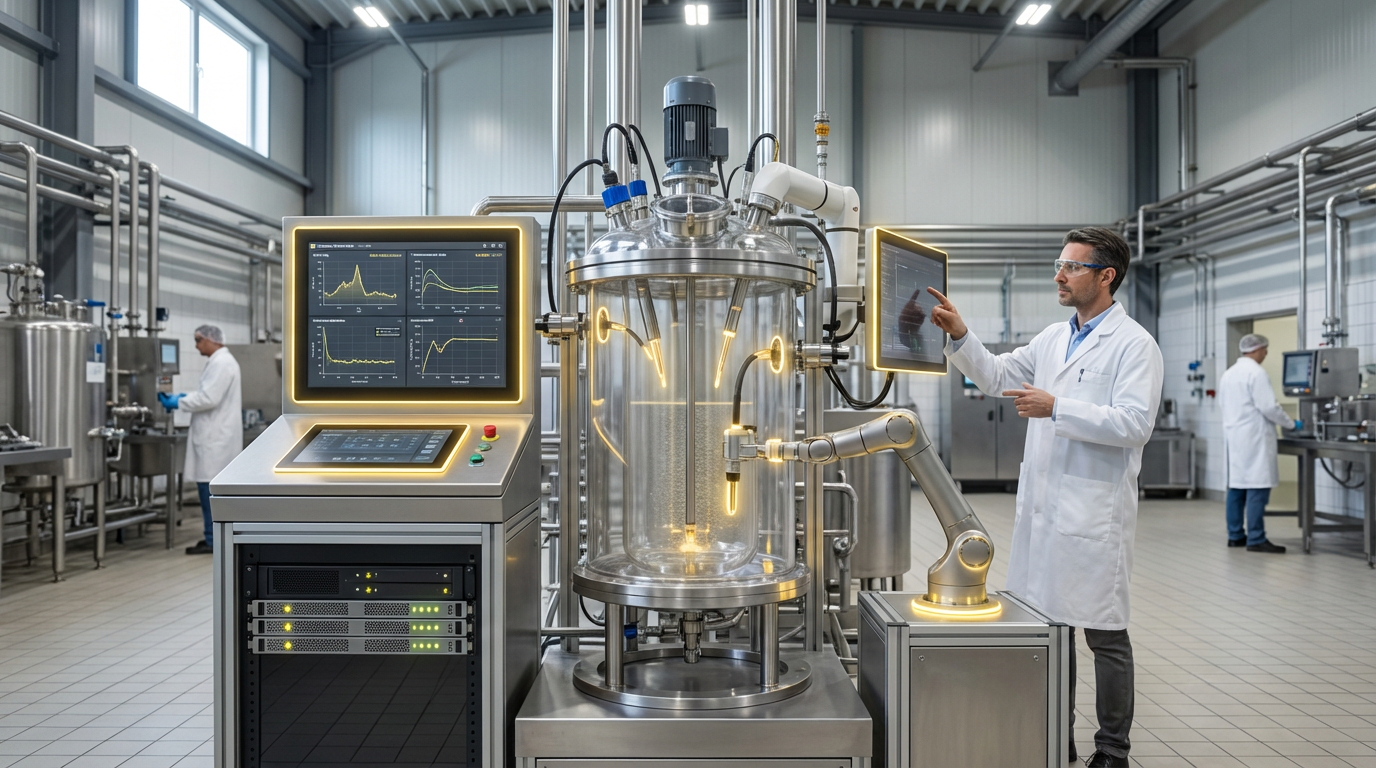
Automated monitoring and reporting systems that track industrial safety, environmental, and governance standards in real
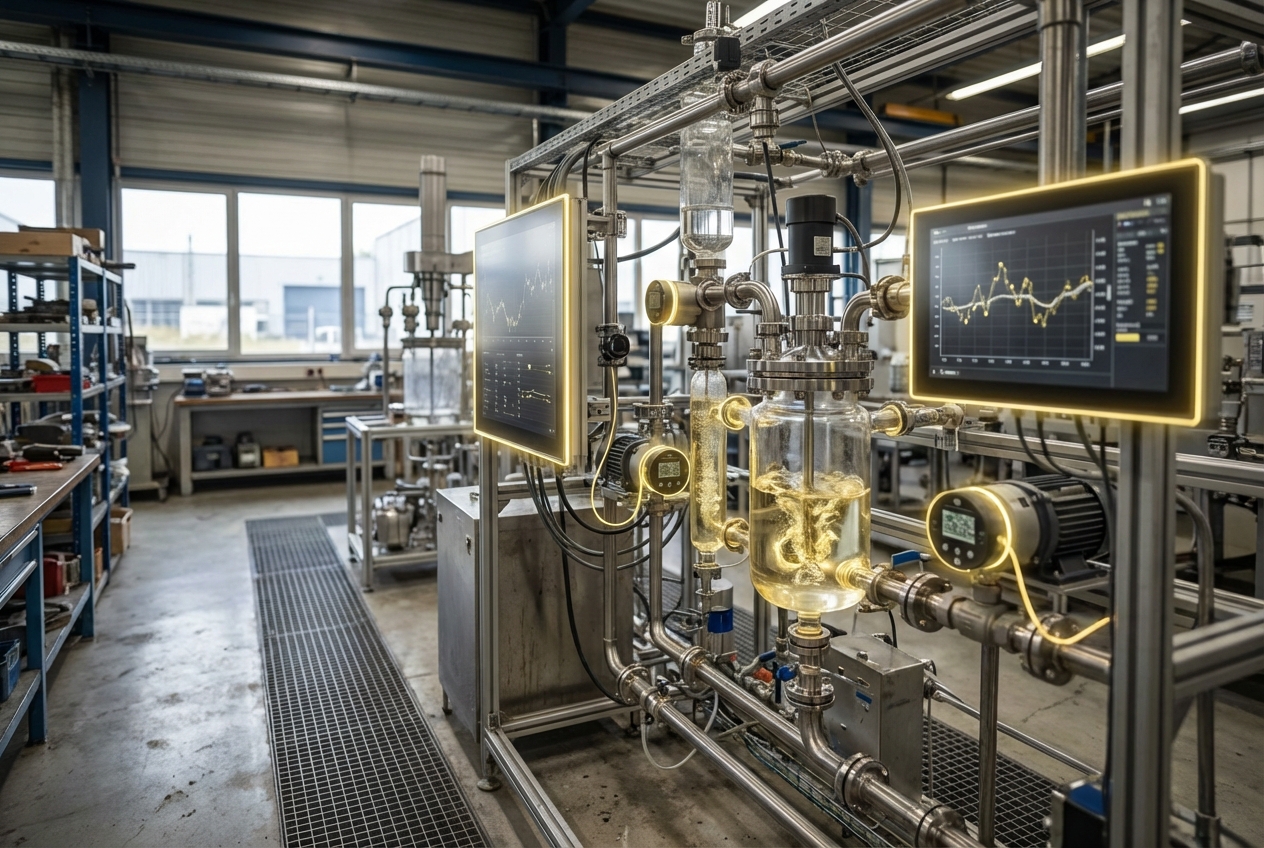
AI agents that learn optimal control strategies for non-linear industrial systems through trial and error
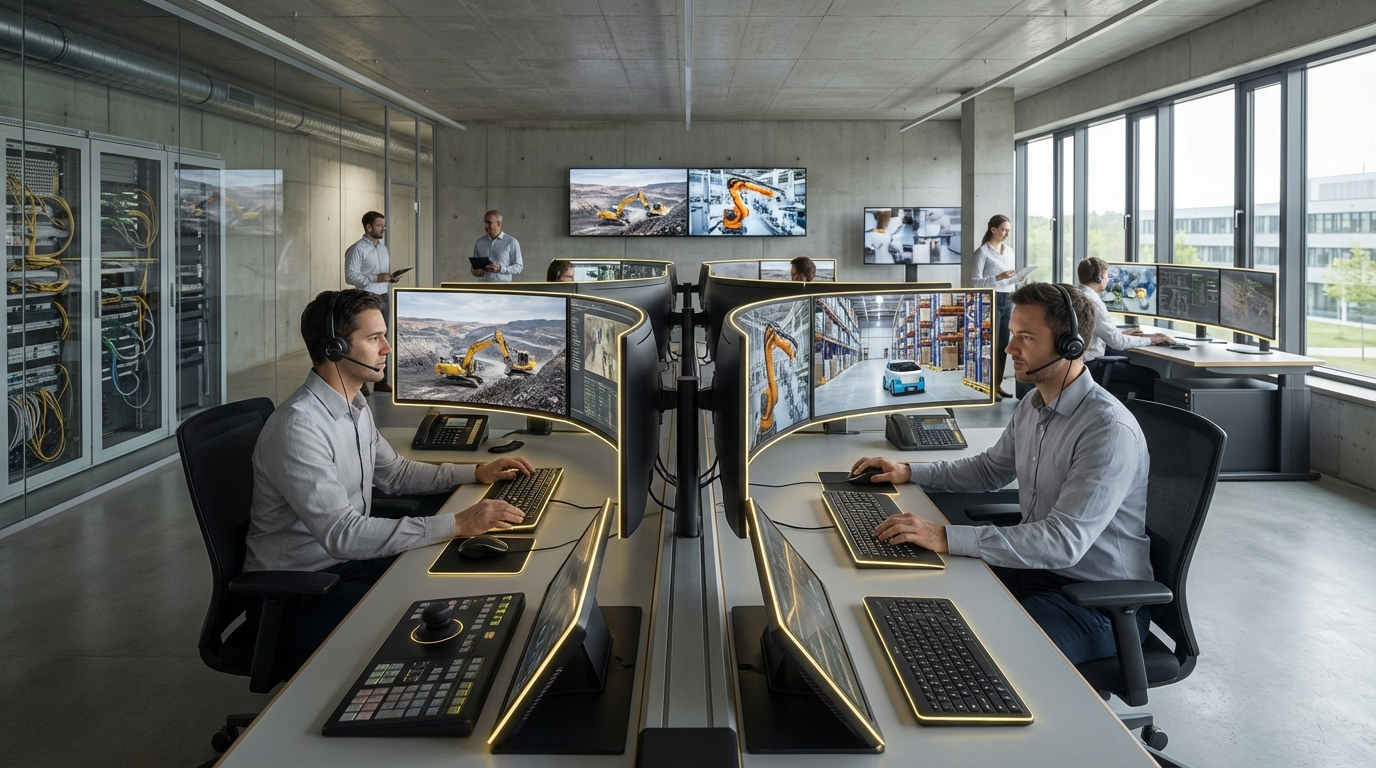
Centralized hubs for monitoring and controlling industrial operations across multiple remote sites
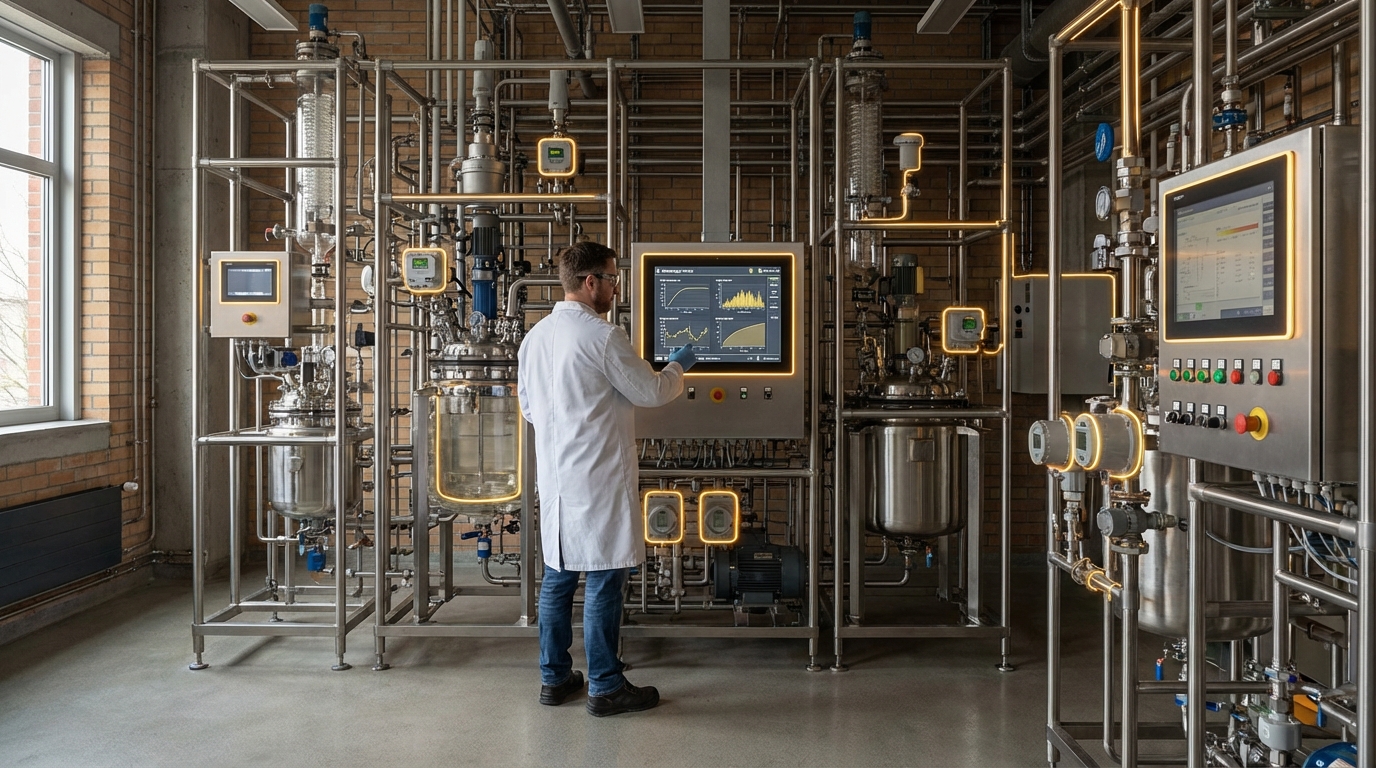
Industrial plants that autonomously adjust operations to maximize yield, efficiency, and safety
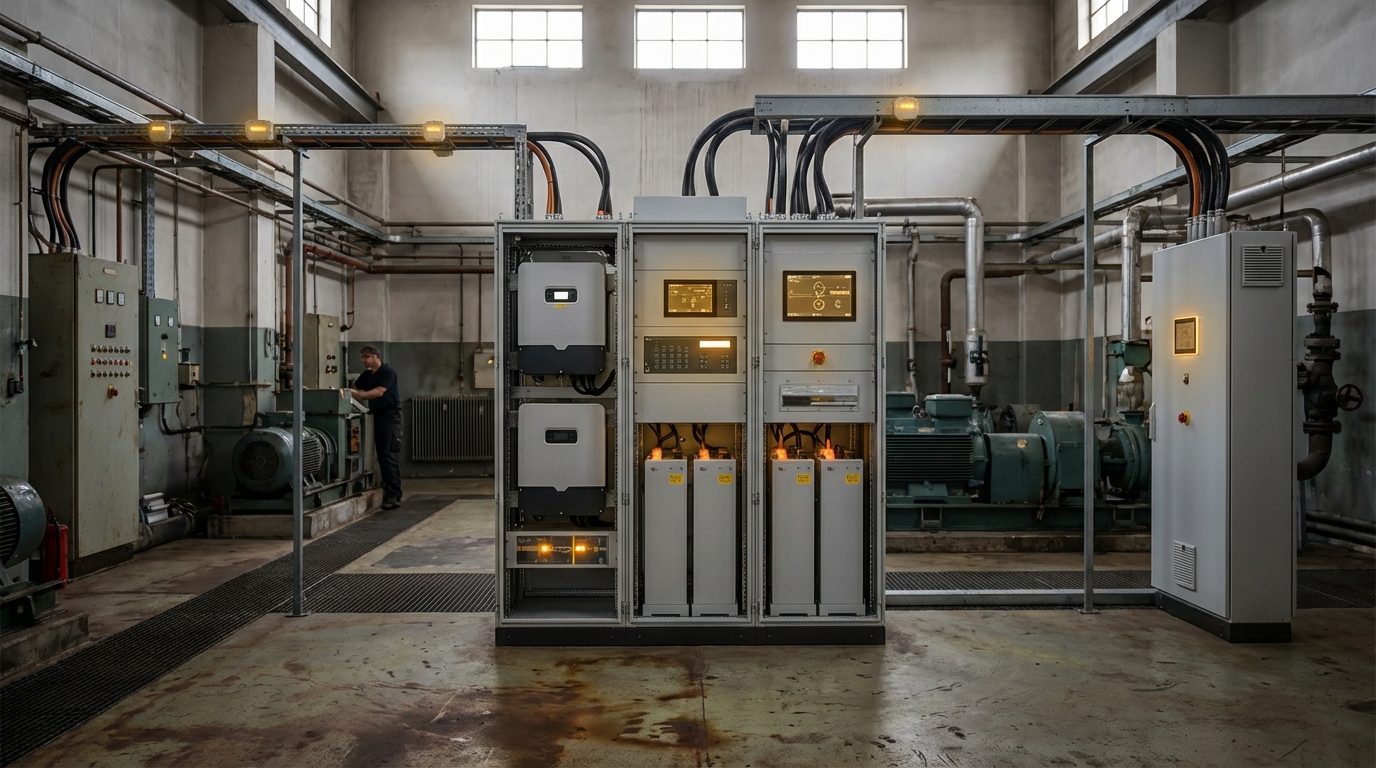
Bidirectional energy systems that let factories actively manage power flow with the grid
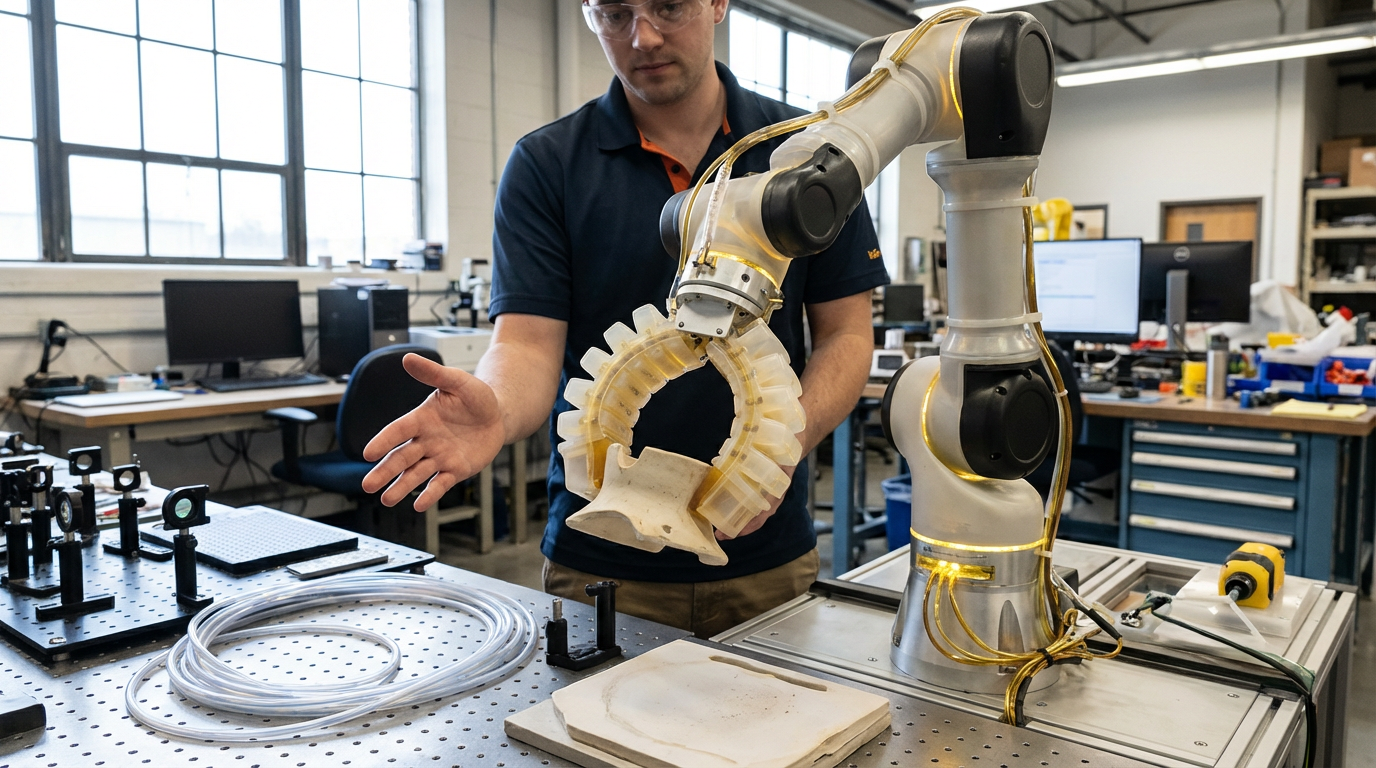
Flexible actuators using compliant materials that bend and conform for safer human interaction
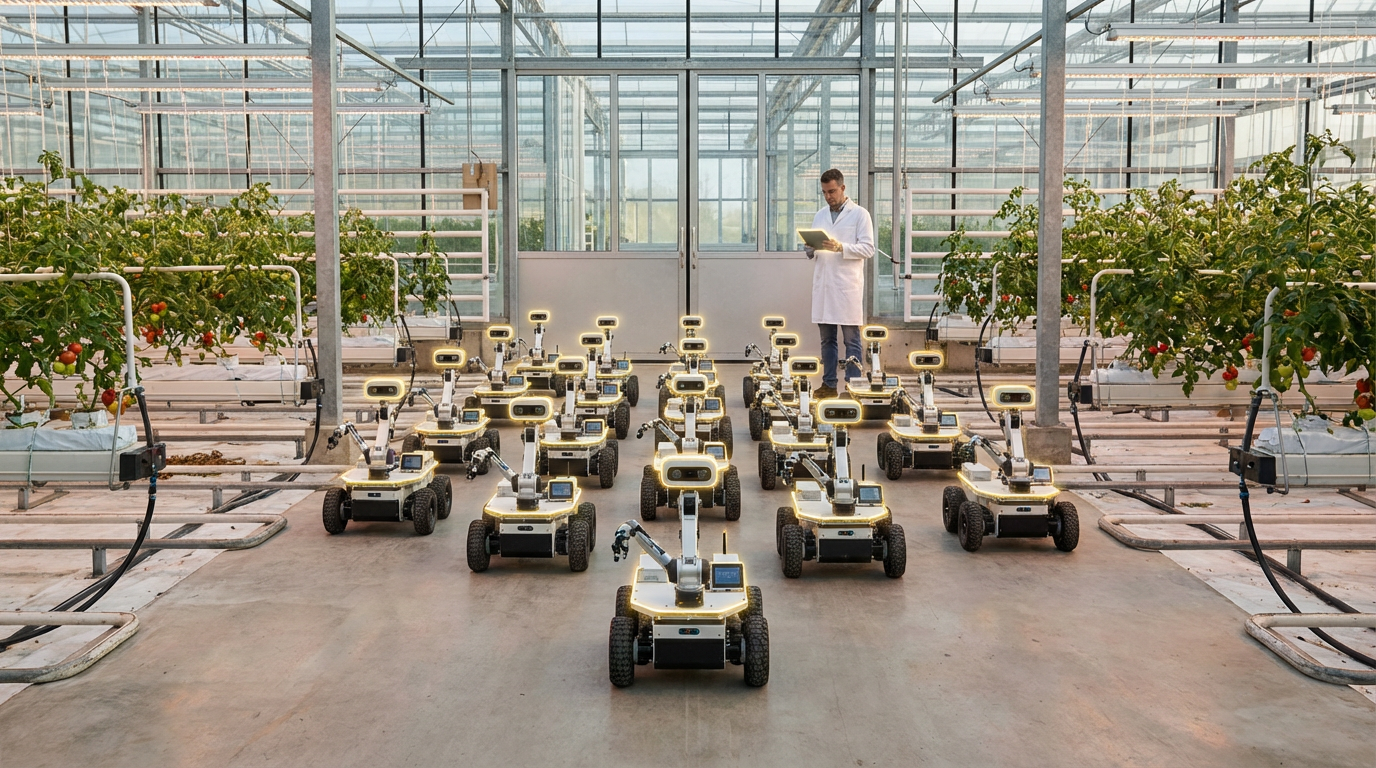
Coordinated fleets of simple autonomous robots that solve complex tasks through collective behavior
Turn this hub into a team session
Interested in our work?
Newsletter
Follow us for weekly foresight in your inbox.