Regulatory Compliance Automation
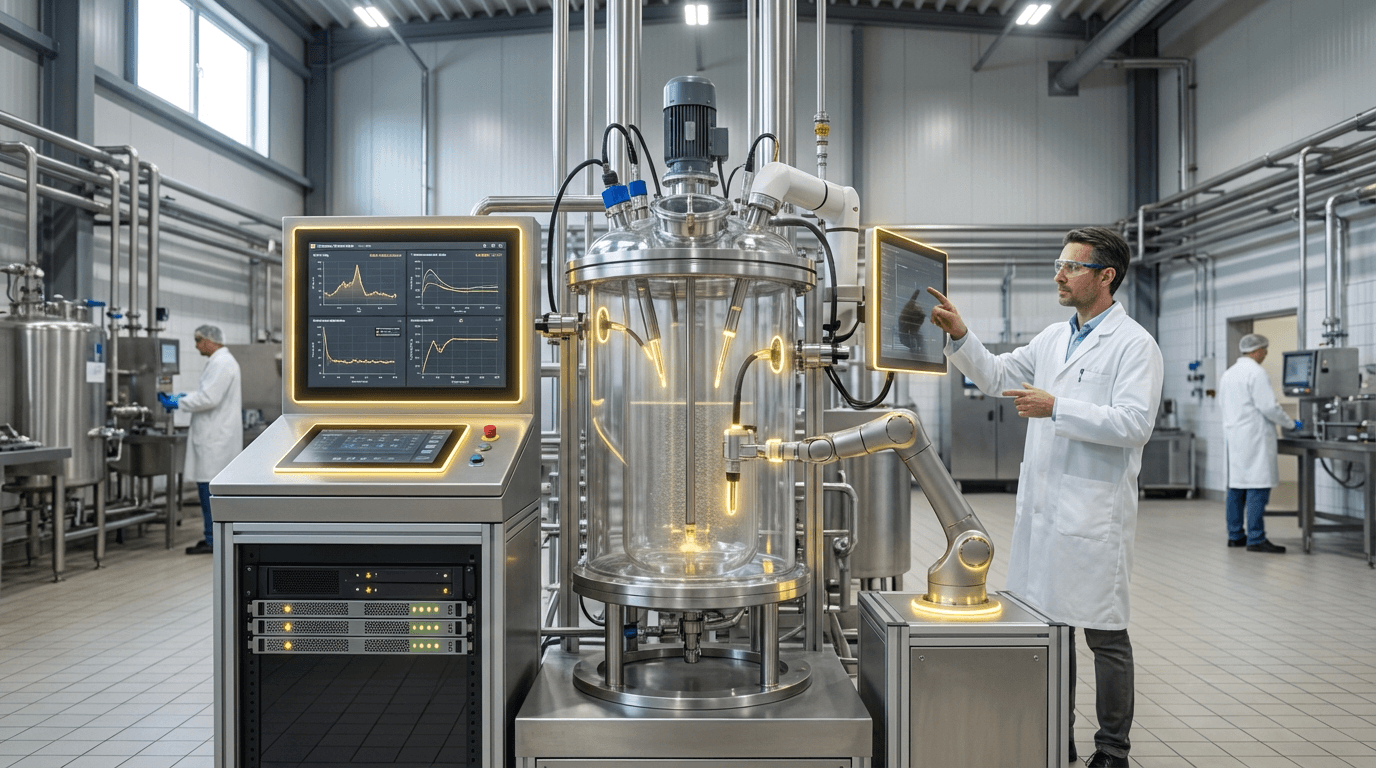
In the context of the Fourth Industrial Revolution, industrial facilities face an increasingly complex web of safety regulations, environmental standards, and governance requirements that demand continuous monitoring and documentation. Traditional compliance approaches rely on periodic manual audits, paper-based documentation, and reactive responses to regulatory changes—methods that struggle to keep pace with both the velocity of modern manufacturing operations and the evolving landscape of ESG (Environmental, Social, and Governance) mandates. Regulatory Compliance Automation addresses this challenge by transforming regulations from static documents into dynamic, machine-executable rules that can be continuously evaluated against real-time operational data. These systems employ natural language processing to interpret regulatory text, converting legal requirements into logical conditions that can be automatically monitored across industrial control systems, sensor networks, and enterprise databases. By codifying standards from bodies like OSHA, EPA, ISO, and industry-specific regulators into computational frameworks, these platforms create a living compliance infrastructure that adapts as regulations evolve and as operational conditions change.
The fundamental value proposition lies in shifting from periodic compliance verification to continuous compliance assurance. Rather than waiting for scheduled audits to discover violations, these systems monitor thousands of regulatory conditions simultaneously, flagging potential non-conformances in real-time and often triggering automated corrective actions before violations occur. For manufacturers operating across multiple jurisdictions, this technology solves the particularly acute problem of managing divergent regulatory requirements—a single production line might need to demonstrate compliance with different safety thresholds, emissions limits, or labor standards depending on the destination market for its products. The platforms automatically generate the evidence packages, audit trails, and safety case documentation that regulators require, drawing from timestamped sensor data, maintenance logs, training records, and operational parameters. This capability dramatically reduces the administrative burden of compliance while simultaneously improving the quality and completeness of regulatory submissions. Furthermore, by making compliance status transparent and measurable, these systems enable organizations to treat regulatory adherence as a key performance indicator rather than a periodic obligation.
Early implementations of regulatory compliance automation have emerged primarily in highly regulated sectors such as pharmaceuticals, aerospace, and chemical manufacturing, where the cost of non-compliance can include production shutdowns, significant fines, or safety incidents. Research suggests that organizations deploying these platforms can reduce compliance-related labor costs by substantial margins while simultaneously decreasing the frequency of regulatory findings during inspections. As ESG reporting requirements become more stringent and stakeholders demand greater transparency into corporate sustainability practices, the scope of these systems is expanding beyond traditional safety and environmental compliance to encompass carbon accounting, supply chain ethics verification, and social impact measurement. The trajectory points toward a future where regulatory compliance becomes an embedded characteristic of cyber-physical production systems rather than a separate administrative function, with industrial facilities capable of automatically demonstrating their adherence to any applicable standard in real-time, fundamentally transforming the relationship between industry and regulators from adversarial oversight to collaborative assurance.
Related Organizations
Wolters Kluwer business providing enterprise-scale EHS and ESG software.

ESG and risk management software provider (acquired riskmethods) that models supply chain threats including regulatory and country risk.
Supply chain sustainability management solution that automates product compliance and ESG data collection.

Cloud-based software solutions for EHS, Sustainability, Quality, and Product Stewardship.

Develops environmental, health, safety, and quality (EHSQ) software solutions.


An automated legal register platform that filters regulations relevant to specific facility locations (acquired by ERM).

Provides software for EHS and sustainability, using AI to assess ergonomic risks and manage compliance.

Provides intelligent compliance solutions for chemical and workplace safety and product stewardship.

Industrial DataOps platform (Cognite Data Fusion) that contextualizes data for AI-driven maintenance applications.

EHS software provider specializing in chemical safety and safety data sheet (SDS) management.

European provider of Software as a Service for EHS and CSR management.

Deploys continuous monitoring units (Canary S) at oil and gas sites to certify responsibly sourced gas.
Supporting Evidence
Research this in Signals
Signals turns a topic into a sourced research record you can inspect and rerun. Your first scan is free, and this one starts with Regulatory Compliance Automation already loaded, so edit it or scan as is.