Blockchain Traceability Platforms
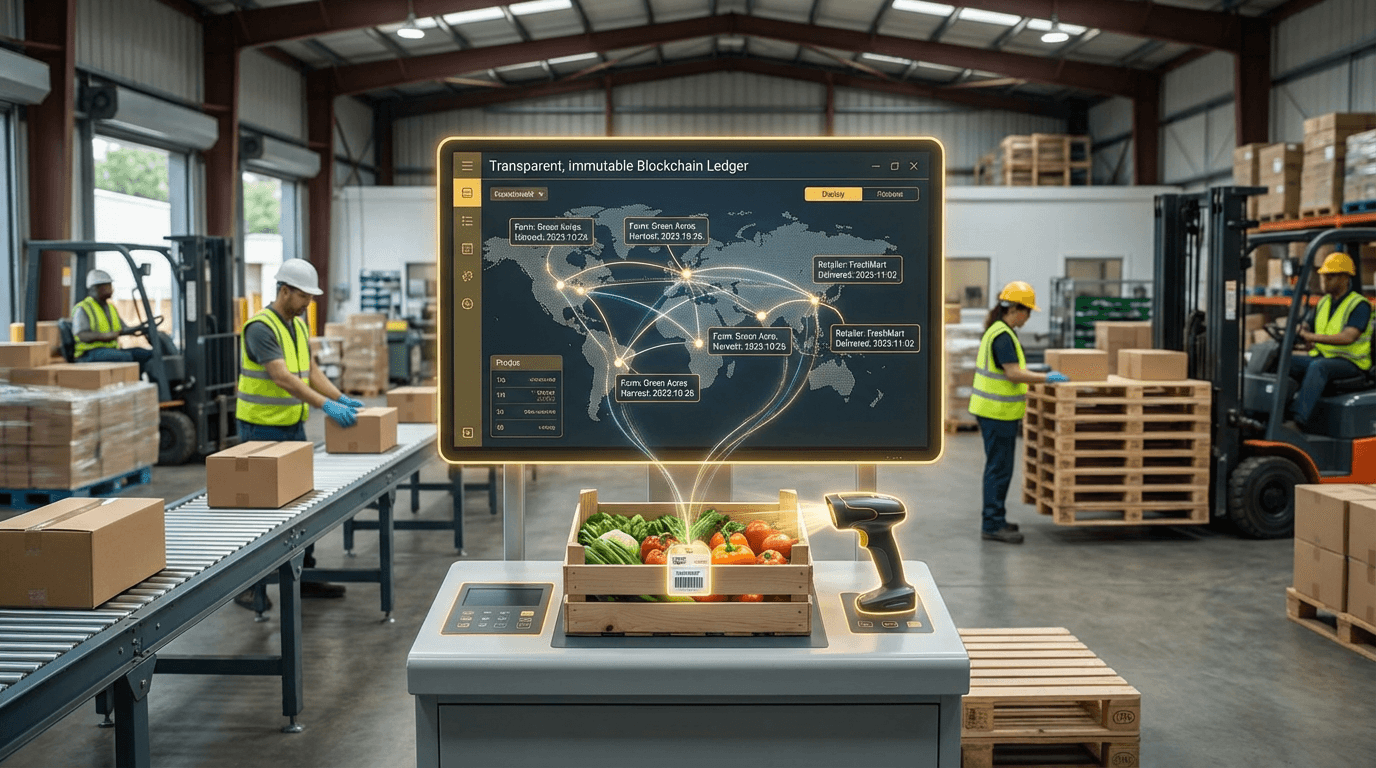
Blockchain traceability platforms leverage distributed ledger technology to create permanent, transparent records of product journeys through complex supply chains. Unlike traditional database systems where records can be altered or deleted by administrators, blockchain creates an immutable chain of transactions that documents every movement, transformation, and custody transfer of goods from raw materials to end consumers. Each participant in the supply chain—manufacturers, distributors, logistics providers, and retailers—adds verified data to the shared ledger, creating a comprehensive provenance record. The technology employs cryptographic hashing to link each new block of information to previous entries, making it computationally infeasible to retroactively modify records without detection. Smart contracts can automate verification processes, triggering alerts when products deviate from expected parameters or when custody transfers occur outside approved protocols.
Manufacturing industries face mounting pressure to demonstrate product authenticity, ensure regulatory compliance, and respond rapidly to quality issues or recalls. Traditional paper-based documentation and siloed digital systems create information gaps that enable counterfeiting, complicate recall efforts, and obscure unethical practices in upstream supply chains. Blockchain traceability addresses these challenges by providing all authorised stakeholders with access to a single source of truth. When contamination or defects are discovered, companies can trace affected batches to specific production facilities and distribution channels within hours rather than weeks, minimising public health risks and financial losses. For industries where ethical sourcing matters—such as conflict minerals, organic agriculture, or fair-trade goods—the technology enables verification of claims that products meet sustainability standards or labour practices, building consumer trust and supporting premium pricing strategies.
Early deployments indicate particular traction in food safety, pharmaceuticals, and luxury goods sectors. Several major food retailers have implemented pilot programs tracking produce from farms through distribution centres, while pharmaceutical companies are exploring blockchain solutions to combat counterfeit medications and comply with serialisation regulations. The technology also supports circular economy initiatives by documenting product components and materials, facilitating more efficient recycling and remanufacturing processes. As Industry 4.0 advances, blockchain traceability platforms are increasingly integrated with IoT sensors and automated manufacturing systems, creating real-time visibility into production processes and enabling predictive quality management. While challenges around standardisation, interoperability between different blockchain networks, and the energy consumption of certain consensus mechanisms remain active areas of development, the fundamental value proposition of tamper-proof provenance tracking positions these platforms as essential infrastructure for transparent, accountable industrial ecosystems.
Related Organizations
Provides watsonx.governance for managing AI risk and compliance.

Enterprise blockchain platform focusing on supply chain management and IoT integration for product lifecycle tracking.

Provides supply chain traceability and battery passports to ensure ethical sourcing and recycling verification.
Founded by LVMH, Prada, and Cartier to provide a unified blockchain solution for luxury product tracking and authenticity certificates.

Uses blockchain to create digital records of provenance for high-value assets like diamonds, art, and minerals.

A blockchain protocol for tracking responsible mineral sourcing in the supply chain.

A software solution that validates and amplifies sustainability claims using blockchain technology.
Enterprise software giant providing data analytics solutions to esports teams like Team Liquid.

Provides farm-to-table food traceability solutions using blockchain, used widely in emerging markets and by major retailers.

Develops the Tangle, a feeless distributed ledger specifically designed for the Internet of Things (IoT) data and value transfer.
Supporting Evidence
Research this in Signals
Signals turns a topic into a sourced research record you can inspect and rerun. Your first scan is free, and this one starts with Blockchain Traceability Platforms already loaded, so edit it or scan as is.