Autonomous Supply Chain
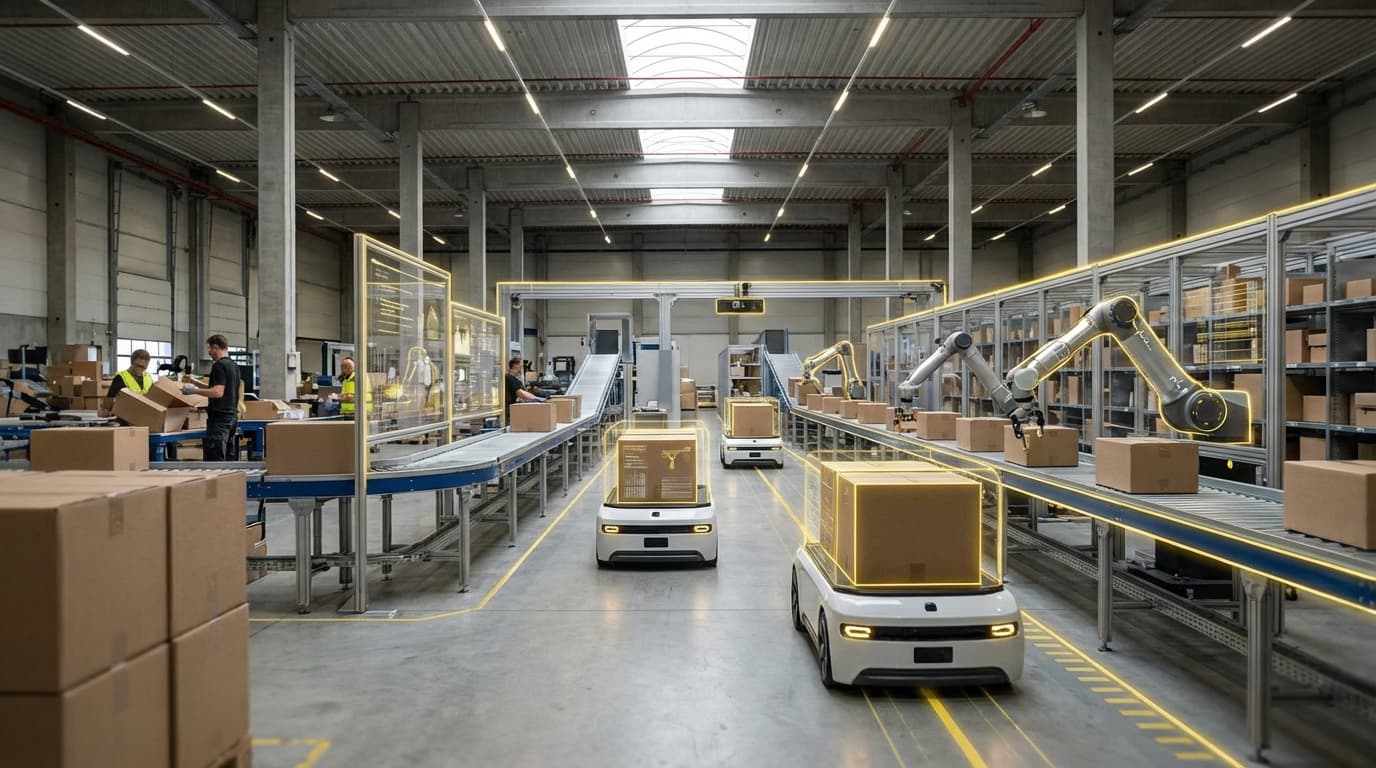
Autonomous supply chains represent a fundamental shift in how goods move from production to consumption, leveraging artificial intelligence, machine learning, and distributed ledger technologies to create self-managing logistics networks. Unlike traditional supply chains that rely heavily on human oversight and manual coordination between discrete stages, autonomous systems integrate sensors, IoT devices, and predictive analytics to monitor every aspect of the supply chain in real-time. These networks employ AI algorithms that continuously analyse vast streams of data—from weather patterns and geopolitical events to consumer behaviour and production capacity—to make instantaneous decisions about procurement, routing, inventory levels, and distribution. Blockchain technology provides the underlying infrastructure for transparent, immutable record-keeping and smart contracts that automatically execute transactions when predefined conditions are met, eliminating the need for intermediaries and reducing delays inherent in traditional verification processes.
The industrial landscape faces mounting pressure from increasingly volatile demand patterns, globalised production networks, and consumer expectations for rapid delivery. Traditional supply chain management struggles with these challenges due to information silos, delayed communication between partners, and the inability to respond quickly to disruptions. Autonomous supply chains address these limitations by creating a unified, intelligent system that can anticipate bottlenecks before they occur, automatically reroute shipments around disruptions, and dynamically adjust inventory levels across multiple locations. This capability proves particularly valuable in industries with perishable goods, just-in-time manufacturing requirements, or complex multi-tier supplier networks. By reducing human intervention in routine decision-making, these systems free logistics professionals to focus on strategic planning and exception handling while simultaneously reducing errors, cutting waste, and optimising resource utilisation across the entire value chain.
Early implementations of autonomous supply chain elements are already emerging across various sectors, with manufacturing and retail leading adoption efforts. Warehouse management systems now incorporate autonomous robots that coordinate their own movements and task allocation, while transportation management platforms use AI to optimise routing and carrier selection without human input. Research indicates that organisations piloting these technologies are seeing improvements in forecast accuracy, inventory turnover, and response times to market changes. The integration of autonomous supply chains aligns closely with broader Industry 4.0 trends toward cyber-physical systems and the Industrial Internet of Things, where physical assets and digital systems merge to create self-optimising production and distribution networks. As these technologies mature and interoperability standards develop, the vision of truly autonomous end-to-end supply chains—capable of self-healing during disruptions and continuously improving through machine learning—moves closer to widespread commercial reality, promising to reshape global trade and manufacturing in the coming decades.
Related Organizations

Owned by Panasonic, their Luminate platform offers a digital twin of the supply chain for real-time visibility and prediction.

Operates 'The Hive', a massive grid-based swarm of washing-machine-sized robots that collaborate to pack groceries.

Develops AI-enabled robotics technology for the supply chain, specifically end-to-end automation for large-scale distribution centers.

Provides an advanced visibility platform for shippers and logistics service providers, connecting data across the supply chain.

Global logistics company heavily deploying analytics for warehouse optimization and transport planning.

Supply chain planning software (RapidResponse) that provides concurrent planning via the cloud.

Real-time supply chain visibility platform that uses predictive analytics to track shipments across modes.

Freight technology company developing autonomous electric trucks, with signed MOUs for deployment in UAE logistics.

A digital-first freight forwarder that uses a cloud platform to manage global logistics and supply chain visibility.

Enterprise software giant providing data analytics solutions to esports teams like Team Liquid.
Supporting Evidence
Research this in Signals
Signals turns a topic into a sourced research record you can inspect and rerun. Your first scan is free, and this one starts with Autonomous Supply Chain already loaded, so edit it or scan as is.