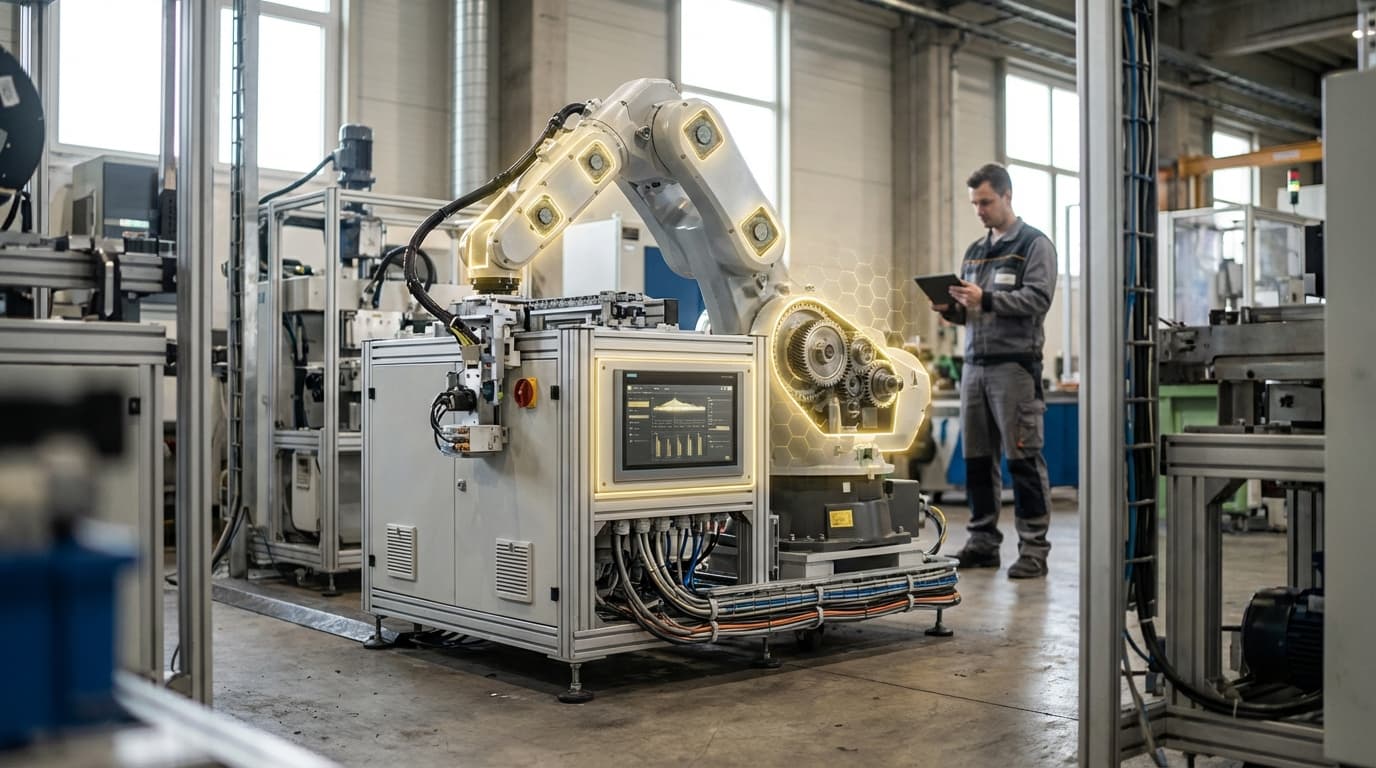
Predictive Maintenance 4.0
Predictive Maintenance 4.0 represents an evolution beyond traditional condition monitoring, combining artificial intelligence, Internet of Things sensors, and digital twin technology to create maintenance systems that anticipate equipment failures before they occur. Unlike conventional preventive maintenance schedules based on fixed time intervals, this approach continuously analyses real-time data streams from embedded sensors monitoring vibration, temperature, acoustic emissions, and other performance indicators. Machine learning algorithms process these data patterns against historical failure modes and operational parameters, generating probabilistic forecasts of component degradation and potential breakdowns. The system creates a dynamic maintenance schedule that responds to actual equipment condition rather than predetermined intervals, fundamentally shifting from reactive repairs to proactive intervention.
The industrial sector faces persistent challenges with unplanned downtime, which research suggests can cost manufacturers significantly more than scheduled maintenance activities. Traditional approaches often result in either premature component replacement or catastrophic failures that halt production lines. Predictive Maintenance 4.0 addresses these inefficiencies by enabling condition-based interventions precisely when needed, optimising both equipment lifespan and operational availability. The technology integrates with enterprise resource planning systems to automatically trigger spare parts procurement when degradation patterns indicate future replacement needs, ensuring components arrive just as they become necessary. This integration extends to workforce management systems, scheduling technician availability and coordinating maintenance windows with production demands. In advanced implementations, the system can autonomously dispatch collaborative robots or automated guided vehicles to perform routine inspections or execute predefined repair procedures, reducing human exposure to hazardous environments while maintaining continuous operations.
Early industrial deployments indicate substantial improvements in equipment uptime and maintenance cost reduction across manufacturing, energy, and transportation sectors. Automotive assembly plants have implemented systems that monitor robotic arm performance and automatically adjust operating parameters to compensate for detected wear patterns. Wind farm operators use similar approaches to predict gearbox failures in turbines, scheduling repairs during low-wind periods to minimise energy production losses. The technology aligns with broader Industry 4.0 trends toward autonomous, self-optimising production systems that reduce human intervention in routine operations. As sensor costs decline and edge computing capabilities expand, these systems are becoming increasingly accessible beyond large-scale industrial facilities, extending into commercial building management and fleet operations. The trajectory points toward fully autonomous maintenance ecosystems where human operators focus on strategic oversight rather than tactical repair execution, fundamentally transforming how organisations manage physical assets.
Related Organizations

Provides 'Machine Health' solutions using vibration and magnetic sensors combined with AI to predict machine failures.

Provides cloud-based predictive maintenance software that integrates with existing industrial data sources.

Enterprise AI software provider with a dedicated suite for predictive maintenance across energy, defense, and manufacturing.

Time series AI platform for manufacturing and defense, recently acquired by IFS to enhance asset management.

Uses Electrical Signature Analysis (ESA) to monitor submerged or hard-to-reach assets.

Industrial AI software that analyzes data from heavy equipment to predict failures and optimize maintenance strategies.

An IIoT platform that creates digital twins of production lines to identify optimal operating conditions and stabilize processes.

Specializes in predictive maintenance software specifically for the mining industry (Trakka).

Provides wireless vibration sensors and cloud-based ML software for asset reliability.
Supporting Evidence
Research this in Signals
Signals turns a topic into a sourced research record you can inspect and rerun. Your first scan is free, and this one starts with Predictive Maintenance 4.0 already loaded, so edit it or scan as is.