Worker Safety Monitoring Systems
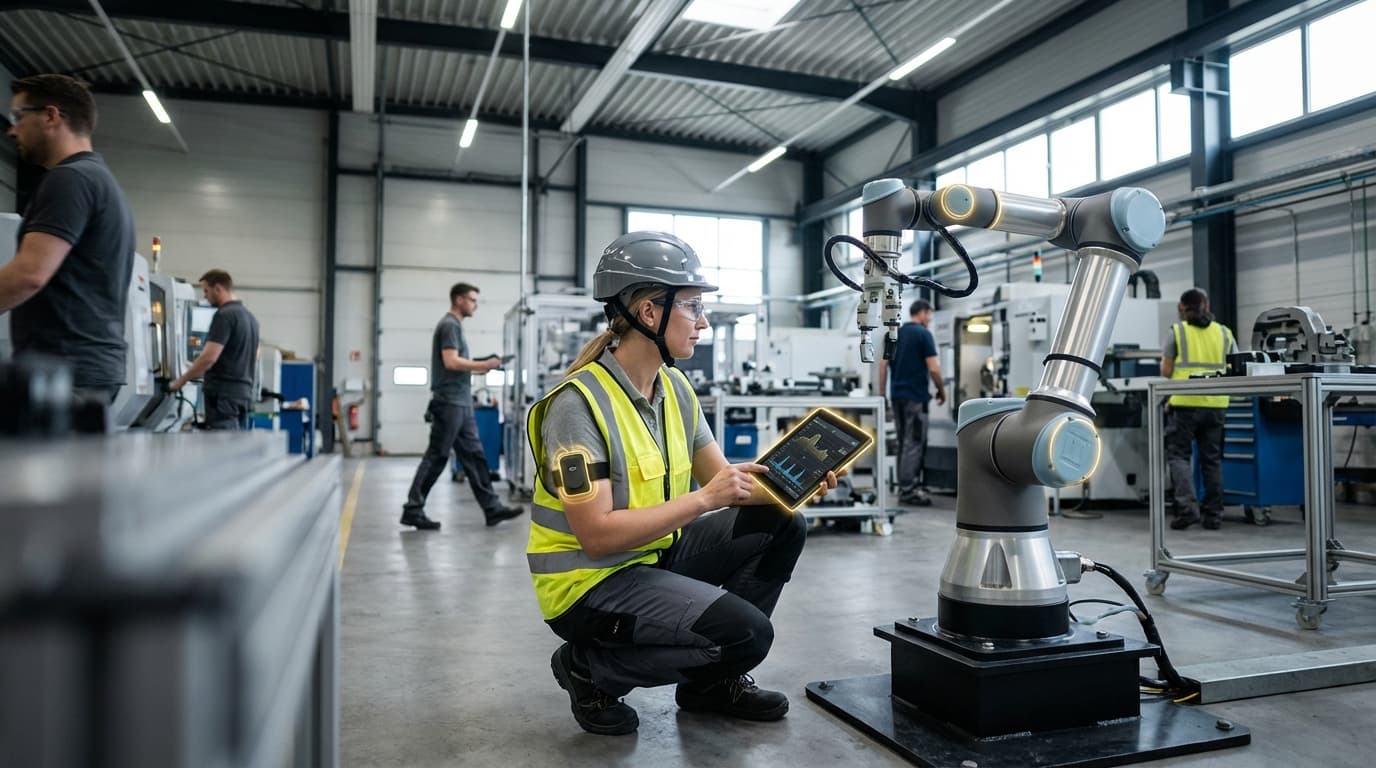
Worker Safety Monitoring Systems represent an integrated approach to industrial safety that combines multiple sensing technologies to create a comprehensive, real-time awareness of workplace hazards. These systems deploy computer vision cameras, wearable sensors, and environmental monitors throughout industrial facilities to continuously track worker movements, equipment status, and ambient conditions. Computer vision algorithms analyse video feeds to detect unsafe behaviours such as workers entering restricted zones, operating machinery without proper clearance, or failing to maintain safe distances from moving equipment. Wearable devices—ranging from smart helmets and vests to connected badges—monitor physiological indicators like heart rate, body temperature, and fatigue levels, while also tracking worker location with precision. Environmental sensors measure air quality, temperature extremes, noise levels, and the presence of hazardous gases or particulates. All of these data streams converge in centralised platforms that use machine learning to identify patterns, predict potential incidents, and alert supervisors to intervene before accidents occur.
The industrial sector has long grappled with the challenge of preventing workplace injuries in environments where human error, equipment failure, and environmental hazards intersect. Traditional safety protocols rely heavily on periodic inspections, manual reporting, and reactive responses to incidents that have already occurred. This approach leaves significant gaps in protection, particularly in high-risk industries such as manufacturing, construction, mining, and chemical processing where conditions change rapidly and the consequences of oversights can be severe. Worker Safety Monitoring Systems address these limitations by providing continuous, objective surveillance that doesn't depend on human vigilance alone. They can detect near-miss events—situations where an accident was narrowly avoided—that might otherwise go unreported but contain valuable lessons for prevention. The systems also ensure consistent enforcement of personal protective equipment requirements, automatically flagging workers who enter hazardous areas without proper gear. By capturing granular data on how incidents develop, these platforms enable organisations to move from reactive safety cultures to proactive risk management, identifying systemic issues and implementing targeted interventions before injuries occur.
Early deployments of these integrated safety systems have appeared in sectors with particularly acute safety challenges, including large-scale construction projects, automotive manufacturing plants, and petrochemical facilities. Some implementations focus on specific high-risk scenarios, such as monitoring confined space entries or tracking proximity to heavy machinery, while more comprehensive installations create facility-wide safety networks. The technology has proven especially valuable in environments where traditional supervision is difficult, such as remote mining operations or sprawling logistics centres with distributed workforces. As sensor costs decline and artificial intelligence capabilities advance, these systems are becoming more sophisticated in their ability to distinguish genuine hazards from false alarms and to provide contextual guidance rather than simple alerts. The trajectory points toward increasingly predictive capabilities, where systems can forecast elevated risk periods based on factors like worker fatigue patterns, equipment maintenance cycles, and environmental conditions. This evolution aligns with broader Industry 4.0 trends toward data-driven operations and represents a fundamental shift in how organisations conceptualise worker protection—from compliance-focused programs to integrated safety intelligence that treats human wellbeing as inseparable from operational excellence.
Related Organizations

Develops an AI-powered workplace safety platform that analyzes video feeds from existing cameras to detect unsafe acts and conditions in real-time.

Creates the FUSE sensor platform, an IoT wearable for industrial workers that tracks physiological and environmental risk factors.


AI platform for workplace safety that connects to security cameras to detect hazards.
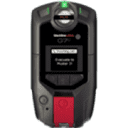
Connected safety wearables providing gas detection, fall detection, and lone worker monitoring.

wearable device platform that predicts and prevents heat stress, overexertion, and injury.

An AI-powered software platform that allows enterprises to plug into existing CCTV to detect safety non-compliance.

Creates plug-and-play IoT wearables for worker safety, focusing on collision avoidance and access control in ports and logistics.

Global leader in the development, manufacture, and supply of safety products.

Develops environmental, health, safety, and quality (EHSQ) software solutions.
Supporting Evidence
Research this in Signals
Signals turns a topic into a sourced research record you can inspect and rerun. Your first scan is free, and this one starts with Worker Safety Monitoring Systems already loaded, so edit it or scan as is.