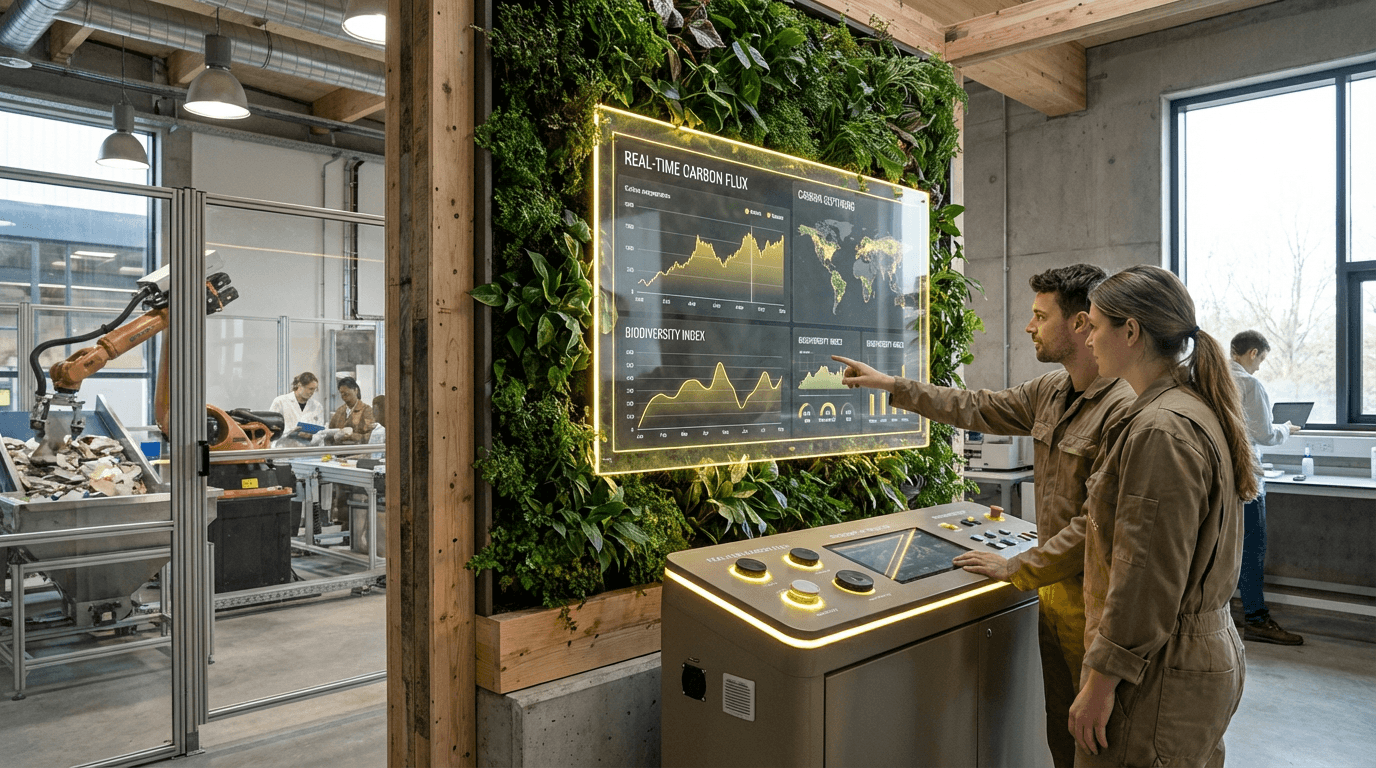
Environmental Impact Analytics
Environmental Impact Analytics represents a convergence of sensor technology, data processing, and sustainability science designed to provide organisations with continuous, granular visibility into their environmental footprint. At its technical core, these systems deploy networks of IoT sensors throughout facilities, supply chains, and operations to capture real-time data on energy consumption, water usage, greenhouse gas emissions, waste generation, and other environmental parameters. This sensor data is integrated with lifecycle analysis frameworks that trace the environmental impact of products and processes from raw material extraction through manufacturing, distribution, use, and disposal. Advanced analytics engines process these data streams using machine learning algorithms to identify patterns, anomalies, and opportunities for improvement, while automated carbon accounting modules translate operational activities into standardised emissions metrics aligned with protocols like the Greenhouse Gas Protocol or Science Based Targets initiative.
The industrial imperative driving adoption of Environmental Impact Analytics stems from converging regulatory, investor, and consumer pressures around environmental performance. Companies face increasingly stringent disclosure requirements from frameworks like the EU's Corporate Sustainability Reporting Directive and the SEC's proposed climate disclosure rules, which demand verifiable, auditable environmental data. Traditional approaches relying on periodic manual data collection and retrospective reporting are proving inadequate for meeting these requirements while also identifying operational inefficiencies that drive both environmental harm and unnecessary costs. Environmental Impact Analytics addresses these challenges by automating data capture and compliance reporting, reducing the labour intensity of sustainability management while improving data accuracy and timeliness. Beyond compliance, these systems enable organisations to identify specific processes or facilities with disproportionate environmental impacts, quantify the benefits of efficiency investments, and demonstrate progress toward sustainability commitments to stakeholders who increasingly factor ESG performance into investment and purchasing decisions.
Early deployments of comprehensive Environmental Impact Analytics platforms have emerged across manufacturing, logistics, real estate, and retail sectors, with particular traction among large corporations facing immediate disclosure obligations and sustainability-linked financing arrangements. Industrial facilities are implementing these systems to optimise energy-intensive processes and reduce Scope 1 and 2 emissions, while supply chain applications track Scope 3 emissions across complex networks of suppliers and distributors. The technology is evolving toward greater integration with enterprise resource planning systems and financial reporting infrastructure, positioning environmental data as a standard component of business intelligence alongside traditional financial metrics. As regulatory frameworks continue to expand globally and the cost of sensor technology declines, Environmental Impact Analytics is transitioning from a specialised sustainability tool to essential infrastructure for industrial operations, enabling the measurement and management capabilities necessary for the transition to low-carbon, resource-efficient production systems that characterise the Fourth Industrial Revolution's sustainability imperative.
Related Organizations

Specializes in high-resolution remote sensing of greenhouse gas emissions from space.

An enterprise climate platform that measures, reports, and reduces emissions, known for high-fidelity data ingestion.

Pioneers an entirely new way to measure and analyze air pollution and greenhouse gases.

Provides a SaaS platform for climate management and accounting, specifically targeting financial institutions and private equity for financed emissions.

Deploys continuous monitoring units (Canary S) at oil and gas sites to certify responsibly sourced gas.

Uses satellite imagery, remote sensing, and AI to validate and monitor forest carbon projects, creating digital representations of forest carbon stocks.

A leading provider of global daily earth data, developing the Tanager hyperspectral satellite constellation.

Provides independent carbon ratings using machine learning and lidar data to assess the quality and permanence of nature-based offset projects.

Enterprise software giant providing data analytics solutions to esports teams like Team Liquid.
Supporting Evidence
Research this in Signals
Signals turns a topic into a sourced research record you can inspect and rerun. Your first scan is free, and this one starts with Environmental Impact Analytics already loaded, so edit it or scan as is.