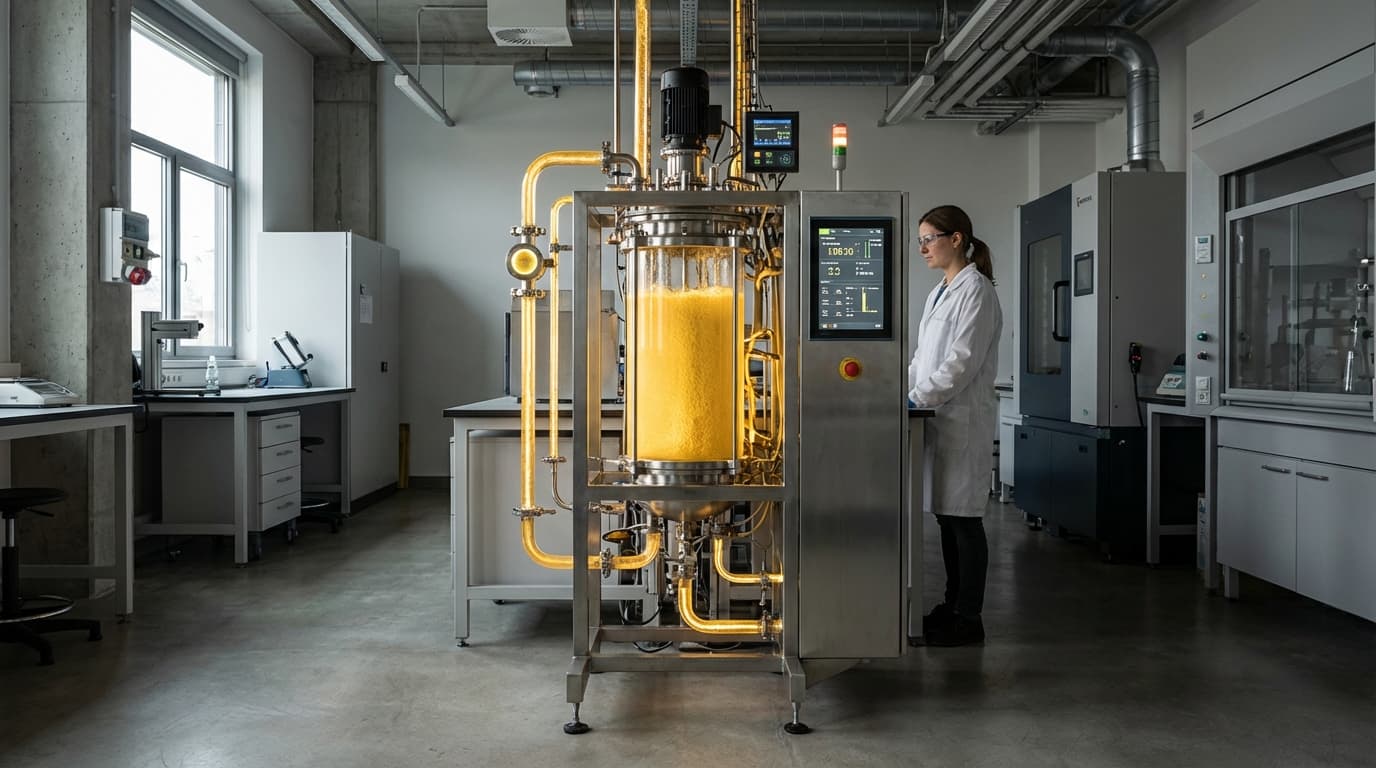
Biomanufacturing Systems
Biomanufacturing systems represent a fundamental shift in how industrial materials are produced, leveraging the precision of biological processes rather than traditional chemical synthesis. At their core, these systems employ genetically engineered microorganisms—typically bacteria, yeast, or algae—that have been programmed to produce specific molecules through their natural metabolic pathways. The process begins with synthetic biology techniques that insert custom genetic instructions into host organisms, essentially reprogramming their cellular machinery to manufacture desired compounds. These engineered cells are then cultivated in controlled bioreactors where temperature, pH, nutrient supply, and oxygen levels are carefully managed to optimise production. The organisms consume renewable feedstocks such as sugars, agricultural waste, or even carbon dioxide, converting these inputs into valuable outputs through fermentation or enzymatic processes. Unlike conventional chemical manufacturing that often requires high temperatures, toxic solvents, and petroleum-based inputs, biomanufacturing operates under mild conditions and can be designed to minimise hazardous byproducts.
The industrial landscape faces mounting pressure to reduce its environmental footprint while meeting growing demand for materials ranging from pharmaceuticals to textiles. Traditional chemical synthesis often relies on fossil fuels, generates significant waste streams, and struggles to produce certain complex molecules efficiently. Biomanufacturing addresses these challenges by offering a more sustainable production pathway that can operate at ambient temperatures and pressures, dramatically reducing energy consumption. This approach proves particularly valuable for manufacturing complex proteins, specialty chemicals, and novel materials that would be prohibitively expensive or impossible to synthesise through conventional chemistry. The technology enables industries to decouple production from petroleum dependence, instead utilising renewable biological feedstocks. Furthermore, biomanufacturing systems can be rapidly reprogrammed to produce different molecules by modifying the genetic instructions, providing unprecedented flexibility in responding to market demands or developing new products without requiring entirely new manufacturing infrastructure.
Early commercial deployments have already demonstrated the viability of biomanufactured products across multiple sectors. Companies have successfully brought to market materials including sustainable alternatives to leather and silk, industrial enzymes for detergents, and pharmaceutical ingredients previously derived from animal sources or complex chemical processes. Research institutions and industry partners continue to expand the catalogue of biomanufactured compounds, with pilot programs exploring everything from aviation fuels to biodegradable plastics and food ingredients. The technology aligns with broader industrial trends toward circular economy principles and carbon-neutral manufacturing, as engineered organisms can potentially be designed to capture carbon dioxide or valorise waste streams from other industries. As genetic engineering tools become more sophisticated and our understanding of metabolic pathways deepens, biomanufacturing systems are positioned to play an increasingly central role in the fourth industrial revolution, where biological precision meets industrial scale to create a more sustainable and adaptable manufacturing paradigm.
Related Organizations

Develops bio-based processes to manufacture widely used chemicals and materials, such as bio-nylon and butanediol.

A horizontal platform for cell programming that enables other companies to develop precision fermentation strains.

Produces essential chemicals using enzymes and metal catalysts (Bioforge), decoupling production from fossil fuels.

Recycles carbon from industrial off-gases into sustainable fuels and chemicals using biological catalysts.

Japanese biotechnology company producing 'Brewed Protein,' a structural protein fiber produced via microbial fermentation that mimics spider silk and wool.

Industrial supplier of synthetic silk biopolymers produced through bacterial fermentation.

Uses microalgae to produce unique oils and materials for performance skis and outdoor gear, replacing petroleum-based polyurethanes.

Offers cloud-connected bioreactors allowing companies to run high-throughput fermentation experiments remotely.

A US Department of Energy Bioenergy Research Center focused on developing advanced biofuels and bioproducts.

Biotechnology company creating biosynthetic indigo to replace petrochemical dyes in denim.
Supporting Evidence
Research this in Signals
Signals turns a topic into a sourced research record you can inspect and rerun. Your first scan is free, and this one starts with Biomanufacturing Systems already loaded, so edit it or scan as is.