Regions
74 technologies in Australia New Zealand
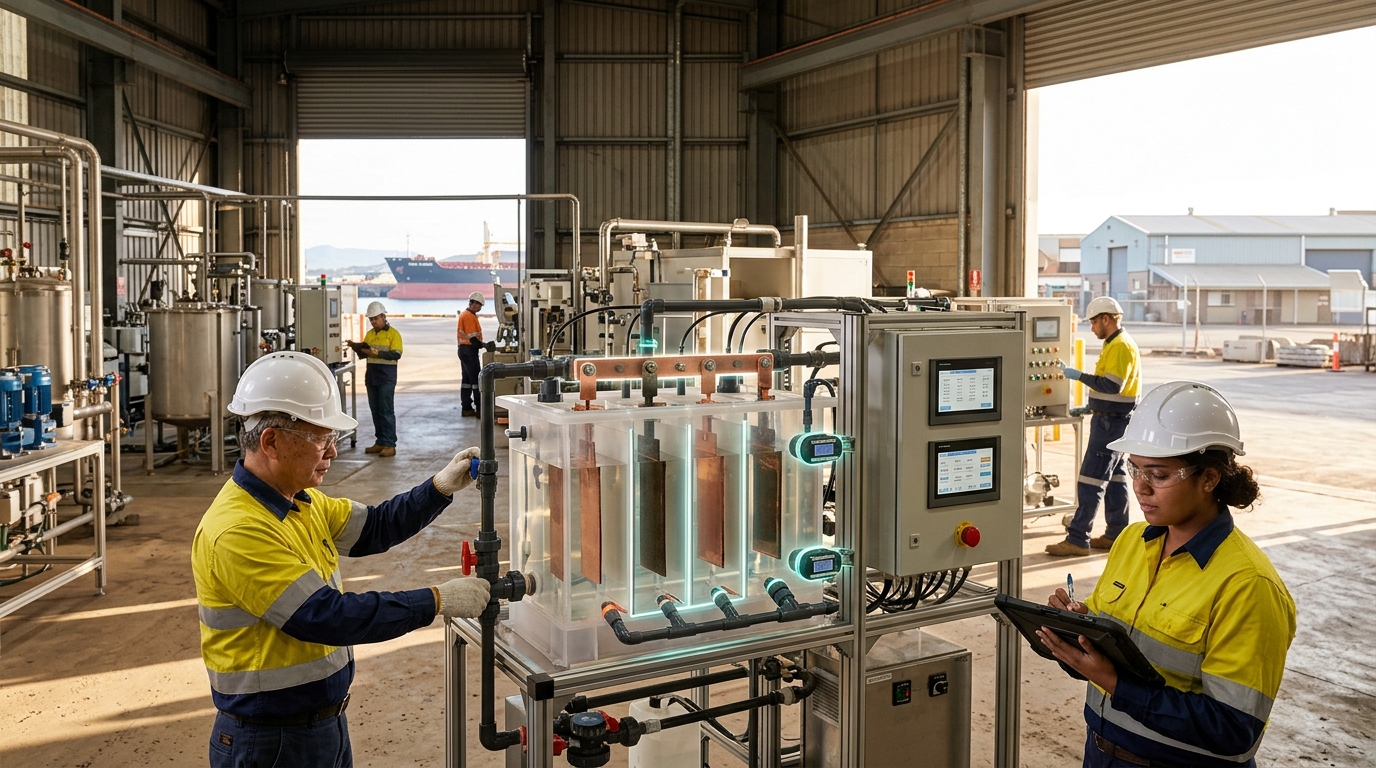
Australian startups are developing electrochemical copper refining that bypasses conventional smelting — reducing energy use by 50% and enabling processing of lower-grade ores with less pollution.
NZ is researching advanced geothermal systems (AGS) that engineer artificial reservoirs in hot dry rock — potentially unlocking geothermal energy in regions without natural hydrothermal resources.
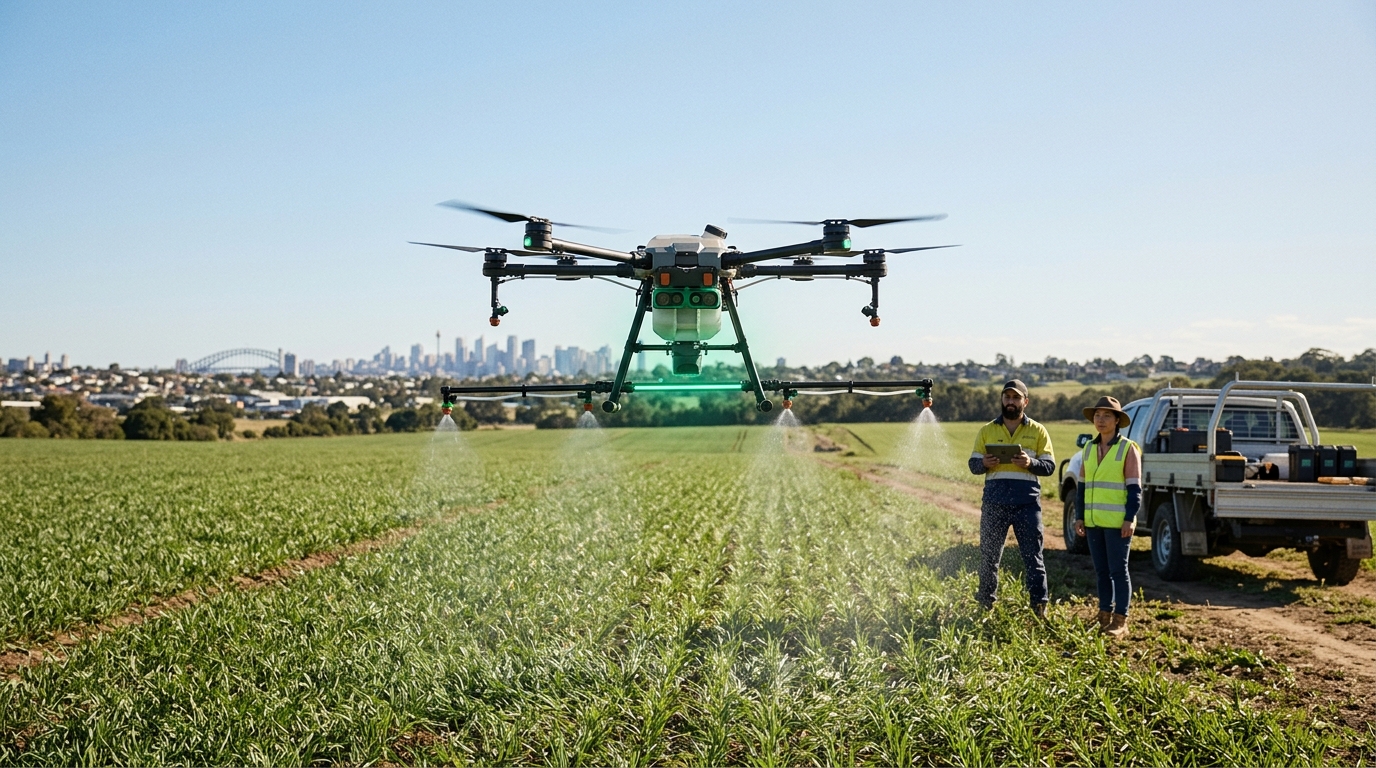
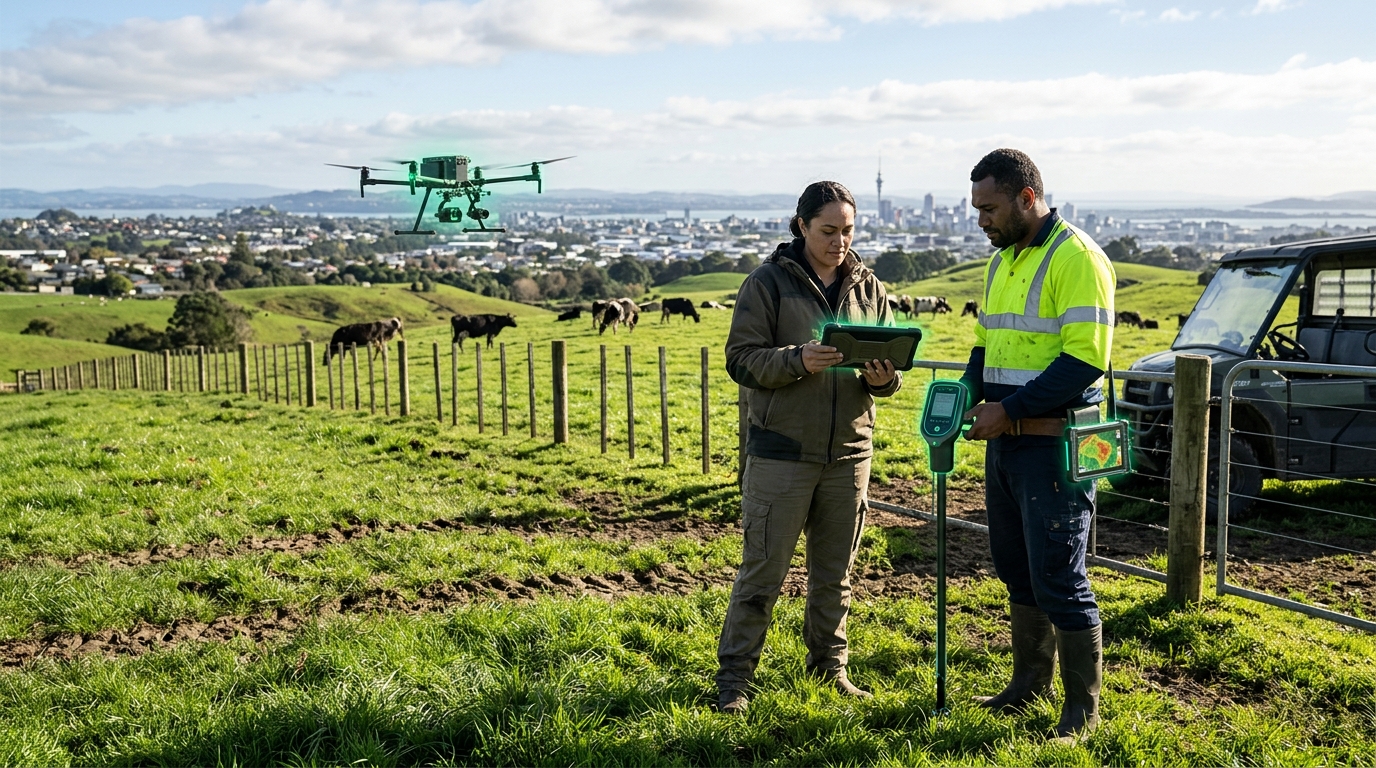
Australian farms are deploying precision drone systems for spot-spraying, crop sensing, and livestock monitoring — reducing chemical use by 70-90% through targeted application rather than blanket spraying.
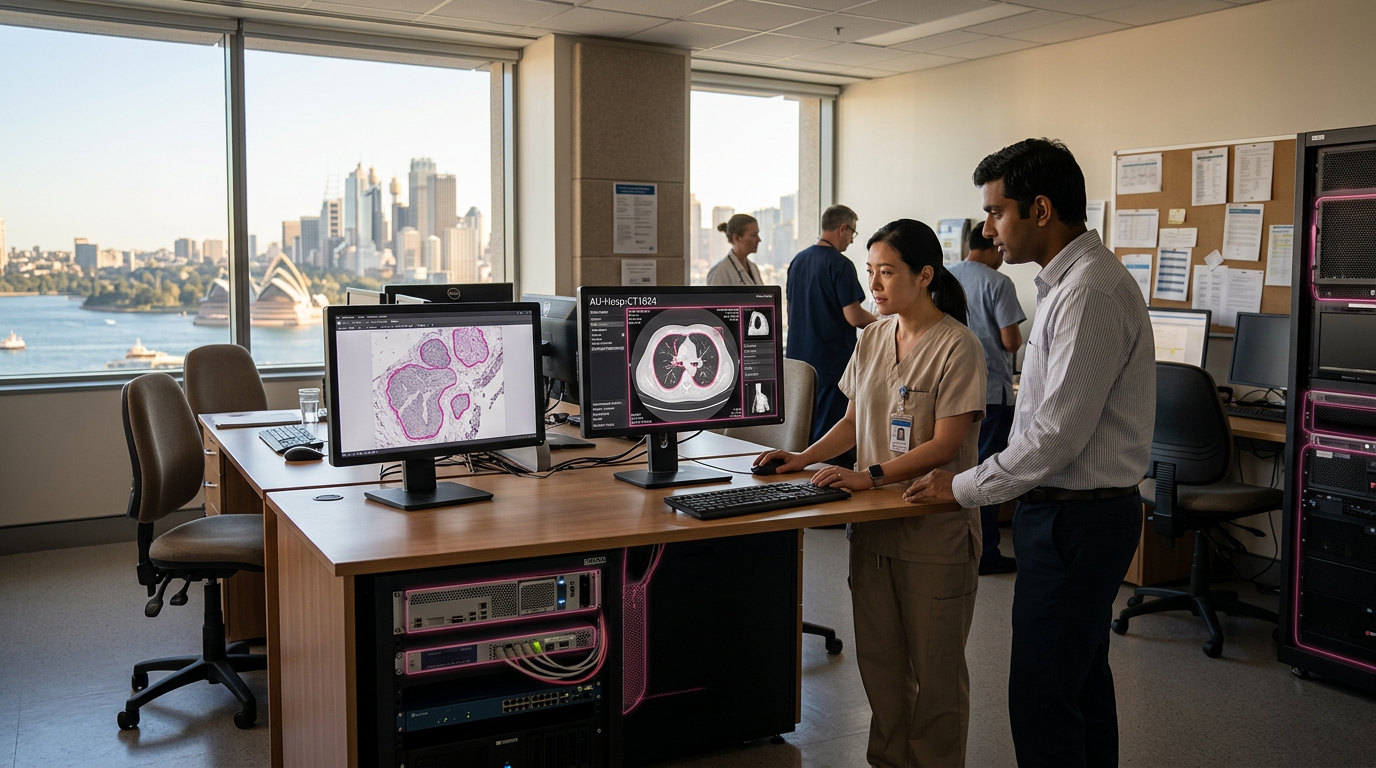
Harrison.AI develops clinical-grade AI models for radiology and pathology that match specialist accuracy — deployed across Australian hospitals and highlighted in the National AI Plan as a sovereign capability.
NZ's AIMER Farming uses satellite imagery and AI to map pasture growth rates daily, enabling dairy farmers to optimize grazing rotations and reduce supplementary feed costs by 15-25%.
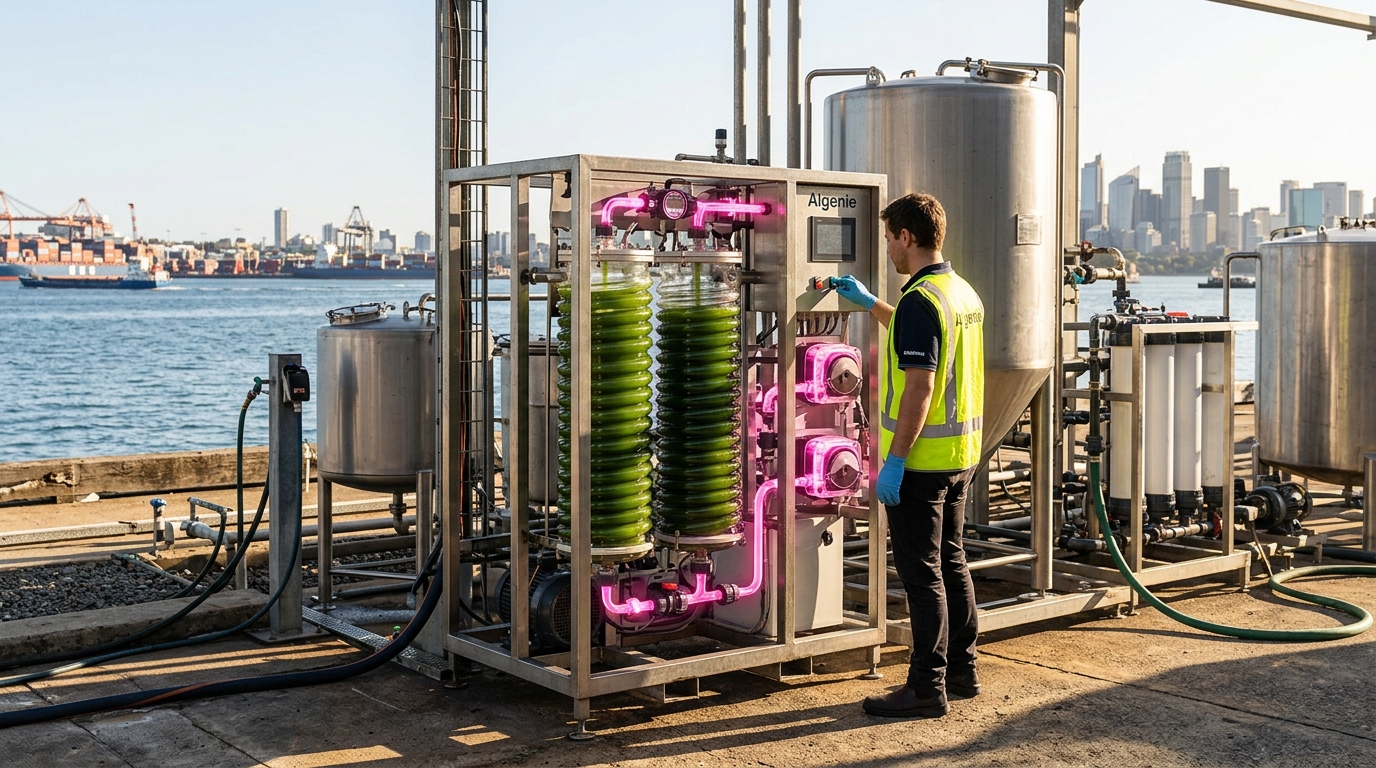
Australian deep tech company Algenie is engineering algae as production platforms for high-value compounds — from pharmaceuticals to bioplastics — using Australia's abundant sunlight as the primary energy input.
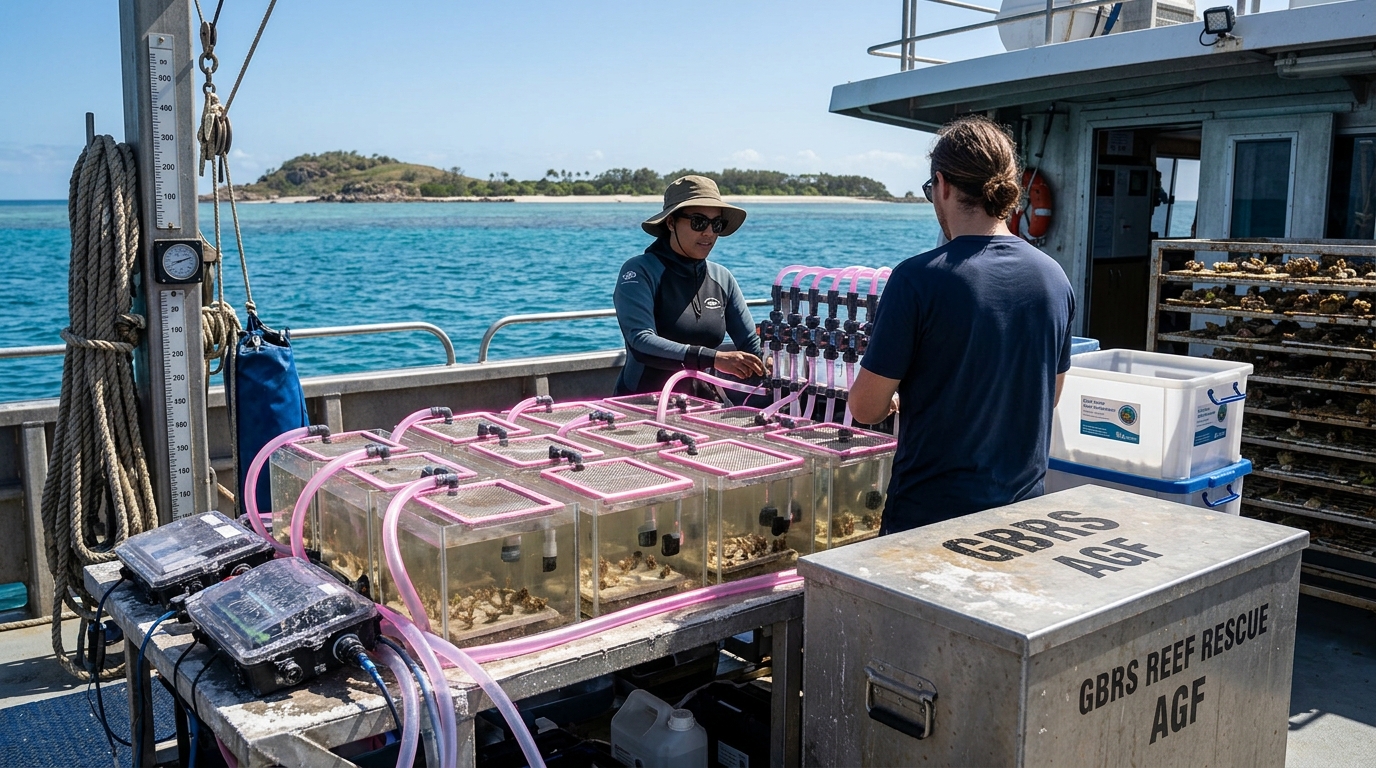
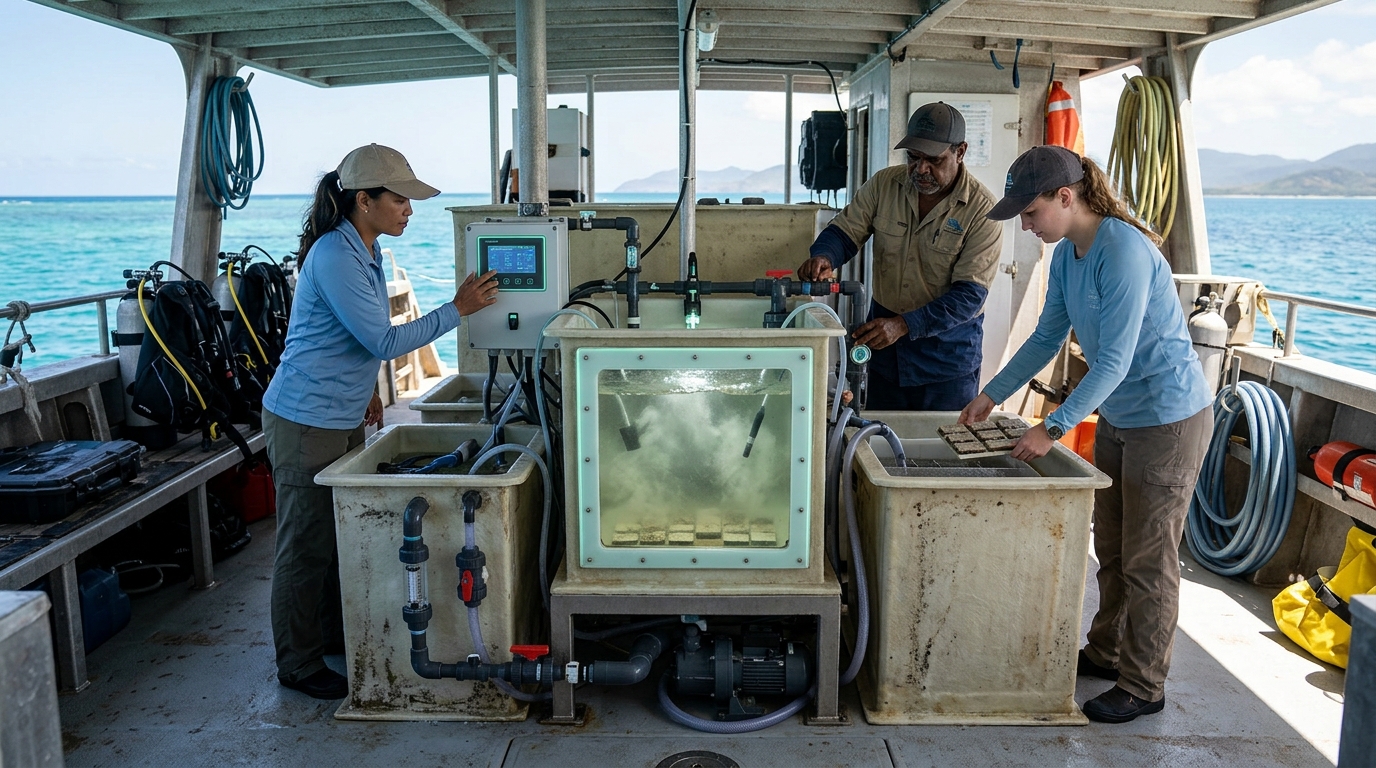
RRAP's coral biobanking and selective breeding program aims to plant 1.2M heat-tolerant corals/year by 2031 — 30x current rates — using assisted gene flow to future-proof reefs against warming.
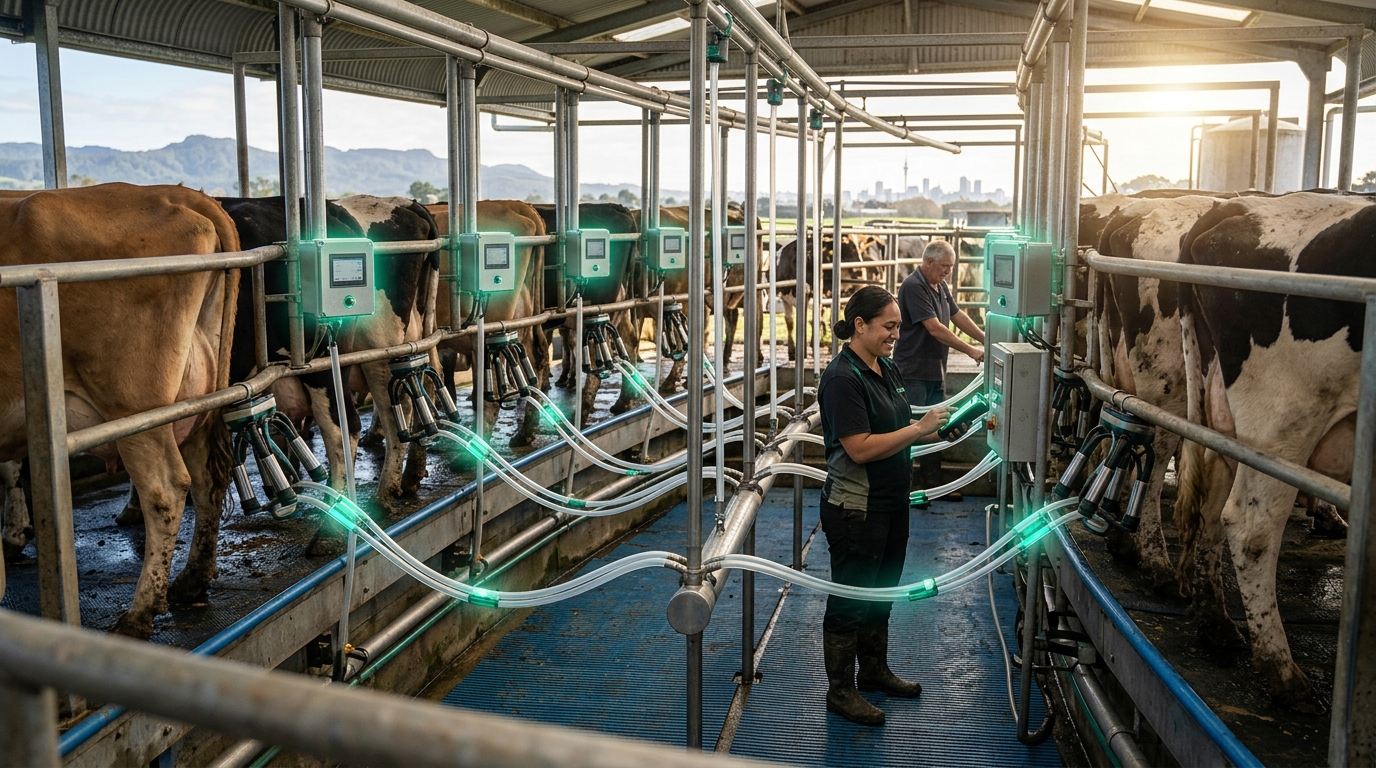
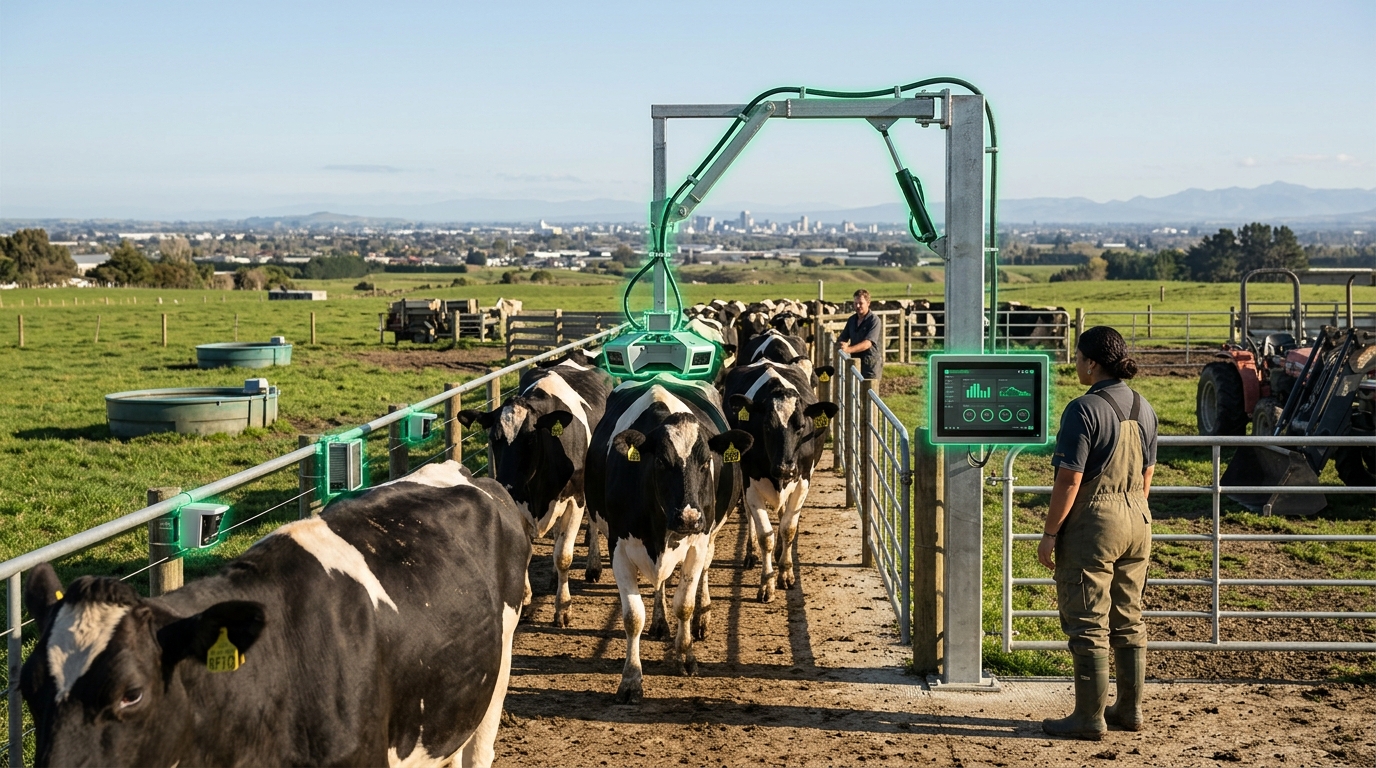
NZ's Bovonic uses in-line sensors during milking to detect subclinical mastitis in real-time, reducing antibiotic use and preventing milk quality penalties that cost the NZ dairy industry NZ$280M annually.
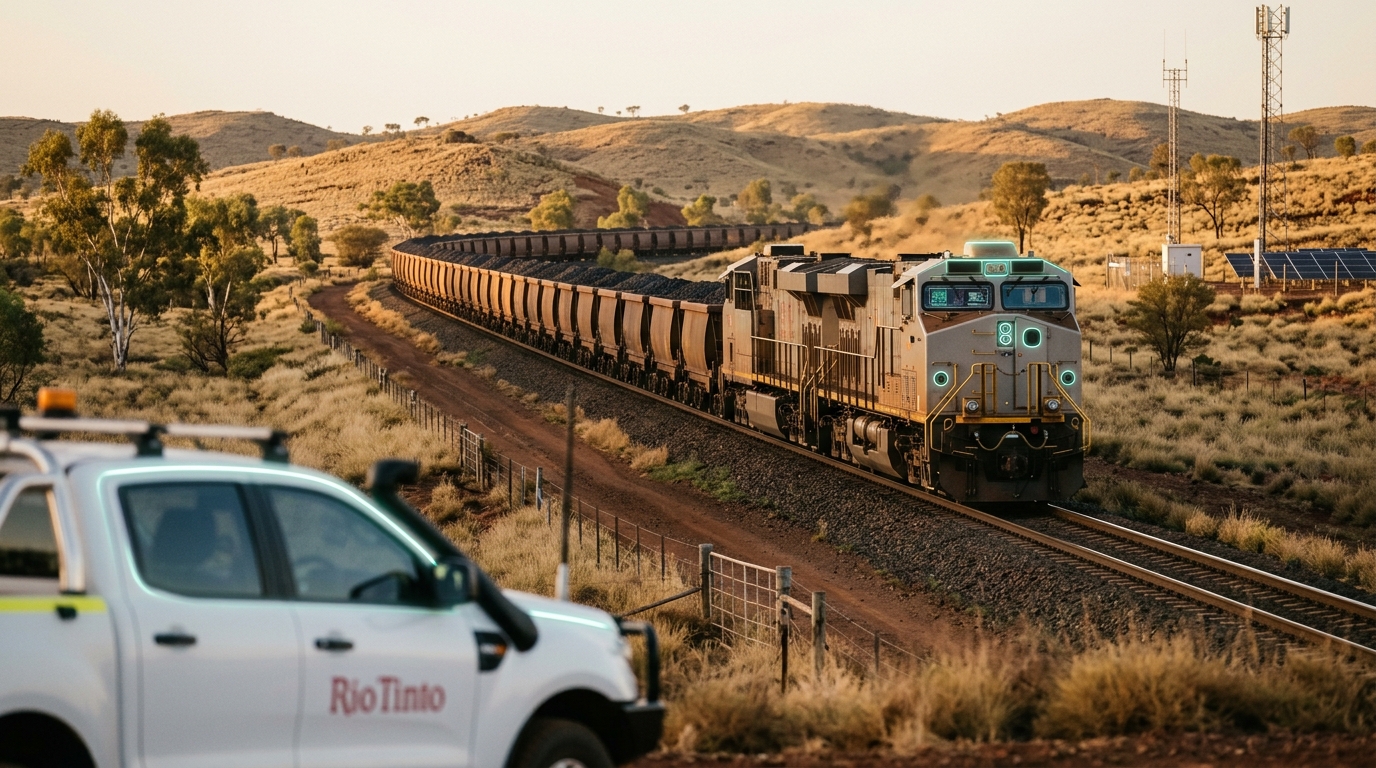
Rio Tinto operates the world's first fully autonomous heavy-haul railway in the Pilbara — 2.4km-long trains carrying 28,000 tonnes of iron ore across 1,700km of track with no drivers.
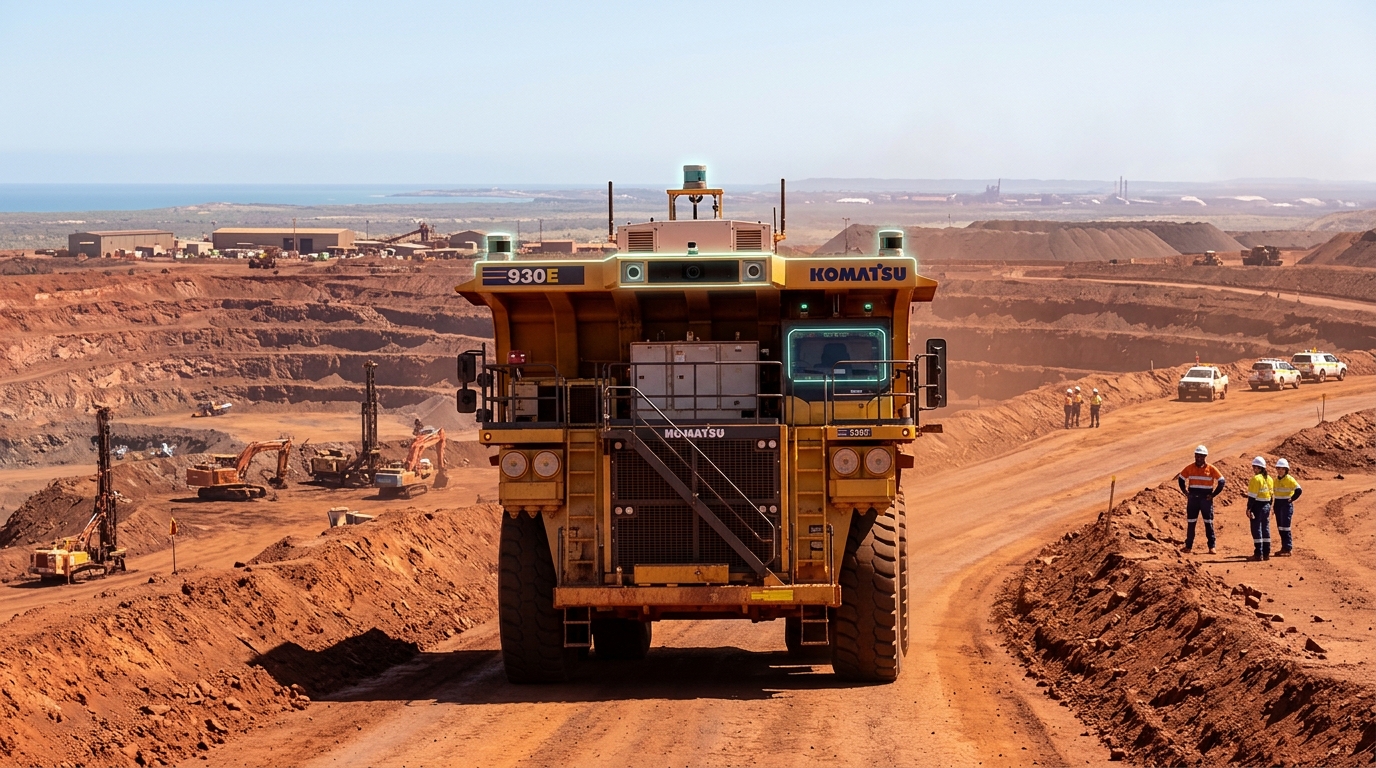
Australia's Pilbara mines operate the world's largest autonomous truck fleets — Rio Tinto and Fortescue run 300+ driverless haul trucks, with Fortescue deploying 360 battery-electric autonomous trucks by 2030.
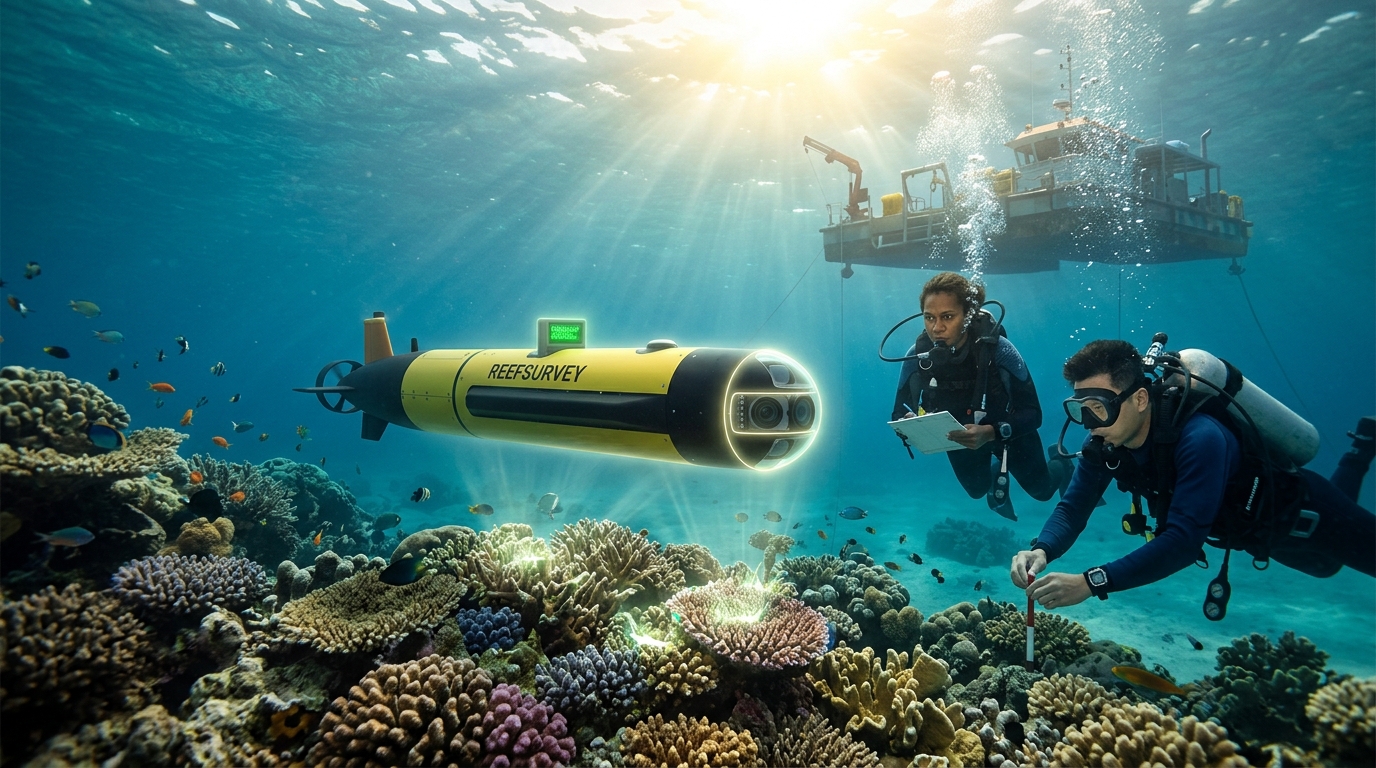
AIMS deploys autonomous underwater vehicles and AI-powered image recognition to survey the Great Barrier Reef at scale — classifying coral health across thousands of sites annually.
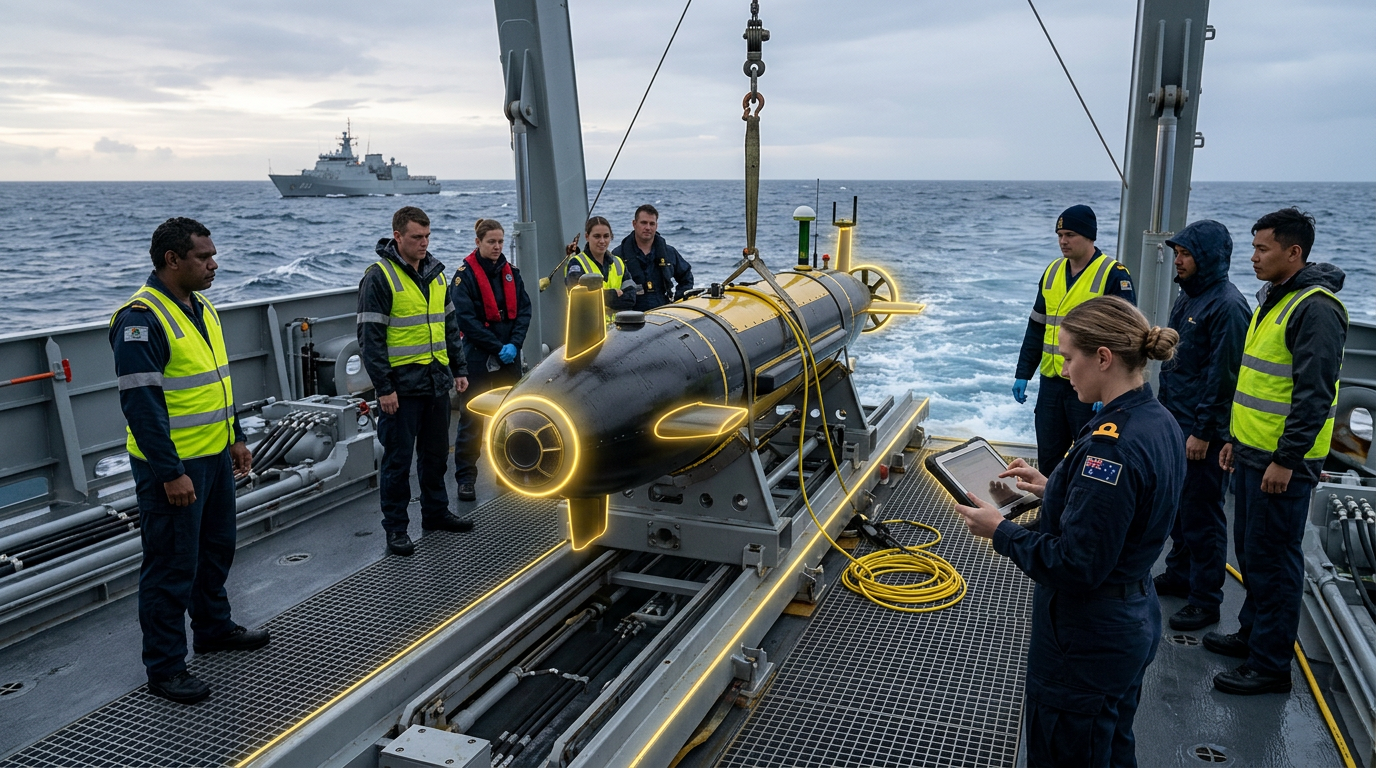
Under AUKUS Pillar II, Australia is developing autonomous underwater vehicles for mine countermeasures, surveillance, and anti-submarine warfare — complementing crewed submarine capability.
Fortescue ordered 360 battery-electric autonomous haul trucks and 50 electric autonomous drill rigs for Pilbara operations — the world's largest commitment to zero-emission mining equipment.
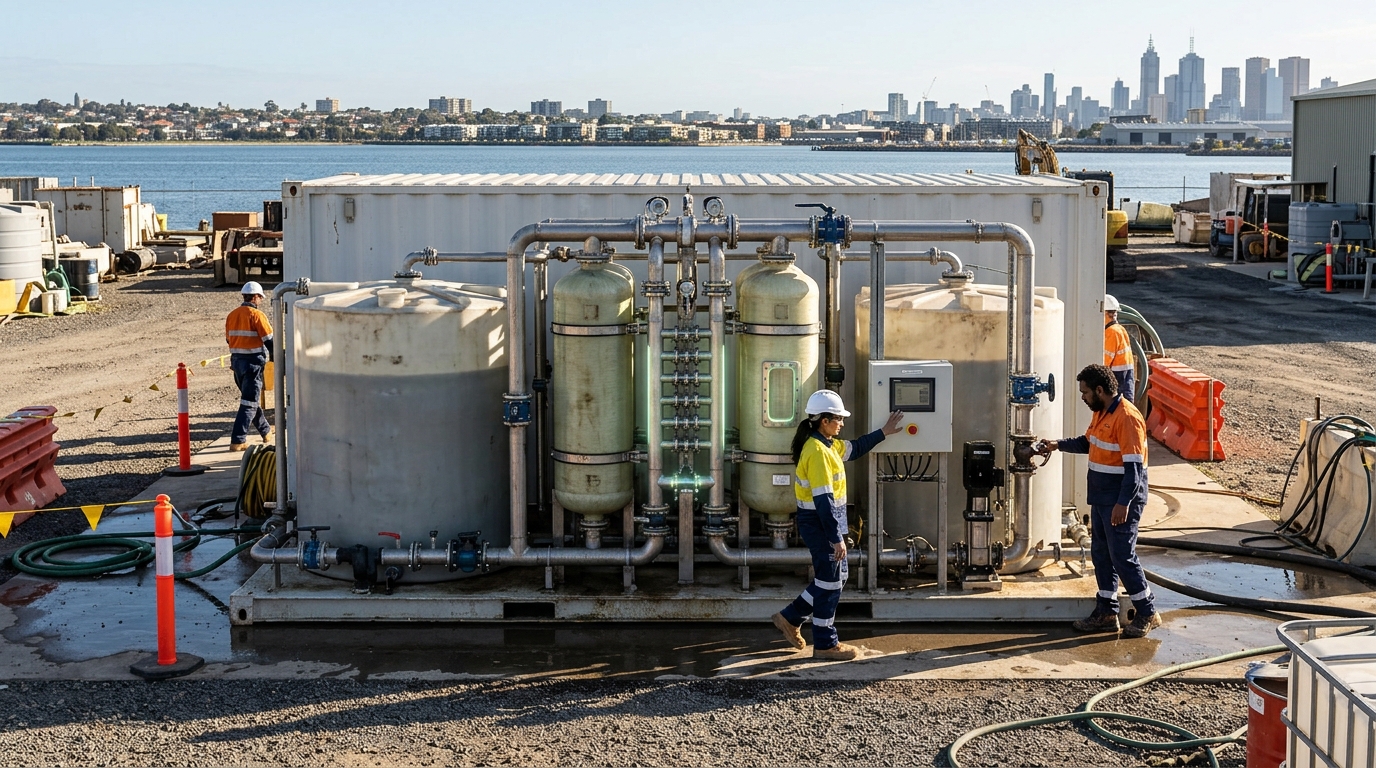
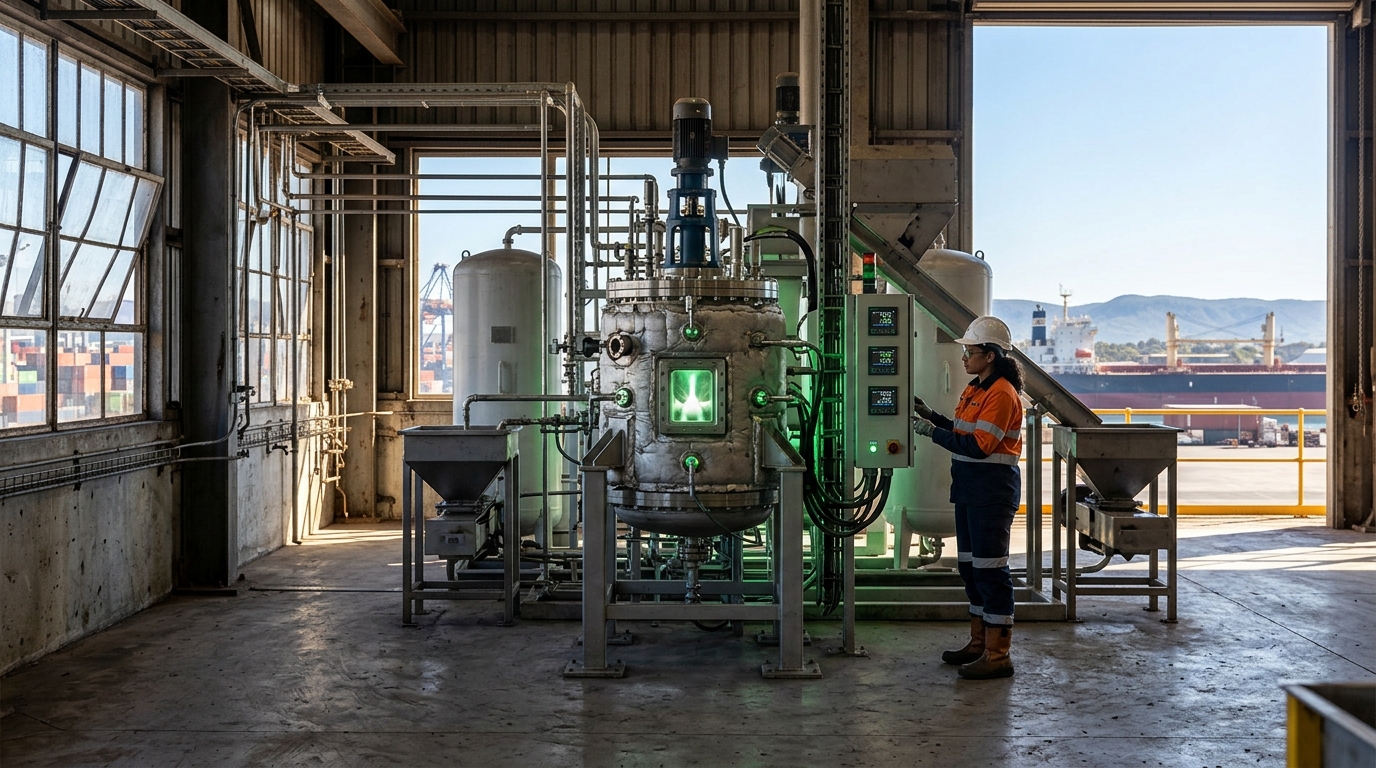
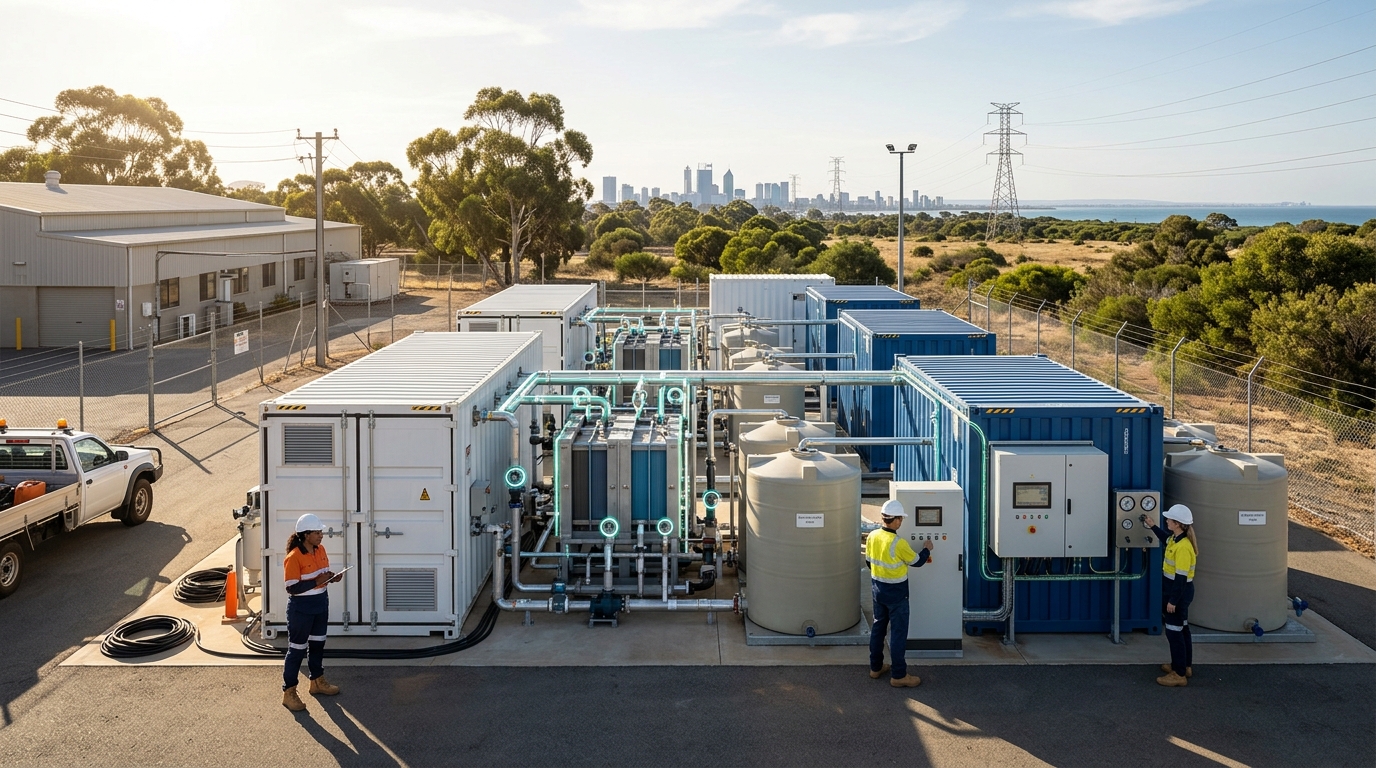
MTE mimics plant membrane proteins to selectively recover lithium, cobalt, and phosphorus from industrial wastewater — a bio-inspired approach to circular mineral processing.
Humble Bee Bio reverse-engineers native Australian bee silk to produce sustainable biomaterials — potential applications in medical sutures, packaging, and textiles without petroleum inputs.
Sydney's Immutable built the largest blockchain gaming platform processing millions of NFT transactions — pioneering gas-free Layer 2 scaling technology now adopted across gaming and digital commerce.
Australian researchers are selectively breeding heat-tolerant coral strains using assisted gene flow and IVF techniques, aiming to future-proof reefs against 1.5-2°C warming scenarios.
CSIRO's 'larval seedbox' technology boosted coral settlement rates 56-fold on the Great Barrier Reef in 2025, enabling reef-scale restoration previously considered impossible.
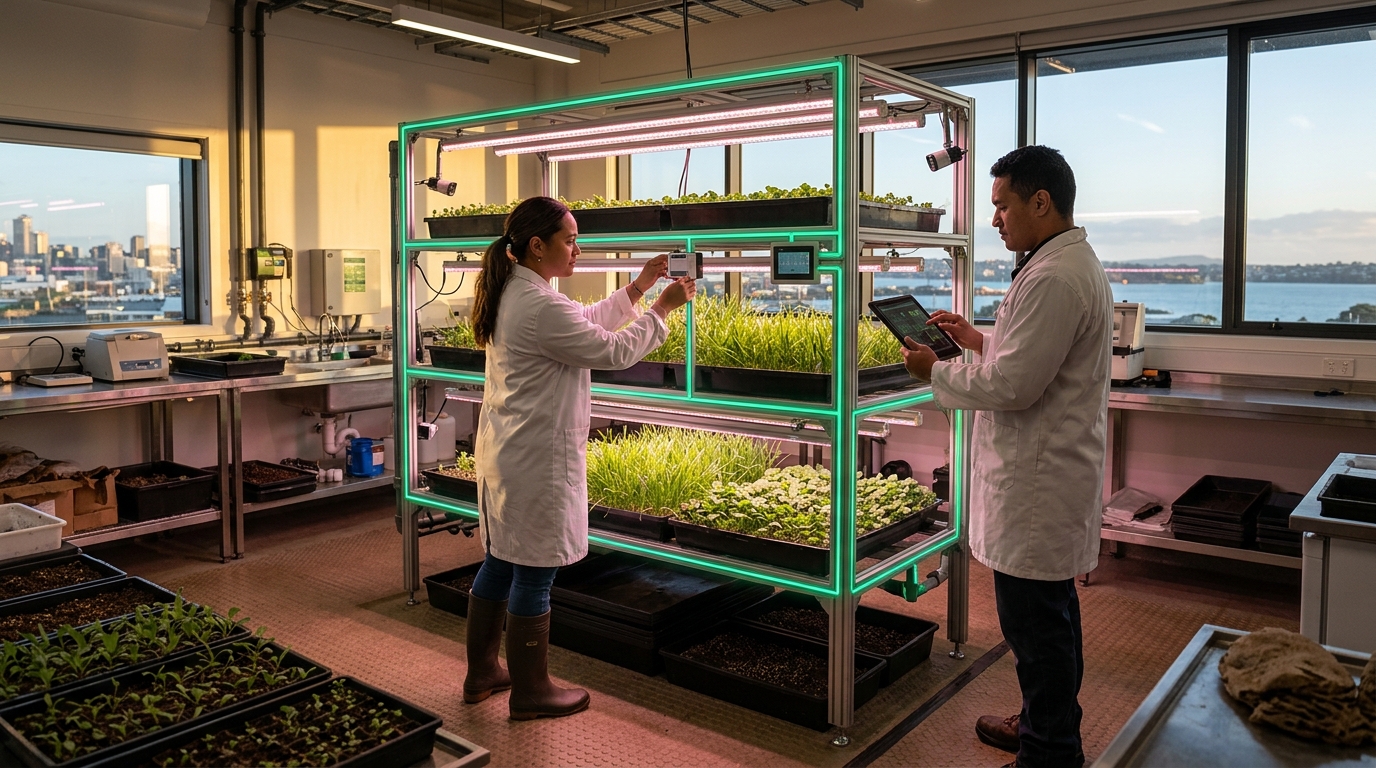
NZ researchers are using CRISPR gene editing to develop improved ryegrass and clover varieties with enhanced drought tolerance, nitrogen fixation, and reduced methane-inducing compounds — faster than traditional breeding.
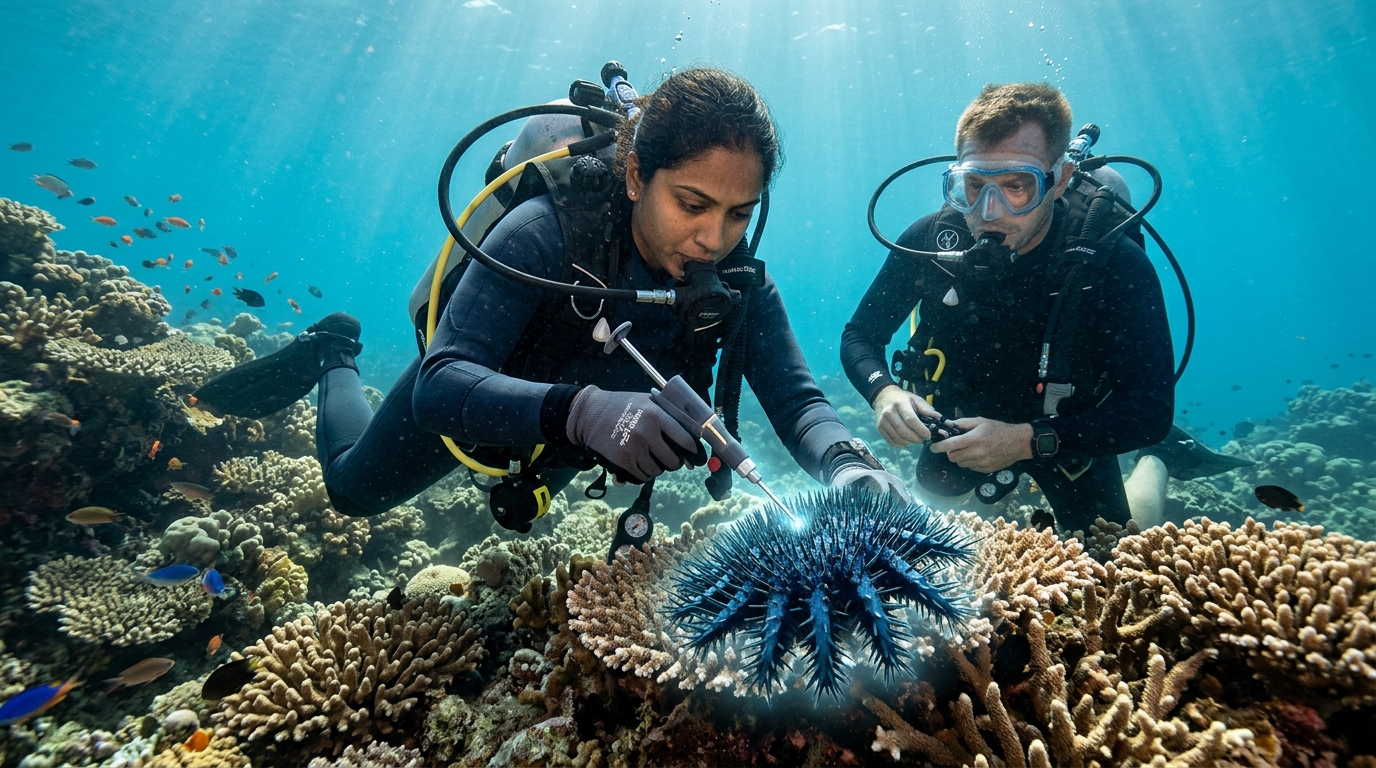
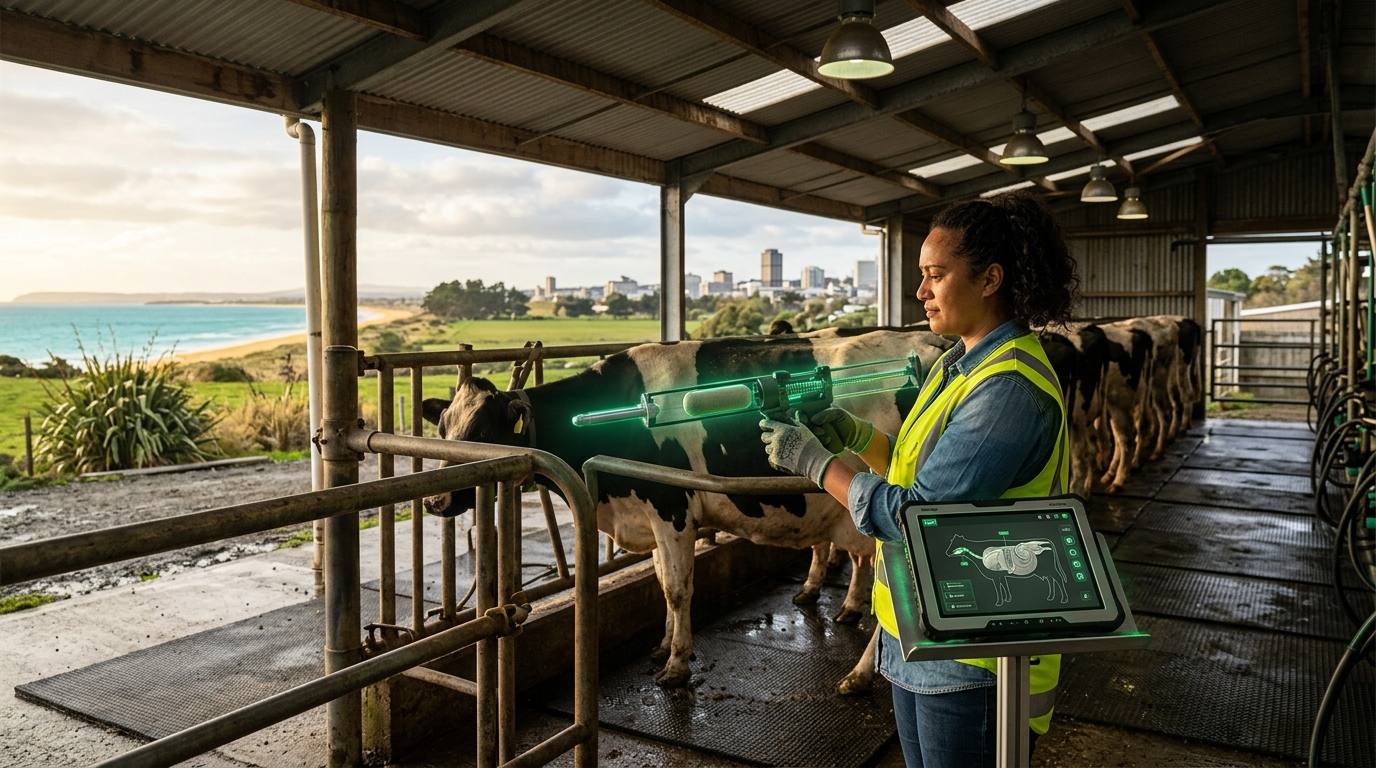
AIMS developed injectable bile salt solutions that kill crown-of-thorns starfish — a major reef predator — in 24 hours, enabling rapid population control across the Great Barrier Reef.
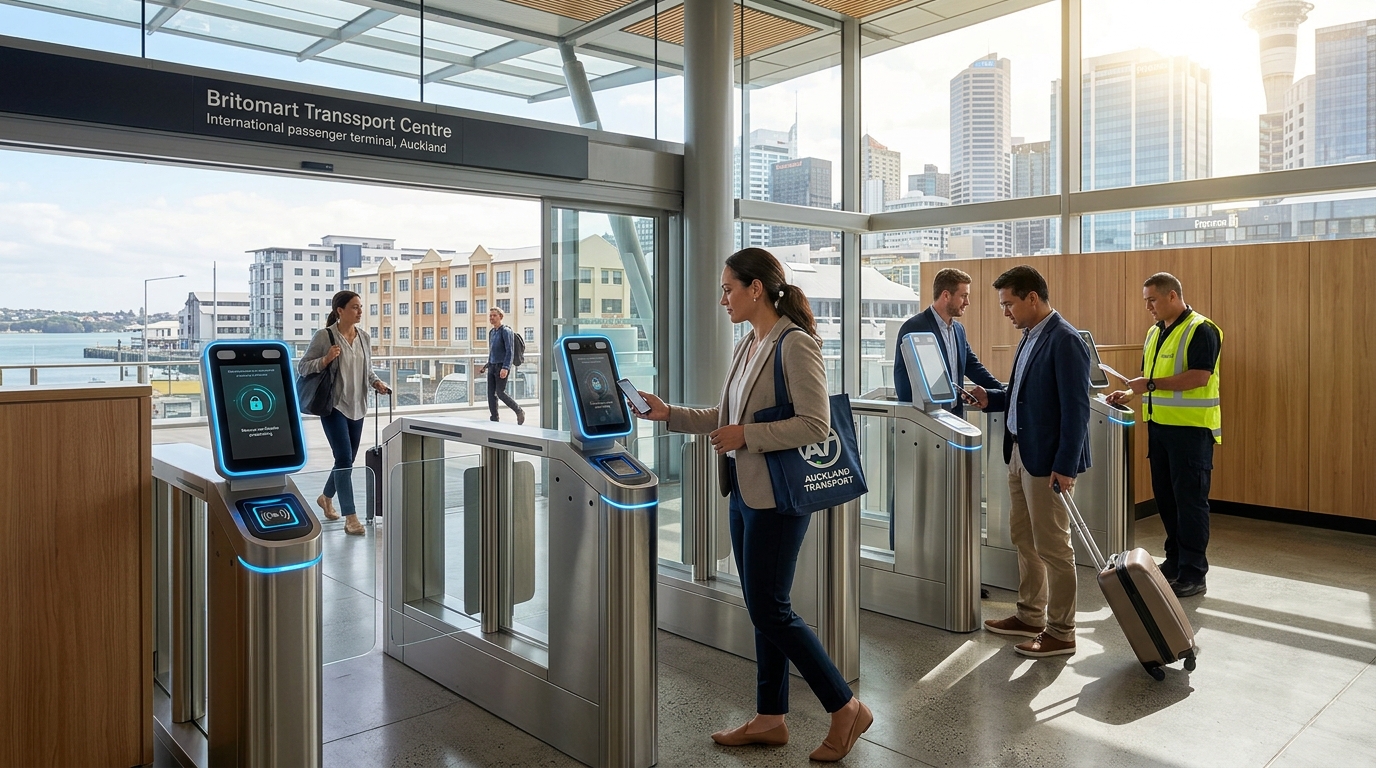
NZ's Digital Identity Trust Framework went live July 2025 — requiring W3C Verifiable Credentials or ISO mDL standards, a global pioneer in privacy-preserving digital ID.
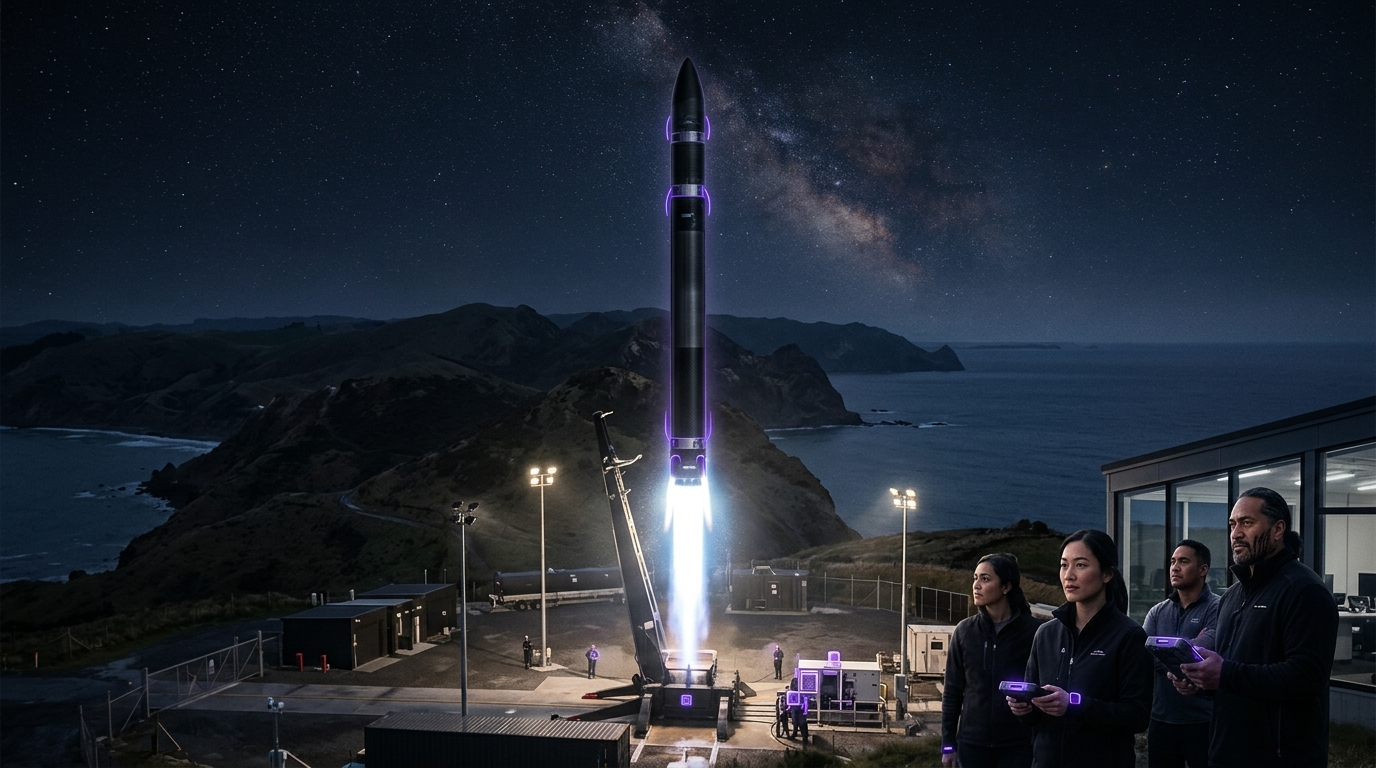
Rocket Lab's Electron, launching from NZ's Mahia Peninsula, completed 21 missions in 2025 with 100% success rate — the world's most frequently launched small orbital rocket.
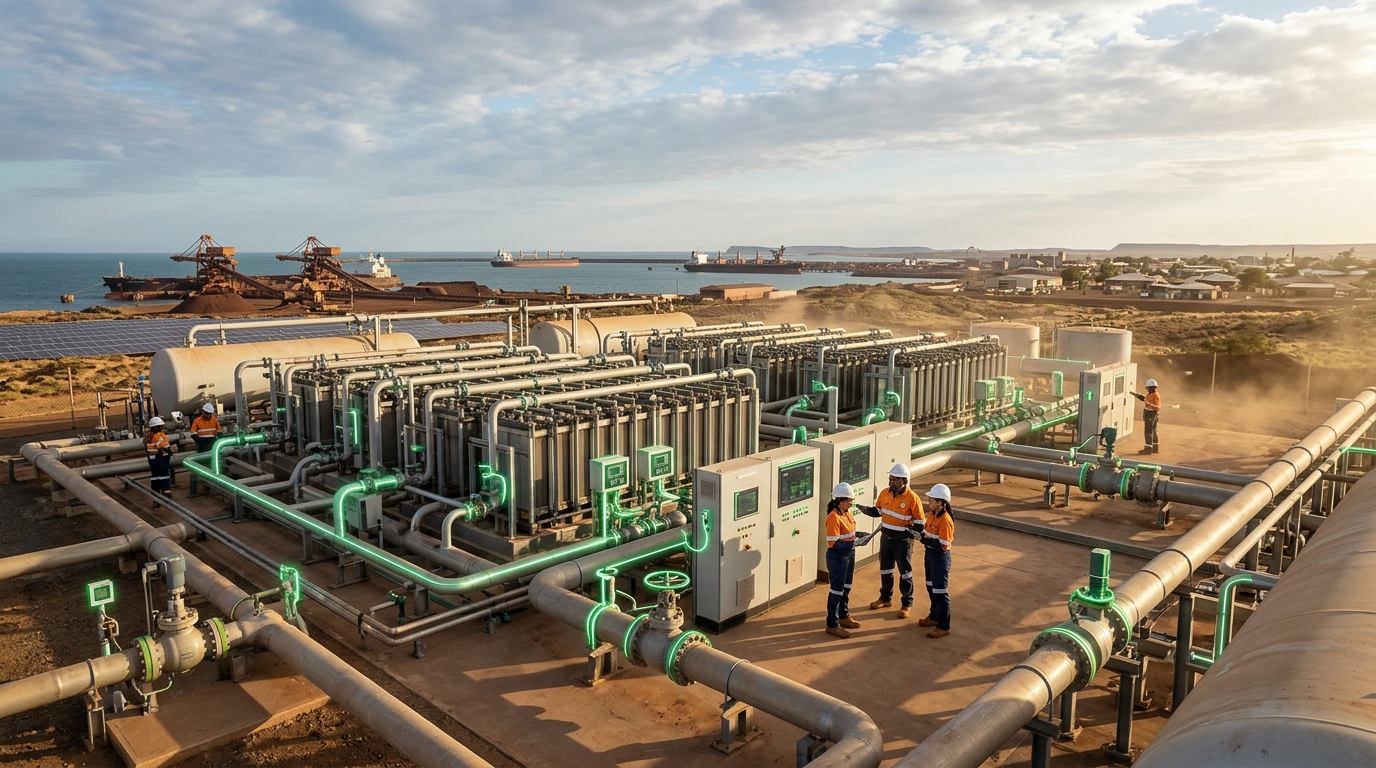
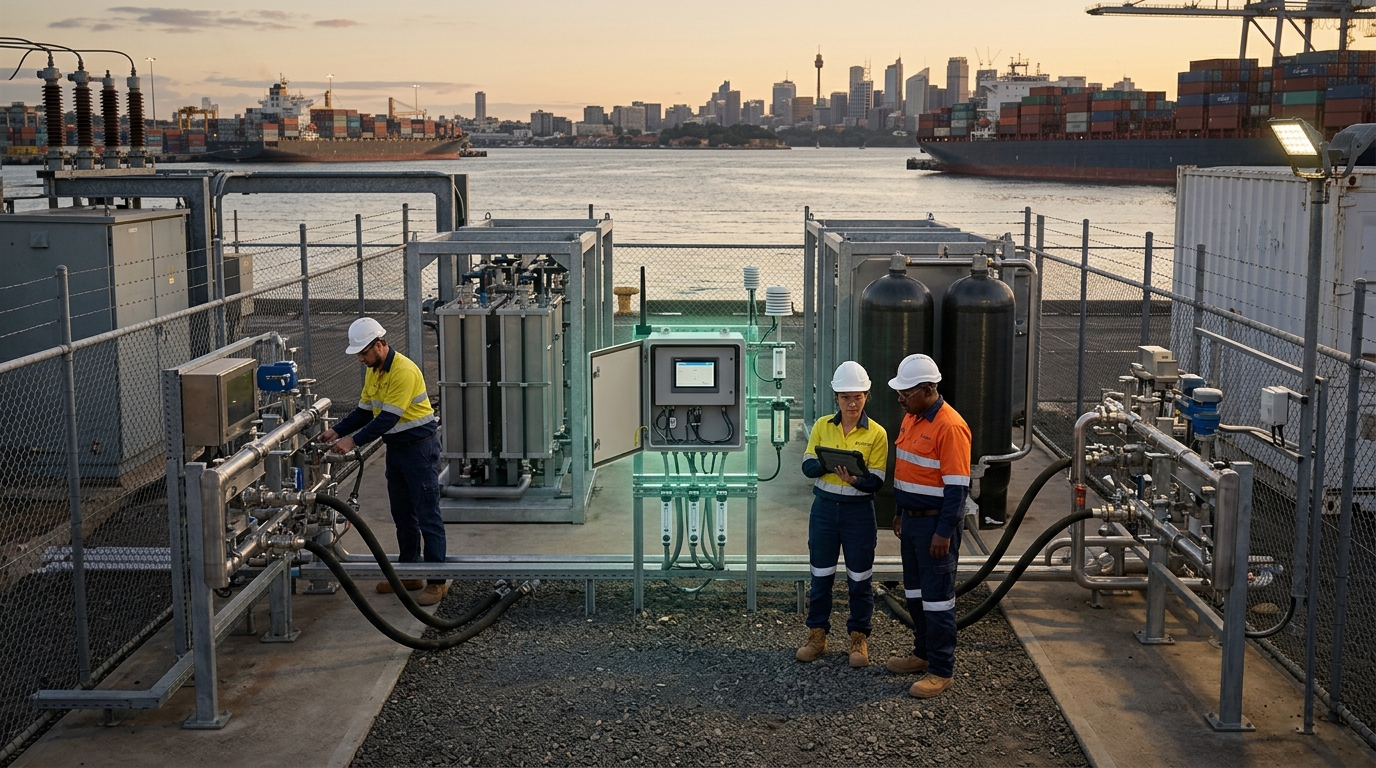
Australian companies are developing direct lithium extraction (DLE) technologies that recover lithium from brines and geothermal waters in hours rather than the 12-18 months required by conventional evaporation ponds.
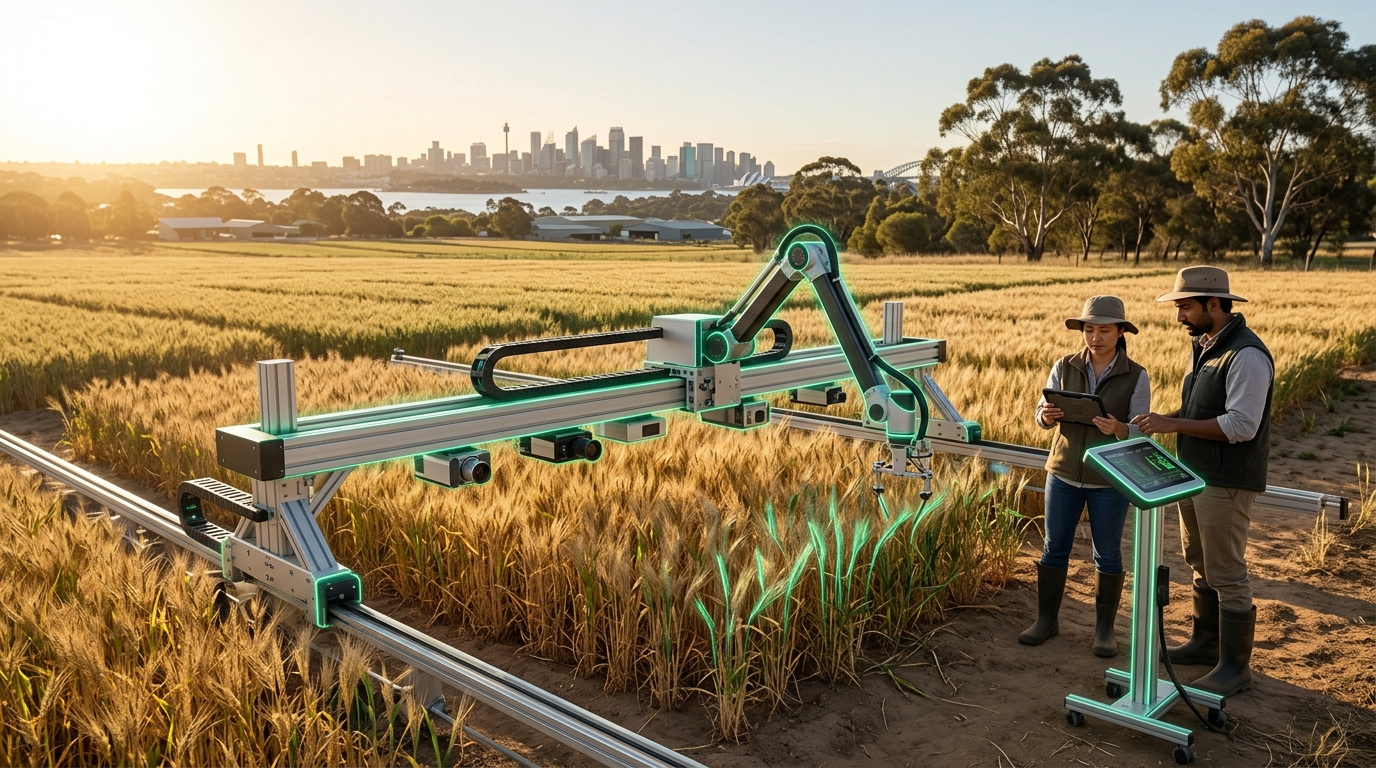
Australian CSIRO and university programs are developing drought-resistant wheat, barley, and pasture varieties using genomic selection and CRISPR — the A$5B Future Drought Fund backs innovation challenges.
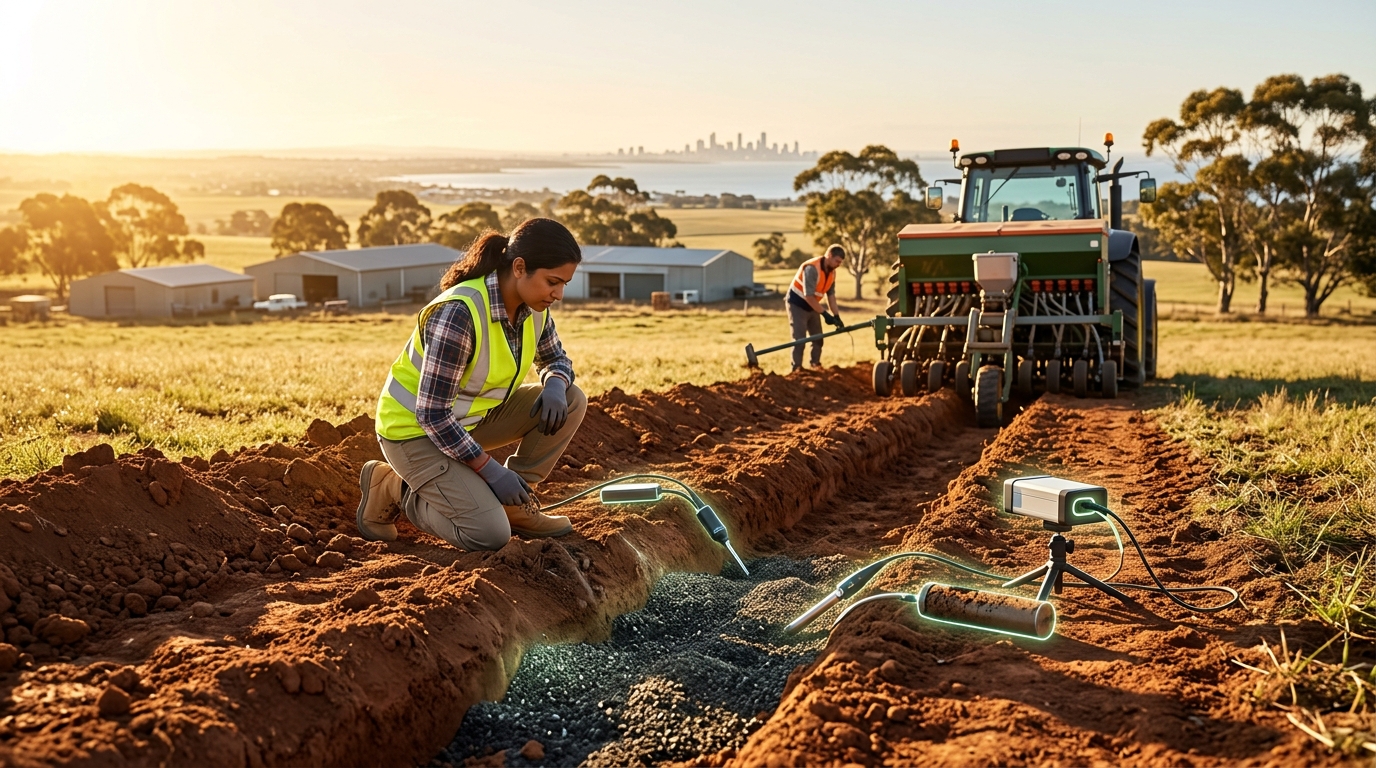
Australian ventures are developing engineered biochar and biocarbon products that permanently sequester carbon in agricultural soils while improving soil health — addressing both emissions and land degradation.
Australia targets 15M tonnes of renewable hydrogen by 2050 with A$3B+ in government backing; a 6GW plant in Western Australia aims for FID in late 2026 to export green ammonia to Asia.
Australia's ASD operates as a Five Eyes cyber operations hub with offensive and defensive capabilities, achieving 90% centralised logging across government entities in 2025 and leading joint threat intelligence sharing.
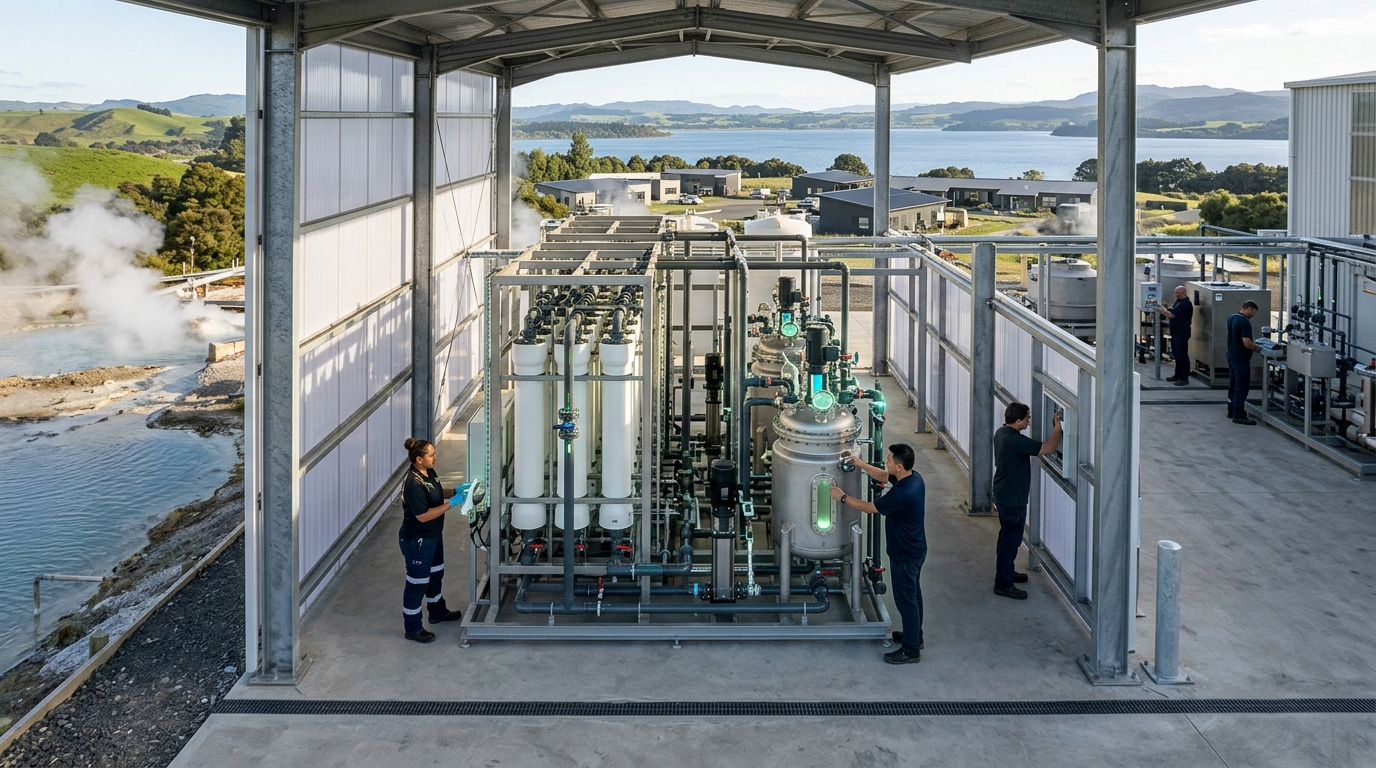
NZ's Geo40 extracts silica and lithium from geothermal brines at Contact Energy's Ohaaki plant — turning waste fluid into battery minerals while improving geothermal plant efficiency.
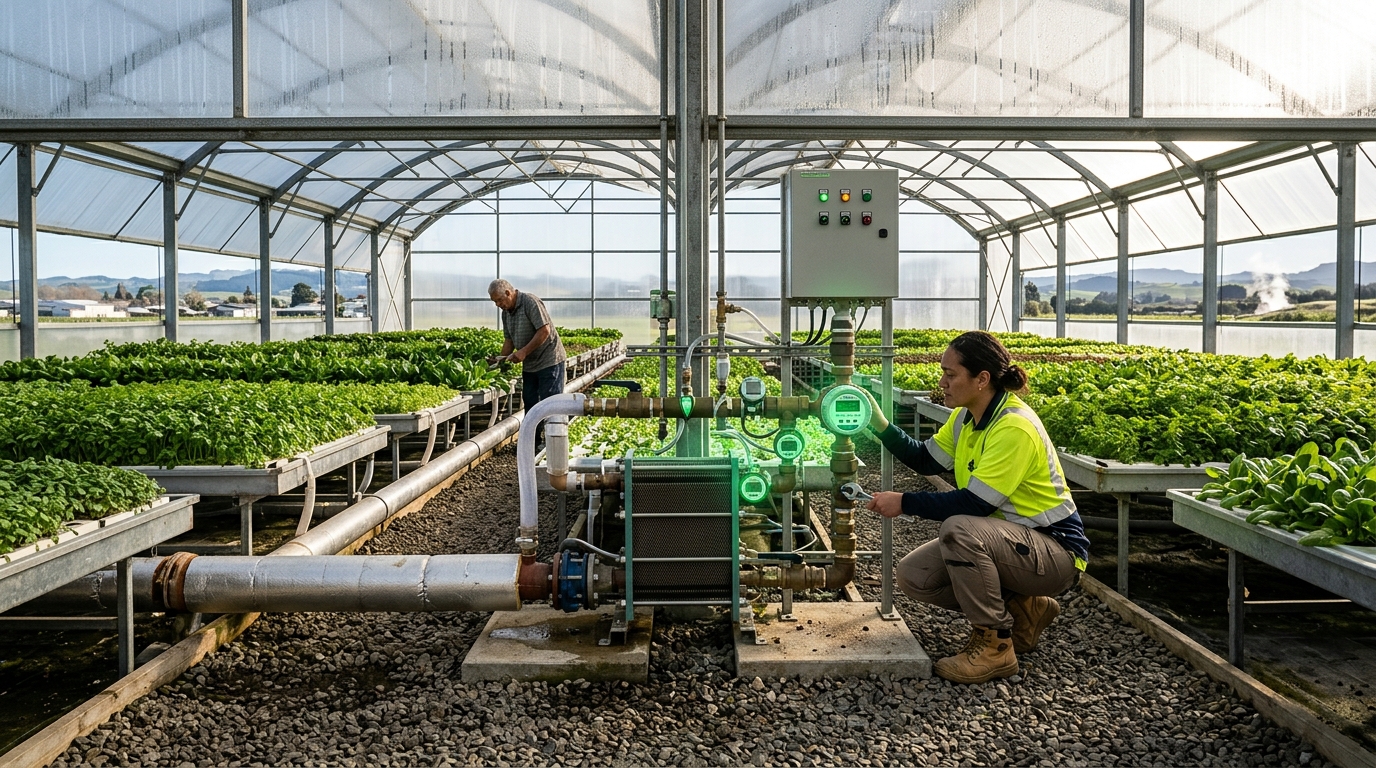
New Zealand is expanding geothermal direct-use heating for greenhouse horticulture, timber drying, and aquaculture — displacing fossil fuels with zero-emission heat in the Taupo/Bay of Plenty region.
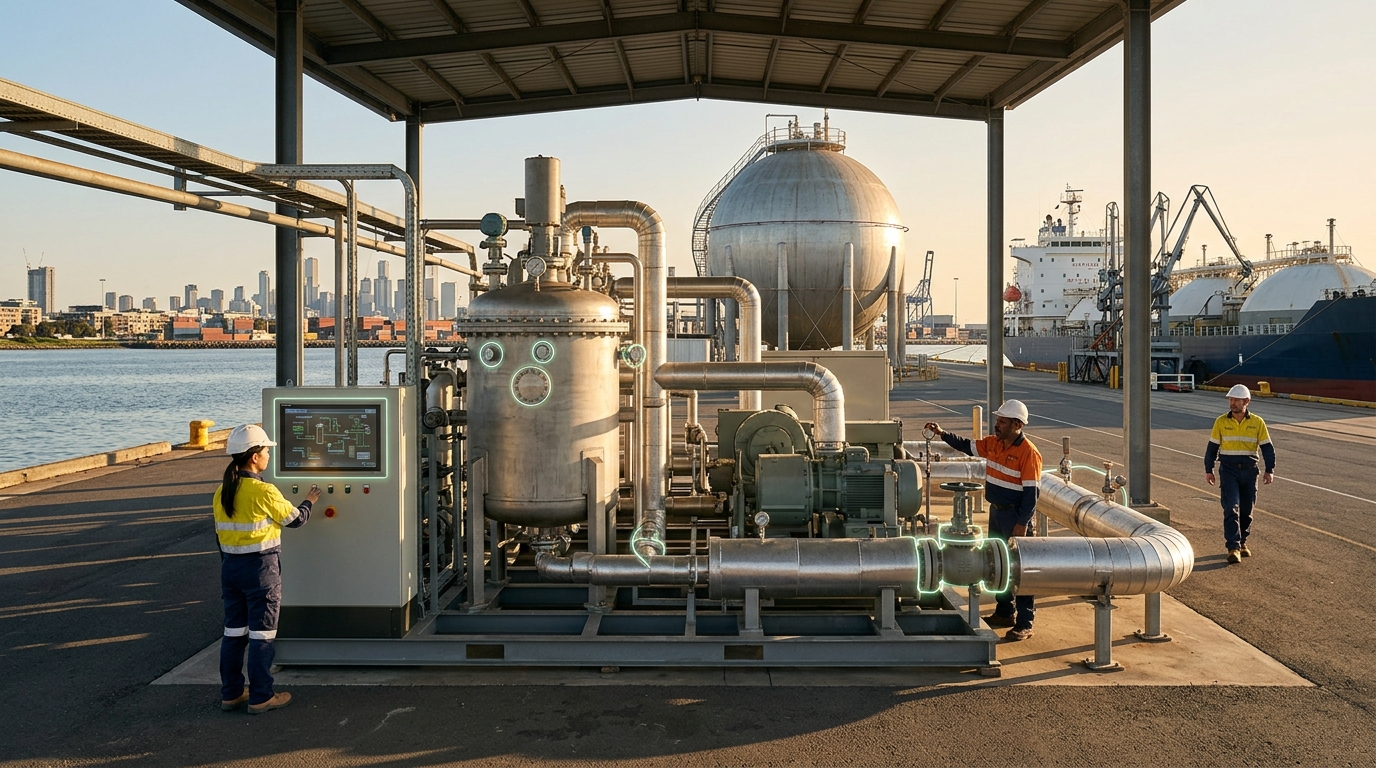
Multiple Australian projects are developing green ammonia as a hydrogen carrier for export to Japan/Korea and as zero-carbon shipping fuel — leveraging existing ammonia port infrastructure.
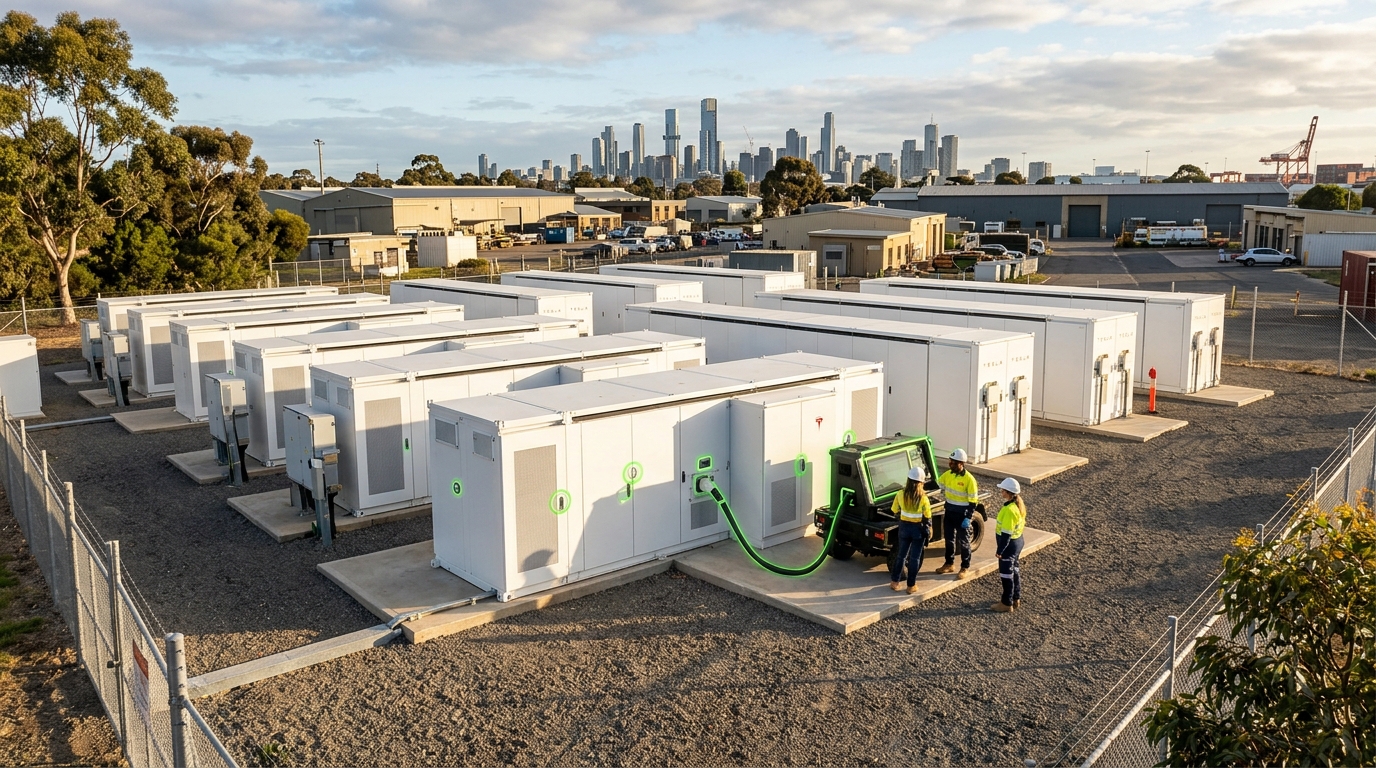
Australia is deploying some of the world's largest battery storage installations — including Neoen's 300MW/450MWh Victorian Big Battery and Hornsdale Power Reserve — to stabilize a grid rapidly transitioning from coal.
Australia's Guarantee of Origin scheme, live since November 2025, provides blockchain-verified emissions accounting for hydrogen, green metals, and renewable electricity — enabling premium pricing in export markets.
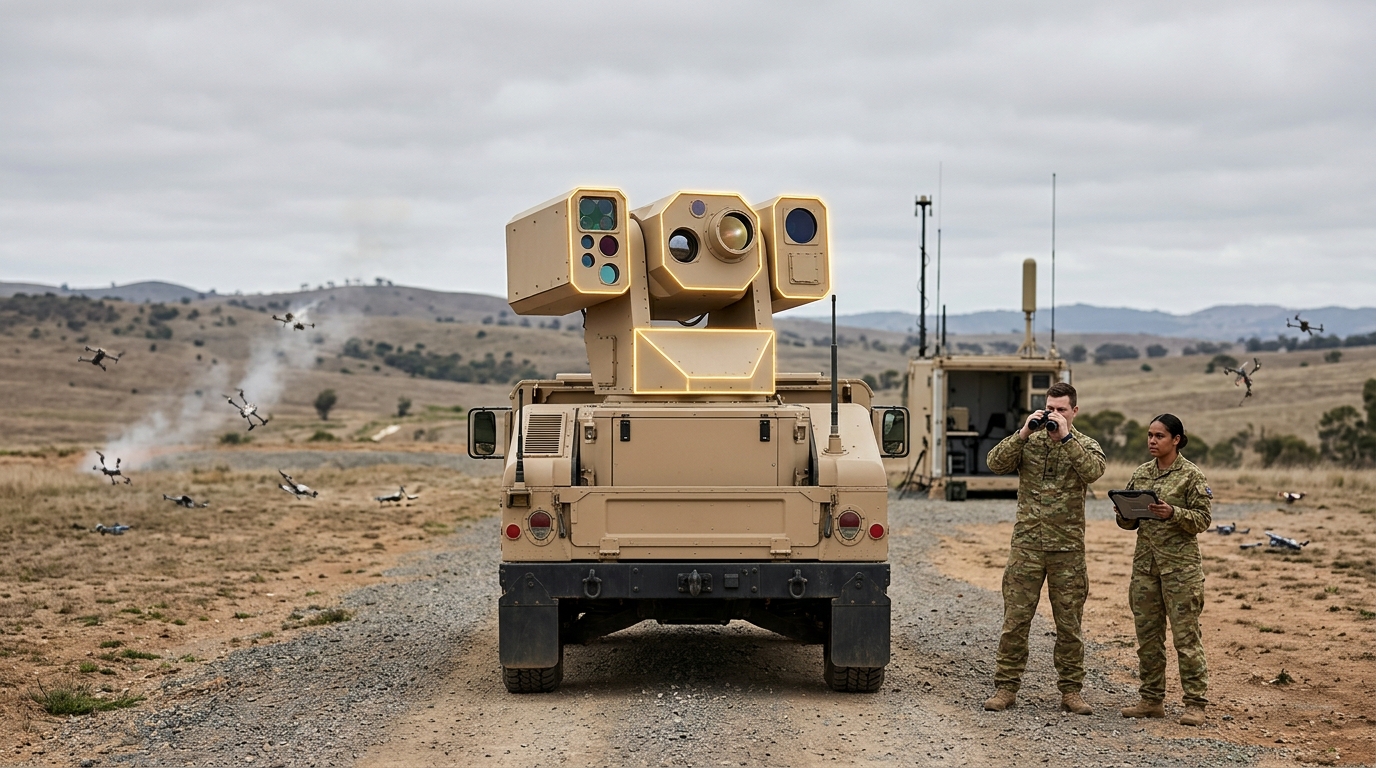
EOS's Apollo laser weapon can neutralize 50 drones per minute at 150kW with near-zero cost per shot — unveiled at DSEI 2025, it's Australia's first indigenous directed-energy weapon.
Australia is developing hydrogen-based direct reduced iron (DRI) technology to produce green iron for export — embedding renewable energy in steel feedstock rather than exporting raw ore.
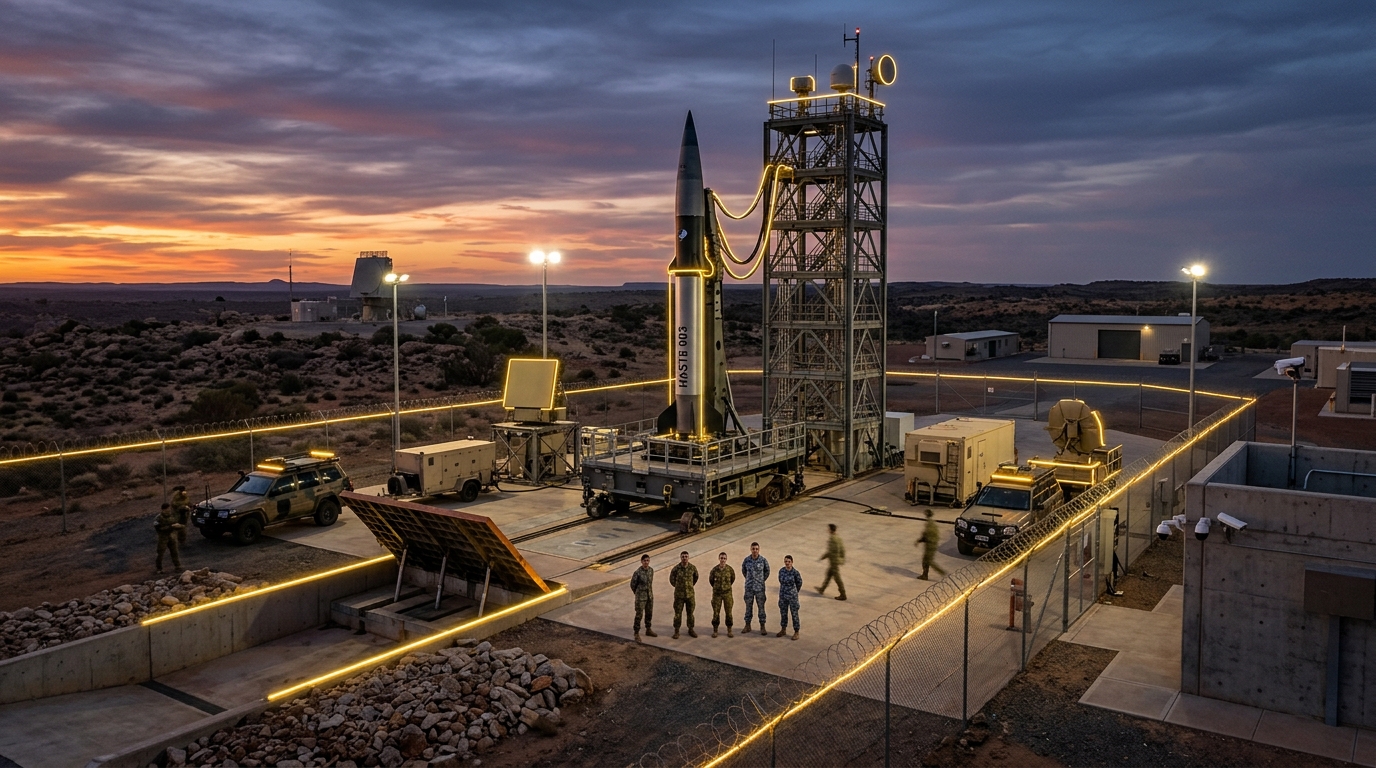
Australia operates Woomera, one of the world's largest weapons testing ranges, and NZ-based HASTE provides suborbital hypersonic test launch capability — critical shared infrastructure for AUKUS weapons development.
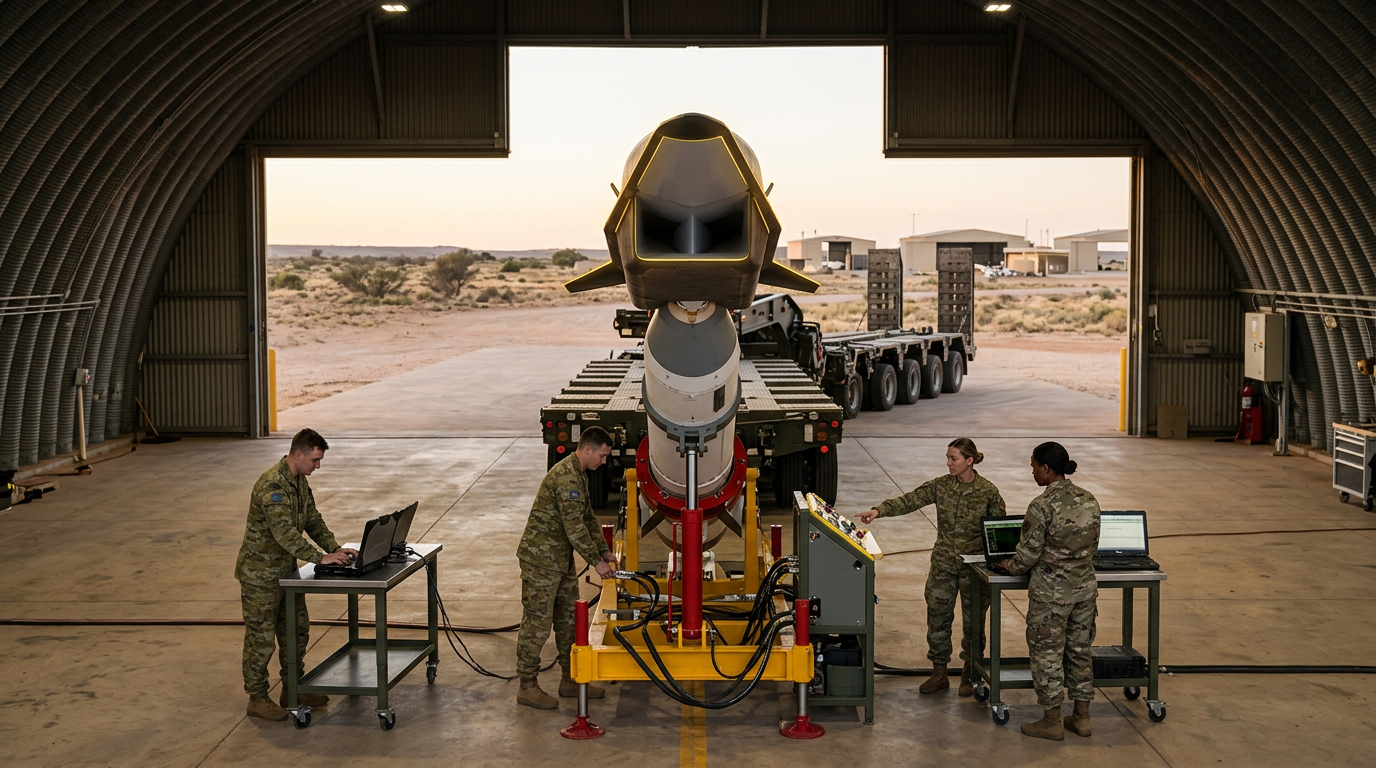
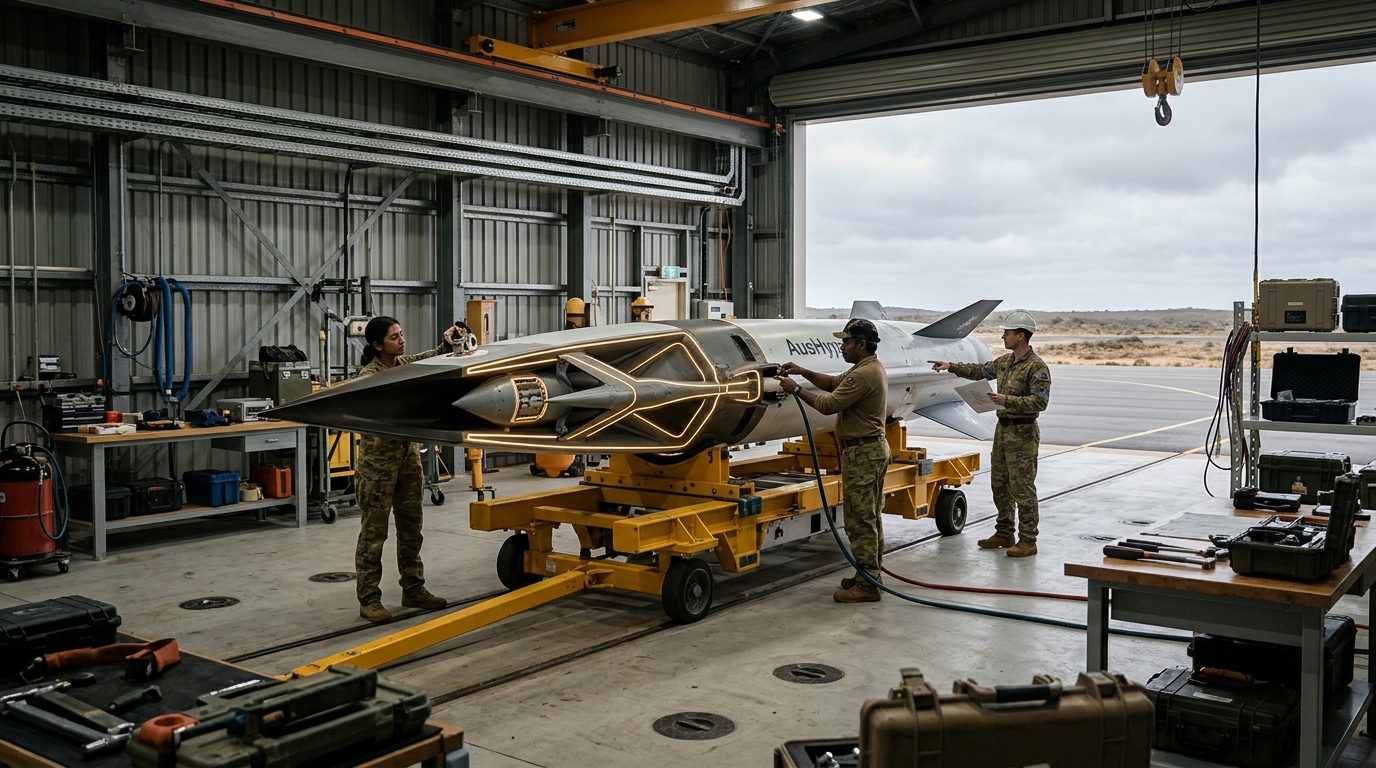
Under AUKUS Pillar II's HyFliTE project, Australia is co-developing hypersonic missiles with the US and UK, leveraging decades of scramjet research at the University of Queensland.
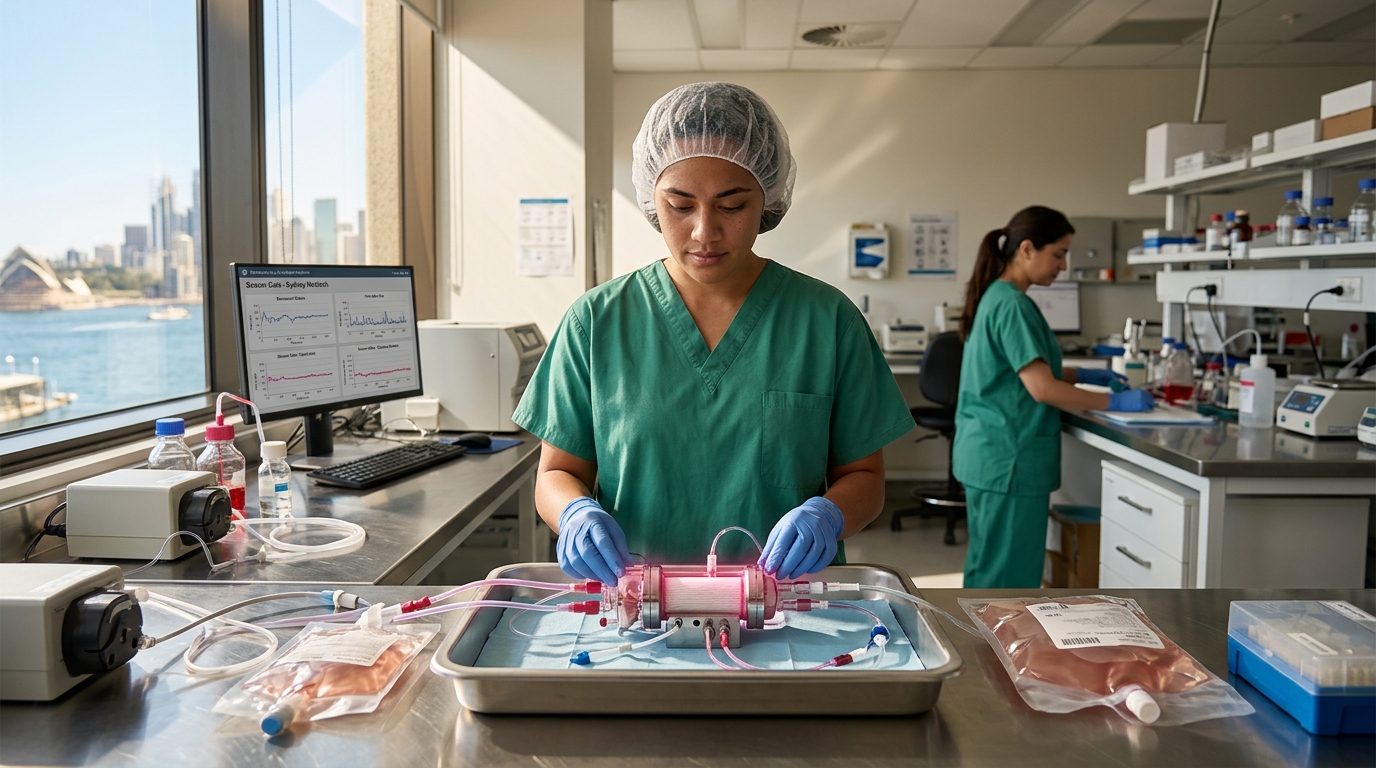
Australian medtech ventures are developing miniaturized, implantable artificial kidney devices to replace dialysis — identified in Tech23 2025 as a breakthrough healthcare technology.
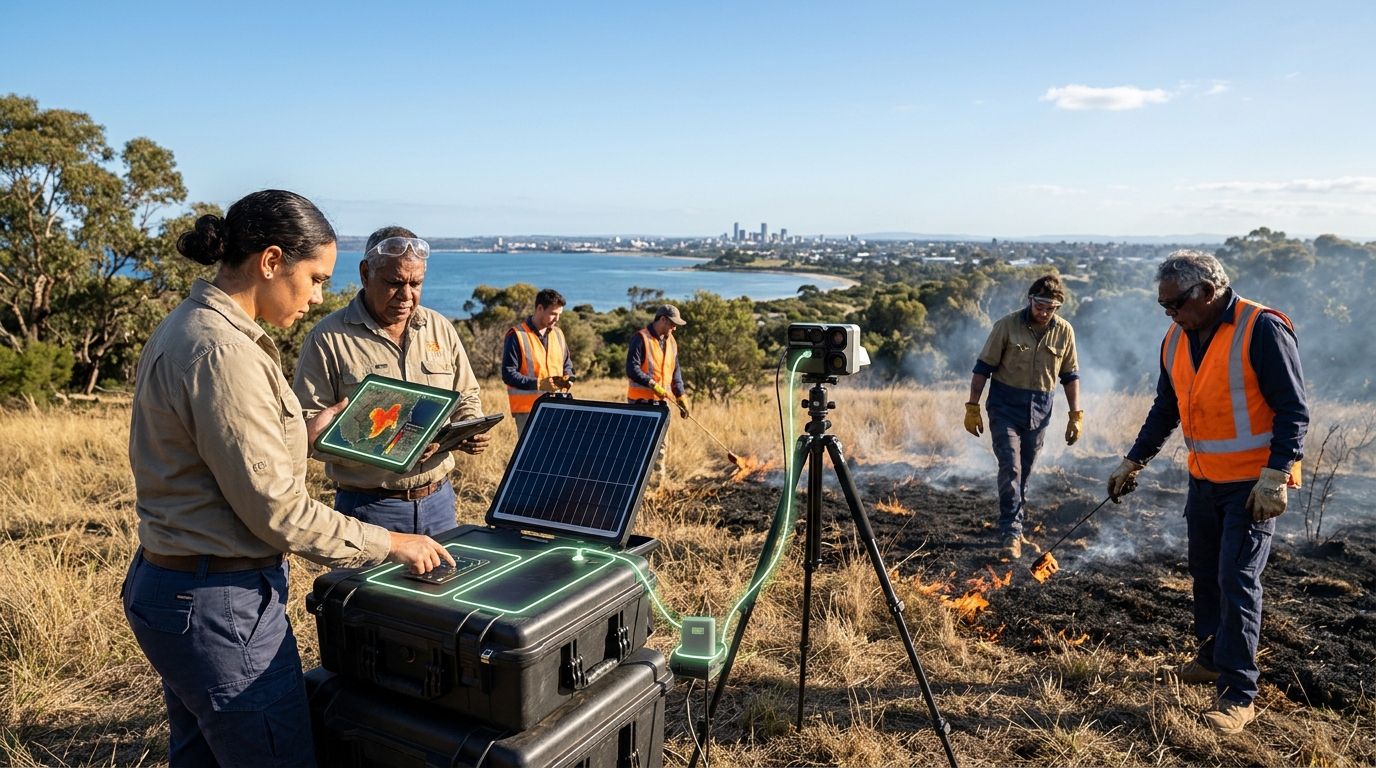
Australia is integrating 65,000+ years of Aboriginal fire knowledge with satellite mapping and AI — Firesticks Alliance runs cultural burns across multiple states, backed by Cultural Fire Credits.
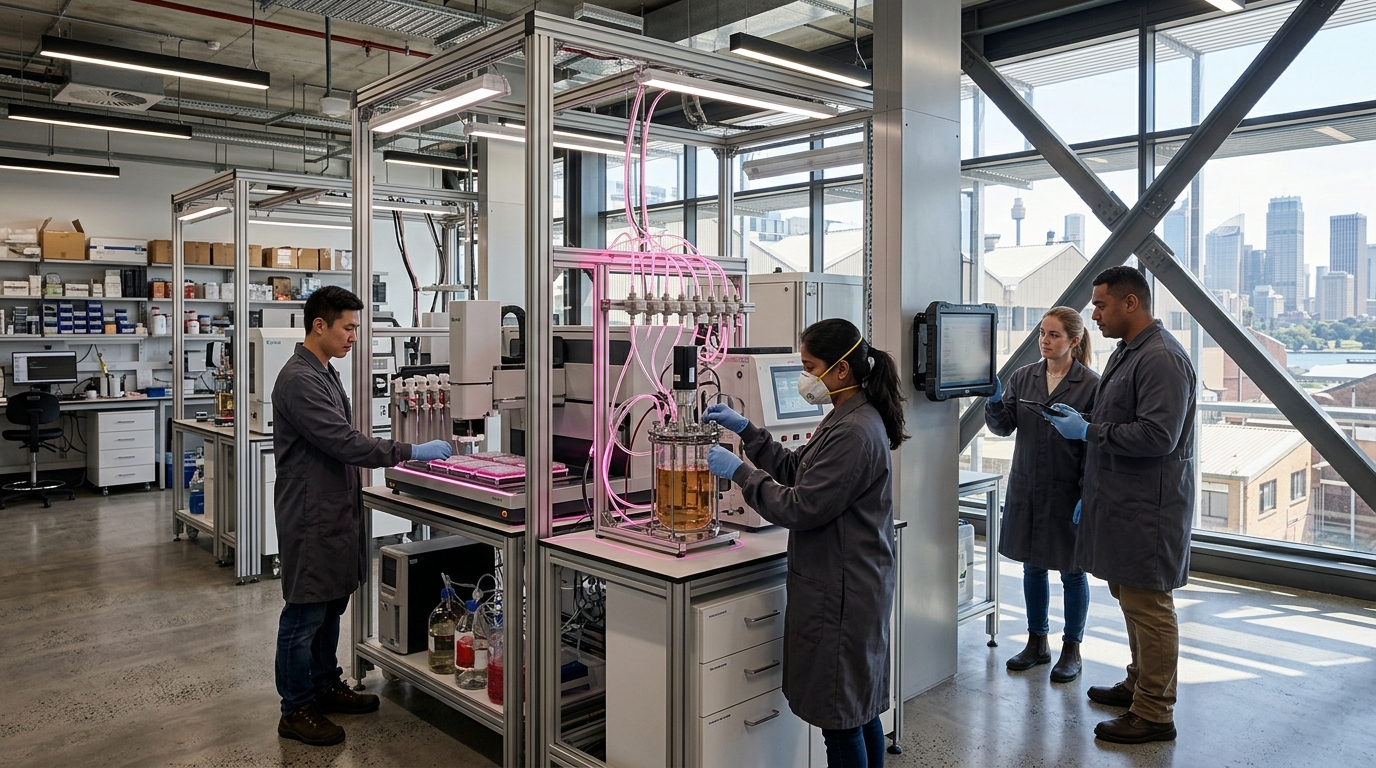
CSIRO's BioFoundry enables rapid design-build-test of engineered organisms; Australia's Synthetic Biology Roadmap targets $30B economic contribution and 50,000 jobs by 2040.
Australian medtech startups are developing wearable diagnostic patches that continuously monitor biomarkers through interstitial fluid — enabling real-time disease detection without blood draws.
NZ invented the lead-rubber bearing — now the global standard for seismic base isolation — used in Parliament buildings, hospitals, and nuclear plants across Japan, Italy, and the US.
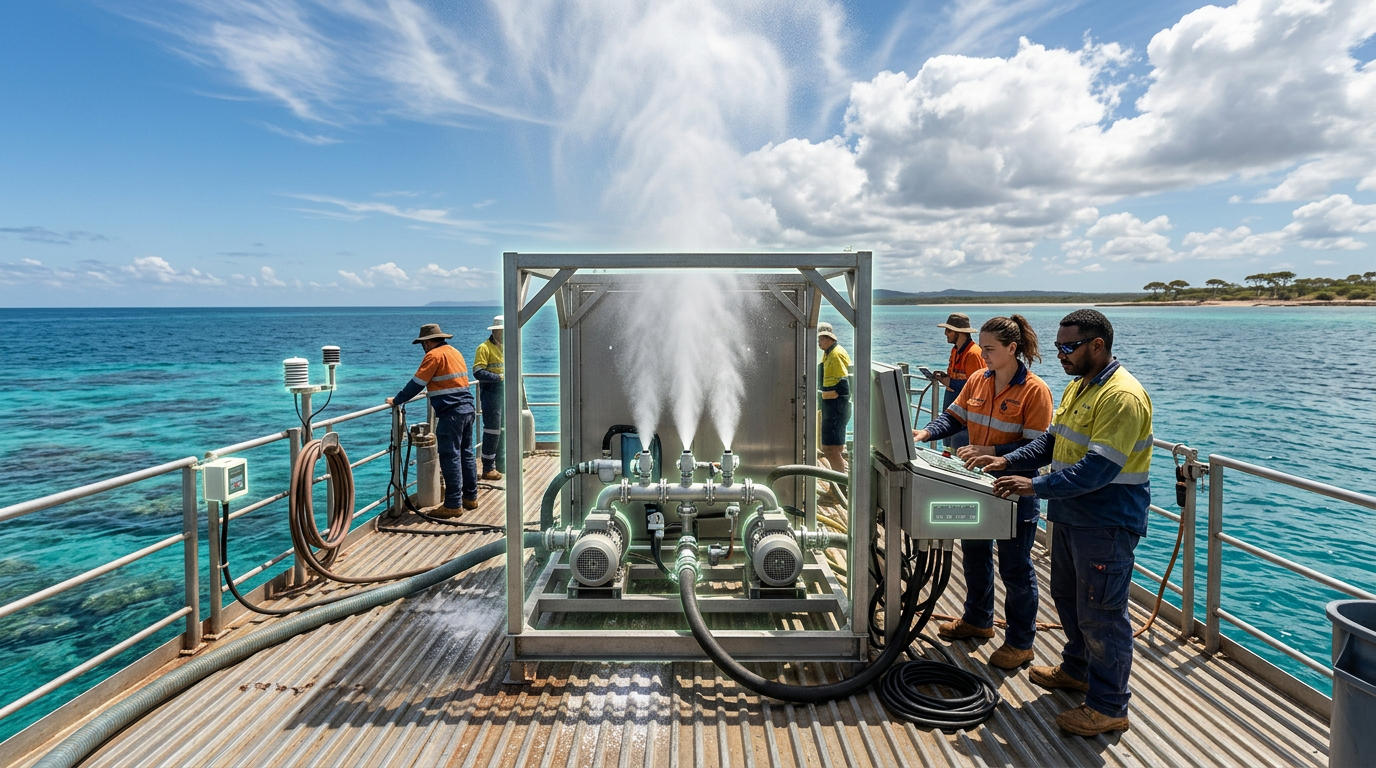
Australian researchers are testing marine cloud brightening — spraying fine sea-salt particles into clouds to increase reflectivity and reduce heat stress on the Great Barrier Reef during bleaching events.
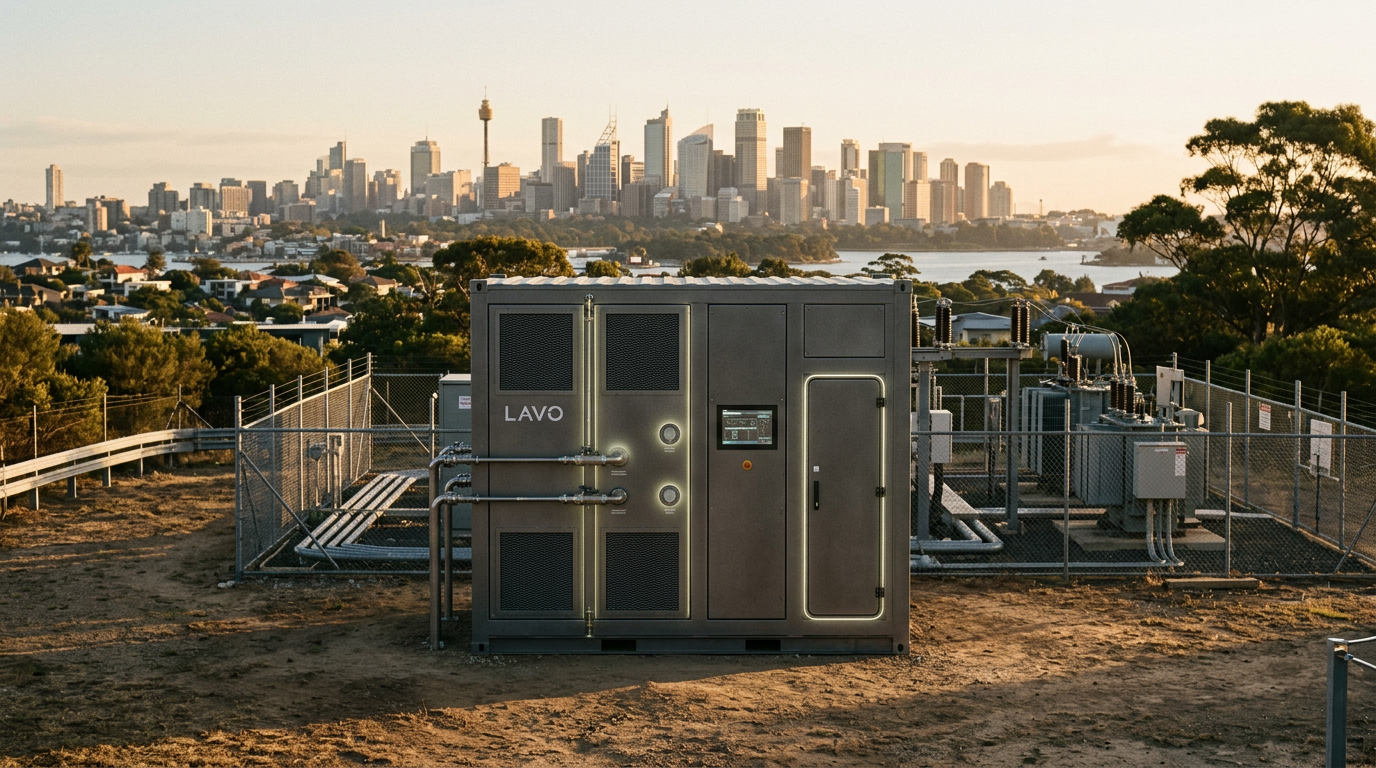
LAVO's hydrogen battery, developed with UNSW, stores 40kWh of electricity as solid-state hydrogen in metal hydride — enabling days-to-weeks storage without lithium supply chain risks.
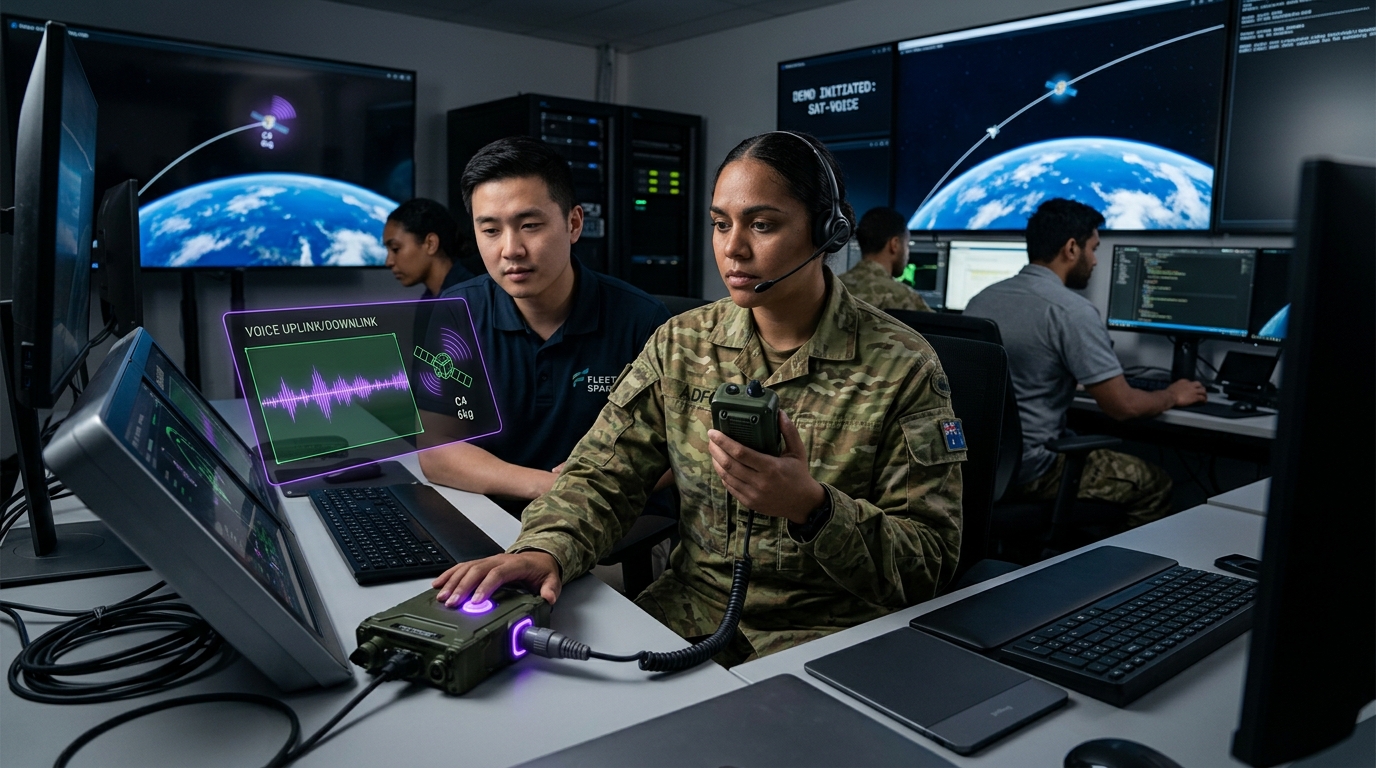
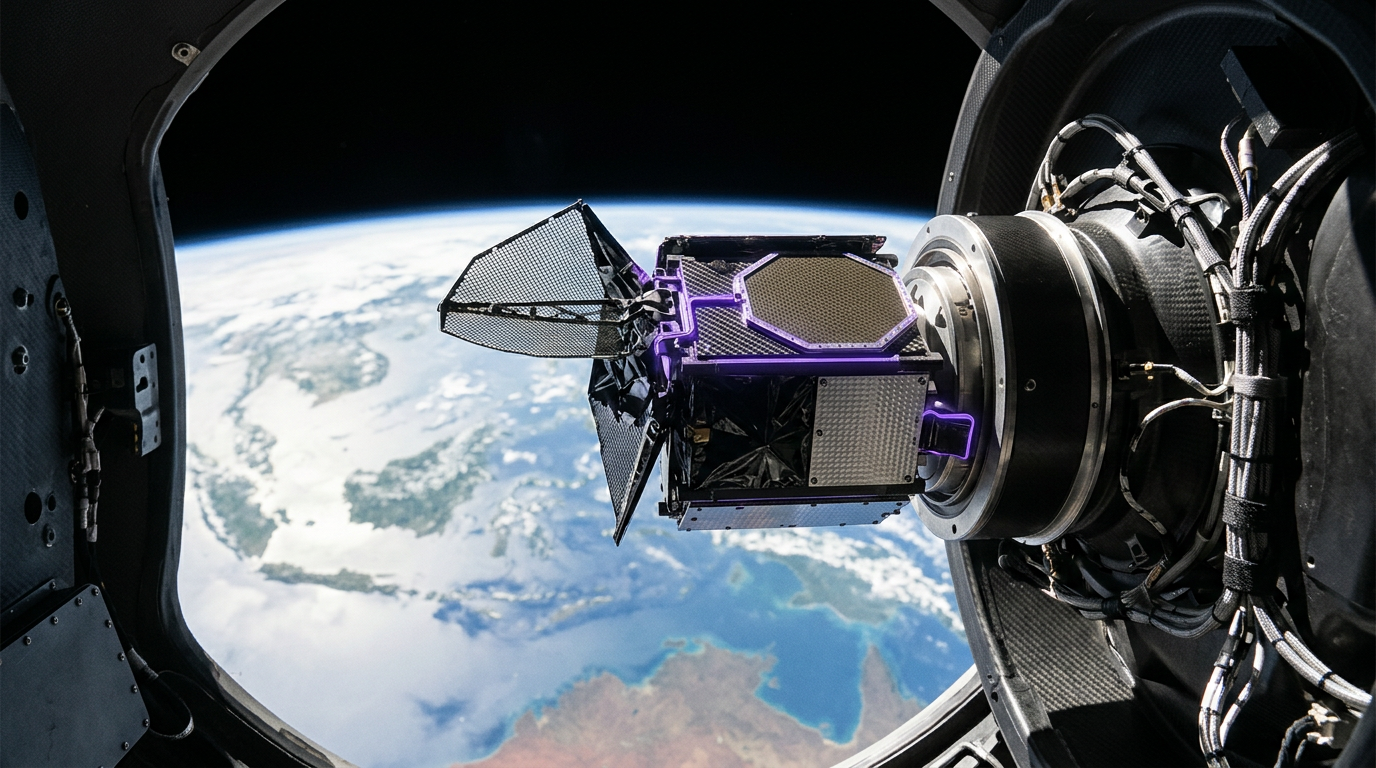
Fleet Space demonstrated satellite-enabled Push-to-Talk voice for the Australian Defence Force on the world's smallest known voice-capable satellite — Centauri-4 weighing just 6kg.
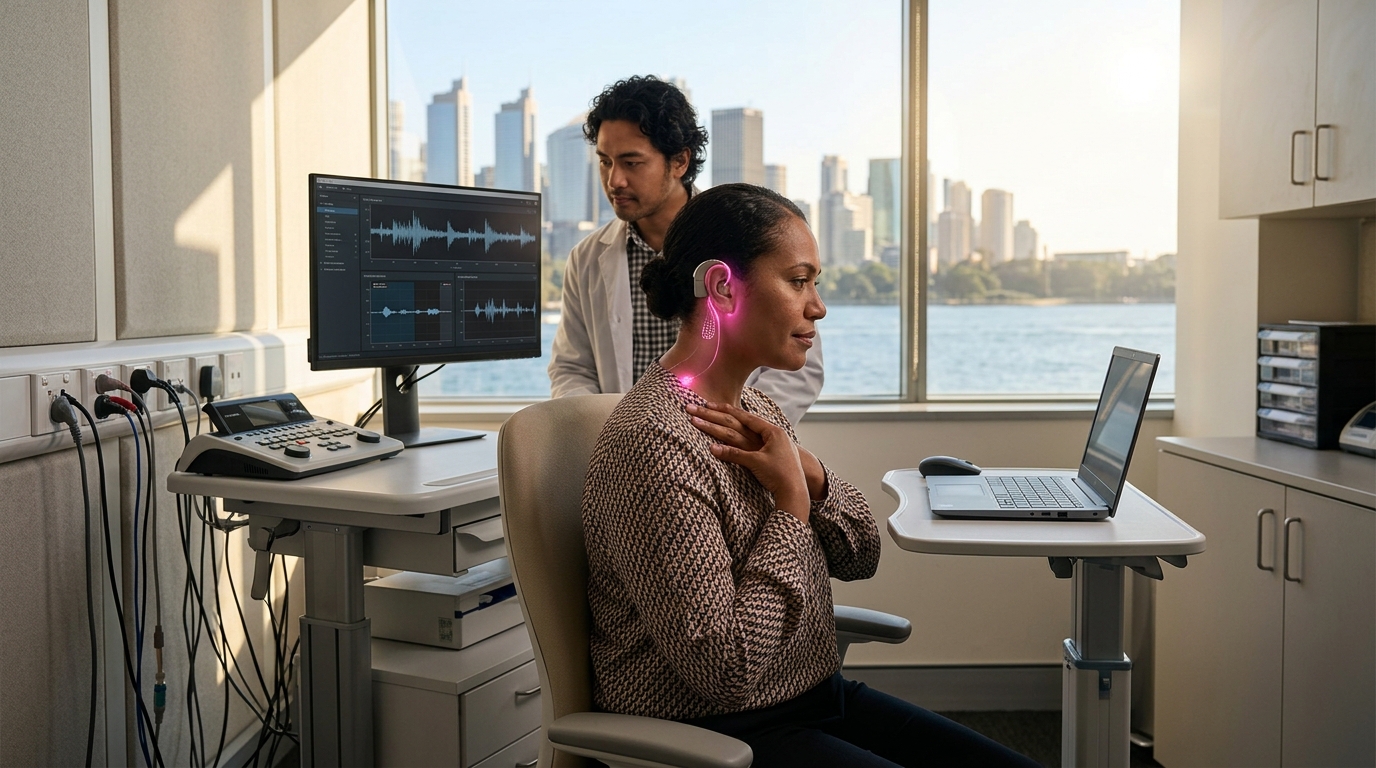
Australia's Cochlear Limited continues advancing bionic hearing — current research includes fully implantable devices, AI-enhanced speech processing, and optogenetic stimulation of auditory neurons.
Lynas Rare Earths became the first company outside China to produce commercial dysprosium oxide in May 2025; Iluka is building Australia's first integrated rare-earth refinery near Perth.
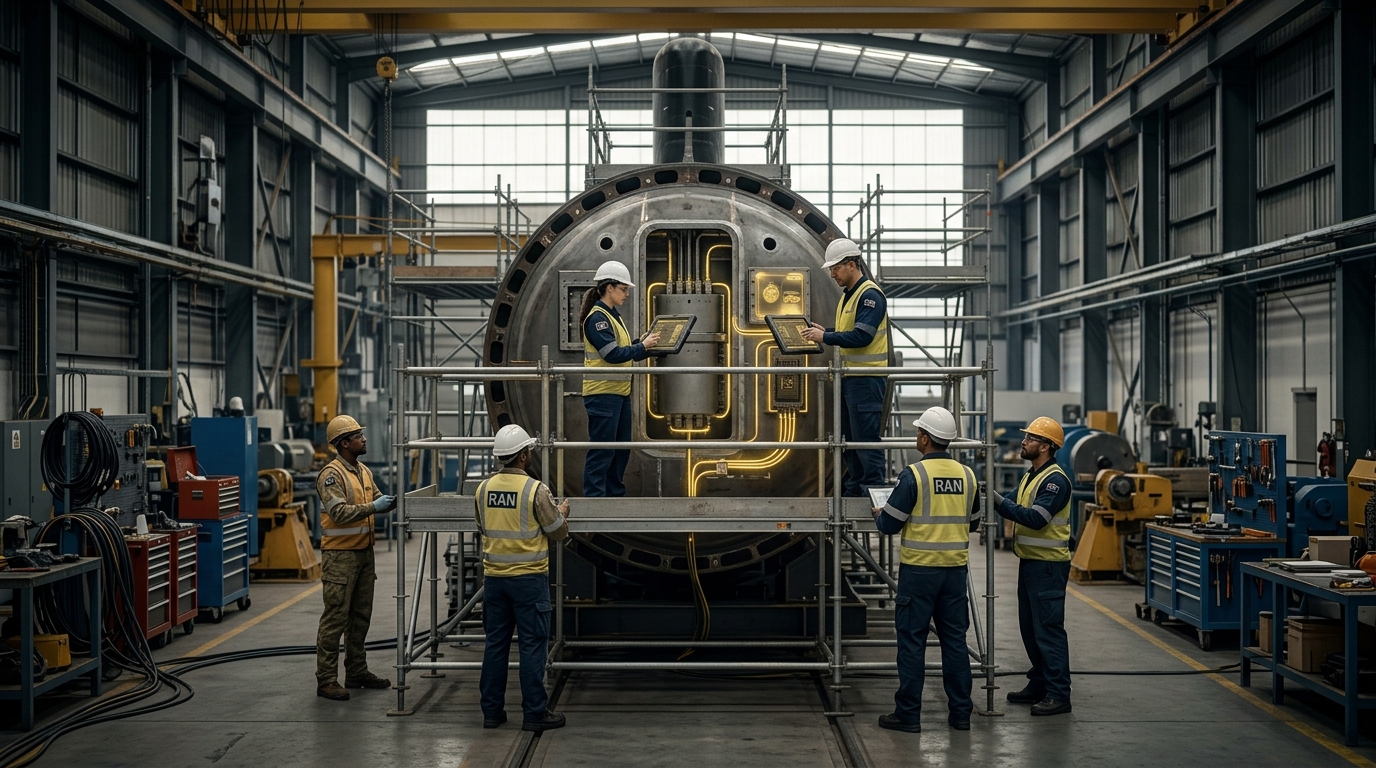
Australia is acquiring nuclear-powered submarine capability through AUKUS, building SSN-AUKUS boats with UK design and US reactor technology — the largest defense investment in Australian history.
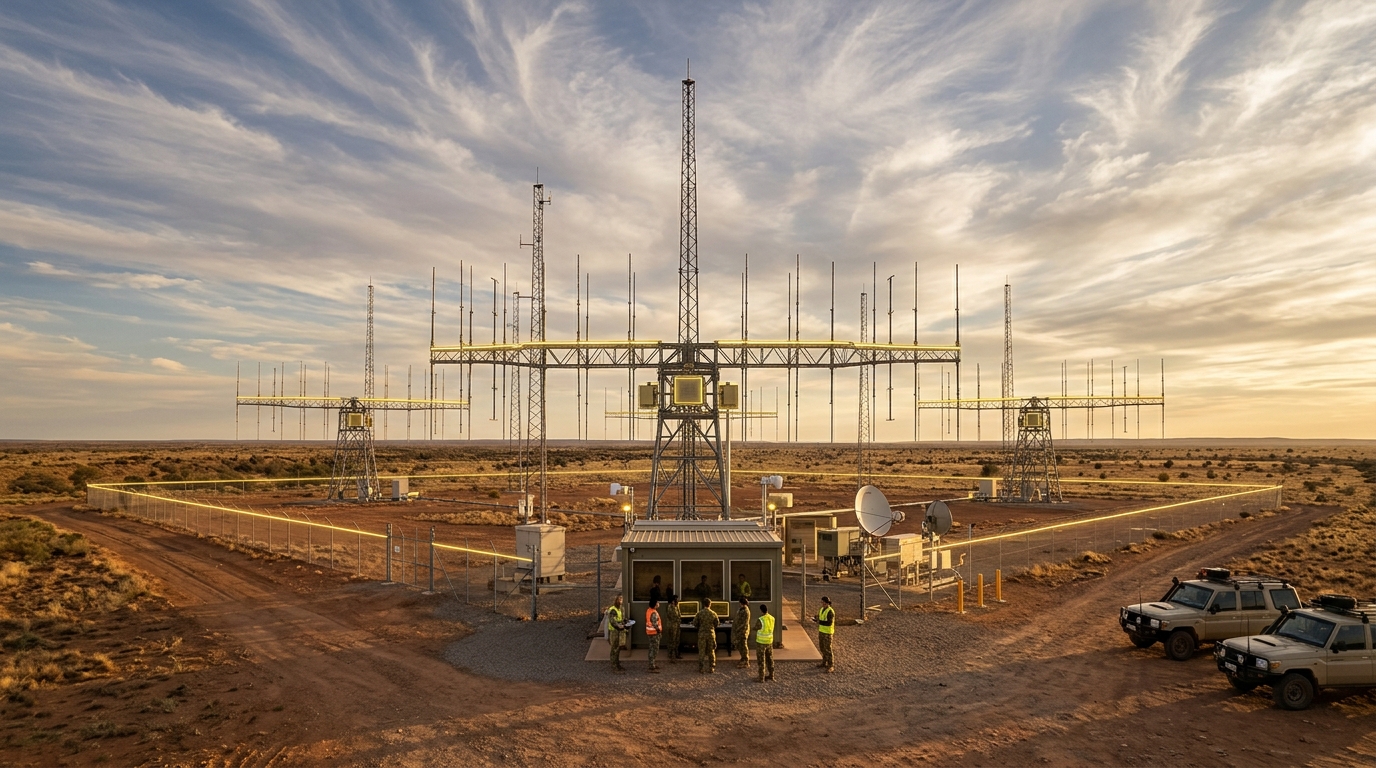
Australia's Jindalee OTH radar network surveils 37,000km of coastline using ionospheric bounce; Canada purchased the technology for AU$6.5B in March 2025.
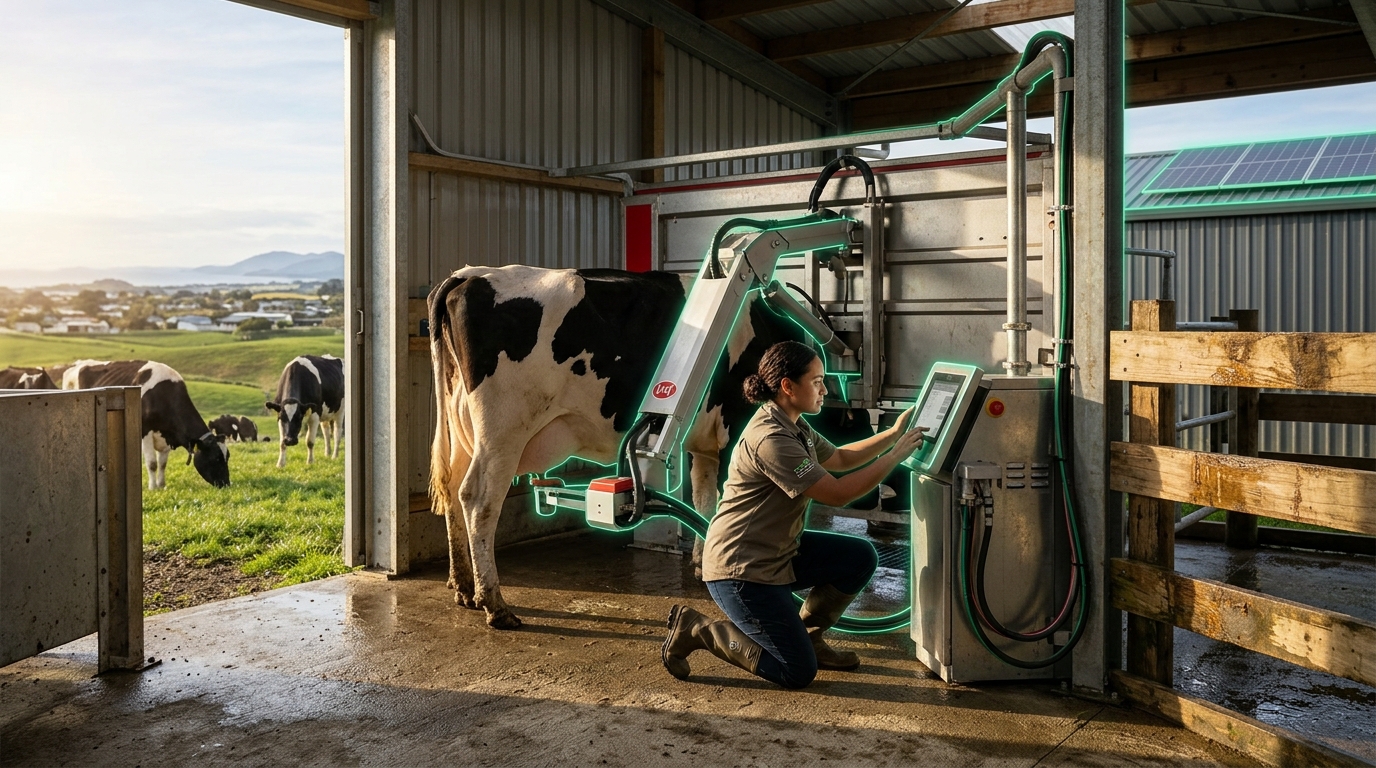
NZ is adapting robotic milking (Lely A5-Next) to pasture-based dairy — a world-first integration challenge since robots were designed for housed cows, not paddock-grazing herds.
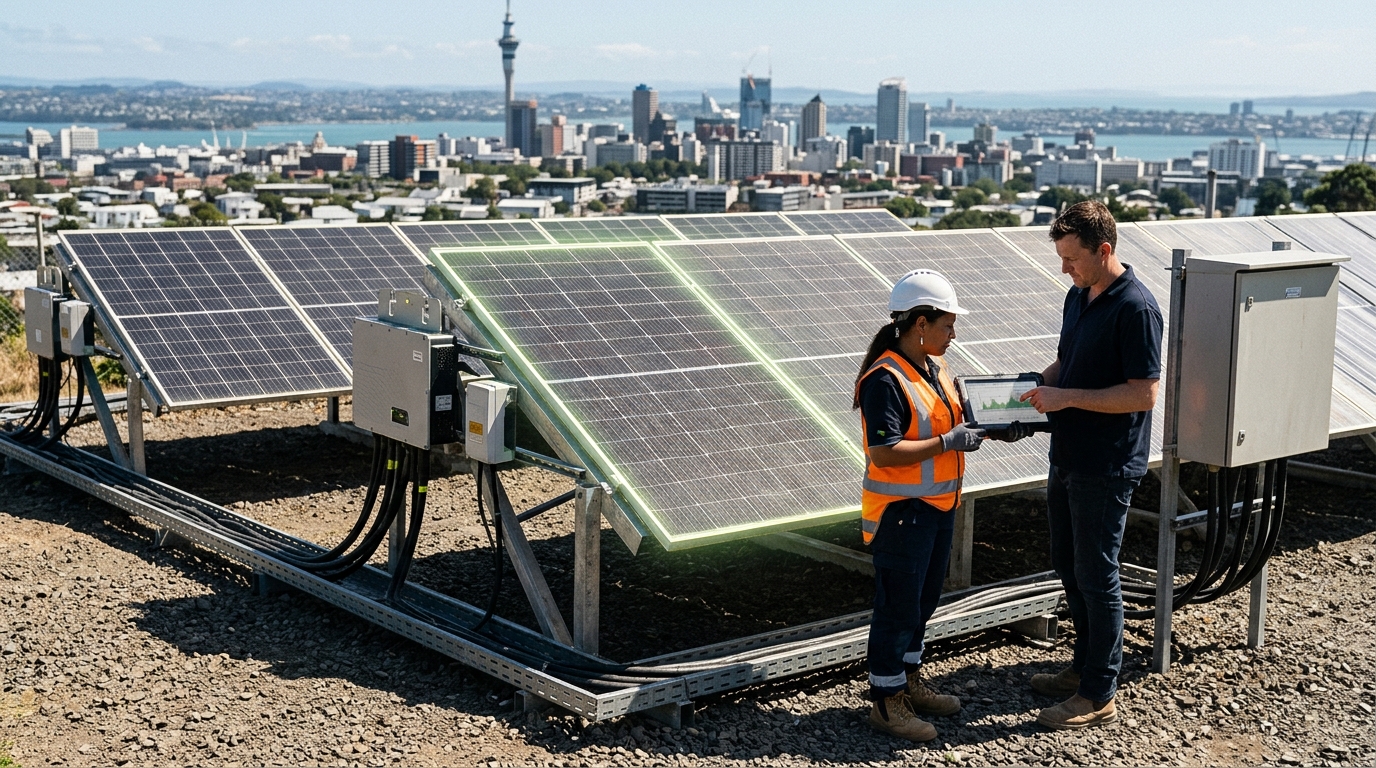
ANU achieved 30.3% efficiency for perovskite-silicon tandem cells and a record 86.7% fill factor — pushing beyond the theoretical limit of single-junction silicon PV.
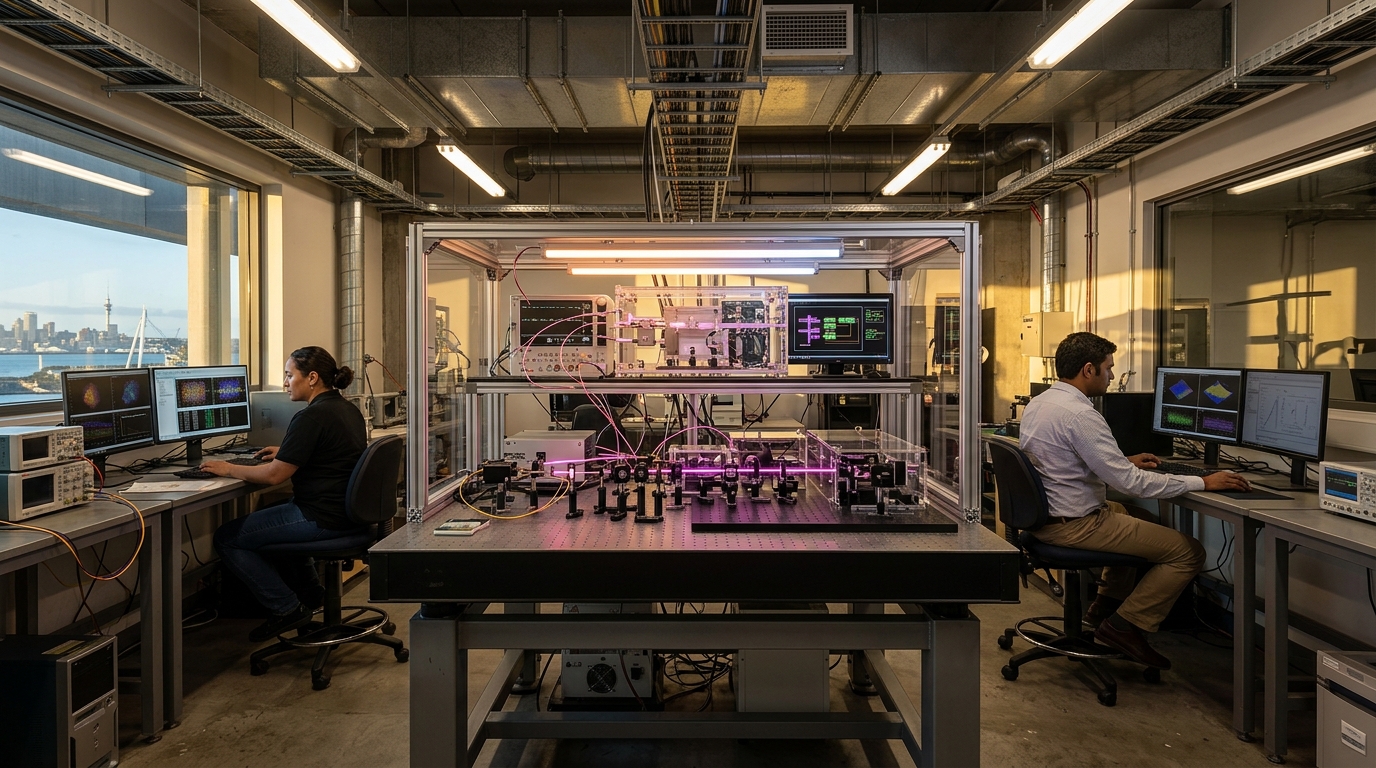
Australian research groups are developing room-temperature photonic quantum processors using photons instead of supercooled atoms — potentially enabling quantum computing without cryogenic infrastructure.
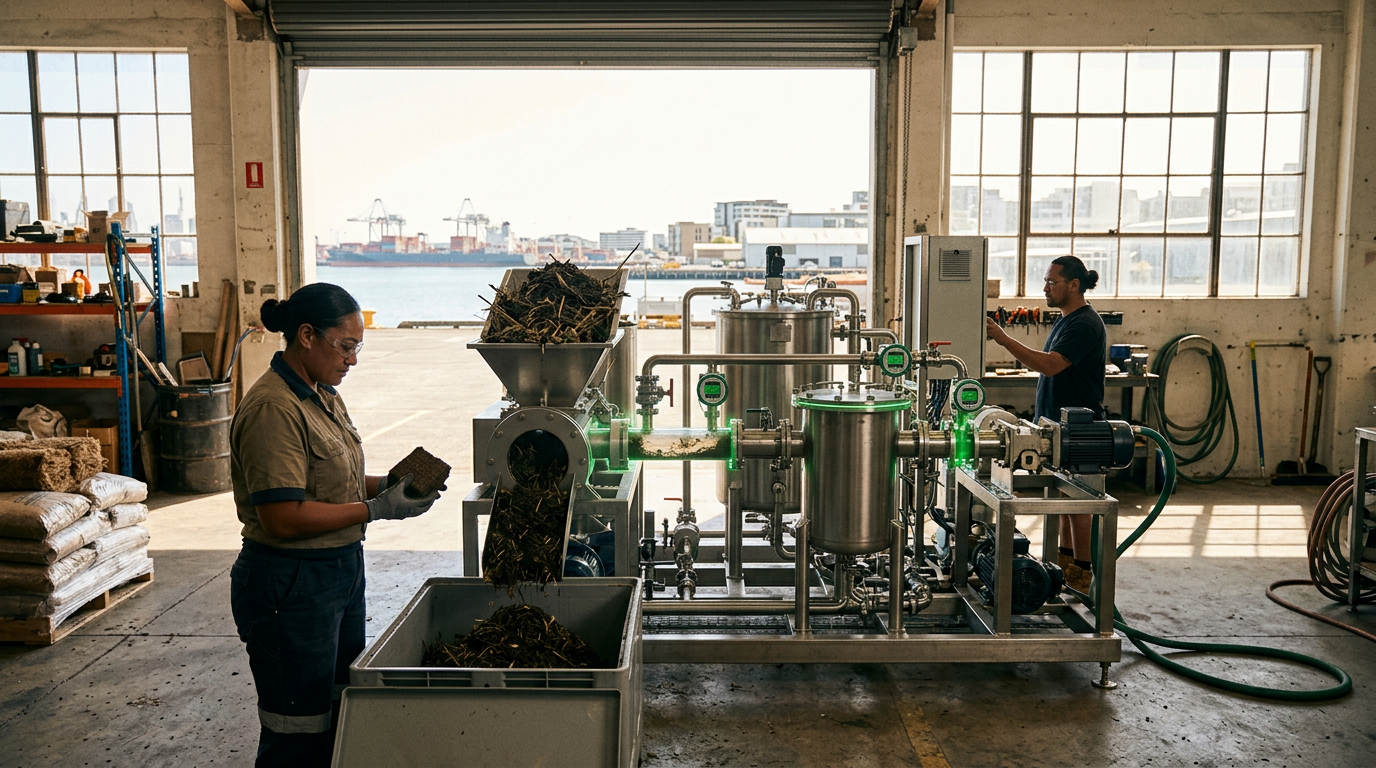
Sprout Materials is developing fully biodegradable industrial materials from agricultural waste — targeting packaging, construction, and textiles markets currently dominated by petroleum-derived plastics.
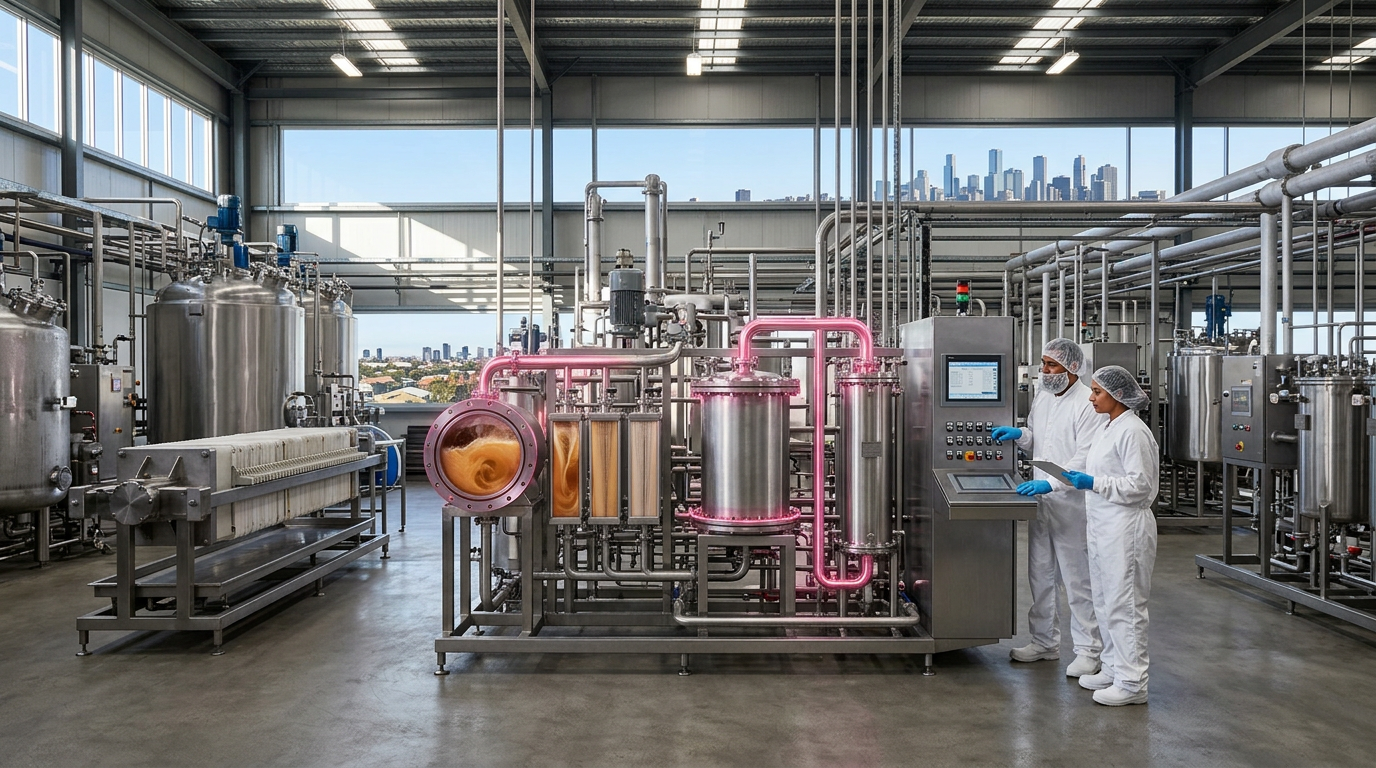
CSL Behring is the world's largest producer of plasma-derived therapies — processing millions of litres of blood plasma annually into immunoglobulins, clotting factors, and albumin used in 100+ countries.
NZ's integrated precision dairy ecosystem combines robotic milking, automated health monitoring, pasture sensors, and behavioral AI to optimize individual cow management across 11,000+ dairy farms.
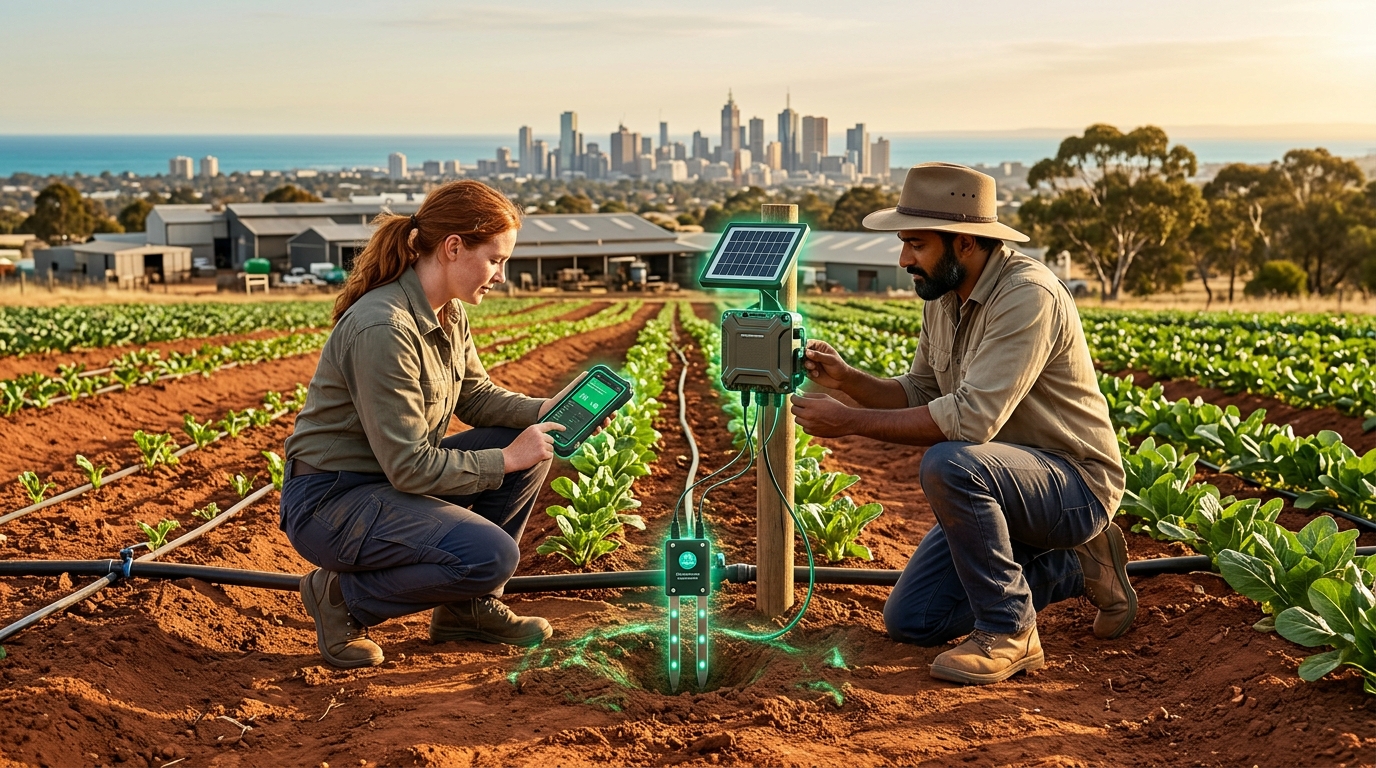
CSIRO's Chameleon soil water sensor and related IoT platforms provide real-time moisture data for precision irrigation — reducing water use by 20-30% in Australian and developing-world agriculture.
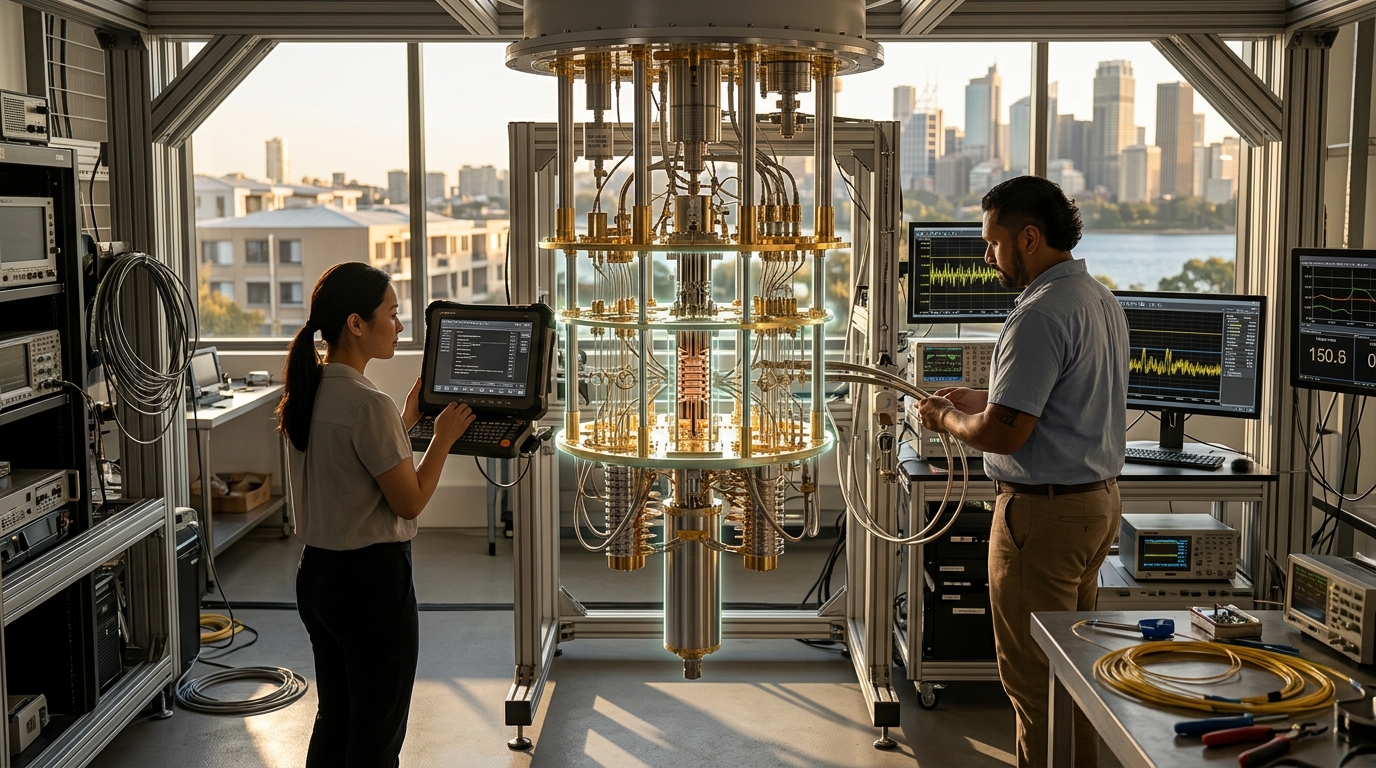
Q-CTRL develops quantum firmware that extends qubit coherence times by 10-100x through optimized control pulses — making existing quantum hardware more useful without requiring better qubits.
Australian companies are developing quantum inertial navigation sensors for GPS-denied environments — critical for submarine navigation under AUKUS and autonomous mining in signal-blocked underground operations.
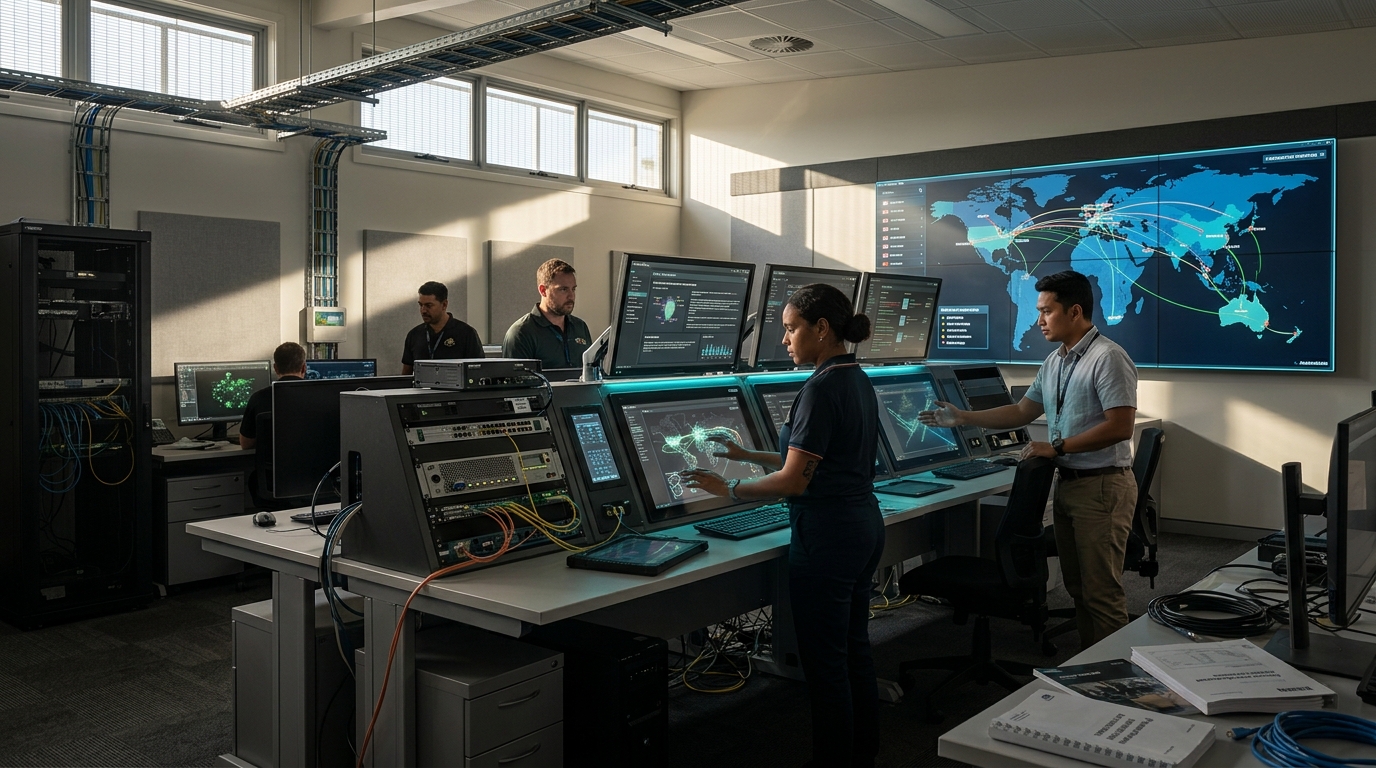
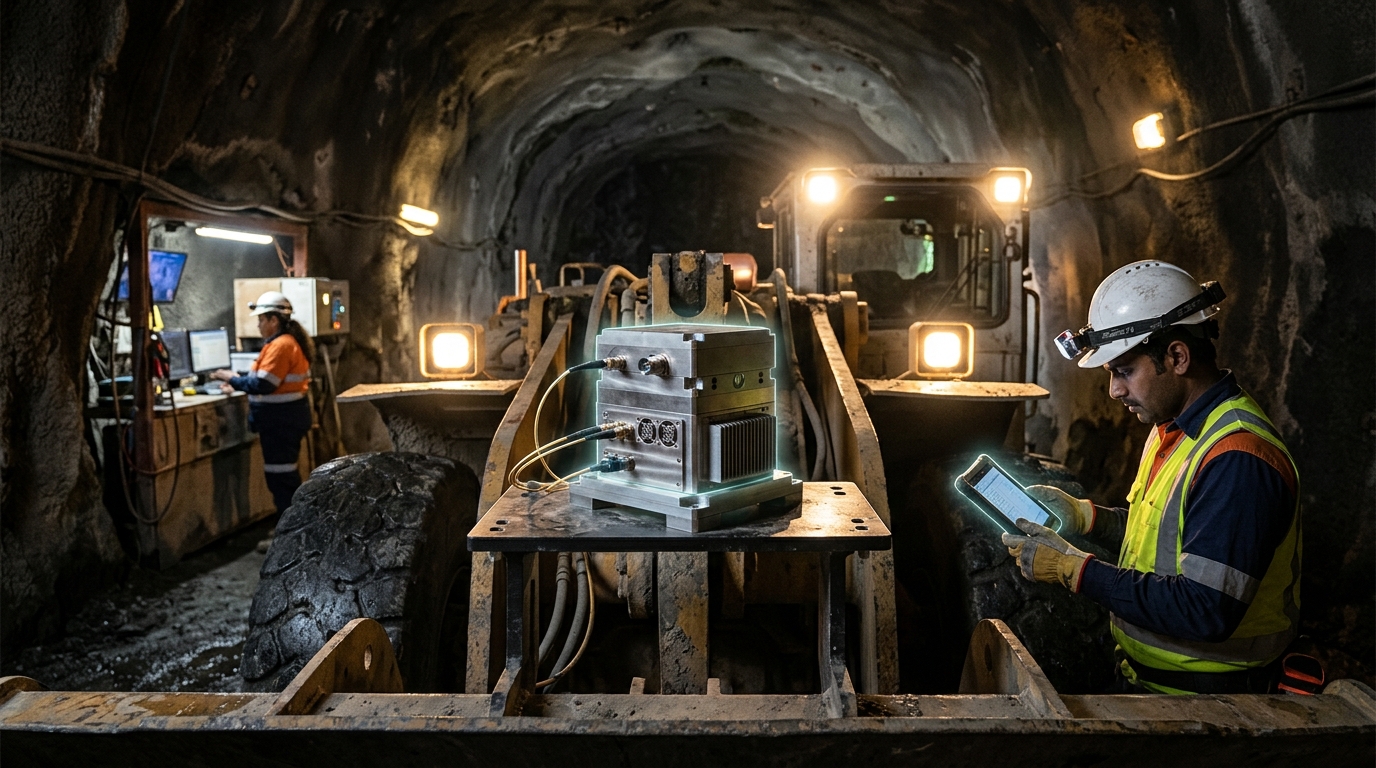
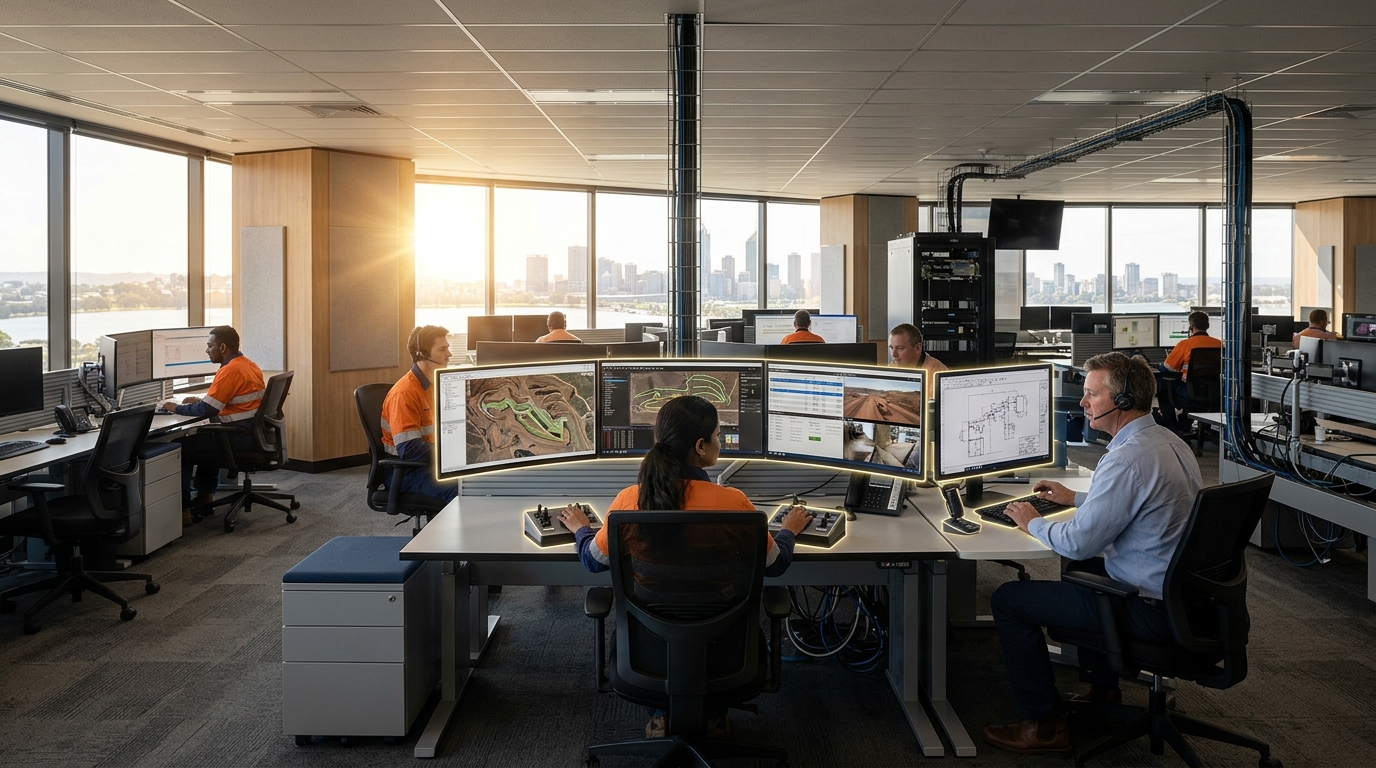
Australian mining companies operate entire mines remotely from Perth, 1,500km away — controlling autonomous trucks, drill rigs, trains, and processing plants through high-bandwidth satellite and fiber links.
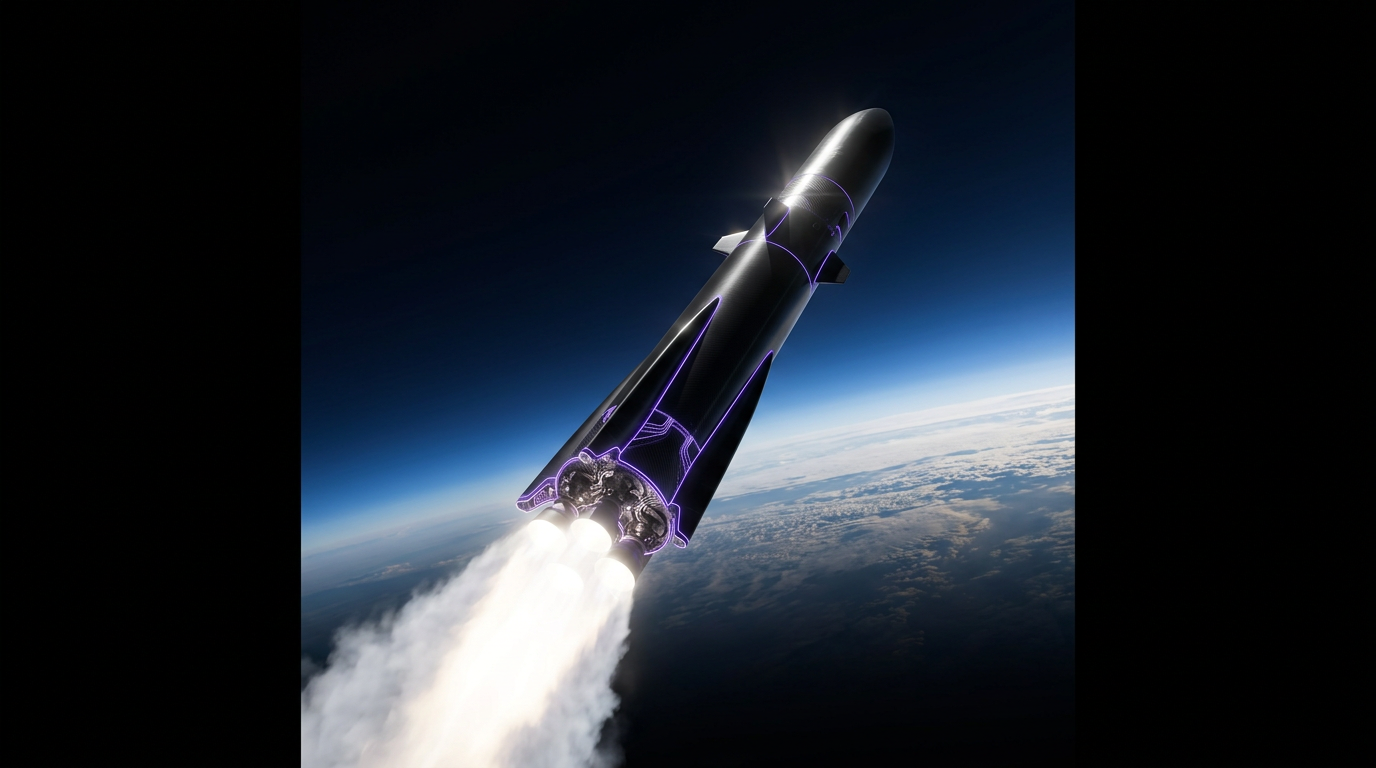
Rocket Lab's Neutron — a 43m reusable rocket carrying 13 tonnes to LEO — targets debut launch in early 2026 for constellation deployment and national security missions.
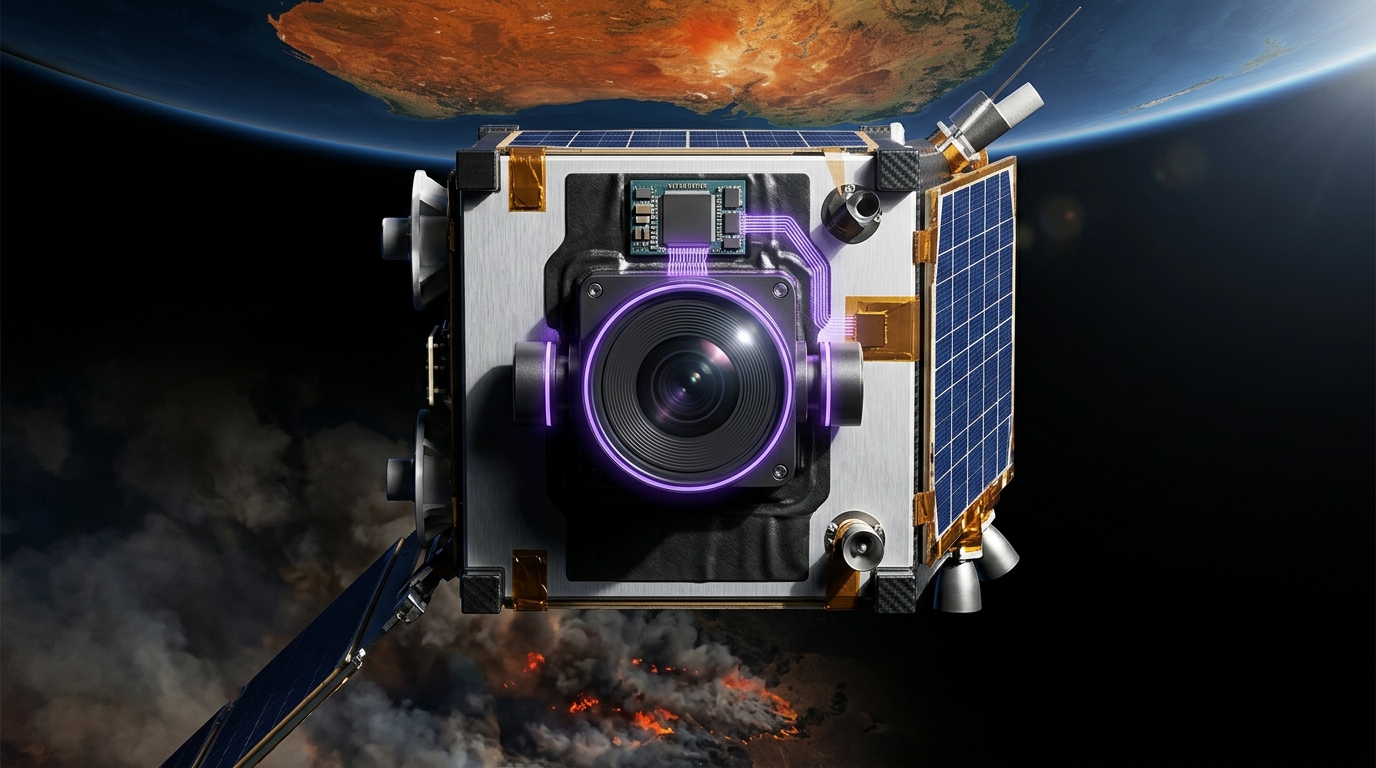
Australia's Kanyini satellite uses onboard AI to detect bushfires within minutes of ignition; FireSat constellation began detecting Australian fires in July 2025.
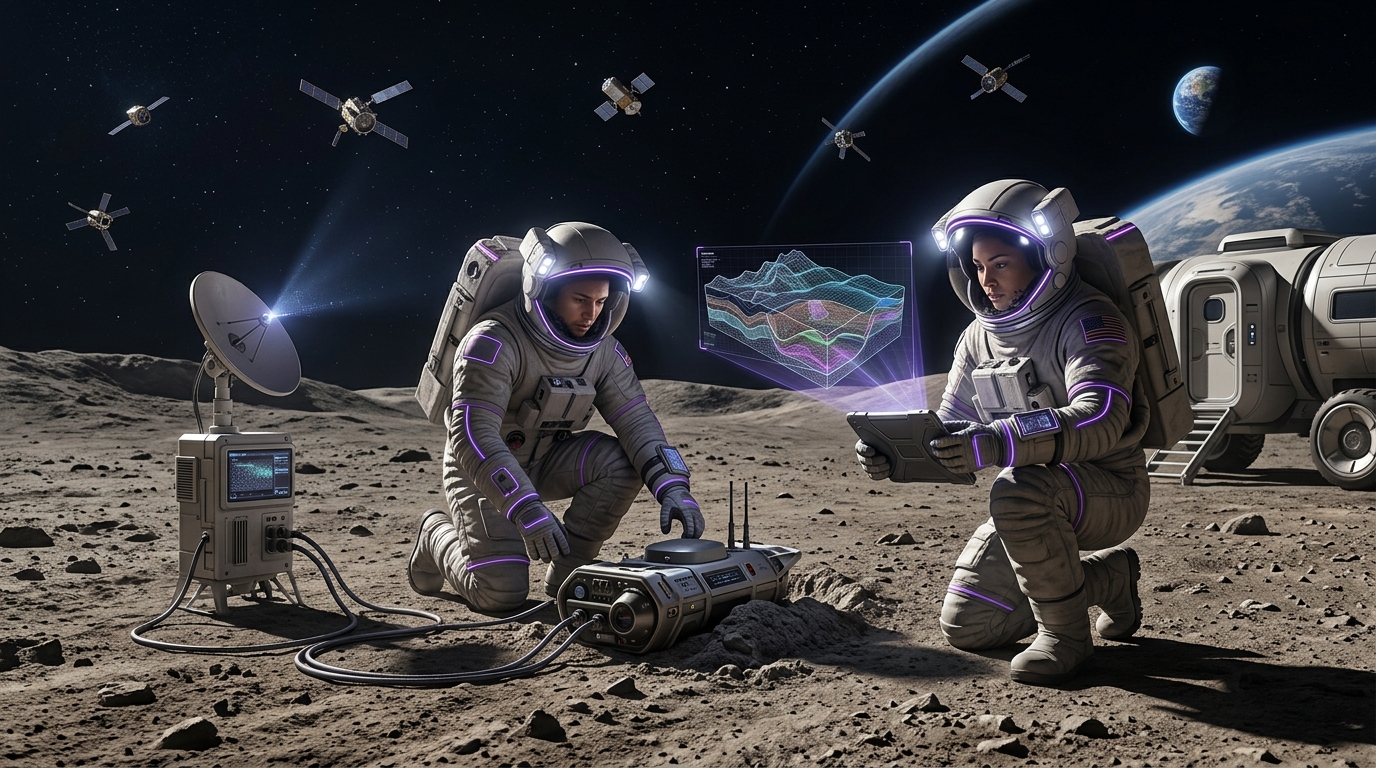
Fleet Space Technologies combines nano-satellite connectivity, seismic sensors, and AI to map subsurface mineral deposits in 3D — used by Rio Tinto, Barrick, and Gold Fields across 20+ countries.
UQ's Centre for Hypersonics pioneered scramjets since the 1990s — research underpins AUKUS HyFliTE, making Australia one of only 3-4 nations with scramjet flight experience.
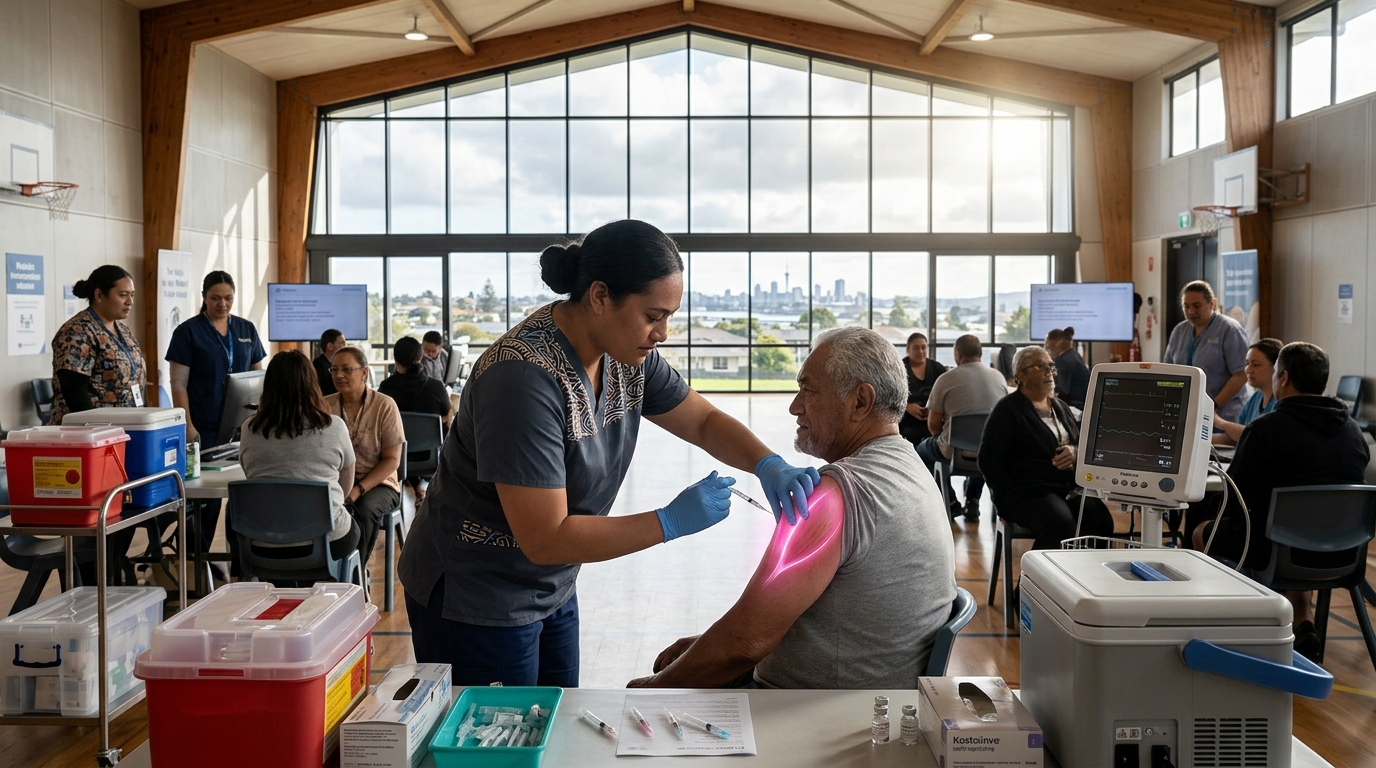
CSL's self-amplifying mRNA platform (with Arcturus Therapeutics) achieved EMA approval for COVID-19 vaccine Kostaive — using lower mRNA doses that self-replicate in cells for stronger, longer-lasting immunity.
SQC demonstrated an 11-qubit processor using phosphorus atoms precision-placed in silicon with >99% fidelity, a globally unique approach to scalable quantum computing.
Rocket Lab's Electron launches SAR constellation satellites for Japanese iQPS — enabling all-weather, day-night Earth observation relevant to Australian maritime surveillance and agricultural monitoring.
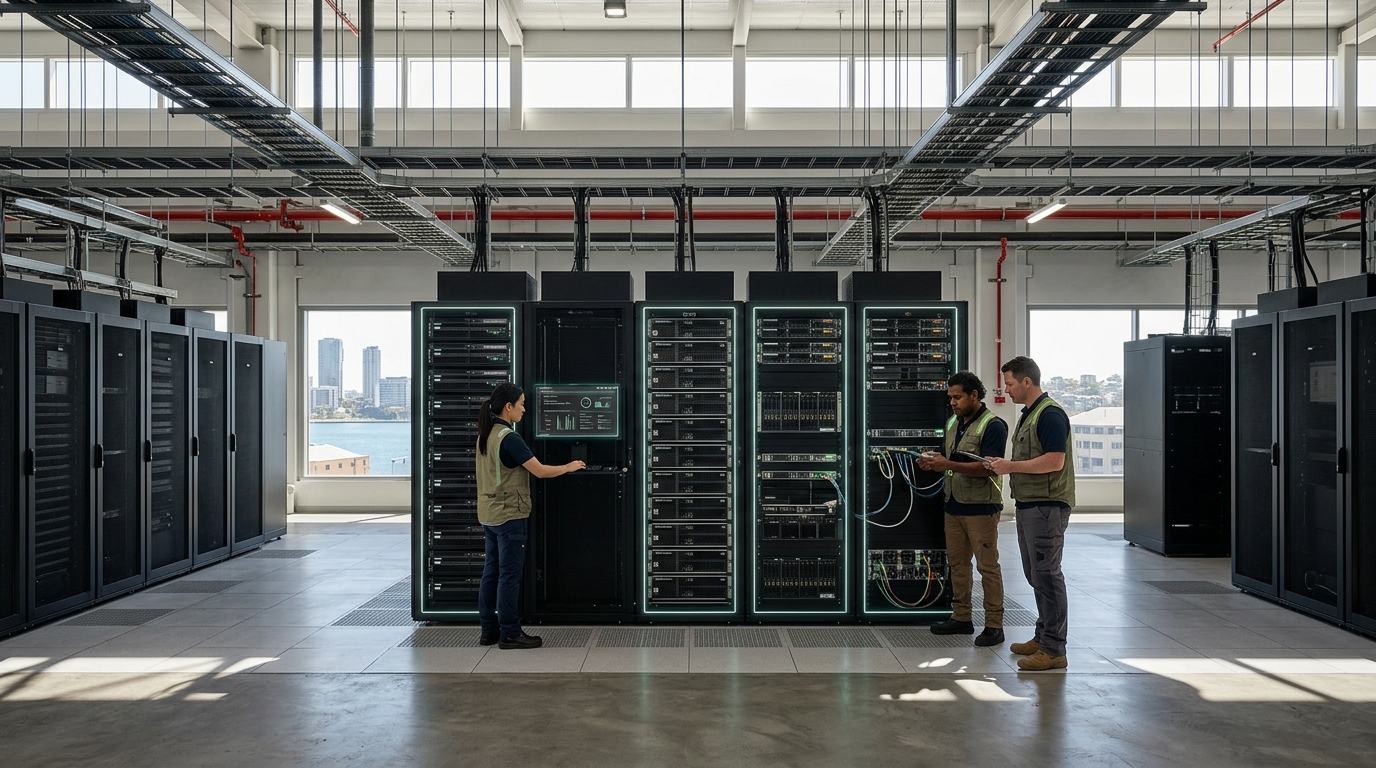
Australia is building sovereign AI compute infrastructure with SambaNova-SouthernCrossAI partnership, Groq inference platform, and National AI Plan mandating data sovereignty for government AI workloads.
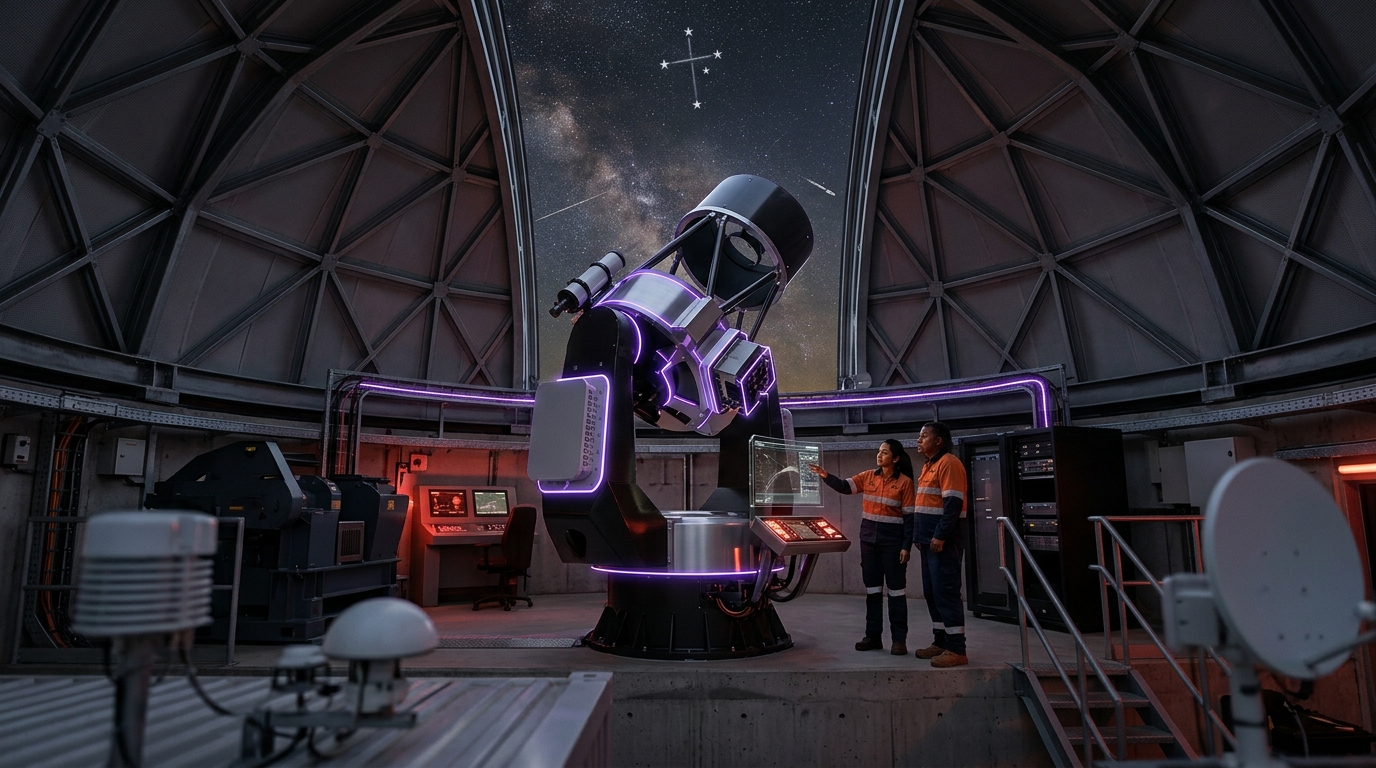
Australia operates ground-based space surveillance telescopes and sensors as part of the Combined Space Operations initiative, tracking orbital debris and satellites from the Southern Hemisphere.
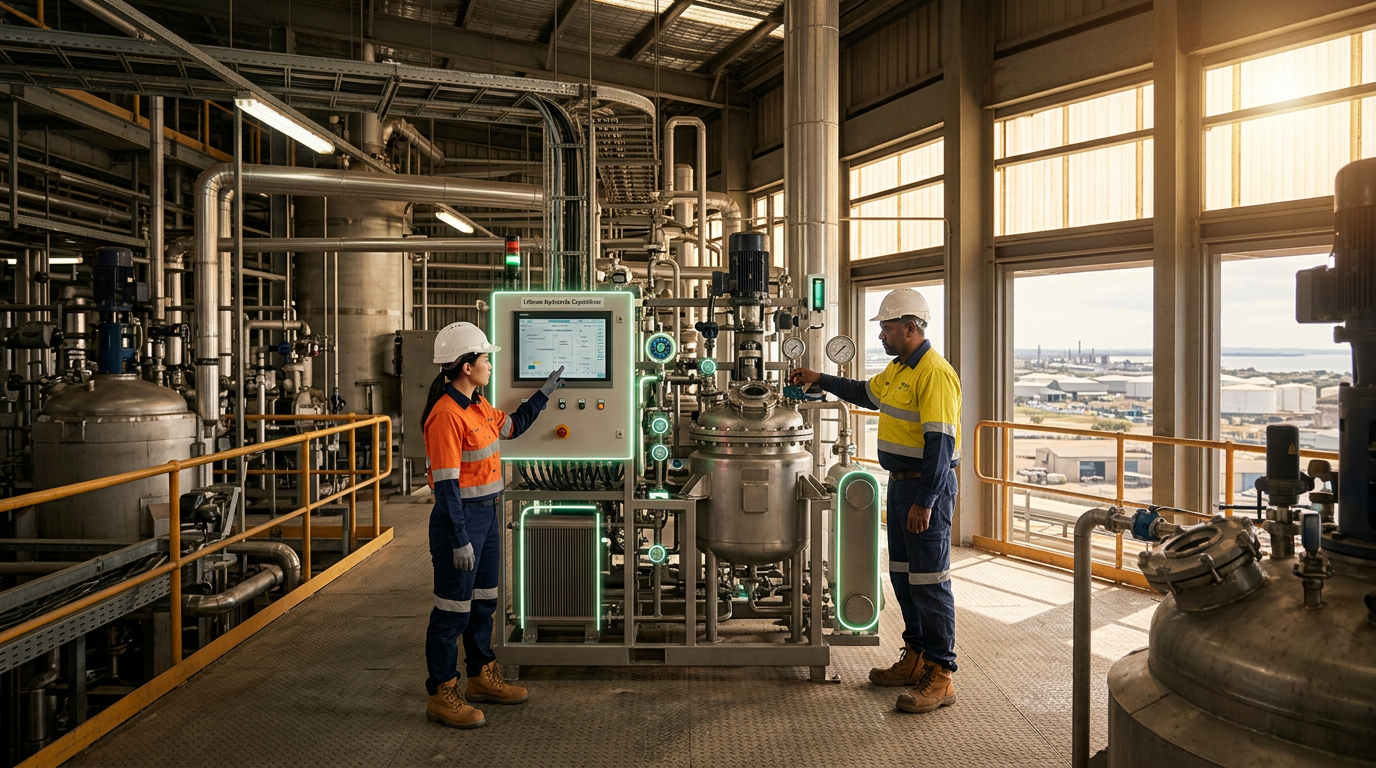
Australia is battling to master lithium hydroxide refining at Kwinana — Tianqi's Phase 2 was terminated in Jan 2025, but the technology race to produce battery-grade LiOH domestically continues.
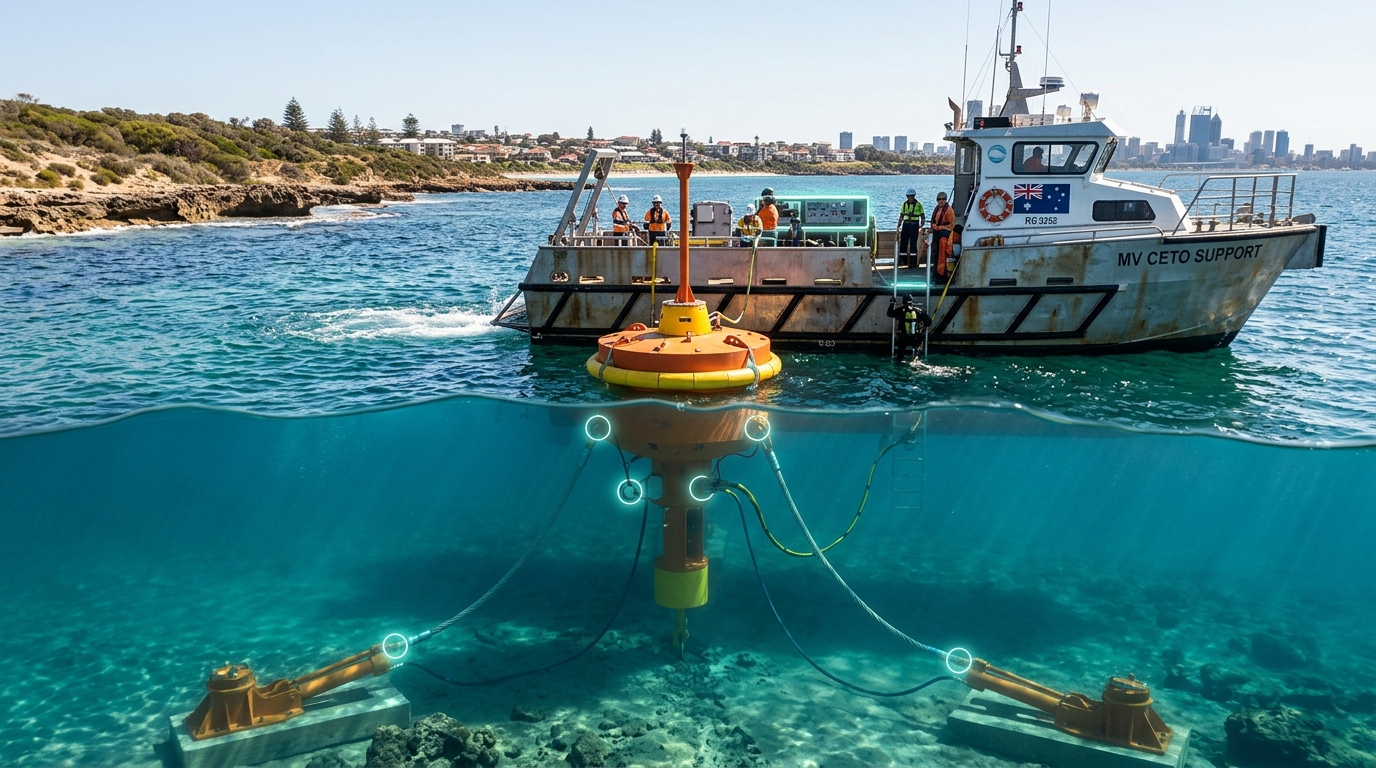
Carnegie Clean Energy's CETO converts ocean swells into electricity via fully submerged buoys — a 400kW unit is being tested off Spain in 2025, backed by EU and Australian funding.
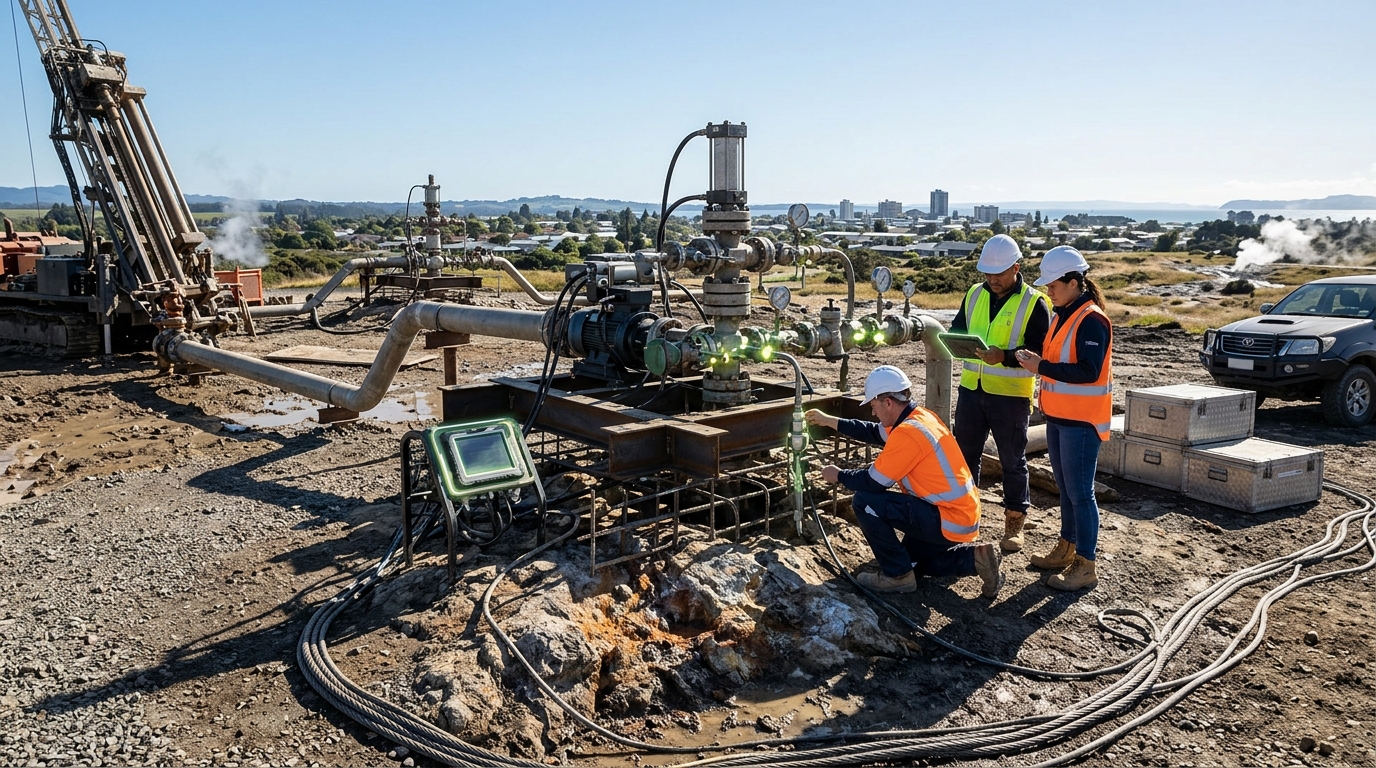
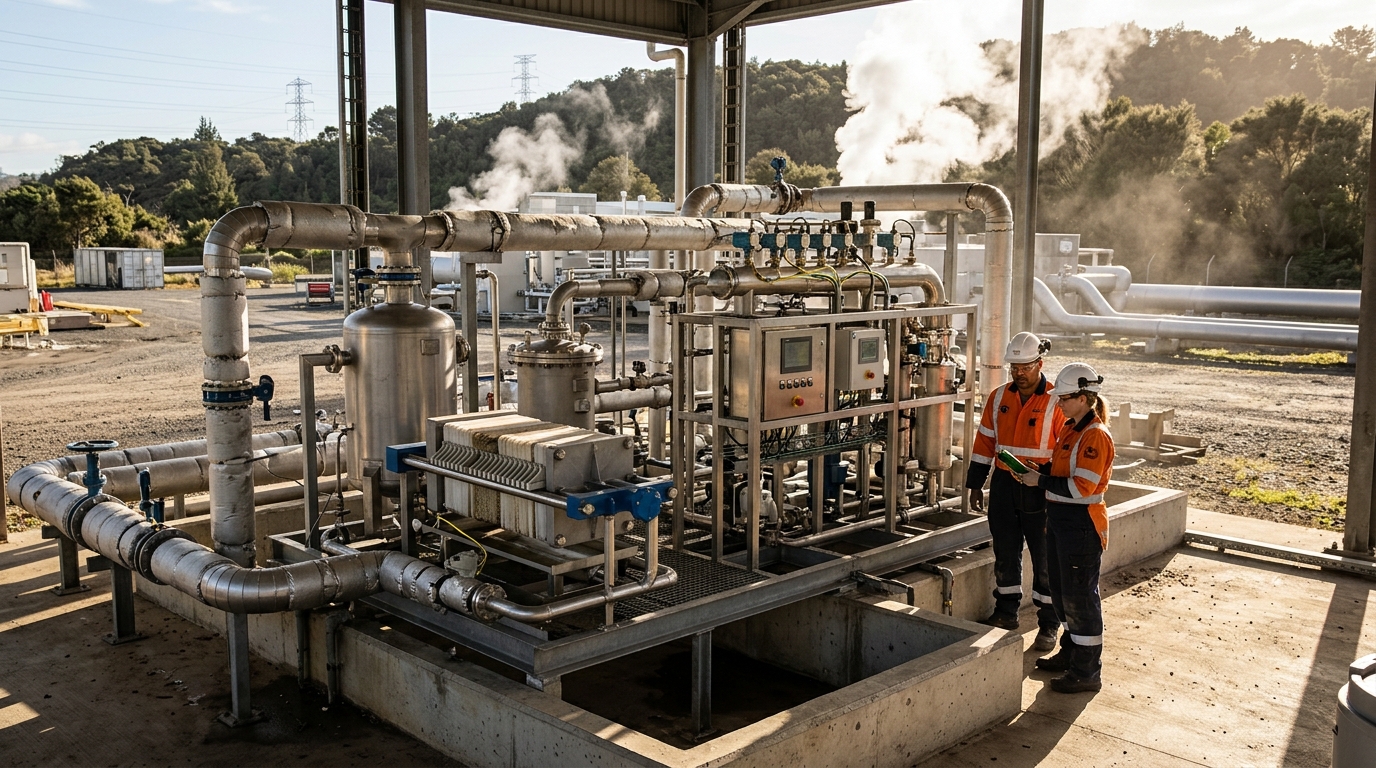
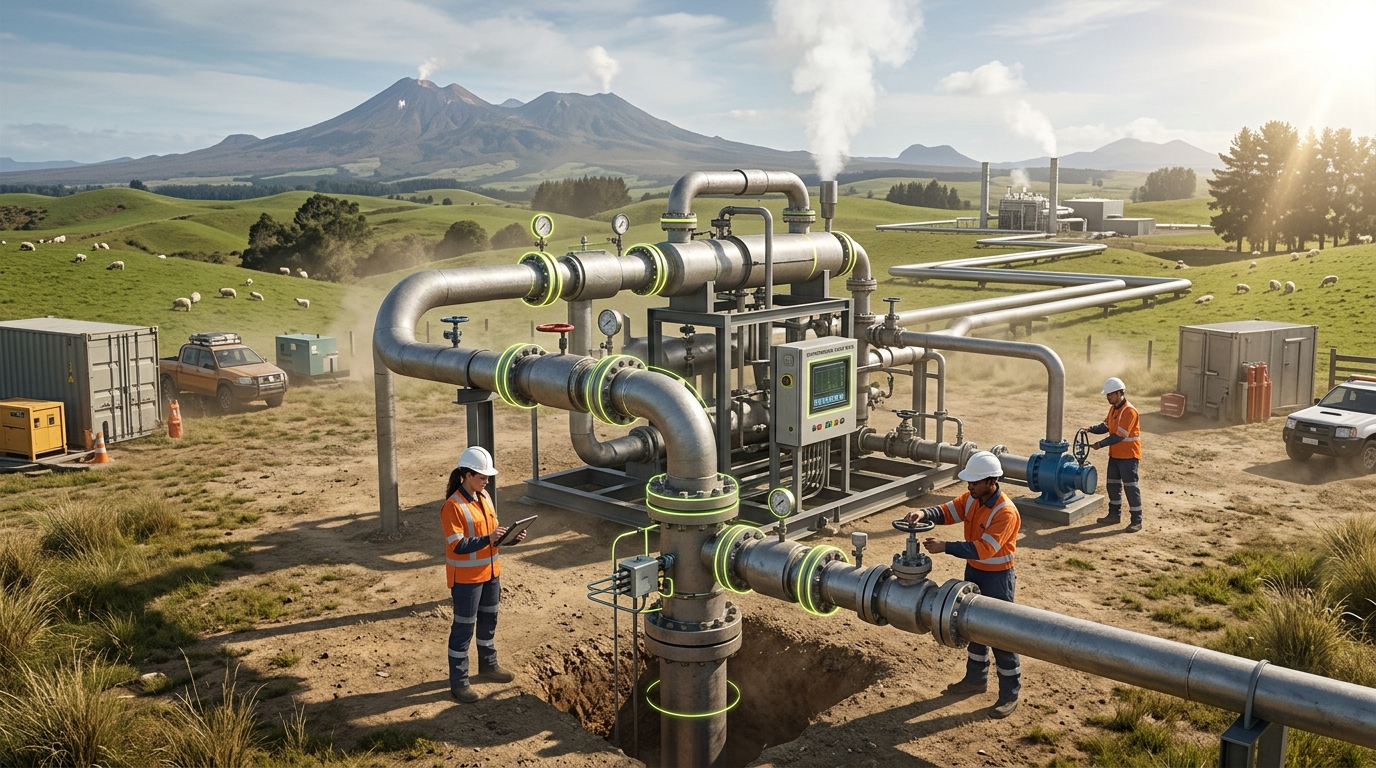
New Zealand is drilling beyond 5km in the Taupo Volcanic Zone to access supercritical geothermal fluids at 400°C+, backed by NZ$60M — potentially 5-10x the output of conventional geothermal wells.
Ruminant BioTech's slow-release rumen bolus reduces cattle methane emissions by 75% for 100+ days per dose — raised NZ$17M Series A in November 2025 for 2026 commercial launch.
BioLumic's xTrait platform uses precise UV light recipes to epigenetically activate seed traits — boosting root mass, yield, and disease resistance without genetic modification. Partnered with Fonterra in 2025.
Western Australia is deploying 500MWh of vanadium flow batteries using locally mined and processed vanadium, backed by AU$150M in state funding — the largest flow battery initiative globally.
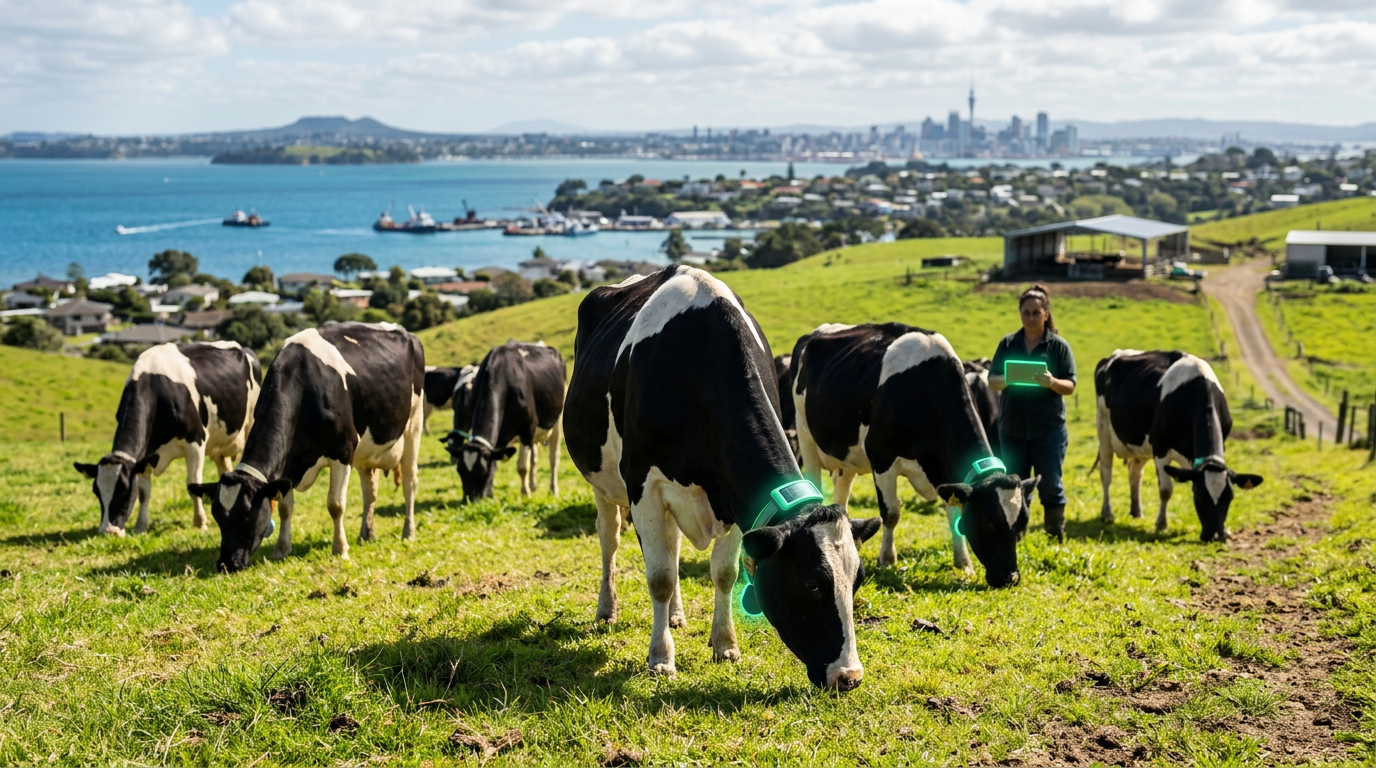
Halter's GPS-enabled solar-powered cow collars use audio cues and behavioral AI to autonomously herd cattle without physical fences — valued at NZ$1.65B in June 2025, managing 500,000+ cattle globally.