Drought-Resilient Crop Breeding Technology
Geography: Asia Pacific · Oceania · Australia New Zealand
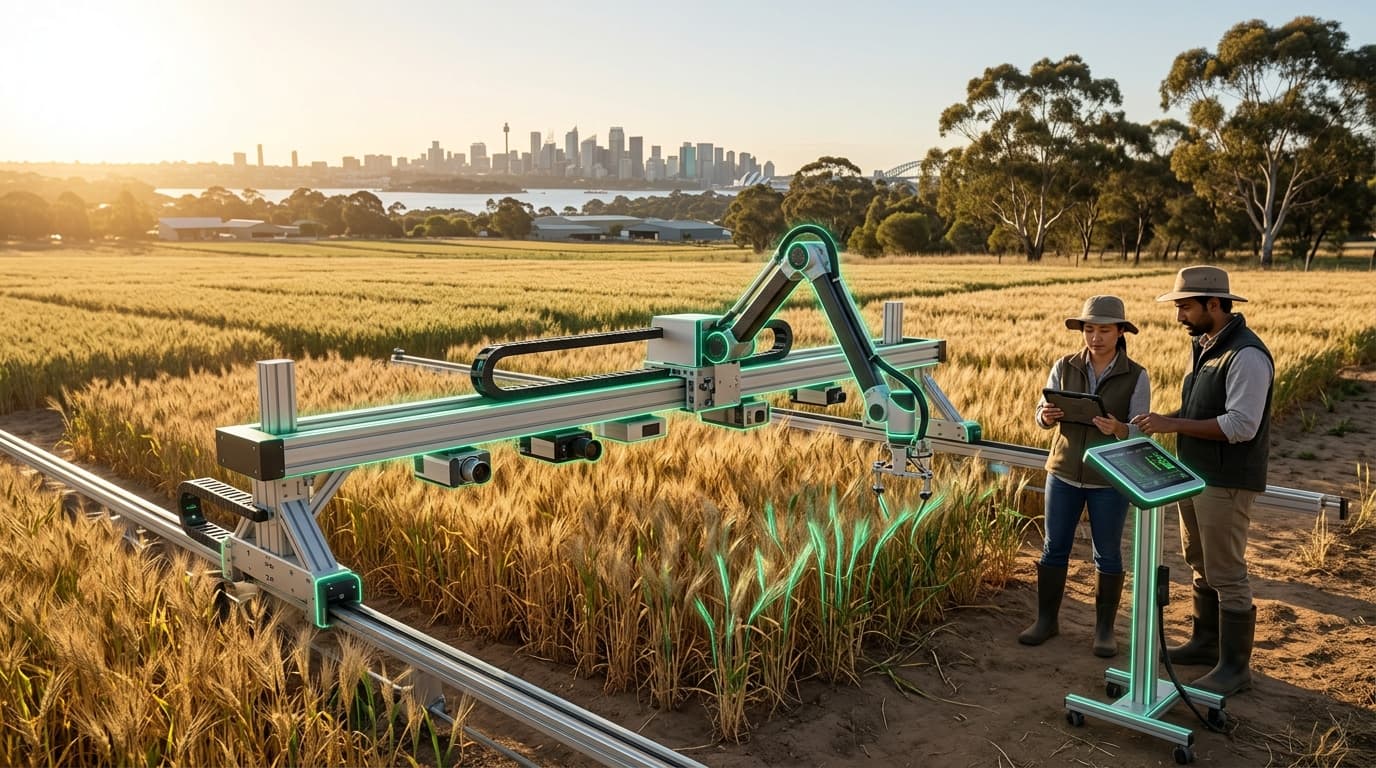
Australia's extreme climate variability — some of the world's most unpredictable rainfall — has driven decades of investment in drought-resistant crop development. CSIRO's crop breeding programs use genomic selection, marker-assisted breeding, and increasingly CRISPR gene editing to develop wheat, barley, and sorghum varieties that maintain yields under severe water stress. The Future Drought Fund, a perpetual A$5B endowment established by the federal government, allocated A$20M for Innovation Challenges in 2025-26 specifically targeting drought resilience solutions.
Australia's broadacre farming operates at the climatic margins — annual rainfall varies by 50% or more between years, and multi-year droughts are structural features of the climate system. Varieties bred for Australian conditions must tolerate both drought and periodic flooding, requiring genetic flexibility that few breeding programs worldwide can match. The research extends beyond crops to include pasture species, with ANU's Byrt Lab working on plant membrane proteins that could optimize water use efficiency.
The global relevance is growing as climate change expands the dryland farming belt worldwide. Australian drought-adapted varieties and breeding techniques are already exported to Sub-Saharan Africa, South Asia, and the Middle East through ACIAR (Australian Centre for International Agricultural Research). As water scarcity becomes the defining constraint on global food production, Australia's hard-won expertise in farming at the edge becomes increasingly valuable.
Research this in Signals
Signals turns a topic into a sourced research record you can inspect and rerun. Your first scan is free, and this one starts with Drought-Resilient Crop Breeding Technology already loaded, so edit it or scan as is.