Hypersonic Weapons Systems
Geography: Asia Pacific · Oceania · Australia New Zealand
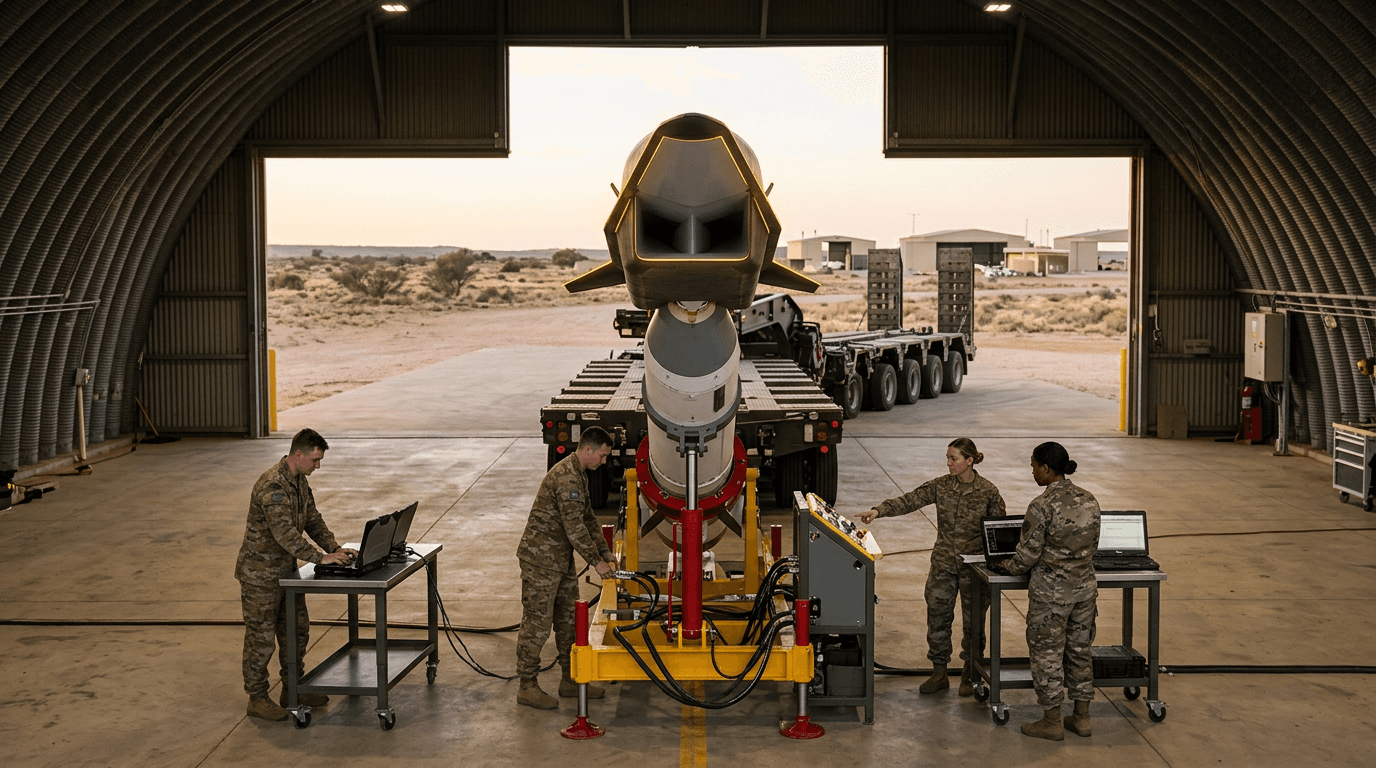
Australia has been conducting hypersonic research since the 1990s through the University of Queensland's Centre for Hypersonics, which built and tested some of the world's first scramjet engines. Under AUKUS Pillar II, this research base is being weaponized through the Hypersonic Flight Test and Experimentation (HyFliTE) program, a trilateral effort to develop submarine-launched and air-launched hypersonic strike weapons capable of speeds exceeding Mach 5.
Hypersonic weapons travel fast enough to defeat existing missile defense systems while maneuvering unpredictably, making them a potential game-changer in naval warfare. Australia's geography — vast distances, limited population, enormous maritime zones — makes long-range hypersonic strike capability particularly relevant for area denial and deterrence without requiring forward-deployed forces.
The strategic significance extends beyond the weapons themselves. Australia's contribution of fundamental scramjet research and testing facilities (including the Woomera Range Complex, one of the world's largest weapons testing ranges) makes it an indispensable partner in trilateral hypersonic development. Rocket Lab's HASTE (Hypersonic Accelerator Suborbital Test Electron) suborbital variant, launching from New Zealand, has also been used for hypersonic test missions, demonstrating regional capability in testing infrastructure.
Research this in Signals
Signals turns a topic into a sourced research record you can inspect and rerun. Your first scan is free, and this one starts with Hypersonic Weapons Systems already loaded, so edit it or scan as is.