Bio-Inspired Membrane Technology for Mineral Recovery
Geography: Asia Pacific · Oceania · Australia New Zealand
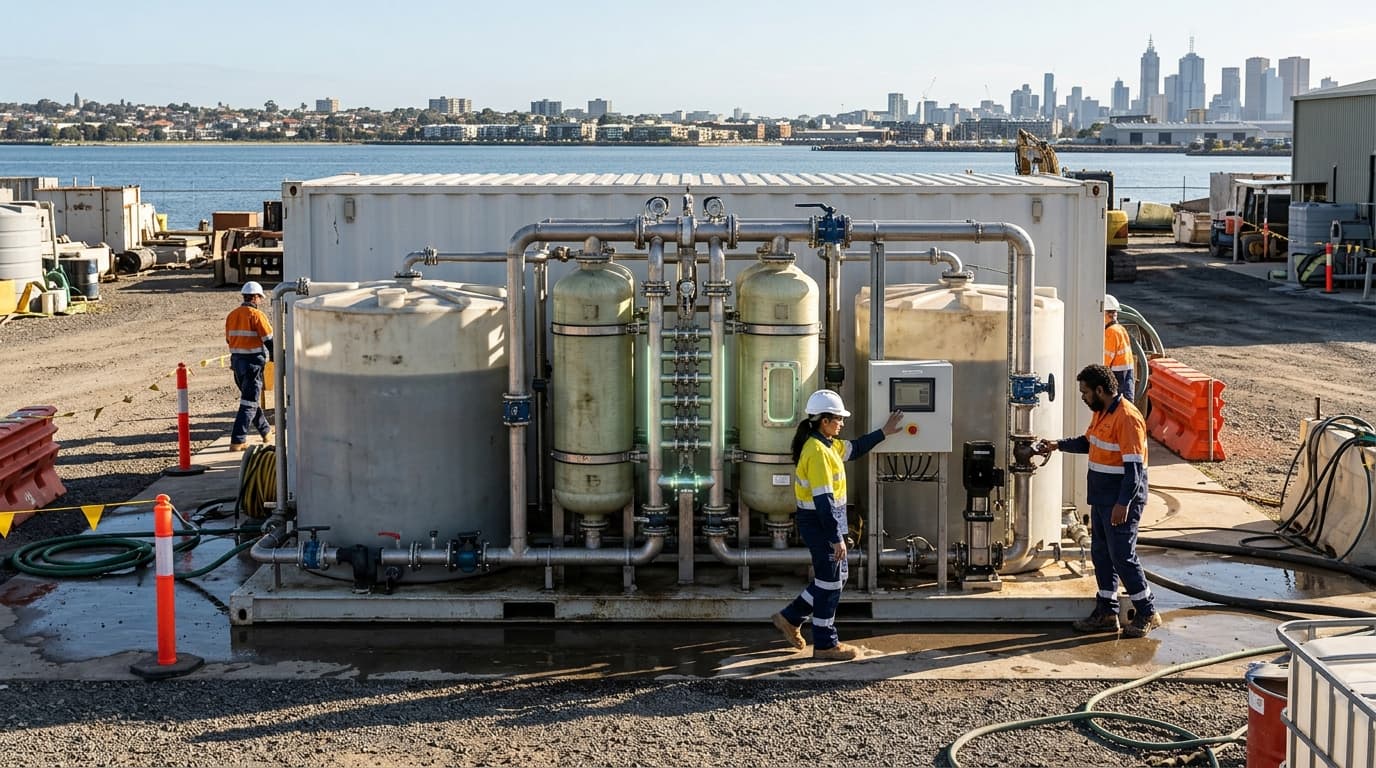
Membrane Transporter Engineers (MTE), spun out of ANU's Byrt Lab, has developed bio-inspired membrane technologies that mimic how plant cells selectively transport specific ions across membranes. The technology can recover high-value materials — lithium, cobalt, phosphorus — from complex industrial wastewater streams that are currently treated as waste. Named in Cicada Innovations' Tech23 2025 cohort, MTE represents a convergence of plant biology, materials science, and mining industry needs.
Traditional mineral processing generates enormous volumes of wastewater containing valuable dissolved metals at concentrations too low for conventional extraction but too high to discharge safely. MTE's approach uses engineered membrane proteins that act as molecular sieves, selectively binding and transporting target ions while rejecting others. This could transform mining wastewater from an environmental liability into a secondary resource stream, particularly for battery metals that face growing demand.
For Australia's mining industry — which produces billions of litres of process water annually — this technology addresses both environmental compliance costs and resource scarcity simultaneously. The circular economy potential is significant: recovering lithium from spodumene processing waste, cobalt from nickel laterite tailings, or phosphorus from agricultural runoff. At TRL 4, MTE is still in early development, but the underlying science is published and the industrial demand is clear.
Research this in Signals
Signals turns a topic into a sourced research record you can inspect and rerun. Your first scan is free, and this one starts with Bio-Inspired Membrane Technology for Mineral Recovery already loaded, so edit it or scan as is.