Plant-Based Biodegradable Industrial Materials
Geography: Asia Pacific · Oceania · Australia New Zealand
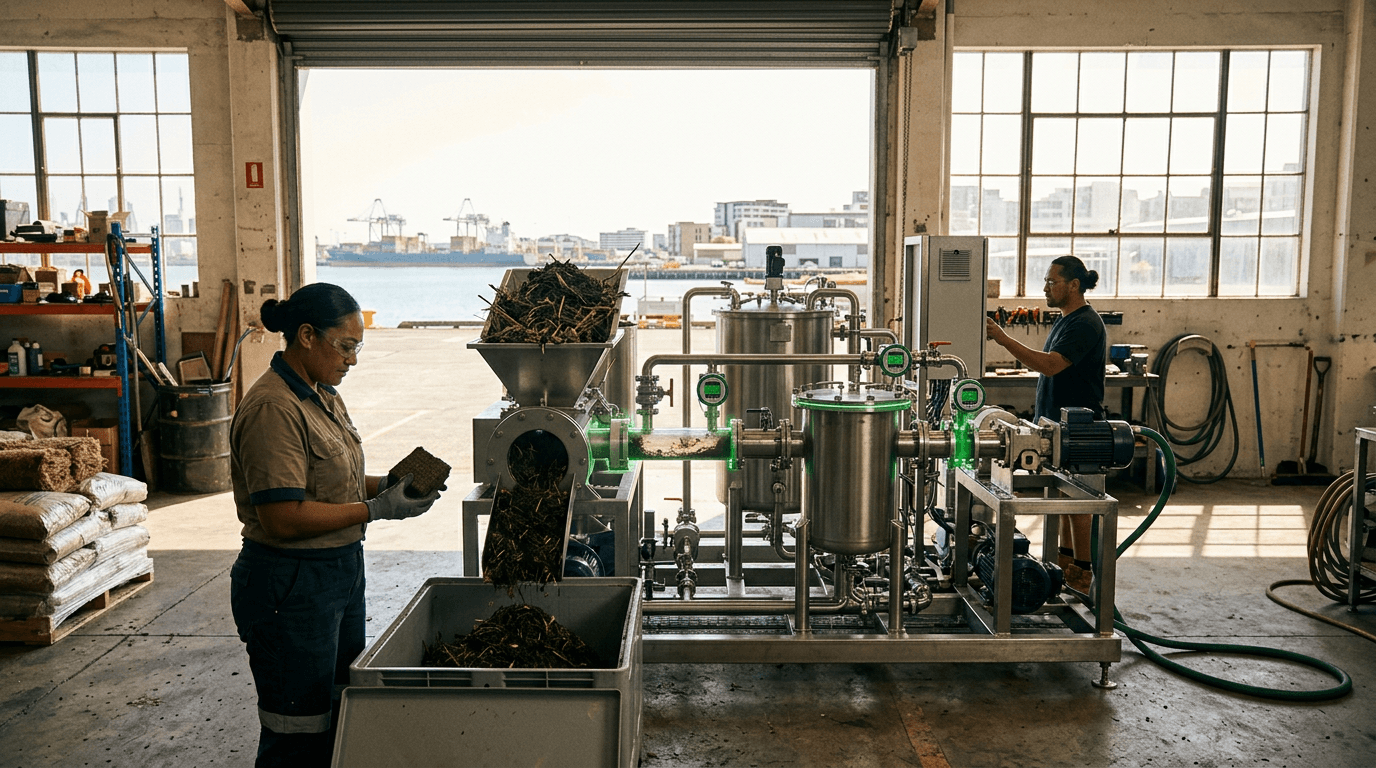
Sprout Materials, part of Cicada's Tech23 2025 'Built with Biology' cohort, is developing biodegradable industrial materials derived from agricultural waste streams — crop residues, processing byproducts, and purpose-grown biomass. The technology converts plant-based feedstocks into materials with properties comparable to conventional plastics and composites, but which fully biodegrade at end of life without releasing microplastics.
Global plastic production exceeds 400 million tonnes annually, with less than 10% recycled. Microplastic contamination is now found in every environment from deep ocean trenches to human blood. Fully biodegradable alternatives that perform comparably to conventional materials are one of the most sought-after material science goals. Previous bio-plastic attempts (PLA, PHA) have struggled with either performance limitations or processing complexity.
For Australia, which generates significant agricultural waste (particularly from wheat, sugar cane, and cotton processing) and has limited domestic plastics recycling infrastructure, converting waste biomass into high-value materials offers both environmental and economic benefits. The technology aligns with increasing regulatory pressure on single-use plastics across Australian states and export markets.
Research this in Signals
Signals turns a topic into a sourced research record you can inspect and rerun. Your first scan is free, and this one starts with Plant-Based Biodegradable Industrial Materials already loaded, so edit it or scan as is.