Tracking signals shaping the future of extractives and heavy industry — mining systems, materials processing, petrochemical technologies, and industrial infrastructures.
Technologies
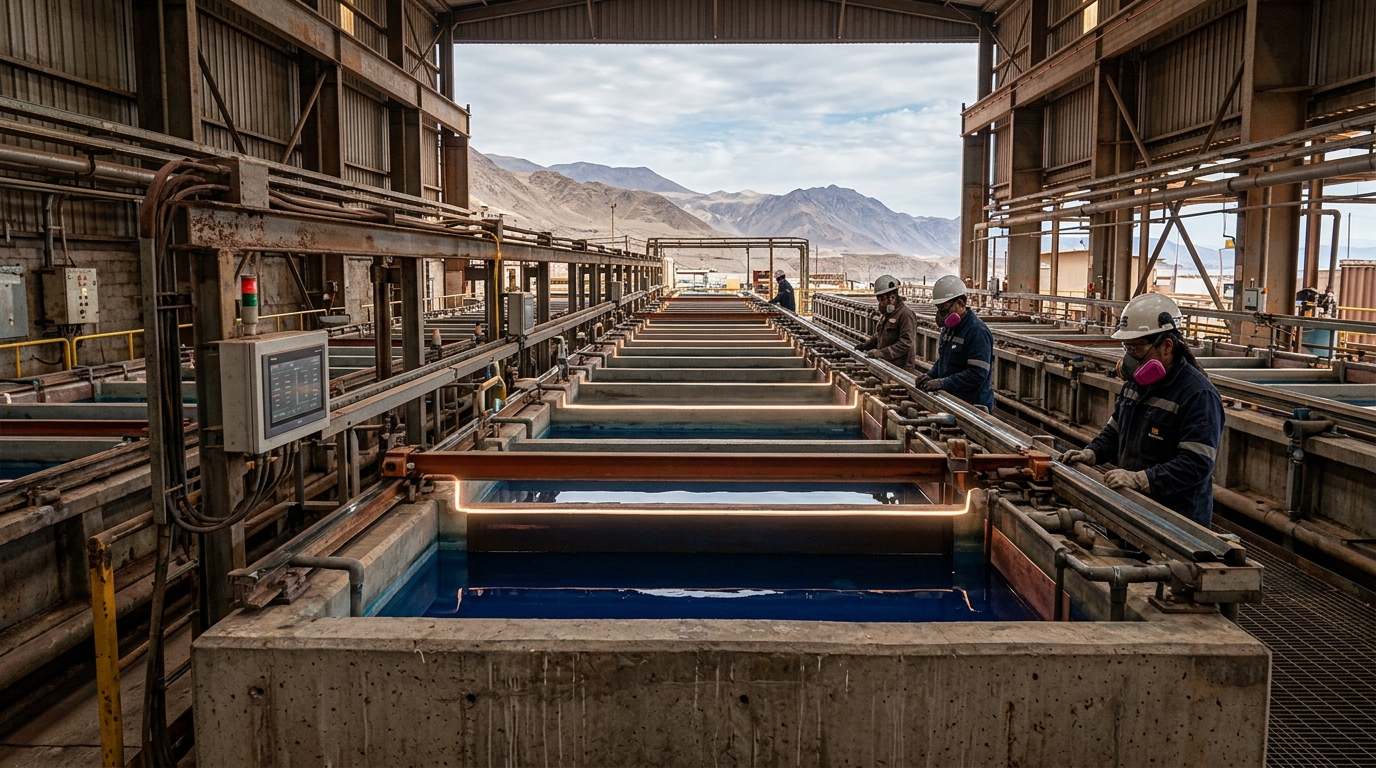
Chile produces 27% of global copper; advanced electrorefining achieves 99.99% purity for electronics-grade cathode, with Codelco investing in flash smelting and acid recovery systems.
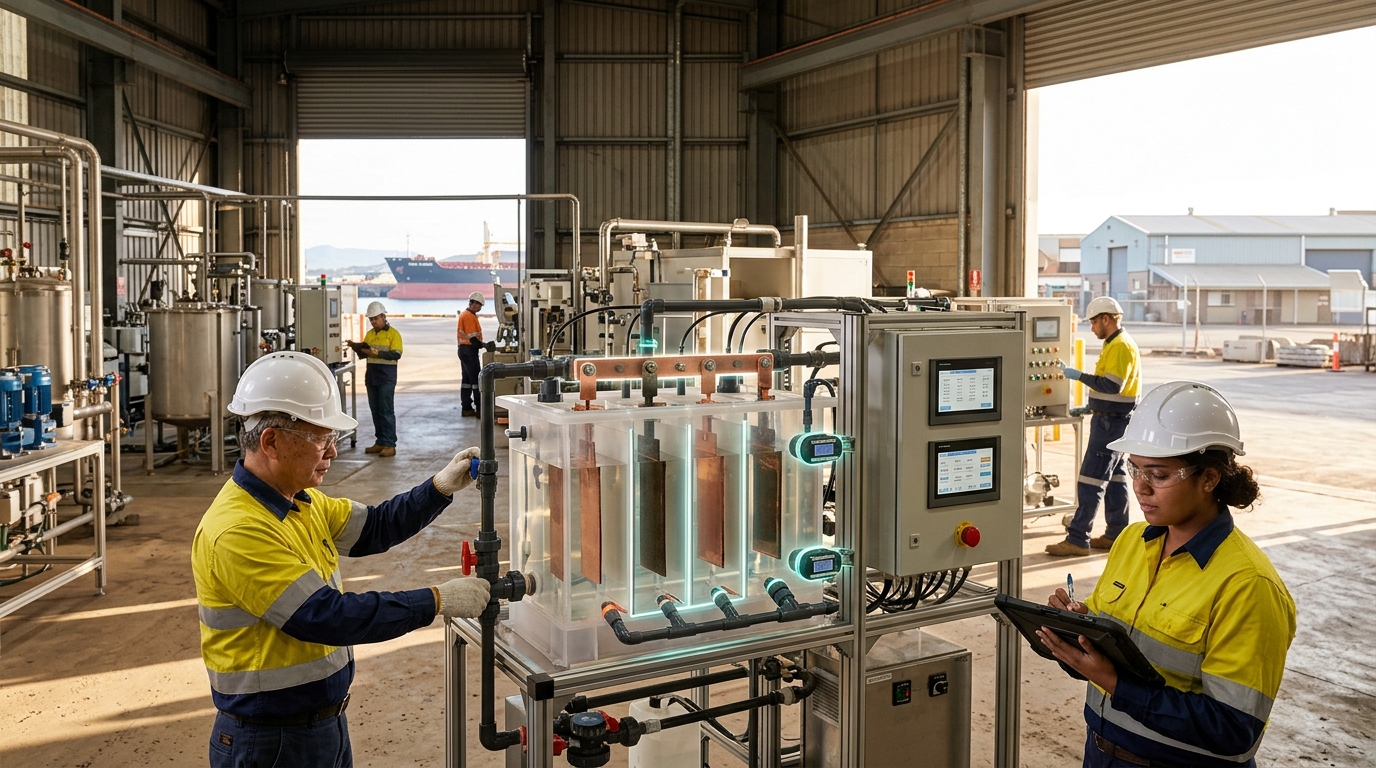
Australian startups are developing electrochemical copper refining that bypasses conventional smelting — reducing energy use by 50% and enabling processing of lower-grade ores with less pollution.
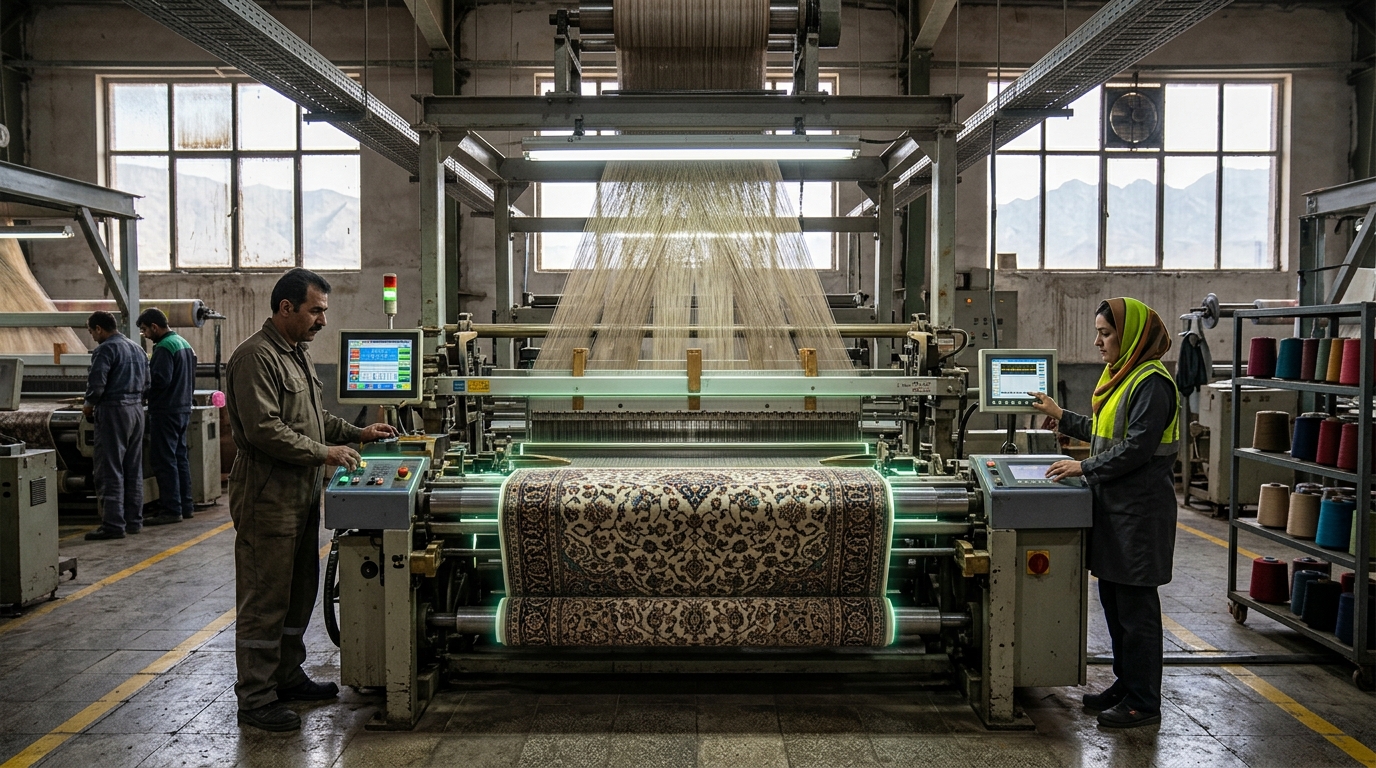
Major machine-made carpet industry ($550M+ exports) using domestically adapted high-density weaving machines at Belgium/Turkey technology level — exports to 50+ countries.
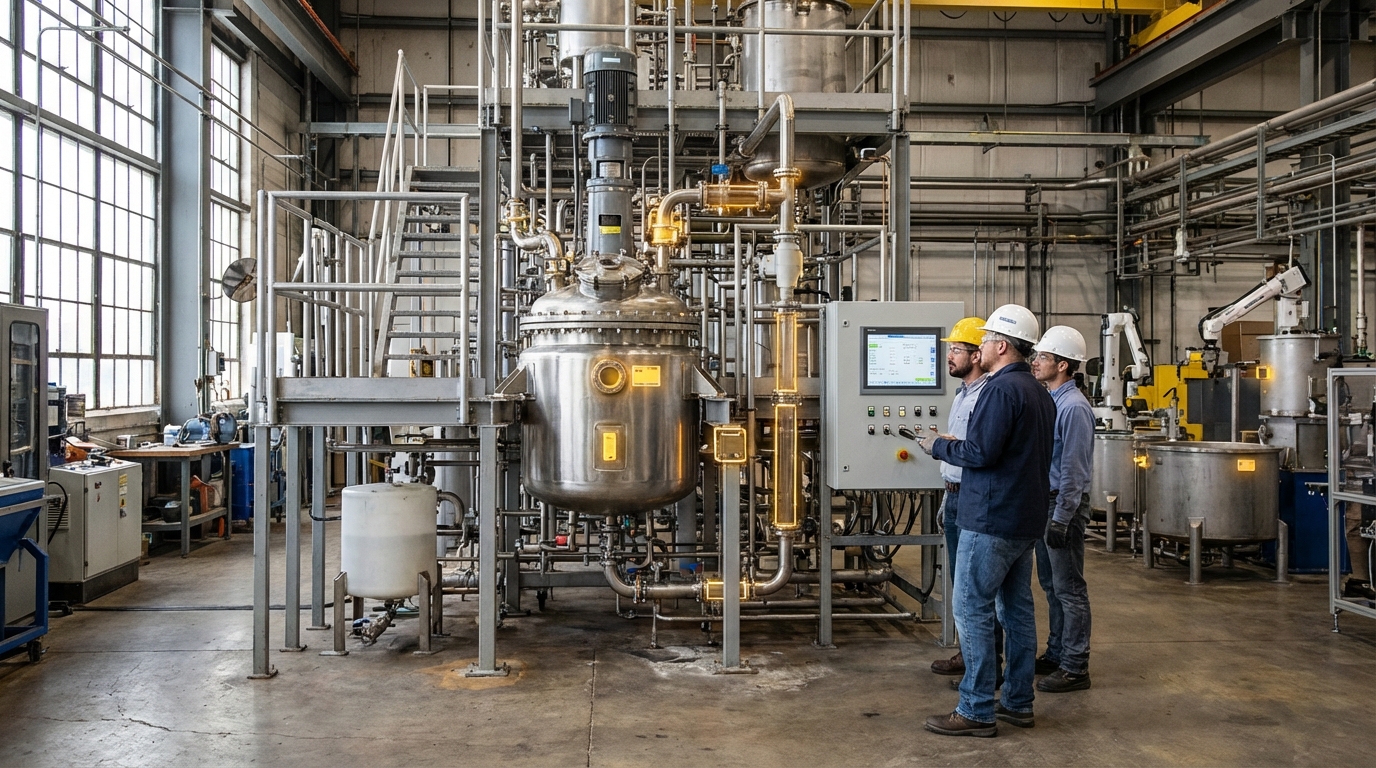
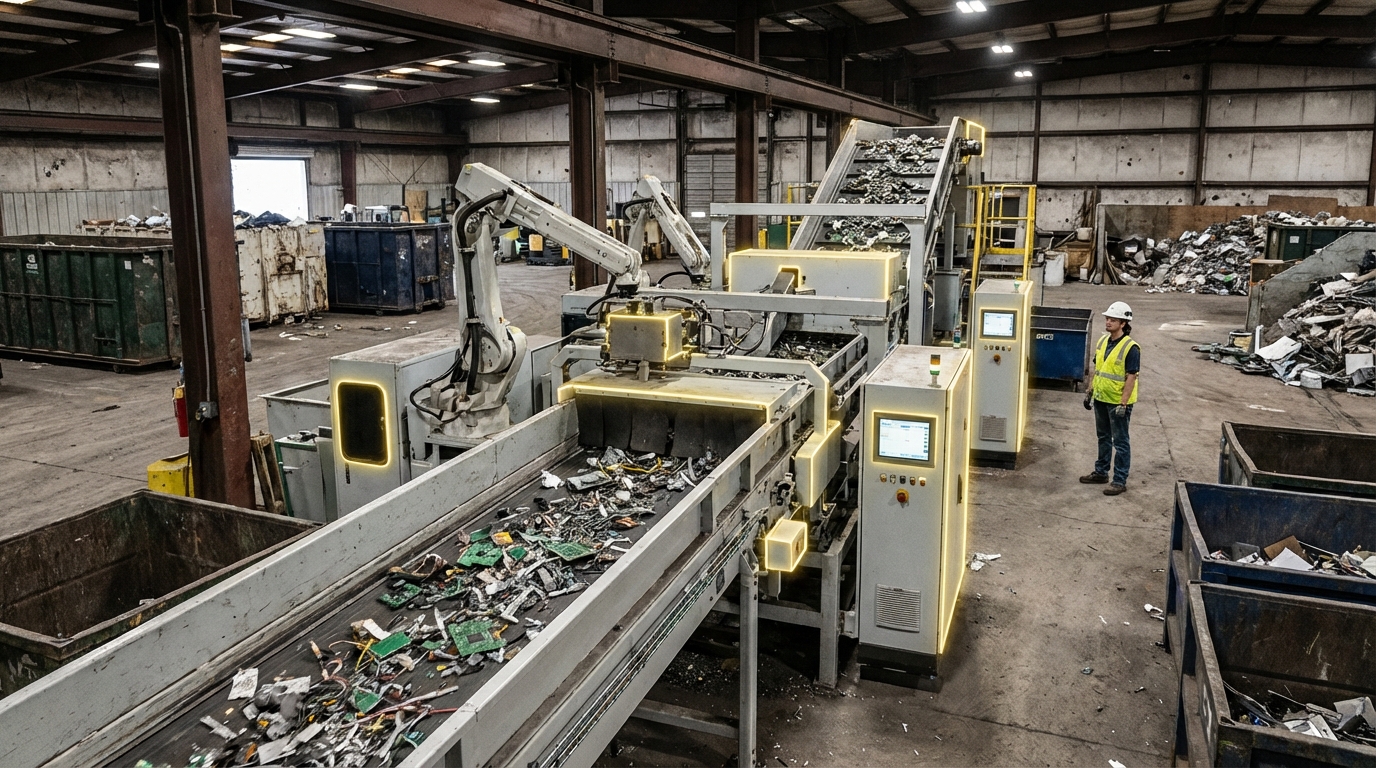
Breaking down plastic waste into reusable monomers or fuels through pyrolysis and depolymerization
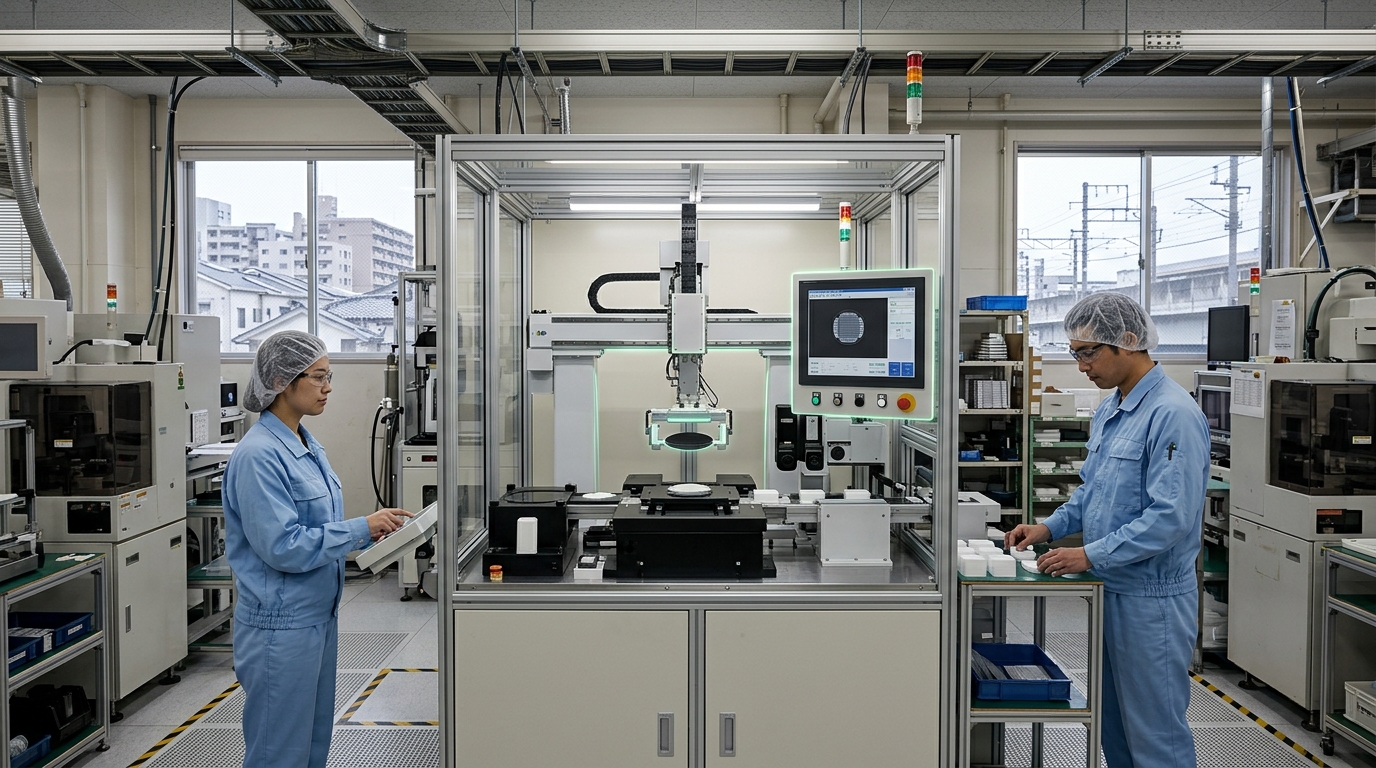
Kyocera, NGK, and Murata dominate global advanced ceramics for semiconductors, automotive sensors, and electronic components.
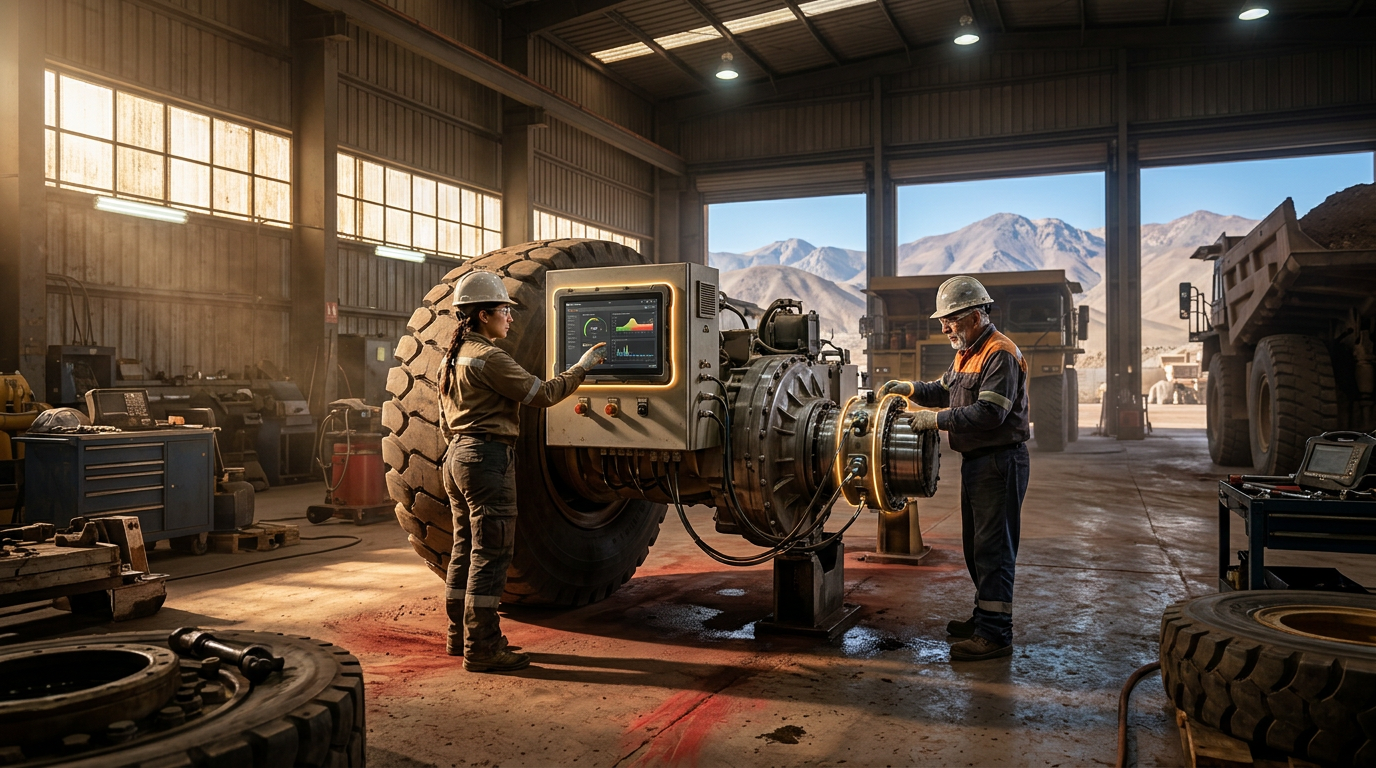
Chilean mining deploys sensor-driven ML models on haul trucks, SAG mills, and conveyor systems — detecting equipment failures days in advance, reducing unplanned downtime by 30%+.
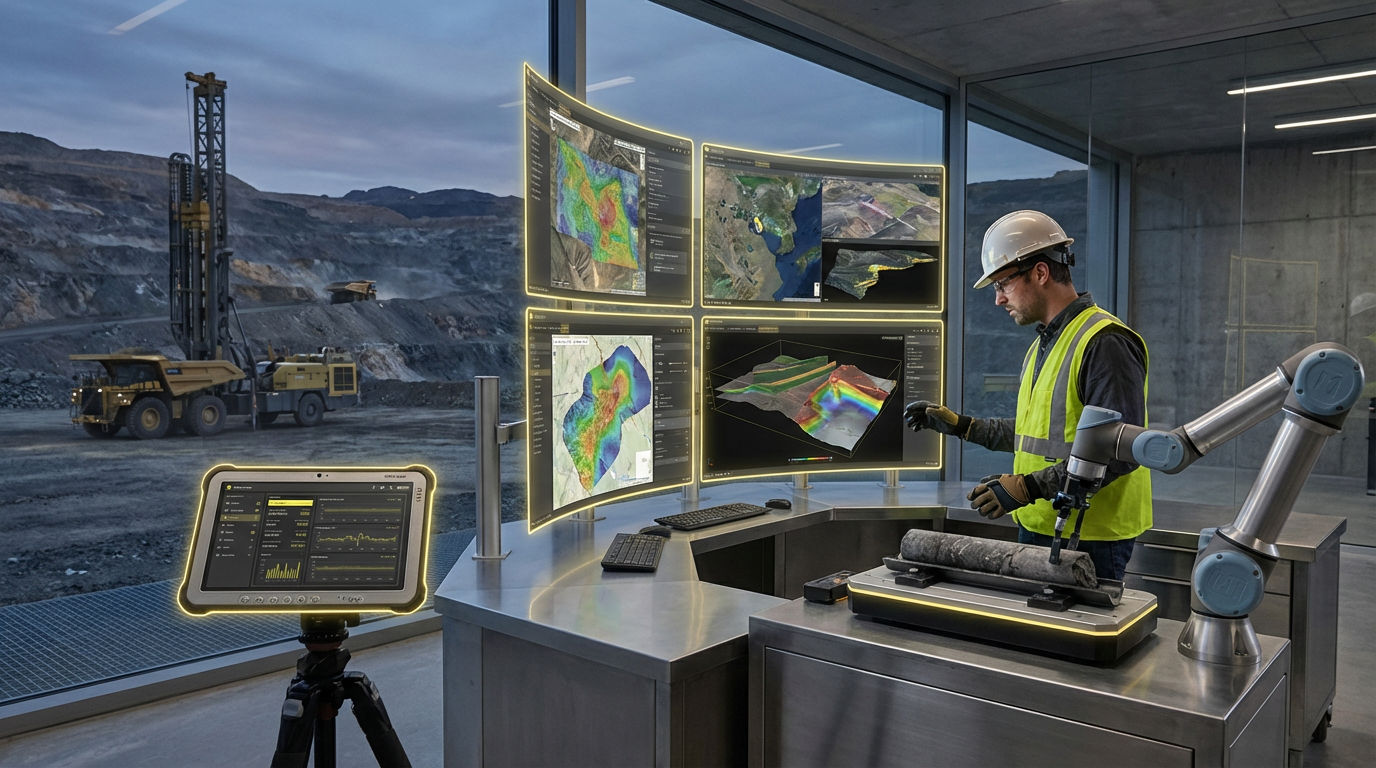
Machine learning models that pinpoint mineral deposits by analyzing multi-scale geological data
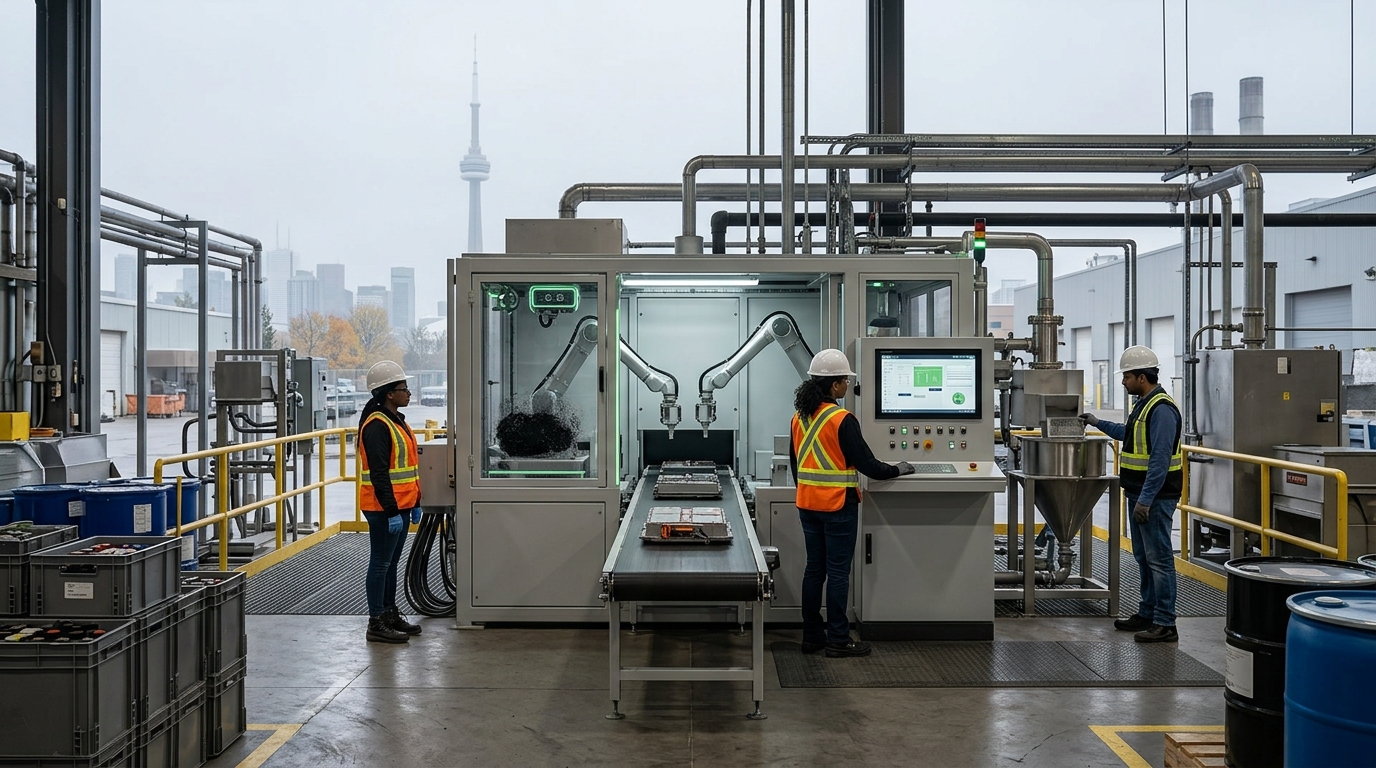
NRC's AI-PAP project combines artificial intelligence with advanced recycling techniques to recover valuable materials from end-of-life lithium-ion batteries, launched September 2025 as a 3-year initiative.
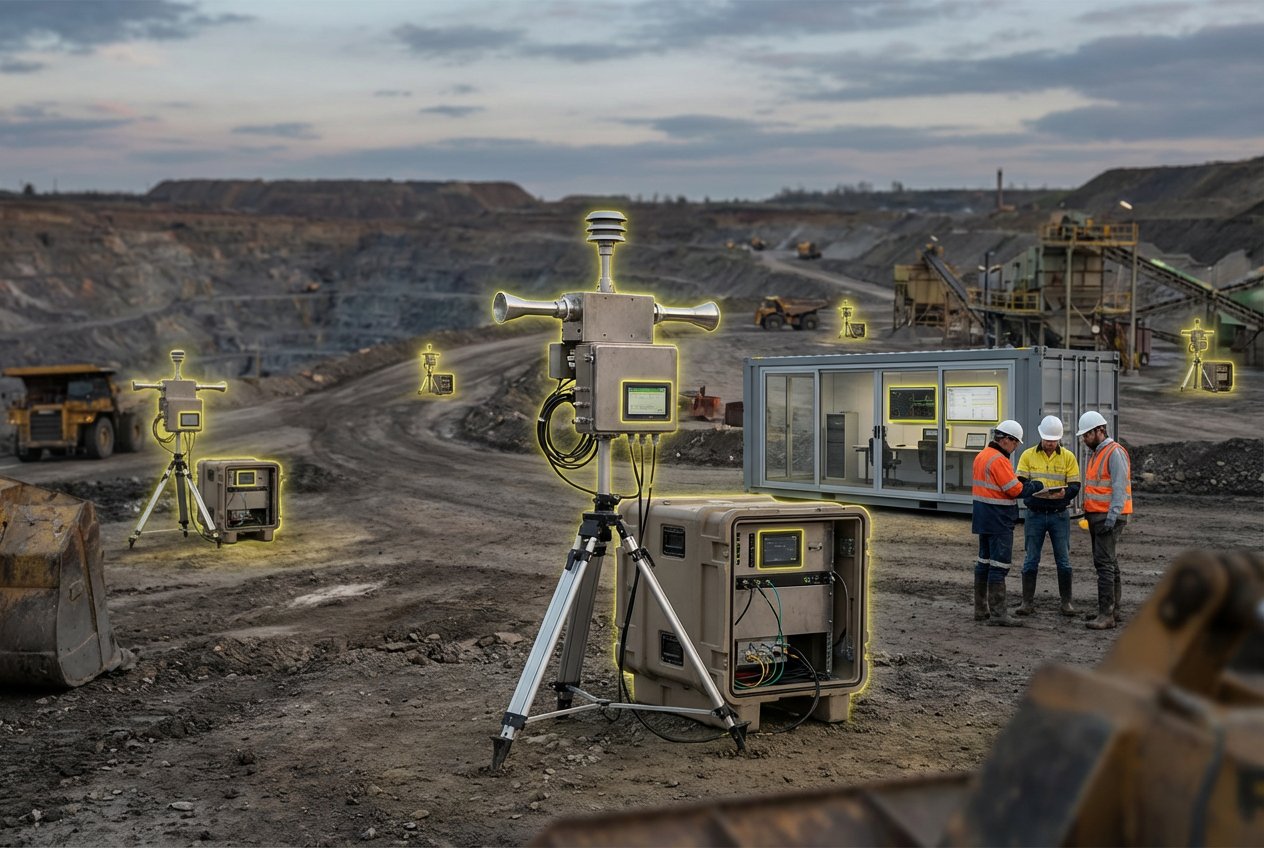
Distributed sensor arrays tracking airborne pollutants around extraction and processing sites
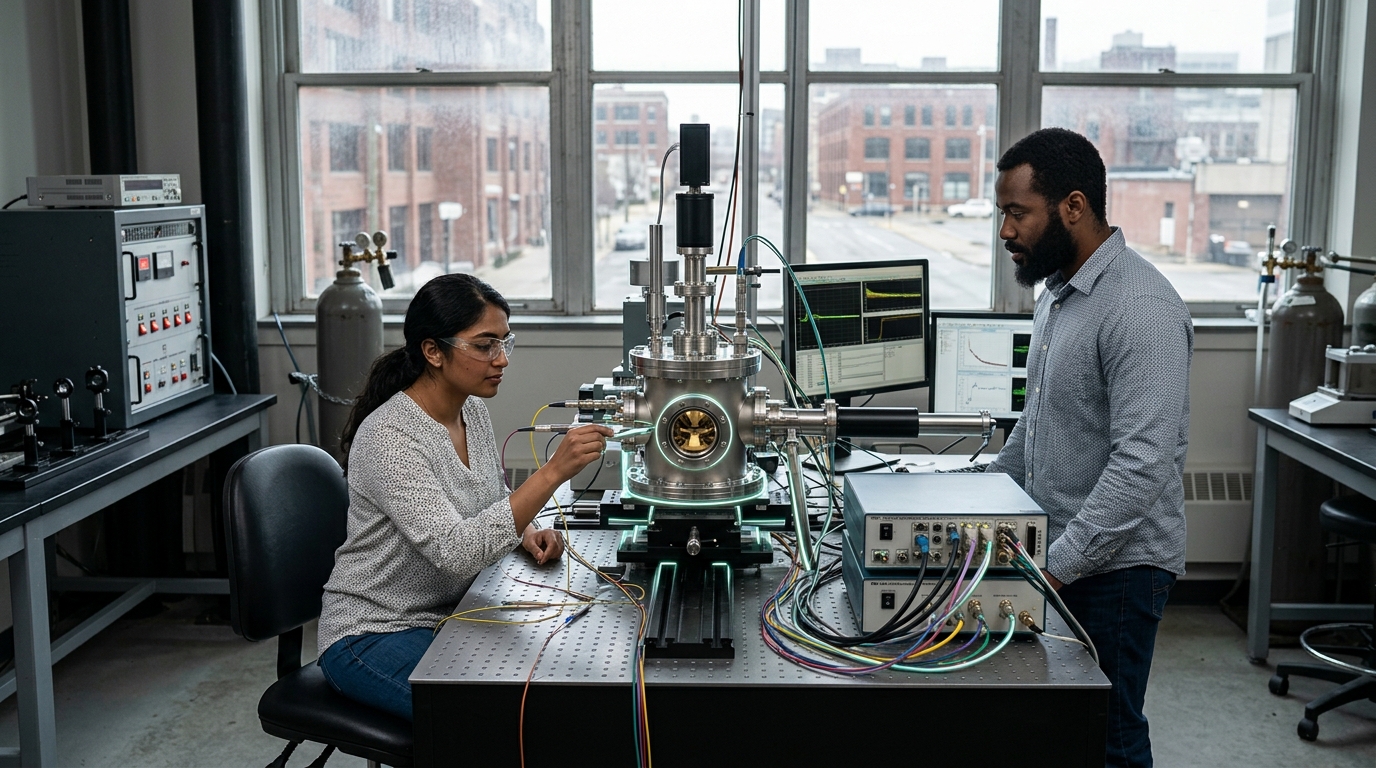
DARPA is funding research into altermagnets — a newly discovered class of magnetic materials that combine properties of ferromagnets and antiferromagnets — which could enable spintronic processors for next-generation computing.
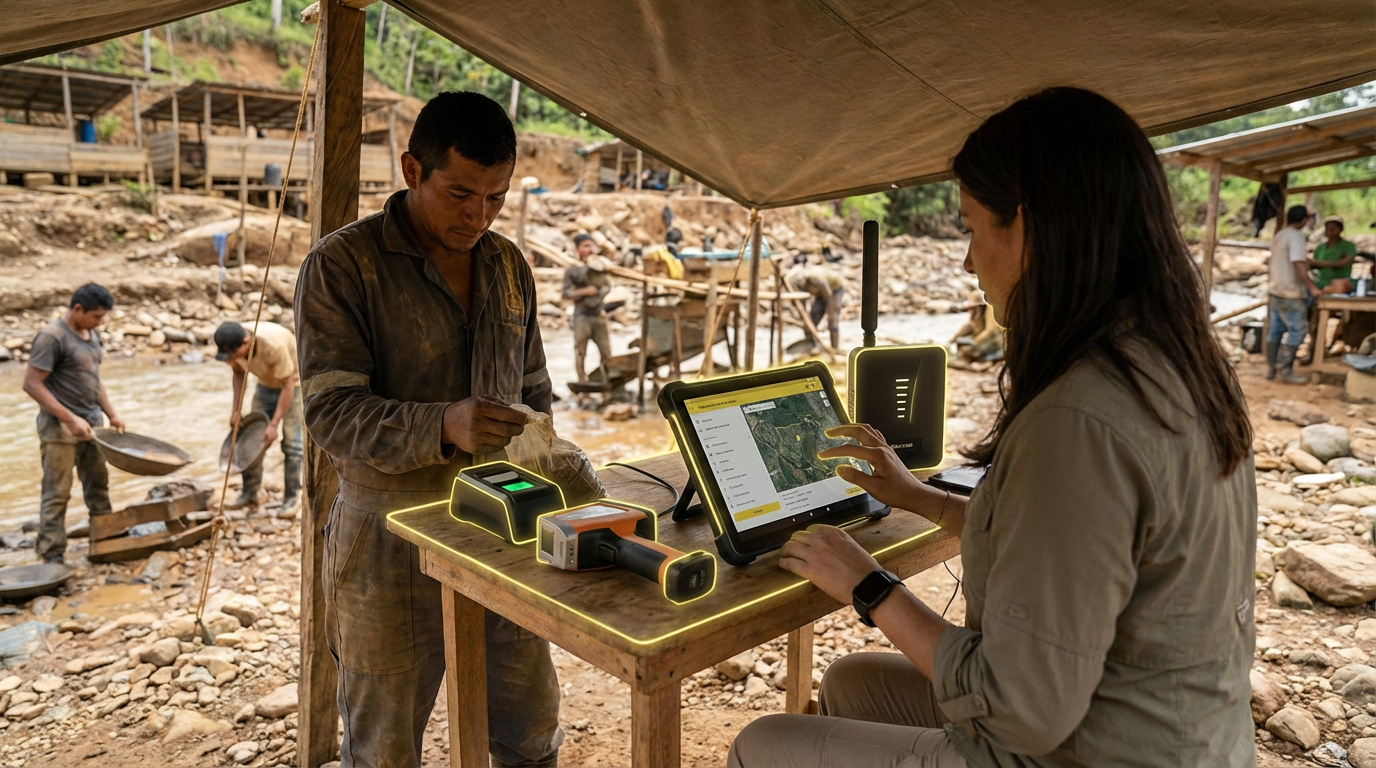
Digital systems that formalize small-scale mining through identity verification, production tracking, and support servic
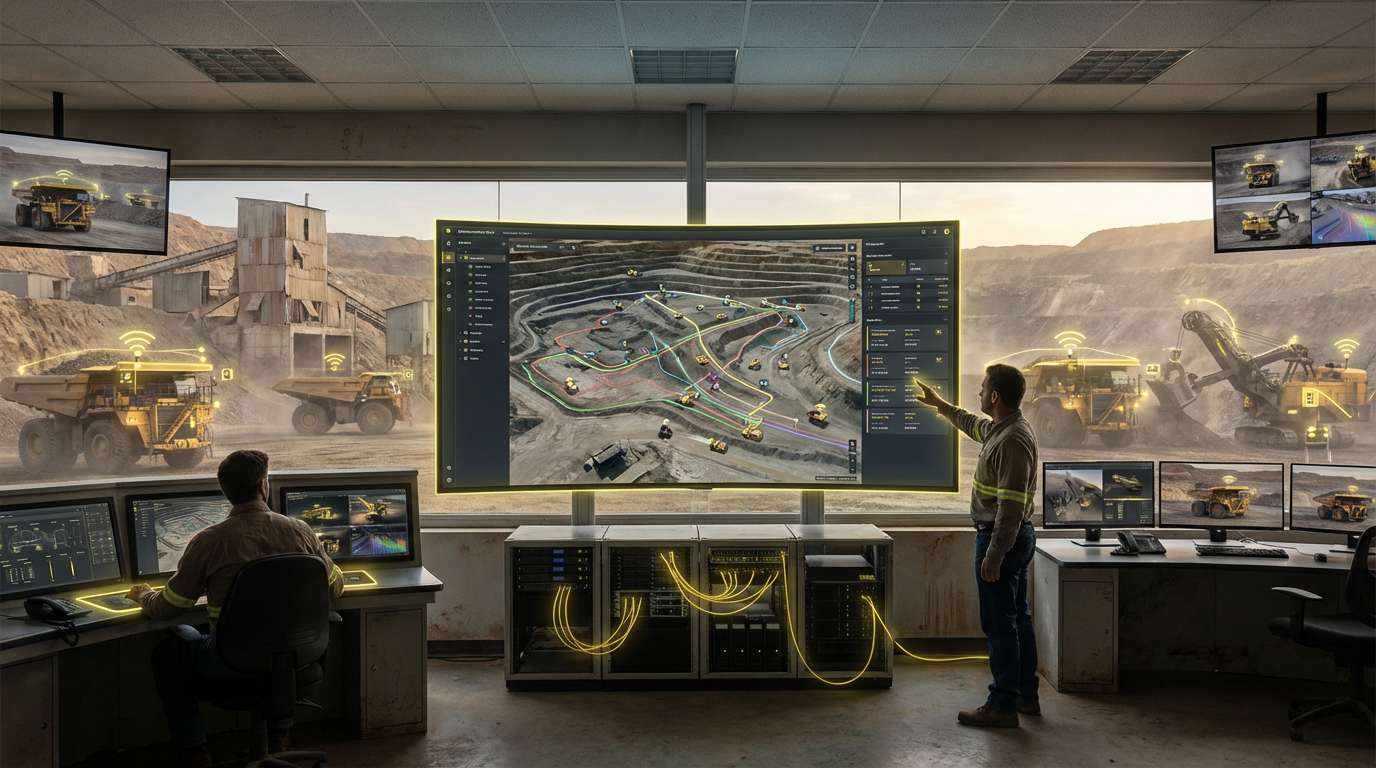
Coordinates mixed fleets of autonomous and human-operated mining equipment in real time
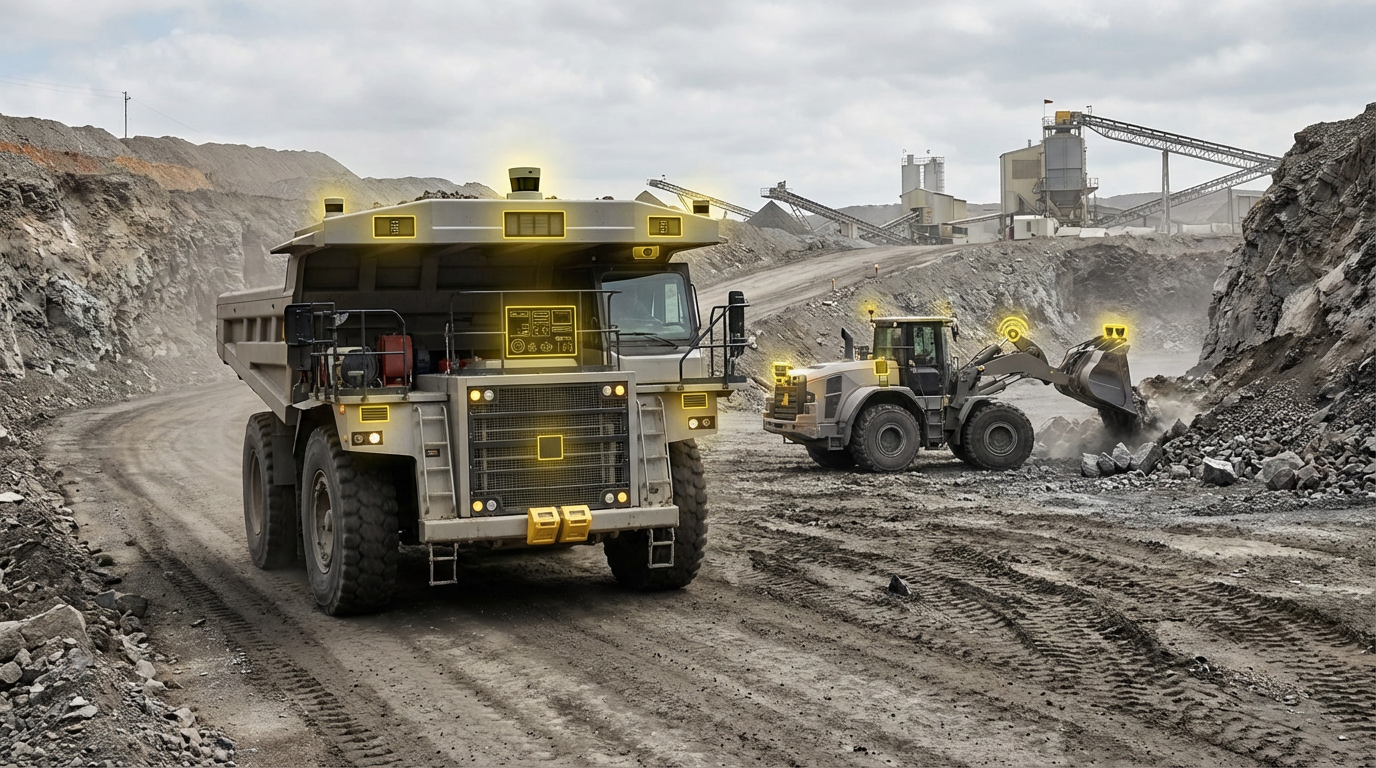
Self-driving trucks and loaders that transport materials in mining operations without human operators
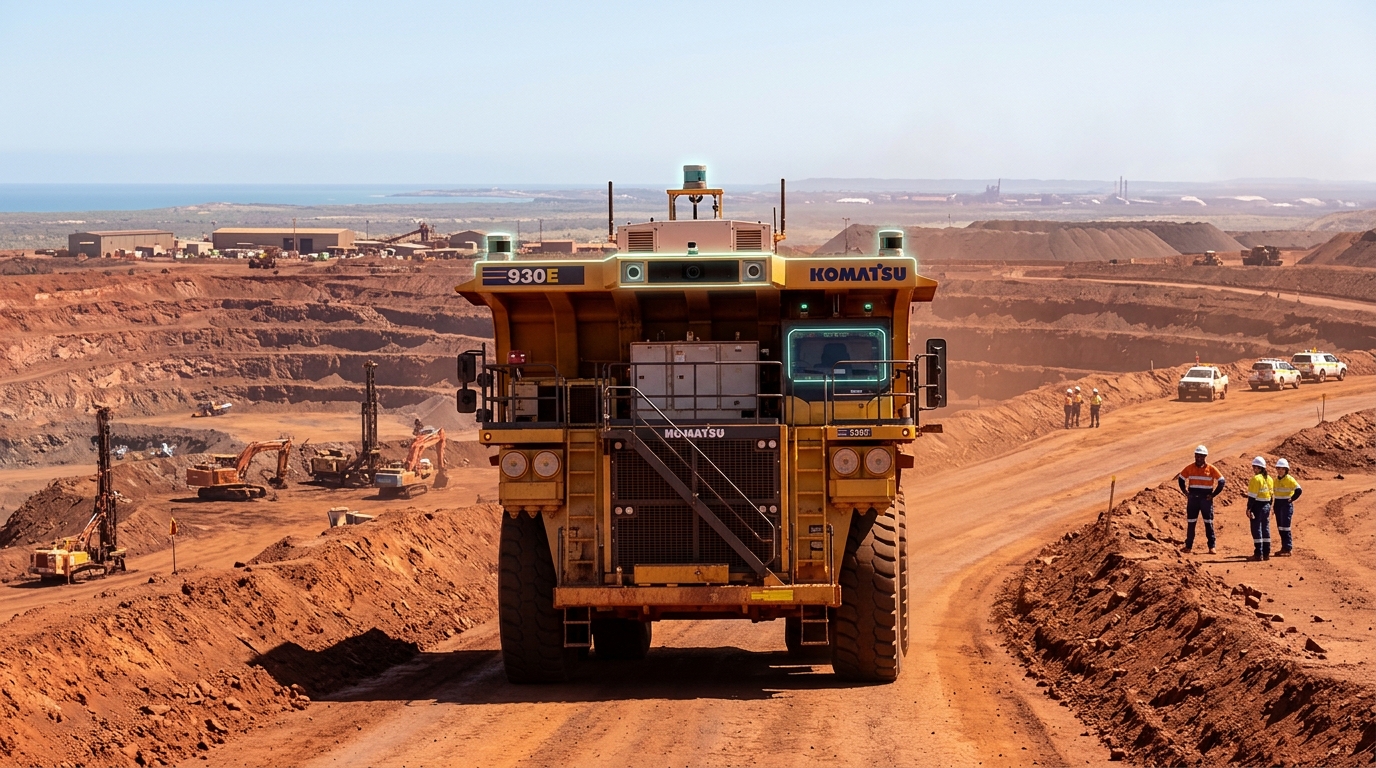
Australia's Pilbara mines operate the world's largest autonomous truck fleets — Rio Tinto and Fortescue run 300+ driverless haul trucks, with Fortescue deploying 360 battery-electric autonomous trucks by 2030.
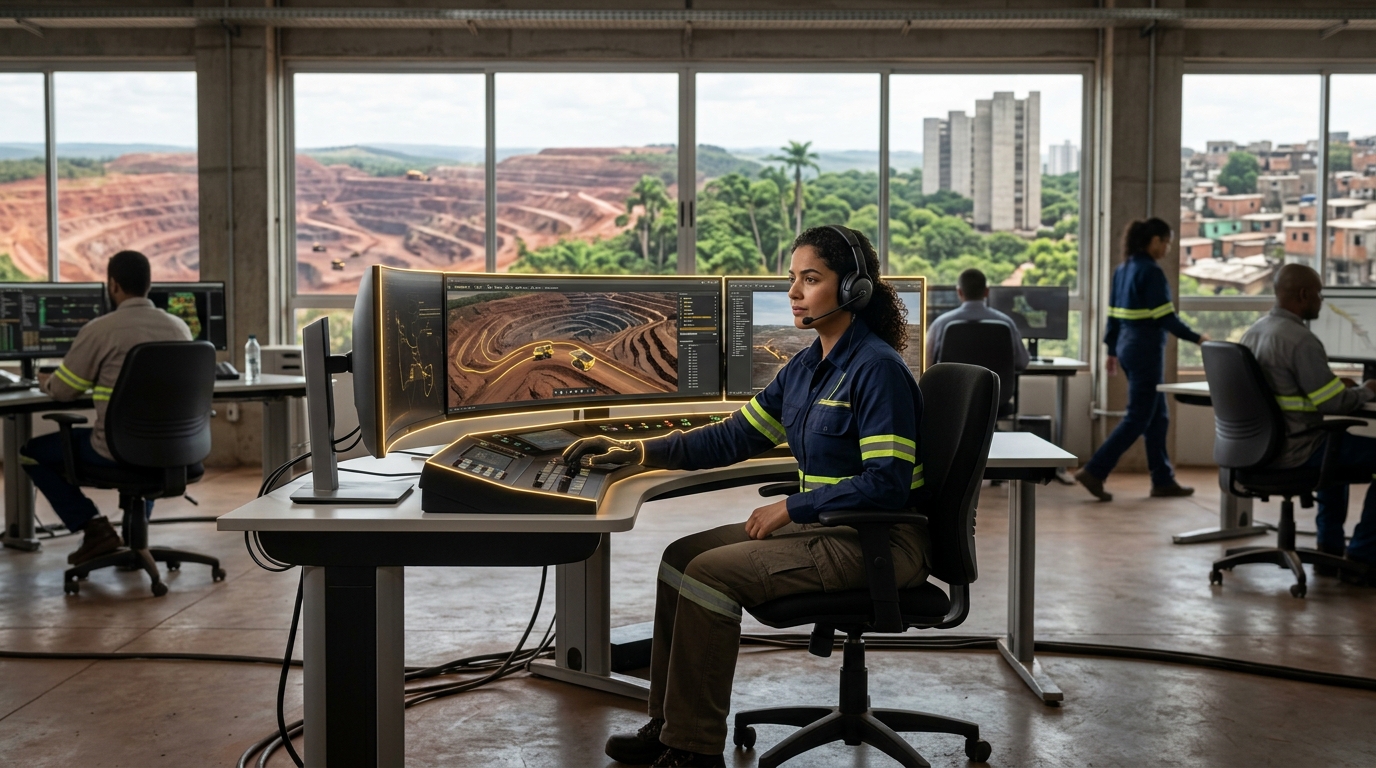
Vale uses AI-powered autonomous trucks and operations management at Carajás — the world's largest iron ore mine producing 65+ million tonnes annually
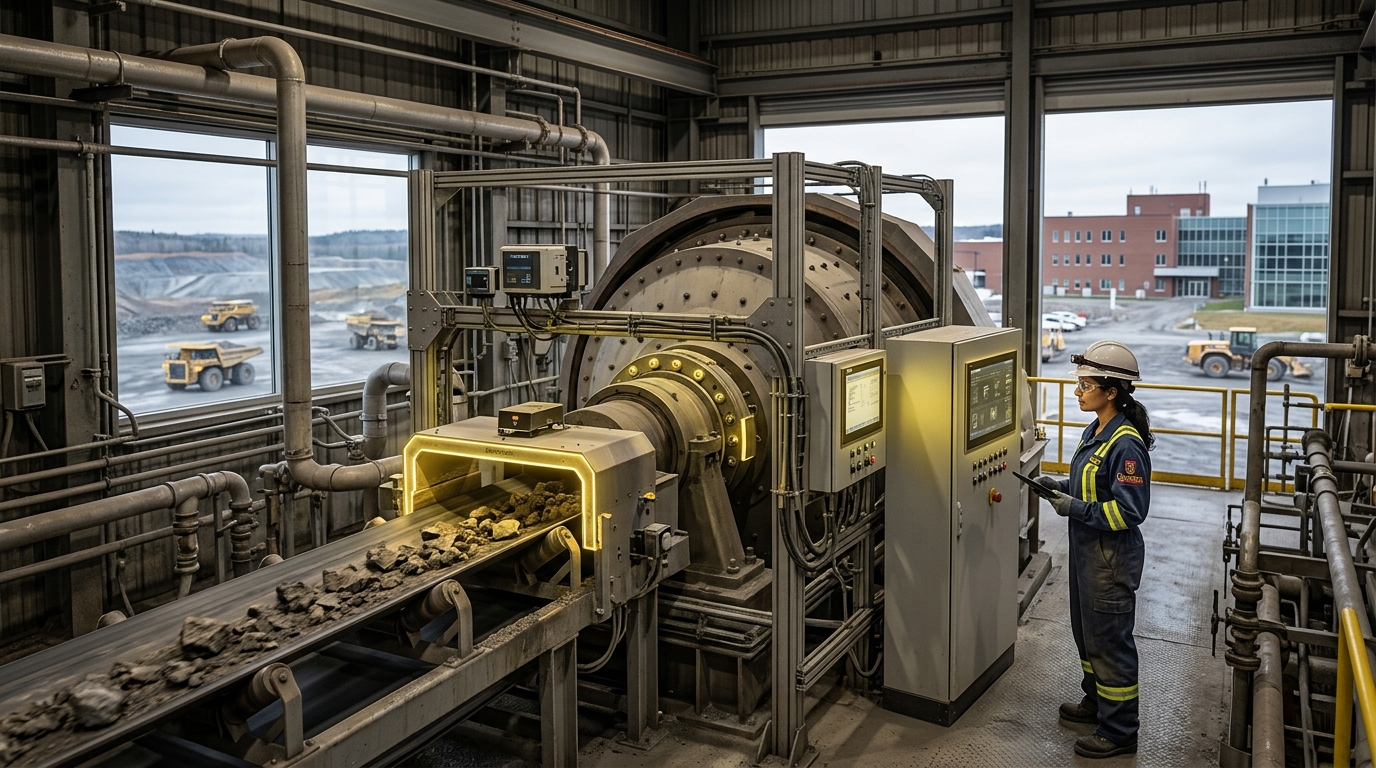
Canadian mines are rapidly deploying autonomous haul trucks, drilling systems, and semi-autonomous equipment, with Queen's University and industry partners developing AI-driven processing optimization.
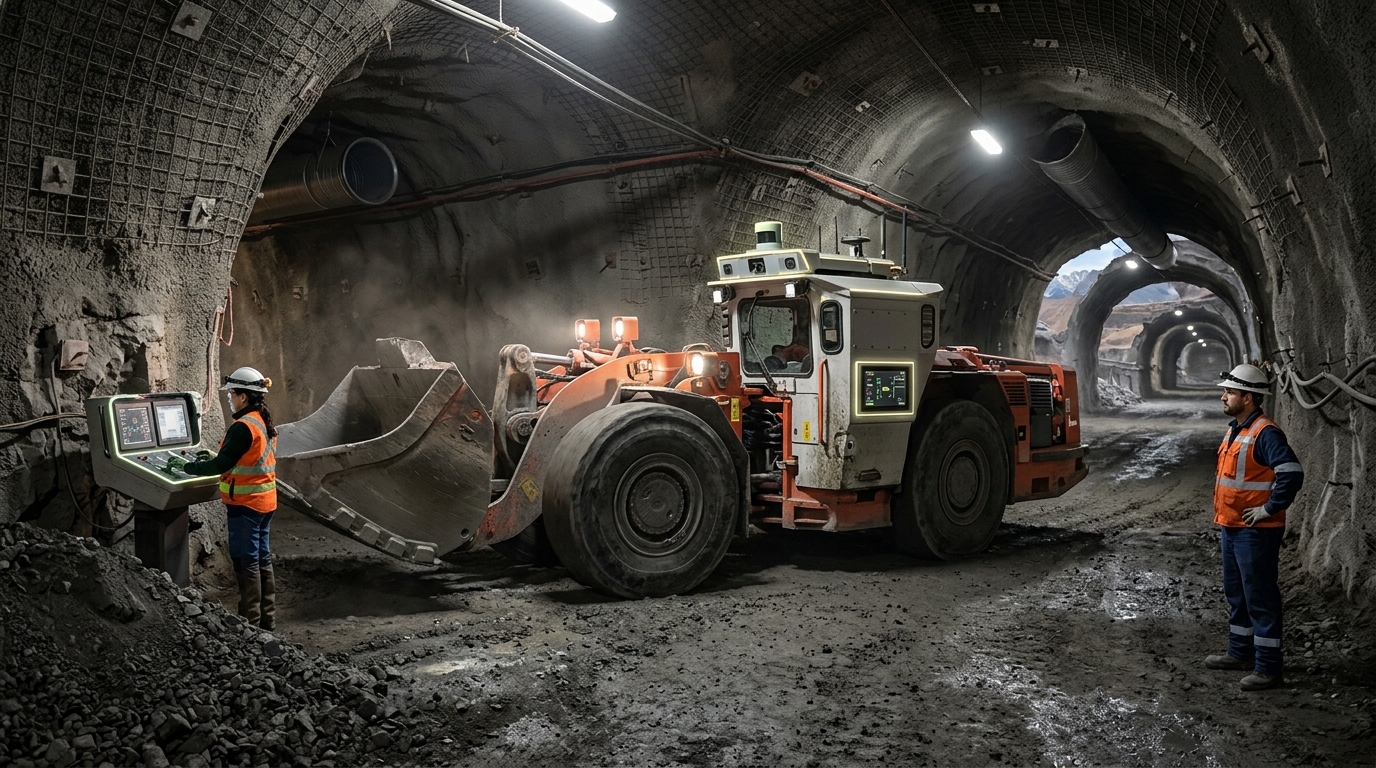
Chile's Codelco has operated autonomous haul trucks since 2008; post-2025 El Teniente collapse, underground autonomy is being fast-tracked with remote LHDs and drill systems.
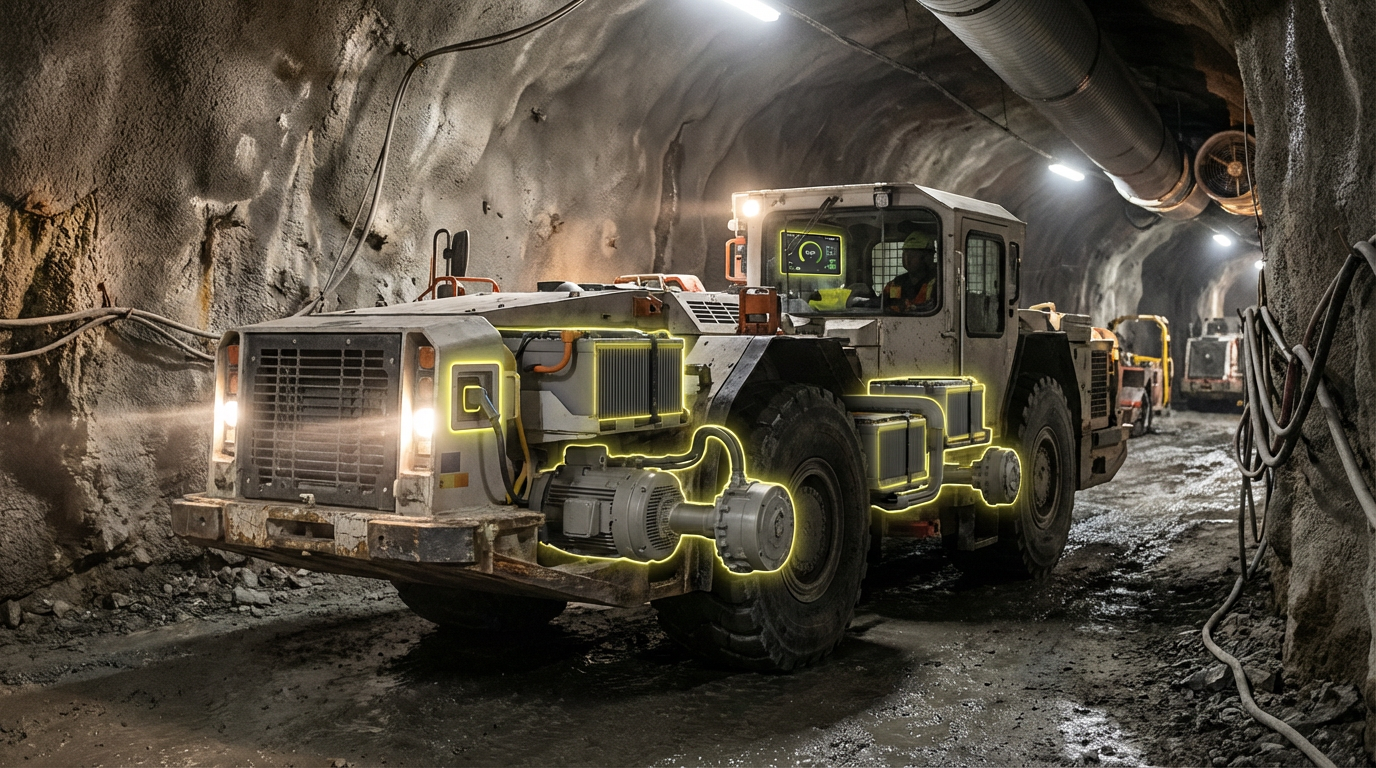
Electric-powered haul trucks, loaders, and drills replacing diesel fleets in mines

Fortescue ordered 360 battery-electric autonomous haul trucks and 50 electric autonomous drill rigs for Pilbara operations — the world's largest commitment to zero-emission mining equipment.
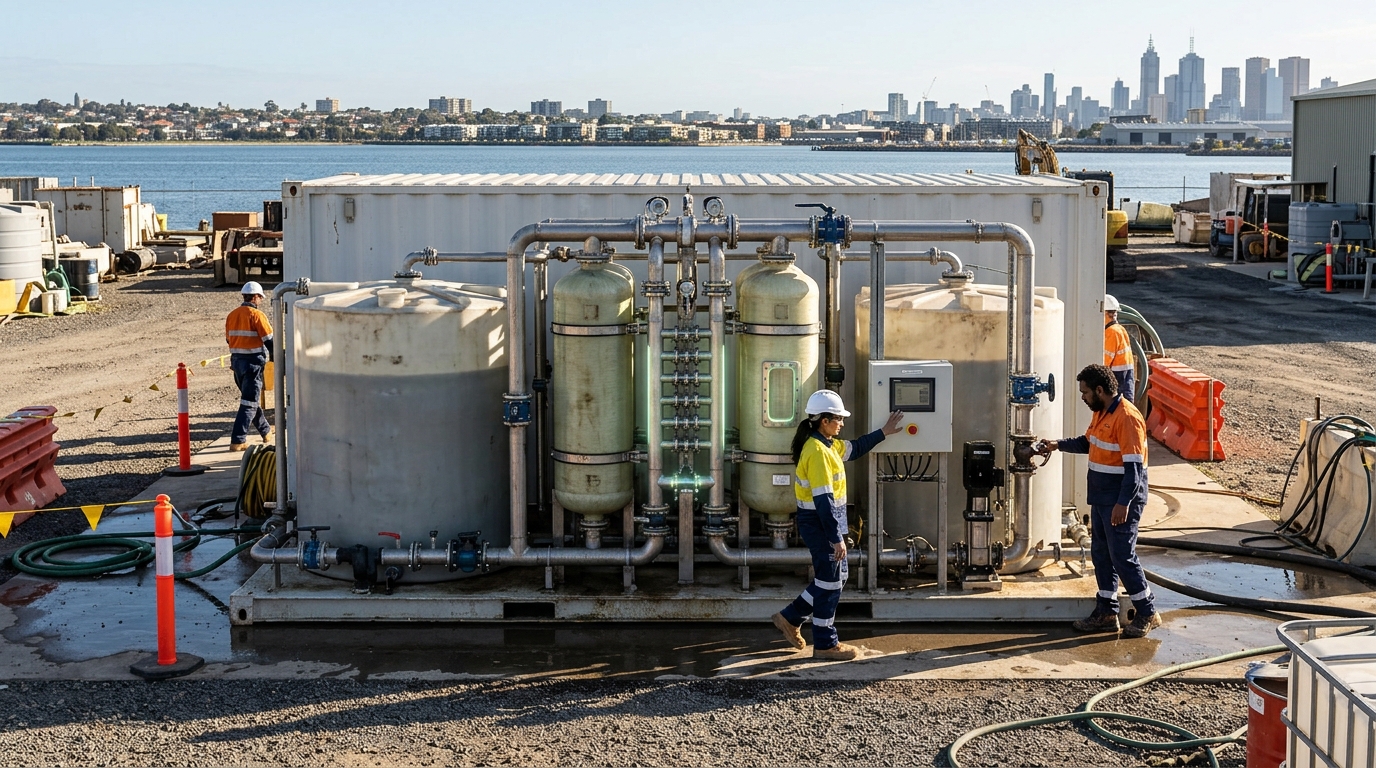
MTE mimics plant membrane proteins to selectively recover lithium, cobalt, and phosphorus from industrial wastewater — a bio-inspired approach to circular mineral processing.

Harnessing microorganisms to extract metals from low-grade ores and waste.
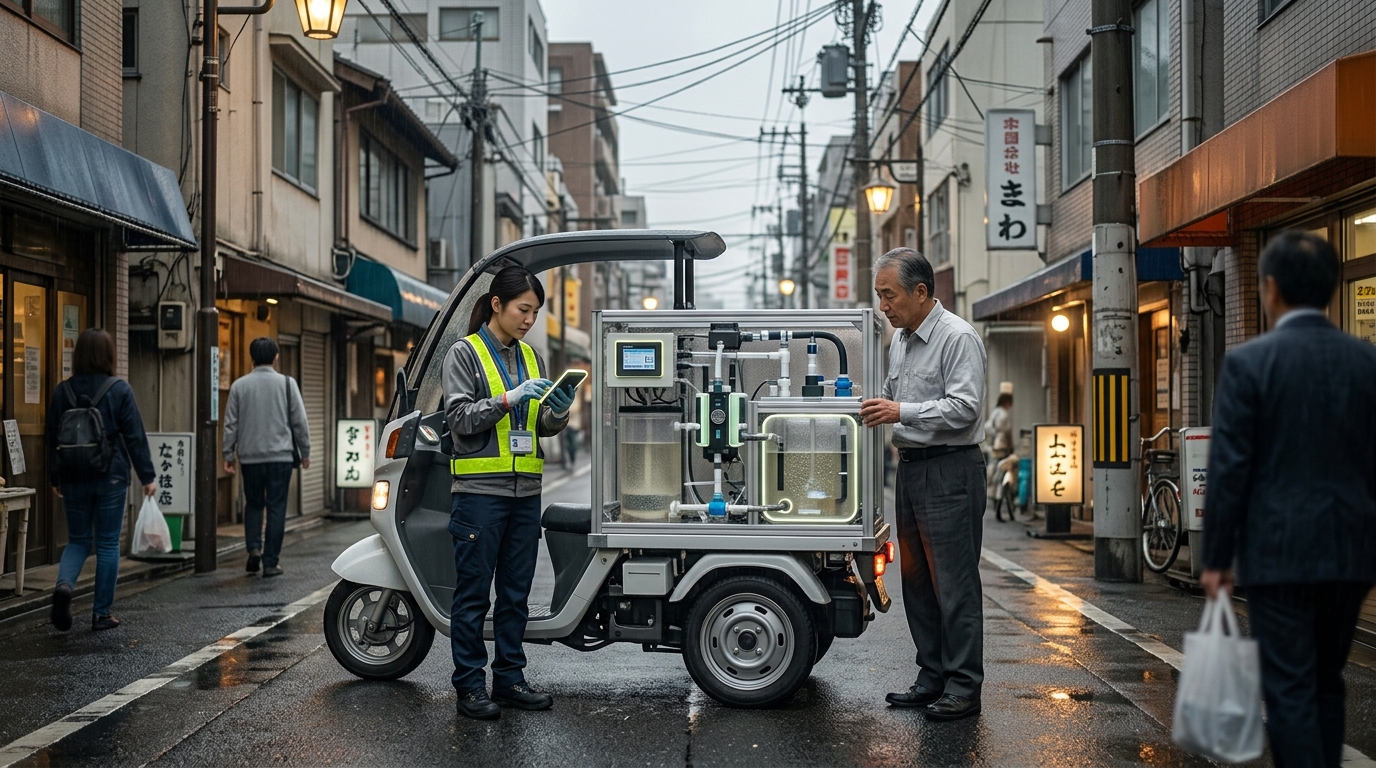
Japan leads in biodegradable plastics with Kaneka's PHBH and Mitsubishi Chemical's BioPBS — targeting marine-degradable packaging as an alternative to petroleum-based plastics.
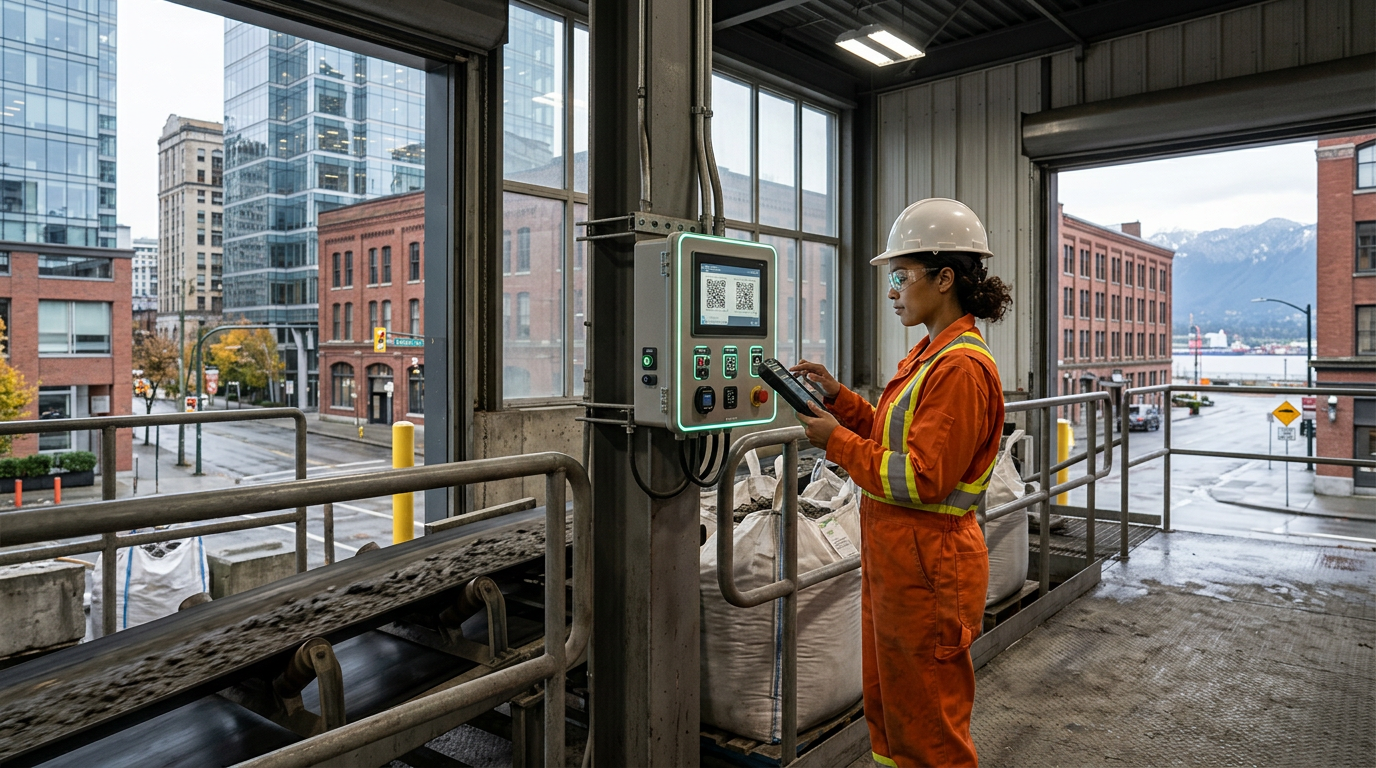
Canadian mining companies are deploying blockchain systems to track the origin and ethical provenance of metals from mine to manufacturer, meeting growing ESG and regulatory requirements.
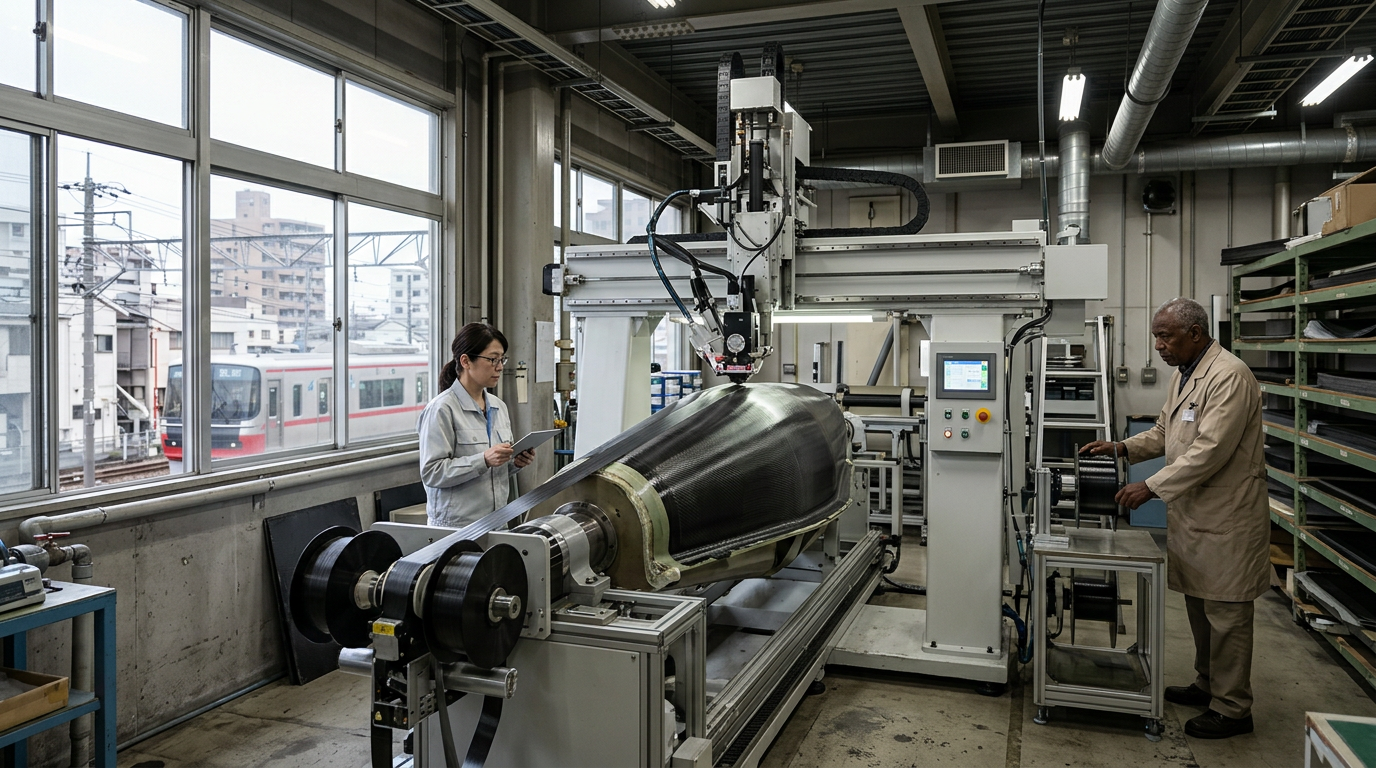
Toray Industries controls 50%+ of global carbon fiber production — every Boeing 787 and Airbus A350 depends on Japanese carbon fiber.
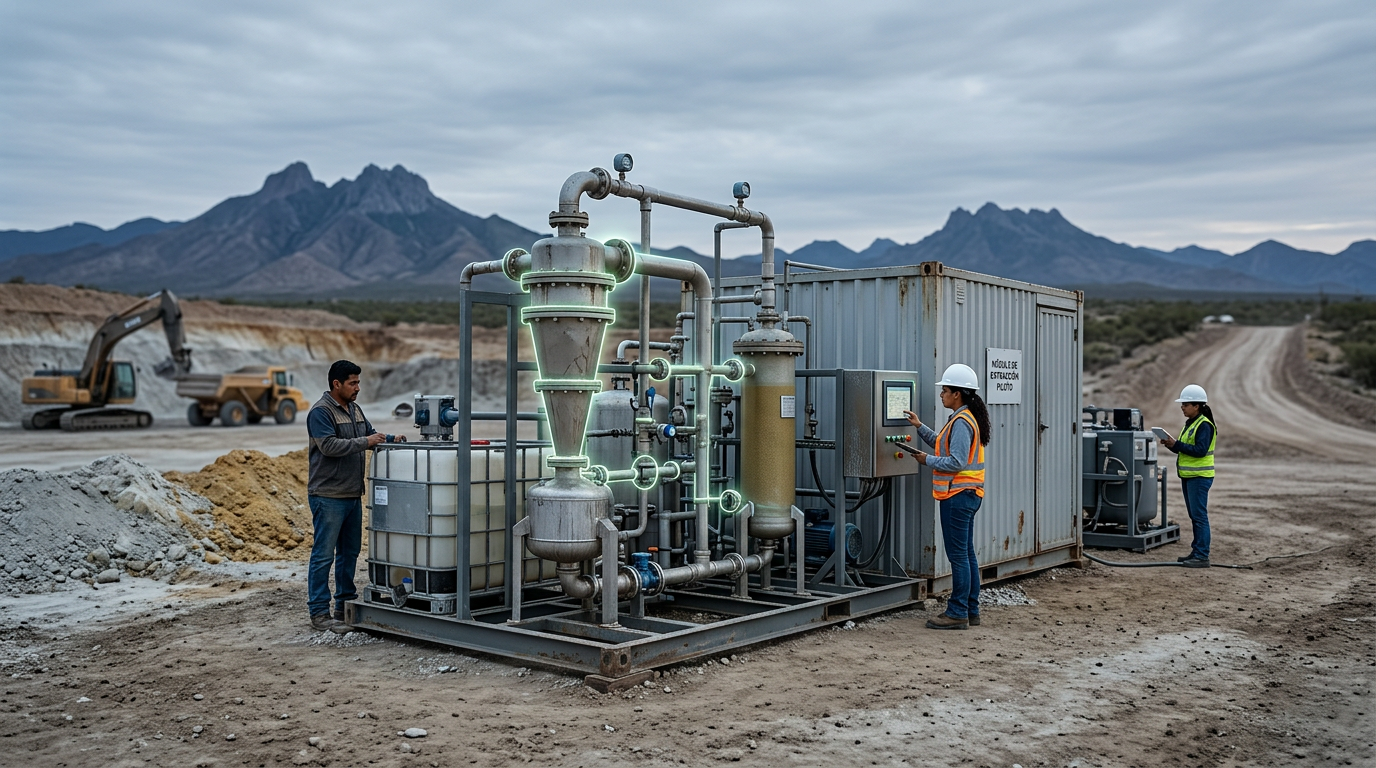
Mexico's Sonora deposit is one of the world's largest clay lithium sources; PEMEX is evaluating DLE technologies but commercial extraction from clay remains unproven globally.
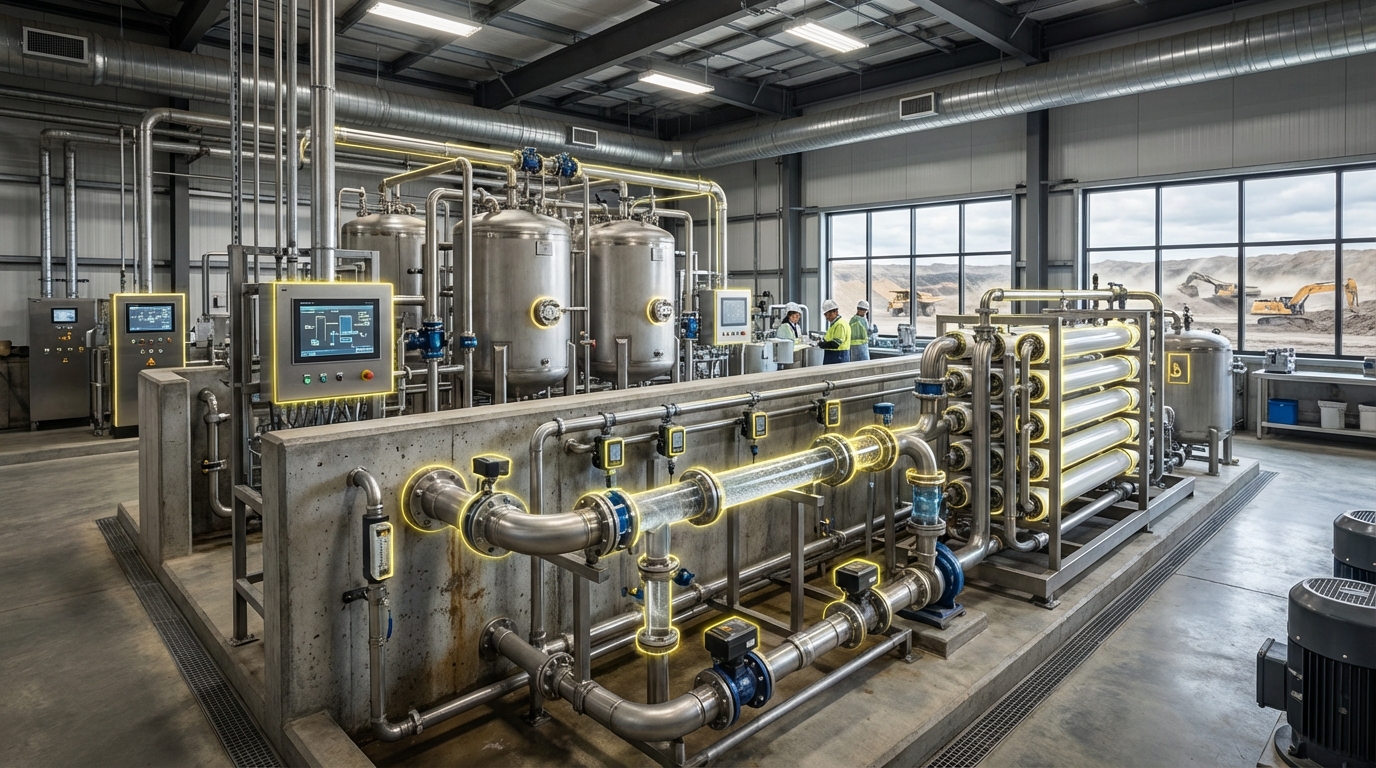
Industrial water circuits that recover and reuse 90%+ of process water in mining and heavy industry
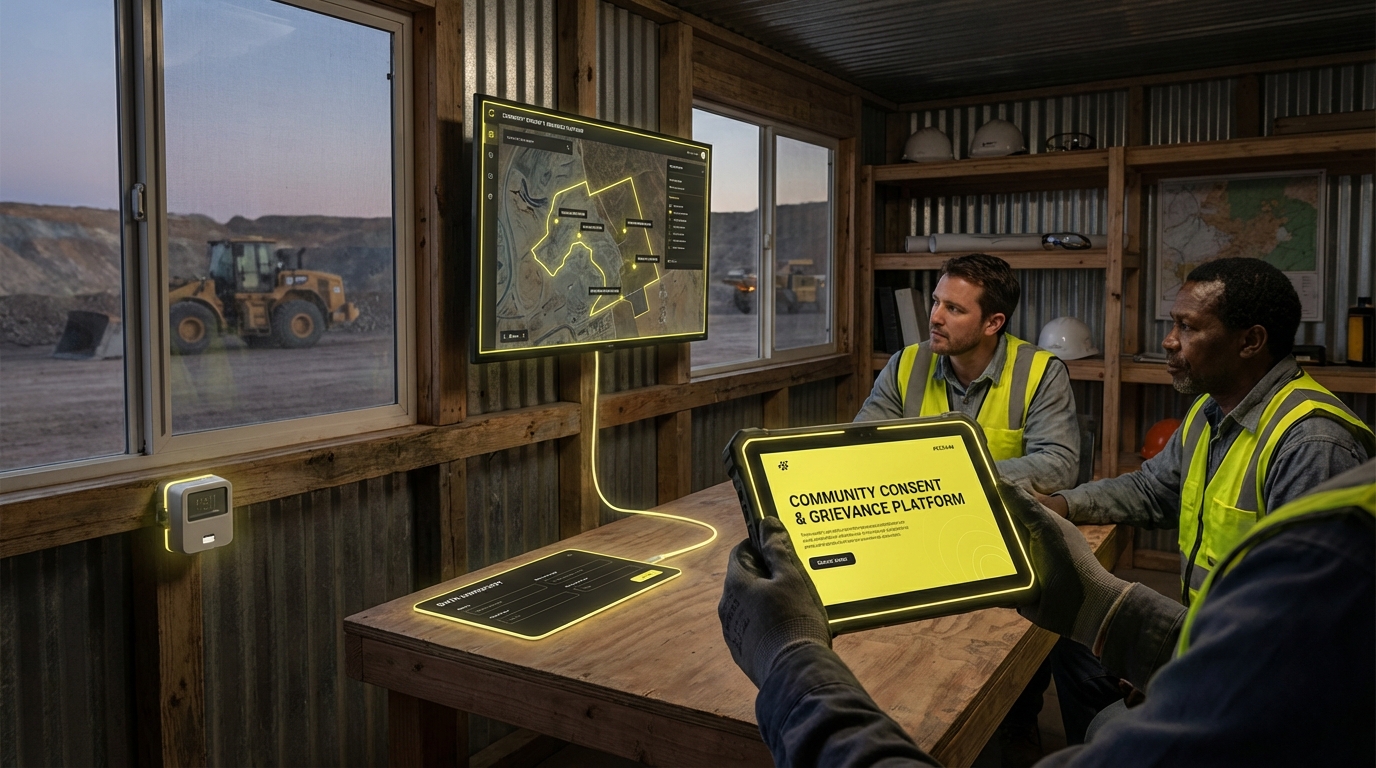
Digital systems tracking community consent, benefit agreements, and complaints for industrial projects
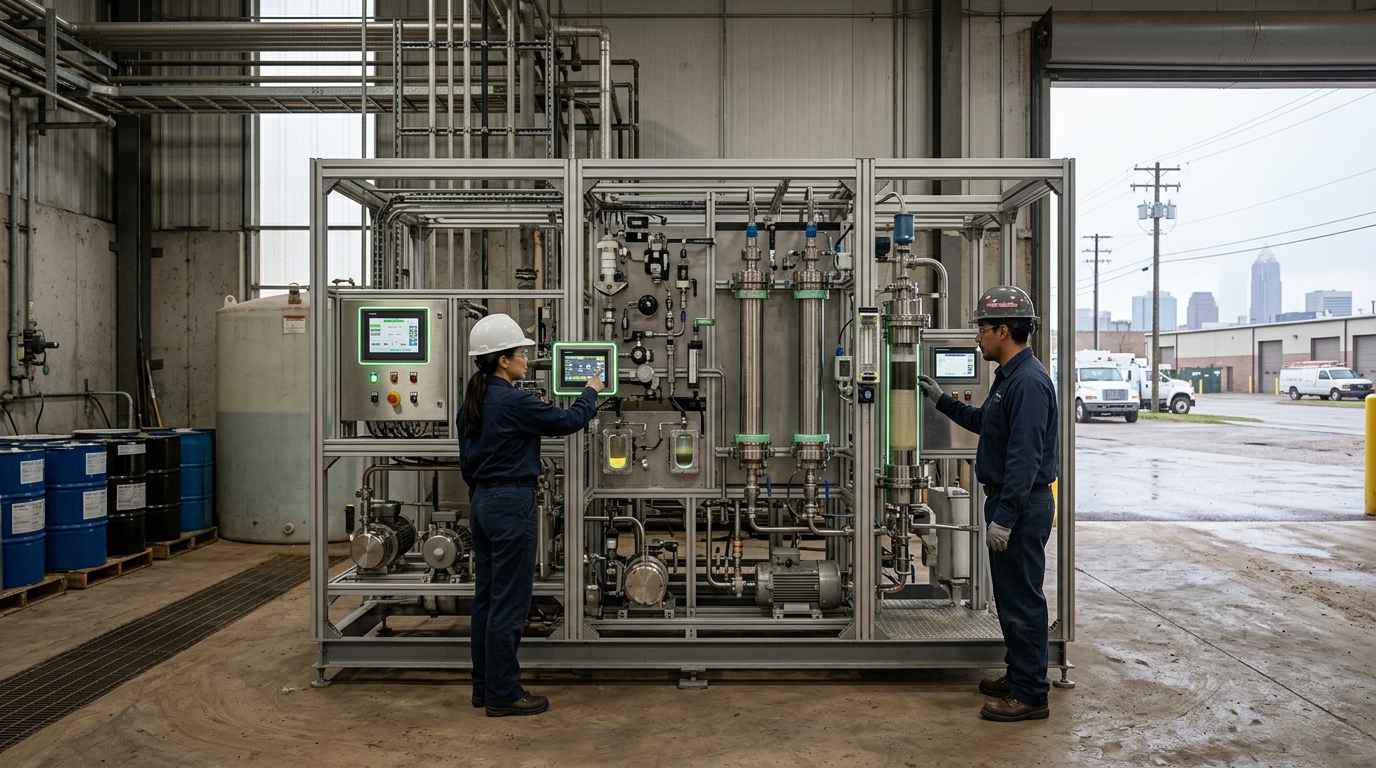
Oak Ridge National Lab and DOE-funded startups have developed next-generation ligand-based solvent extraction and continuous chromatography systems that separate individual rare earth elements 10-100x faster than conventional batch processes, with 30% lower acid consumption.
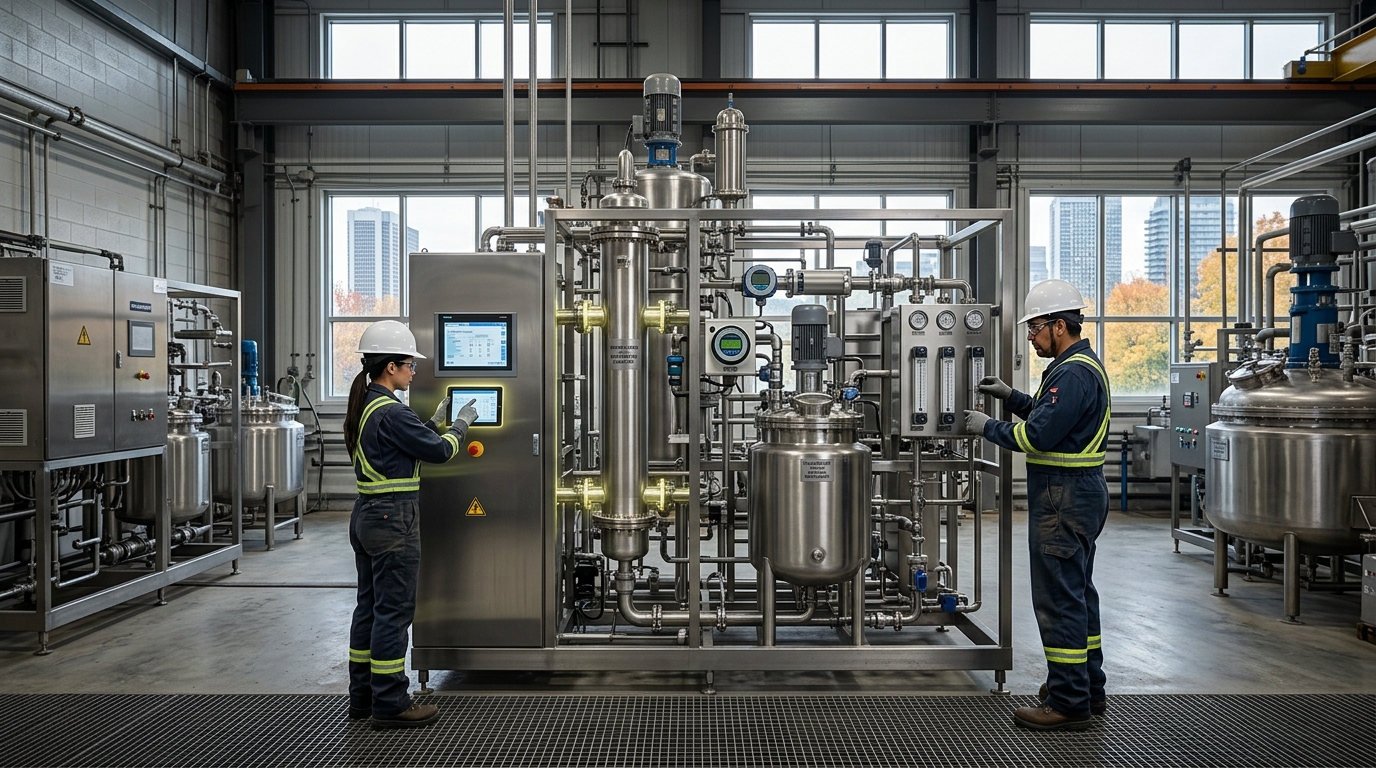
Canada's Critical Minerals Strategy positions the country as the democratic world's primary alternative to Chinese mineral supply chains, with 31 minerals designated as critical including lithium, cobalt, nickel, and rare earths.
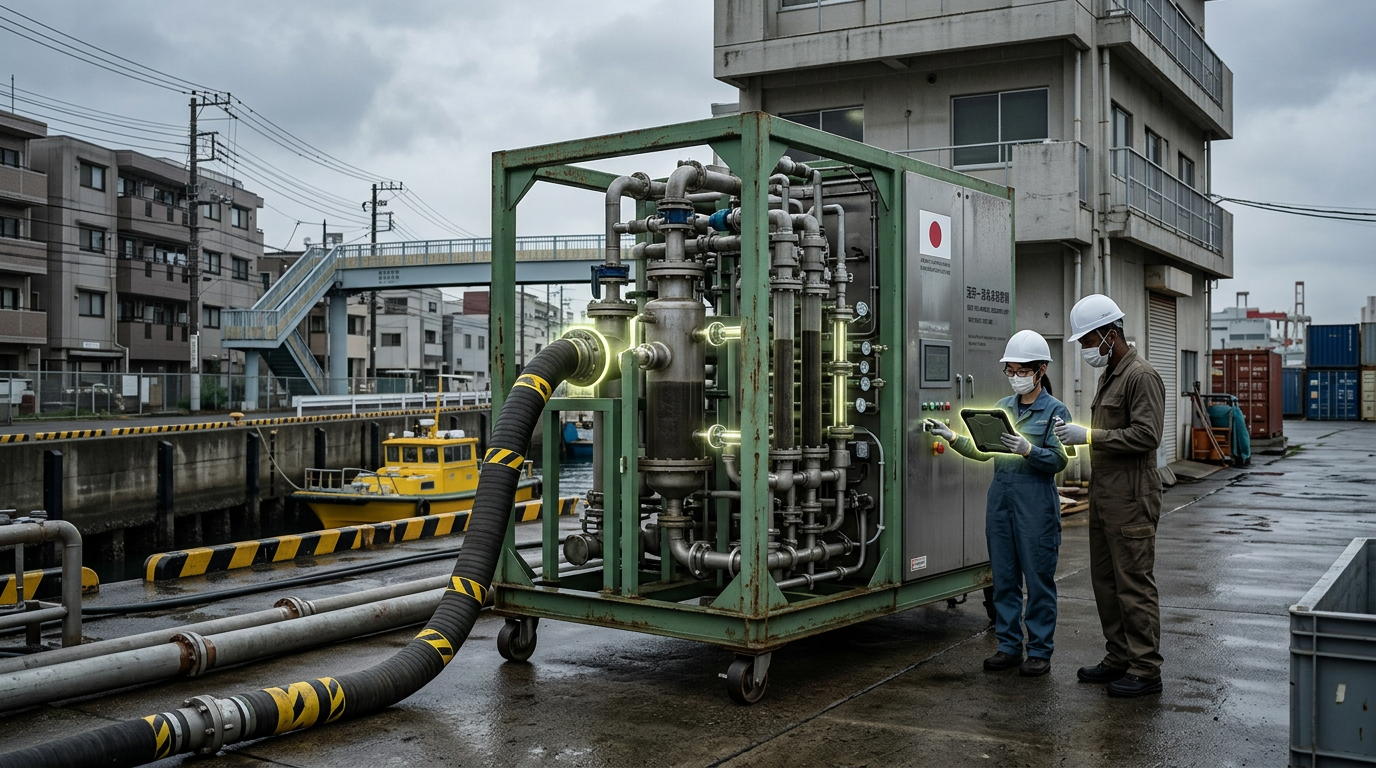
Japan successfully pumped rare-earth-rich mud from 6,000 meters below the Pacific in February 2026 — the world's first continuous deep-seabed mineral extraction, potentially holding 700 years of global rare earth supply.

South Africa pioneered surface ice plants that send hard ice slurry 4 km underground to cool mines where rock temperatures exceed 66°C — the only proven technology for mining at these depths.
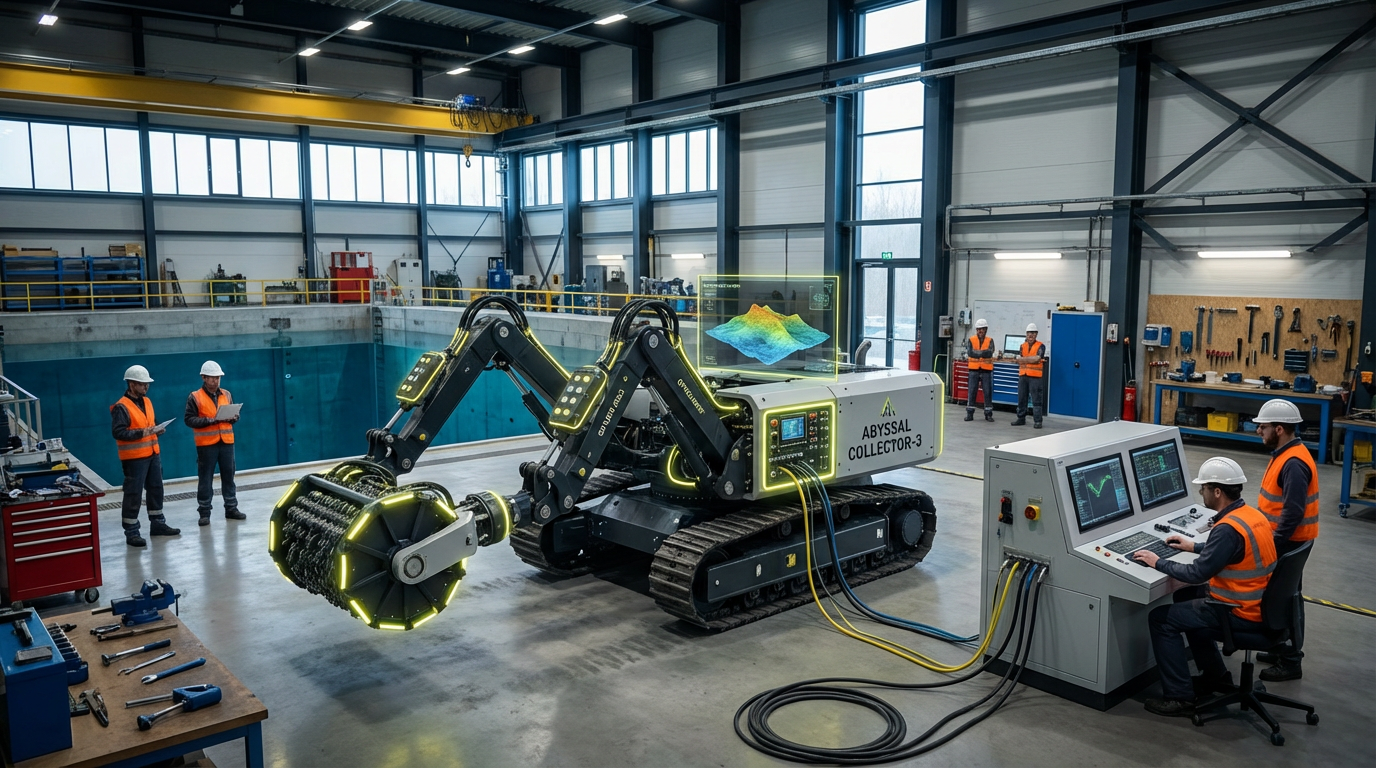
Autonomous underwater systems that extract minerals from the ocean floor at extreme depths
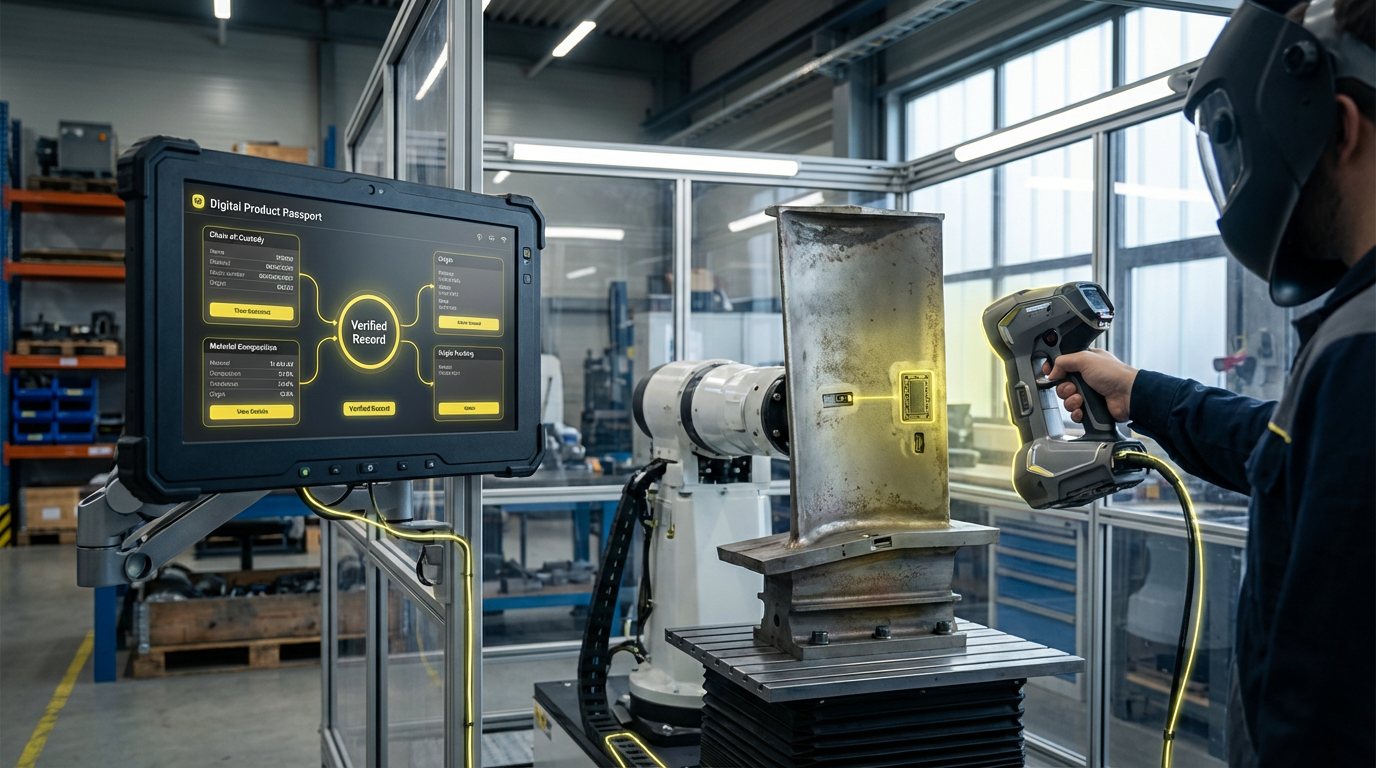
Standardized digital records tracking materials from extraction through recycling and reuse
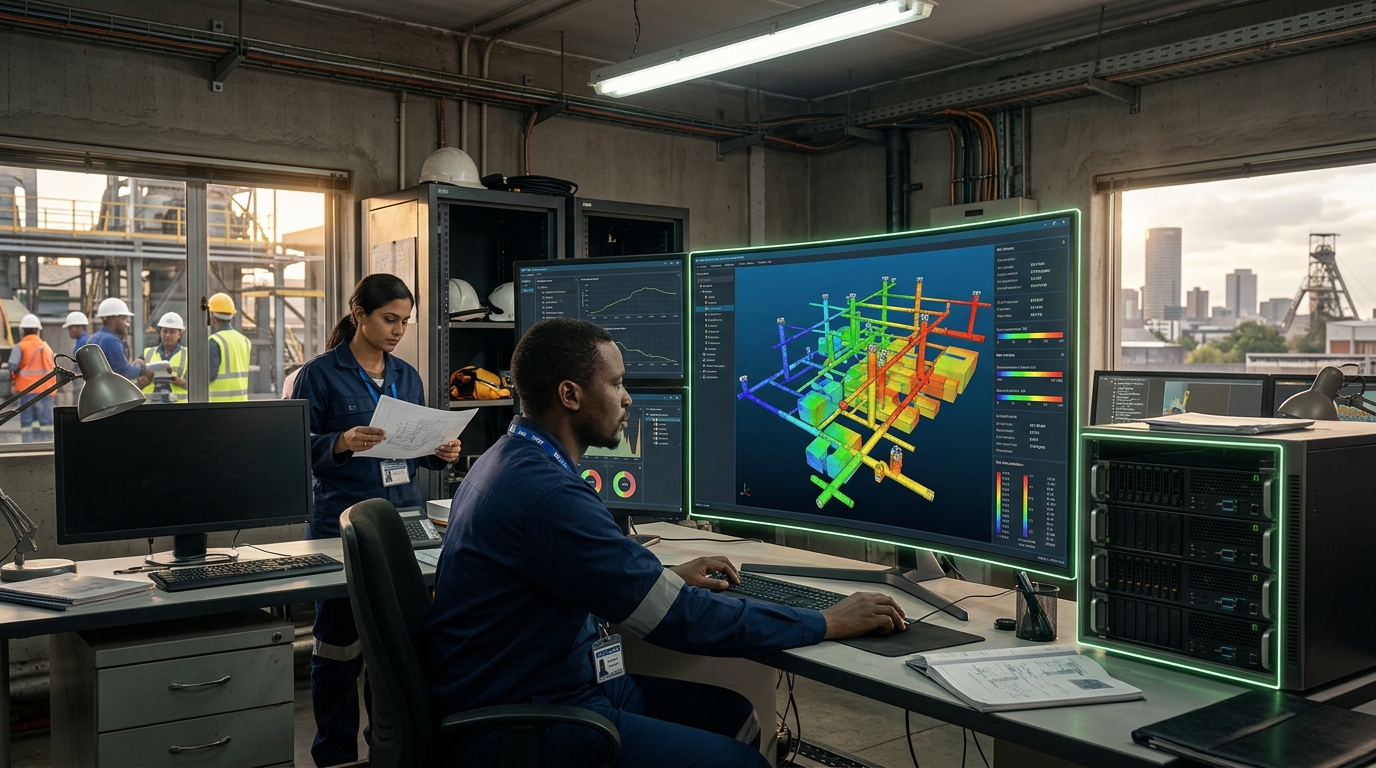
South African engineers developed calibrated digital twin models (PTB/VUMA) that simulate entire deep-mine ventilation networks in real time — predicting hazards before they kill miners.

Electrochemical conversion of captured atmospheric CO2 into industrial chemical feedstocks
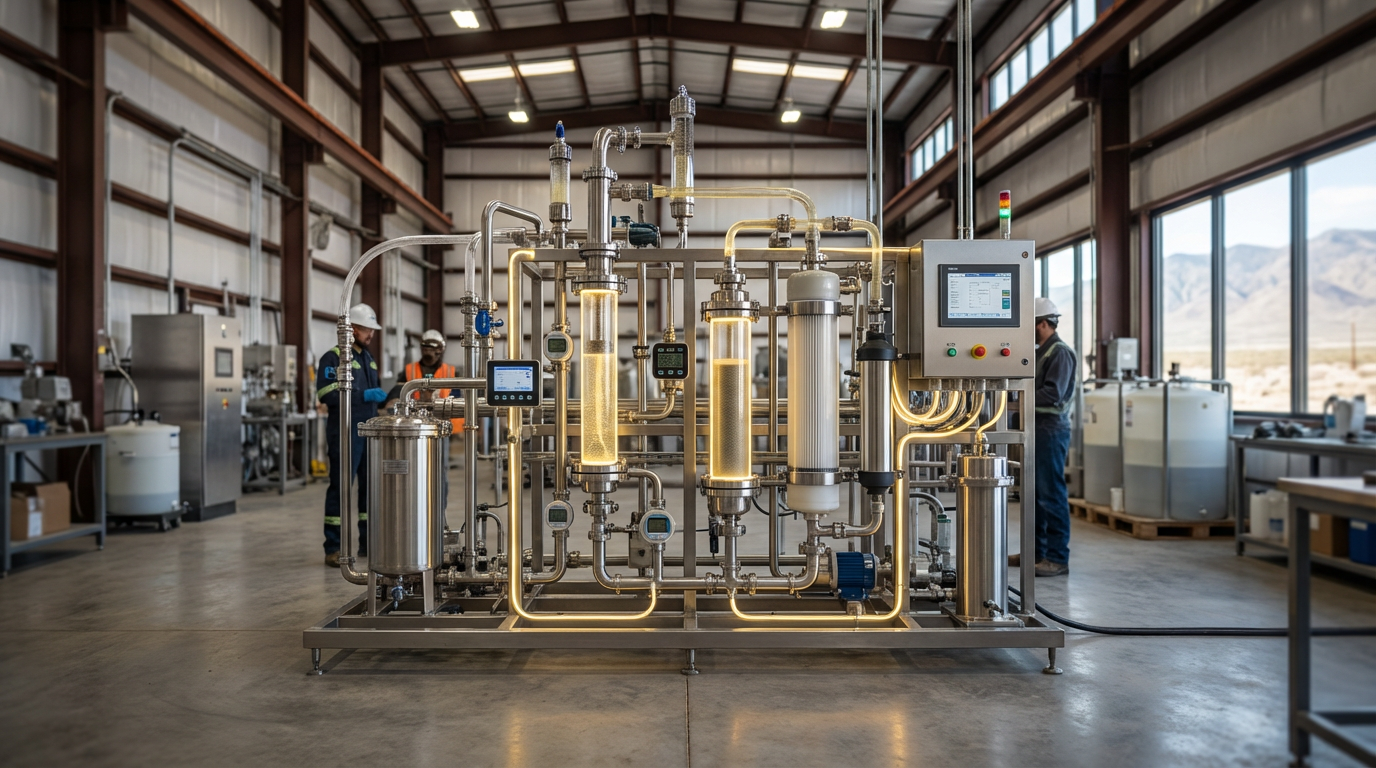
Rapid lithium recovery from brines using selective separation instead of evaporation ponds
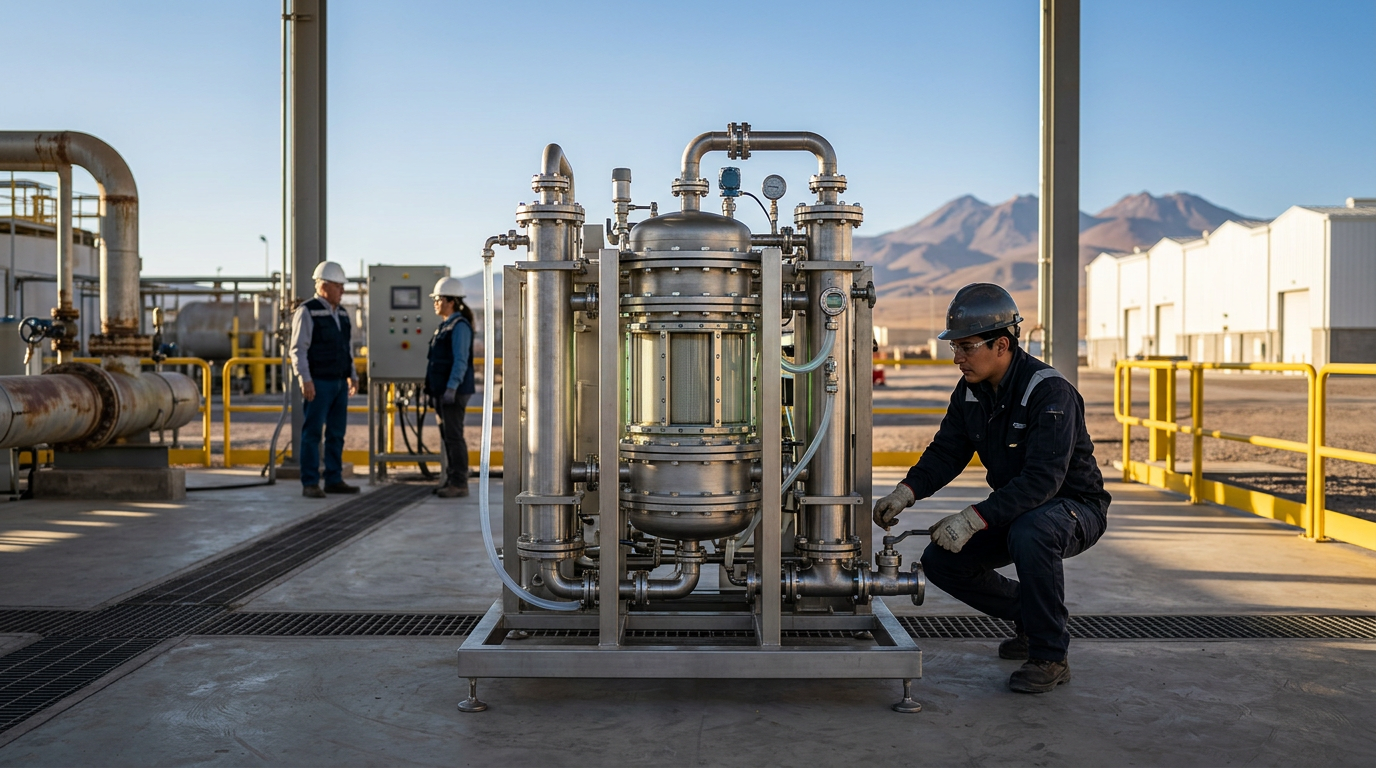
Chile's Atacama holds 36% of global lithium reserves; DLE technology promises 90%+ lithium recovery vs 50% for evaporation ponds, with Albemarle and SQM deploying pilot systems.
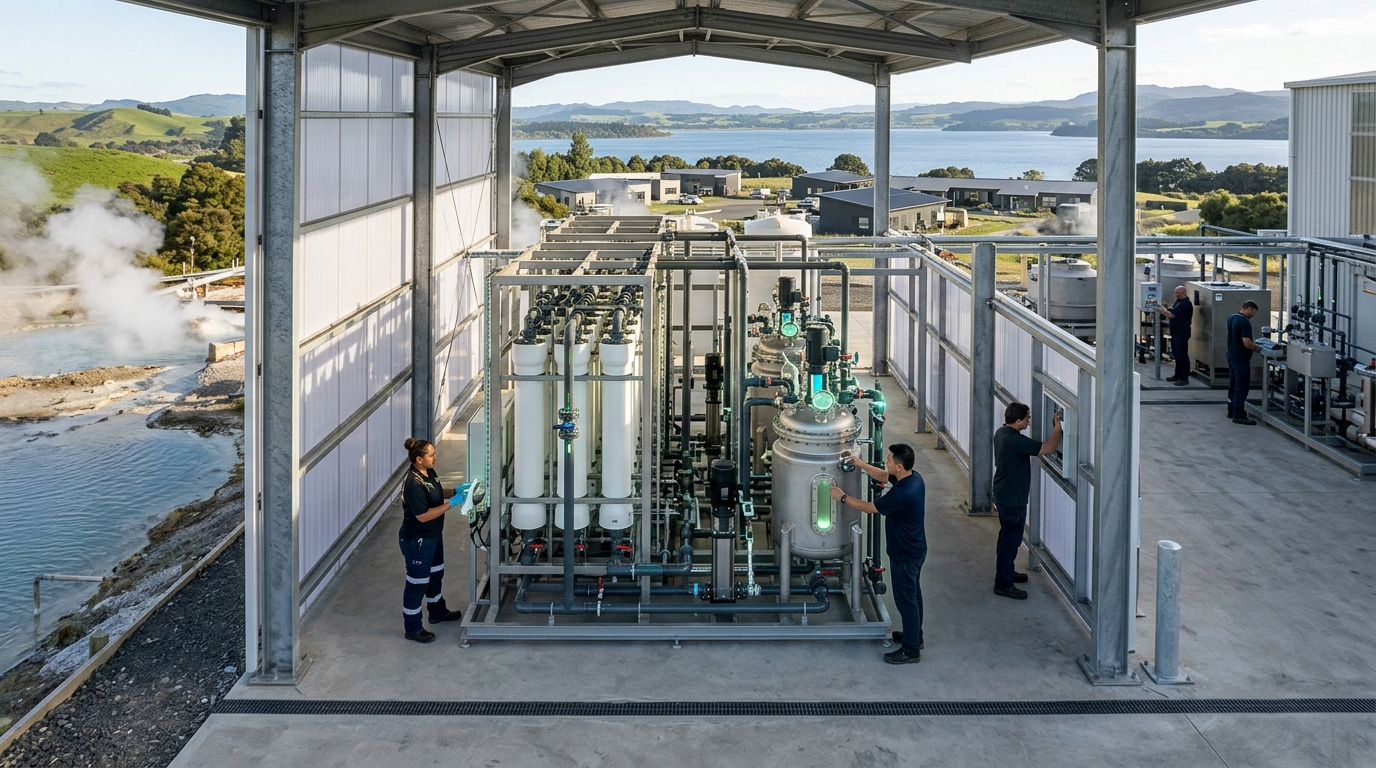
Australian companies are developing direct lithium extraction (DLE) technologies that recover lithium from brines and geothermal waters in hours rather than the 12-18 months required by conventional evaporation ponds.
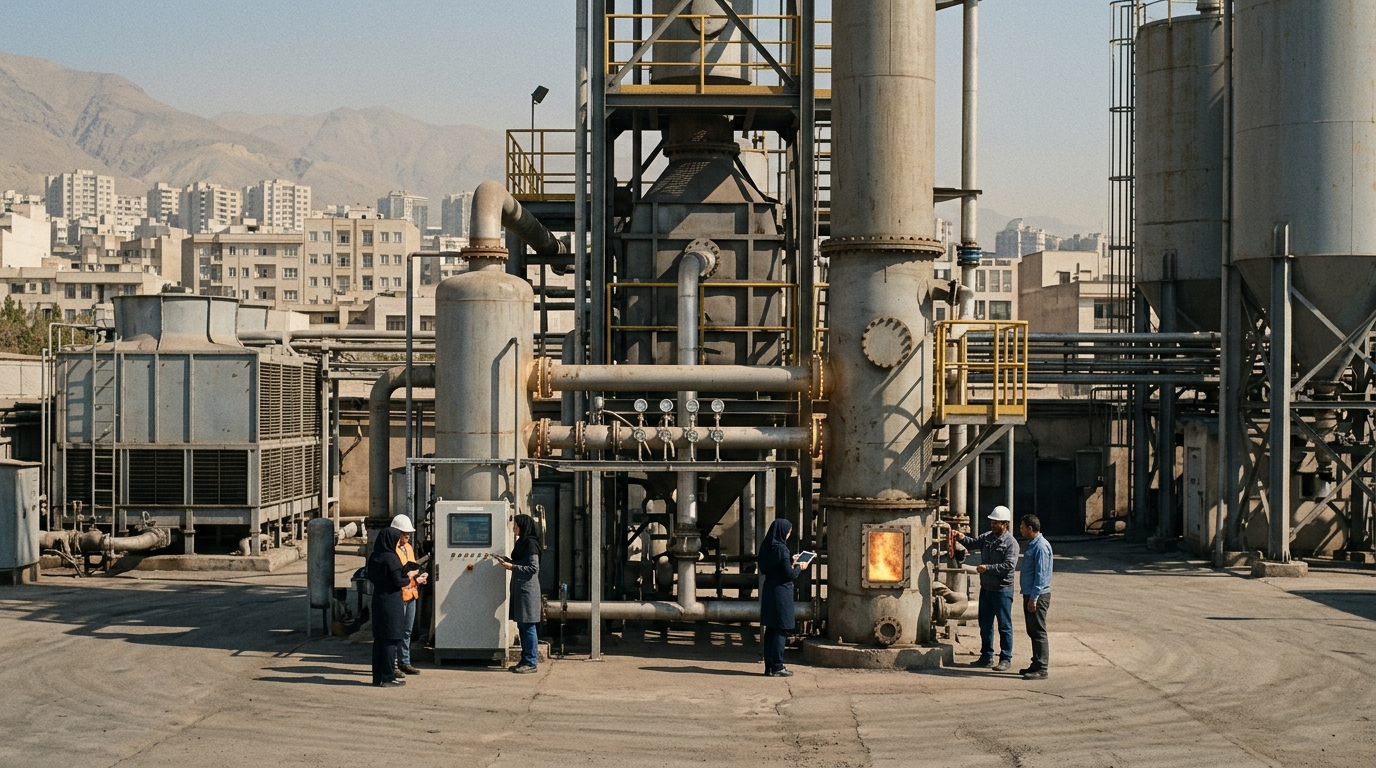
World's 2nd-largest DRI producer (~33M tons/year), leveraging cheap natural gas in MIDREX-based and indigenous processes — Mobarakeh Steel is the single largest DRI producer globally.
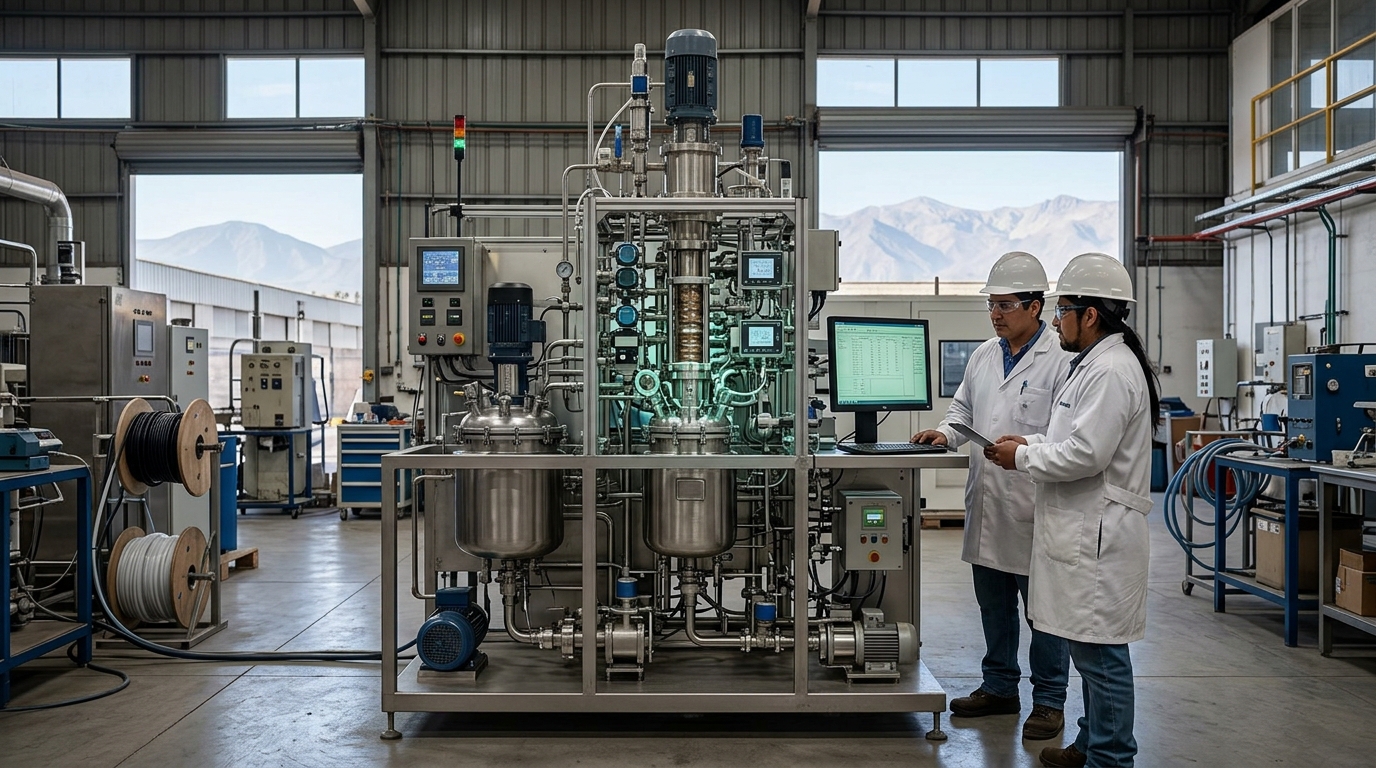
Chile is attempting to move beyond raw lithium export into cathode active material (CAM) and battery cell production, though two announced facilities were later cancelled.
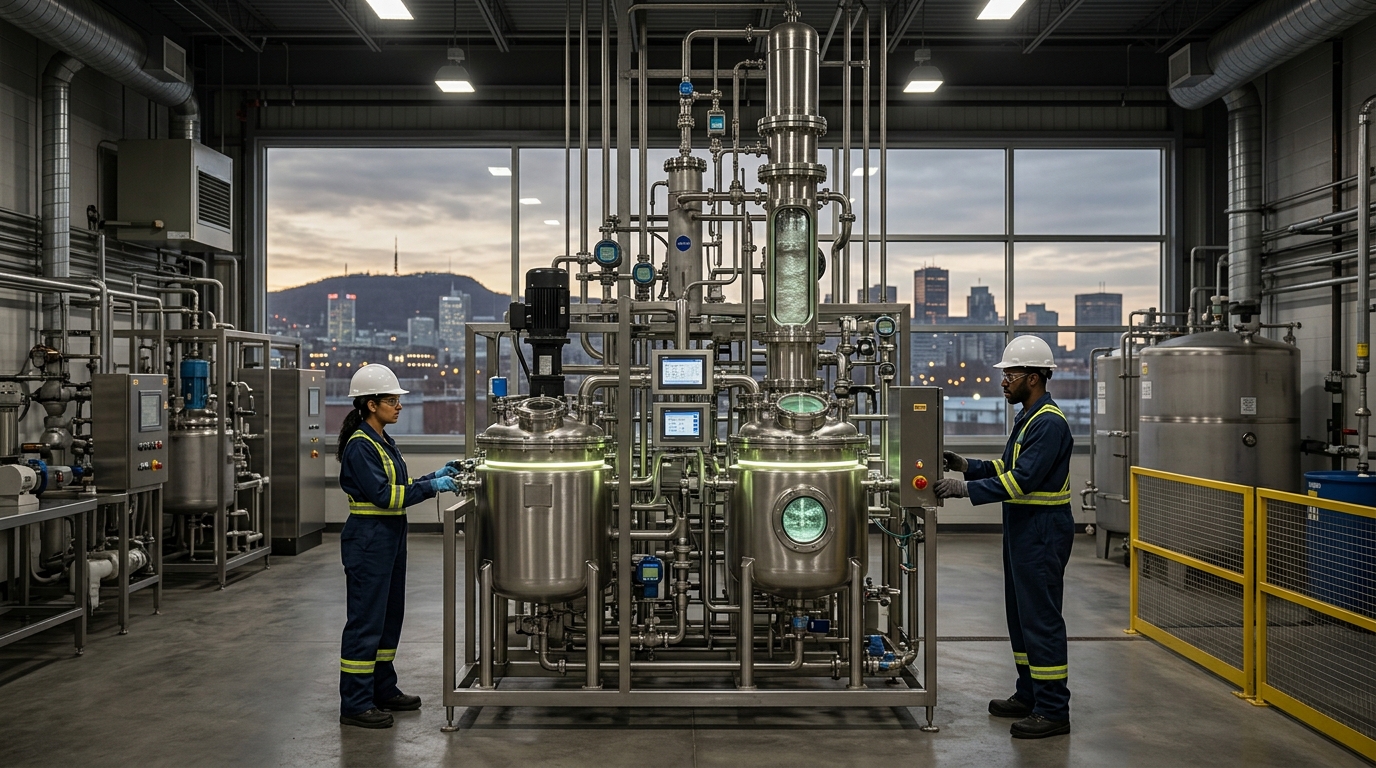
Canada is building a domestic lithium hydroxide supply chain projected to contribute up to 20% of global EV battery-grade lithium by 2025-2026, reducing North American dependence on overseas processing.
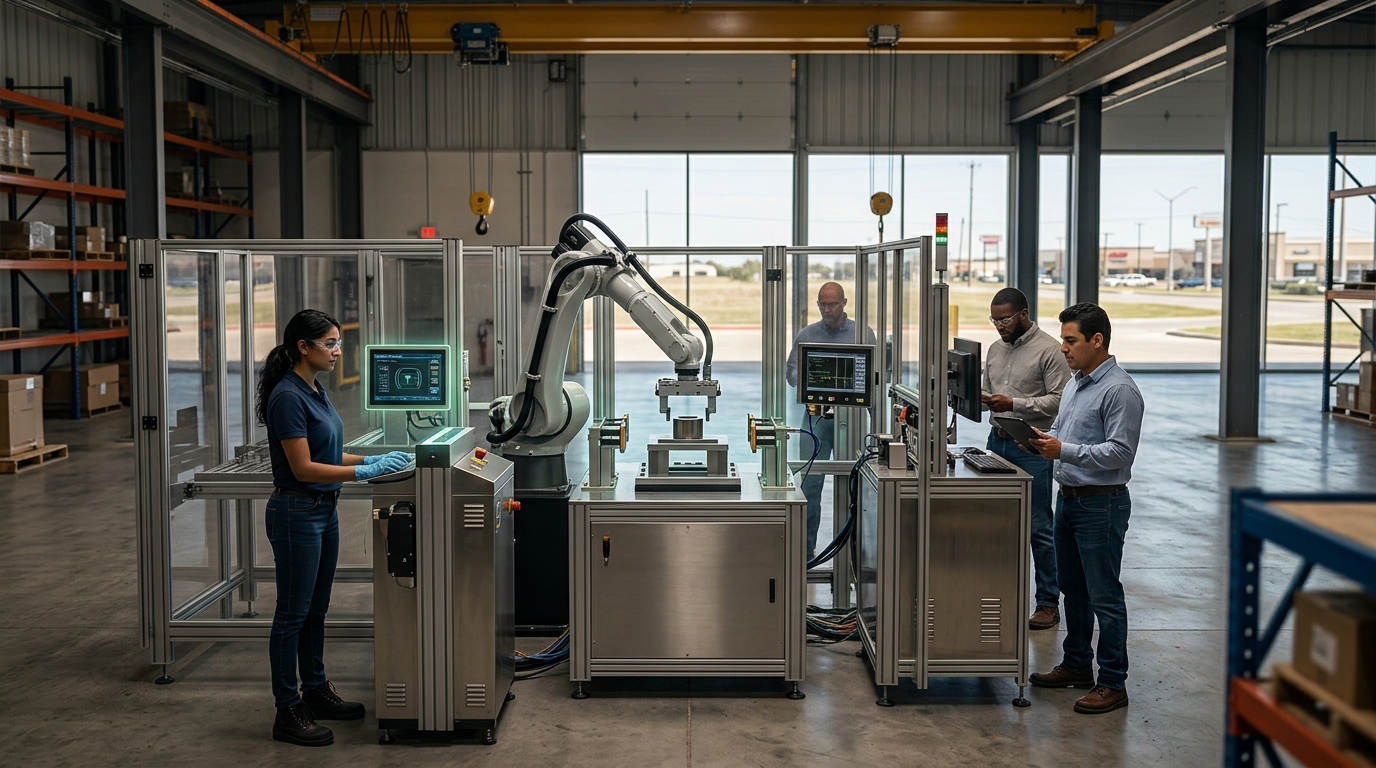
MP Materials' DOD-backed Independence facility in Texas will produce rare earth metals, alloys, and permanent magnets domestically for the first time, breaking China's 90% monopoly on processed rare earths critical to EVs, wind turbines, and defense systems.
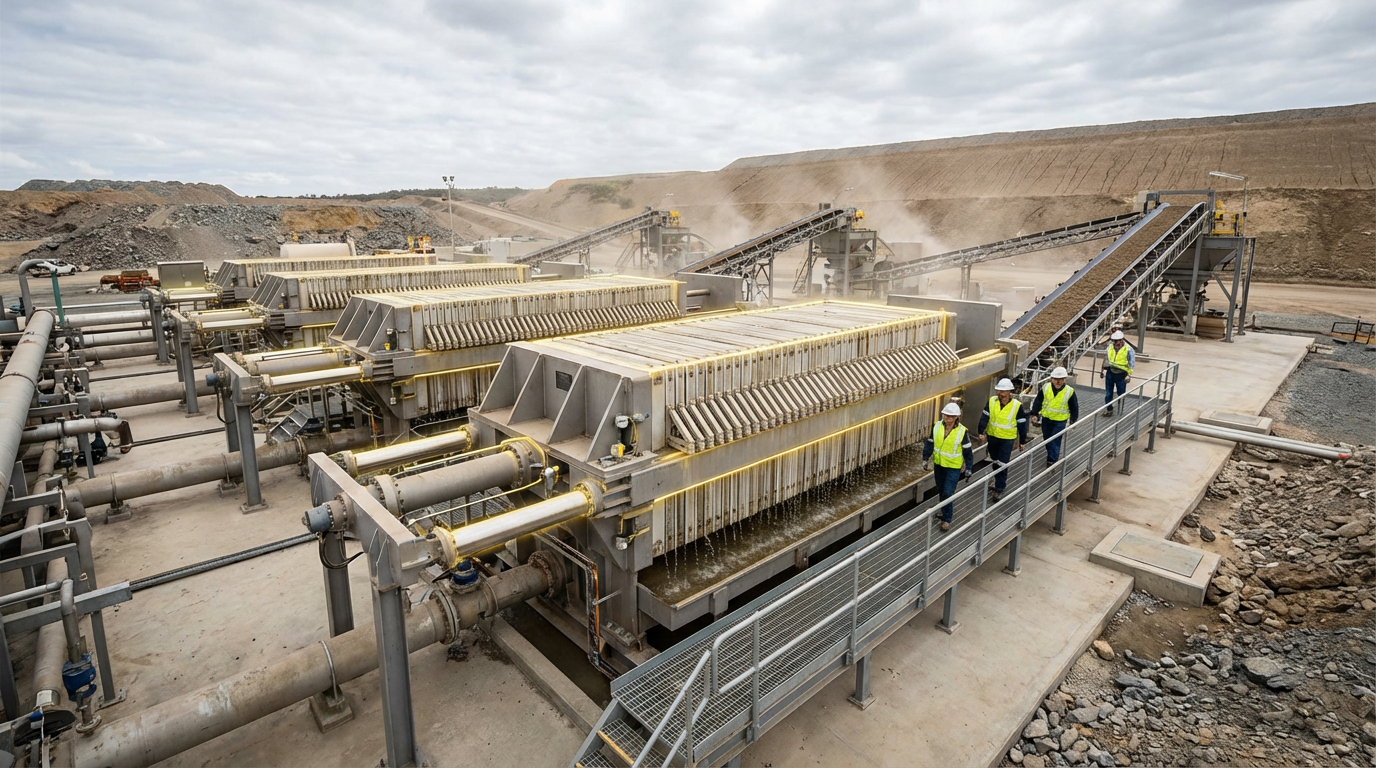
Mechanical dewatering systems that transform mining slurries into dense, stackable solids for safer storage
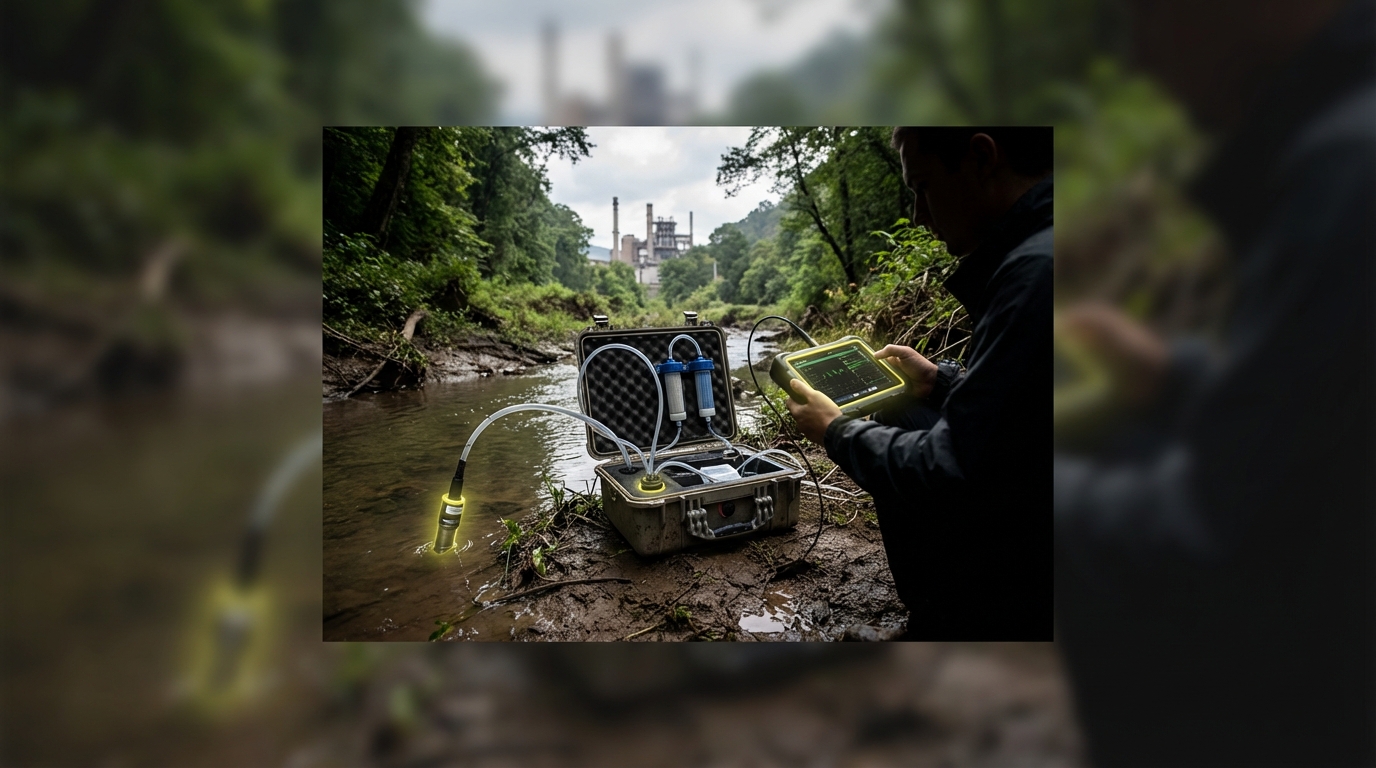
Detecting genetic traces in water, soil, or air to monitor biodiversity near extraction sites
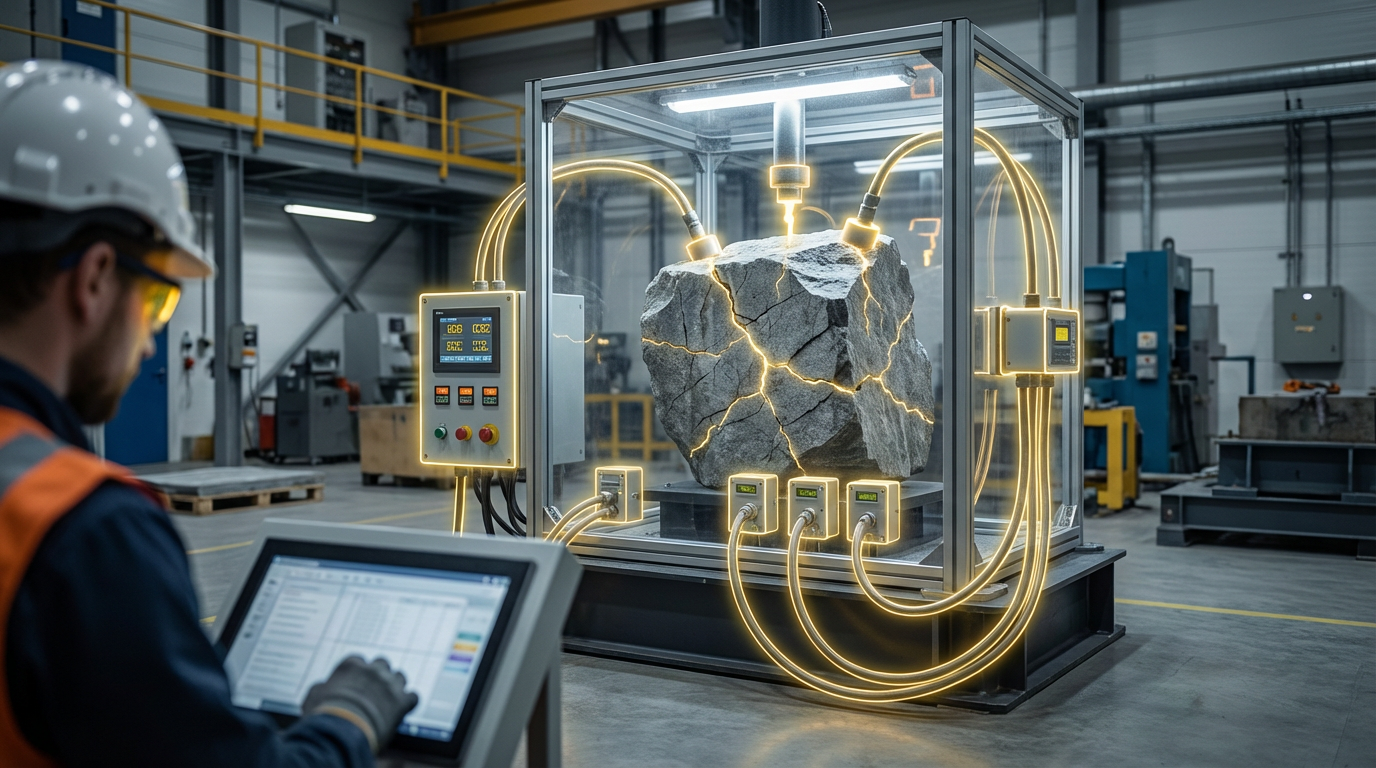
High-voltage electrical pulses that fracture ore along mineral boundaries instead of crushing
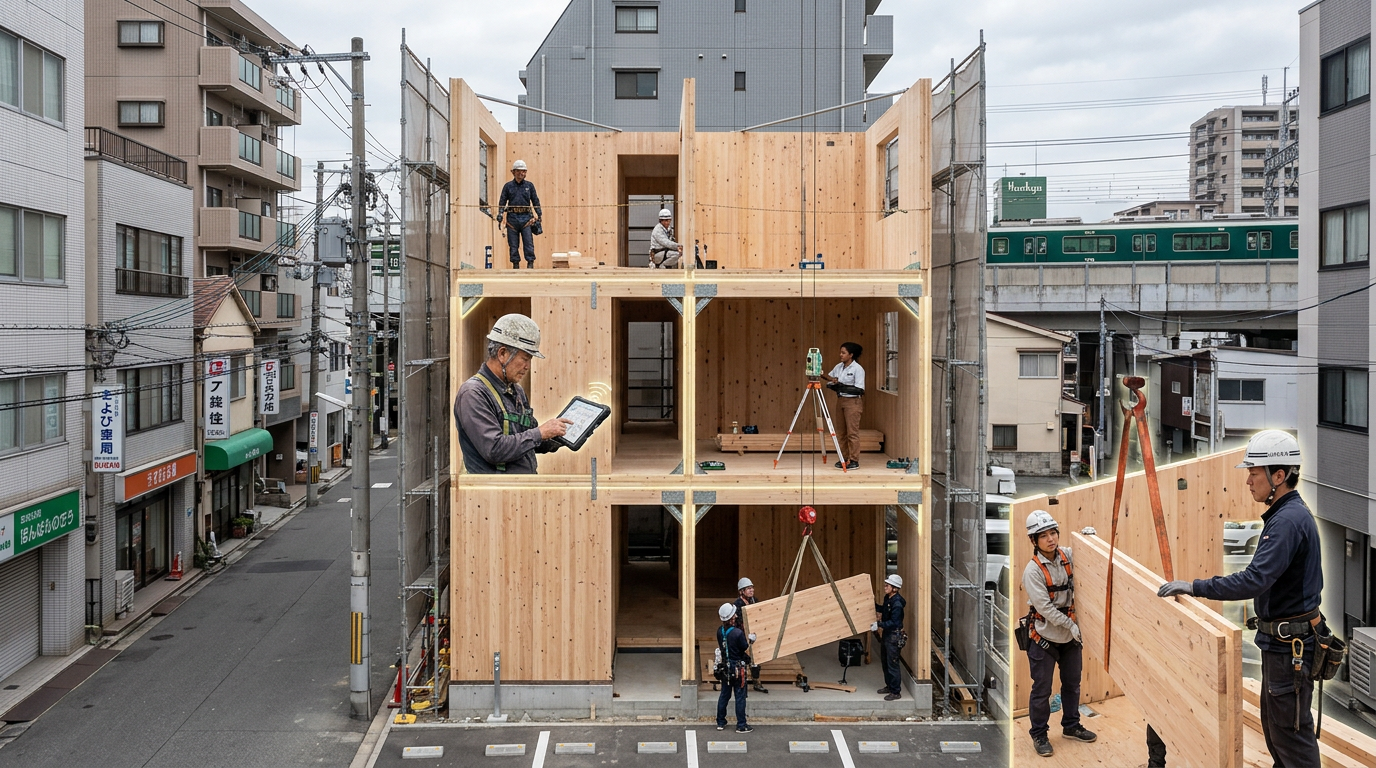
Japan is pioneering earthquake-resistant mass timber construction using cross-laminated timber (CLT) — combining traditional wood culture with seismic engineering to build multi-story wooden structures in the world's most earthquake-prone country.
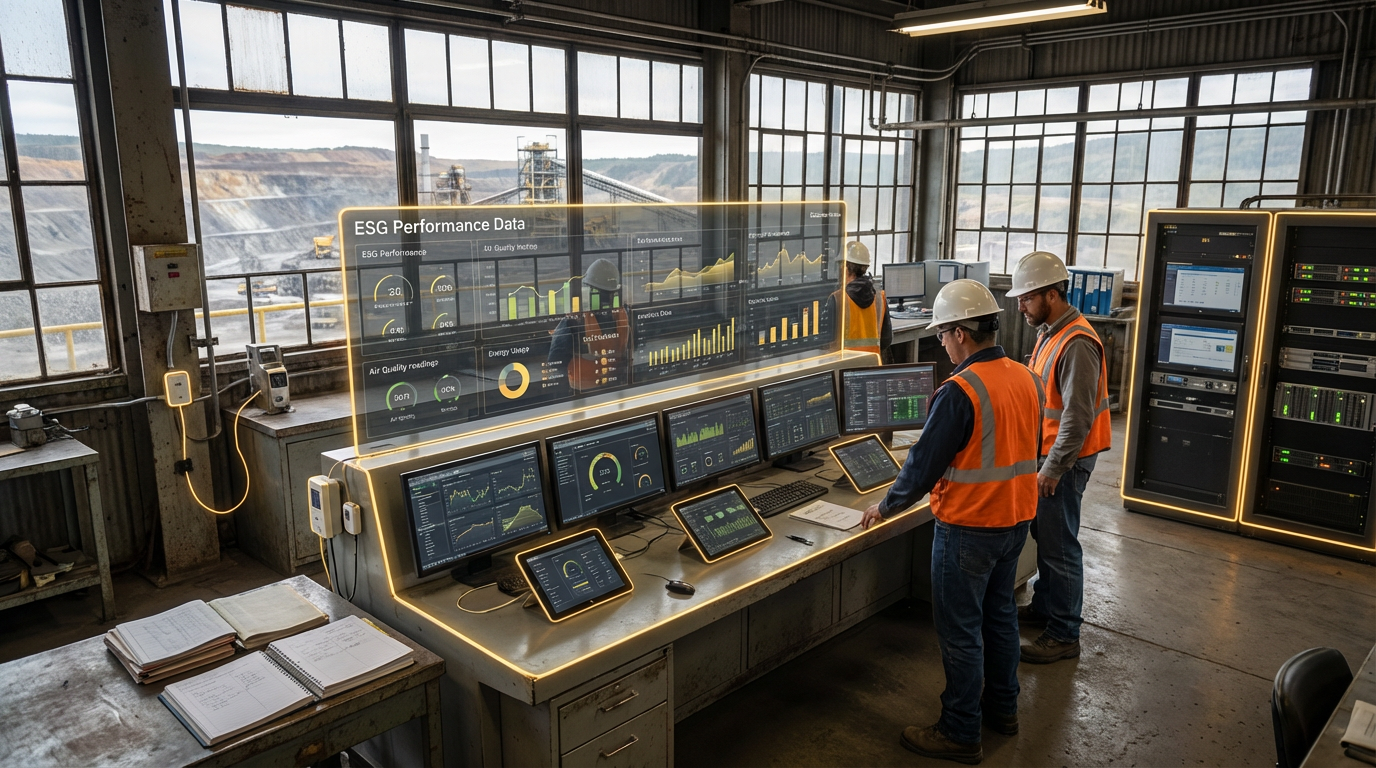
Integrated systems measuring and reporting environmental, social, and governance impacts across industrial operations
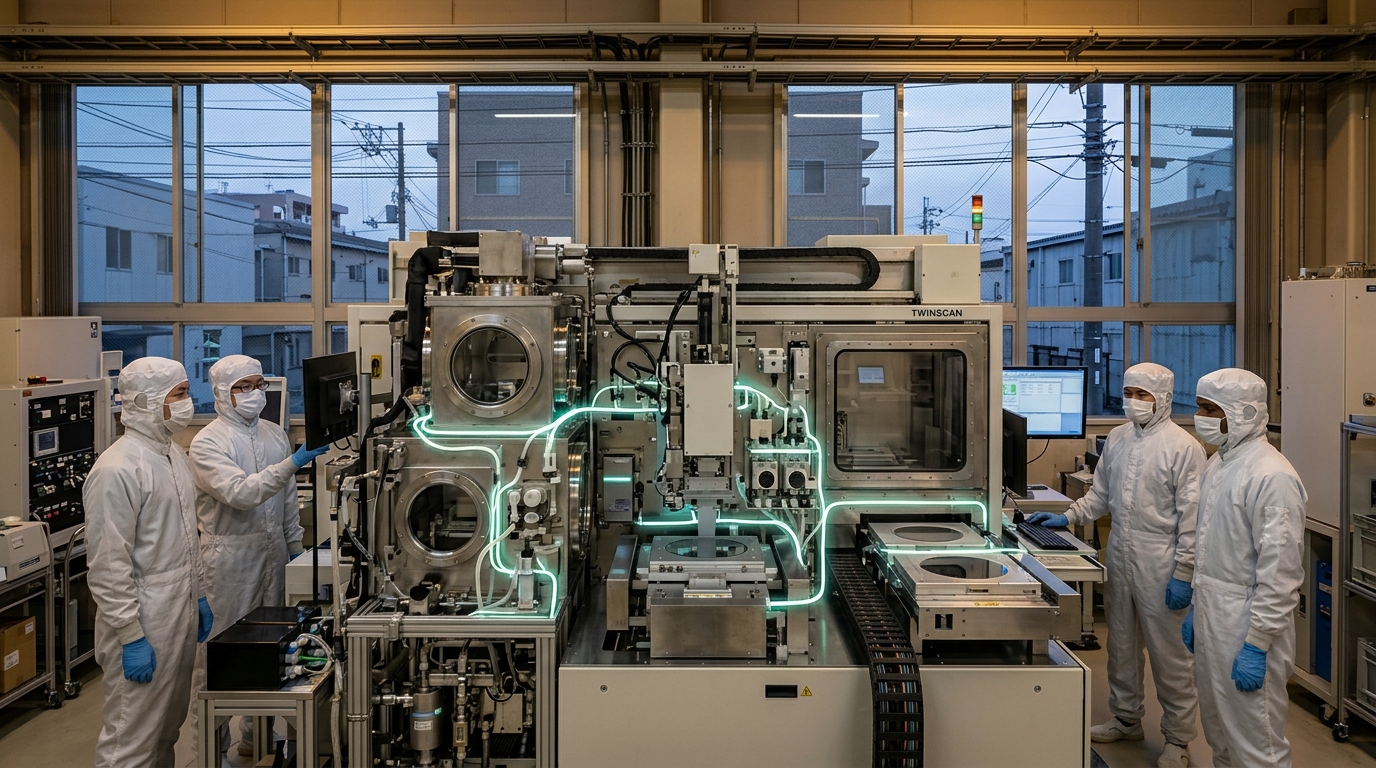
JSR, Tokyo Ohka Kogyo, Shin-Etsu, and Fujifilm control 87-91% of the global photoresist market — no advanced chip exists without Japanese chemistry.
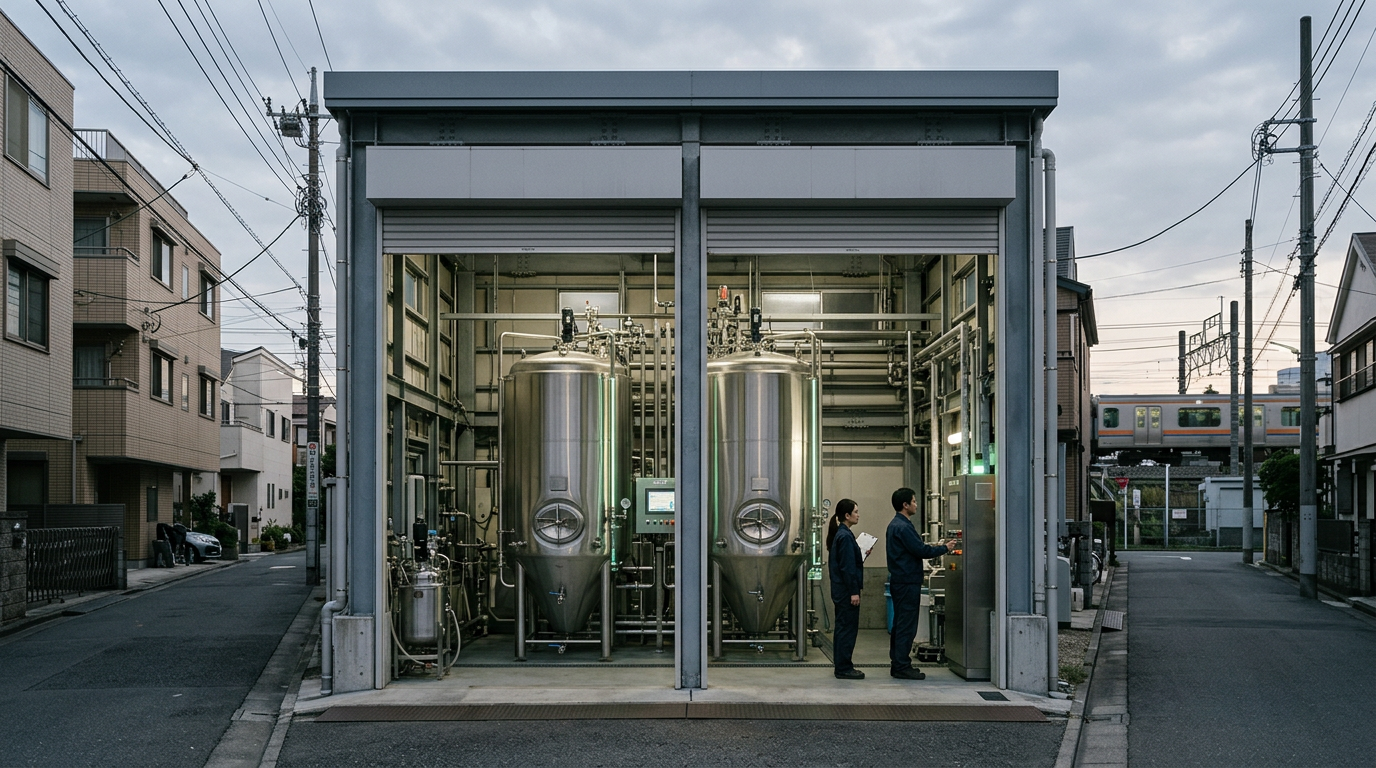
Spiber's Brewed Protein — fermented structural proteins replacing animal and petroleum textiles — is now used by 45+ brands with mass production at 500+ tonnes/year, blending Japan's ancient koji mastery with synthetic biology.
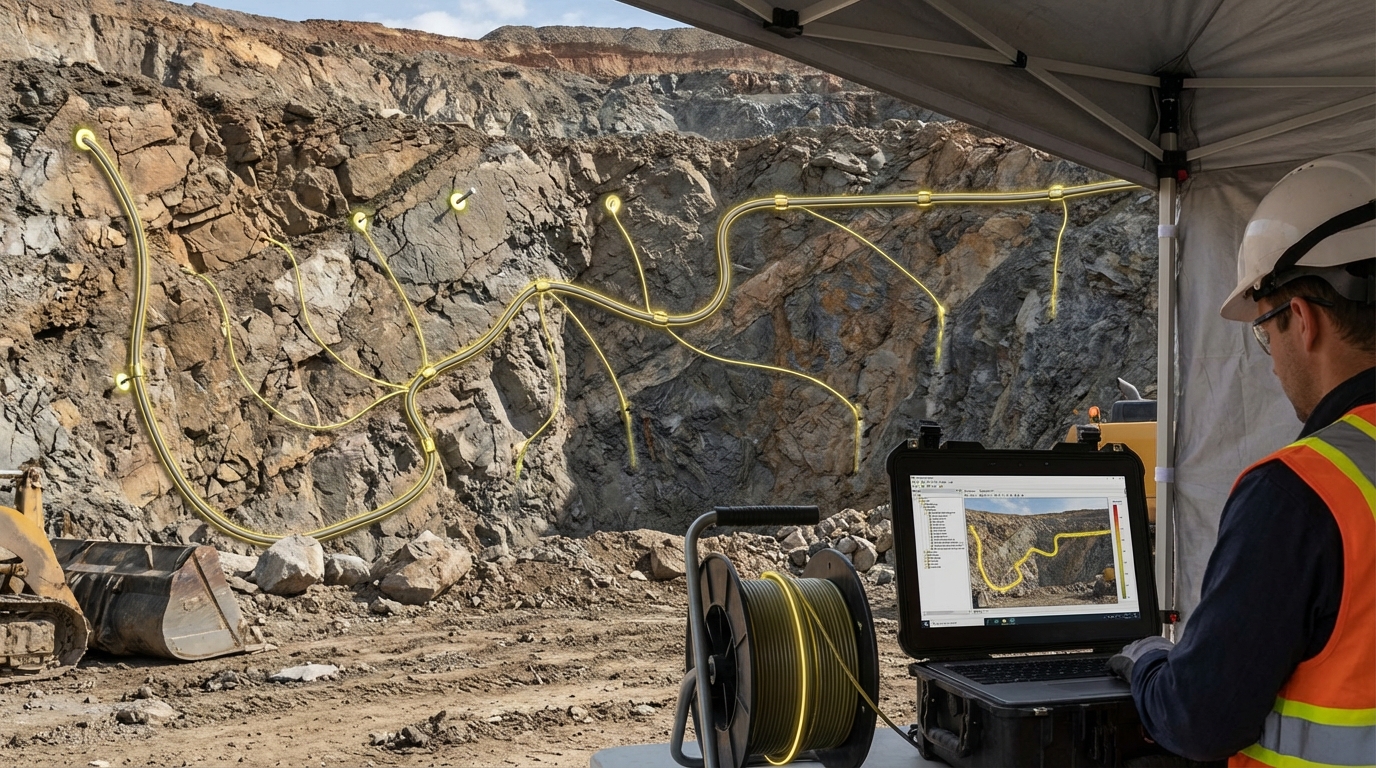
Continuous ground movement detection using fiber-optic cables as distributed sensors
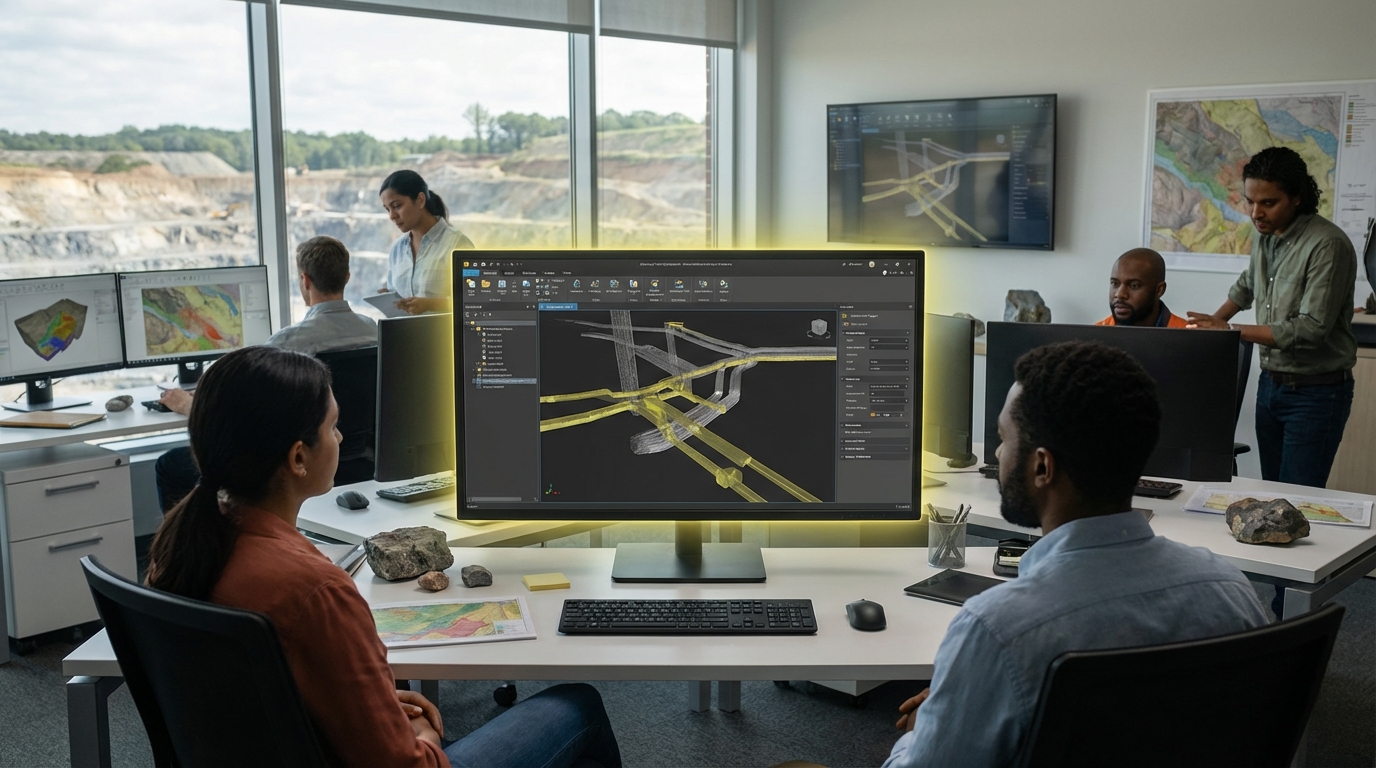
AI-driven software that automatically generates and optimizes mine layouts based on geological, safety, and economic con

Software linking ore body variability to processing performance and product quality predictions
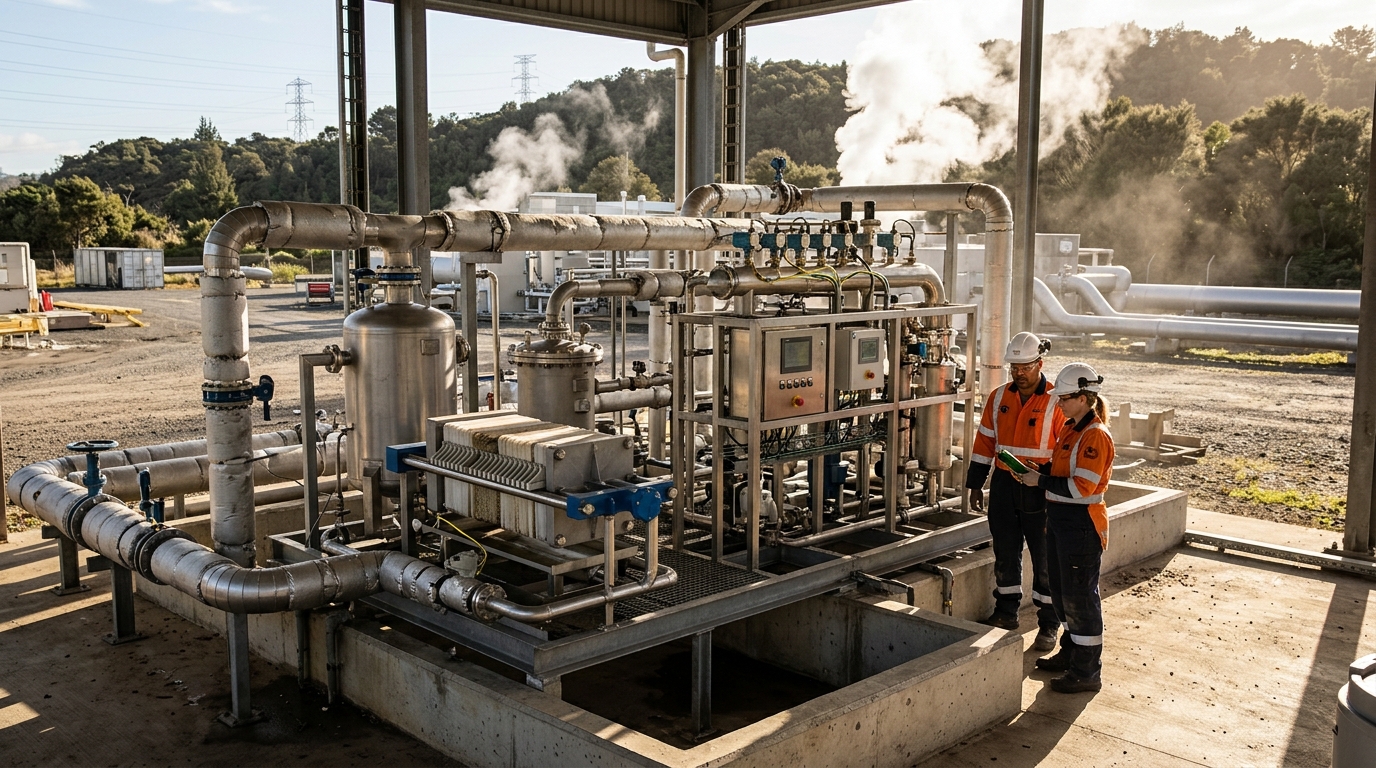
NZ's Geo40 extracts silica and lithium from geothermal brines at Contact Energy's Ohaaki plant — turning waste fluid into battery minerals while improving geothermal plant efficiency.

Extracting heat, power, and minerals from hot fluids in existing oil and gas wells
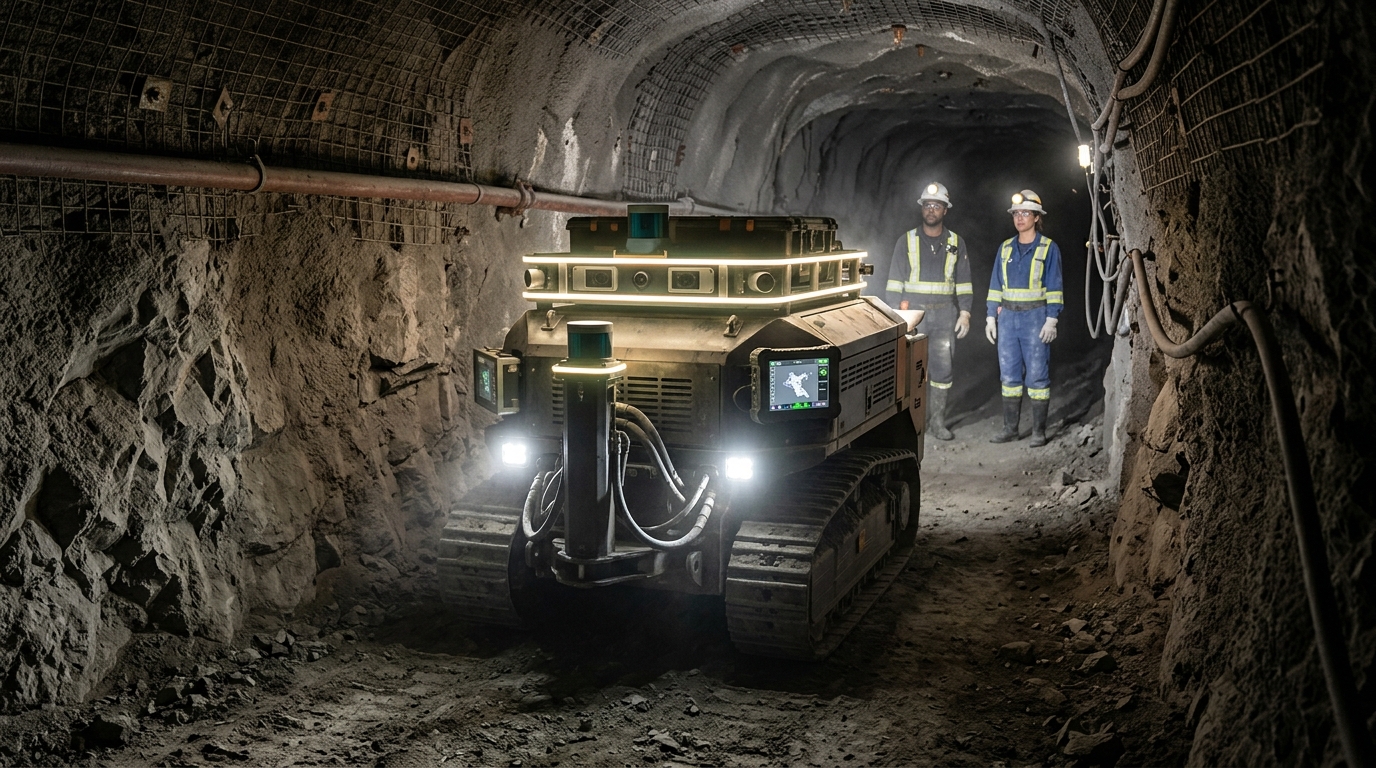
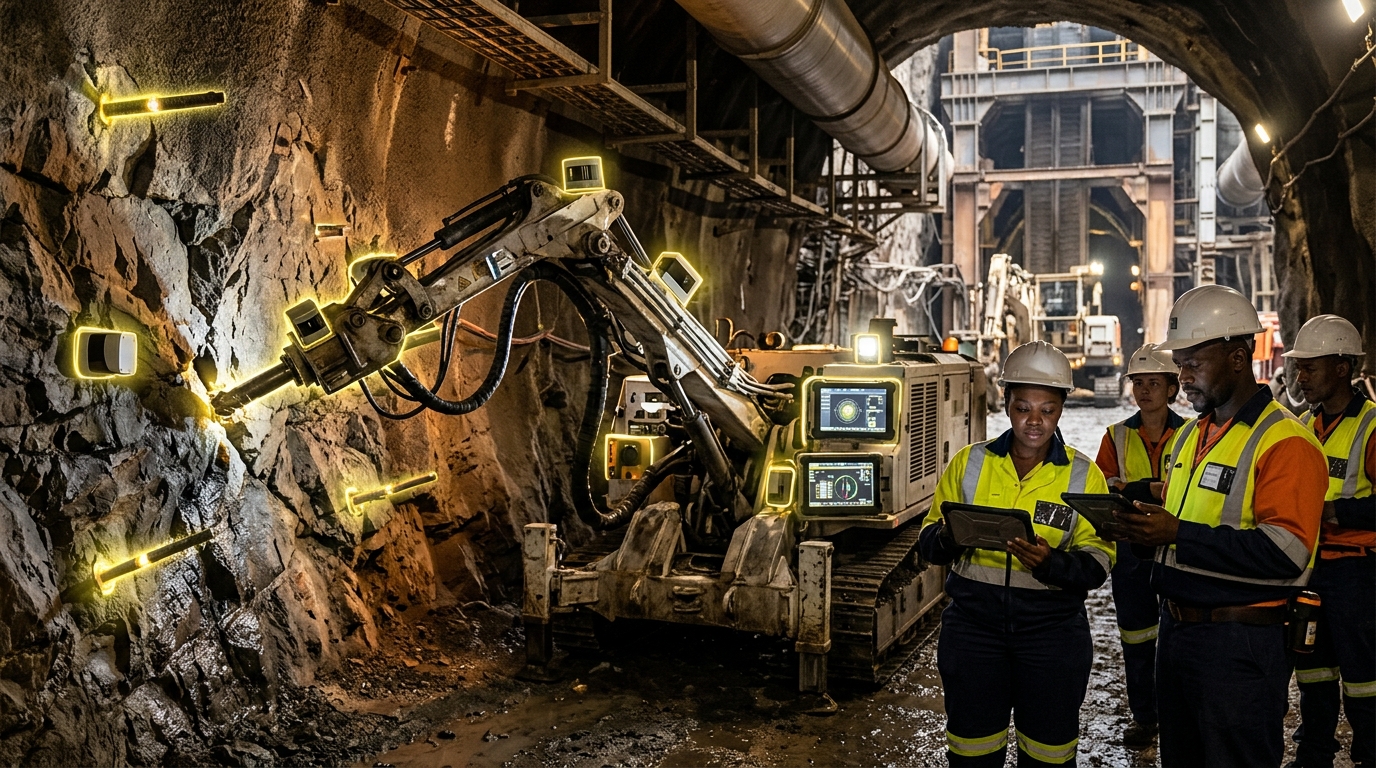
Canadian companies have developed autonomous drilling, haulage, and collision avoidance systems that operate in GPS-denied underground environments using LiDAR-SLAM navigation and AI perception — validated at depths exceeding 3 km in active mines.
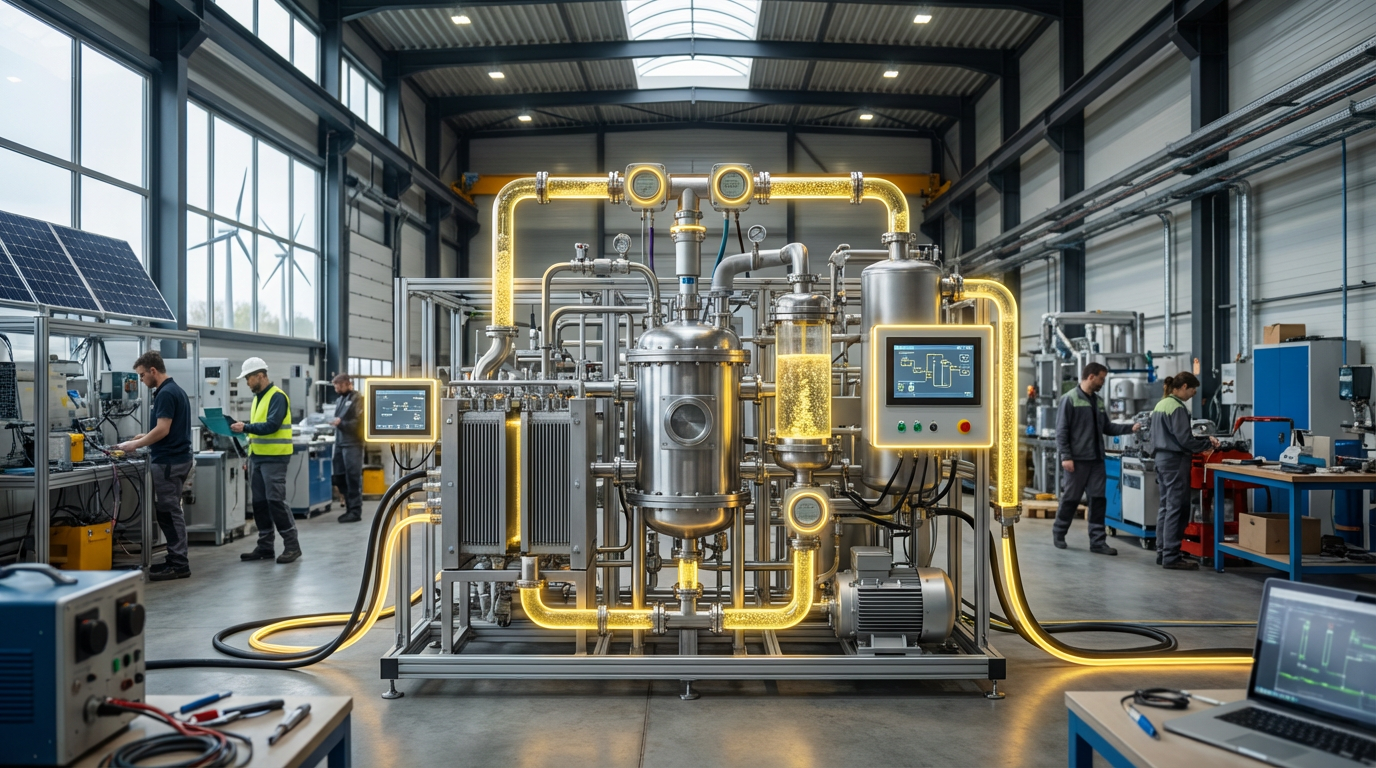
Synthesizing ammonia using renewable hydrogen instead of fossil fuels for fertilizer and energy storage
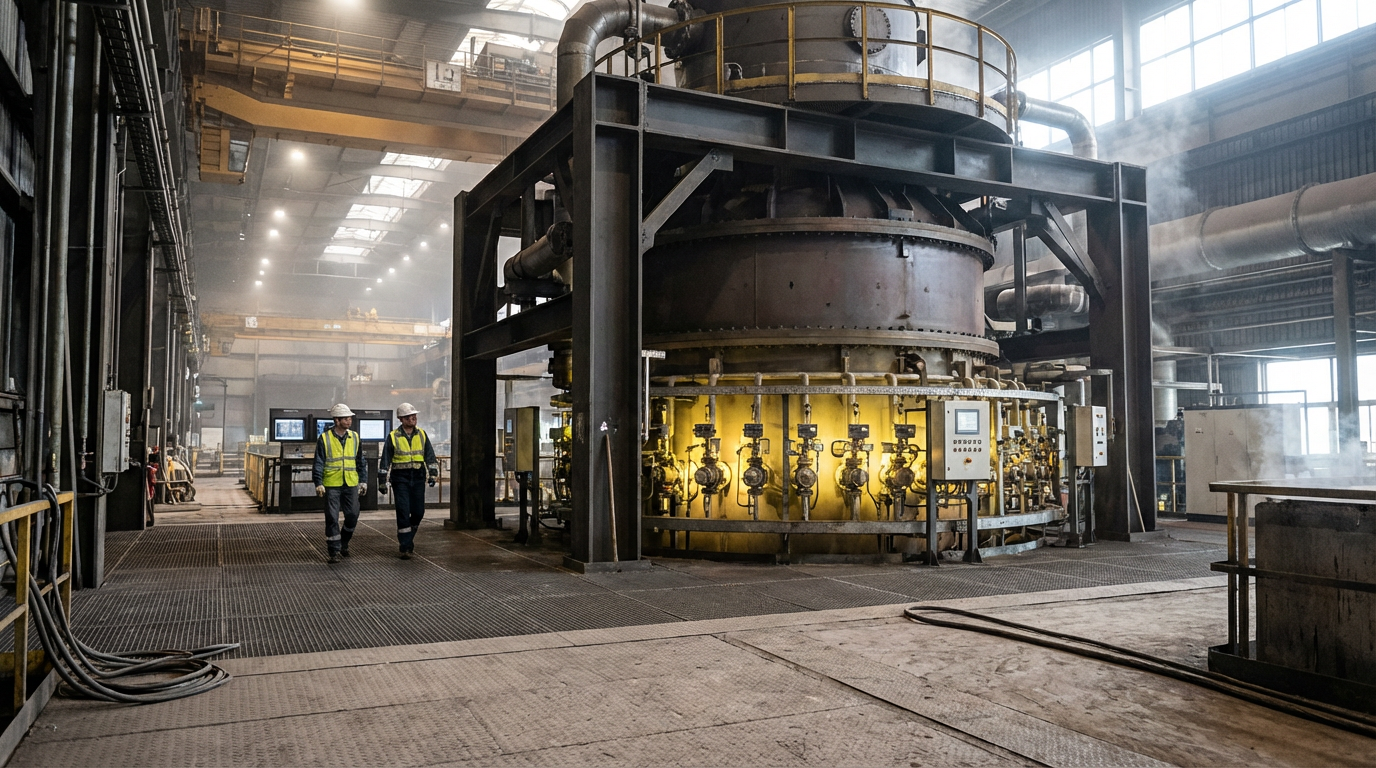
Hydrogen replaces coal to reduce iron ore, eliminating CO2 emissions in steelmaking
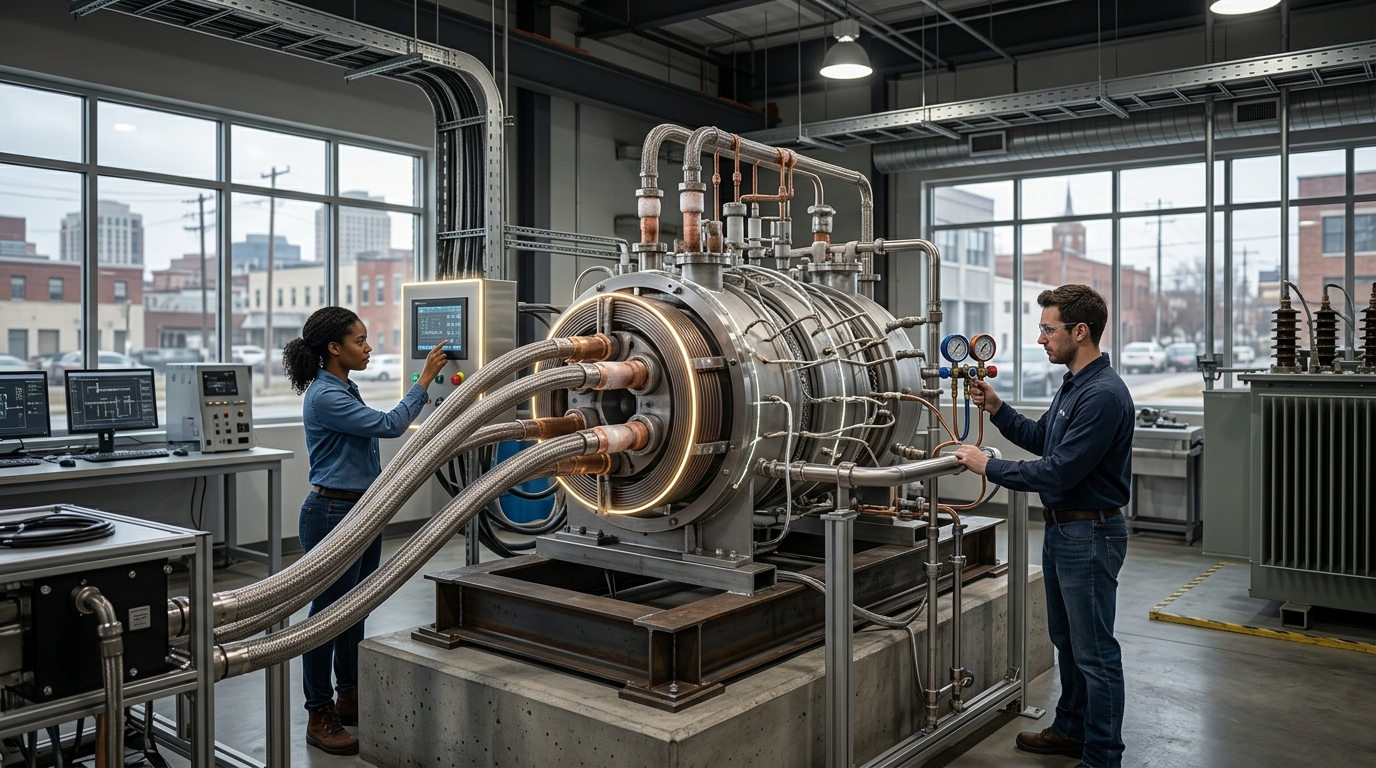
REBCO (Rare Earth Barium Copper Oxide) tape is enabling Commonwealth Fusion Systems' tokamak magnets, more compact MRI machines, lossless power transmission, and next-generation particle accelerators.
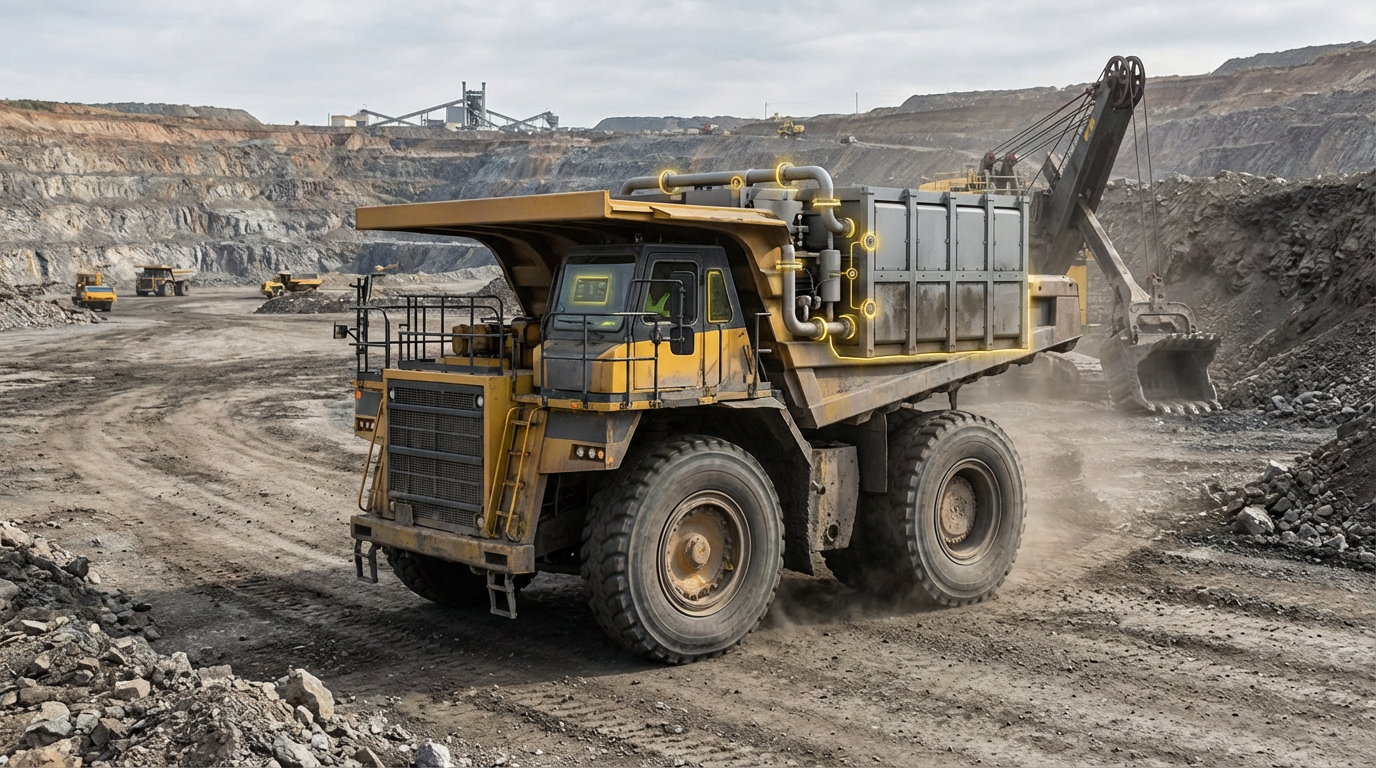
Replacing diesel mining equipment with hydrogen fuel cell powertrains to cut emissions
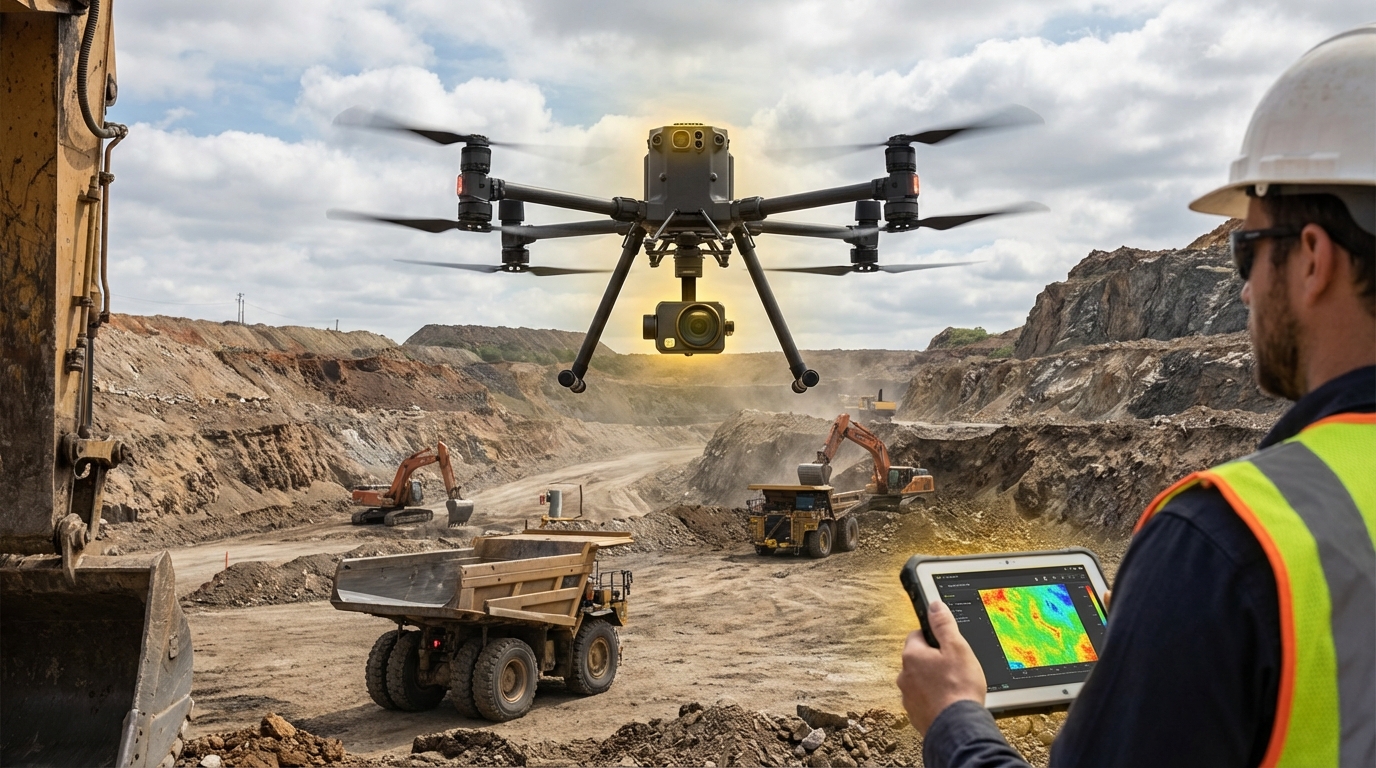
Drones using multi-band sensors to map mineral deposits and assess industrial infrastructure
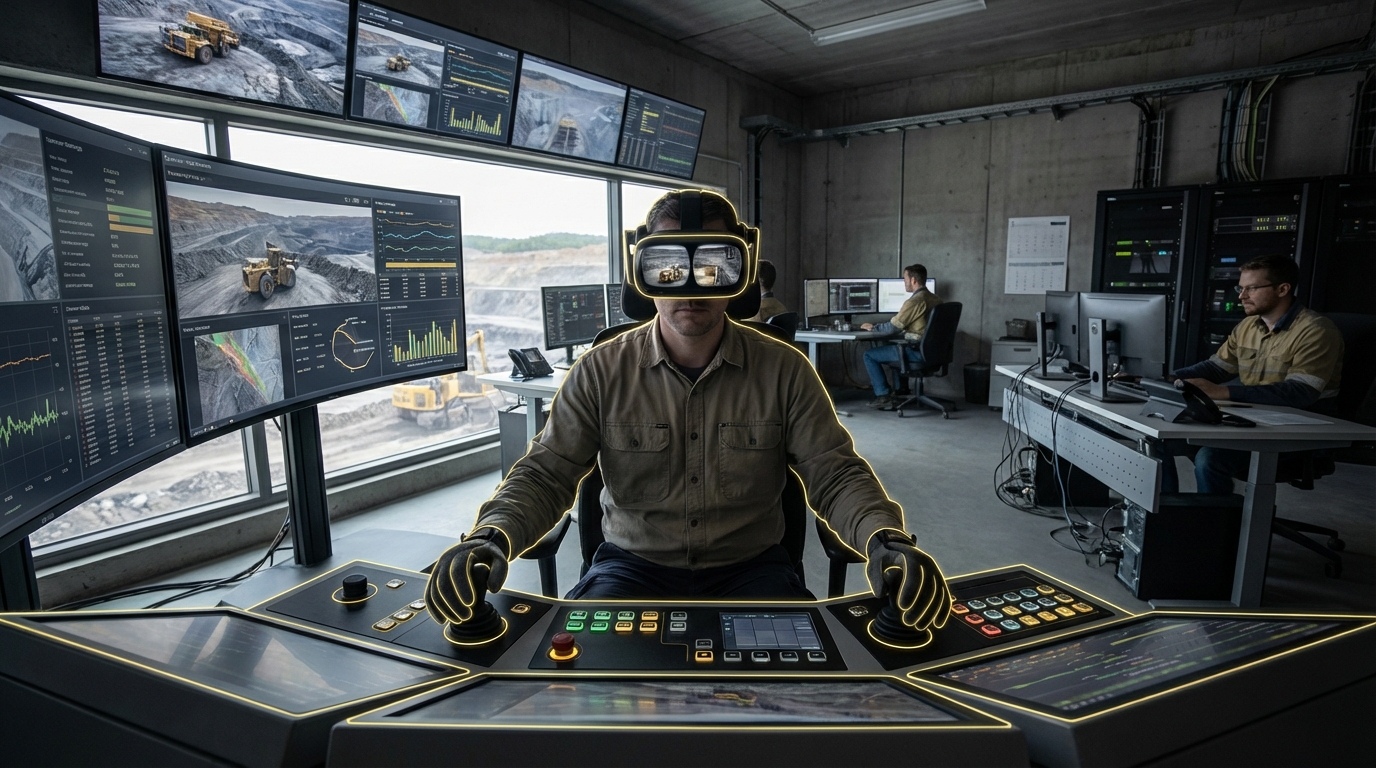
VR and AR systems enabling operators to control mining equipment remotely with enhanced spatial awareness
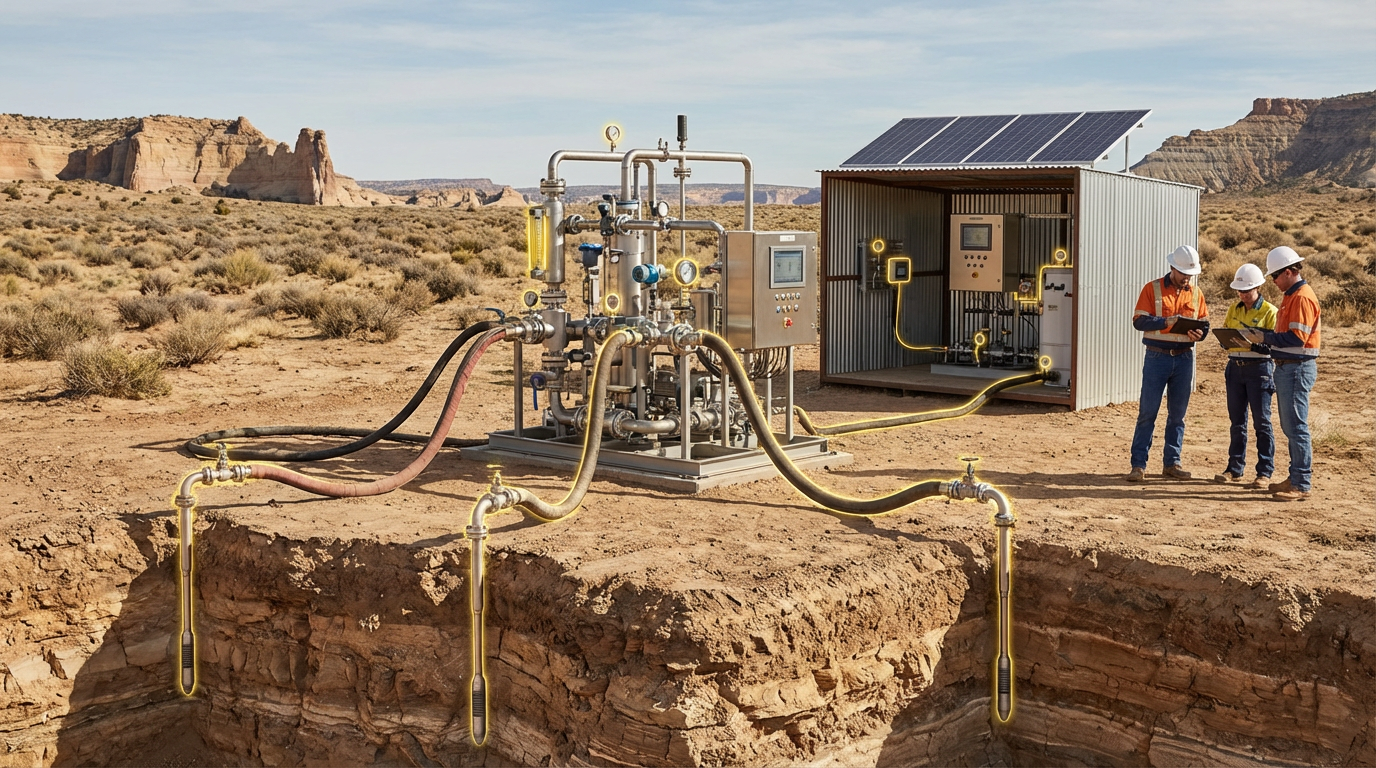
Extracts minerals by injecting solutions underground, avoiding excavation and surface disruption
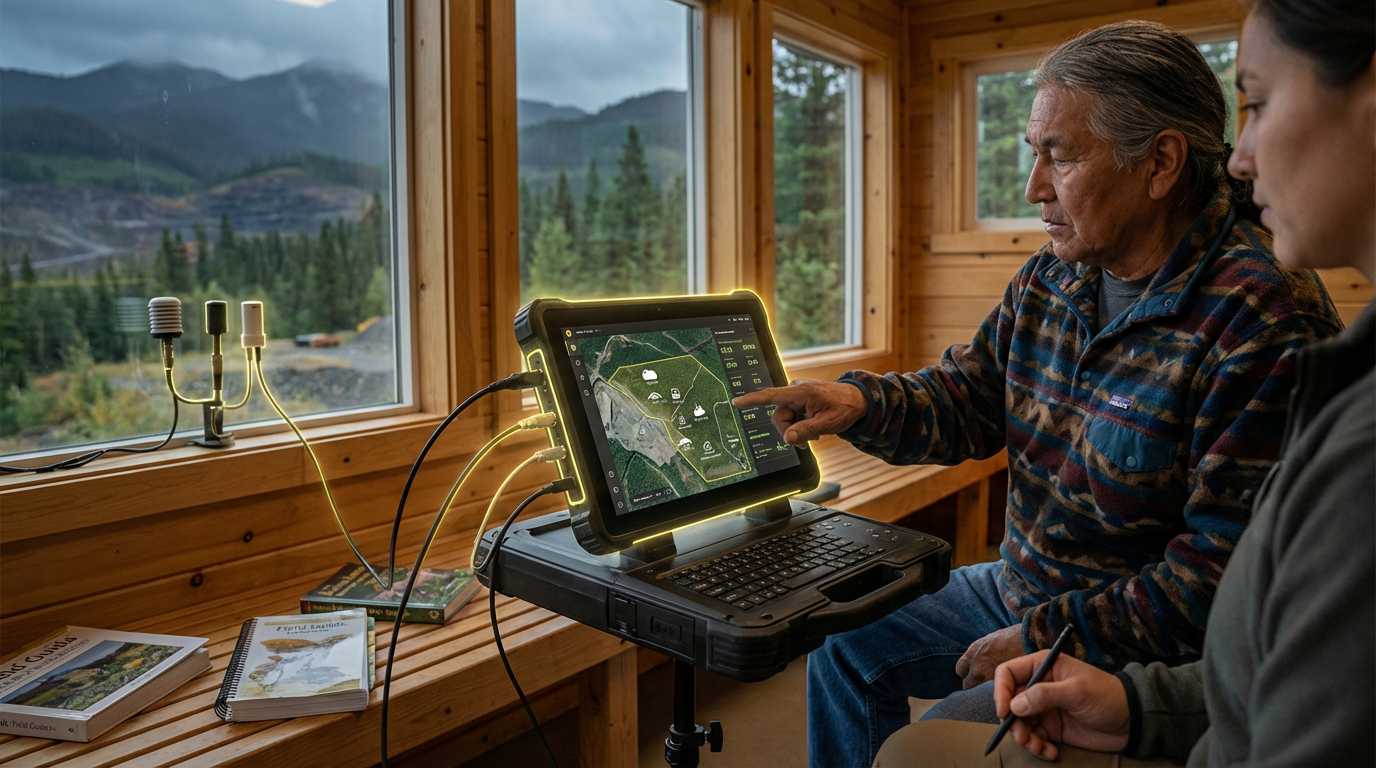
Platforms co-designed with Indigenous communities to integrate Traditional Ecological Knowledge into industrial operatio
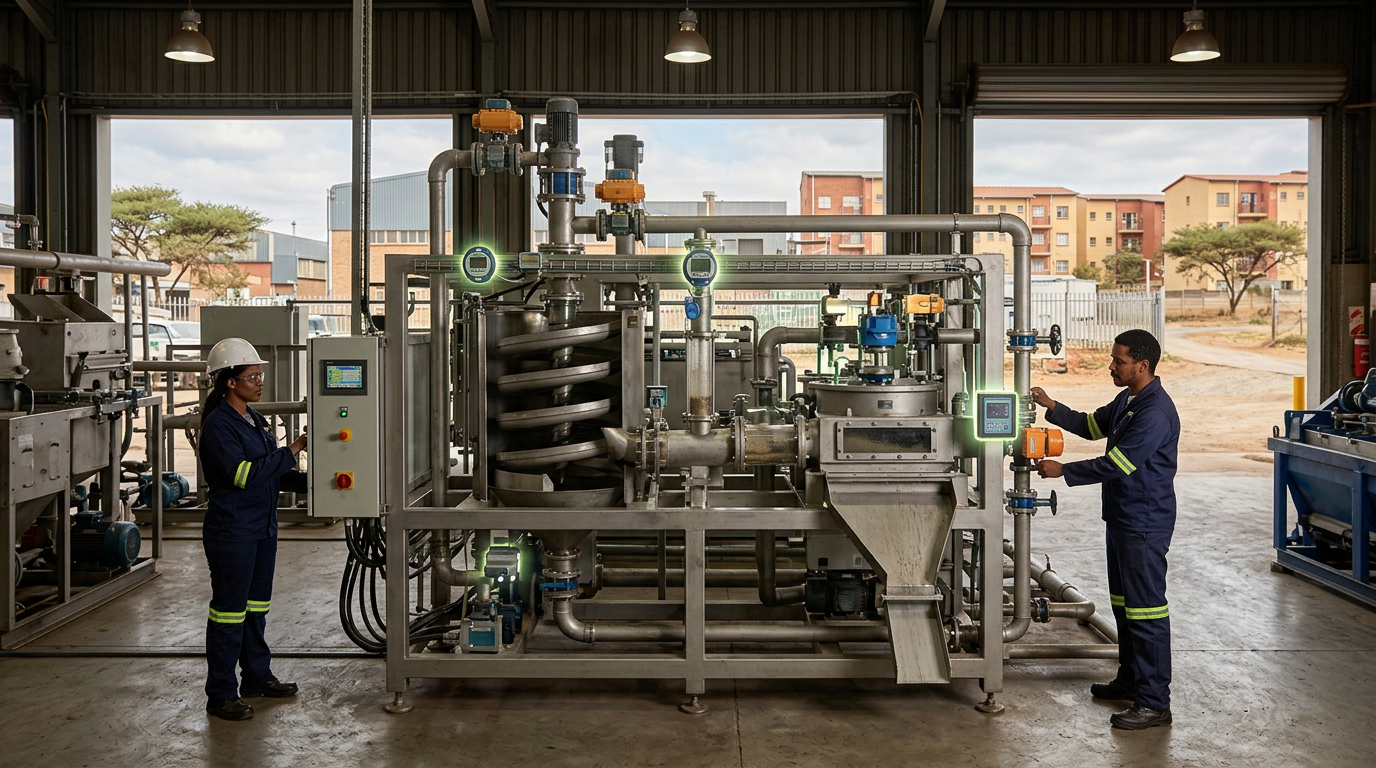
South African research institutions develop proprietary mineral processing technologies for platinum group metals, chrome, and manganese — adding value before export.
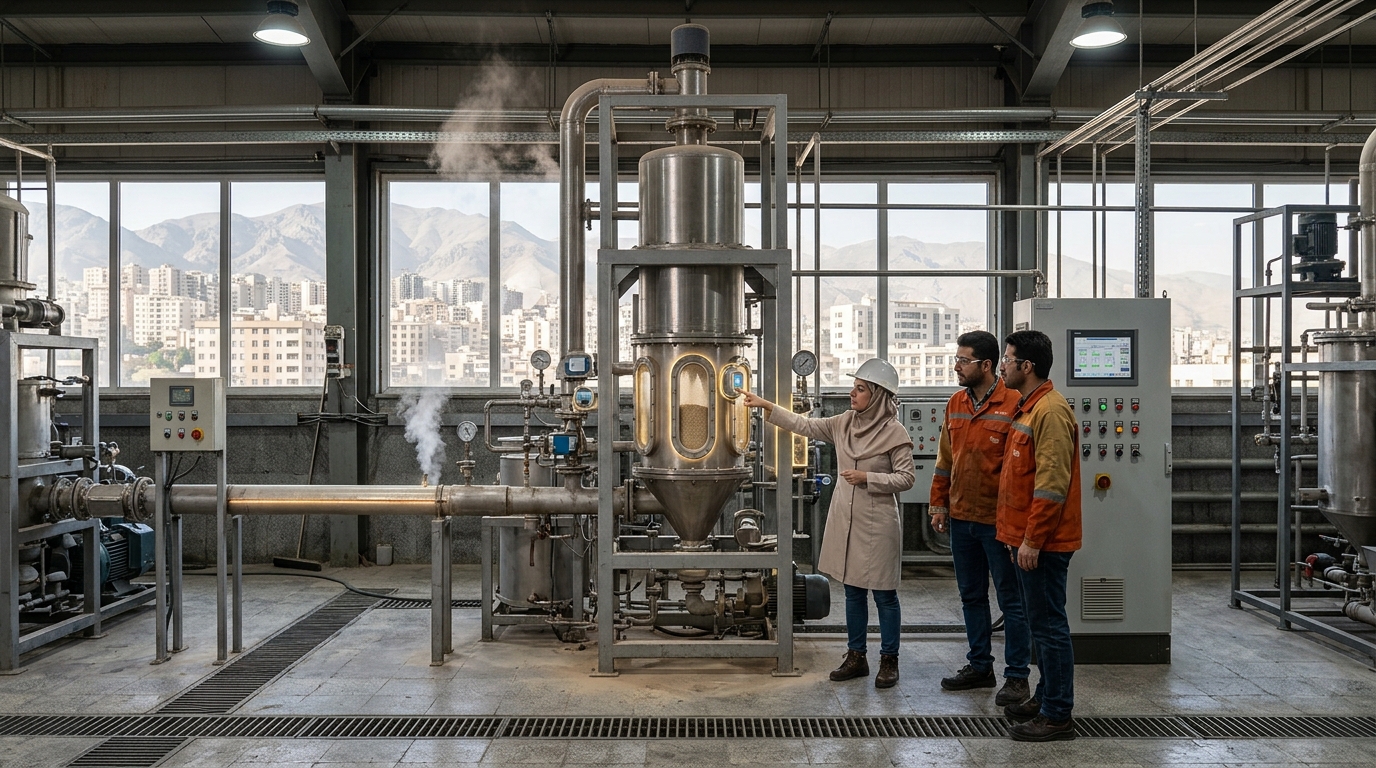
Domestic production of 78%+ of oil, gas, and petrochemical catalysts — replacing previously imported catalysts for polymerization, cracking, and reforming processes.
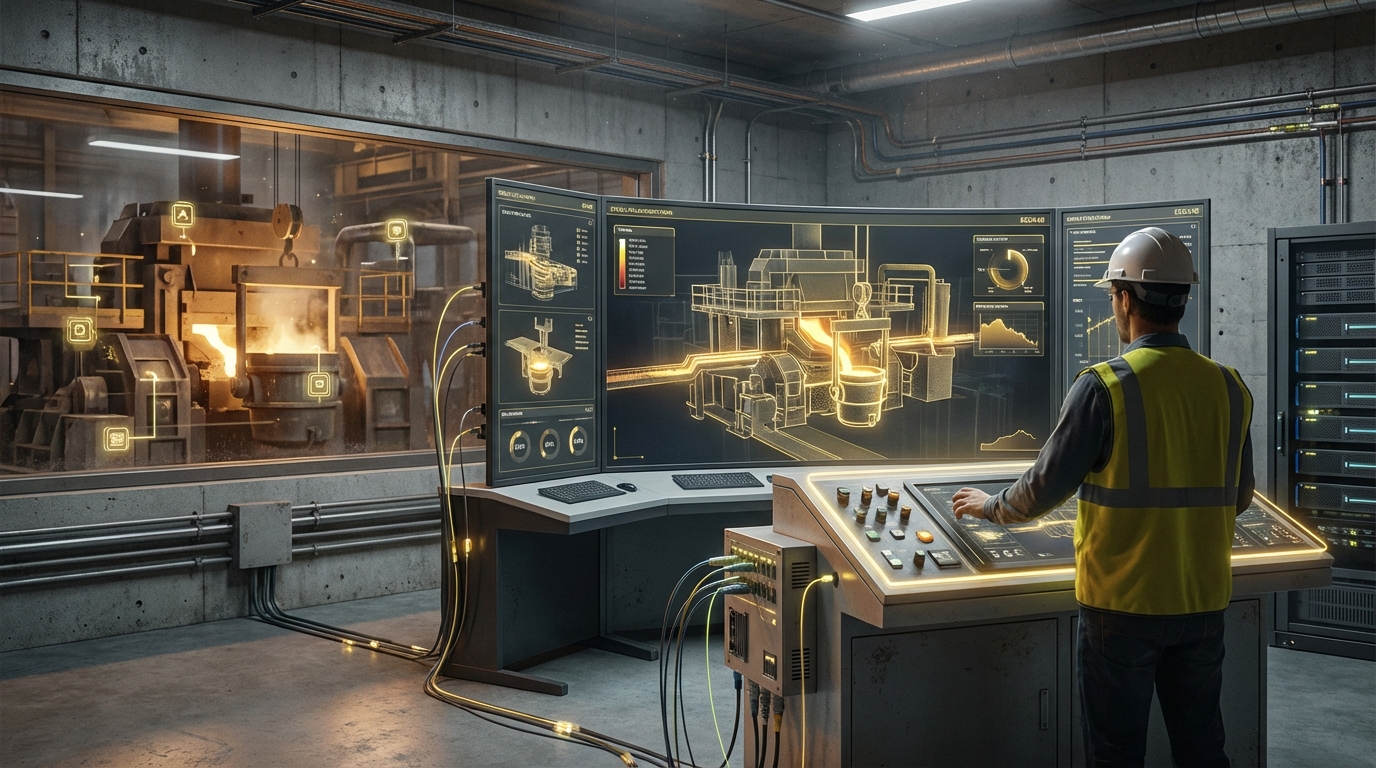
Virtual replicas of industrial assets that sync with real-time data for predictive maintenance and optimization
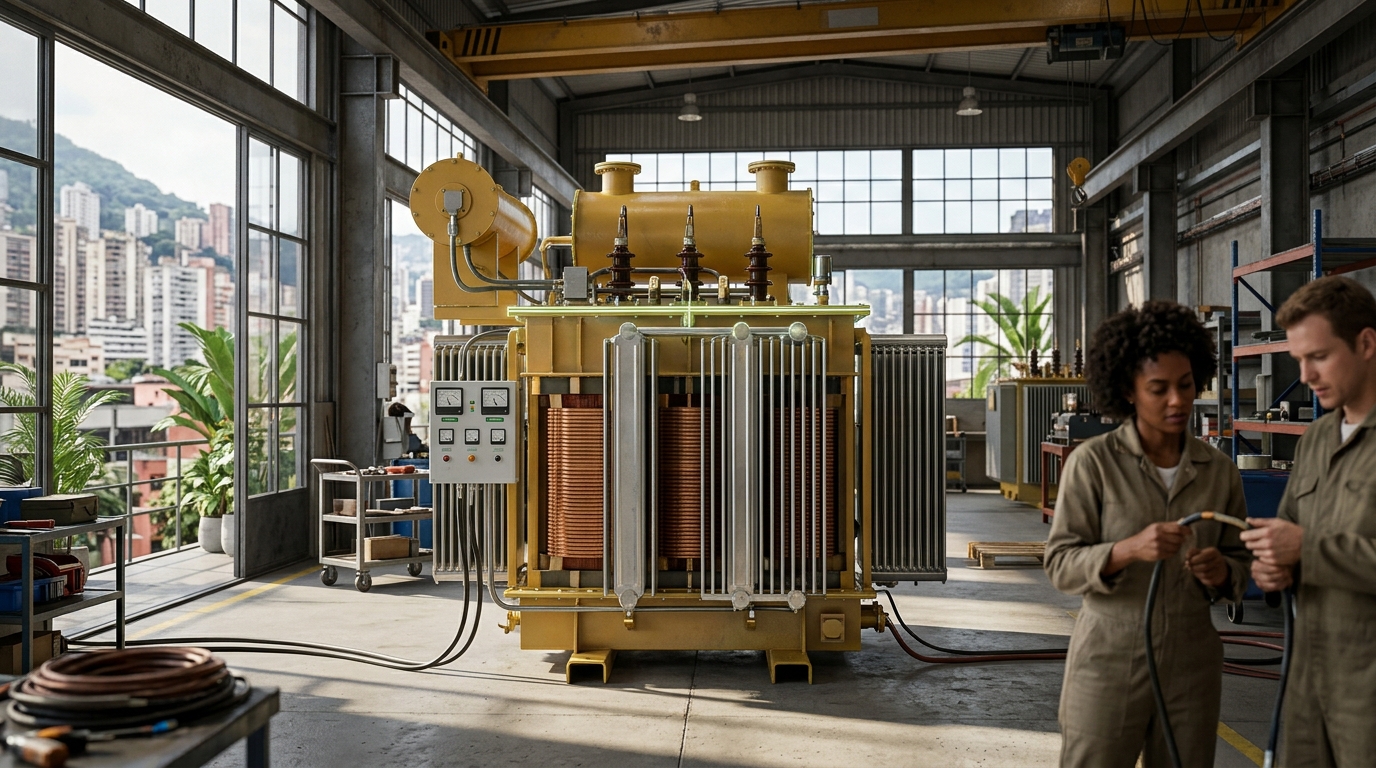
WEG is the largest electric motor manufacturer in the Americas and a global leader in transformers — investing R$1.2B to expand capacity across Brazil, Mexico, and Colombia
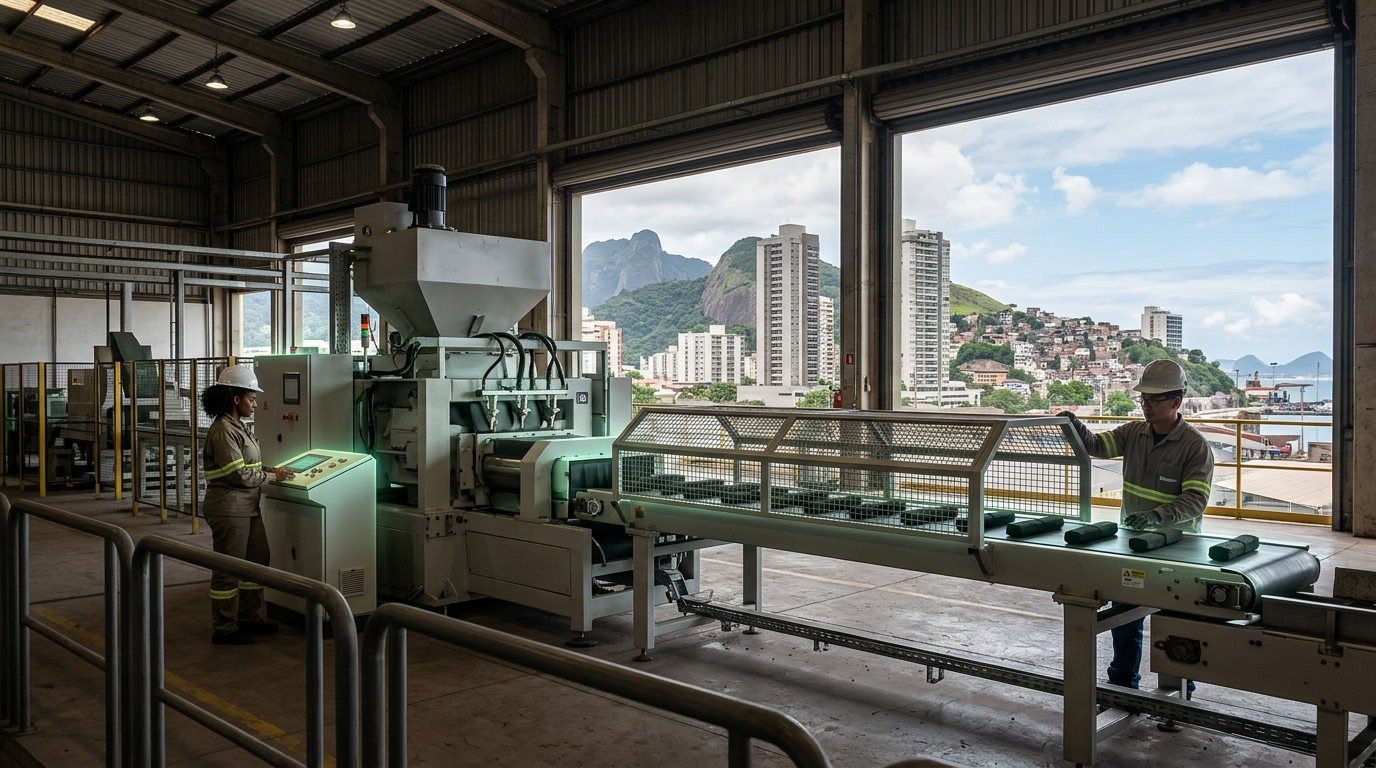
Vale invented a cold-bonded iron ore briquette that replaces sintered pellets in steelmaking — the world's first briquette plant opened in Vitória, reducing CO2 emissions in steel production
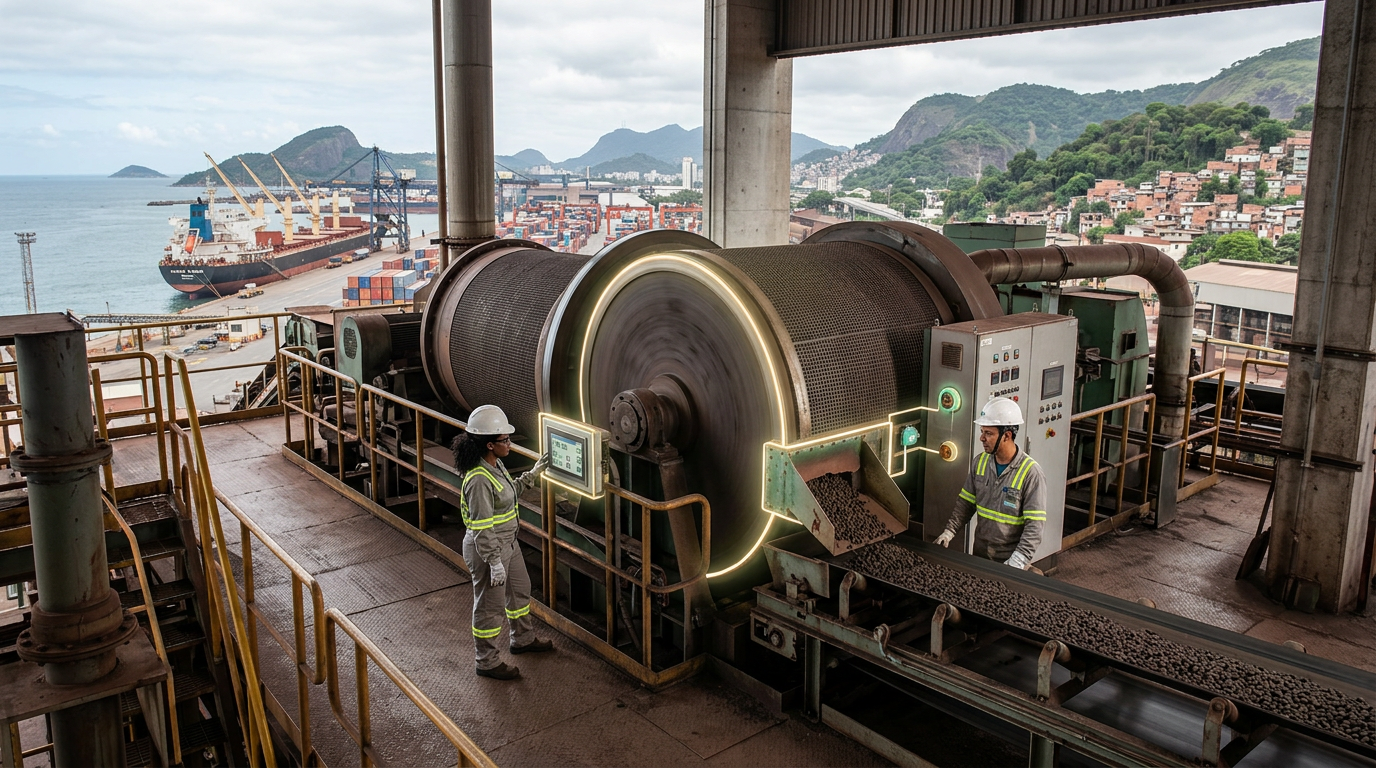
Brazil pioneered industrial-scale iron ore pelletization — compressing fine ore into marble-sized pellets for blast furnaces — now the world's largest pellet exporter
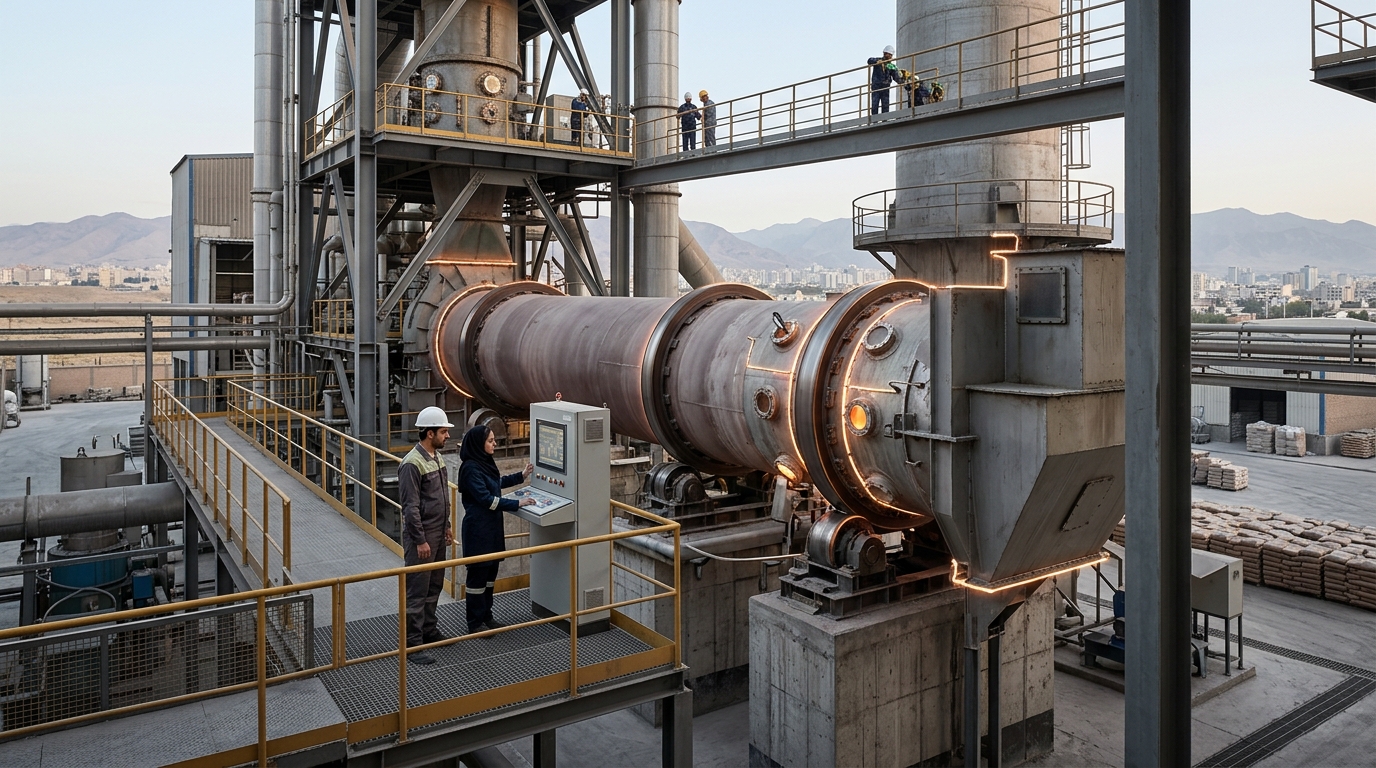
Top-8 global cement producer and 4th-largest clinker exporter, with 70+ integrated plants leveraging domestic limestone and energy — supplying construction across the Middle East.
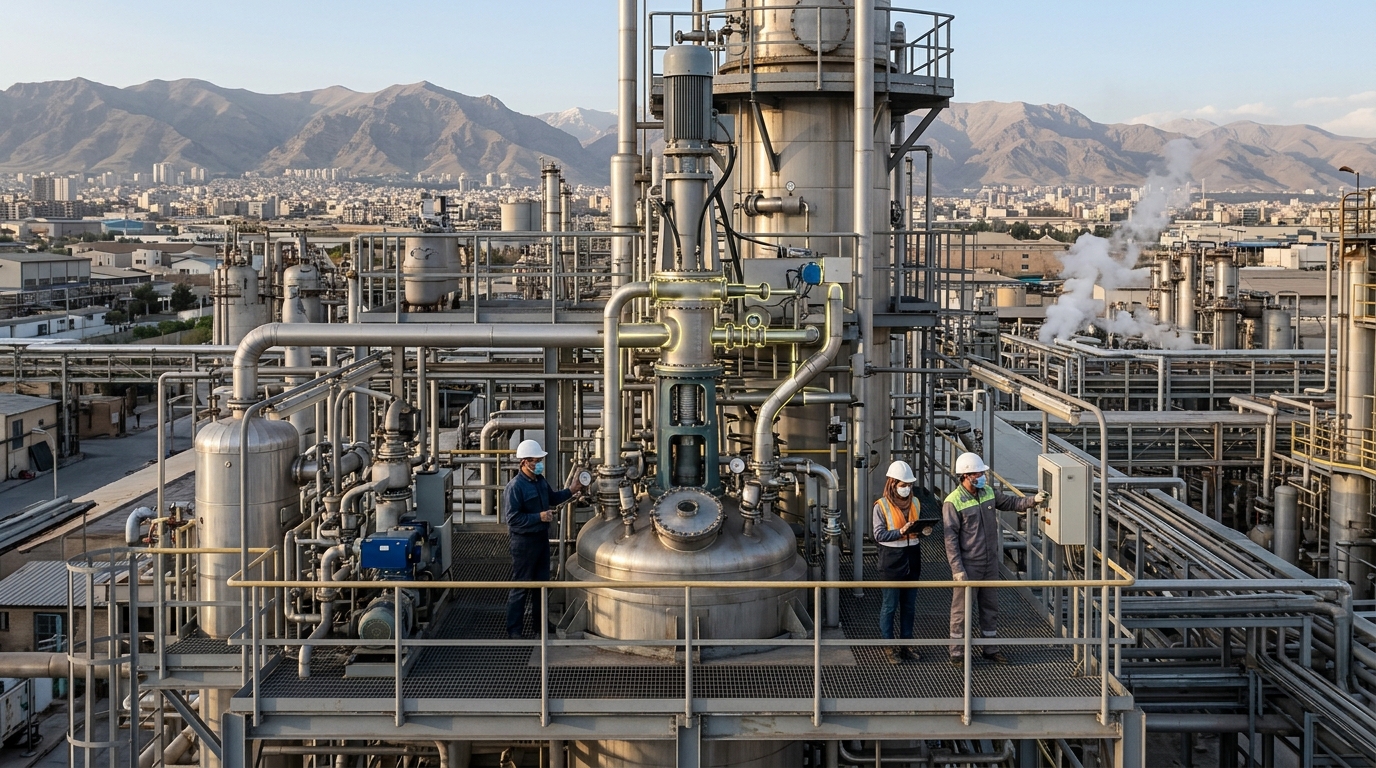
Major polyethylene and polypropylene producer leveraging cheap natural gas feedstock, with domestic catalyst and process technology for polymer manufacturing at petrochemical complexes.
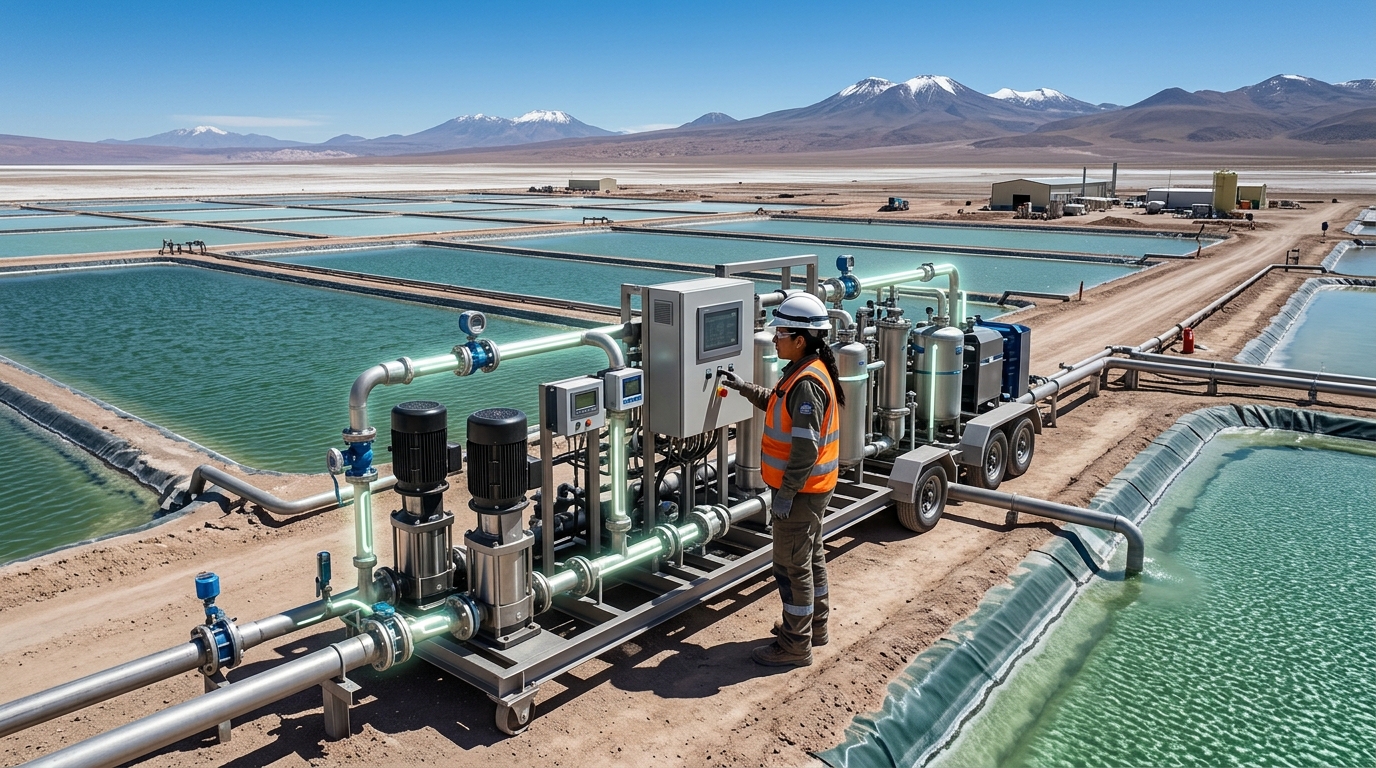
Argentina aims to boost lithium production 75% in 2025 with $3B+ in investments across Jujuy, Salta, and Catamarca salars; CATL's $1.4B deal targets 30,000 tonnes/year by 2028.
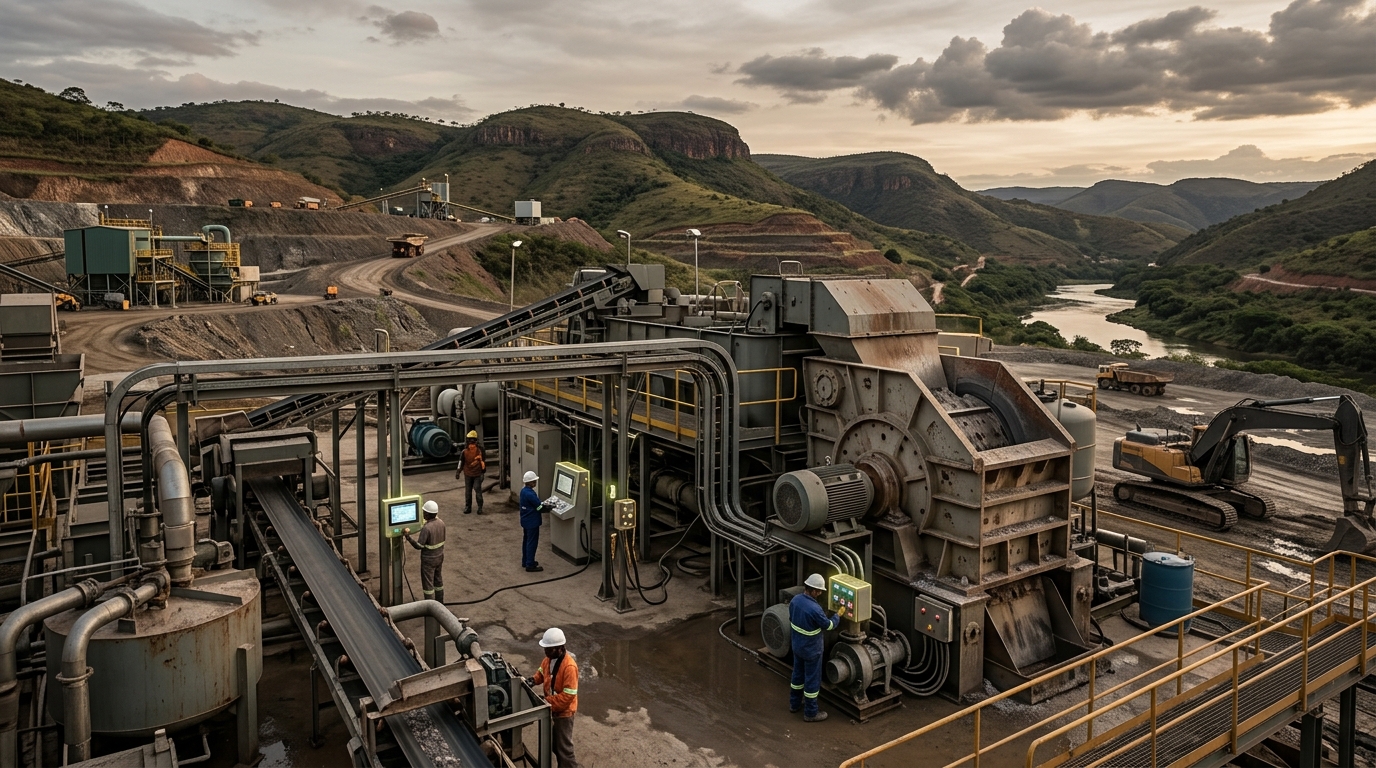
Brazil's "Lithium Valley" in Minas Gerais holds significant spodumene deposits — multiple mining projects and a BYD acquisition are positioning Brazil as a lithium supplier for the EV battery...
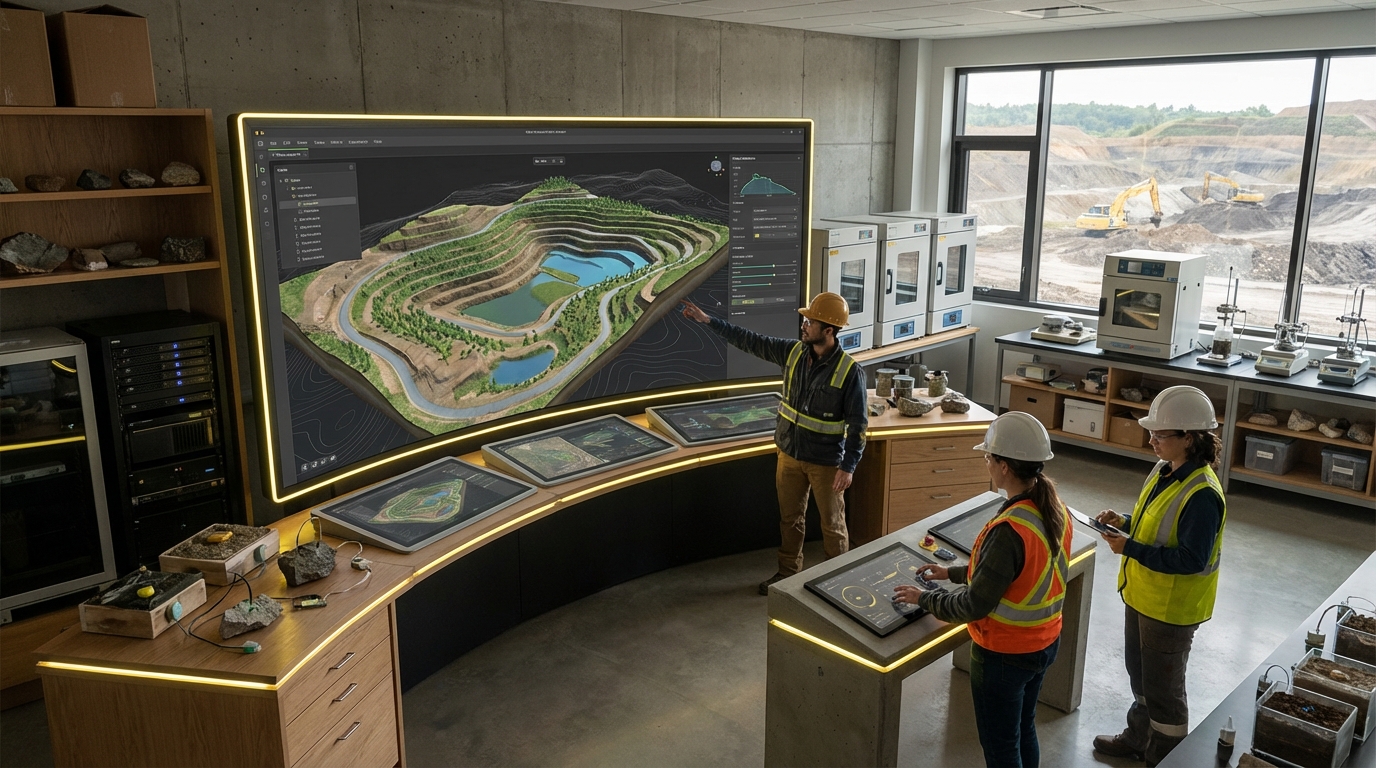
Software for planning mine site restoration, environmental remediation, and closure costs
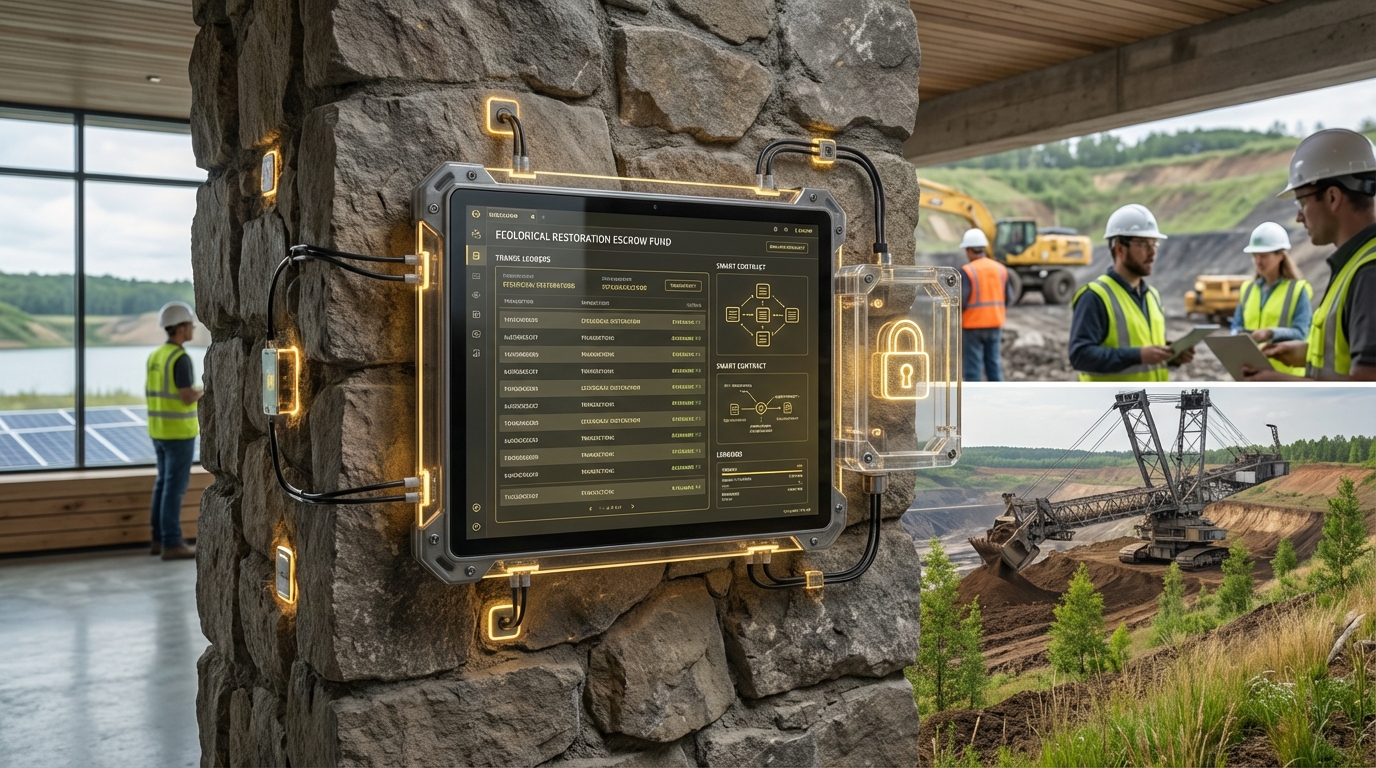
Blockchain-based escrow systems ensuring mining sites have guaranteed funds for environmental cleanup
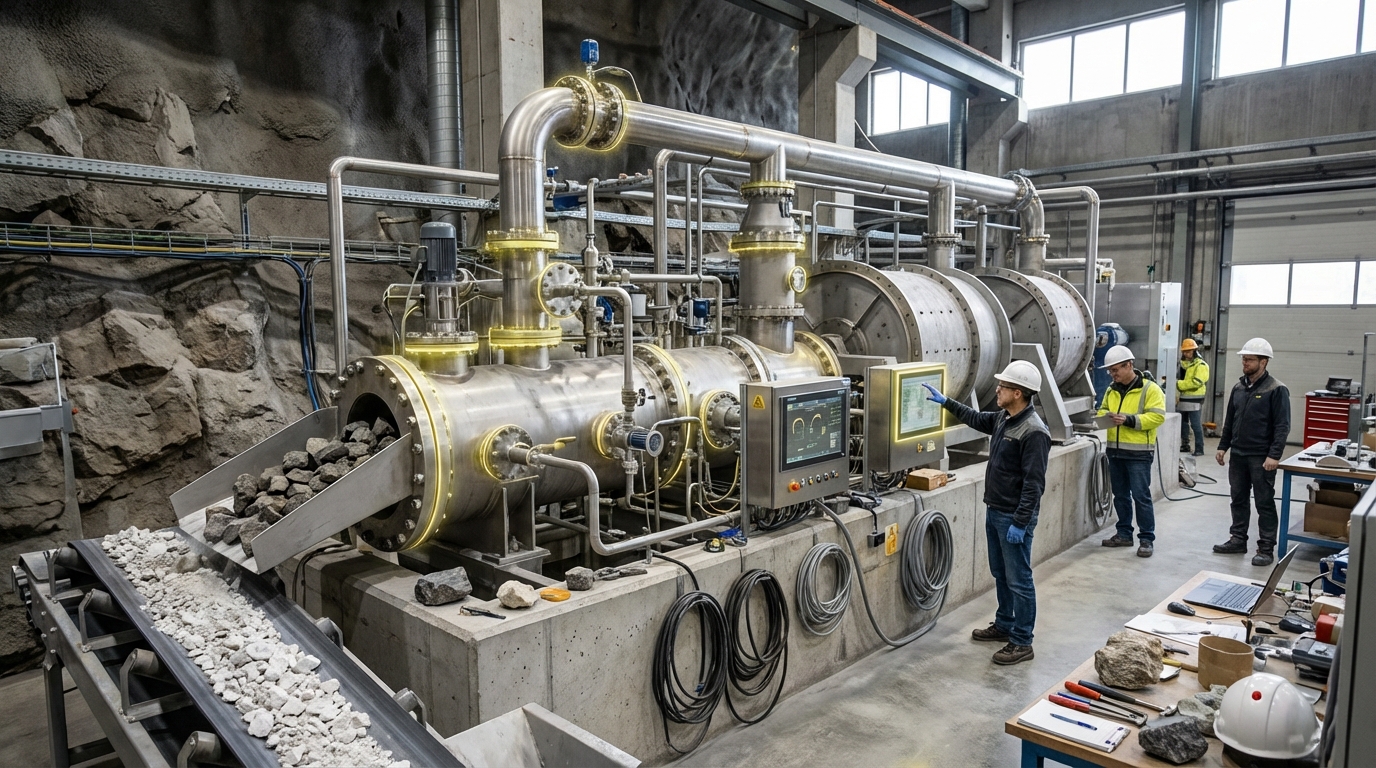
Reacting captured CO2 with alkaline minerals to form stable carbonate solids
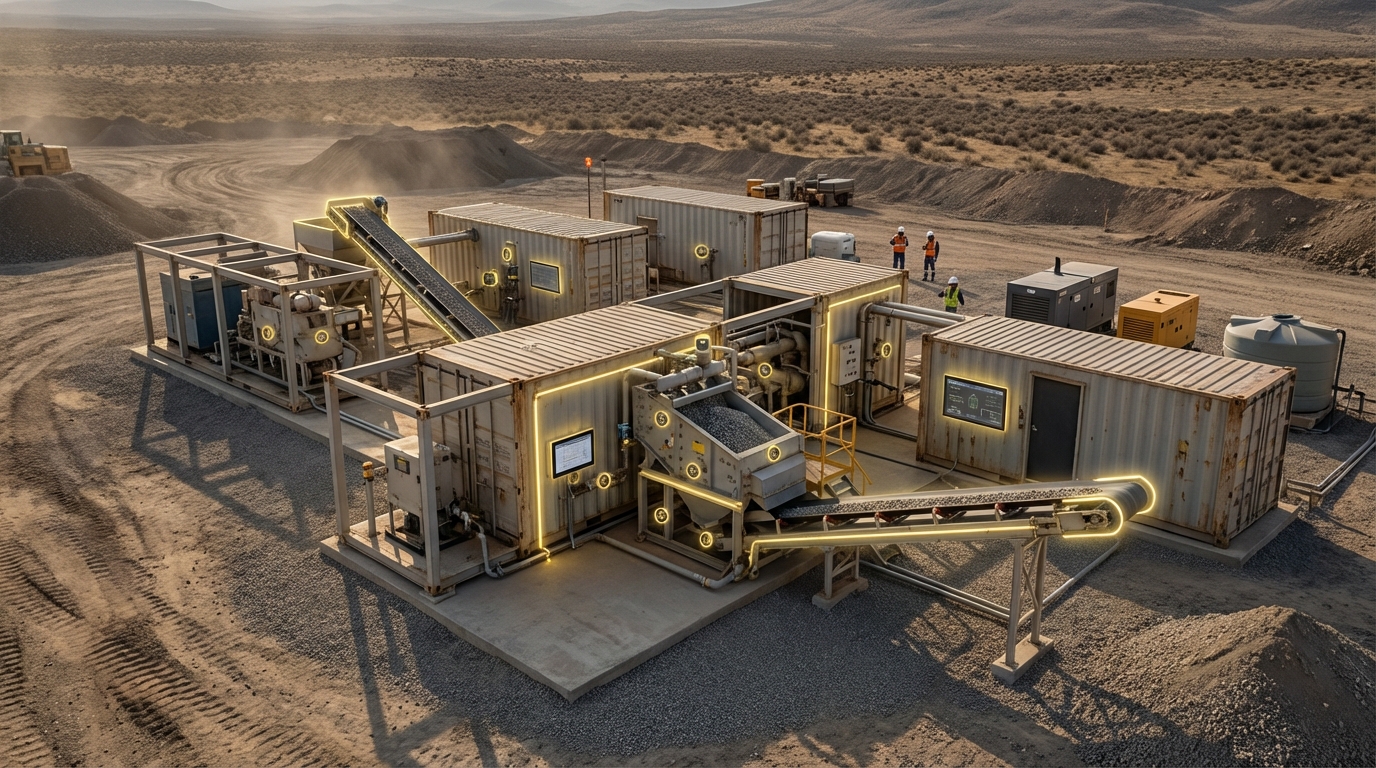
Shipping-container-sized mineral processing units deployable to remote mining sites
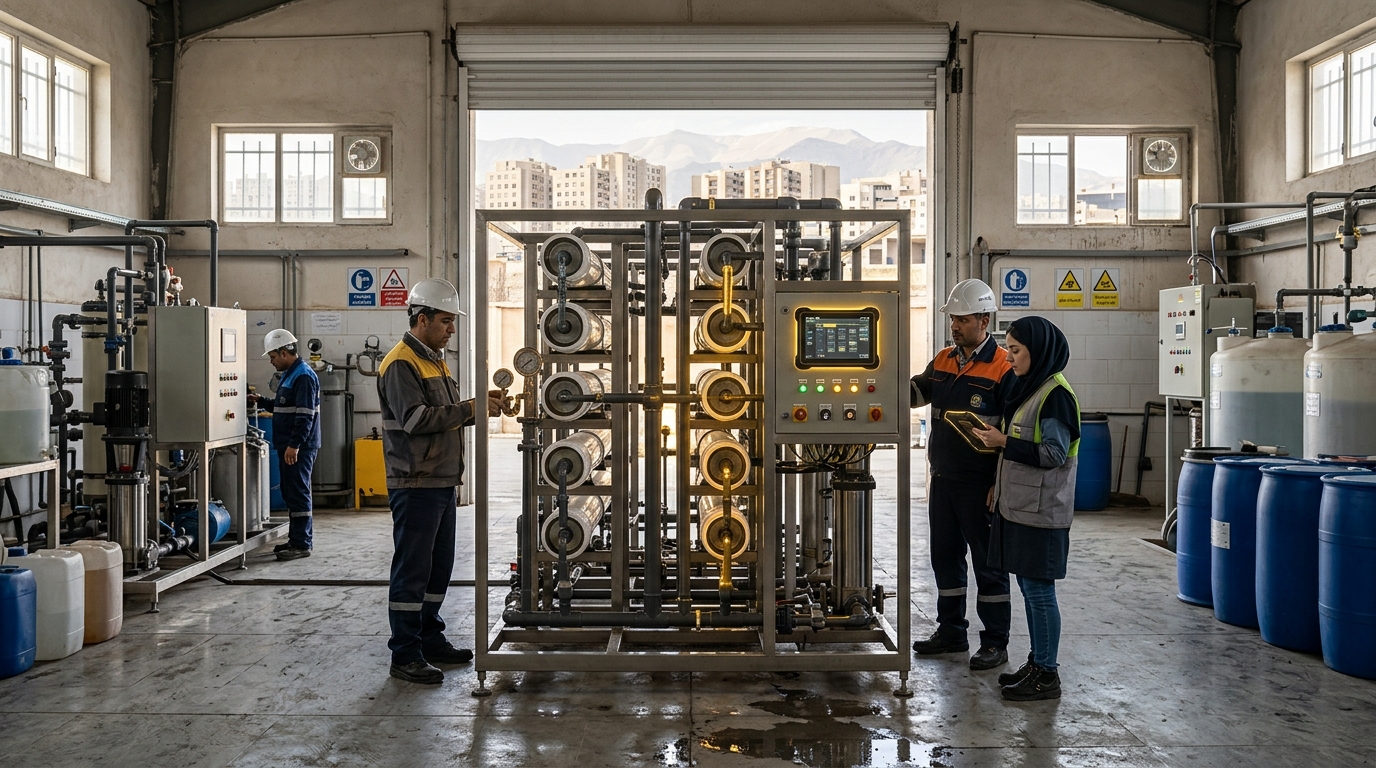
Domestically produced nano-enhanced reverse osmosis and ultrafiltration membranes for desalination and wastewater treatment — addressing Iran's water crisis with indigenous technology.
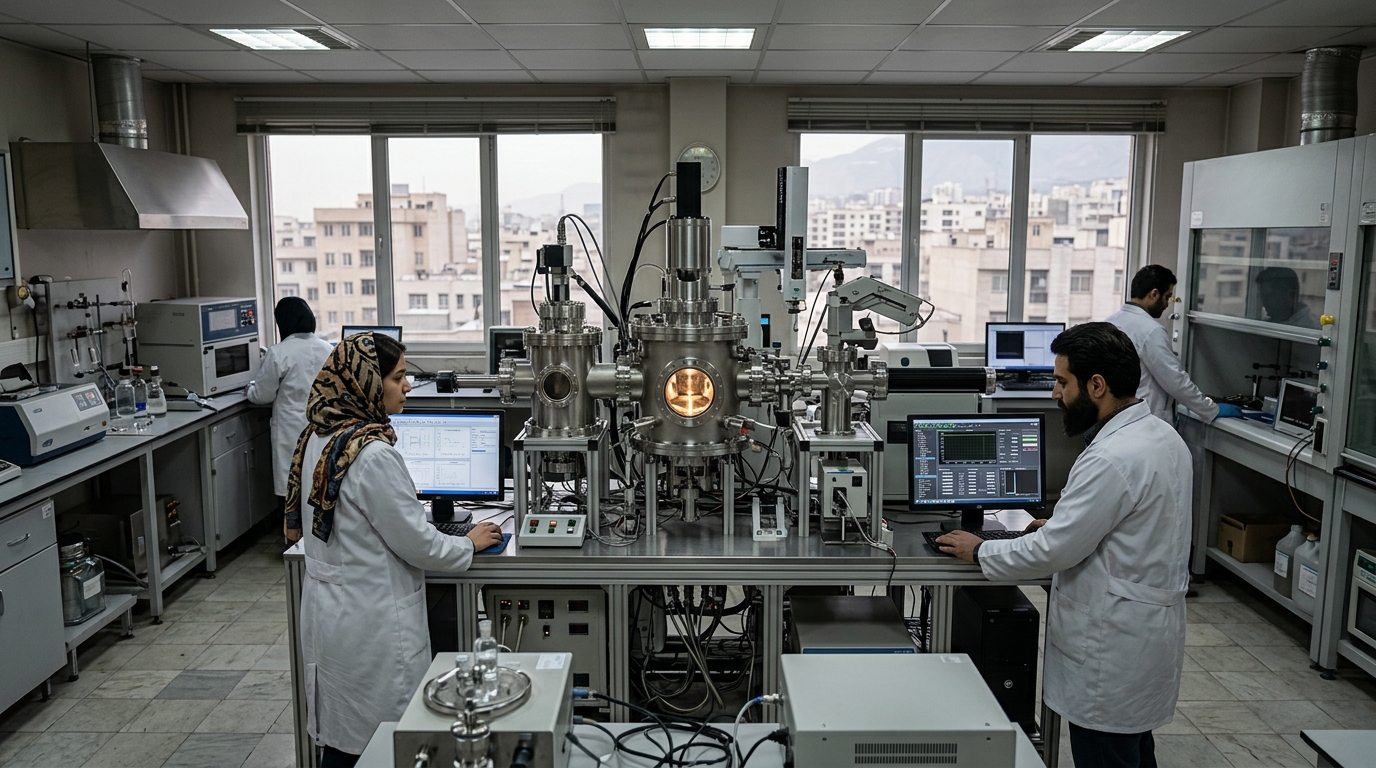
Iran ranks 4th globally in nanotechnology publications, 12th in h-index, with 1st place in share of nano-articles relative to total scientific output — driven by a 20-year national strategy.
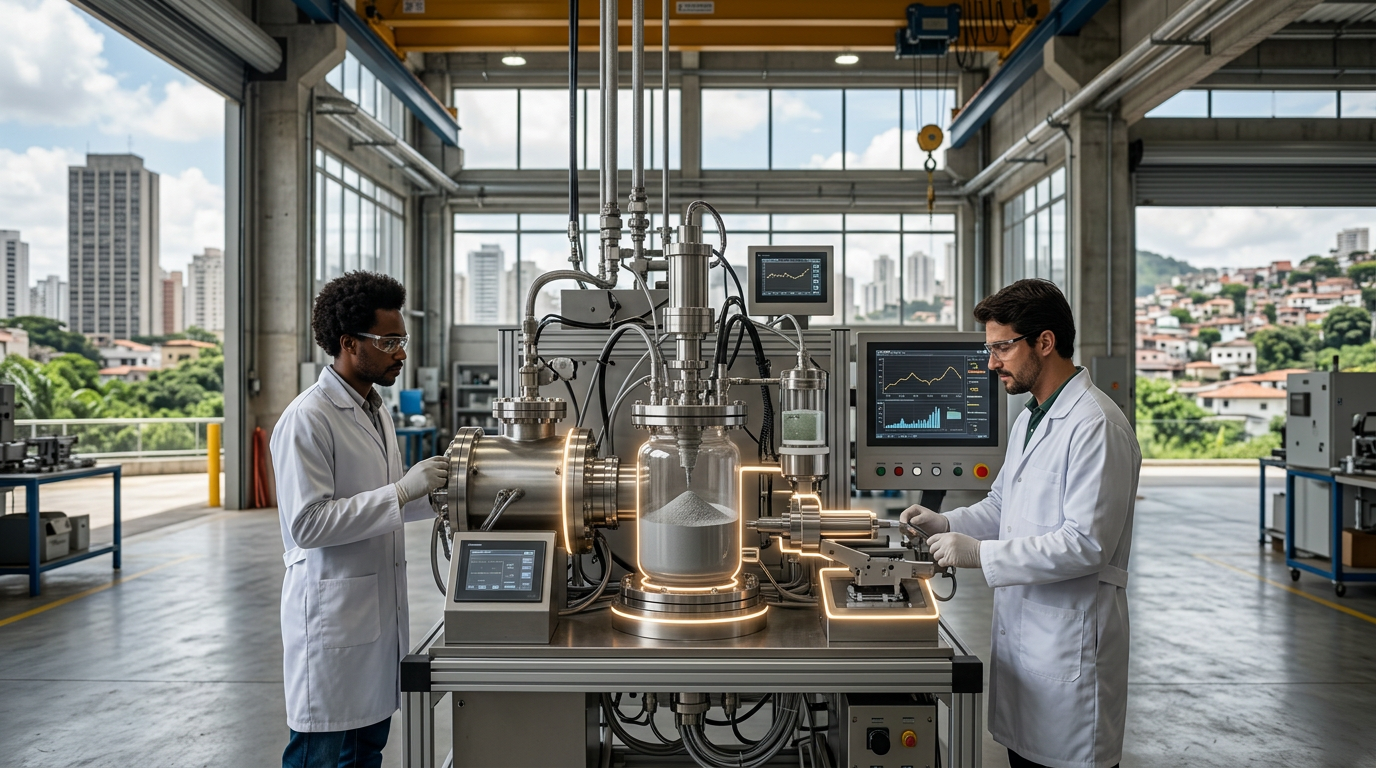
Brazil controls 77% of the world's niobium supply — now moving beyond steel alloys into EV battery anodes, superconductors, and advanced ceramics

Lynas Rare Earths became the first company outside China to produce commercial dysprosium oxide in May 2025; Iluka is building Australia's first integrated rare-earth refinery near Perth.
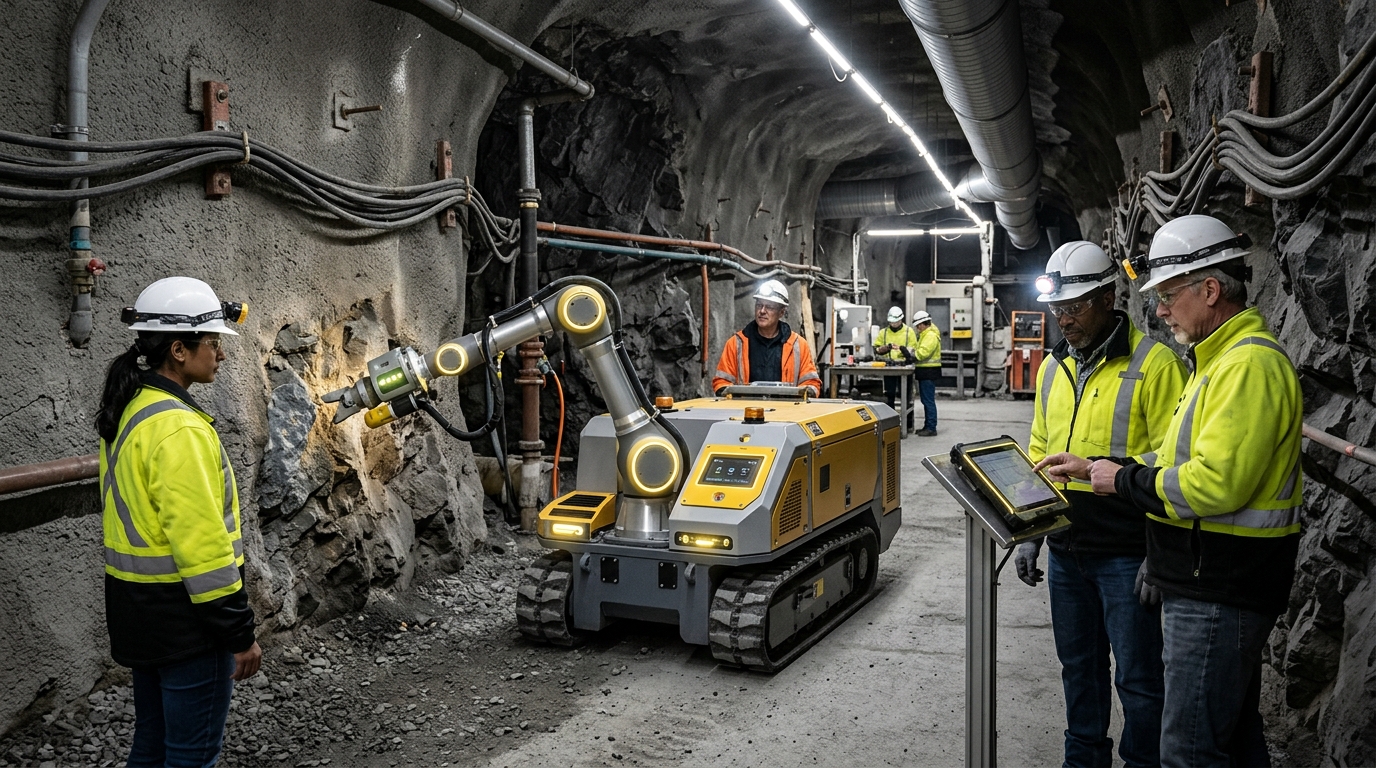
Sudbury's NORCAT operates the world's only technology exhibition and testing facility in an active underground mine, enabling Canadian and global companies to validate mining robotics, AI safety, and automation at depth.
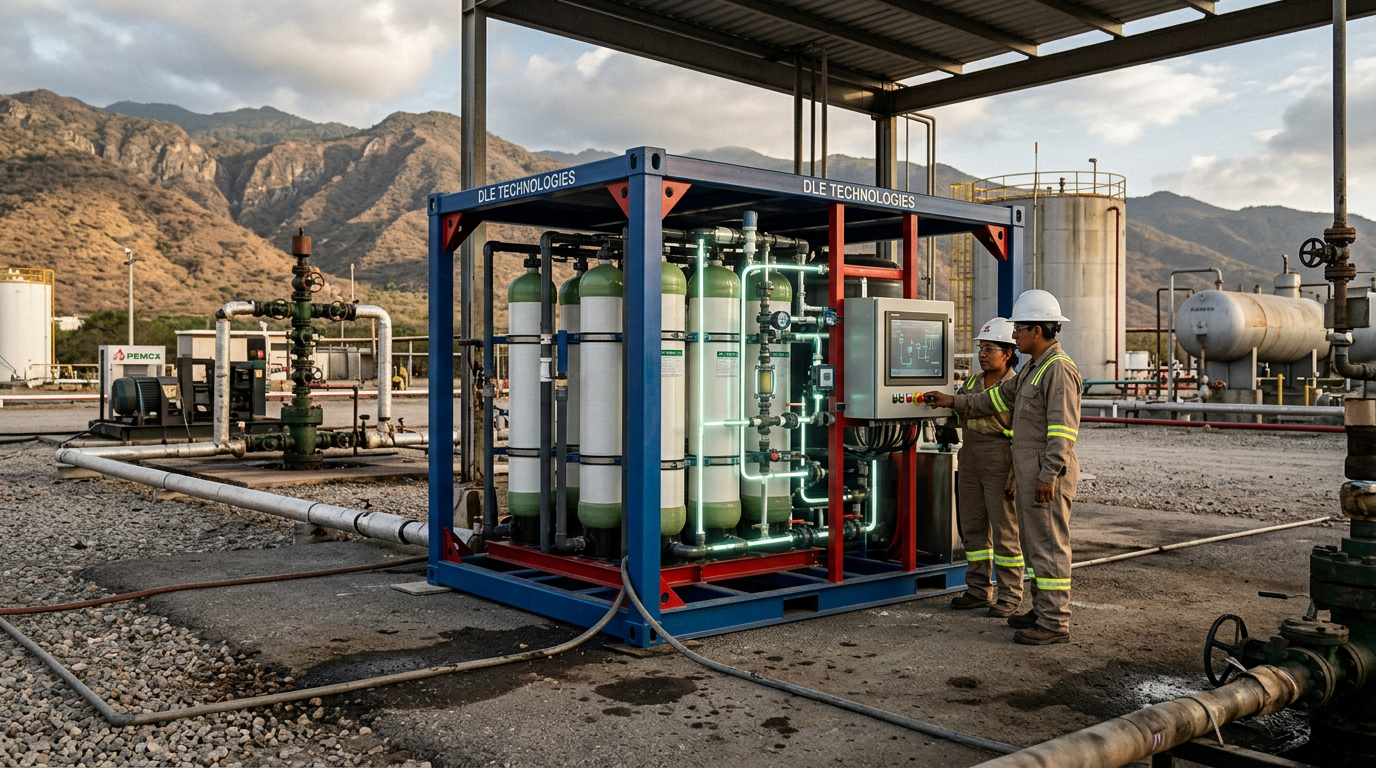
PEMEX is exploring DLE technology to extract lithium as a byproduct from existing oil and gas brine waste streams, leveraging existing well infrastructure to reduce costs.

Sensor arrays on conveyors that separate valuable ore from waste rock during transport
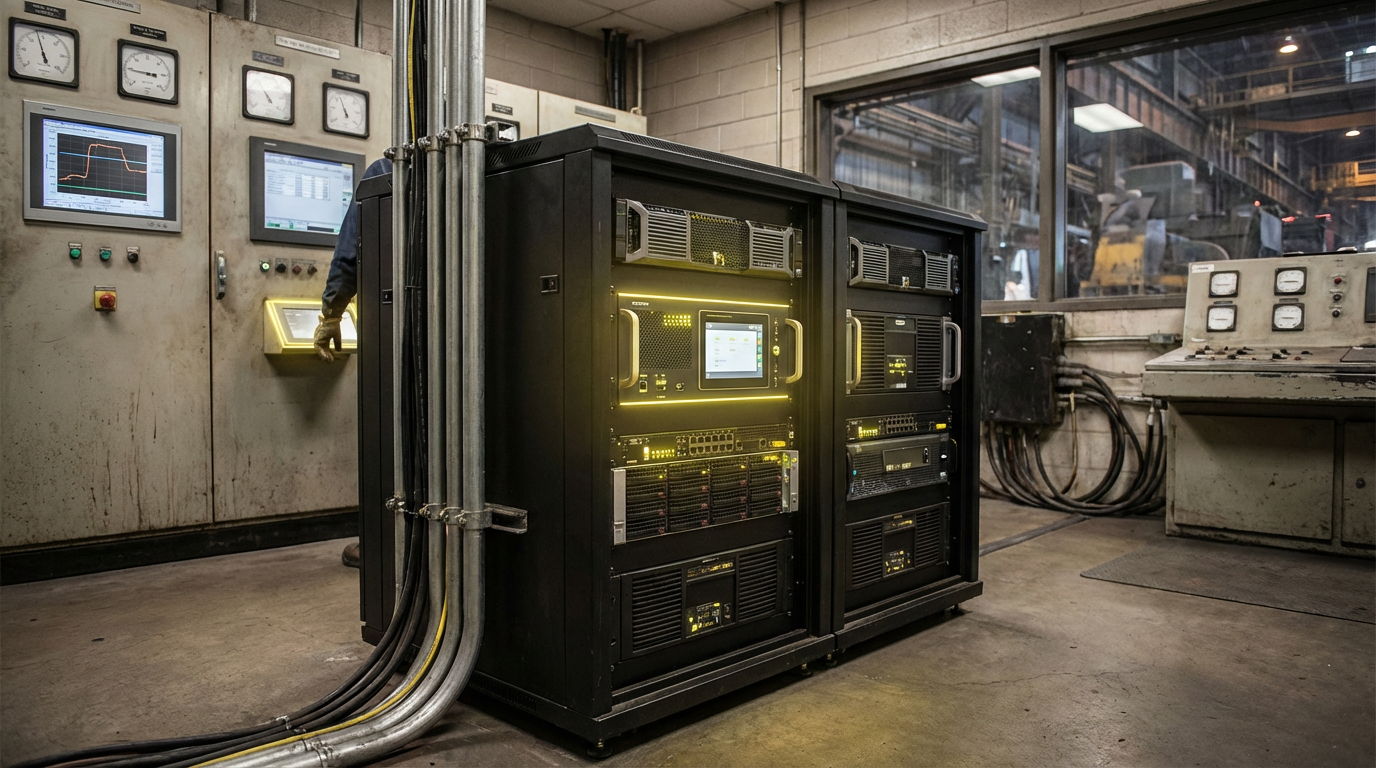
Protects industrial control systems and SCADA networks from cyber threats in mining and manufacturing
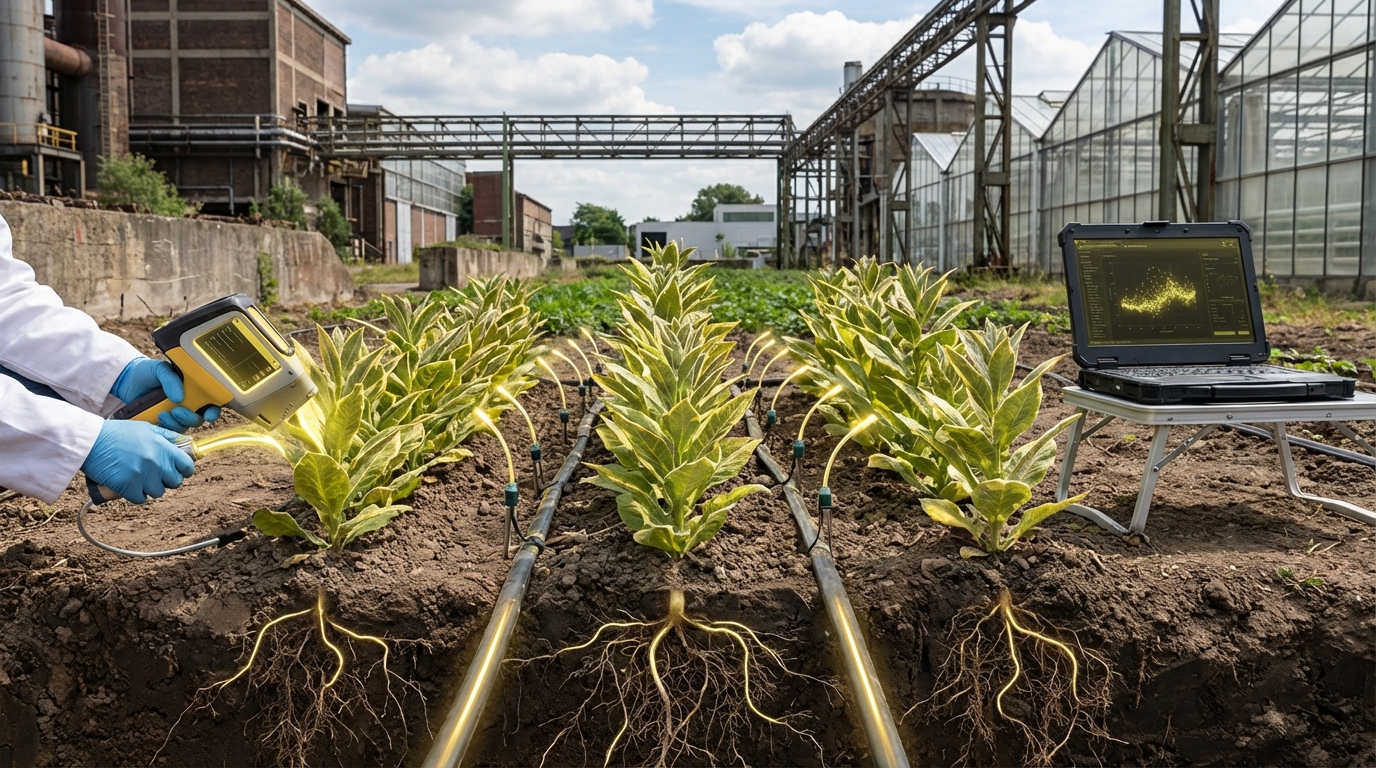
Using metal-absorbing plants to extract valuable minerals from contaminated or low-grade soils

Machine learning models that forecast industrial equipment failures before they happen
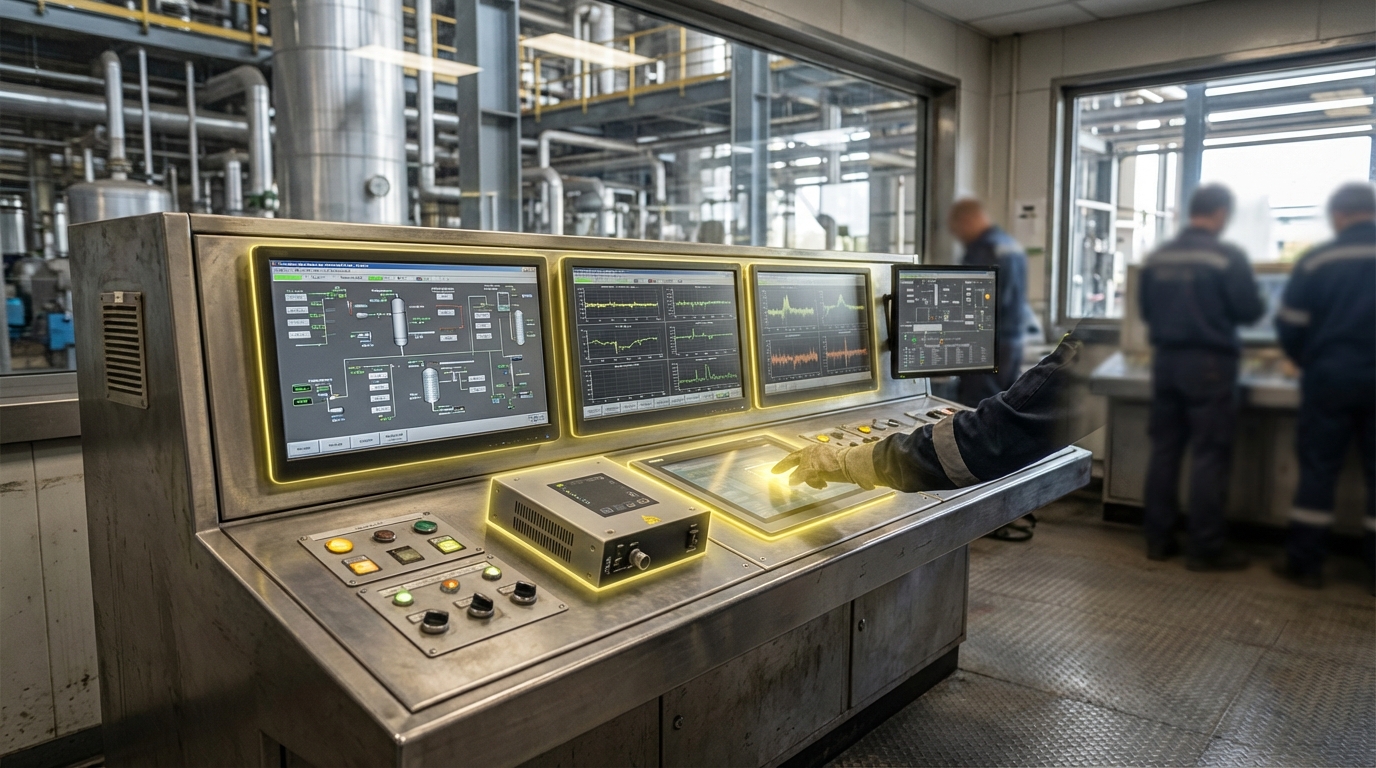
Adaptive algorithms that adjust industrial processes in real time to maximize yield and minimize waste
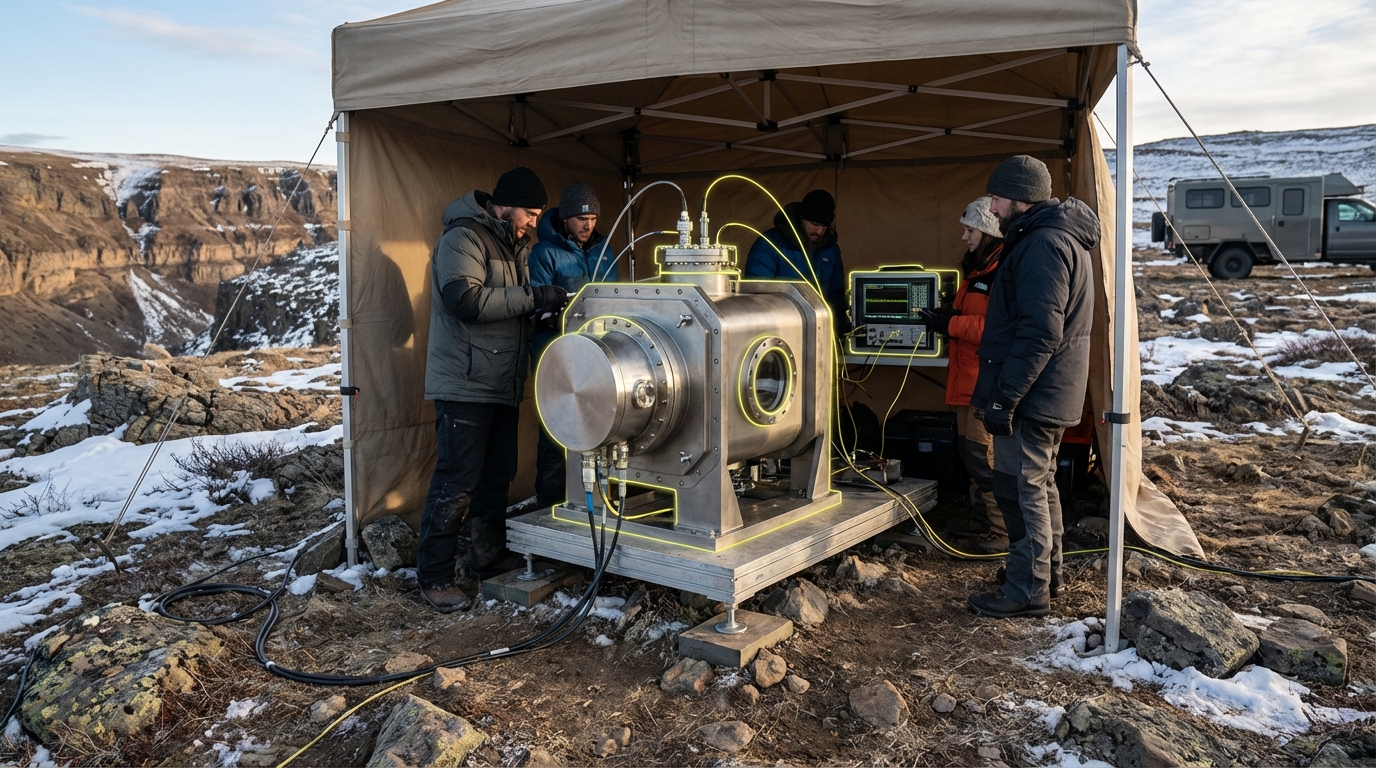
Ultra-sensitive quantum sensors detecting subsurface density variations for mineral and resource exploration
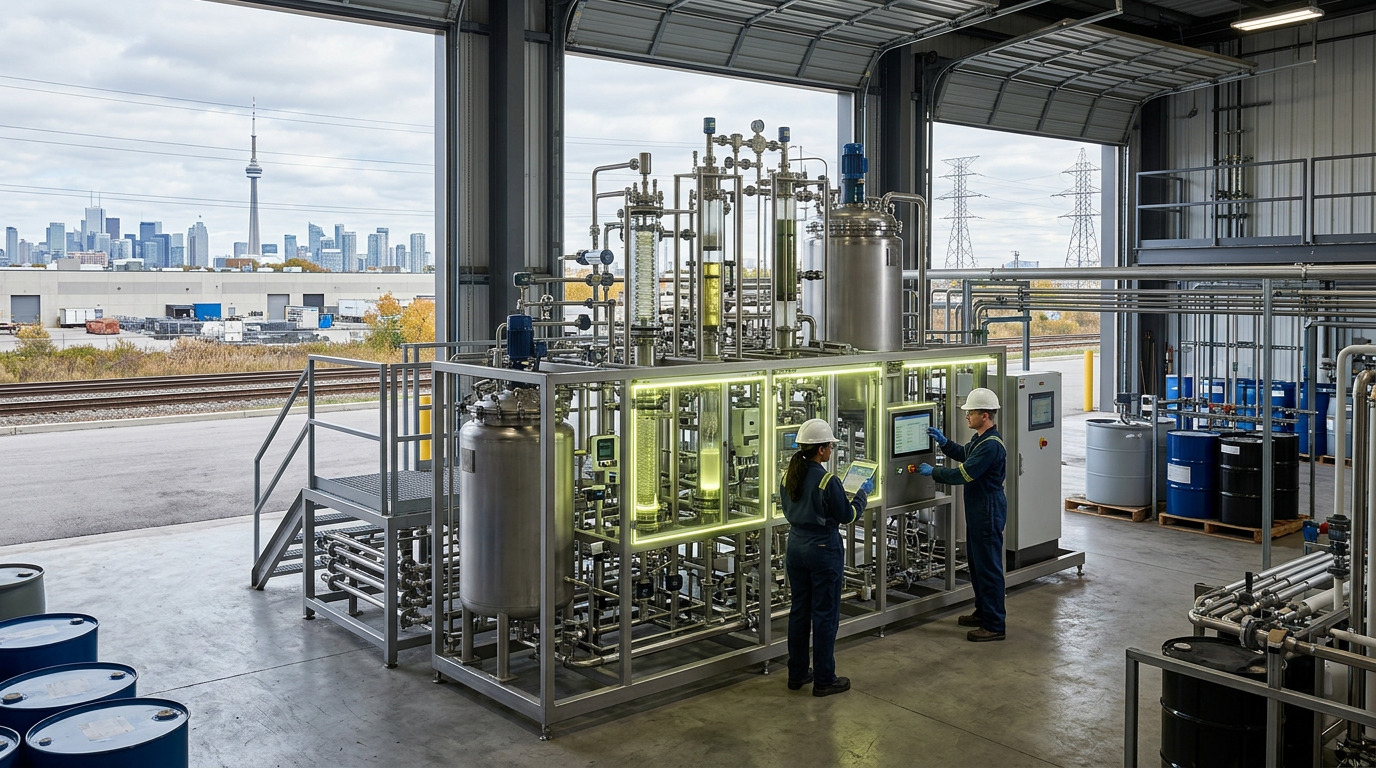
Canada is developing domestic rare earth processing capacity to challenge China's 90%+ global dominance, with applications spanning EV motors, wind turbines, defense systems, and precision agriculture.
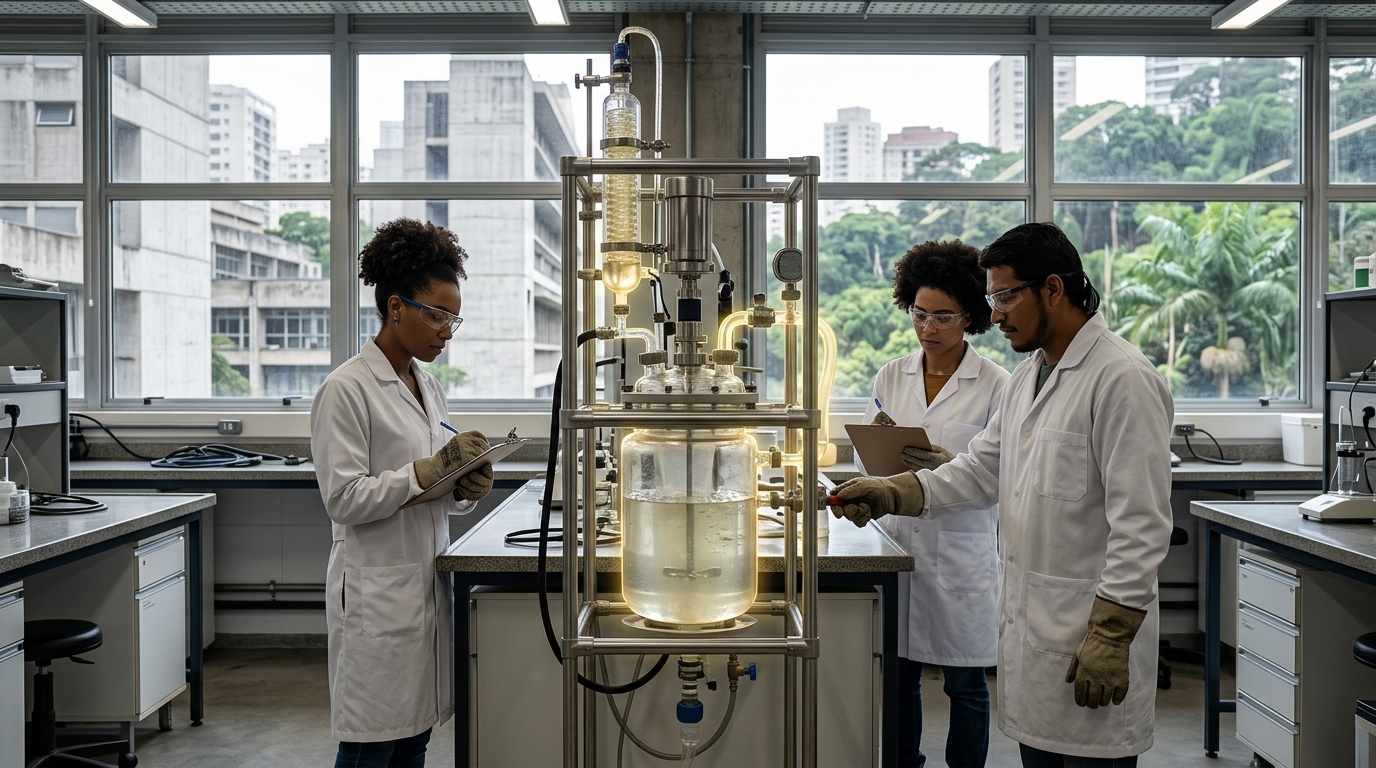
Brazil holds the world's 3rd-largest rare earth reserves but processes almost none domestically — new government policy aims to build processing capacity and break China's monopoly on REE refining
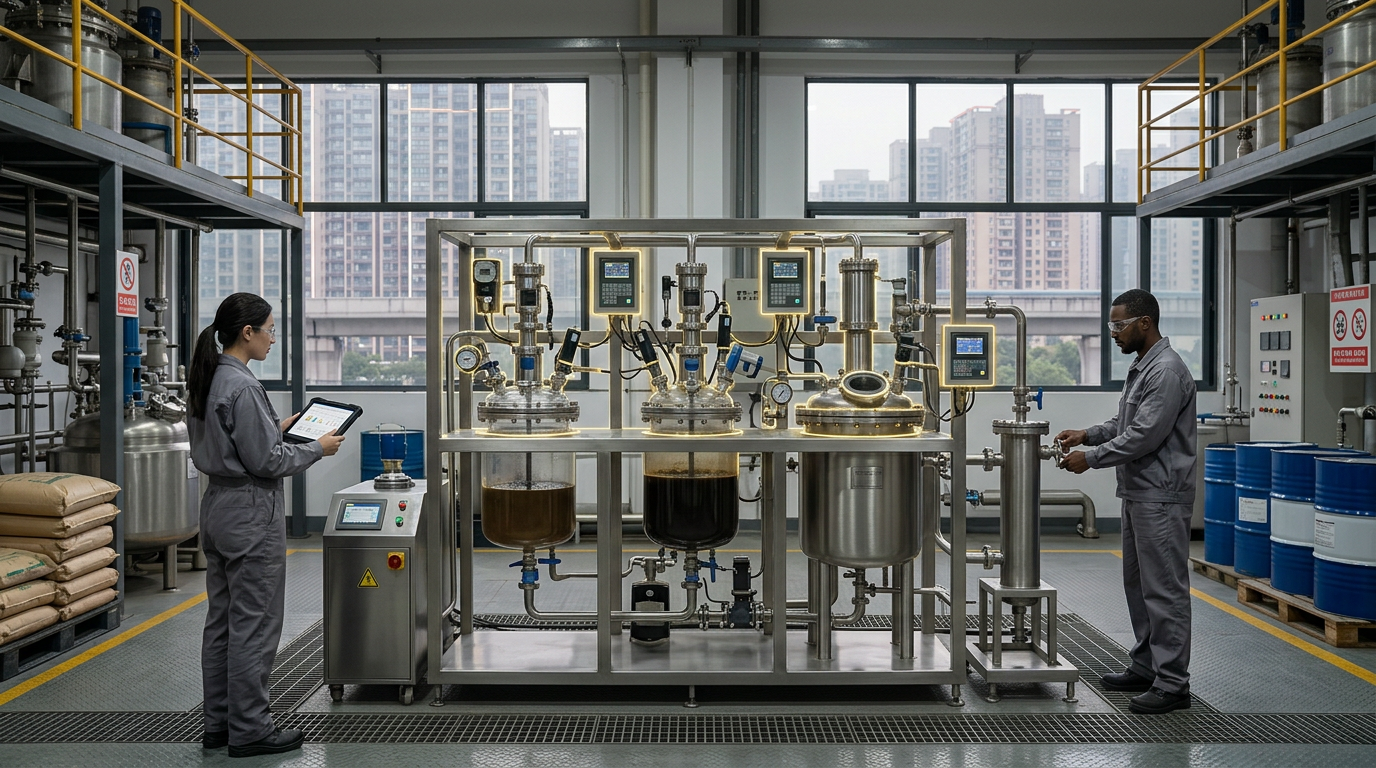
China controls 69% of rare earth mining and 90% of processing, and is now aggressively patenting downstream applications in defense, lasers, and robotics
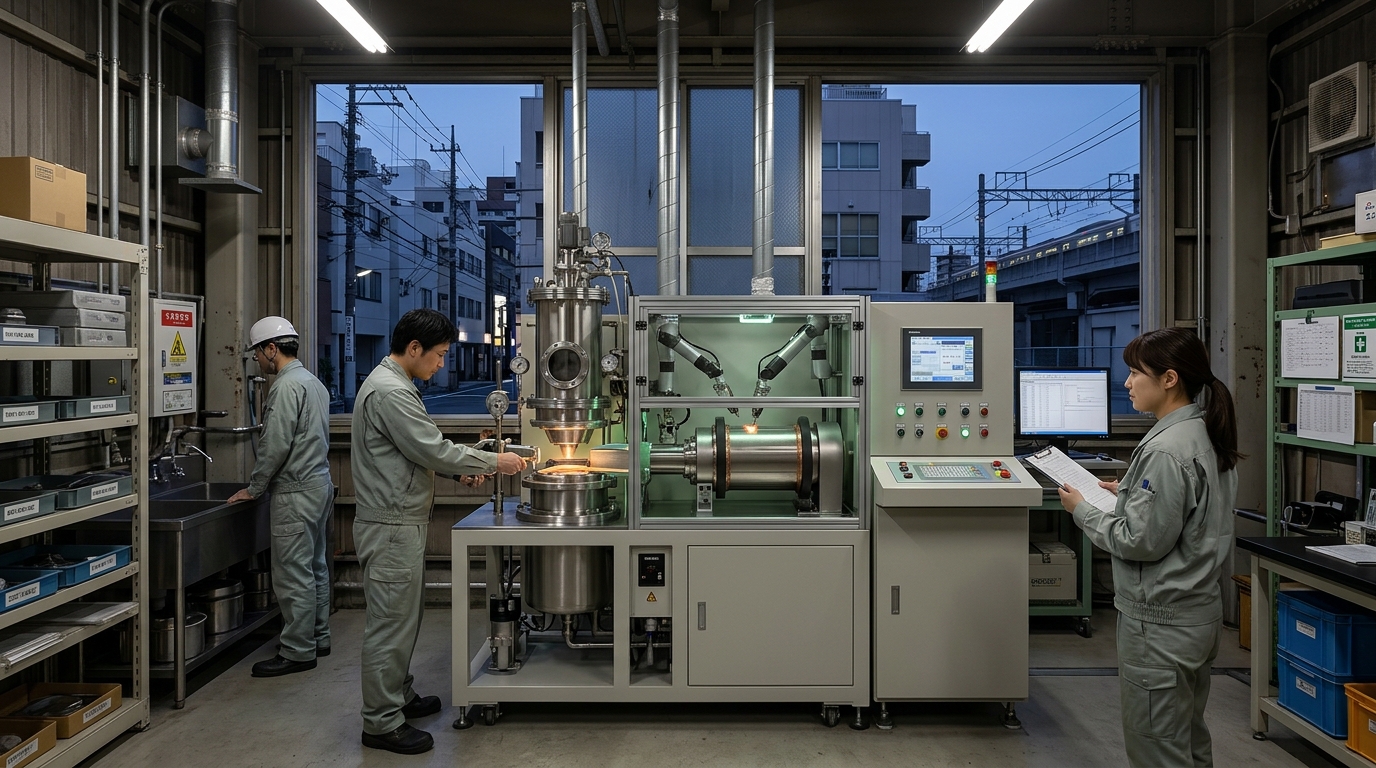
Japan leads global R&D in rare earth recycling and reduced-rare-earth motors — driven by strategic vulnerability to Chinese supply dominance.
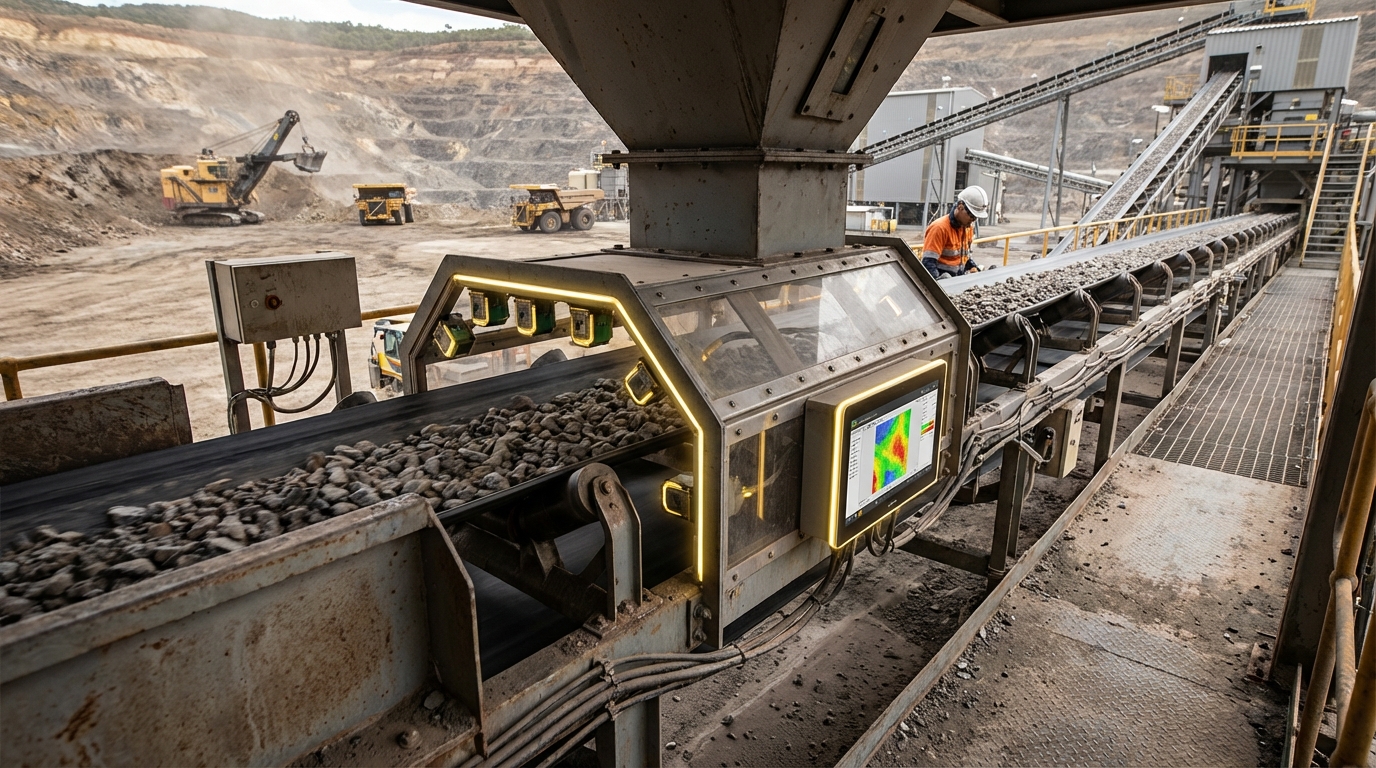
Sensors and analytics that monitor ore quality continuously from mine to mill
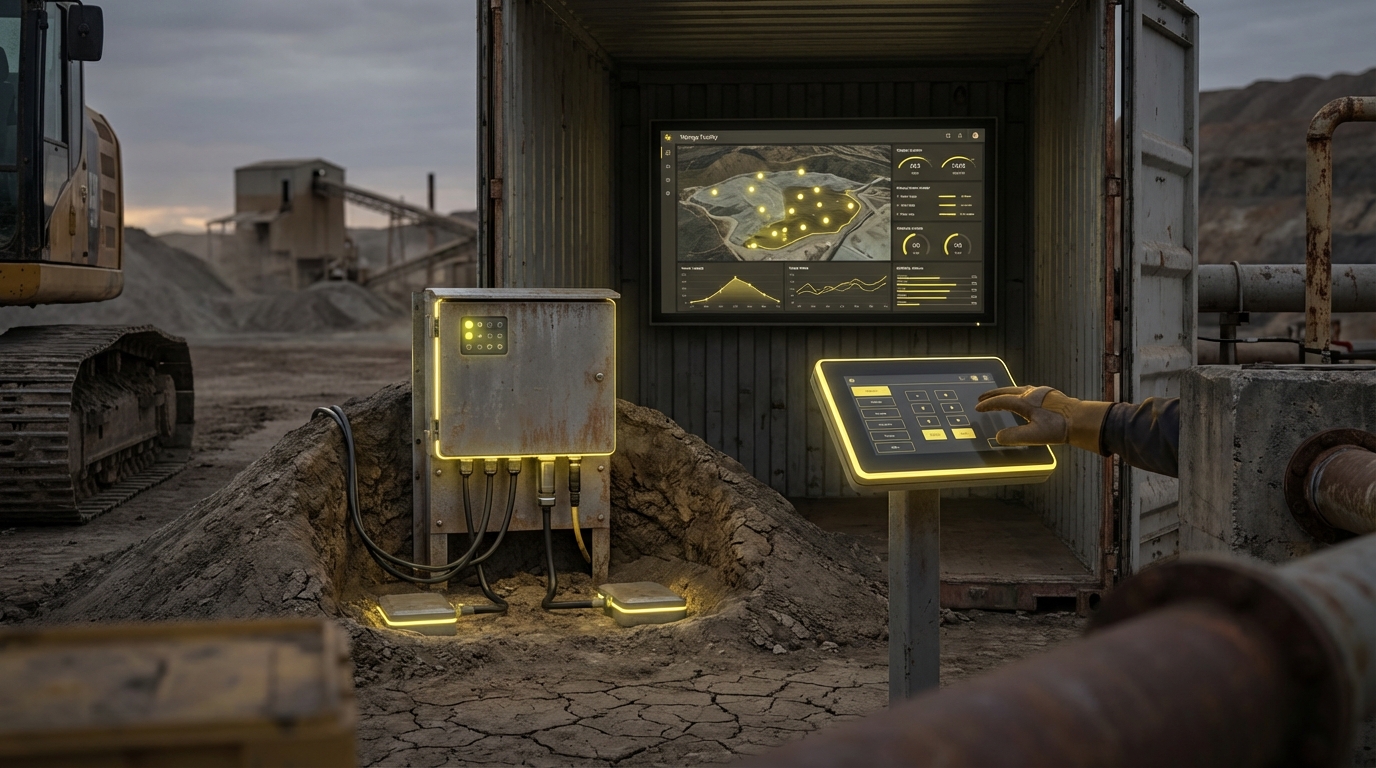
Continuous sensor networks tracking structural stability of mining waste storage facilities
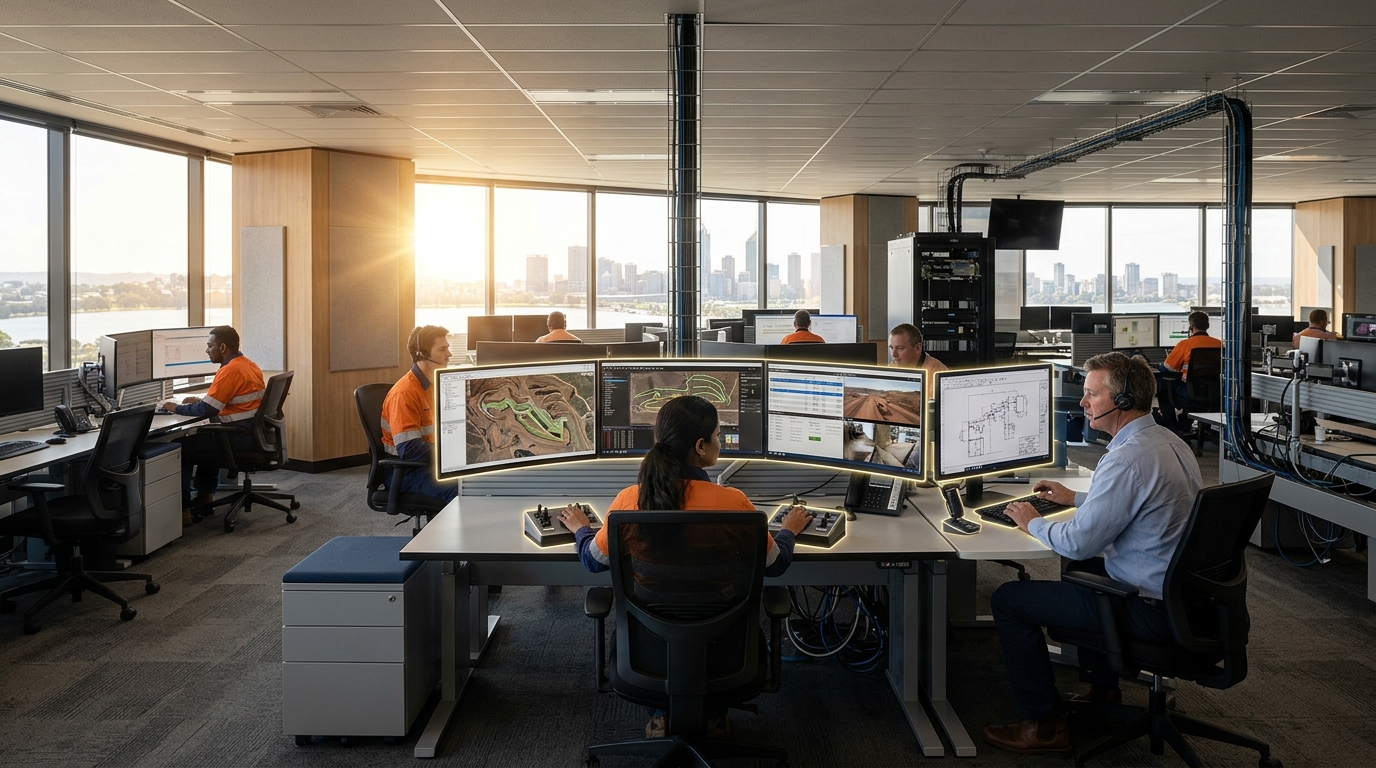
Australian mining companies operate entire mines remotely from Perth, 1,500km away — controlling autonomous trucks, drill rigs, trains, and processing plants through high-bandwidth satellite and fiber links.
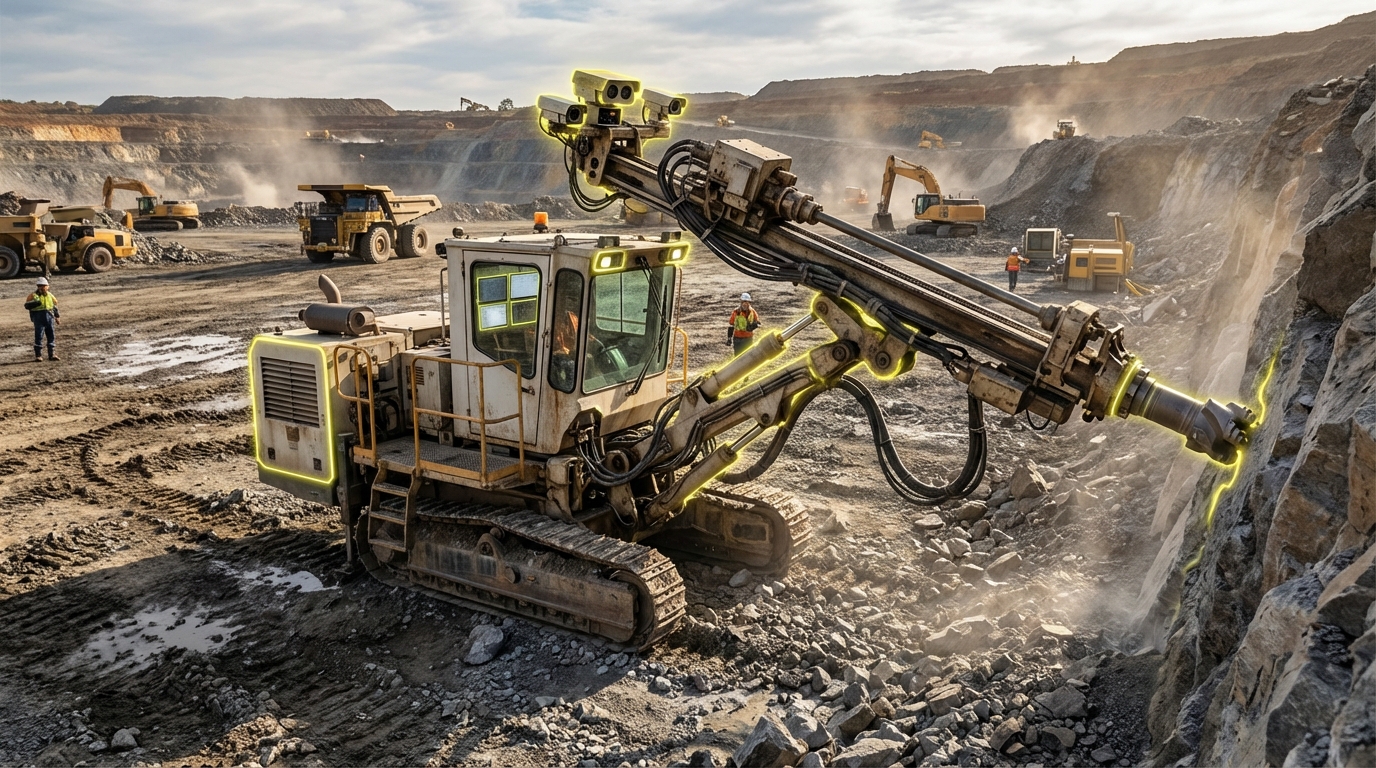
Automated drilling systems using computer vision and robotics to reduce human intervention in extraction
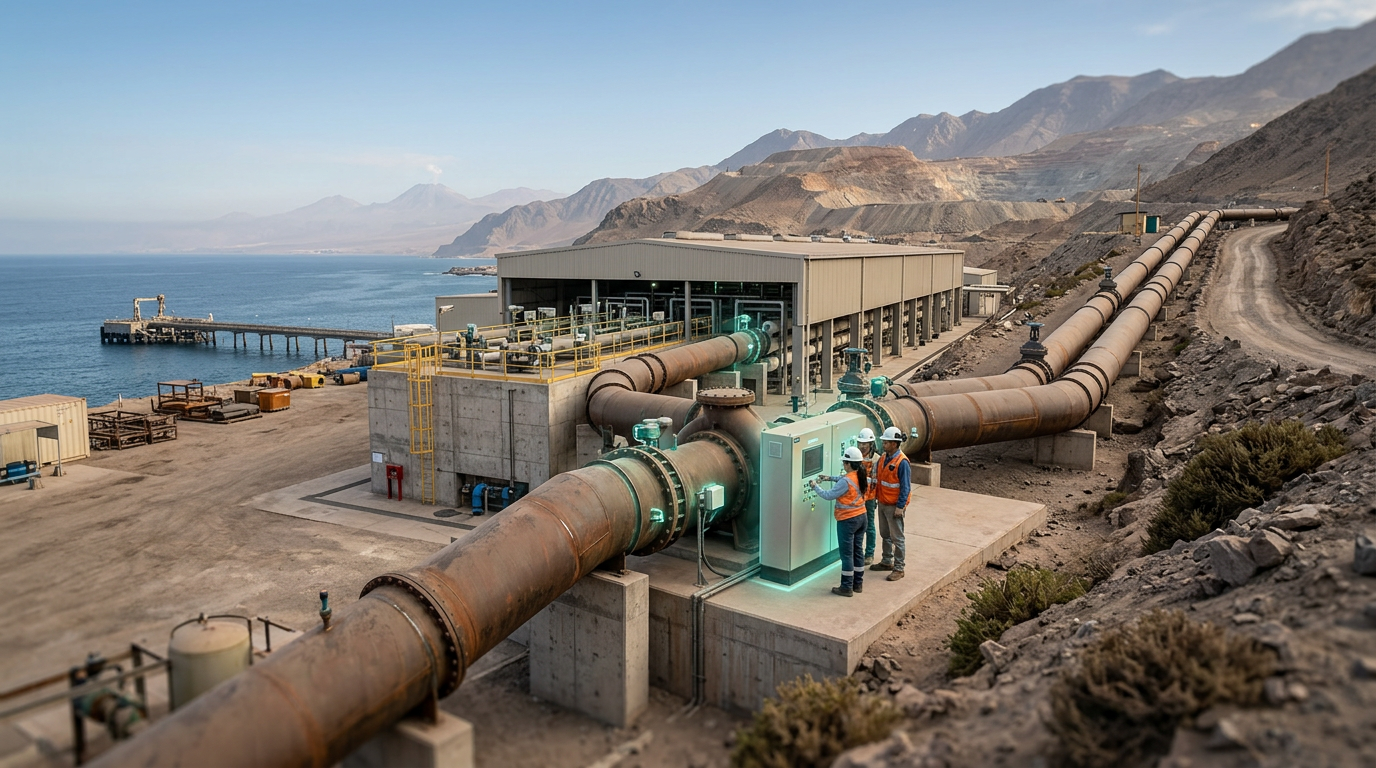
Chilean copper mines increasingly use desalinated seawater pumped to 3,000m+ altitude, with $10B+ in desalination investments to decouple mining from scarce continental freshwater.
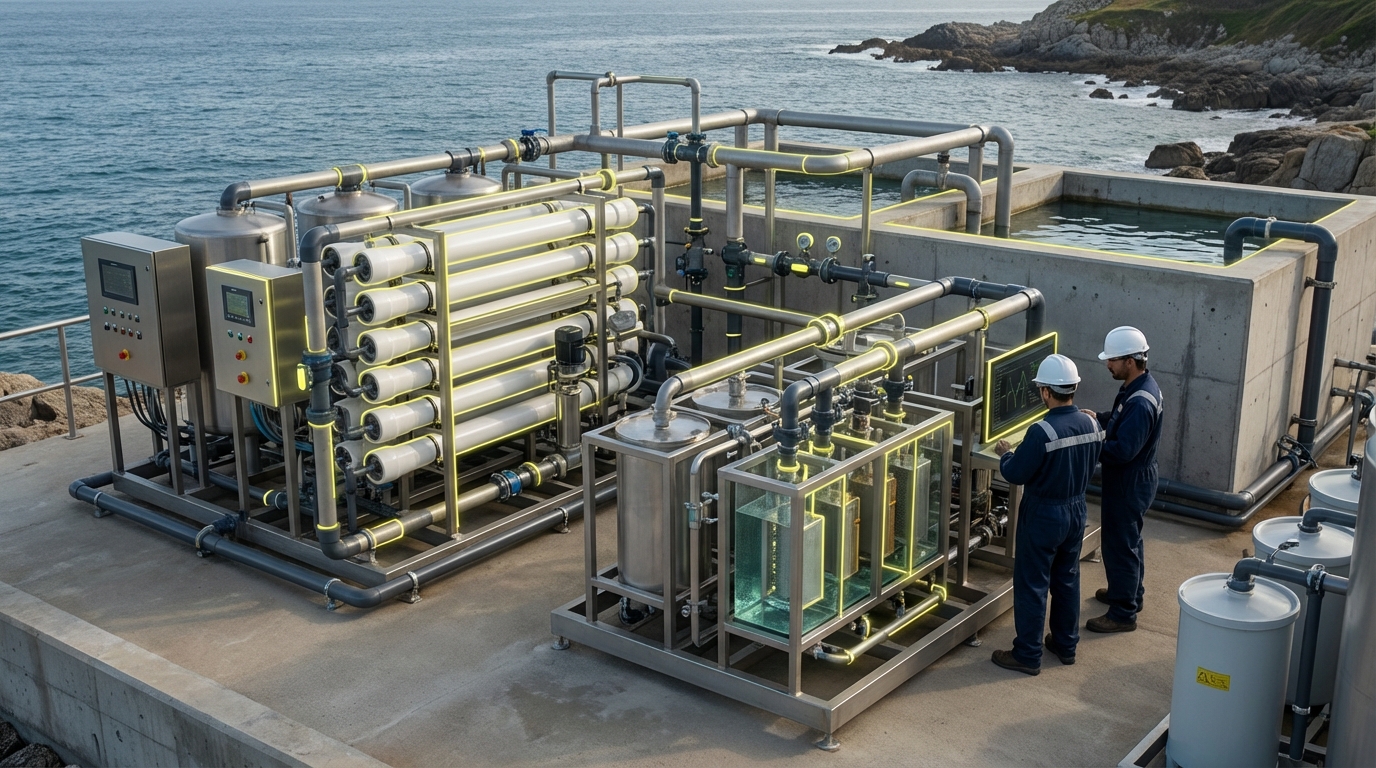
Extracting dissolved minerals like magnesium, lithium, and uranium from ocean water
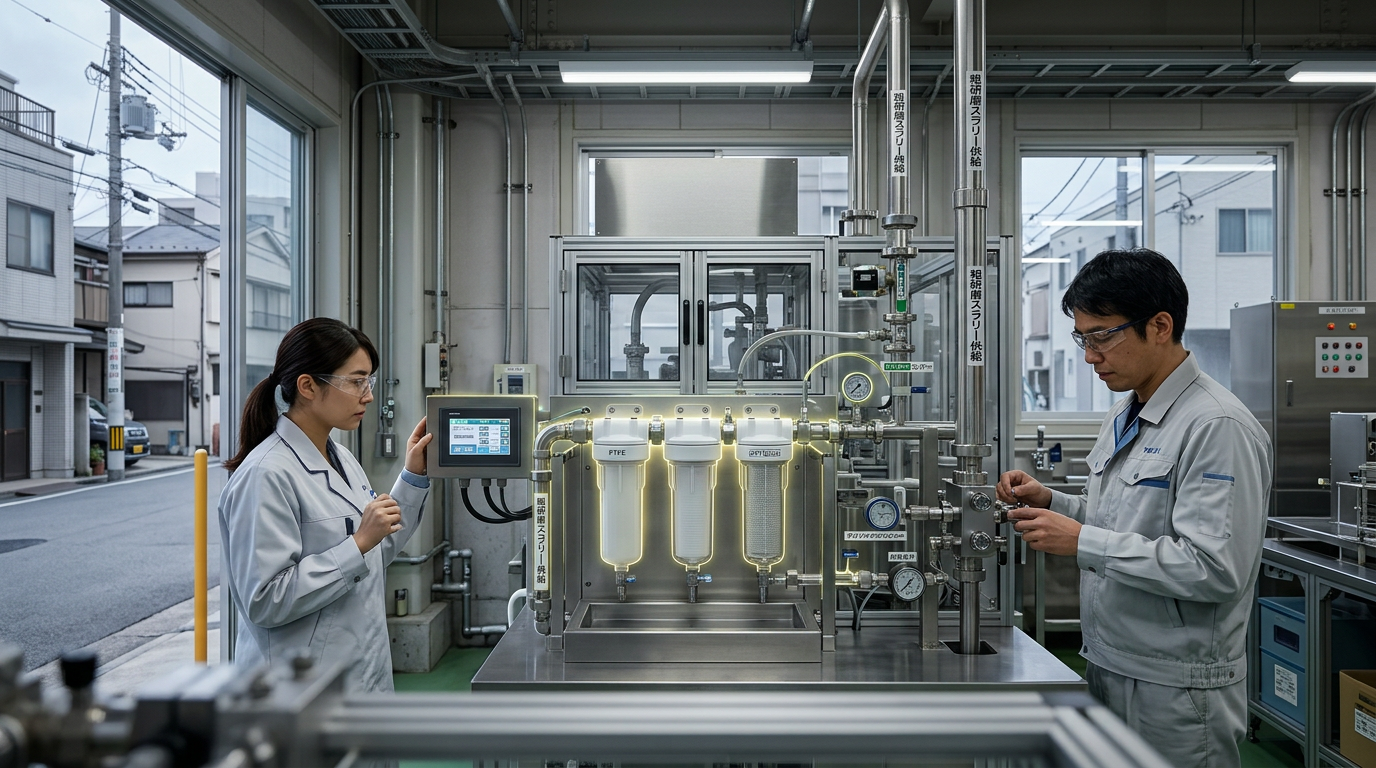
Japanese chemical firms dominate semiconductor process chemicals — CMP slurries (Fujimi), etchants (Stella Chemifa), and cleaning agents — controlling 50%+ of multiple critical segments.
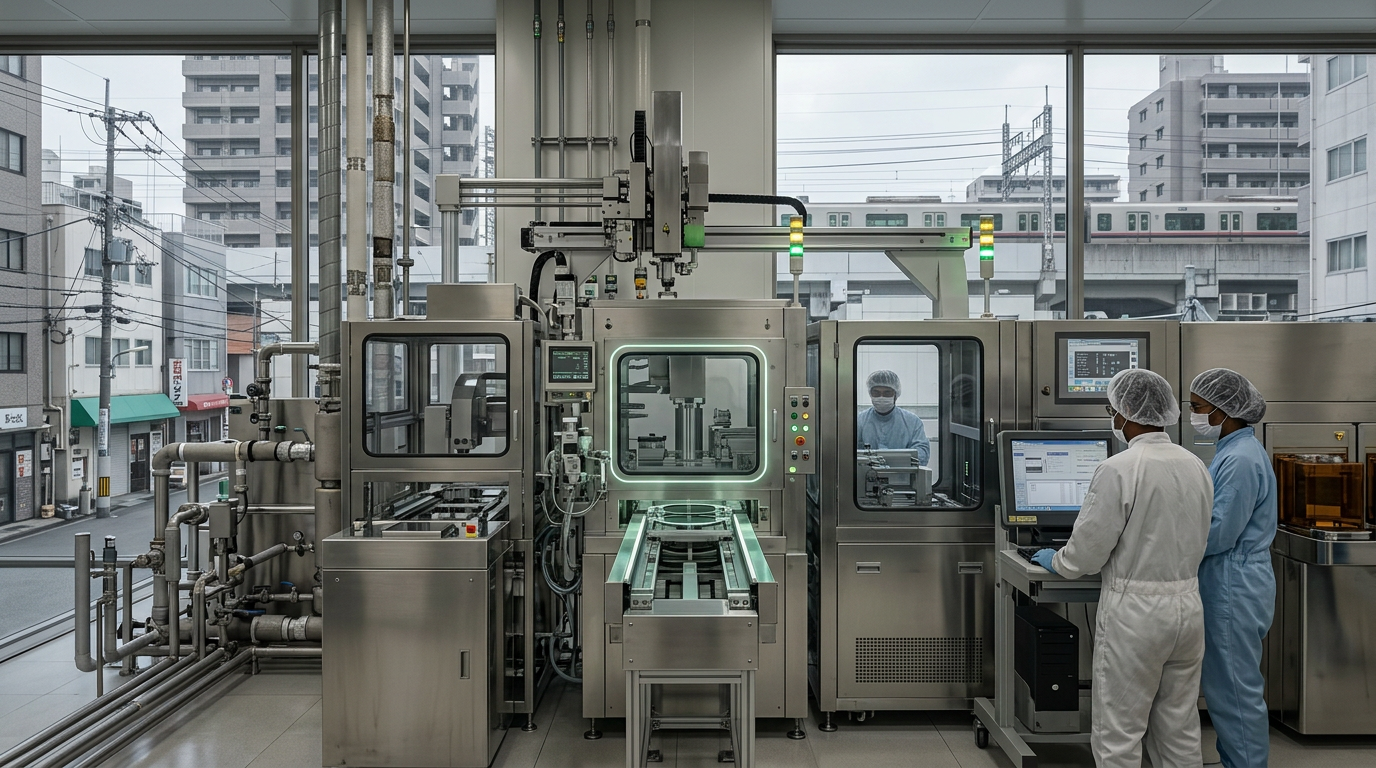
Shin-Etsu Chemical and SUMCO control 53% of global silicon wafer production — the foundational substrate for every semiconductor chip.
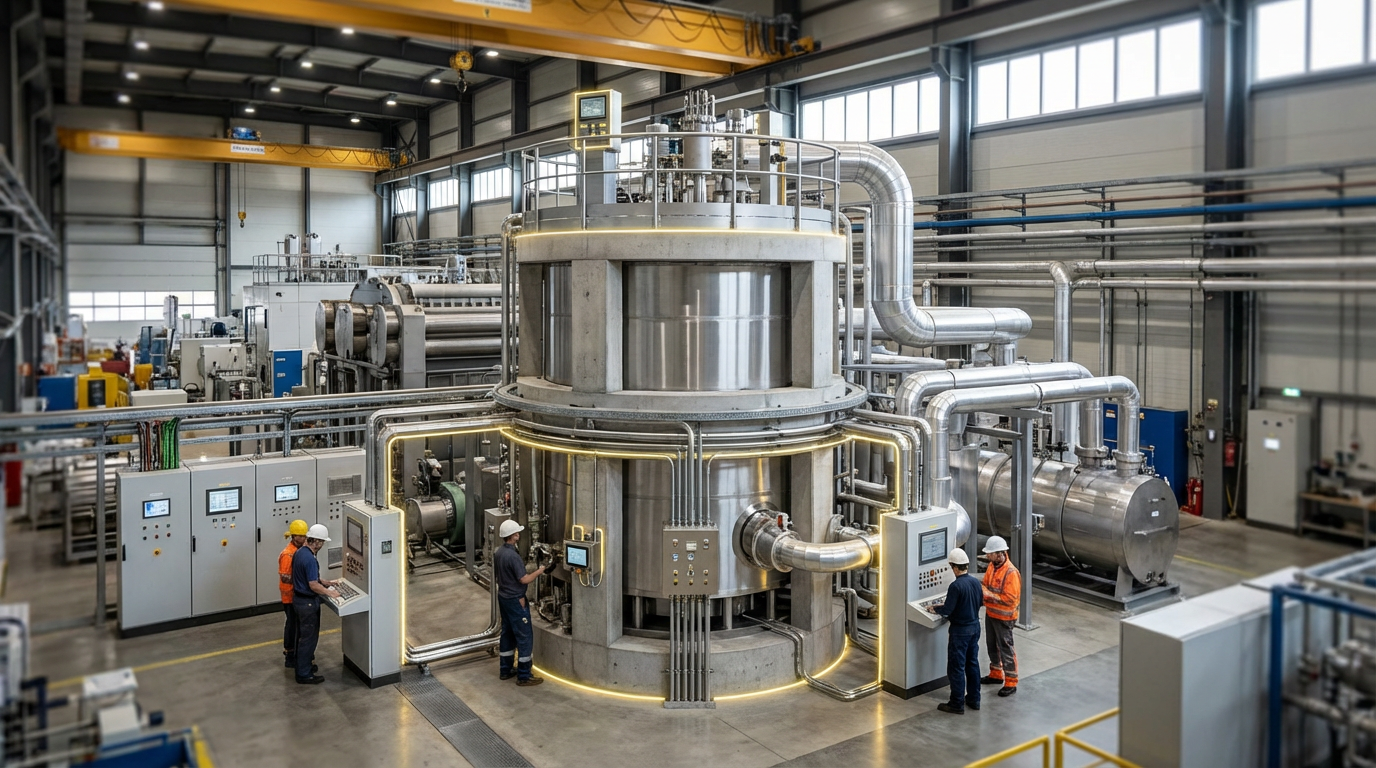
Factory-built nuclear reactors delivering scalable power for remote industrial sites
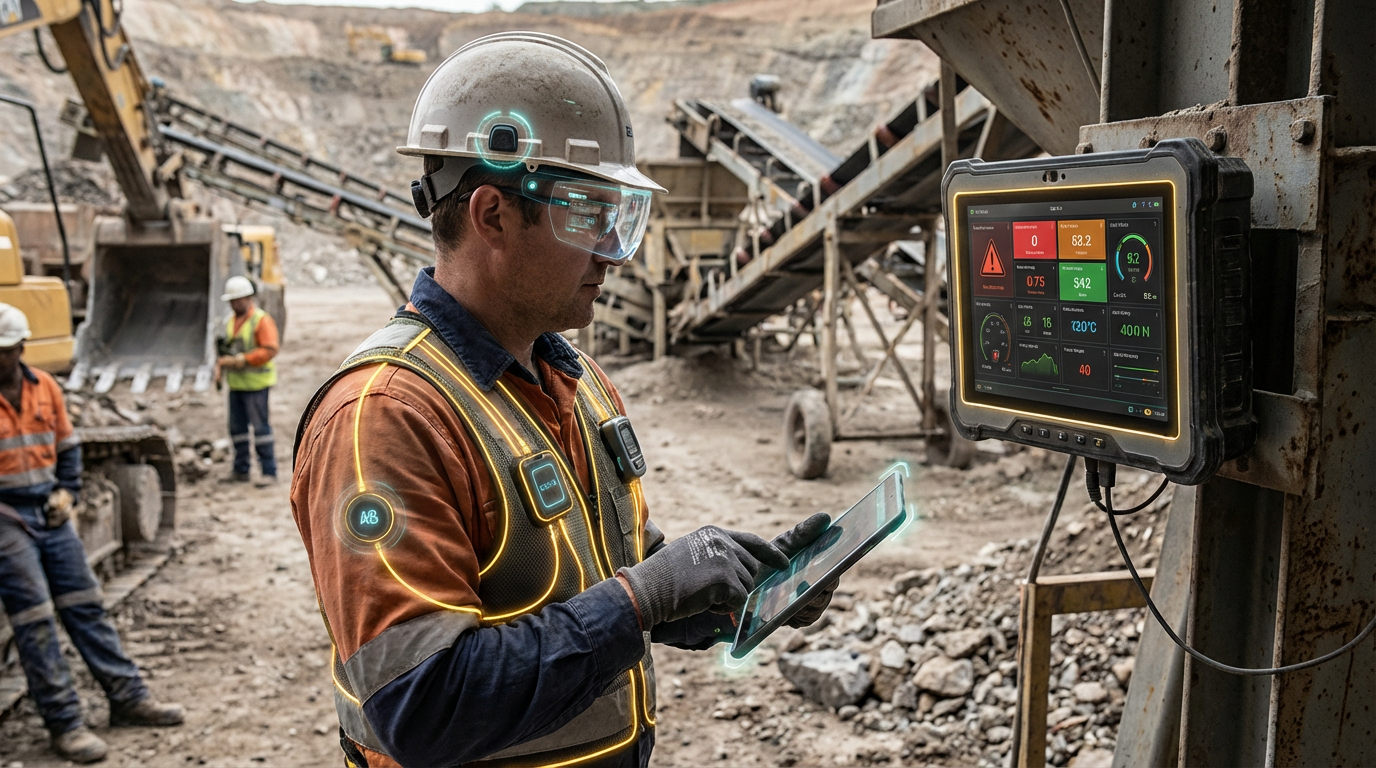
Wearable sensors tracking worker vitals and hazards in real time to prevent industrial accidents
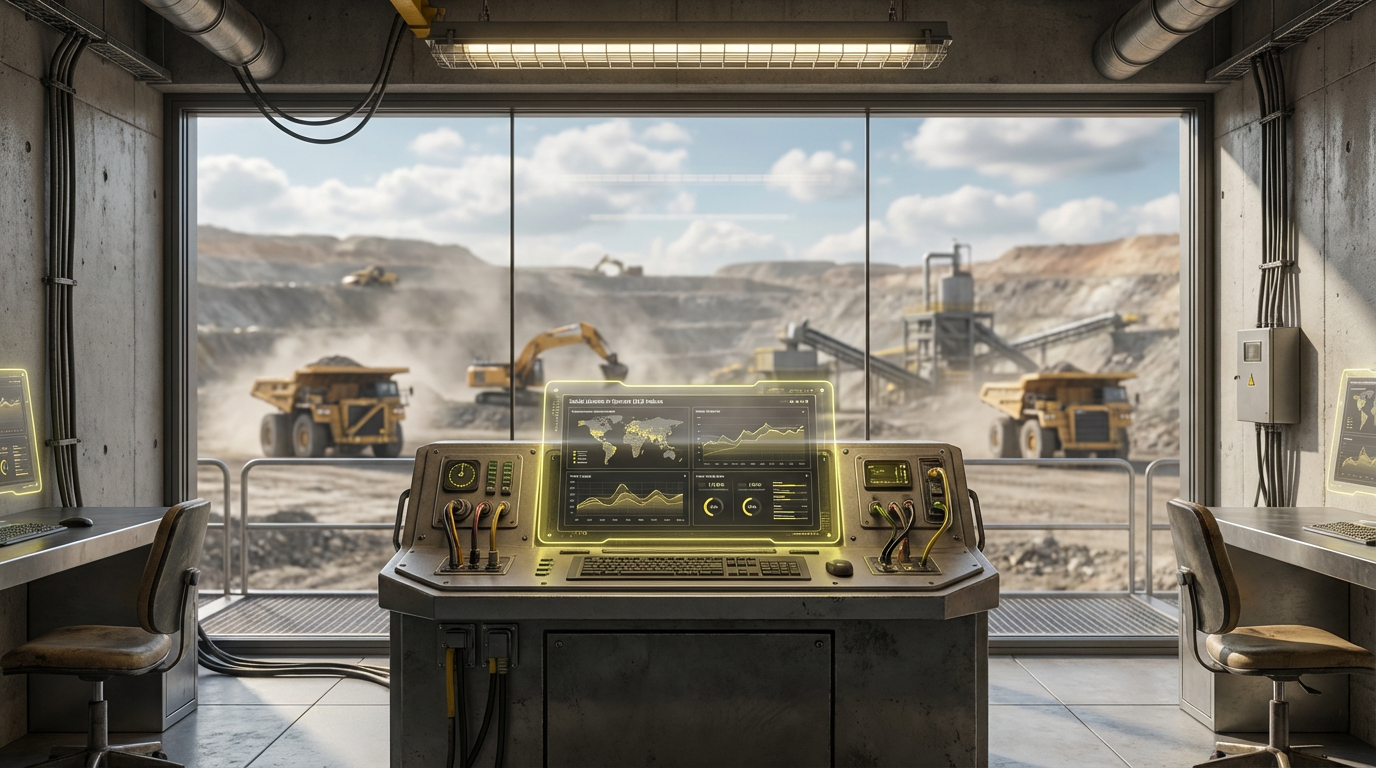
Quantified metrics tracking community acceptance and trust in industrial operations
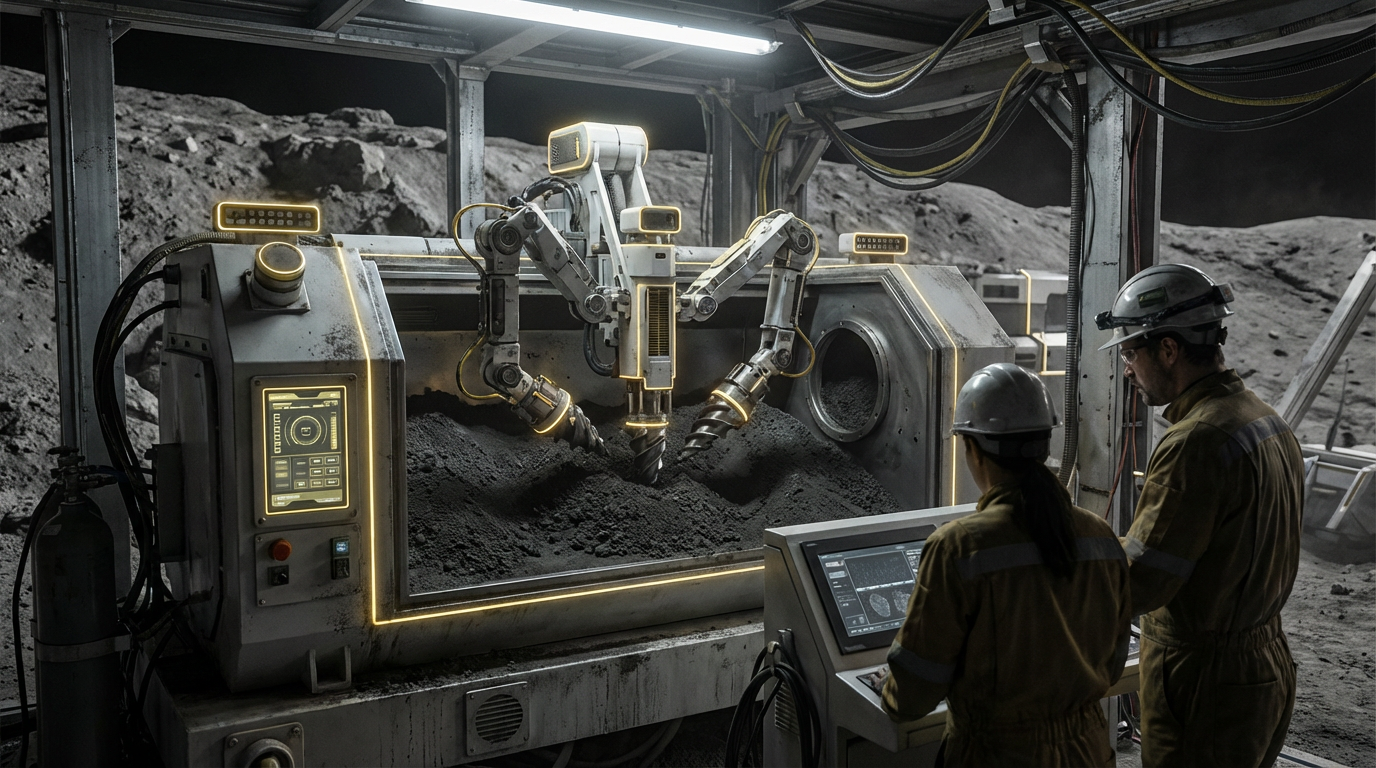
Extracting and processing water, oxygen, and metals directly from lunar and asteroid materials
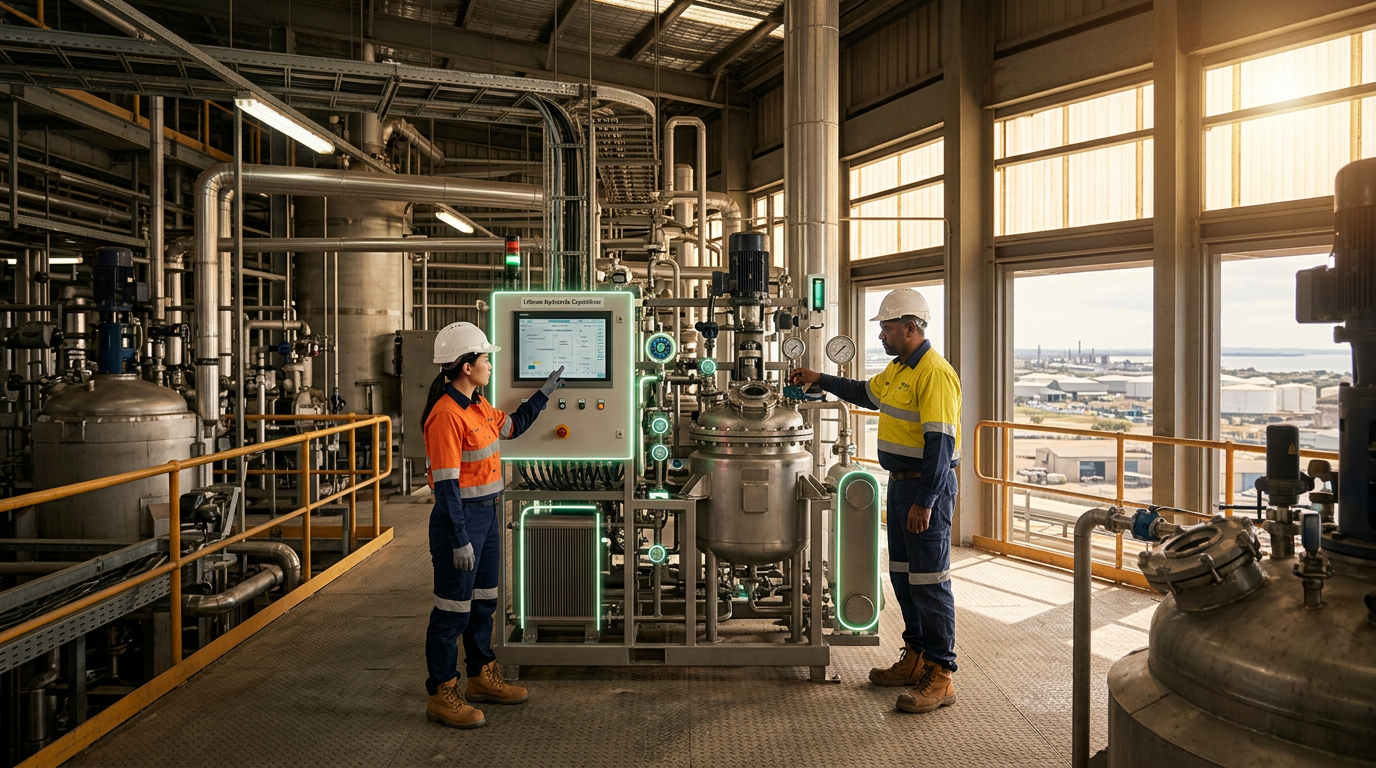
Australia is battling to master lithium hydroxide refining at Kwinana — Tianqi's Phase 2 was terminated in Jan 2025, but the technology race to produce battery-grade LiOH domestically continues.
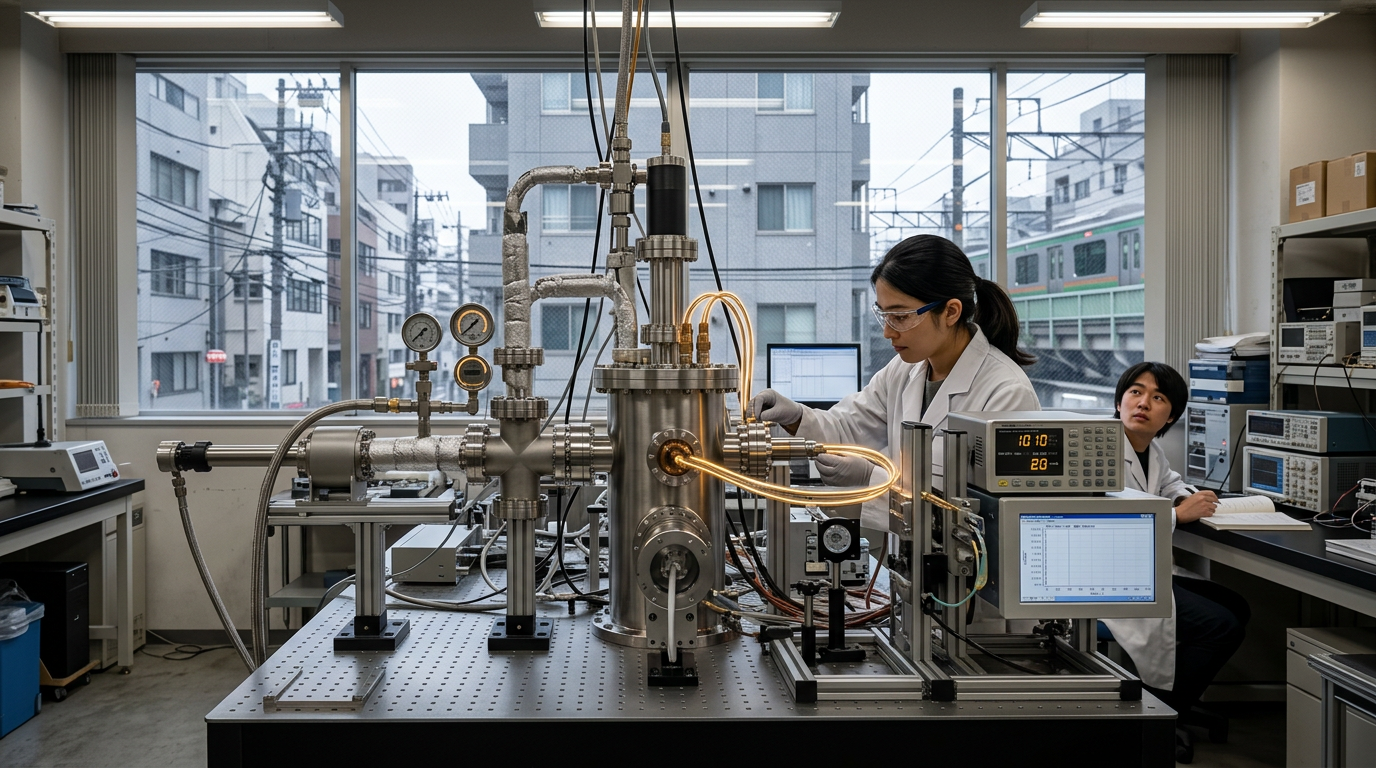
Japan leads in practical superconductor applications — from JT-60SA tokamak magnets to maglev propulsion — with ongoing research into higher-temperature superconducting materials.
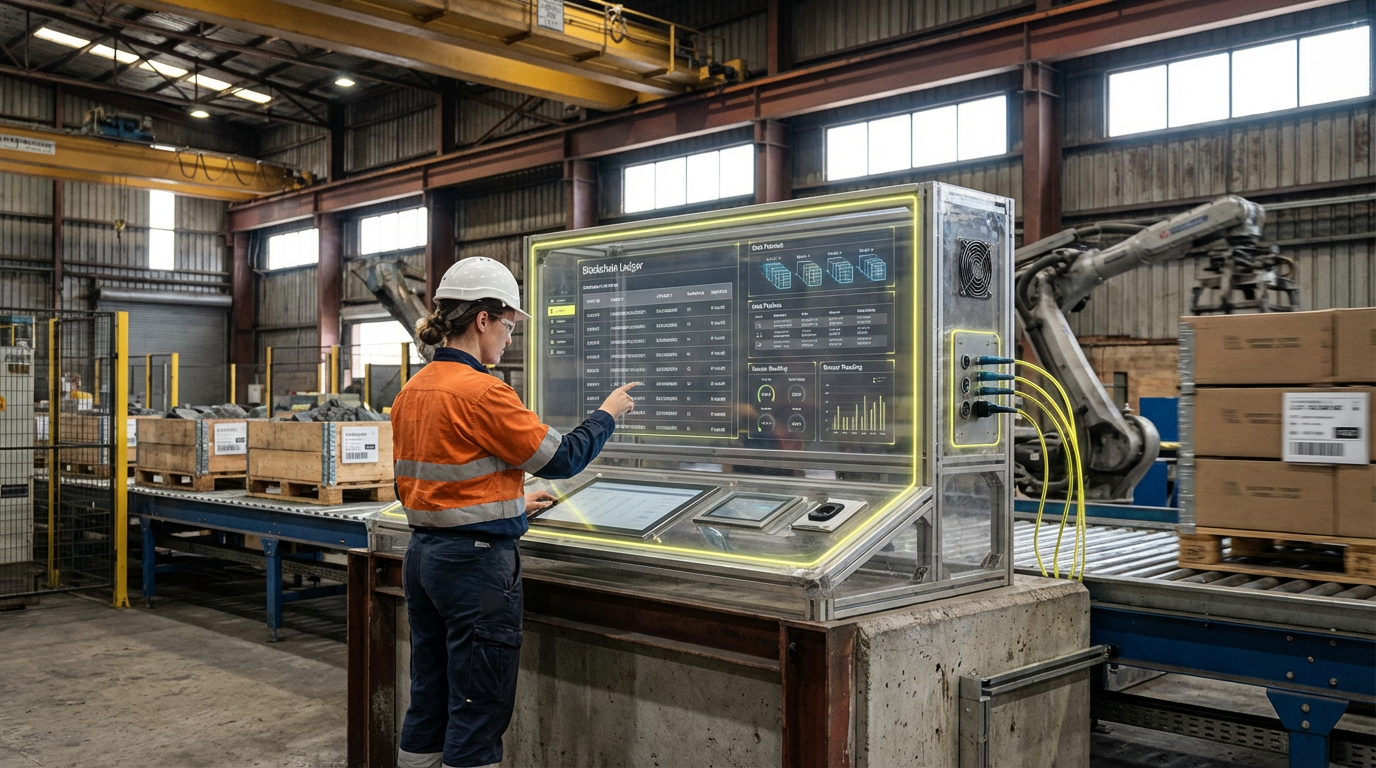
Distributed ledgers tracking materials from extraction to end use, ensuring transparency and compliance
Turn this hub into a team session
Interested in our work?
Newsletter
Follow us for weekly foresight in your inbox.