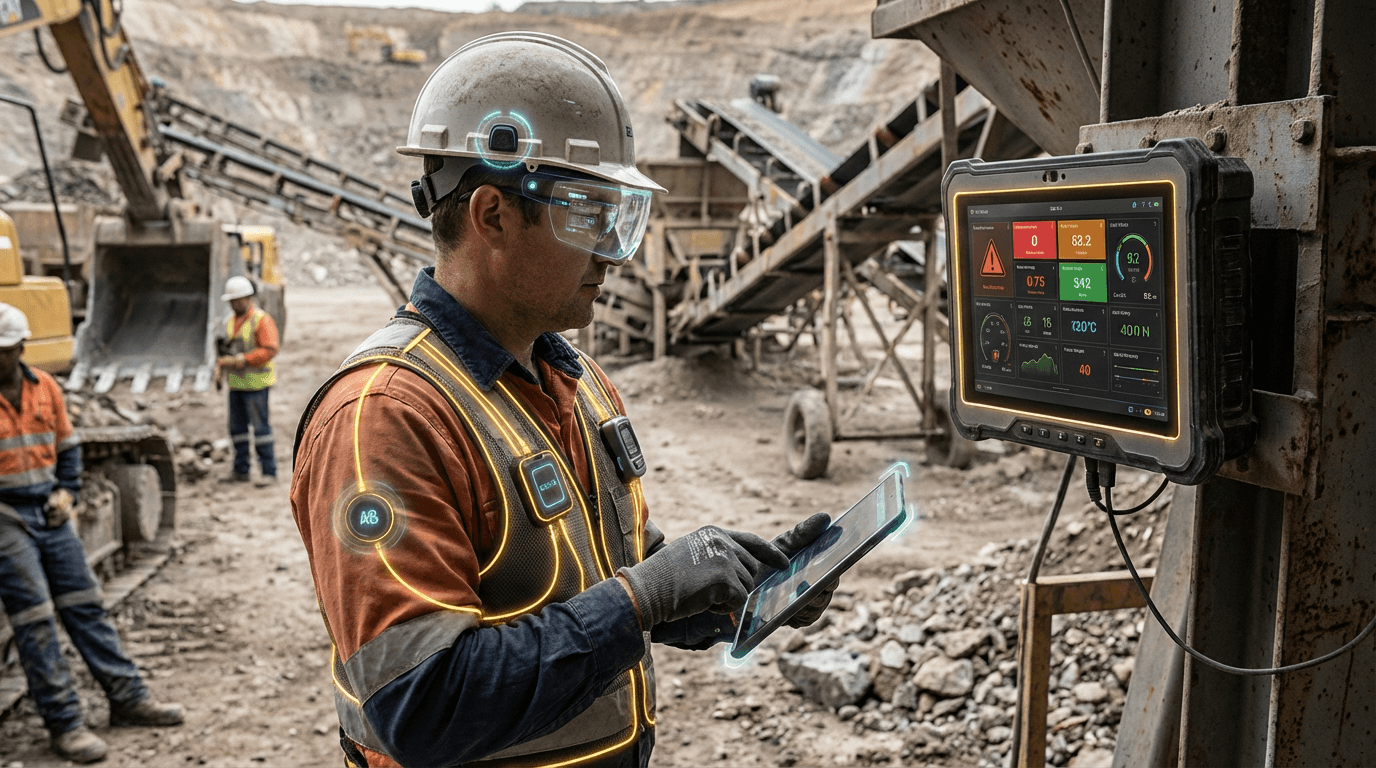
Smart Worker Safety Wearables
Industrial work environments present some of the most hazardous conditions workers face globally, from exposure to toxic gases and extreme temperatures to dangerous noise levels and physical strain. Traditional safety protocols rely heavily on periodic manual checks, static environmental sensors, and reactive incident reporting—approaches that often fail to prevent accidents before they occur. Smart worker safety wearables represent a fundamental shift from reactive to proactive safety management by continuously monitoring both environmental conditions and individual worker physiology. These IoT-enabled devices integrate multiple sensor arrays capable of detecting hazardous gases like carbon monoxide, hydrogen sulfide, and volatile organic compounds, while simultaneously tracking ambient conditions such as temperature, humidity, and noise levels. Advanced models incorporate biometric sensors that monitor heart rate, body temperature, respiration patterns, and even fatigue indicators, creating a comprehensive real-time picture of worker safety status. The data streams from these devices connect wirelessly to centralized monitoring systems, enabling immediate analysis and alert generation when dangerous thresholds are approached or exceeded.
The implementation of smart safety wearables addresses critical gaps in traditional industrial safety frameworks, particularly in sectors like mining, oil and gas extraction, chemical processing, and heavy manufacturing where workers routinely encounter multiple simultaneous hazards. These devices solve the fundamental problem of delayed hazard detection by providing instant warnings directly to workers through haptic feedback, audible alarms, or visual indicators, while simultaneously alerting supervisors and safety personnel to emerging dangers. This dual-notification system enables rapid evacuation or intervention before exposure reaches harmful levels. Beyond immediate hazard prevention, the continuous data collection creates valuable longitudinal health and safety records, allowing companies to identify patterns, optimize work schedules to minimize cumulative exposure, and demonstrate regulatory compliance with occupational health standards. The technology also enables more precise emergency response, as real-time location tracking combined with hazard data helps rescue teams locate and assist workers more effectively during critical incidents.
Early adoption of smart safety wearables has been particularly strong in high-risk industries where regulatory pressure and insurance considerations drive investment in advanced safety systems. Mining operations have deployed these devices to monitor gas concentrations in confined spaces, while petrochemical facilities use them to track worker exposure to toxic substances and extreme heat during maintenance operations. The technology is evolving rapidly, with newer generations incorporating artificial intelligence algorithms that can predict potential safety incidents based on historical patterns and current conditions, moving beyond simple threshold alerts to anticipatory risk management. Integration with broader industrial IoT ecosystems is enabling more sophisticated safety protocols, where wearable data triggers automated responses such as ventilation system activation or equipment shutdown. As the technology matures and costs decrease, adoption is expanding beyond large industrial operators to smaller facilities and contractors, supported by growing regulatory requirements for enhanced worker protection and the increasing availability of cloud-based safety management platforms that reduce implementation complexity. The trajectory points toward these wearables becoming standard equipment across extractive and heavy industries, fundamentally transforming how organizations approach worker safety from a compliance obligation into a data-driven, continuously improving system.
Related Organizations
Connected safety wearables providing gas detection, fall detection, and lone worker monitoring.

wearable device platform that predicts and prevents heat stress, overexertion, and injury.

Global leader in the development, manufacture, and supply of safety products.

Specializes in monitoring Hand Arm Vibration Syndrome (HAVS) and proximity hazards for construction and engineering workers.

Multinational conglomerate operating in aerospace and building technologies.


Creates plug-and-play IoT wearables for worker safety, focusing on collision avoidance and access control in ports and logistics.

Provides wireless IoT connectivity inside steel environments (ships, rigs) for personnel on-board (POB) safety monitoring.

Produces the LifeMonitor system, a chest-worn sensor suite used by US and UK military forces for physiological monitoring.

Develops ruggedized head-mounted tablet devices for industrial frontline workers to access data hands-free.
Supporting Evidence
Research this in Signals
Signals turns a topic into a sourced research record you can inspect and rerun. Your first scan is free, and this one starts with Smart Worker Safety Wearables already loaded, so edit it or scan as is.