Advanced Plastics Recycling (Chemical)
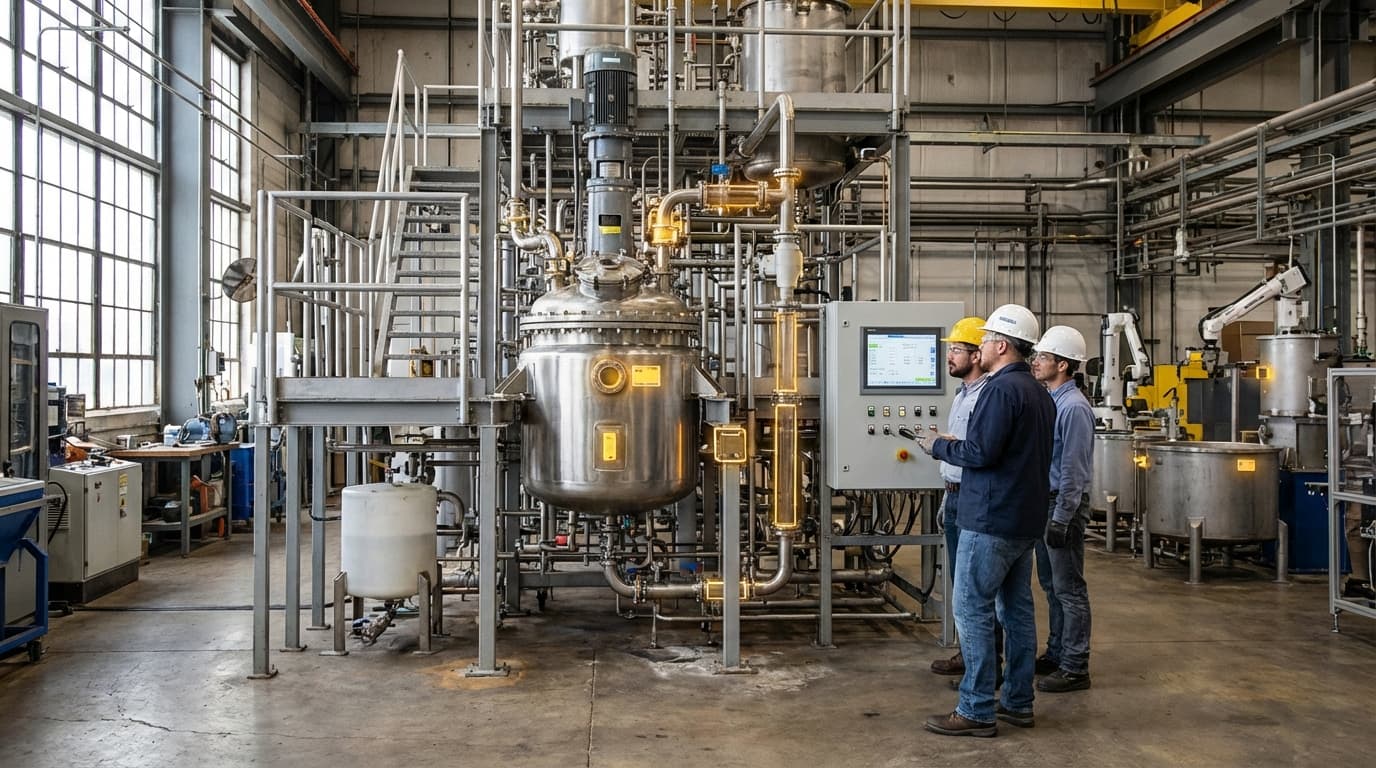
Advanced plastics recycling represents a fundamental shift in how the petrochemical industry addresses the mounting challenge of plastic waste. Traditional mechanical recycling, while valuable, faces inherent limitations: it can only process clean, sorted plastics a limited number of times before polymer chains degrade beyond usefulness, and it struggles with contaminated materials, multi-layer packaging, and mixed plastic streams that constitute the majority of post-consumer waste. Chemical recycling technologies—encompassing pyrolysis, gasification, and catalytic depolymerization—overcome these constraints by breaking polymer chains down to their molecular building blocks. Pyrolysis applies controlled heat in oxygen-free environments to crack long-chain hydrocarbons into shorter molecules, yielding oils and waxes that can be refined into new plastics or fuels. Gasification converts plastics into synthesis gas (syngas), a mixture of hydrogen and carbon monoxide that serves as a versatile chemical feedstock. Catalytic depolymerization uses specific catalysts to selectively cleave polymer bonds, returning materials like PET or polystyrene to their original monomers with remarkable purity.
The industrial implications of these technologies extend far beyond waste management. For petrochemical producers, chemical recycling offers a pathway to reduce dependence on virgin fossil feedstocks while maintaining product quality standards that mechanical recycling cannot match. This addresses a critical industry challenge: as regulatory pressure mounts and corporate sustainability commitments intensify, chemical companies need alternatives to linear "take-make-dispose" models. Chemical recycling enables true circularity in plastic value chains, transforming what was previously considered unrecyclable waste into virgin-equivalent raw materials. The technology also unlocks economic value in waste streams that would otherwise be destined for landfills or incineration, creating new revenue opportunities while reducing the environmental footprint of plastics production. For industries reliant on high-performance plastics—from automotive to medical devices—chemical recycling provides recycled content without compromising material properties.
Early commercial deployments are already emerging across North America, Europe, and Asia, with major petrochemical companies establishing pilot facilities and forming partnerships with waste management firms. Several plants now process tens of thousands of tonnes annually, demonstrating technical viability at industrial scale. The technology shows particular promise for tackling problematic waste categories like flexible packaging, which represents a significant portion of plastic pollution but has historically defied recycling efforts. However, challenges remain around energy intensity, process economics, and the need for consistent feedstock quality. Industry analysts note that as carbon pricing mechanisms expand and virgin plastic production faces stricter regulation, the economic case for chemical recycling continues to strengthen. The trajectory points toward integration of these technologies into existing petrochemical infrastructure, where recycled feedstocks could flow alongside conventional inputs, fundamentally reshaping how the industry sources its raw materials and positioning chemical recycling as a cornerstone of the transition toward sustainable plastics systems.
Related Organizations

Specializes in the pyrolysis of difficult-to-recycle post-use plastics, particularly polystyrene, back into styrene monomer.

Focuses on depolymerizing PET plastic and polyester fiber into base monomers (DMT and MEG) for infinite recycling.

Uses Thermal Anaerobic Conversion (TAC) technology to transform end-of-life plastics into Tacoil, a feedstock for making new virgin-quality plastics.

Develops enzymatic recycling processes to break down PET plastics and fibers into monomers.

Developer of HydroPRS (Hydrothermal Plastic Recycling Solution), which uses supercritical water to convert plastics into oil.

Converts landfill-bound plastics into circular feedstocks for plastics production using pyrolysis.

Uses a solvent-based purification process licensed from P&G to restore waste polypropylene (PP) to virgin-like quality.

Operates large-scale plastics renewal facilities that convert mixed plastics into ultra-low sulfur diesel and naphtha.

Operates commercial-scale molecular recycling facilities using methanolysis to break down polyesters.
Chemical giant producing Elastopave, a polyurethane binder system for stable, water-permeable stone surfaces.
Supporting Evidence
Research this in Signals
Signals turns a topic into a sourced research record you can inspect and rerun. Your first scan is free, and this one starts with Advanced Plastics Recycling (Chemical) already loaded, so edit it or scan as is.