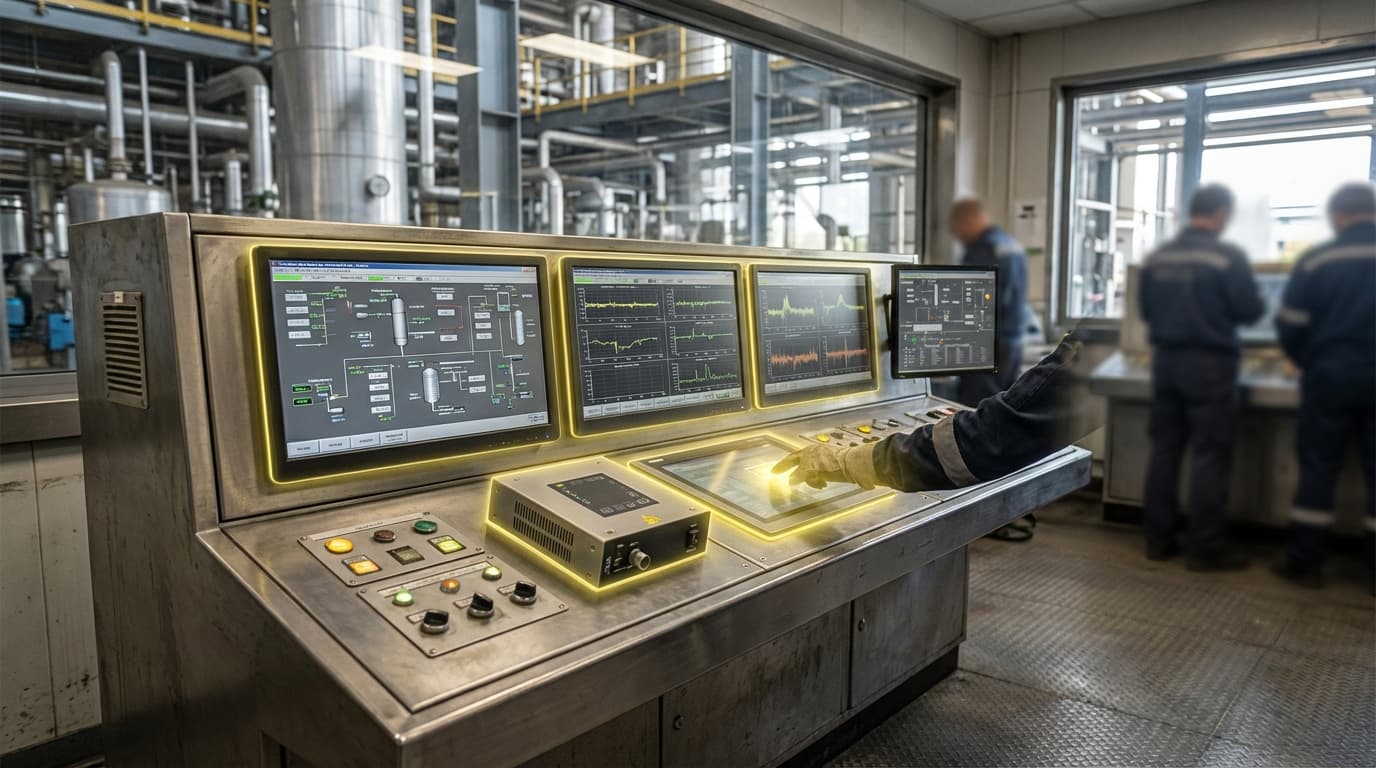
Process Optimization Algorithms
The extractive and heavy industries face an enduring challenge: how to extract maximum value from raw materials while minimizing waste, energy consumption, and environmental impact. Traditional process control in refineries, smelters, and chemical plants relies on fixed setpoints and manual adjustments based on operator experience. However, the complex, nonlinear nature of metallurgical and chemical reactions means that optimal conditions shift constantly based on feedstock composition, equipment wear, ambient conditions, and dozens of other variables. Process optimization algorithms address this challenge through advanced computational methods that can model these intricate systems and identify ideal operating parameters in real-time. These algorithms employ techniques ranging from classical mathematical optimization and control theory to machine learning approaches that can discover patterns in historical process data. By creating detailed digital models of extraction and refining operations, these systems can predict how changes to input variables—temperature gradients in a blast furnace, reagent concentrations in flotation cells, or pressure profiles in catalytic crackers—will affect output quality, throughput, and resource consumption.
The industrial implications extend far beyond incremental efficiency gains. In mineral processing, even a one or two percent improvement in recovery rates can translate to millions of dollars in additional revenue from the same ore body, effectively extending mine life and reducing the need for new extraction sites. For energy-intensive processes like aluminum smelting or ammonia synthesis, optimization algorithms that reduce power consumption by single-digit percentages can significantly lower operating costs and carbon footprints. These systems also enable plants to handle more variable feedstocks—a critical capability as high-grade ore deposits become depleted and processors must work with increasingly complex or lower-quality inputs. Furthermore, optimization algorithms support predictive maintenance by detecting subtle process deviations that indicate equipment degradation, preventing costly unplanned shutdowns. The technology facilitates a shift from reactive to proactive operations, where process conditions are continuously refined rather than adjusted only when problems arise.
Major mining companies and chemical producers have begun deploying these systems across their operations, with early implementations demonstrating measurable improvements in both economic and environmental performance. Modern deployments often integrate multiple data streams—from sensors monitoring chemical composition and flow rates to computer vision systems tracking physical characteristics of materials—creating comprehensive process models that update continuously. The trajectory points toward increasingly autonomous operations where algorithms not only recommend optimal settings but implement them directly, subject to safety constraints and human oversight. As computational power grows and machine learning techniques mature, these systems are expected to handle ever more complex optimization problems, including multi-objective scenarios that balance competing priorities like throughput, quality, cost, and emissions. This evolution aligns with broader industry trends toward digitalization and the concept of the "smart plant," where data-driven decision-making replaces intuition and rule-of-thumb approaches that have dominated heavy industry for generations.
Related Organizations

A global leader in industrial software, providing solutions for asset optimization and autonomous plant operations.

Provides AI-based decision-making platforms specifically for the mining and metals industry.

Metso
Finland · Company
Major mining OEM offering bulk ore sorting solutions as part of their 'Planet Positive' portfolio.

Provides 'White Box AI' software that explains the root causes of production issues and recommends parameter changes to optimize quality.

Industrial automation leader offering FactoryTalk Analytics, which uses ML to identify equipment anomalies.

Advanced analytics software for process manufacturing data.

Deep learning platform for process control in refining and chemical plants.

Orica
Australia · Company
The world's largest provider of commercial explosives and blasting systems, which has heavily invested in ground monitoring technologies (including acquiring GroundProbe).

International technology group supplying plants and systems for nonwovens and textile production.

Data analytics firm helping mining companies leverage data for operational improvements.
Supporting Evidence
Research this in Signals
Signals turns a topic into a sourced research record you can inspect and rerun. Your first scan is free, and this one starts with Process Optimization Algorithms already loaded, so edit it or scan as is.