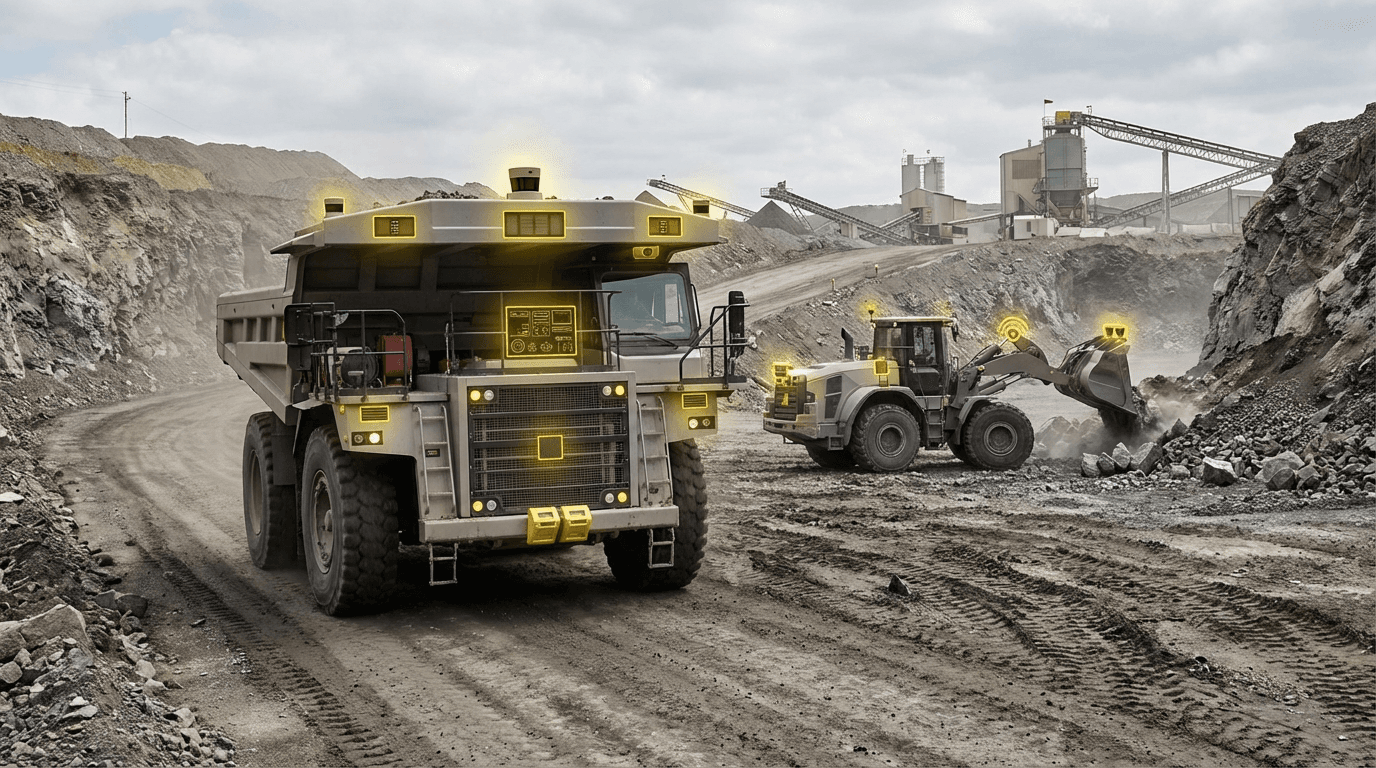
Autonomous Haulage Systems
Autonomous Haulage Systems represent a fundamental shift in how materials are transported within mining operations, replacing human-operated heavy machinery with self-navigating vehicles capable of executing complex haulage tasks. These systems integrate multiple sensing technologies—including LiDAR for three-dimensional environmental mapping, GPS for precise positioning, radar for obstacle detection, and onboard cameras for visual confirmation—to create a comprehensive understanding of the mining environment. The vehicles process this sensory data through sophisticated algorithms that enable real-time decision-making, path planning, and collision avoidance. Unlike conventional automation that follows fixed routes, modern autonomous haulage can adapt to changing pit conditions, navigate around temporary obstacles, and coordinate with other autonomous and human-operated equipment. The technology relies on high-bandwidth wireless networks to maintain constant communication with central control systems, allowing fleet management software to optimize routing, monitor vehicle health, and coordinate loading and dumping sequences across dozens of machines simultaneously.
The mining industry faces persistent challenges that autonomous haulage directly addresses: operator safety in hazardous environments, labor shortages in remote locations, and the economic pressure to maximize equipment utilization. By removing drivers from massive haul trucks—some carrying payloads exceeding 300 tonnes—these systems eliminate exposure to risks including vehicle rollovers, collisions, and long-term health impacts from vibration and dust. The technology enables mines to maintain consistent production levels regardless of shift changes, fatigue, or workforce availability, a critical advantage for operations in isolated regions where recruiting qualified operators proves difficult. Furthermore, autonomous systems execute driving patterns with a level of consistency impossible for human operators, reducing fuel consumption through optimized acceleration profiles, minimizing tire wear through precise steering, and extending component life by eliminating the variability inherent in human operation. This precision translates directly to lower operating costs per tonne of material moved, a crucial metric in an industry where profit margins often depend on incremental efficiency gains.
Major mining operations have moved beyond pilot programs to full-scale autonomous fleets, with some sites operating hundreds of driverless trucks across multiple pits. Early deployments indicate productivity improvements of 15-20% compared to conventional operations, driven primarily by increased equipment availability and consistent operating speeds. The technology has proven particularly valuable in iron ore and coal operations, where large-scale, open-pit configurations provide the relatively structured environments where autonomous systems excel. However, the industry continues to refine the technology's ability to handle more complex scenarios, including mixed fleets where autonomous and human-operated equipment work in proximity, underground applications where GPS signals are unavailable, and dynamic conditions such as variable weather or rapidly changing pit geometries. As mining companies face mounting pressure to improve safety records, reduce environmental impact, and maintain competitiveness amid fluctuating commodity prices, autonomous haulage systems are becoming not merely an operational enhancement but a strategic necessity for future-focused operations.
Related Organizations

Industrial giant using thermoelectric generators via its subsidiary KELK to harvest waste heat in steel and manufacturing plants.

Spun out of Atlas Copco, Epiroc specializes in mining equipment and provides extensive automation solutions for underground loaders and trucks.

Global metals and green energy company developing massive green hydrogen and ammonia projects worldwide through its energy division.

Provides autonomous vehicle software for mining and construction equipment.


A developer of vendor-agnostic autonomous vehicle software and hardware systems for mining, farming, and automotive testing.

A major equipment manufacturer that has developed its own autonomous haulage solution, recently partnering with Fortescue to develop zero-emission autonomous trucks.

An autonomous driving startup focused on off-road and industrial environments, offering a simplified autonomy stack for haul trucks.

Major manufacturer of heavy trucks and buses, actively testing MCS on their next-generation electric trucks.
Supporting Evidence
Research this in Signals
Signals turns a topic into a sourced research record you can inspect and rerun. Your first scan is free, and this one starts with Autonomous Haulage Systems already loaded, so edit it or scan as is.