Direct Air Electrowinning
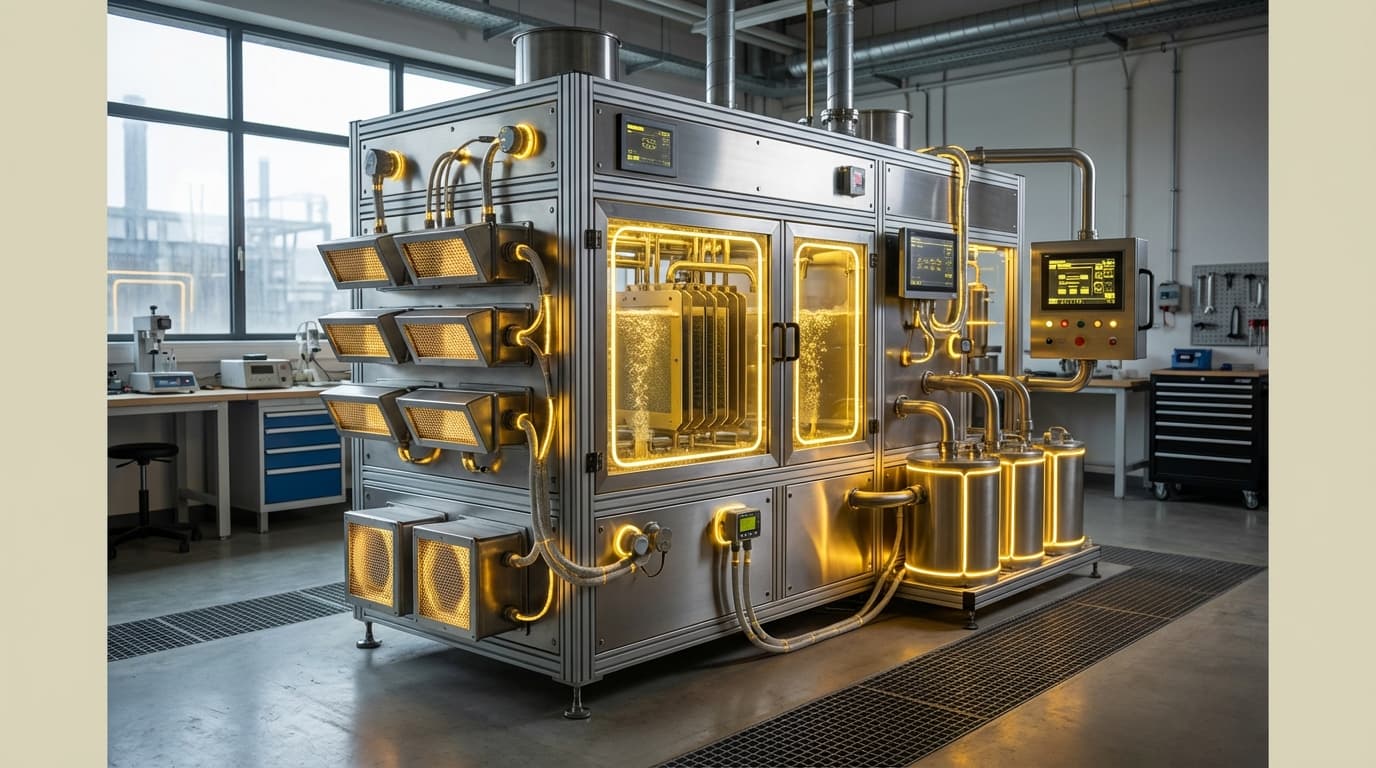
Direct air electrowinning represents a paradigm shift in how the chemical industry sources its fundamental building blocks. This technology combines direct air capture (DAC) systems with electrochemical conversion processes to transform atmospheric carbon dioxide into valuable industrial chemicals such as ethylene, syngas, methanol, and other feedstock materials. The process works by first extracting CO2 from ambient air using chemical sorbents or membrane systems, then feeding this captured carbon into an electrochemical reactor where electrical energy drives reduction reactions. Within these reactors, carefully designed catalysts—often based on copper, silver, or other transition metals—facilitate the breaking of carbon-oxygen bonds and the formation of new carbon-carbon or carbon-hydrogen bonds. Unlike traditional carbon capture approaches that merely sequester CO2, electrowinning actively converts it into molecules that can directly substitute for petroleum-derived chemicals, effectively closing the carbon loop.
The petrochemical industry faces mounting pressure to reduce its carbon footprint while meeting growing global demand for plastics, solvents, and chemical intermediates. Conventional production routes rely heavily on fossil fuel feedstocks, particularly natural gas and crude oil fractions, making the sector responsible for a substantial portion of industrial greenhouse gas emissions. Direct air electrowinning addresses this challenge by decoupling chemical production from fossil extraction, offering a pathway to manufacture essential materials using renewable electricity and atmospheric carbon. This approach overcomes the geographic limitations of point-source carbon capture, which requires proximity to concentrated emission sources like power plants or cement facilities. By utilizing ambient air as the carbon source, electrowinning facilities can be located near renewable energy installations or existing chemical infrastructure, optimizing both energy costs and distribution logistics. The technology also enables the chemical industry to participate in carbon removal efforts while maintaining production capacity, transforming what was previously considered waste into a valuable resource.
Research institutions and early-stage companies have demonstrated the technical feasibility of direct air electrowinning at laboratory and pilot scales, with several ventures now working toward commercial deployment. Early applications focus on high-value chemicals where the premium pricing can offset current production costs, which remain higher than conventional routes due to energy requirements and capital intensity. Industry analysts note that continued improvements in catalyst efficiency, reactor design, and the declining cost of renewable electricity are steadily improving the economic viability of these systems. The technology aligns with broader industrial trends toward electrification and circular carbon economies, where materials are continuously recycled rather than extracted and discarded. As carbon pricing mechanisms expand and regulatory frameworks increasingly favor low-carbon production methods, direct air electrowinning is positioned to transition from niche applications to mainstream chemical manufacturing, potentially reshaping the foundational economics of the petrochemical sector while contributing to atmospheric carbon reduction goals.
Related Organizations

Creates carbon-negative alcohols and fuels by converting captured CO2 using renewable electricity.

Carbon transformation company using CO2 electrolysis to produce E-Jet fuel and materials.
CERT Systems
Canada · Startup
Developing membrane electrode assembly electrolyzers to convert CO2 into chemical feedstocks like ethylene and ethanol.

Creates systems that use concentrated sunlight and catalysts to break down CO2 and water into syngas for fuel production.
Develops anion exchange membranes and electrolyzers for CO2 conversion.

Develops cobalt-based catalysts for the direct electrochemical conversion of CO2 into methanol and other fuels at ambient temperature and pressure.

Operates the world's first renewable methanol plant, converting CO2 and hydrogen into e-methanol for fuel and chemical applications.

Maintains the efficiency charts for solar cells and conducts foundational research on perovskite stability.

Chemical engineering company providing solid oxide electrolyzers and synthesis technologies for e-fuels.
Provides HVDC Plus technology (VSC) and transformers for ultra-high-voltage transmission projects globally.
Supporting Evidence
Research this in Signals
Signals turns a topic into a sourced research record you can inspect and rerun. Your first scan is free, and this one starts with Direct Air Electrowinning already loaded, so edit it or scan as is.