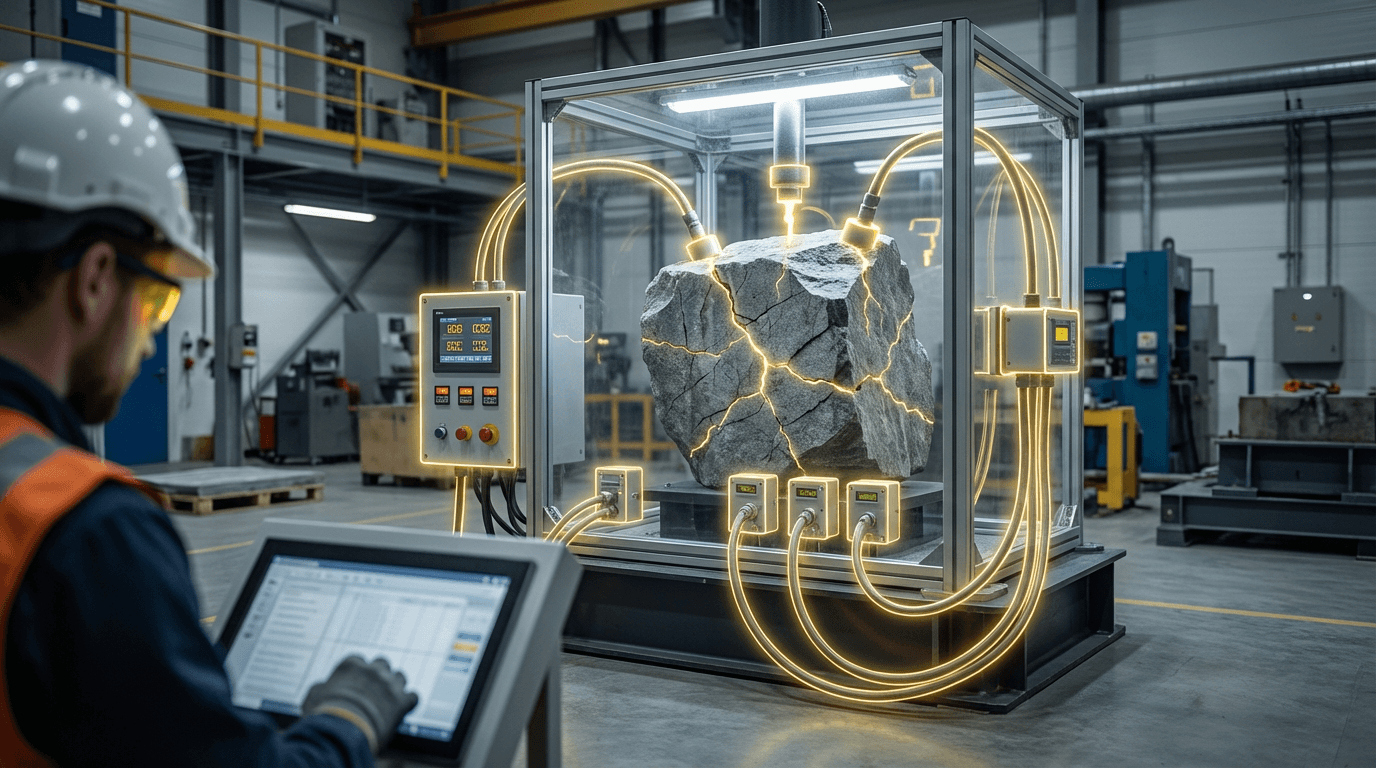
Electric Pulse Fragmentation Systems
Electric Pulse Fragmentation (EPF) represents a fundamental departure from conventional mechanical crushing methods by applying high-voltage electrical pulses directly to ore bodies. The technology operates by generating extremely short bursts of electrical energy—typically in the range of 100 to 300 kilovolts—that create plasma channels within the rock matrix. These plasma channels generate intense pressure waves that propagate through the material, preferentially fracturing along natural grain boundaries and mineral interfaces rather than indiscriminately shattering the entire rock mass. The selective nature of this fragmentation stems from the varying electrical conductivity and dielectric properties of different minerals, allowing the electrical discharge to follow paths of least resistance through the ore structure. This targeted approach to comminution fundamentally differs from conventional jaw crushers, cone crushers, and ball mills, which apply brute mechanical force that often fractures valuable minerals themselves rather than liberating them cleanly from surrounding gangue material.
The mining and mineral processing industries face mounting pressure to reduce energy consumption while improving mineral recovery rates, challenges that EPF directly addresses. Traditional mechanical comminution accounts for approximately 3-4% of global electricity consumption, with grinding circuits alone representing the single largest energy expense in most mineral processing operations. By breaking ore along natural weaknesses rather than forcing fractures through mineral grains, EPF systems can reduce the energy required for subsequent grinding stages by 20-30% while simultaneously improving the liberation of valuable minerals. This enhanced liberation translates to higher recovery rates in downstream flotation or leaching processes, as target minerals are more completely separated from waste rock. The technology also generates less fine material—the dust-sized particles that complicate tailings management and represent lost value—creating a more favorable size distribution for subsequent processing steps. For operations processing hard, competent ores or those containing delicate minerals prone to over-grinding, EPF offers a pathway to improved metallurgical performance alongside reduced operational costs.
Several mining operations and equipment manufacturers have begun pilot-scale deployments of EPF technology, particularly for processing high-value ores where improved liberation justifies capital investment in novel equipment. Research suggests that the technology shows particular promise for treating complex polymetallic ores, where conventional crushing often locks valuable minerals within composite particles that resist separation. Early industrial trials indicate that EPF can be integrated into existing processing flowsheets either as a pre-treatment stage ahead of conventional mills or as a selective treatment for specific ore fractions. The technology aligns with broader industry trends toward electrification and energy efficiency, offering mining operations a potential pathway to reduce their carbon footprint while maintaining or improving production metrics. As the global transition toward renewable energy drives demand for battery metals and other critical minerals—many of which occur in complex, fine-grained deposits—EPF systems may become increasingly relevant for operations seeking to maximize recovery from challenging ore bodies while minimizing environmental impact through reduced energy consumption and improved process efficiency.
Related Organizations

A leading research center within the Sustainable Minerals Institute focused on the social aspects of resource extraction, including Indigenous agreement making and cultural heritage protection.

A joint venture between I-Pulse and Ivanhoe Mines to deploy pulsed-power technology for crushing ore.

A Swiss company specializing in high-voltage pulse power fragmentation for selective liberation of minerals and recycling.

Develops high-pulsed power technology platforms, the parent technology behind I-ROX's mining applications.

Develops shock-wave fragmentation technology for complex material separation, spun out of research in Dresden.
A major mining company that has invested strategically in I-ROX to develop pulse comminution for its copper mines.

Institute for Building Physics conducting applied research on visual comfort, daylighting, and the psychophysical effects of lighting.

Global resources company with a dedicated closure and legacy asset management function.

Spun out of Atlas Copco, Epiroc specializes in mining equipment and provides extensive automation solutions for underground loaders and trucks.
Supporting Evidence
Research this in Signals
Signals turns a topic into a sourced research record you can inspect and rerun. Your first scan is free, and this one starts with Electric Pulse Fragmentation Systems already loaded, so edit it or scan as is.