eDNA Biodiversity Monitoring
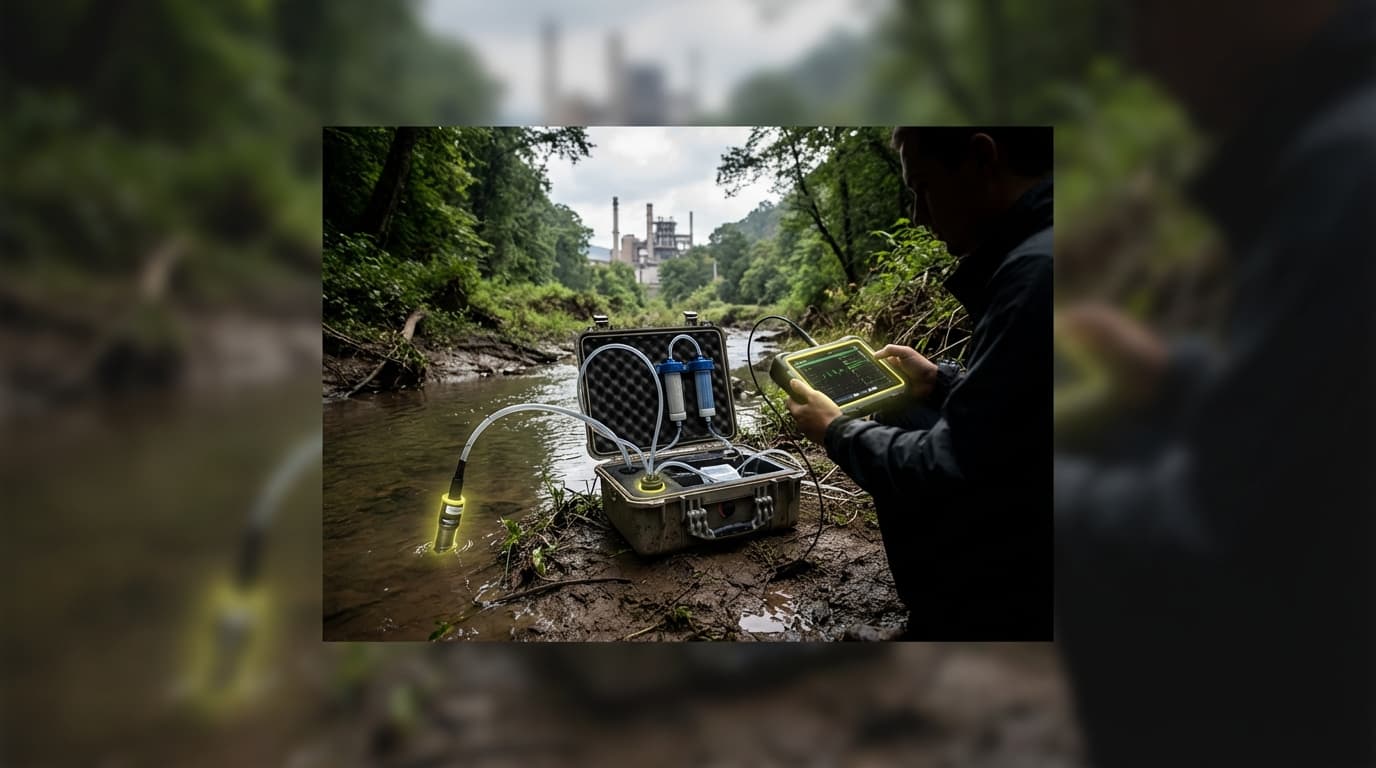
Environmental DNA (eDNA) monitoring represents a paradigm shift in how industrial operations track their ecological footprint. Unlike traditional biodiversity surveys that rely on direct observation, trapping, or physical sampling of organisms, eDNA technologies detect genetic material—shed skin cells, scales, feces, mucus, or other biological traces—left behind by organisms in their environment. When an organism moves through water, soil, or even air, it continuously releases microscopic fragments of DNA that can persist for days or weeks. By collecting samples from these environmental matrices and using advanced molecular techniques such as polymerase chain reaction (PCR) and high-throughput sequencing, scientists can identify which species are present in an area with remarkable precision. This approach is particularly valuable in the extractives and heavy industry sectors, where operations often occur in remote or ecologically sensitive areas where traditional monitoring would be prohibitively expensive, logistically challenging, or disruptive to the very ecosystems being studied.
For mining companies, petrochemical facilities, and other heavy industrial operators, eDNA monitoring addresses several critical challenges in environmental stewardship and regulatory compliance. Traditional biodiversity assessments require specialized field teams to conduct repeated surveys across vast areas, often during specific seasons or times of day when target species are most active. These methods are labor-intensive, time-consuming, and can miss rare or elusive species entirely. eDNA sampling, by contrast, can detect the presence of endangered fish in tailings pond runoff, track amphibian populations near processing facilities, or monitor soil microbial communities affected by chemical contamination—all from relatively simple sample collection protocols that can be integrated into existing environmental monitoring programs. This technology enables companies to establish more comprehensive baseline biodiversity inventories before operations begin, track changes throughout the project lifecycle, and demonstrate compliance with increasingly stringent environmental regulations and voluntary conservation commitments. The sensitivity of eDNA methods also allows for early detection of invasive species or the return of native species to remediated areas, providing actionable data for adaptive management strategies.
Early commercial adoption of eDNA monitoring in industrial contexts has been driven by both regulatory pressure and corporate sustainability initiatives. Mining operations in biodiversity-rich regions have begun incorporating eDNA surveys into their environmental impact assessments, while pipeline operators use the technology to monitor aquatic ecosystems along their routes. Research collaborations between industry, academic institutions, and environmental consultancies continue to refine sampling protocols and expand reference databases of genetic sequences for species of conservation concern. As sequencing costs decline and analytical pipelines become more standardized, eDNA monitoring is transitioning from a specialized research tool to a routine component of industrial environmental management systems. The technology aligns with broader trends toward data-driven environmental stewardship, offering a scalable, repeatable method for demonstrating that industrial activities are compatible with biodiversity conservation goals—a capability that will become increasingly essential as stakeholders demand greater transparency and accountability in how extractive industries manage their ecological impacts.
Related Organizations

Uses environmental DNA (eDNA) to map biodiversity at scale, providing biological data layers for nature digital twins.
Focuses on ocean and offshore energy eDNA applications through their Centre for Environmental Genomics.

Specializes in aquatic and terrestrial environmental DNA monitoring for conservation and industry.

Global mining company with a focus on sustainable mining plans.
Global authority on the status of the natural world and the measures needed to safeguard it, including the Global Standard for Nature-based Solutions.

Provides DNA sequencing services for aquatic and terrestrial ecosystem monitoring.

Offers eDNA sampling and analysis services for environmental monitoring.

Laboratory specializing in high-throughput eDNA sequencing for waterway health.

Testing, inspection, and certification leader offering eDNA analysis as part of marine services.

Stantec
Canada · Company
An international professional services company in the design and consulting industry.
Supporting Evidence
Research this in Signals
Signals turns a topic into a sourced research record you can inspect and rerun. Your first scan is free, and this one starts with eDNA Biodiversity Monitoring already loaded, so edit it or scan as is.