AI systems that continuously adjust diet, activity, sleep, and therapeutics to keep metabolism in a youthful state.
Models anticipating immune aging, thymus shrinkage dynamics, and T-cell diversity loss.
Ensuring AI-driven longevity resource allocation does not encode historical biases.
Legal structures ensuring individuals own the rights to their biological and genomic data.
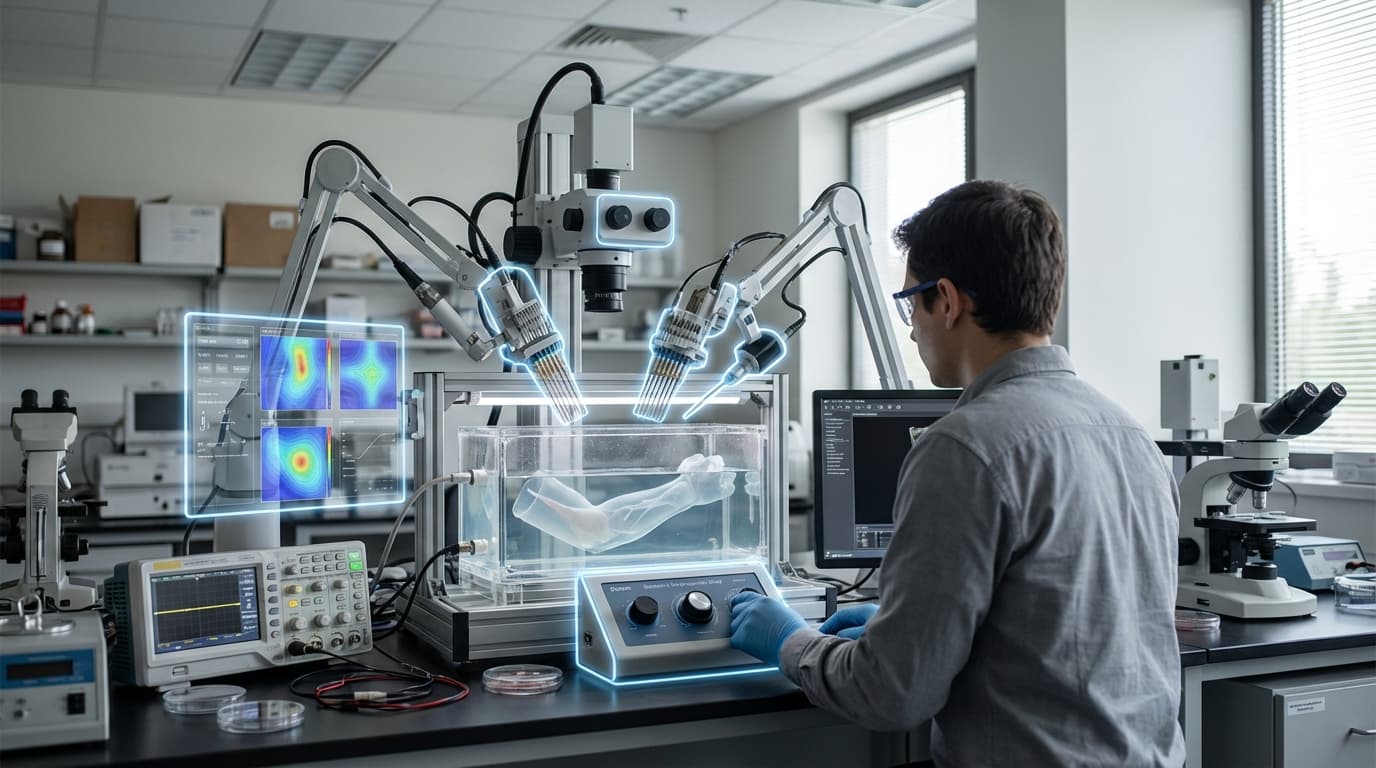
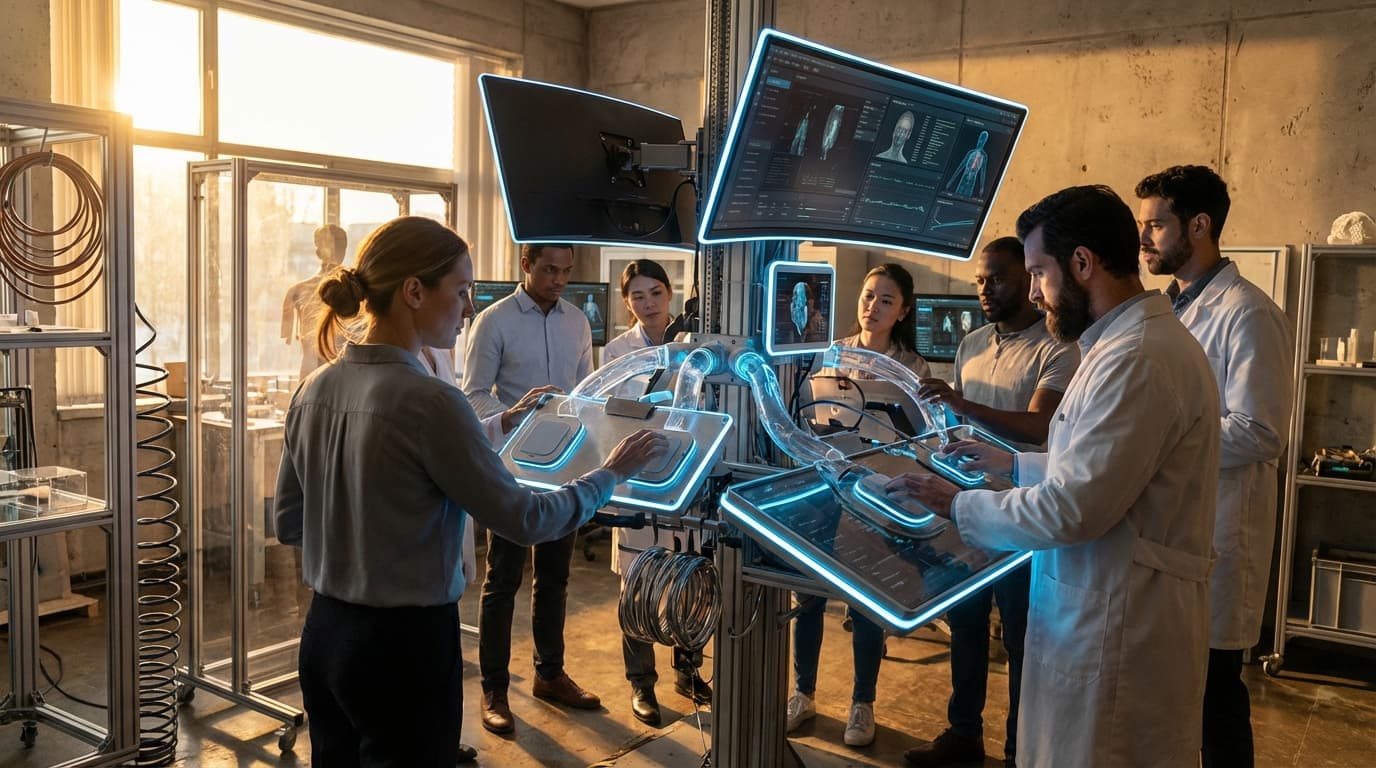
Devices that map and modulate cellular bioelectric fields to guide limb and organ regeneration.
AI models that interpret the voltage states of cell clusters to predict and control morphological outcomes.
Governance structures to prevent the repurposing of rejuvenation tools for harmful biological modification.
Compounds that reproduce the longevity benefits of caloric restriction without dietary limitation.
Software predicting OSK/OSKM induction thresholds, rejuvenation windows, and reprogramming risk profiles.
Devices that actively modulate glucose, ketones, insulin signaling, or AMPK/mTOR pathways in real time.
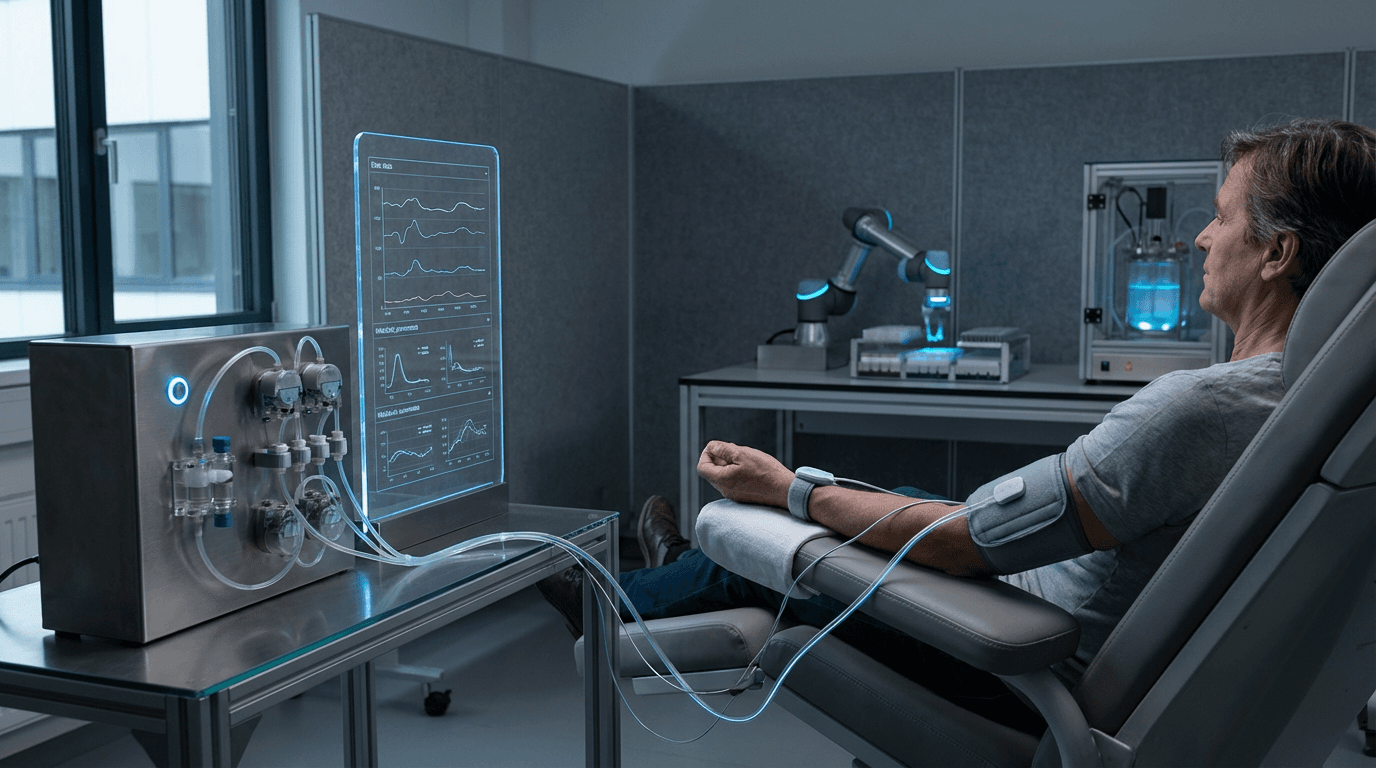
Automated systems that combine sensors, algorithms, and drug delivery to maintain youthful metabolic profiles.
Rights to mental self-determination and protection against unauthorized neuro-surveillance.
Ethical boundaries around employers using aging data for performance or insurance decisions.
AI systems that translate longevity interventions from model organisms to human therapeutics.
Blockchain-enabled platforms for secure, global sharing of aging biomarker and intervention data.
Chemically reinforced nutrients and drugs that resist oxidative damage and metabolic breakdown.
Systems that map aging hallmarks to molecular targets across biological pathways.
Cell-free delivery of regenerative factors using modified extracellular vesicles.
Lab-grown thymus tissue implants designed to regenerate immune function lost with age.
Ethical guidelines distinguishing medical treatment from human enhancement in longevity context.
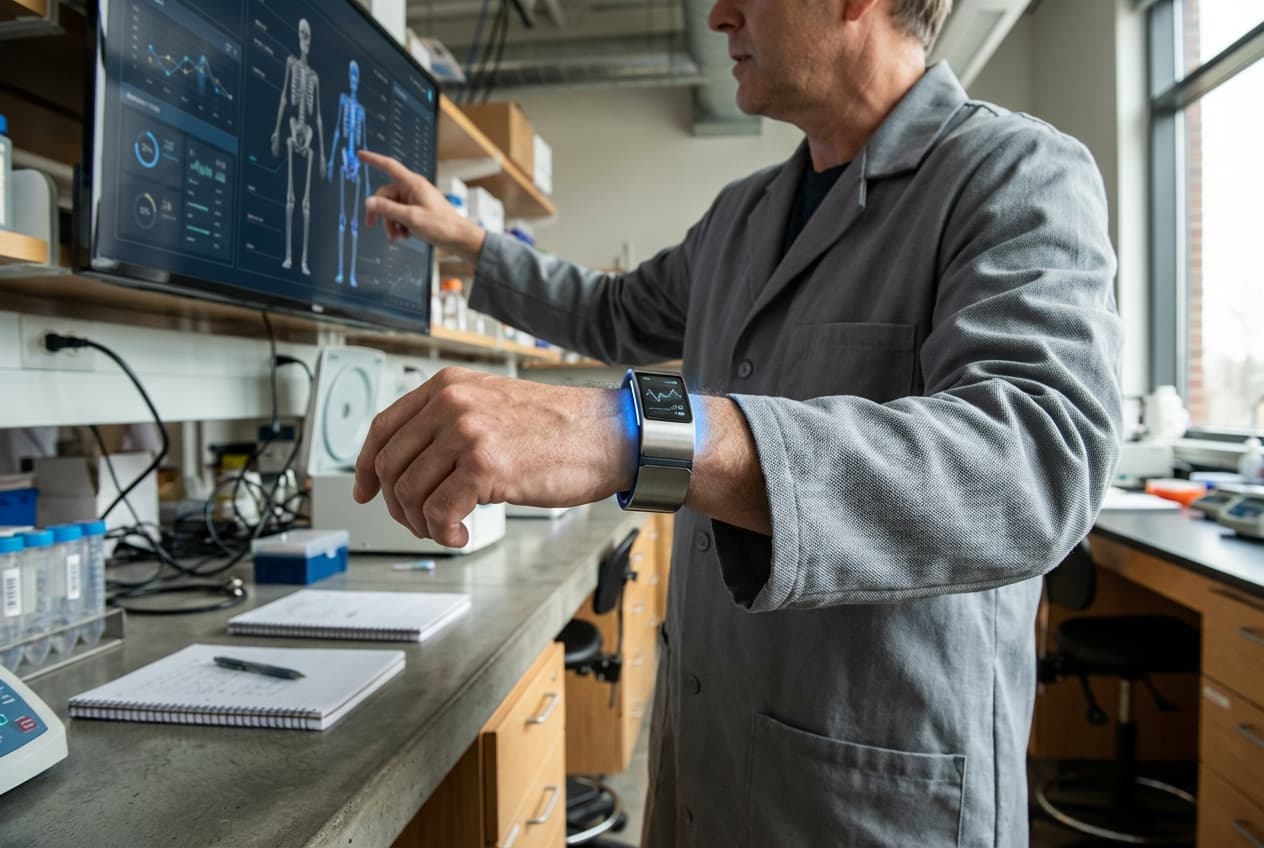
Noninvasive devices that track methylation drift, inflammation signatures, and mitochondrial output in real time.
Targeted ultrasound and enzymatic systems that break down aged, crosslinked ECM and stimulate fresh matrix deposition.
AI systems that design novel proteins and enzymes for metabolic enhancement not found in nature.
Global standards governing the safe and ethical use of heritable genome editing for disease prevention and lifespan extension.
Networks of implanted biosensors that continuously track molecular aging markers across the body.
Simulating longevity interventions on virtual human populations to safely accelerate research and drug approval.
Robotic systems capable of 3D printing skin and tissue directly onto patients for rapid wound healing and regeneration.
Controlled metabolic suppression to reduce aging rates during critical periods or long-duration travel.
Policies addressing the social, economic, and resource implications of dramatically extended lifespans.
Policy frameworks that guarantee equitable access to life-extending interventions across populations.
Virtual physiological replicas of individuals used to simulate the long-term impact of interventions on aging.
Gene therapy delivering variants of FOXO3, SIRT6, Klotho, and other longevity-associated genes.
Financial and insurance frameworks for covering preventative and rejuvenation therapies.
Requirements for transparency in digital twins and aging clocks to avoid misdiagnosis or incorrect predictions.
Implantable systems that deliver healthy mitochondria directly into aging tissues.
Legal recognition of an individual's right to modify their own body form and function.
Next-generation biological age predictors integrating methylation, transcriptomics, proteomics, and imaging data.
Microscopic autonomous robots designed to patrol the bloodstream, detecting pathogens and clearing vascular plaque.
Ultra-fine mesh implants providing high-bandwidth brain-computer communication to mitigate cognitive decline.
Early detection and interventions built around AI-based brain aging models.
Patient-specific mini-organs grown from stem cells to rejuvenate or replace failing tissues.
Controlled expression of Yamanaka factors to rejuvenate tissues without losing cellular identity.
Drugs and compounds that activate cellular recycling pathways to clear damaged proteins and organelles.
Targeted modification of gut microbiota to restore youthful metabolic and immune profiles.
Light-delivery hardware tuned to mitochondrial rejuvenation wavelengths.
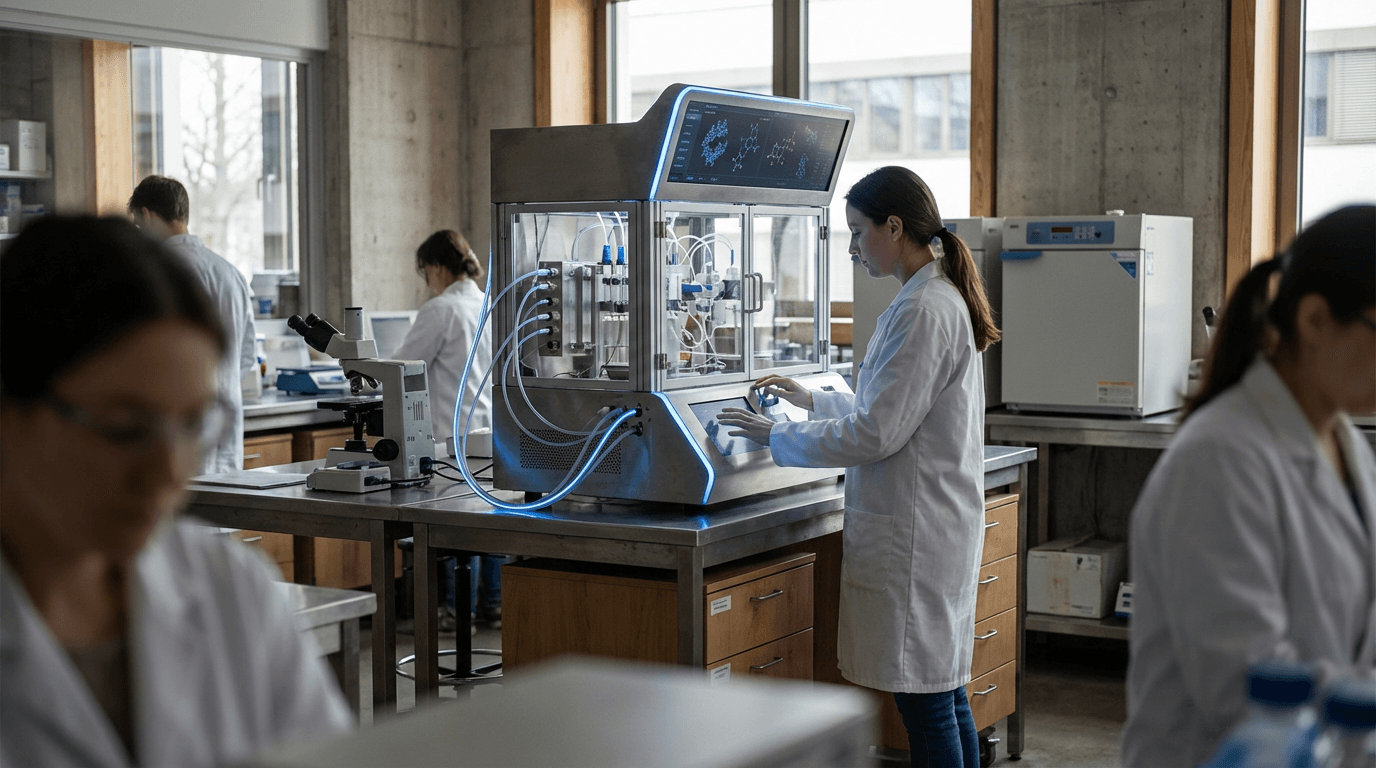
Microfluidic hardware that grows, differentiates, or edits stem cells for rejuvenation use.
Utilizing quantum computing to model complex molecular interactions for anti-aging drugs with unprecedented accuracy.
New regulatory categories for interventions that blur the lines between drug, device, and lifestyle.
Interventions specifically targeting ovarian aging to prolong fertility and delay systemic female aging.
Engineering immune cells to target and destroy senescent 'zombie' cells that accumulate with age.
Drugs that selectively eliminate senescent cells accumulating in aging tissues.
Artificial blood with enhanced oxygen-carrying capacity and longevity properties.
Interventions that restore youthful levels of NAD+, a crucial metabolic cofactor that declines with age.
Controlled activation of telomerase to extend cellular replicative capacity without triggering cancer.
Blood renewal protocols that remove pro-aging factors and introduce youthful circulating factors.
Advanced cryopreservation systems capable of reversibly preserving human organs and potentially whole organisms.
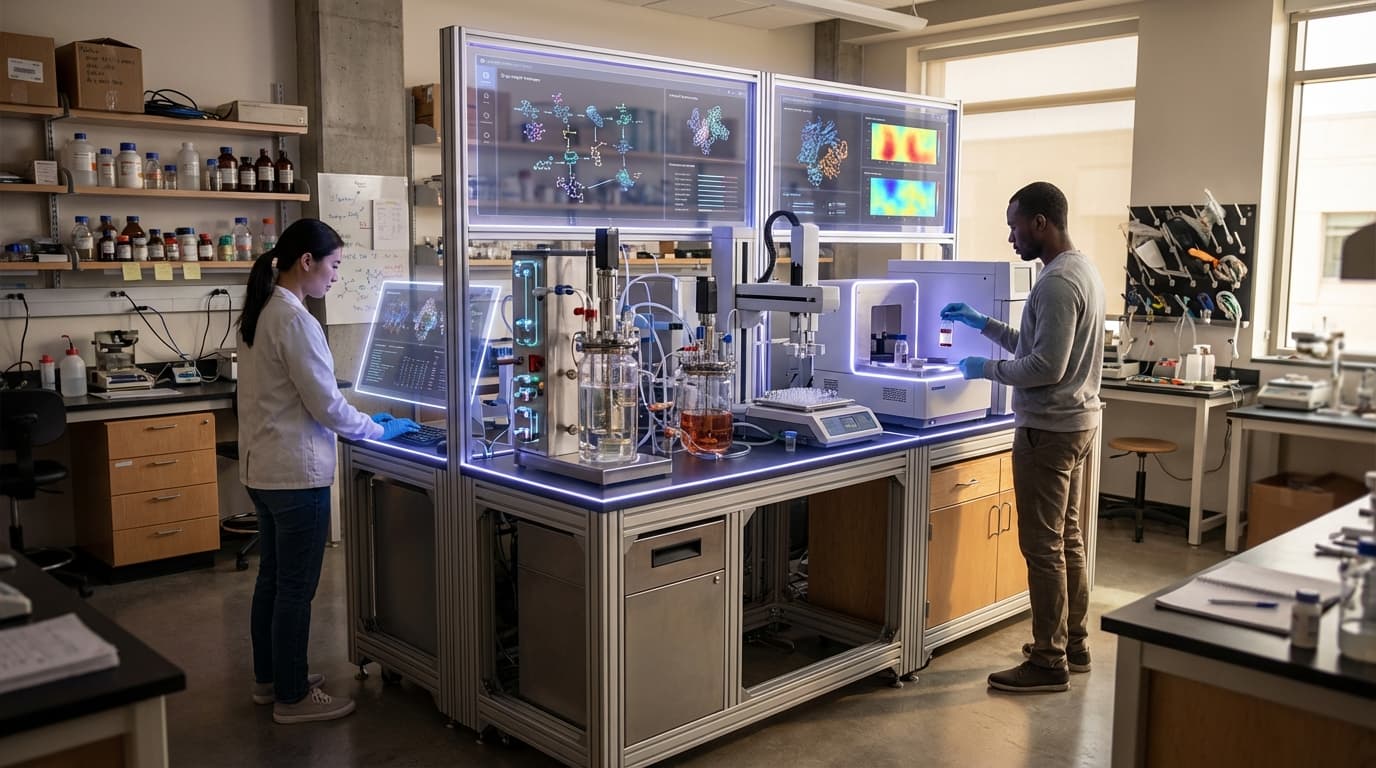
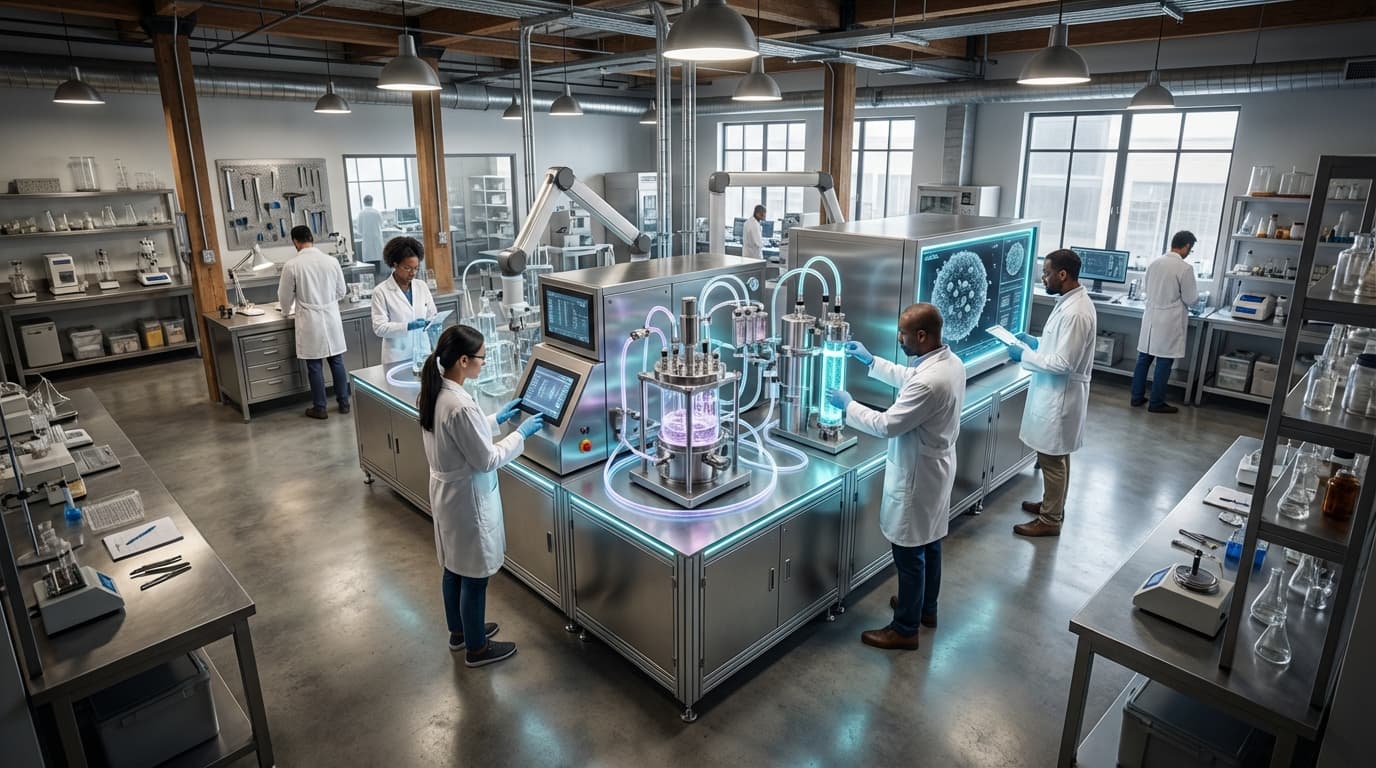
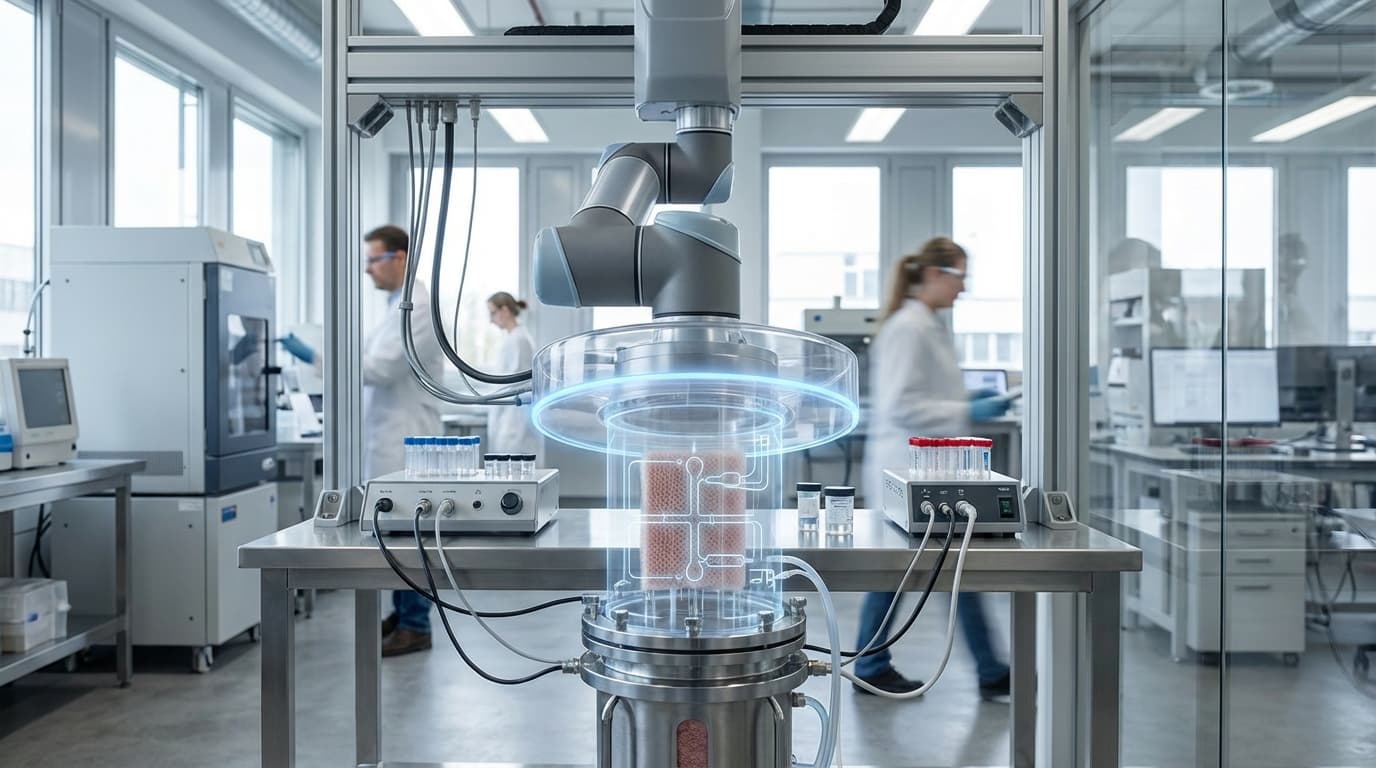
Perfusion bioreactors that repair, rejuvenate, and recellularize donor or patient organs ex vivo.