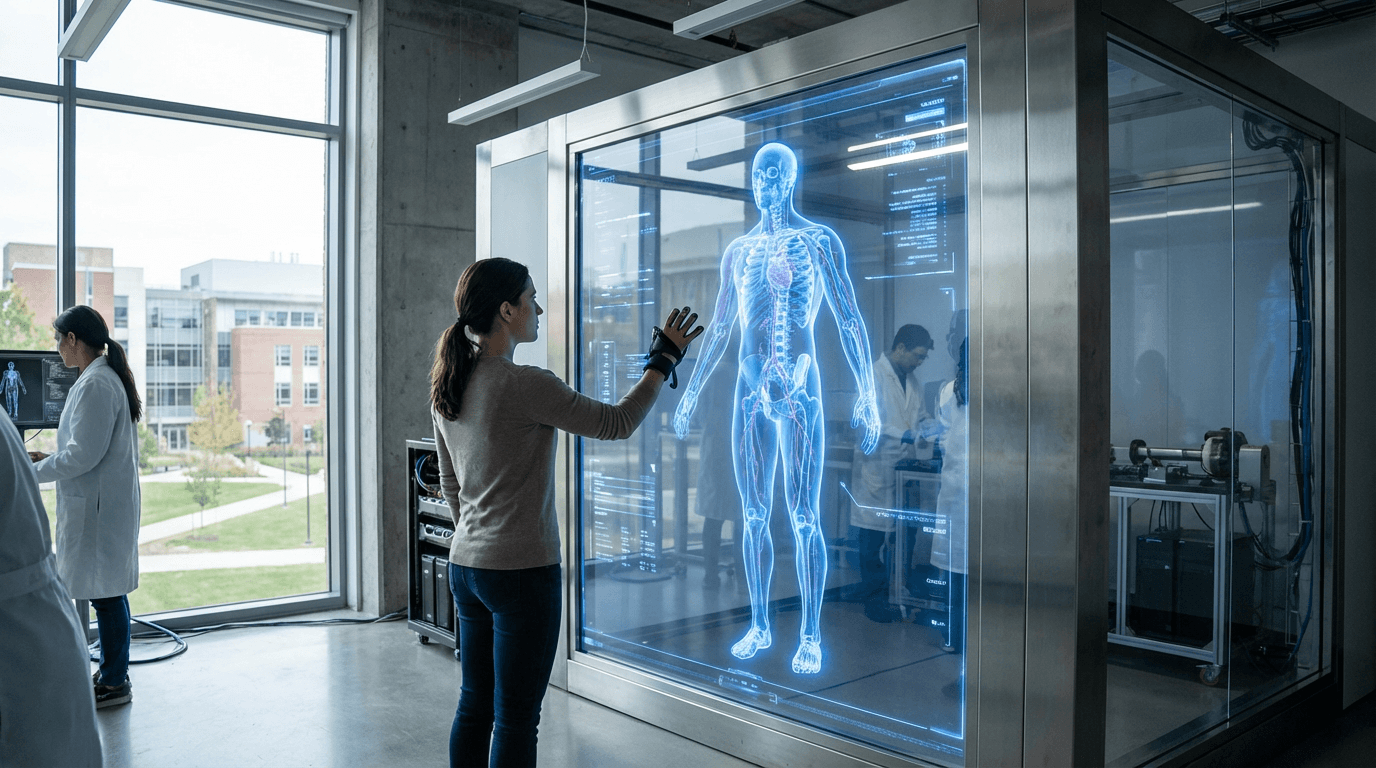
Longevity Digital Twins
Longevity digital twins represent a convergence of computational biology, systems medicine, and predictive modeling to create dynamic, personalized simulations of human aging. Unlike static genetic profiles or one-time health assessments, these virtual replicas continuously integrate multiple layers of biological data—genomic sequences, proteomic signatures, metabolomic profiles, microbiome compositions, medical imaging, wearable sensor streams, and lifestyle factors—into a unified computational framework. The underlying architecture typically employs machine learning algorithms trained on longitudinal health datasets, combined with mechanistic models of cellular aging, metabolic pathways, and organ system interactions. As new data flows in from regular health monitoring, the digital twin updates its parameters and predictions, creating an evolving representation of an individual's physiological state and aging trajectory. This approach transforms the traditionally reactive nature of healthcare into a proactive, simulation-driven discipline where interventions can be tested virtually before being applied to the living person.
The pharmaceutical and wellness industries face a fundamental challenge in longevity research: the decades-long timescales required to validate anti-aging interventions in human trials. Traditional clinical studies cannot feasibly test the combinatorial space of potential therapies—different drugs, dosages, dietary protocols, exercise regimens, and regenerative treatments—across diverse genetic backgrounds and life stages. Longevity digital twins address this bottleneck by enabling in silico experimentation at compressed timescales. Researchers and clinicians can simulate how a specific individual might respond to various intervention combinations over virtual decades, identifying synergistic effects or harmful interactions that would be impossible to detect through conventional means. This capability is particularly valuable for precision longevity medicine, where the optimal strategy for one person may differ substantially from another based on genetic predispositions, epigenetic patterns, or existing health conditions. By reducing the risk and cost of trial-and-error approaches, digital twins enable more confident, personalized recommendations for healthspan extension.
Early implementations of longevity digital twins are emerging from research institutions and specialized longevity clinics, though widespread clinical adoption remains in developmental stages. Some pioneering healthcare providers are beginning to offer digital twin services as part of comprehensive longevity programs, where clients undergo extensive multi-omic profiling and continuous monitoring to feed their virtual replicas. These systems are currently being used to optimize interventions ranging from metformin and rapamycin protocols to personalized nutrition plans and exercise prescriptions. The technology shows particular promise in identifying individuals who might benefit from emerging therapies like senolytics or NAD+ precursors while flagging those at risk for adverse effects. As the cost of genomic sequencing, proteomics, and continuous health monitoring continues to decline, and as machine learning models become more sophisticated through training on larger longitudinal datasets, longevity digital twins are positioned to transition from boutique services to mainstream clinical tools. This evolution aligns with broader trends toward preventive medicine, personalized healthcare, and the quantified self movement, potentially reshaping how society approaches aging from an inevitable decline into a manageable, optimizable process.
Related Organizations

Develops the 'Gemini' platform, a digital twin of the human body powered by advanced whole-body MRI and genetics.

Software corporation specializing in 3D design and digital mock-ups.

A clinical-stage biotechnology company using generative AI for end-to-end drug discovery and research.

Creates 'Prognostic Digital Twins' of patients to populate control arms in clinical trials, reducing the need for placebo patients.

An international non-profit organization promoting the Virtual Physiological Human (VPH).

Home to the 'Alya Red' project, which simulates human organs and physiology on high-performance computing clusters.

A genomics-based, health intelligence company creating the world's largest database of sequenced genomes and phenotypic data to deliver personalized health insights.

Developing foundation models for robotics (Project GR00T) and vision-language models like VILA.
Supporting Evidence
Research this in Signals
Signals turns a topic into a sourced research record you can inspect and rerun. Your first scan is free, and this one starts with Longevity Digital Twins already loaded, so edit it or scan as is.