Precision Microbiome Engineering
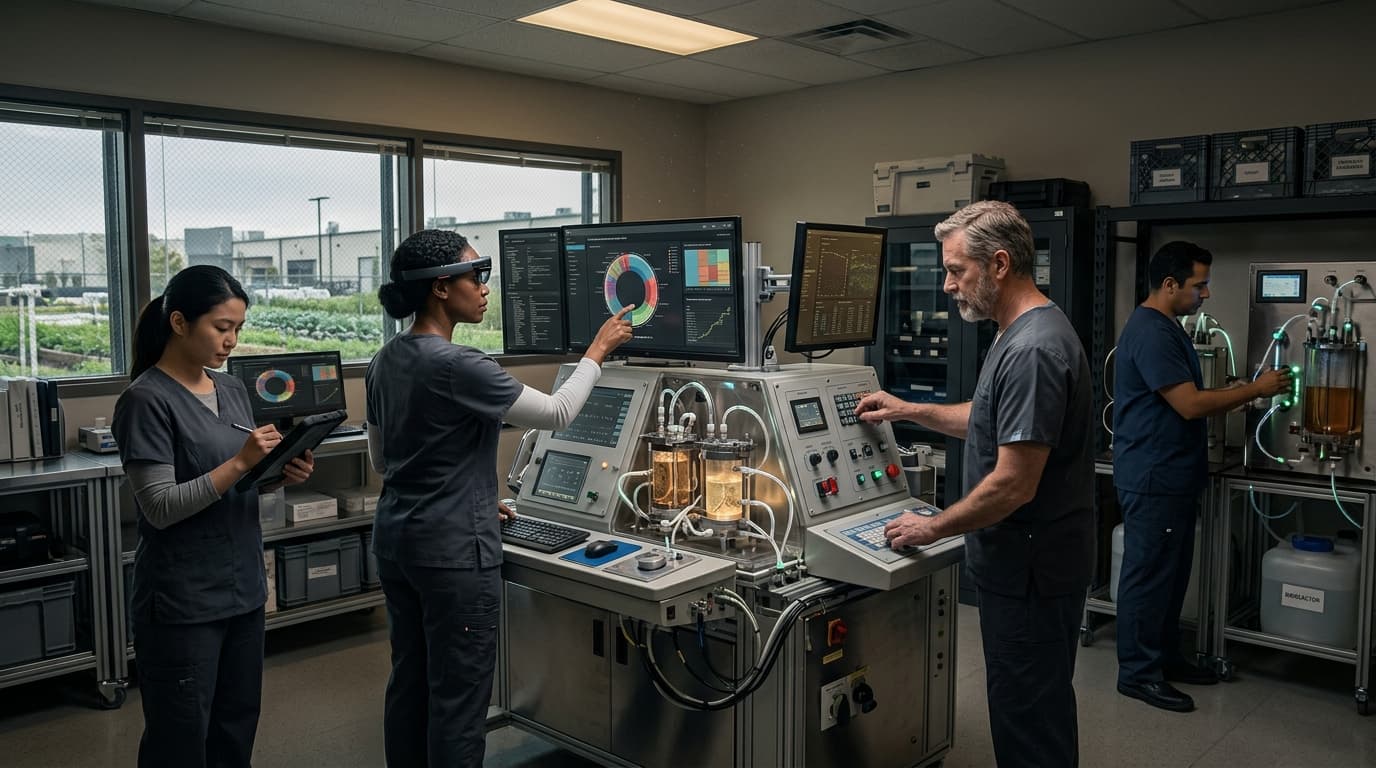
The human gut microbiome undergoes profound shifts across the lifespan, with aging typically characterized by reduced microbial diversity, loss of beneficial commensal species, and expansion of pro-inflammatory bacterial populations. Precision microbiome engineering represents a targeted therapeutic approach that moves beyond broad-spectrum probiotics to deliberately reshape the gut ecosystem using multiple complementary strategies. At its technical core, this methodology combines several distinct interventions: the introduction of defined bacterial consortia selected for their specific metabolic functions, bacteriophage therapy to selectively eliminate pathogenic or inflammatory microbes without disrupting beneficial species, and the strategic deployment of prebiotics that nourish desired bacterial populations alongside postbiotics—the beneficial metabolites produced by microbes themselves. Advanced sequencing technologies and computational modeling enable practitioners to map an individual's existing microbiome composition and predict which interventions will most effectively restore a more youthful microbial profile. This personalized approach recognizes that optimal microbiome composition varies between individuals based on genetics, diet, environment, and health history.
The aging-associated decline in microbiome health contributes to numerous systemic problems that accelerate biological aging and increase disease risk. Research suggests that age-related changes in gut bacteria drive chronic low-grade inflammation, often termed "inflammaging," which underlies many age-related conditions including cardiovascular disease, neurodegenerative disorders, and metabolic dysfunction. Traditional interventions have struggled to address these issues because generic probiotic supplements often fail to colonize effectively or provide the wrong bacterial strains for a given individual's needs. Precision microbiome engineering addresses these limitations by enabling targeted restoration of specific beneficial functions: enhancing production of short-chain fatty acids like butyrate that support gut barrier integrity and possess anti-inflammatory properties, promoting the generation of urolithin A and other longevity-associated metabolites, strengthening immune system regulation, and reducing the bacterial production of harmful compounds like trimethylamine N-oxide (TMAO). This approach also shows promise for improving nutrient absorption, optimizing glucose metabolism, and potentially influencing the gut-brain axis to support cognitive health.
Early clinical applications of precision microbiome engineering are emerging through specialized longevity clinics and research programs, though the field remains largely in the translational research phase. Several biotechnology companies are developing proprietary bacterial consortia designed for specific health outcomes, while others focus on therapeutic bacteriophage libraries capable of targeting problematic gut bacteria with high specificity. Current implementations typically begin with comprehensive microbiome sequencing and metabolomic profiling to establish baseline conditions, followed by personalized intervention protocols that may combine multiple modalities over several months. Industry analysts note growing interest from both the longevity medicine sector and mainstream gastroenterology, as the connections between microbiome health and systemic aging become increasingly well-documented. The convergence of this approach with other longevity interventions—such as senolytic therapies, metabolic optimization, and immune rejuvenation—suggests that microbiome engineering will become a foundational component of comprehensive healthspan extension strategies, offering a relatively accessible entry point for individuals seeking to address biological aging through evidence-based interventions.
Related Organizations



Developing a new class of therapies for immune-mediated diseases based on defined bacterial consortia.

A company pioneering the development of secondary metabolite therapeutics.

A biotech company applying microbiome science to metabolic health.

A clinical-stage microbiome company developing natural and engineered phage therapies.

A commercial-stage microbiome therapeutics company.

A biotechnology company that digitizes human biology to prevent and reverse chronic diseases using mRNA analysis of the microbiome.
Supporting Evidence
Research this in Signals
Signals turns a topic into a sourced research record you can inspect and rerun. Your first scan is free, and this one starts with Precision Microbiome Engineering already loaded, so edit it or scan as is.