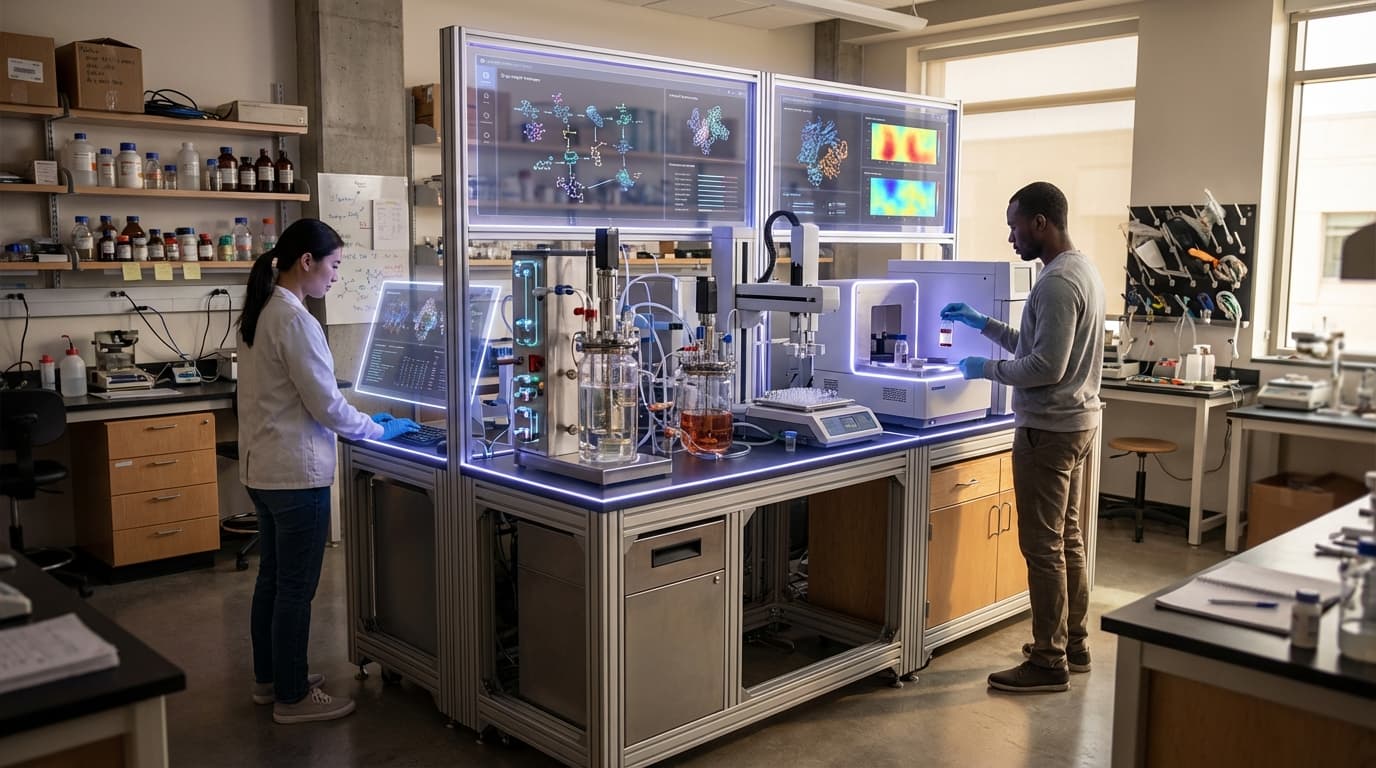
Drug-Target Prediction Engines
Drug-target prediction engines represent a sophisticated convergence of artificial intelligence, systems biology, and pharmaceutical research, designed to decode the complex molecular landscape of aging. These platforms utilize knowledge graphs—structured databases that map relationships between biological entities—to systematically connect the hallmarks of aging with potential therapeutic targets. At their core, these systems integrate vast datasets spanning genomics, proteomics, metabolomics, and clinical outcomes, employing machine learning algorithms to identify patterns and relationships that would be impossible for human researchers to discern manually. The technology works by encoding known biological pathways, protein interactions, genetic variations, and drug mechanisms into computational models that can predict which molecular targets might influence specific aging processes. For instance, when analyzing genomic instability—one of the primary hallmarks of aging—these engines can identify proteins involved in DNA repair mechanisms and cross-reference them against libraries of existing pharmaceutical compounds, revealing unexpected therapeutic opportunities.
The pharmaceutical industry faces mounting pressure to accelerate drug development timelines while reducing the astronomical costs associated with bringing new therapies to market, challenges that are particularly acute in the longevity field where traditional clinical endpoints may require decades to validate. Drug-target prediction engines address these obstacles by dramatically shortening the discovery phase, enabling researchers to bypass years of trial-and-error laboratory work. These systems excel at drug repurposing, identifying existing FDA-approved medications that might address aging-related pathways they were never originally designed to target, thereby leveraging established safety profiles and potentially fast-tracking clinical deployment. Beyond repurposing, these platforms enable rational drug design by highlighting novel molecular targets that represent intervention points across multiple aging hallmarks simultaneously, addressing the interconnected nature of biological aging rather than treating symptoms in isolation.
Early implementations of these systems have already demonstrated promise in academic research settings and biotechnology companies focused on longevity therapeutics, with several platforms now being used to identify senolytic compounds and metabolic modulators. Research institutions are deploying these engines to map the relationships between cellular senescence, inflammation, and mitochondrial function, uncovering multi-target therapeutic strategies that could address aging as a systemic process. The technology aligns with broader trends toward precision medicine and systems-level approaches to health, moving beyond single-target drugs toward interventions that account for the complex, networked nature of biological systems. As computational power increases and biological datasets grow more comprehensive, these prediction engines are expected to become increasingly central to longevity research, potentially enabling the discovery of combination therapies that address multiple aging mechanisms simultaneously and accelerating the timeline from laboratory insight to clinical application.
Related Organizations

A clinical-stage biotechnology company using generative AI for end-to-end drug discovery and research.

Clinical-stage biotechnology company mapping molecular pathways of aging to develop therapies for immune aging.

A data-driven longevity biotech company using physics-based models and AI to understand aging.


Spring Discovery
United States · Startup
A company accelerating the discovery of therapies for aging and its related diseases using machine learning.

A clinical-stage techbio company decoding biology by integrating technological innovations across biology, chemistry, automation, and data science.

A tech-enabled drug discovery company using human genomics and AI to treat neurodegeneration.

Combines AI with a massive biomedical knowledge graph to uncover new disease targets.

A subsidiary of Alphabet applying AI (specifically AlphaFold technology) to reimagine the drug discovery process.

Developing foundation models for robotics (Project GR00T) and vision-language models like VILA.
Supporting Evidence
Research this in Signals
Signals turns a topic into a sourced research record you can inspect and rerun. Your first scan is free, and this one starts with Drug-Target Prediction Engines already loaded, so edit it or scan as is.