Therapeutic Plasma Exchange
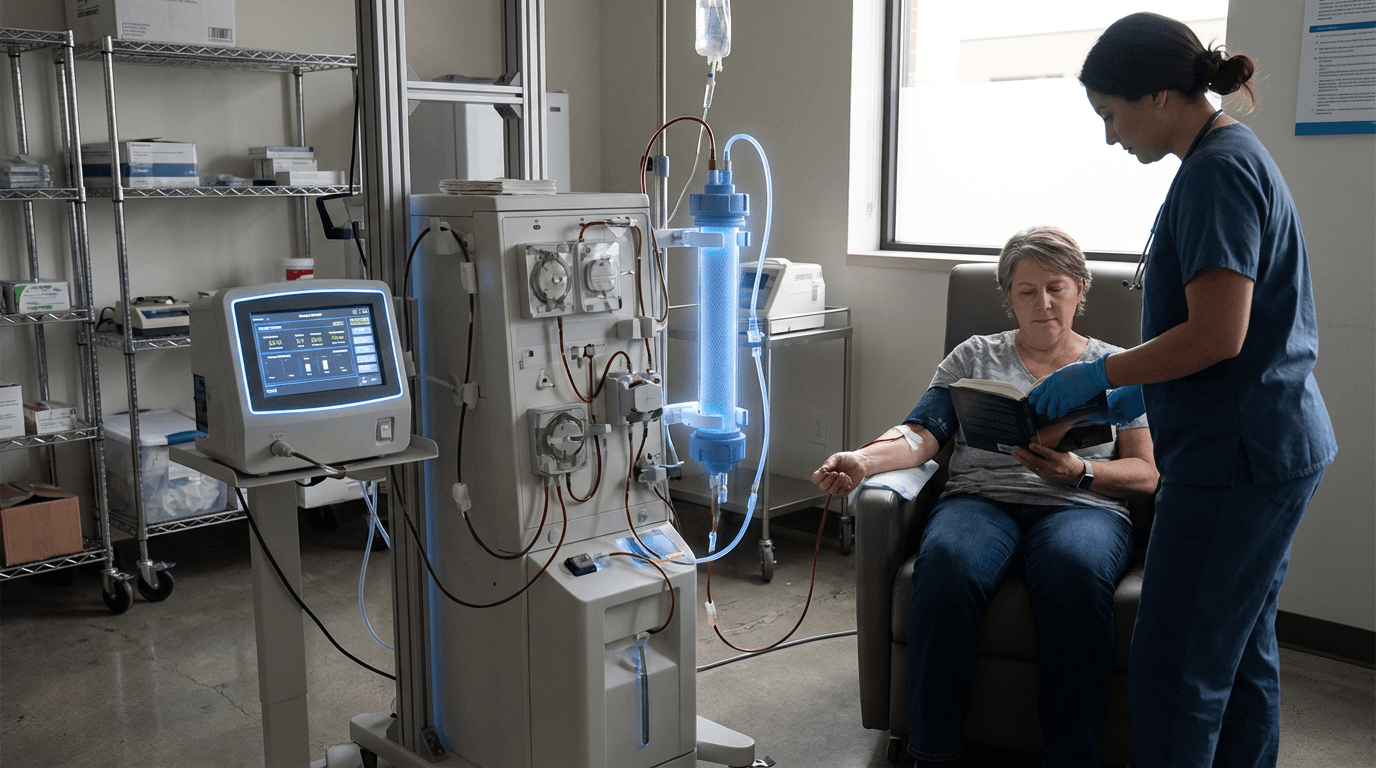
Therapeutic plasma exchange represents a clinical translation of groundbreaking heterochronic parabiosis research, where studies demonstrated that young blood factors could rejuvenate aged tissues in animal models. The technology operates through plasmapheresis, a well-established medical procedure that separates blood plasma from cellular components, allowing selective removal of accumulated pro-aging factors while preserving essential blood cells. During treatment, a patient's blood is continuously cycled through specialized filtration equipment that extracts plasma containing senescence-associated secretory phenotype (SASP) proteins, inflammatory cytokines, chemokines, and other molecular signatures of biological aging. The removed plasma is then replaced with either albumin solution, saline with replacement proteins, or in some protocols, plasma components derived from younger donors or engineered rejuvenating factor concentrates. This process effectively dilutes the systemic burden of aging-associated molecules that research suggests contribute to tissue dysfunction, chronic inflammation, and diminished regenerative capacity across multiple organ systems.
The clinical rationale for therapeutic plasma exchange in longevity medicine addresses a fundamental challenge in aging biology: the accumulation of circulating factors that actively suppress tissue repair and promote cellular senescence throughout the body. Traditional approaches to age-related decline have focused on treating individual organ systems or diseases, yet emerging evidence indicates that blood-borne factors exert powerful systemic effects on aging trajectories. By targeting the composition of circulating plasma itself, these protocols aim to address aging at a more fundamental level, potentially slowing or partially reversing multiple age-related pathologies simultaneously. Early clinical implementations have explored applications ranging from cognitive decline and neurodegenerative conditions to metabolic dysfunction and immune system aging. The approach offers particular promise because it leverages existing medical infrastructure—plasmapheresis equipment is already widely used for treating autoimmune disorders and other conditions—requiring adaptation rather than entirely new technological platforms. This accessibility has enabled faster translation from research findings to clinical investigation, though standardization of protocols and identification of optimal treatment frequencies remain active areas of development.
Current therapeutic plasma exchange protocols for longevity applications exist primarily within clinical research settings and specialized longevity clinics, with several ongoing trials investigating safety profiles, optimal treatment parameters, and measurable biomarker changes. Some facilities offer albumin dilution approaches, which avoid the complexity of donor plasma by simply removing aged plasma and replacing it with pharmaceutical-grade albumin and balanced electrolyte solutions. Research groups are actively working to identify which specific plasma factors most significantly contribute to aging phenotypes and which youthful factors provide the greatest rejuvenating effects, potentially enabling future protocols that target removal and replacement with greater precision. The field is also exploring whether engineered or recombinant versions of beneficial young plasma proteins could provide therapeutic benefits without requiring donor plasma, addressing both scalability and safety concerns. As the scientific understanding of blood-borne aging factors deepens and clinical evidence accumulates, therapeutic plasma exchange may evolve from an experimental intervention into a more standardized component of preventive longevity medicine, potentially offering a systemic approach to maintaining youthful biological function across multiple organ systems as individuals age.
Related Organizations
Conboy Lab (UC Berkeley)
United States · University
Academic research lab at UC Berkeley led by Irina and Michael Conboy.

Global healthcare company and producer of plasma-derived medicines.

Organization founded by Dr. Dobri Kiprov focusing on therapeutic plasma exchange for longevity.
Wyss-Coray Lab (Stanford)
United States · University
Research lab at Stanford University focusing on brain aging and rejuvenation by blood factors.

Biotech company identifying proteins in plasma that change with age to develop targeted therapies.

A non-profit organization conducting small-scale clinical trials on longevity interventions.
A non-profit corporation researching new uses for Therapeutic Plasma Exchange.

Developing medicines that restore youthful regenerative capacity, focusing on GDF11.
Biotech developing a peptidomimetic drug platform (CLAROMER™).

A genomics-based, health intelligence company creating the world's largest database of sequenced genomes and phenotypic data to deliver personalized health insights.
Supporting Evidence
Research this in Signals
Signals turns a topic into a sourced research record you can inspect and rerun. Your first scan is free, and this one starts with Therapeutic Plasma Exchange already loaded, so edit it or scan as is.