Neurodegenerative Risk Reduction Programs
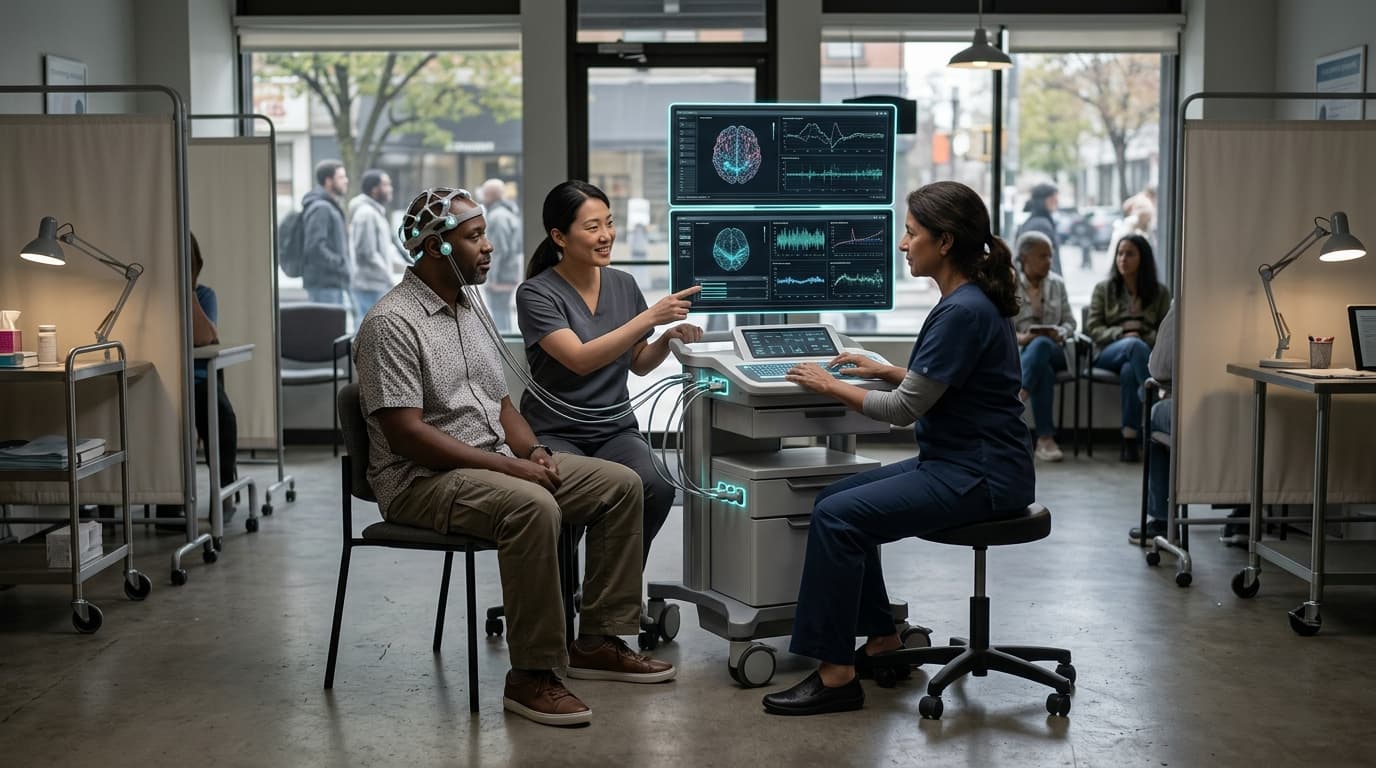
Neurodegenerative Risk Reduction Programs represent a paradigm shift from reactive treatment to proactive prevention in brain health, leveraging advances in artificial intelligence and multimodal biomarker analysis to identify individuals at risk for conditions like Alzheimer's disease, Parkinson's disease, and other forms of dementia long before clinical symptoms emerge. These programs integrate diverse data streams—including advanced neuroimaging techniques such as functional MRI and PET scans, fluid biomarkers from blood and cerebrospinal fluid, genetic risk profiling, and digital cognitive assessments—into comprehensive AI models that can detect subtle patterns of brain aging and neurodegeneration. The underlying technology relies on machine learning algorithms trained on longitudinal datasets that correlate early biological changes with later disease progression, enabling risk stratification with unprecedented precision. By identifying molecular and structural changes in the brain decades before memory loss or motor dysfunction becomes apparent, these systems create a critical window for intervention when neural plasticity remains high and preventive measures can be most effective.
The healthcare industry has long struggled with the devastating personal and economic costs of neurodegenerative diseases, which currently affect tens of millions globally and represent one of the fastest-growing health challenges as populations age. Traditional approaches have focused on managing symptoms after diagnosis, when significant irreversible brain damage has already occurred, limiting treatment efficacy and quality of life outcomes. Neurodegenerative Risk Reduction Programs address this fundamental limitation by enabling early intervention when the brain retains greater capacity for adaptation and repair. These programs solve the critical problem of therapeutic nihilism in neurology by providing actionable intelligence and evidence-based intervention protocols tailored to individual risk profiles. They enable healthcare systems to transition from expensive late-stage care to cost-effective prevention, potentially reducing the incidence of clinical dementia and extending cognitive healthspan. The personalized nature of these programs—combining lifestyle modifications, targeted cognitive training, sleep architecture optimization, nutritional interventions, and when appropriate, neuroprotective compounds—represents a new business model in preventive neurology that aligns incentives around maintaining brain health rather than merely treating disease.
Early implementations of these programs are emerging in specialized longevity clinics and research institutions, where high-risk individuals undergo comprehensive baseline assessments followed by regular monitoring and intervention adjustments. Pilot programs have demonstrated the feasibility of integrating wearable sensors for continuous sleep and activity tracking, smartphone-based cognitive assessments, and periodic biomarker testing into cohesive risk management protocols. Research suggests that multidomain interventions addressing vascular health, metabolic function, inflammation, and cognitive reserve may slow or prevent the transition from preclinical neurodegeneration to clinical disease. As AI models become more sophisticated and biomarker testing becomes more accessible and affordable, these programs are expected to expand beyond specialized centers into mainstream healthcare, potentially becoming standard components of preventive care for aging populations. The convergence of this approach with broader trends in precision medicine, digital health monitoring, and the growing longevity industry positions neurodegenerative risk reduction as a cornerstone of efforts to extend not just lifespan but cognitive healthspan, fundamentally reshaping how societies approach brain aging in the coming decades.
Related Organizations

A digital health company enabling early detection and intervention for cognitive health.
A precision neurology company using augmented reality and AI to predict brain health.
A specialty diagnostics company developing blood tests for Alzheimer's disease.
A global partnership to accelerate progress on Alzheimer's disease discovery, testing, and healthcare system preparedness.

A digital health company providing tools to assess and improve cognitive health.

A medical imaging company developing a non-invasive eye scan for the detection of Alzheimer's disease biomarkers.

A venture philanthropy organization dedicated to funding the development of drugs to prevent, treat, and cure Alzheimer's.
A company developing a blood-based prognostic test for Alzheimer's disease.

Quanterix
United States · Company
A company digitizing biomarker analysis with the goal of advancing precision health.
Supporting Evidence
Research this in Signals
Signals turns a topic into a sourced research record you can inspect and rerun. Your first scan is free, and this one starts with Neurodegenerative Risk Reduction Programs already loaded, so edit it or scan as is.