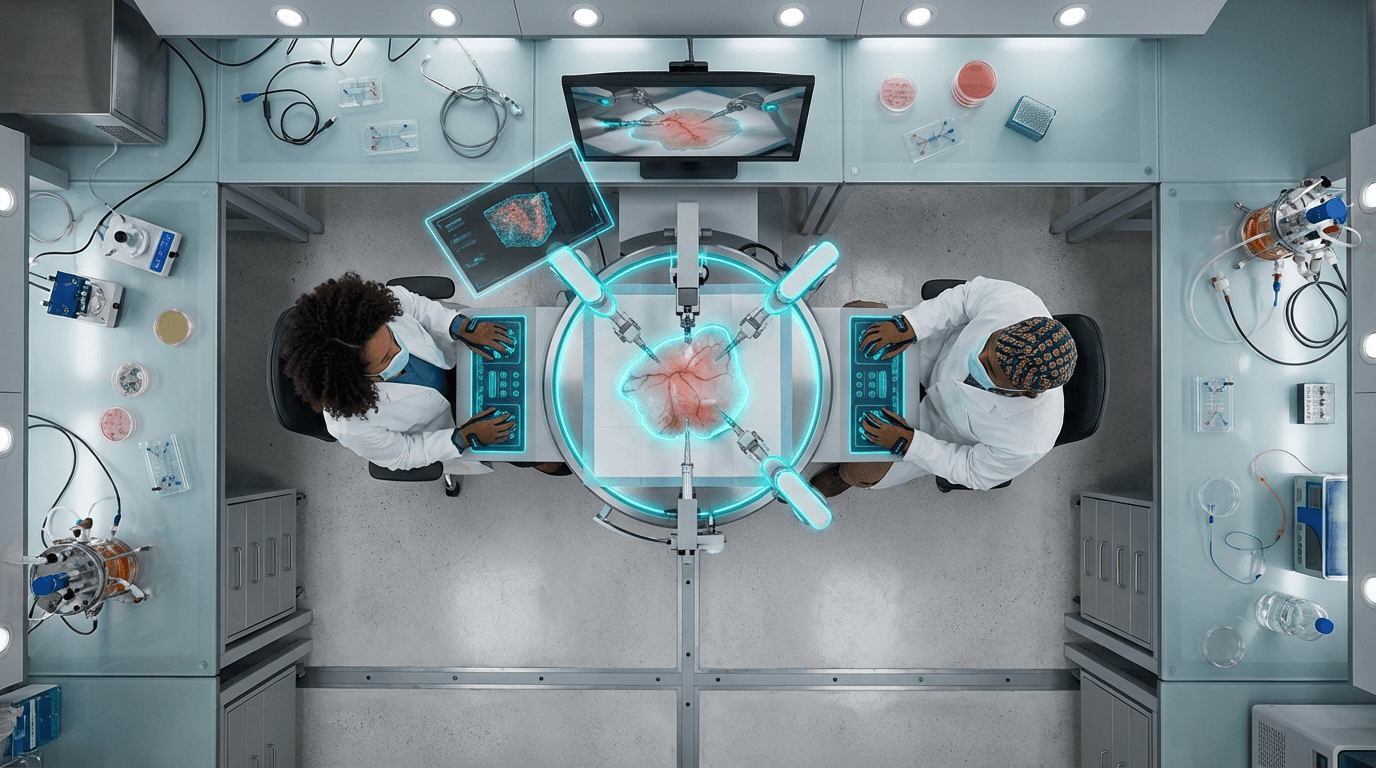
Engineered Thymic Organoid Grafts
The thymus gland plays a critical role in immune system development by producing naive T-cells, the adaptive immune cells responsible for recognizing and responding to new pathogens. However, this organ begins to atrophy shortly after puberty, progressively shrinking and being replaced by fatty tissue in a process called thymic involution. By age 60, thymic output has declined to approximately 10% of its peak capacity, resulting in immune senescence—a state characterized by reduced T-cell diversity, impaired vaccine responses, increased susceptibility to infections, and diminished cancer immunosurveillance. Engineered thymic organoid grafts address this fundamental limitation by recreating functional thymus tissue in the laboratory. These three-dimensional structures are typically derived from induced pluripotent stem cells or thymic epithelial progenitors, carefully cultured to recapitulate the complex architecture of the native thymus, including distinct cortical and medullary regions essential for T-cell maturation. The organoids are then integrated with biocompatible scaffolds that provide structural support and facilitate vascularization upon implantation.
The clinical implications of restoring thymic function extend across multiple dimensions of age-related health decline. Immune senescence represents one of the most significant contributors to morbidity and mortality in aging populations, underlying everything from reduced vaccine efficacy to increased cancer incidence and severe infectious disease outcomes. Traditional approaches to immune support in the elderly have been largely palliative, focusing on symptom management rather than addressing the root cause of immune decline. Engineered thymic organoid grafts offer a regenerative solution by reestablishing the source of naive T-cell production, potentially reversing decades of immune aging. This technology also addresses a critical gap in current immunotherapy approaches, which often rely on a patient's existing T-cell repertoire—a limitation particularly problematic in elderly patients whose T-cell diversity has already contracted significantly. By generating fresh naive T-cells capable of recognizing novel antigens, these grafts could dramatically improve outcomes for cancer immunotherapy, vaccination programs, and infectious disease management in aging populations.
Research groups have demonstrated successful thymic organoid development and implantation in preclinical models, with some grafts showing sustained T-cell output for extended periods following transplantation. Early studies indicate that these engineered tissues can integrate with host vasculature and support T-cell development through the complete maturation process, including positive and negative selection mechanisms that ensure self-tolerance. Clinical translation efforts are exploring both surgical implantation approaches and minimally invasive delivery methods using encapsulation technologies that protect the organoids while allowing cellular trafficking. The technology aligns with broader trends in regenerative medicine and organ engineering, where researchers are increasingly moving beyond simple cell therapies toward complex tissue reconstruction. As the global population ages and the burden of immune senescence intensifies, engineered thymic organoid grafts represent a potentially transformative intervention that could extend healthspan by maintaining immune competence well into advanced age, fundamentally altering the trajectory of age-related immune decline.
Related Organizations

Developing thymic rejuvenation therapies using iPSC-derived thymic epithelial cells to restore immune function.

Biotechnology company using lymph nodes as bioreactors to regrow functioning ectopic organs, including the thymus.

Developing therapies to reverse thymic involution and restore immune function.

A premier research institute led by Dr. Anthony Atala, famous for printing bladders and developing the ITOP printer.
Francis Crick Institute
United Kingdom · Research Lab
Major biomedical research center with specific labs (e.g., Paola Bonfanti) working on thymus reconstruction.
Conducted the TRIIM trial demonstrating thymic regeneration and immunosenescence reversal in humans using HGH and DHEA.

A premier cancer treatment and research center.

Focuses on organ replacement therapies using decellularized scaffolds.
Supporting Evidence
Research this in Signals
Signals turns a topic into a sourced research record you can inspect and rerun. Your first scan is free, and this one starts with Engineered Thymic Organoid Grafts already loaded, so edit it or scan as is.