Synthetic Blood Substitutes
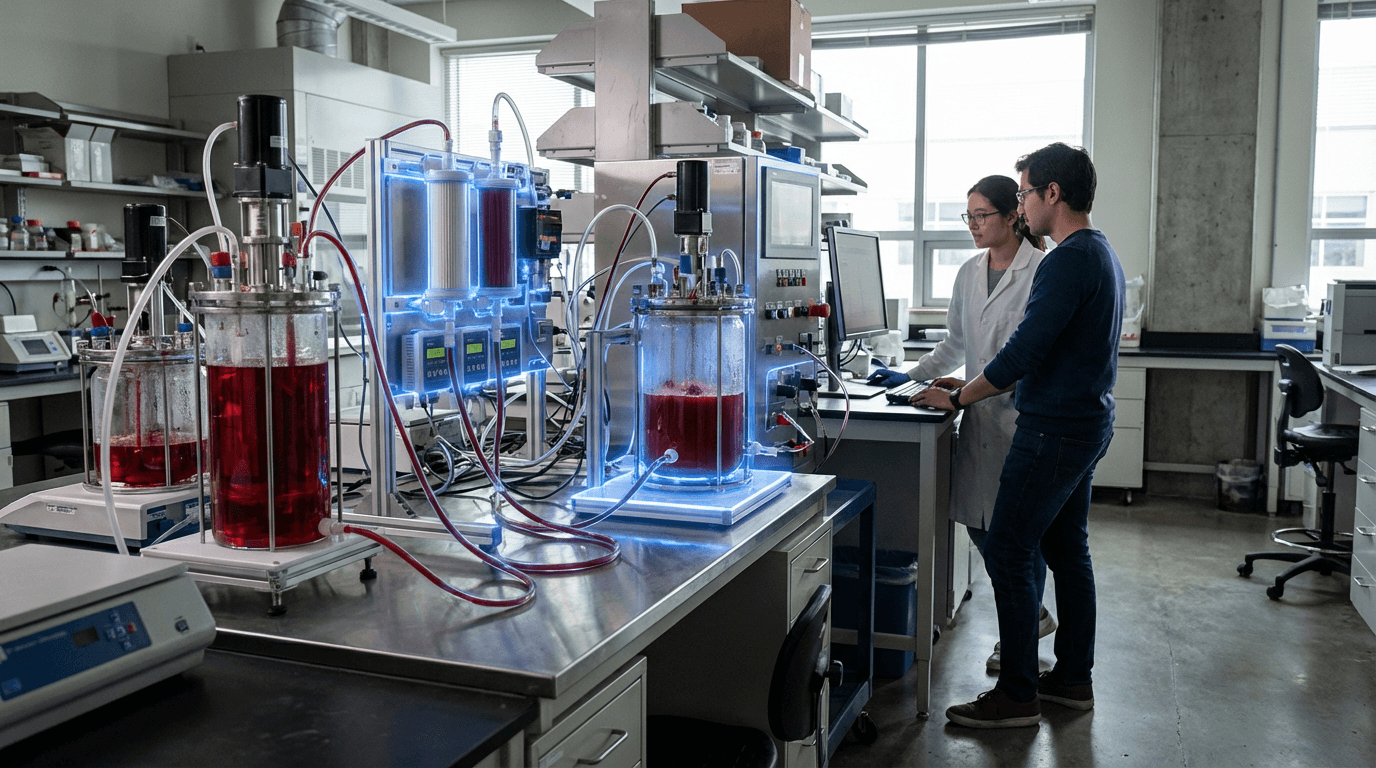
Synthetic blood substitutes represent a class of engineered biomaterials designed to replicate or enhance the oxygen-carrying functions of natural hemoglobin while offering advantages that biological blood cannot provide. These artificial solutions typically fall into two main categories: hemoglobin-based oxygen carriers (HBOCs), which use modified hemoglobin molecules extracted from human or animal sources, and perfluorocarbon (PFC) emulsions, which are synthetic compounds capable of dissolving large amounts of oxygen and carbon dioxide. The core technical challenge these systems address involves creating stable molecules that can bind, transport, and release oxygen effectively while avoiding the toxic side effects that have plagued earlier iterations. Advanced formulations incorporate polymerization techniques to prevent hemoglobin from breaking down too quickly in the bloodstream, chemical modifications to reduce vasoconstriction, and encapsulation strategies that protect the oxygen-carrying molecules from immune system recognition. Some experimental designs go beyond mere replication, engineering enhanced oxygen affinity that allows these substitutes to deliver oxygen more efficiently to oxygen-starved tissues than natural red blood cells.
The development of synthetic blood addresses several critical limitations in modern medicine and longevity science. Traditional blood transfusions face persistent challenges including limited shelf life, the need for refrigeration, blood type matching requirements, and chronic shortages that can delay critical treatments. In the context of aging and healthspan extension, synthetic blood substitutes offer particularly compelling advantages. Research suggests these products could help combat age-related ischemic conditions by ensuring adequate oxygen delivery to tissues experiencing reduced blood flow, a common problem as vascular systems deteriorate with age. The enhanced oxygen-carrying capacity of certain formulations could theoretically support cellular metabolism in aging tissues, potentially slowing functional decline. Furthermore, the resistance to oxidative stress built into many synthetic blood designs addresses one of the fundamental mechanisms of aging, as oxidative damage accumulates in biological systems over time. For organ transplantation, synthetic blood substitutes enable extended preservation periods by maintaining oxygen supply to harvested organs, potentially expanding the geographic range of donor-recipient matching and reducing organ waste.
Early clinical applications have focused primarily on emergency medicine and surgical settings where immediate blood replacement is critical and conventional blood products are unavailable or incompatible. Military medical research has been particularly active in this space, seeking solutions for battlefield trauma care where blood storage and transport present logistical challenges. Some hemoglobin-based products have received regulatory approval in specific countries for limited indications, though safety concerns around cardiovascular side effects have slowed broader adoption. In the longevity sector, experimental protocols are exploring whether periodic infusions of oxygen-enhanced synthetic blood could support healthspan by improving tissue oxygenation in elderly populations, though such applications remain largely investigational. The technology intersects with broader trends in regenerative medicine and metabolic optimization, as researchers investigate whether enhanced oxygen delivery could support cellular repair mechanisms and mitochondrial function. As manufacturing techniques improve and safety profiles are refined, synthetic blood substitutes may transition from emergency stopgaps to proactive interventions, potentially becoming part of comprehensive longevity protocols designed to maintain tissue vitality and extend functional lifespan.
Related Organizations

A company focused on developing and commercializing hemoglobin-based oxygen carriers.

A biotechnology company developing universal oxygen carriers derived from marine lugworms.
A biotech company developing ErythroMer, a dried, bio-inspired artificial red blood cell.

A company developing products to treat anemia and ischemia using PEGylated bovine hemoglobin.

A clinical stage biotechnology company developing dodecafluoropentane-based oxygen therapeutics.

The U.S. Army's primary laboratory for combat casualty care research.

A biotech company developing Oxycyte, a perfluorocarbon therapeutic oxygen carrier.

A medical university in Japan known for advanced research in transfusion medicine.

A biopharmaceutical company developing oxygen-delivery therapeutics for cancer and other hypoxic conditions.
Supporting Evidence
Research this in Signals
Signals turns a topic into a sourced research record you can inspect and rerun. Your first scan is free, and this one starts with Synthetic Blood Substitutes already loaded, so edit it or scan as is.