Cellular Reprogramming Simulators
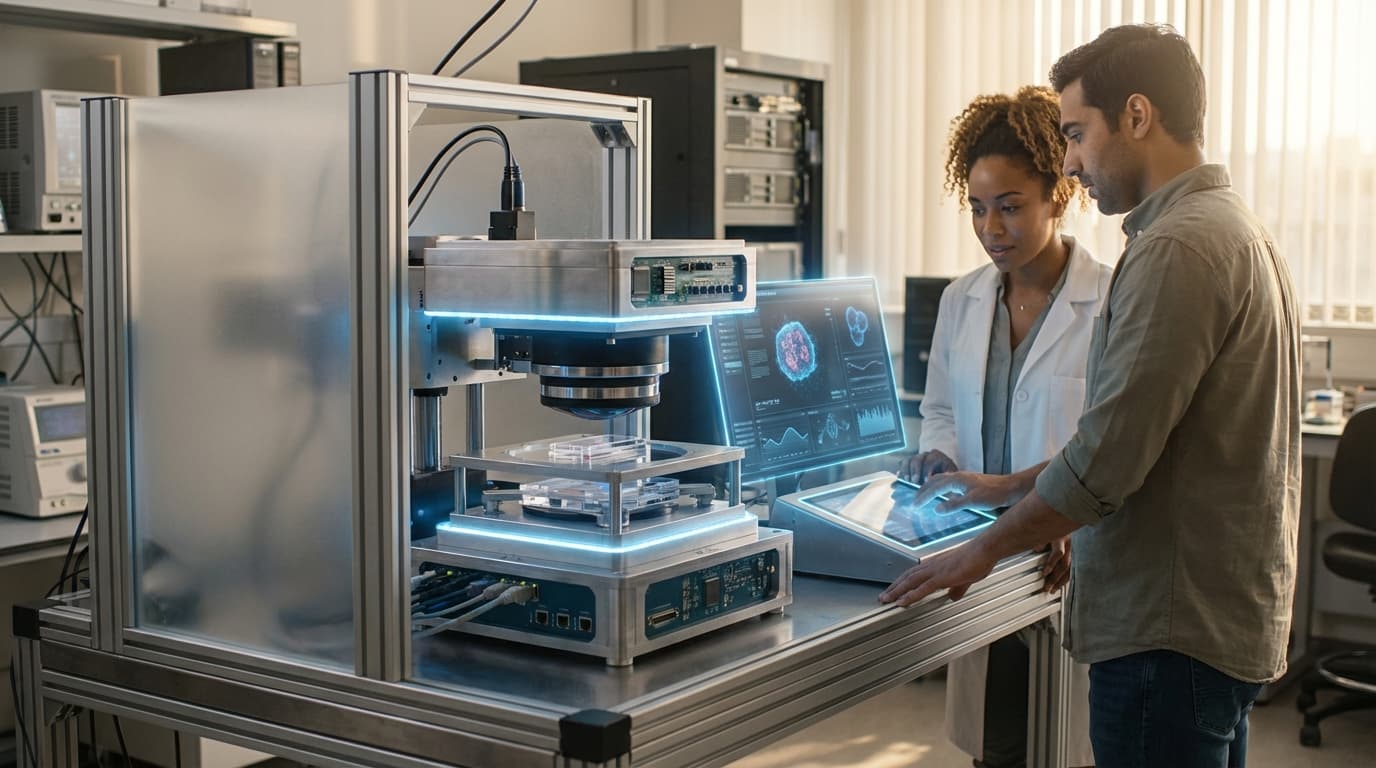
Cellular reprogramming simulators represent a critical computational infrastructure for navigating the complex biological dynamics of age reversal at the molecular level. These sophisticated software platforms model the intricate transcriptional networks that govern cellular identity, simulating how cells respond when exposed to reprogramming factors—particularly the Yamanaka factors (Oct4, Sox2, Klf4, and c-Myc, collectively known as OSKM). At their core, these simulators integrate vast datasets from genomics, epigenomics, and proteomics to create predictive models of cellular state transitions. By mapping the multidimensional landscape of gene expression patterns, chromatin accessibility, and epigenetic markers, these tools can forecast how different dosages, durations, and combinations of reprogramming factors will influence a cell's trajectory. The underlying algorithms often employ machine learning techniques trained on experimental data from partial reprogramming studies, enabling them to identify the narrow therapeutic window where cells shed age-associated epigenetic marks without losing their differentiated identity—a delicate balance that represents one of regenerative medicine's most significant technical challenges.
The pharmaceutical and biotechnology industries face a fundamental dilemma in translating cellular reprogramming from laboratory success to clinical reality: the same molecular mechanisms that can reverse cellular aging can also trigger uncontrolled proliferation or unwanted cell type conversion. Traditional experimental approaches to optimizing reprogramming protocols require extensive trial-and-error testing across numerous variables, consuming years of research time and substantial resources while exposing patients to potential safety risks. Cellular reprogramming simulators address this challenge by enabling in silico experimentation, allowing researchers to test thousands of protocol variations virtually before conducting wet-lab validation. This capability dramatically accelerates the identification of safe and effective reprogramming regimens tailored to specific cell types, patient populations, or disease contexts. Furthermore, these platforms help predict individual patient responses based on their unique genetic and epigenetic profiles, moving the field toward personalized rejuvenation therapies that account for the biological heterogeneity inherent in aging populations.
Research institutions and biotech companies developing age-reversal therapies are increasingly incorporating these simulation platforms into their development pipelines, with early implementations focusing on optimizing protocols for ex vivo cell treatments and tissue engineering applications. The technology shows particular promise in designing safer approaches to in vivo partial reprogramming, where precise control over factor expression becomes paramount to avoid systemic risks. As the field advances, these simulators are expected to integrate real-time biosensor data, creating adaptive systems that can adjust reprogramming protocols dynamically based on cellular responses. The convergence of cellular reprogramming simulation with advances in synthetic biology and gene delivery systems positions this technology as an essential component of the emerging longevity medicine infrastructure, potentially enabling the development of rejuvenation therapies that can be calibrated with pharmaceutical precision rather than biological approximation.
Related Organizations

Uses AI to identify safe rejuvenation genes that can reset the epigenetic clock without causing cancer.

Biotechnology company focused on cellular rejuvenation programming.

Co-founded by Brian Armstrong, focused on epigenetic reprogramming to restore youthful function to T-cells and other tissues.

A world-class research institution focusing on epigenetics and signaling controls of cell fate.


Alphabet-owned R&D company focused on the biology of aging, with active research into reprogramming biology.

A clinical-stage biotechnology company using generative AI for end-to-end drug discovery and research.

A platform company for in vivo therapeutic screening.

Google's AI research lab, creators of AlphaFold (protein structure) and GNoME (materials discovery).
Supporting Evidence
Research this in Signals
Signals turns a topic into a sourced research record you can inspect and rerun. Your first scan is free, and this one starts with Cellular Reprogramming Simulators already loaded, so edit it or scan as is.