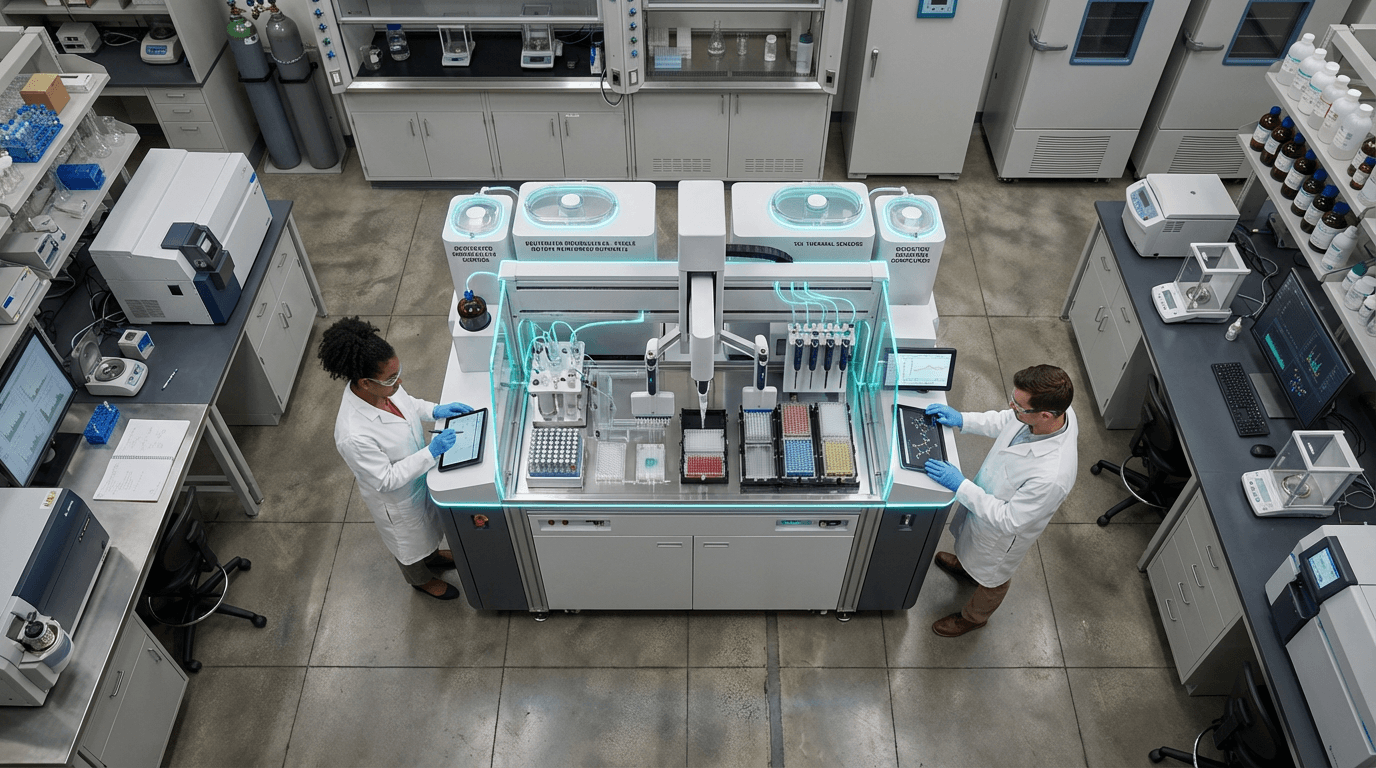
Deuterated Biomolecules
Deuterated biomolecules represent a precision chemistry approach to cellular protection, where hydrogen atoms in critical biological compounds are strategically replaced with deuterium, hydrogen's stable isotope containing an additional neutron. This substitution fundamentally alters the strength of carbon-hydrogen bonds through what chemists call the kinetic isotope effect—deuterium forms bonds approximately six to ten times stronger than ordinary hydrogen bonds. When applied to vulnerable sites in essential biomolecules like polyunsaturated fatty acids (PUFAs), amino acids, or pharmaceutical compounds, this isotopic reinforcement creates molecules that maintain their biological function while exhibiting dramatically enhanced resistance to oxidative damage and enzymatic breakdown. The technique is highly selective, targeting only the molecular positions most susceptible to degradation while preserving the three-dimensional structure and biochemical activity that make these molecules functional in living systems.
The primary challenge this technology addresses is the relentless oxidative stress that drives cellular aging and limits the effectiveness of many therapeutic compounds. Lipid peroxidation—the chain reaction of free radical damage to fatty acids in cell membranes—represents one of the most destructive processes in biological aging, compromising membrane integrity and generating toxic byproducts. Traditional antioxidant approaches attempt to neutralize reactive oxygen species after they form, but deuterated biomolecules prevent the damage from occurring in the first place by making the target molecules inherently resistant to oxidation. For pharmaceutical applications, this approach solves the persistent problem of rapid drug metabolism, where the body's enzymes break down therapeutic compounds before they can exert their full effect. By reinforcing drugs with deuterium at metabolically vulnerable positions, researchers can extend drug half-lives, reduce dosing frequency, and minimize the formation of potentially harmful metabolic byproducts.
Early clinical investigations of deuterated compounds have shown promising results, with deuterated forms of essential fatty acids demonstrating protective effects in models of neurodegenerative disease and metabolic dysfunction. Several pharmaceutical companies have advanced deuterated drug candidates through clinical trials, leveraging the approach to improve the pharmacokinetic profiles of existing medications. The technology aligns with broader trends in precision medicine and metabolic optimization, offering a fundamentally different strategy for combating age-related decline—not by adding protective compounds, but by making the body's existing molecular machinery more durable. As synthesis techniques become more refined and cost-effective, deuterated biomolecules may transition from specialized therapeutics to preventive nutritional interventions, potentially offering a new category of fortified nutrients designed to slow the molecular processes underlying aging itself.
Related Organizations

A biopharmaceutical company developing therapies for serious eye diseases.

Teva Pharmaceuticals
Israel · Company
A global pharmaceutical leader.

A biopharmaceutical company developing treatments for metabolic diseases.

Avanir Pharmaceuticals
United States · Company
A pharmaceutical company focused on CNS disorders.

Developing stem cell-derived islet cell therapies (VX-880) for Type 1 Diabetes.


Investigating protein crystallization in microgravity to improve drug stability and manufacturing.

The world's leading producer of stable isotopes and stable isotope-labeled compounds.
Supporting Evidence
Research this in Signals
Signals turns a topic into a sourced research record you can inspect and rerun. Your first scan is free, and this one starts with Deuterated Biomolecules already loaded, so edit it or scan as is.